
Bangkok’s property market is on the brink of transformation, thanks to the ongoing expansions of the BTS (Bangkok Mass Transit System). These developments are not just about improving transport links; they are set to significantly influence property values across the city. As new lines open up, areas previously considered remote are becoming more attractive for homebuyers and investors alike. In this article, we will explore how these expansions are expected to impact property investment near future BTS expansions, revealing key insights and trends that could shape the market for years to come.
Key Takeaways
- BTS expansions enhance accessibility, making previously distant areas more desirable for homebuyers.
- Demand for housing is rising in newly connected areas, leading to increased property values.
- Government investment in infrastructure is driving property market growth, particularly in suburban regions.
- Investors are shifting focus to suburban living, attracted by improved transport links and amenities.
- Challenges such as rising interest rates and high household debt could impact property investment decisions.
Impact Of BTS Expansions On Property Values
Increased Accessibility
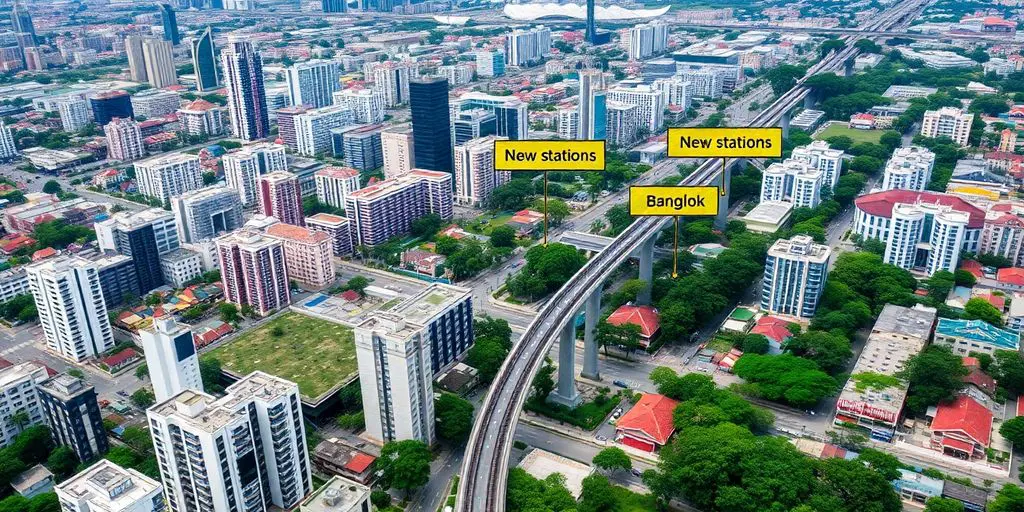
The expansion of Bangkok’s BTS mass transit system is having a noticeable effect on property values. It’s not just about making it easier to get around; it’s about creating economic growth and boosting demand for housing. Properties located near these new lines are becoming increasingly desirable, which is driving up their prices. The Purple Line extension, with its 17 new stations slated for completion by 2026, will significantly improve access to suburban areas, making them more attractive to potential residents.
Rising Demand For Housing
As more people move to areas newly connected by the BTS, the population grows, and so does the need for housing. This naturally leads to higher property values, as everyone wants the convenience and connectivity of living near these transit lines. Bangkok’s metro area reached 11,234,000 people in 2024, a 1.48% increase from the previous year, largely due to people moving from the countryside in search of better jobs and a higher quality of life. Young professionals, students, and millennials are particularly drawn to the city centre, attracted by the convenience and amenities that urban living offers.
Long-term Investment Potential
Investing in property near BTS expansion lines offers significant long-term potential. As Bangkok continues to grow and develop, these areas are likely to see sustained increases in property values. The Thai government’s ongoing investment in infrastructure, particularly the mass transit expansion, is a key driver of this trend. It’s not just about convenience; it’s about economic growth and increased property demand. Properties near these lines are becoming hot commodities, pushing their values up. Consider these points:
- Continued infrastructure development.
- Increasing urban population.
- Growing demand for convenient living.
The correlation between improved transportation and increased property values is well-established. As commuting times decrease and accessibility improves, properties in these areas become more attractive to both buyers and renters, leading to long-term appreciation.
Key Areas Benefiting From New BTS Lines
Western Bangkok Developments
Western Bangkok is really starting to take off, and a lot of that is down to the improved transport links. The expansion of the MRT and BTS lines is making it much easier to get into the city centre, which is a big draw for people looking to move out of the more congested areas. We’re seeing a lot of new developments popping up, especially around areas like Bang Khae and Taling Chan. These areas are becoming increasingly popular, with luxury homes in demand. The MRT’s Purple Line extension is a game-changer, adding 17 new stations by 2026 and significantly improving access to these suburban areas.
Emerging Suburban Hotspots
It’s not just the west that’s benefiting; other suburban areas are also becoming hotspots. The key is connectivity. As the BTS and MRT networks expand, areas that were once considered too far out are now within easy reach of the city centre. This is driving demand for housing in these areas, which in turn is pushing up property prices. The Red Line suburban rail system, connecting the north and south of Bangkok with a major hub at Bang Sue Central Station, is another big factor. This makes suburban commutes more convenient and efficient. The economic growth and increased property demand are hard to ignore.
Central Business District Enhancements
Even the central business district (CBD) is seeing benefits from the BTS expansions. New lines and extensions are making it easier to get around the city, which is good news for businesses and residents alike. The Grey Line, though delayed, promises to connect the middle Sukhumvit area to Rama IX and Lat Phrao, potentially boosting property values, especially in areas like Thong Lor. The Thong Lor BTS station is already a popular spot, and improved access will only make it more desirable. The Grey Line project has been prioritised, and the Bangkok Metropolitan Administration is preparing an environmental impact assessment for the project. It’s still early to tell just how the Grey Line will impact the Thong Lor property market, but it seems highly likely those investors who have recently purchased condominium units along Thong Lor will be getting them at a significant discount.
The expansion of the BTS and MRT networks is having a ripple effect across Bangkok. It’s not just about making it easier to get around; it’s about creating new opportunities for growth and development. As the city continues to expand, these transport links will become even more important in shaping the future of Bangkok’s property market.
Government Initiatives Supporting Property Growth
Infrastructure Investment
The Thai government is putting serious money into infrastructure, and it’s not just roads and bridges. We’re talking about expanding the BTS and MRT networks, which directly impacts property values. Areas near new or extended lines are becoming more attractive to developers and buyers alike. This investment signals long-term commitment and boosts confidence in the market. It’s not just about getting around easier; it’s about building a future.
Affordable Housing Projects
There’s a growing need for affordable housing in Bangkok, and the government is trying to meet it head-on. They’ve launched schemes to encourage developers to build more affordable units, including cutting fees for mortgage registration and property transfers. A significant amount has been set aside for low-cost housing, aiming to build a million homes for low-income earners. This includes a mix of houses and condos, providing options for those in need. It’s a joint effort, catering to both local and international demands.
Tax Incentives For Developers
To further stimulate property growth, the government is offering tax incentives to developers. These incentives can make projects more financially viable, encouraging investment in new developments, especially in areas along the expanding BTS lines. This can include reduced property taxes or exemptions on certain construction materials. It’s all about creating a favourable environment for developers to build, which ultimately benefits buyers and renters. These incentives are crucial, as they encourage developers to focus on affordable housing projects in key areas. By making it financially viable, the government is paving the way for more affordable housing options to meet the city’s growing needs.
The government’s commitment to infrastructure and affordable housing is a game-changer. It’s not just about building more homes; it’s about creating sustainable communities and improving the quality of life for everyone. This long-term vision is what will drive property growth in the years to come.
Trends In Property Investment Near Future BTS Expansions
Shift Towards Suburban Living
There’s a noticeable move towards suburban areas, driven by the expansion of the BTS lines. People are increasingly willing to live further from the city centre if it means they can still easily commute for work or leisure. This shift is creating new opportunities for property investment in previously less desirable locations. The Orange Line, especially the eastern section due to open in 2025, is expected to boost the potential around Ramkhamhaeng. This trend is fuelled by the city’s growing allure, drawing in a diverse crowd eager to experience its dynamic environment.
Growing Interest From Foreign Investors
Bangkok’s reputation as a regional economic powerhouse is also a magnet for expatriates and international workers. This influx of global talent is boosting demand for residential properties, as they seek comfortable and accessible living spaces in the heart of the city. Foreign investors are showing increased interest in properties along the new BTS lines, attracted by the potential for capital appreciation and rental income. This is especially true for properties near international schools or business hubs. The attraction of high-net-worth individuals is a key factor in this trend.
Increased Rental Yields
Properties near BTS stations are seeing increased rental yields, making them attractive to investors. The convenience of easy access to the city centre is a major draw for tenants, allowing landlords to charge higher rents. Young professionals, students, and millennials are flocking to the city centre, attracted by the convenience and amenities that urban living offers. They love being close to work, entertainment, and social hotspots, making rental properties in these areas highly sought after. The expansion of the MRT and BTS lines in Bangkok is a major boost for property values in newly connected areas.
Rising interest rates and persistently high levels of household debt are weighing on consumers, who are increasingly wary about taking on more long-term financial commitments. At the same time, lenders are tightening credit conditions. More expensive construction materials, energy, and labour will add to the overall cost of developments, and so residential property prices are expected to increase. There is a significant supply of unsold housing stock in some areas, though in particular, problems are beginning to emerge in the market for properties over a certain price point.
Challenges Facing Property Investors
Investing in Bangkok’s property market, especially with the ongoing BTS expansions, presents exciting opportunities, but it’s not without its hurdles. It’s important to be aware of these challenges to make informed decisions.
Rising Interest Rates
Interest rates can significantly impact the affordability of property investments. Higher rates mean increased borrowing costs, which can deter potential buyers and reduce overall demand. This is especially relevant for those relying on mortgages to finance their purchases. Keep a close eye on the Bank of Thailand’s monetary policy and how it might affect your investment strategy.
High Levels Of Household Debt
Thailand has seen a rise in household debt, which can affect people’s ability to invest in property. If a large portion of the population is already burdened with debt, their capacity to take on additional financial commitments, like a mortgage, is limited. This can lead to a slowdown in property sales and price appreciation. It’s worth considering how property ownership laws might affect your investment.
Supply Glut In Certain Areas
While some areas are experiencing high demand, others might face a supply glut, where there are more properties available than buyers. This can lead to price stagnation or even declines, making it difficult to achieve desired returns. Careful research is needed to identify areas with balanced supply and demand dynamics. For example, consider the demand for luxury pool villas in Phuket and Koh Samui.
It’s important to remember that the property market is cyclical. What’s hot today might not be tomorrow. Thorough due diligence, a long-term perspective, and a realistic assessment of risks are essential for navigating these challenges successfully.
Luxury Property Market Dynamics
Attraction Of High-Net-Worth Individuals
Bangkok’s luxury property market is increasingly attractive to high-net-worth individuals, particularly those from Asia. The city’s appeal lies in its blend of cosmopolitan living and cultural richness. This influx of wealthy buyers is a key driver in the rising demand for high-end residences. The trend is clear: people want high-end living spaces that offer both privacy and comfort.
Government Policies Encouraging Foreign Investment
Government initiatives play a significant role in shaping the luxury property landscape. For example, in July 2024, the Thai government approved 99-year leaseholds for foreigners, up from the previous 30-year limit. These policies, such as the extended leasehold terms and adjustments to foreign ownership quotas, aim to stimulate investment and make Thailand a more accessible destination for international buyers. The foreign condo ownership quota has been raised from 49% to 75%, significantly increasing opportunities for international buyers.
Economic Growth Driving Demand
Thailand’s steady economic growth fuels demand in the luxury property sector. With more purchasing power available to affluent buyers, the appeal of high-end homes in Bangkok increases. This economic boost makes luxury homes in Bangkok even more appealing. Bangkok was crowned the world’s top tourism city, drawing in a staggering 32.4 million international visitors. This influx of tourists has led to a noticeable increase in demand for accommodations.
The combination of economic growth, government policies, and buyer preferences is creating a perfect storm for rising property values. The housing market continued to strengthen steadily through 2022, following the gradual improvement of purchasing power in the country helped by growth in exports and the tourism sector after the easing of the COVID-19.
The Role Of Transportation In Property Valuation
Correlation Between Transit Access And Property Prices
Proximity to public transport significantly influences property values. Areas near BTS and MRT stations often command higher prices due to increased convenience and accessibility. For example, land prices in western Bangkok saw an impressive increase because of growing demand for properties near public transport. This makes it easier to access work and schools. The expansion of the MRT and BTS lines in Bangkok is a major boost for property values in newly connected areas.
Impact Of Commuting Times On Buyer Preferences
Commuting times are a major factor for potential buyers. People are increasingly willing to pay a premium to reduce their daily commute. This is especially true in a city like Bangkok, where traffic congestion can be a significant issue. The government is investing in infrastructure, especially the mass transit expansion, which is a big driver of this change. It’s not just about convenience; it’s about economic growth and increased property demand. Properties near these lines are becoming hot commodities, pushing their values up.
Consider these points:
- Shorter commutes improve quality of life.
- Reduced travel time increases productivity.
- Convenient access to amenities is highly desirable.
Future Trends In Urban Mobility
Urban mobility is evolving rapidly, with new technologies and transportation options emerging. These trends will further shape property values in the future. The Bangkok Metropolitan Administration is already preparing an environmental impact assessment for the project. The Grey Line can serve city folks as soon as 2023. The modern Thai villa market could gain the most.
As cities become more congested, efficient and sustainable transportation solutions will become even more important. Properties located near these solutions will likely see increased demand and appreciation.
Here’s a look at some potential future trends:
- Increased use of electric vehicles.
- Expansion of ride-sharing services.
- Development of smart city infrastructure.
Sukhumvit’s Resilience In The Rental Market
Sukhumvit remains a highly desirable location in Bangkok’s rental market, showing remarkable resilience despite wider economic fluctuations. Its popularity stems from a combination of factors, making it a prime choice for both expats and locals. The area’s established infrastructure, diverse amenities, and excellent connectivity contribute to its enduring appeal.
Continued Popularity Among Expats
Sukhumvit’s popularity with expats is a key factor in its rental market resilience. The area offers a lifestyle that appeals to many, with international schools, hospitals, and a wide range of dining and entertainment options. This makes it a comfortable and convenient place for foreigners to settle, driving consistent demand for rental properties. Surveys consistently show that Sukhumvit is a preferred spot for expatriates, and it’s easy to see why. The area is buzzing with international schools and other conveniences that make it ideal for families and professionals alike.
Rising Rental Prices
Rental prices in Sukhumvit have been on a steady rise, reflecting the strong demand for properties in the area. In the first half of 2023, rental prices for condos and houses in Sukhumvit jumped significantly. Condos are averaging around THB 46,391, while houses are at THB 81,716. This isn’t just a random spike; it’s driven by more multinational companies setting up shop in Bangkok. The ongoing expansion of Bangkok’s mass transit system is a game-changer. New BTS and MRT lines are making Sukhumvit even more accessible. This improved connectivity is a big draw, adding to the area’s allure.
Impact Of Corporate Relocations
The influx of multinational companies into Bangkok has a direct impact on Sukhumvit’s rental market. These companies often relocate employees to Bangkok, creating a demand for high-quality rental accommodation. Sukhumvit, with its central location and modern amenities, is a natural choice for these corporate tenants. This trend is expected to continue, further supporting the resilience of Sukhumvit’s rental market.
Sukhumvit’s enduring appeal lies in its ability to cater to a diverse range of tenants, from young professionals to families. The area’s vibrant atmosphere, combined with its convenient location and excellent transport links, makes it a highly desirable place to live. This ensures a steady stream of demand for rental properties, even in challenging economic times.
Future Developments Along New BTS Lines
Projected Growth Areas
With the expansion of the BTS lines, certain areas are poised for significant growth. We’re talking about areas that were previously a bit out of the way, but are now becoming much more accessible. The Pink Line, for example, is expected to boost development around Minburi, especially with the interchange to the Orange Line. This means more residential projects, increased population density, and eventually, more jobs in the area. The Orange Line itself, particularly the eastern section, should give Ramkhamhaeng a real lift. It’s all about connectivity, and these new lines are changing the game.
Potential For Mixed-Use Developments
One of the most exciting things about the BTS expansions is the potential for mixed-use developments. These aren’t just residential buildings; they’re entire communities with shops, restaurants, offices, and green spaces all in one place. Think about it: you could live, work, and play without ever having to leave your neighbourhood. These developments are particularly attractive to younger generations who value convenience and walkability. They also help to create vibrant, sustainable communities that are less reliant on cars. It’s a win-win situation for everyone involved.
Impact On Local Amenities
The arrival of a new BTS line can have a huge impact on local amenities. Suddenly, there’s a need for more shops, restaurants, and services to cater to the growing population. This can lead to a revitalisation of existing neighbourhoods, with new businesses opening up and old ones getting a fresh coat of paint. It’s not just about the big chains either; often, it’s the small, independent businesses that benefit the most. They can offer something unique and authentic that appeals to both locals and newcomers. Plus, with more people using public transport, there’s less traffic congestion and air pollution, making the area a more pleasant place to live. The prime land near transit hubs becomes even more valuable.
The Grey Line, connecting Thong Lor to other key areas, is a prime example of how infrastructure improvements can drive property value. The convenience of public transport access is a major draw for both residents and businesses, leading to increased demand and higher prices.
Market Predictions For Property Investment
Expected Price Increases
Okay, so everyone wants to know if property prices are going up, right? Well, the general consensus seems to be leaning towards a gradual increase. Experts are predicting a steady climb in property values, particularly in areas benefiting from the BTS expansions. This is largely due to increased accessibility and the subsequent rise in demand. However, it’s not going to be a straight shot up; there will be fluctuations depending on the specific location and property type. Keep an eye on those emerging suburban hotspots; they might just surprise you.
Long-term Growth Projections
Looking beyond the immediate future, the long-term growth projections for Bangkok’s property market appear promising. Several factors are contributing to this optimism, including ongoing infrastructure development, a recovering tourism sector, and increasing foreign investment. Krungsri Research anticipates the housing market in the Bangkok Metropolitan Region (BMR) to strengthen steadily over 2024-2026, with sales of residential properties expected to increase by 2-3% per year. This is supported by consumer purchasing power and government spending on infrastructure. The number of newly launched units will expand the supply of properties by 3-4% per year to around 96,000 units. This will largely be in projects undertaken by major developers that are on a solid financial footing. The latter will concentrate especially on low-rise projects with a limited number of units, targeting upper-middle- to upper-income real demand from owner-occupiers. While high-rise projects will typically expand along new and extended metro lines, for convenient travel from the suburbs to the city centre. Developers will also enhance amenities to attract buyers, for example by using sources of clean energy and exclusive features.
Investment Strategies For Buyers
So, you’re thinking about buying property in Bangkok? Smart move! But before you jump in, here are a few investment strategies to consider:
- Location, location, location: Seriously, it’s all about location. Focus on properties near existing or upcoming BTS/MRT stations. These areas are likely to see the most significant appreciation in value.
- Consider rental yields: If you’re planning to rent out your property, look at areas with strong rental demand, such as tourist hubs like Phuket, Koh Samui and Pattaya.
- Due diligence is key: Always work with reputable agents and lawyers to verify property titles and ensure a smooth purchasing process. Don’t skip this step; it could save you a lot of headaches down the road.
The Thailand real estate market in 2025 presents lucrative opportunities for both local and foreign investors. With favourable policy changes, a thriving tourism sector, and continued economic stability, now is the time to explore investment options.
Community Development Around BTS Stations
Enhancements In Local Infrastructure
New BTS lines aren’t just about transport; they’re about completely changing the areas around the stations. Think better roads, improved pedestrian walkways, and upgraded public spaces. These improvements make it easier and safer for everyone to get around, encouraging people to spend more time in the local area. For example, the area around Thong Lor BTS station is set to benefit hugely from the Grey Line, with improved infrastructure making it even more attractive to residents and investors.
Increased Amenities And Services
With better transport links comes more people, and with more people comes more stuff! We’re talking about a boom in local amenities and services. Expect to see more:
- Restaurants and cafes popping up.
- New shops and boutiques opening their doors.
- Increased access to healthcare facilities.
- More educational opportunities for families.
It’s a bit of a domino effect. The BTS makes an area more accessible, which attracts businesses, which in turn makes the area more desirable to live in. It’s a win-win for everyone involved.
Impact On Local Businesses
The arrival of a new BTS station can be a game-changer for local businesses. While some might worry about increased competition, the reality is that the increased foot traffic usually leads to more customers and higher revenues. Here’s a quick look at the potential impact:
| Impact Area | Positive Effects THE CONTENT OF THIS PAGE IS FOR INFORMATIONAL PURPOSES ONLY AND DOES NOT CONSTITUTE FINANCIAL ADVICE. ALWAYS CONSULT WITH A QUALIFIED PROFESSIONAL BEFORE MAKING ANY INVESTMENT DECISIONS.
Sustainability Trends In New Developments
Green Building Initiatives
Developers are increasingly adopting green building practises. This includes using sustainable materials, implementing waste reduction strategies during construction, and designing buildings that minimise their environmental impact. For example, projects are now commonly incorporating recycled materials, such as reclaimed wood and recycled concrete, to reduce the demand for new resources. Water management systems, like rainwater harvesting, are also becoming standard features. These initiatives not only benefit the environment but also enhance the marketability of properties.
Energy Efficiency Standards
Energy efficiency is a major focus in new developments. Buildings are being designed to reduce energy consumption through various methods. These include:
- High-performance insulation
- Energy-efficient windows
- Smart home technology to control lighting and temperature
The adoption of energy-efficient technologies is driven by both environmental concerns and the desire to reduce operating costs for residents. Government regulations and incentives also play a role in encouraging developers to meet higher energy efficiency standards.
Attracting Eco-Conscious Buyers
There’s a growing segment of buyers who prioritise sustainability. These eco-conscious buyers are drawn to properties that offer a reduced environmental footprint and healthier living environments. Developers are responding by highlighting the sustainable features of their projects, such as green roofs, solar panels, and electric vehicle charging stations. This focus on sustainability not only attracts buyers but also enhances the overall value and appeal of the development. For example, a modern luxury condominium with green features can command a premium in the market.
Final Thoughts on Bangkok’s Property Market
In summary, the ongoing expansions of the BTS and MRT lines in Bangkok are set to have a significant impact on property prices. As new areas become more accessible, demand for housing in these locations is likely to rise, pushing prices up. We’ve seen this pattern before, and it’s clear that convenience is a major factor for buyers. With the government investing heavily in transport infrastructure, it’s a good time to keep an eye on these developments. If you’re considering investing in property, focusing on areas near the new transit lines could be a smart move. Just remember, while the outlook is positive, it’s always wise to do your homework and stay informed about market trends.