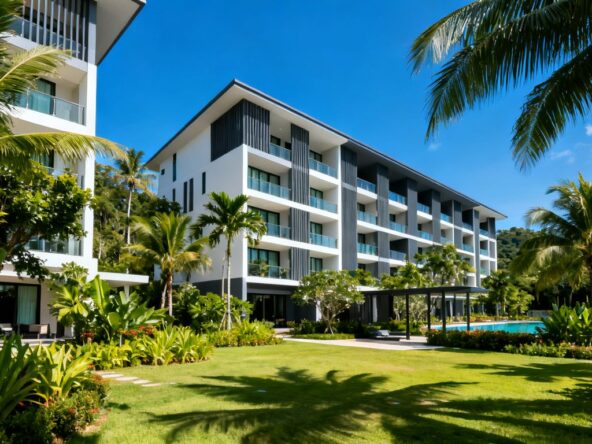


Bangkok’s Old Town, with its rich history and vibrant culture, has become an intriguing prospect for foreign investors looking to dip their toes into the real estate market. As urbanisation sweeps through the city, the Old Town offers a unique blend of heritage and modernity, making it a potential goldmine for those seeking investment opportunities. But is it really a smart move to invest in Bangkok’s Old Town real estate? Let’s explore the various factors that could influence your decision.
Key Takeaways
- Bangkok’s Old Town boasts cultural significance, enhancing its appeal for investors.
- The growing demand for rental properties, driven by population growth and expatriate influx, indicates a strong market.
- Property prices in Bangkok remain relatively affordable compared to other major cities, offering good entry points for investors.
- Foreigners can invest in condominiums and leasehold agreements, making ownership accessible.
- The ongoing infrastructure developments in Bangkok are set to boost property values and improve connectivity.
Investment Appeal of Bangkok’s Old Town
Bangkok’s Old Town is becoming quite the hotspot for property investment, especially for those looking beyond the usual modern condos. It’s got a unique charm that’s drawing in a lot of attention, and for good reason. Let’s have a look at why it’s such an appealing place to put your money.
Cultural Significance and Heritage
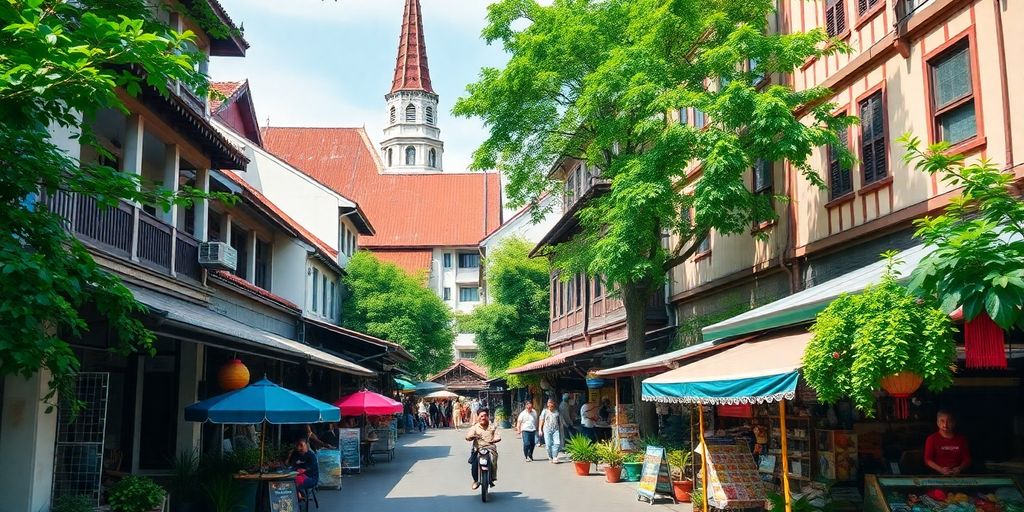
Old Town is basically Bangkok’s historical heart. Think stunning temples, grand palaces, and bustling traditional markets. This area is steeped in history, offering a unique atmosphere that you just can’t find in the newer parts of the city. Investing here isn’t just about property; it’s about owning a piece of Bangkok’s soul. The area attracts tourists and locals alike, all keen to soak up the culture. Properties that highlight this heritage can be a great way to contribute to conservation efforts while also benefiting from the growing interest in cultural tourism. It’s a win-win, really.
Economic Stability
Bangkok, as a whole, boasts a pretty stable economy, which is always good news for investors. The city is a major business hub in Southeast Asia, attracting companies from all over the world. This economic stability helps to support the property market, making it a relatively safe bet. Plus, the government is constantly working on infrastructure projects and initiatives to boost the economy further, which can only be a good thing for property values in the long run.
Tourism Impact
Tourism is massive in Bangkok, and Old Town is one of the biggest draws. People flock here to see the temples, explore the markets, and experience the traditional Thai way of life. This constant stream of tourists creates a strong demand for accommodation, which means good potential rental income for property owners. Whether it’s hotels, guesthouses, or even just renting out apartments on a short-term basis, there are plenty of opportunities to cash in on the tourism boom. The thriving Phuket tourism is also a factor to consider.
Investing in Bangkok’s Old Town is not without its considerations. The area is subject to specific regulations aimed at preserving its historical character, which can impact development and renovation plans. Understanding these regulations is crucial for making informed investment decisions.
Here’s a quick look at the tourism numbers:
| Year | Tourist Arrivals (Millions) |
|---|---|
| 2022 | 11.15 |
| 2023 | 28.2 |
| 2024 | 35+ (Projected) |
And here are some reasons why people are drawn to the area:
- Rich cultural heritage
- Unique historical sites
- Authentic Thai experiences
Growing Demand for Properties
Bangkok’s Old Town is experiencing a surge in property demand, driven by several key factors. It’s not just about more people wanting to live there; it’s a confluence of population shifts, an increase in expats, and a dynamic rental market that’s all contributing to the buzz. Let’s take a closer look at what’s fuelling this growth.
Cultural Significance and Heritage
Old Town’s unique charm is a major draw. The area is steeped in history, with stunning temples, traditional architecture, and a vibrant cultural scene. This makes it incredibly appealing to those seeking an authentic Thai experience, and it’s not just tourists – locals are increasingly drawn to the area’s character too. The cultural significance and heritage boost property values.
Population Growth
Bangkok’s population continues to expand, and while the city sprawls outwards, there’s a growing desire to live in central, well-connected areas. Old Town, with its improving infrastructure and access to amenities, is becoming an increasingly attractive option for those seeking a convenient urban lifestyle. This population increase directly translates to higher demand for housing.
Expatriate Influx
Bangkok has long been a magnet for expats, drawn by its relatively low cost of living, vibrant culture, and career opportunities. Old Town, with its unique blend of tradition and modernity, is proving particularly popular with expats seeking a more authentic Thai experience than the glitz of Sukhumvit. This influx of foreigners is further driving up demand for rental and purchase properties.
Rental Market Dynamics
The rental market in Old Town is particularly buoyant. The area’s popularity with tourists and expats creates a steady stream of potential tenants, making it an attractive option for property investors. Short-term rentals, in particular, are thriving, offering the potential for high yields. The rental market dynamics affect property taxes.
It’s worth noting that while demand is generally strong, certain types of properties are more sought after than others. Smaller condos and renovated traditional houses tend to be particularly popular, while larger, more modern apartments may take longer to rent out or sell. Understanding these nuances is key to making a smart investment.
Affordability in the Property Market
Comparative Pricing
Okay, so Bangkok’s Old Town isn’t exactly giving property away, but compared to London or New York? It’s a whole different ball game. You can actually get a decent-sized condo here without needing to sell a kidney. Of course, location is everything. The closer you are to the river or major attractions, the more you’ll pay. But venture a little further out, and you’ll find some surprisingly affordable options. It’s all about doing your homework and knowing where to look. Plus, with the interest rate cut being discussed, mortgages might become a bit easier to manage.
Emerging Neighbourhoods
Forget the usual tourist traps; the real deals are in the up-and-coming areas. Think smaller sois (side streets) with local markets and authentic Thai vibes. These neighbourhoods are often overlooked, but they’re brimming with potential. You might not get the fancy rooftop pools, but you’ll get a slice of real Bangkok life – and a much lower price tag. Keep an eye on areas with new transport links or planned developments; these are the ones to watch. It’s like getting in on the ground floor before everyone else realises how cool it is.
Capital Appreciation Potential
The big question: will your investment actually grow? Well, Bangkok’s property market has been pretty resilient over the years. While there are no guarantees, buying in an area with good transport links and ongoing development is usually a smart move. Plus, with tourism on the rise, rental yields can be pretty attractive. It’s not a get-rich-quick scheme, but a solid long-term investment. Just remember to factor in all the costs – taxes, maintenance, and potential rental voids – before you take the plunge.
Investing in Bangkok’s Old Town isn’t just about the numbers; it’s about buying into a piece of history. The area’s unique charm and cultural significance make it a desirable location for both tourists and residents, which can translate into long-term value for your property.
Here’s a quick look at property types and their potential:
| Property Type | Pros | Cons |
|---|---|---|
| Condominiums | Easy to rent, maintain | Foreign ownership limits |
| Villas | High rental yields | High maintenance costs |
| Townhouses | Affordable entry | Limited appreciation |
Foreign Ownership Regulations
Condominium Ownership
Okay, so here’s the deal with owning a condo as a foreigner in Thailand. The big thing to remember is the 49% rule. Basically, in any condo building, only 49% of the units can be owned by foreigners. It’s a pretty firm limit, so you need to check that the building you’re interested in hasn’t already hit that cap. It’s not the end of the world if it has, but it does mean you’ll need to explore other options, like leasehold agreements. A condo association is advocating for increased state assistance, highlighting the challenges faced by foreign buyers due to the existing 49% ownership quota.
Leasehold Agreements
If you can’t own a condo outright, leasehold agreements are a common alternative. These agreements let you lease the land for a set period, usually up to 30 years. The good news is that you can often renew these leases, giving you long-term use of the property. It’s worth noting that while you don’t technically own the land, you have the right to use it for the duration of the lease. It’s a pretty standard practise, and many foreigners find it a good way to invest in Thai property without the ownership restrictions.
Legal Considerations
Navigating the legal side of buying property in Thailand can feel like a bit of a maze, but it’s really important to get it right. Here are a few things to keep in mind:
- Title Deeds: Always, always double-check that the seller actually owns the property. Sounds obvious, but you’d be surprised! Get a copy of the title deed and have a lawyer verify it.
- Zoning Laws: Make sure you can actually use the property the way you want to. No point buying a place for a shop if it’s zoned residential. Check the local zoning regulations.
- Lawyer Up: Seriously, get a lawyer who knows Thai property law. It’s worth the investment to avoid headaches later. They can help you navigate the legal requirements.
Getting your head around the legal stuff can feel a bit overwhelming, but it’s all doable. Take your time, do your research, and don’t be afraid to ask for help. With the right advice, you can avoid any nasty surprises down the line.
Tourism and Its Influence on Real Estate
Visitor Statistics
Bangkok’s Old Town is a magnet for tourists, and these visitor numbers have a direct impact on the local property market. We’re talking about millions of people each year, all wanting somewhere to stay, eat, and shop. This constant influx creates opportunities for property owners, but it also means the market can be sensitive to changes in tourism trends. For example, a drop in visitor numbers could lead to lower rental yields, while a surge could drive up property prices. It’s a bit of a rollercoaster, really.
Investment in Hospitality
The tourism boom has spurred significant investment in the hospitality sector within the Old Town. New hotels, guesthouses, and boutique accommodations are popping up all the time, trying to cater to the diverse needs of travellers. This investment isn’t just about building new places to stay; it also includes upgrading existing properties and improving the overall tourist experience. This can have a knock-on effect on the surrounding real estate, making it more attractive to both investors and potential residents. The hospitality sector is booming.
Short-Term Rental Opportunities
One of the most obvious ways tourism influences real estate in Bangkok’s Old Town is through the short-term rental market. Platforms like Airbnb have made it easier than ever for property owners to rent out their apartments or houses to tourists. This can be a lucrative option, especially during peak season, but it also comes with its own set of challenges.
- Increased competition from other rental properties.
- Potential regulations from local authorities.
- The need to manage bookings, cleaning, and maintenance.
It’s important to weigh the potential benefits against the risks before jumping into the short-term rental market. While it can be a great way to generate income, it’s not always a passive investment. You need to be prepared to put in the time and effort to manage your property effectively.
Infrastructure Developments in Bangkok
Bangkok’s ongoing infrastructure projects are reshaping the city and improving how easy it is to get around. The expansion of the Mass Rapid Transit (MRT) and Skytrain (BTS) networks has made a big difference, cutting down travel times and making more areas accessible. And it’s not stopping there – the planned high-speed rail links to neighbouring countries should boost Bangkok’s connectivity even further, making it an even more attractive place to invest.
Transport Connectivity
The expansion of Bangkok’s public transport is a game-changer. The MRT and BTS lines are constantly being extended, reaching further into the suburbs and connecting key areas of the city. This makes it easier for residents to commute and opens up new areas for development. Think about it – a condo that was once considered too far out is now a viable option thanks to a new train line.
Urban Expansion
Bangkok is growing outwards, and the infrastructure is trying to keep up. New roads, bridges, and expressways are being built to ease congestion and connect the city’s expanding suburbs. This urban sprawl is creating new opportunities for property development, particularly in areas that were once considered on the outskirts.
Future Projects
There are always new projects on the horizon in Bangkok. From new MRT lines to upgrades to the existing road network, the city is constantly evolving. These projects not only improve the quality of life for residents but also have a significant impact on property values. Keeping an eye on these future developments is key for any investor.
It’s worth remembering that infrastructure projects can take time and sometimes face delays. However, the long-term benefits of improved transport and connectivity are undeniable, making Bangkok an increasingly attractive place to live and invest.
Investment Opportunities in Old Town
Old Town Bangkok presents a unique set of investment opportunities, blending cultural heritage with modern investment potential. It’s not just about buying property; it’s about investing in a piece of history.
Residential Properties
Residential properties in Old Town range from renovated traditional houses to modern condos that blend seamlessly with the historical surroundings. These properties appeal to those seeking a unique living experience, different from the typical Bangkok condo. The demand for such properties is driven by individuals who appreciate the area’s cultural significance and quieter atmosphere compared to the bustling downtown core. You can find some great property types here.
Commercial Ventures
Commercial ventures in Old Town are thriving, fuelled by tourism and local businesses. Opportunities include:
- Boutique hotels and guesthouses catering to tourists seeking an authentic experience.
- Restaurants and cafes offering traditional Thai cuisine or modern fusion dishes.
- Retail shops selling local handicrafts, antiques, and souvenirs.
Investing in commercial properties in Old Town can provide a steady income stream, especially if the business caters to the growing tourism sector. However, it’s important to understand the local market and adapt to the unique demands of the area.
Cultural Heritage Sites
Investing in or restoring cultural heritage sites can be a rewarding venture, both financially and culturally. These sites attract Bangkok tourism and locals alike. Investing in properties that preserve or highlight the city’s cultural heritage can be a unique opportunity to contribute to conservation efforts while also benefiting from the growing interest in cultural tourism. This could involve:
- Restoring old shophouses and converting them into museums or galleries.
- Developing cultural centres that showcase traditional Thai arts and crafts.
- Creating immersive experiences that allow visitors to learn about the area’s history and culture.
Market Trends and Insights
Current Growth Rates
Okay, so what’s actually happening with the market? Well, it’s a bit of a mixed bag, to be honest. We’re seeing growth, but it’s not exactly rocketing. It’s more of a steady climb, like trying to get up those never-ending steps at Wat Arun. A few things are driving this:
- Thailand’s economy is doing okay, which helps.
- More people are moving to cities, especially Bangkok.
- Foreigners are still interested, even with the rules.
Investment Strategies
So, how do you actually make money in this market? Good question! Here’s the thing: don’t put all your eggs in one basket. Diversify! Think about:
- Residential properties (flats, houses).
- Commercial properties (shops, offices).
- Maybe even something a bit different, like a heritage building.
The key is to do your homework. Don’t just jump in because your mate Dave said it was a good idea. Look at the numbers, talk to the experts, and figure out what works for you.
Future Projections
What’s going to happen next? Crystal balls are notoriously unreliable, but we can make some educated guesses. Most people reckon things will keep growing, especially with all the new infrastructure projects. But there are a few things that could throw a spanner in the works:
- The global economy could wobble.
- The government could change the rules.
- Something completely unexpected could happen (it’s Thailand, after all!).
Basically, be prepared for anything. And remember, investing is a marathon, not a sprint.
Popular Investment Areas in Bangkok
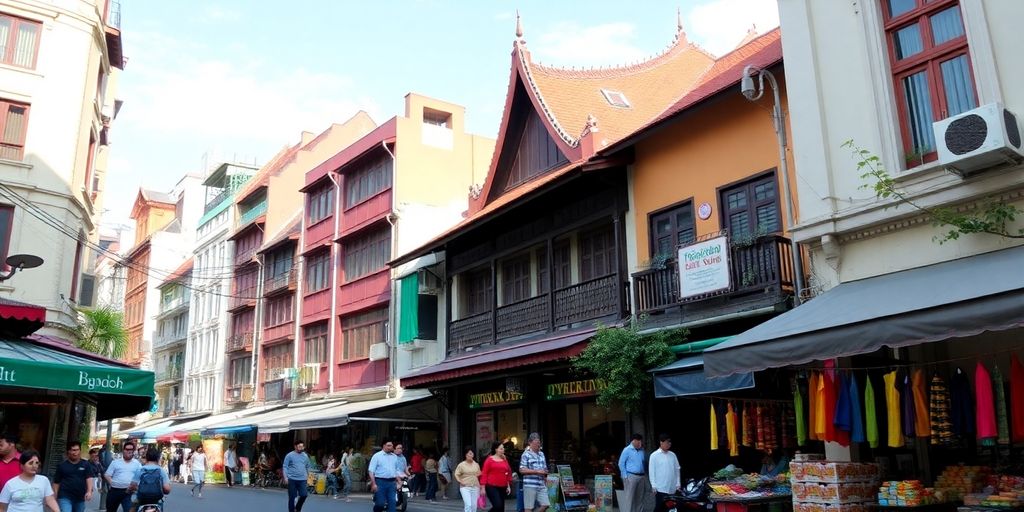
Bangkok is a big place, and knowing where to put your money can feel overwhelming. Some areas consistently attract investors, while others are up-and-coming. Let’s take a look at some popular choices.
Sukhumvit
Sukhumvit remains a firm favourite, especially with expats. It’s known for its luxury condos and convenient access to international schools. You’ll find a wide range of properties here, from high-end apartments to family-friendly homes. The area is well-connected, with easy access to public transport, making it a desirable location for renters and buyers alike. It’s a solid choice if you’re looking for a reliable investment with good rental potential. Investing in Sukhumvit properties can be a smart move.
Silom and Sathorn
Silom and Sathorn are the financial heartlands of Bangkok. These areas are packed with commercial properties and upscale apartments, catering to professionals who want to be close to the action. Expect to find modern condos with all the amenities, but be prepared to pay a premium for the location. It’s a great option if you’re targeting the high-end rental market or looking for commercial investment opportunities. The demand for real estate property in these areas remains strong.
Ekkamai and Thonglor
Ekkamai and Thonglor are known for their trendy vibe and growing expat communities. These neighbourhoods offer a mix of modern condos and townhouses, providing a balance between urban living and a more relaxed atmosphere. You’ll find plenty of cool cafes, restaurants, and boutiques in these areas, making them popular with younger professionals and families. Property prices have been steadily increasing, making them attractive options for capital appreciation. These areas are growing quickly and attract foreigners, making them a good investment.
It’s always worth keeping an eye on interest rates and any new government policies, as these can have a big impact on the market. Also, think about the long-term effects of new developments in different areas.
Understanding Rental Yields
Average Yield Rates
Okay, so let’s talk about rental yields. Basically, it’s how much money you can expect to make from renting out a property, shown as a percentage of the property’s value. It’s a key thing to look at if you’re thinking about investing in property. In Bangkok, you’ll generally find yields are fairly stable, sitting around 4-5%. Not bad, right? But it’s not quite as simple as that, so let’s invest in hospitality.
Factors Influencing Yields
Loads of things can affect how much rental income you can expect. Location is a big one – properties in prime spots, near transport or cool stuff, tend to do better. But those places also cost more to buy, so it’s a balancing act. The type of property matters too; condos often give better yields than houses. And don’t forget the economy! If things are going well, more people want to rent. Here’s a few things to keep in mind:
- Location, location, location!
- Property type (condo, house, etc.)
- Economic climate
It’s worth remembering that these figures are just averages. You really need to do your homework and look at specific properties and areas to get a realistic idea of what you can expect.
Long-Term Rental Strategies
So, you want to play the long game? Smart move. Think about who you want to rent to. Are you after tourists wanting short stays, or professionals looking for a longer-term home? Short-term rentals can bring in more cash, especially in tourist hotspots, but they also mean more work managing bookings and cleaning. Long-term rentals are less hassle, but you might not get as much money each month. Also, consider the impact of infrastructure projects like the Eastern Economic Corridor on property values. Here’s a quick comparison:
| Strategy | Pros | Cons |
|---|---|---|
| Short-Term | Higher potential income, caters to tourists | More management, higher vacancy risk, dependent on tourism |
| Long-Term | Stable income, less management, reliable tenants | Lower potential income, longer vacancy periods, less flexible pricing |
Ultimately, the best strategy depends on your goals and how much time you want to spend managing your investment. In Chon Buri, the residential market is increasingly favouring rentals.
Risks and Challenges of Investing
Investing in Bangkok’s Old Town, while promising, isn’t without its potential pitfalls. It’s important to be aware of these challenges before taking the plunge.
Market Volatility
Real estate markets are rarely static, and Bangkok is no exception. Property values can fluctuate due to various factors, including economic downturns, changes in government policy, and shifts in investor sentiment. It’s wise to keep a close eye on market trends and be prepared for potential ups and downs. For example, developers in Bangkok may offer discounts on unsold condos during challenging times.
Regulatory Changes
The legal landscape in Thailand can be complex, especially for foreign investors. Property laws and regulations are subject to change, and these changes can impact your investment. It’s essential to stay informed about the latest legal developments and seek professional advice when needed. Navigating Thailand’s legal system can sometimes feel like:
a never-ending episode of a courtroom drama. Changes in property laws could impact foreign investments. So, stay informed or risk feeling like you’re playing Monopoly without reading the rules.
Economic Factors
Thailand’s economy, like any other, is influenced by global economic trends. Factors such as interest rates, inflation, and currency exchange rates can all affect the profitability of your investment. It’s important to consider these macroeconomic factors when making investment decisions.
Here are some economic factors to consider:
- Interest Rates: Rising interest rates can increase the cost of borrowing, making it more difficult to finance property purchases.
- Inflation: High inflation can erode the value of your investment over time.
- Currency Exchange Rates: Fluctuations in the exchange rate between the Thai baht and your home currency can impact your returns.
Long-Term Outlook for Bangkok’s Real Estate
Future Growth Potential
Bangkok’s real estate market looks set for continued expansion, driven by ongoing infrastructure projects and a steady influx of both local and international residents. The city’s appeal as a business and tourism hub underpins this growth, making it a promising location for long-term property investments. The key is to keep an eye on how the city evolves and adapt your investment strategy accordingly. For example, the Bangkok condos for sale market is expected to remain strong.
Investment Sustainability
Sustainability is becoming increasingly important in real estate, and Bangkok is no exception. Investors are starting to look beyond immediate returns and consider the long-term environmental and social impact of their investments. This means that properties with green credentials, such as energy-efficient designs and sustainable materials, are likely to become more attractive in the future. Consider these points:
- Eco-friendly developments will attract environmentally conscious tenants and buyers.
- Sustainable practises can reduce operating costs and increase property value.
- Investments that support local communities can enhance long-term returns.
Investing in Bangkok’s property market requires a long-term perspective. Factors such as population growth, economic development, and infrastructure improvements all contribute to the city’s potential for sustained growth. By carefully considering these factors and adopting a responsible investment approach, investors can position themselves to benefit from Bangkok’s long-term real estate prospects.
Market Resilience
Bangkok’s real estate market has shown resilience in the face of economic challenges, demonstrating its ability to bounce back from setbacks. This resilience is due to a number of factors, including the city’s diverse economy, strong tourism sector, and growing middle class. However, it’s important to be aware of potential risks, such as market volatility and regulatory changes. Diversifying your investments across different property types and locations can help to mitigate these risks. You could also look at Bangkok houses for sale as part of your strategy. The table below shows the average rental yields in different areas:
| Area | Average Rental Yield (%) |
|---|---|
| Sukhumvit | 5-7 |
| Silom/Sathorn | 4-6 |
| Old Town | 3-5 |
Bangkok’s real estate market is looking bright for the future. With more people wanting to live and work in the city, property values are expected to rise. This means it could be a great time to invest in real estate here. If you’re curious about the best options available, visit our website to explore more about Bangkok’s property market and find your perfect investment!
Final Thoughts on Investing in Bangkok’s Old Town
In conclusion, investing in Bangkok’s Old Town can be a mixed bag. On one hand, you’ve got the charm and history that draws in tourists and locals alike. This area is rich in culture, which can be appealing for those looking to tap into the tourism market. Plus, with property prices still relatively affordable compared to other major cities, there’s potential for good returns. However, it’s not without its challenges. The market can be unpredictable, and the older properties might need more upkeep than newer builds. If you’re considering this investment, weigh the pros and cons carefully. It might just be the right fit for you, but make sure you do your homework first.