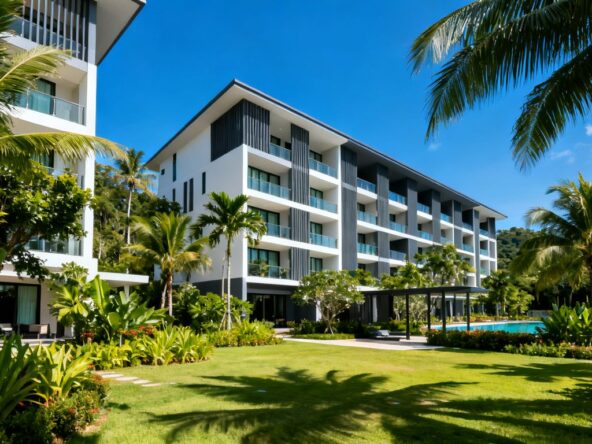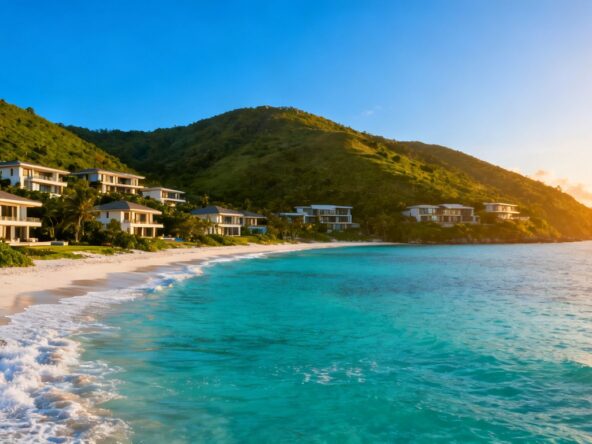


As the world embraces remote work, digital nomads are scouting for the best cities to invest in property. This article explores various locations that cater to the unique lifestyle of these modern wanderers. From affordable co-living spaces in Southeast Asia to vibrant urban hubs in North America and cultural capitals in Europe, there are plenty of options for those looking to blend work and adventure. Let’s dive into the cities that stand out for digital nomads interested in real estate investment.
Key Takeaways
- Co-living spaces offer community and flexibility, making them ideal for digital nomads.
- Cities like Chiang Mai and Ho Chi Minh City are popular for their low living costs and vibrant nomadic communities.
- Urban hubs in North America, such as Austin and Denver, provide diverse rental options and cultural attractions.
- European cities like Prague and Budapest blend history with affordable housing, attracting many remote workers.
- Emerging markets in places like Medellín are gaining traction for their investment potential and supportive environments for digital nomads.
Embracing Flexibility In Shared Housing Spaces
Co-Living Apartments: A Community Approach
Co-living spaces are becoming increasingly popular, especially among digital nomads. These apartments offer a unique blend of private living quarters and shared communal areas, creating a sense of community that can be particularly appealing to those who are new to a city or who crave social interaction. It’s more than just a place to stay; it’s a ready-made network. Think of it as a modern take on the traditional flatshare, but with added perks like organised social events and shared workspaces. This can be a great way to meet like-minded people and build connections in a new location. For those seeking luxury living, co-living might offer a more affordable entry point.
Benefits of Flexible Contracts
One of the biggest draws of co-living spaces is the flexibility they offer. Unlike traditional rental agreements that often require long-term commitments, co-living contracts are typically much shorter, ranging from a few weeks to a few months. This is ideal for digital nomads who move frequently or who are unsure how long they’ll be staying in a particular location. Plus, many co-living spaces include all utilities and amenities in the monthly rent, simplifying budgeting and eliminating the hassle of setting up individual accounts.
Here’s a quick rundown of the benefits:
- Shorter lease terms
- All-inclusive pricing
- Reduced upfront costs
- Simplified move-in/move-out process
Popular Co-Living Cities
Several cities around the world have emerged as hotspots for co-living, each offering its own unique appeal. Berlin, Barcelona, and Bangkok are known for their vibrant co-living scenes, with a wide range of options to suit different budgets and preferences. These cities boast a thriving community of digital nomads and entrepreneurs, making them ideal for networking and collaboration. Other popular destinations include Lisbon, Bali, and Chiang Mai, each offering a unique blend of affordability, culture, and lifestyle. These cities are adapting to the needs of the mobile workforce, offering innovative real estate for digital nomads.
Co-living isn’t just about finding a place to sleep; it’s about finding a community and a lifestyle that supports your nomadic journey. It’s about having the freedom to explore new places without the burden of long-term commitments or the isolation of living alone in a foreign city.
Coworking Meets Co-Living Dynamics
It’s interesting to see how the lines are blurring between where we work and where we live, especially for digital nomads. Some property developers are now integrating coworking spaces directly into co-living buildings. This is a big deal for people who want the freedom to move around but still need a professional environment to get things done. It’s all about convenience and community.
The Rise of Integrated Spaces
These integrated spaces aren’t just about sticking a desk in a common area. They’re designed to cater specifically to the needs of remote workers. Think high-speed internet, quiet zones for focused work, and communal areas for collaboration and socialising. It’s a lifestyle choice as much as a practical one. You can find condos for sale that offer both living and working spaces.
Cities Leading the Trend
Certain cities are really embracing this trend. You’ll find that places like Lisbon and Bali are becoming hotspots for these integrated co-living and coworking setups. They offer a good balance of work and leisure, which is exactly what many digital nomads are after. It’s not just about the facilities; it’s about the vibe and the community you find there.
Consumer Behaviour Shifts
Digital nomads are increasingly prioritising flexibility and community. They’re looking for spaces that allow them to work efficiently, connect with like-minded people, and experience new cultures. This shift in consumer behaviour is driving the demand for integrated co-living and coworking spaces, and it’s likely to continue shaping the real estate market in the years to come.
Here’s a quick look at what digital nomads are looking for:
- Flexible contracts
- Community events
- High-speed internet
- Ergonomic workspaces
It’s all about creating an environment where people can thrive, both professionally and personally. The rise of integrated spaces is a direct response to the changing needs of the modern workforce, and it’s exciting to see how cities are adapting to accommodate this new way of living and working. This innovation in real estate for digital nomads is really taking off.
Affordable Living In Southeast Asia
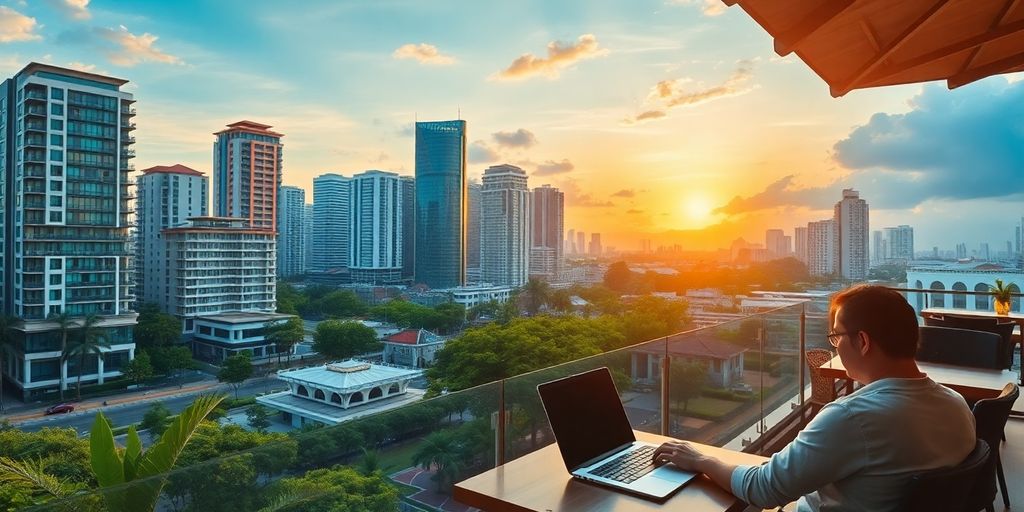
Southeast Asia is a hotspot for digital nomads, and it’s easy to see why. The low cost of living combined with great weather and decent internet makes it super appealing. You can really stretch your budget here, which is a big plus when you’re trying to balance work and travel. Plus, there’s a real sense of community among the nomads who flock to places like Thailand and Vietnam. It’s not just about saving money; it’s about finding a lifestyle that works.
Cost of Living Comparisons
When you compare Southeast Asia to, say, Europe or North America, the difference in cost of living is pretty significant. You can rent a decent apartment for a fraction of what you’d pay in London or New York. Food is cheap and delicious, and transport is generally affordable too. Of course, it varies from city to city, but overall, it’s a budget-friendly region. This affordability allows digital nomads to invest more in property.
Here’s a quick comparison (rough estimates, of course):
| Item | London | Chiang Mai | Ho Chi Minh City |
|---|---|---|---|
| Rent (1-bed) | £1800 | £350 | £450 |
| Meal | £15 | £3 | £4 |
| Transport | £150 | £30 | £40 |
Popular Destinations for Nomads
Some of the most popular spots include Chiang Mai in Thailand, Ho Chi Minh City in Vietnam, and Bali in Indonesia. Each has its own vibe. Chiang Mai is known for its relaxed atmosphere and temples, Ho Chi Minh City is bustling and full of energy, and Bali is all about beaches and surfing. All three offer a good mix of affordability, community, and things to do. You can find modern condominiums in these areas.
- Chiang Mai, Thailand: Known for its temples and relaxed vibe.
- Ho Chi Minh City, Vietnam: A bustling city with great food.
- Bali, Indonesia: Perfect for beach lovers and surfers.
Southeast Asia offers a unique blend of affordability and cultural richness. It’s not just about finding a cheap place to live; it’s about immersing yourself in a different way of life. The region’s welcoming attitude towards digital nomads makes it an attractive option for those seeking a change of pace.
Real Estate Trends in Thailand
Thailand, in particular, has seen some interesting real estate trends. Cities like Chiang Mai are becoming increasingly popular with digital nomads looking to buy property. While prices are rising, they’re still relatively affordable compared to other parts of the world. Plus, the Thai government has been introducing visa programmes aimed at attracting remote workers, which could further boost the real estate market. It’s worth keeping an eye on if you’re thinking of investing.
Urban Hubs Across North America
North America is seeing a surge in digital nomads, drawn to cities that blend urban life with remote work opportunities. Places like Austin, Montreal, and Denver are becoming increasingly popular. These cities provide a diverse range of rental options, from short-term leases to unique local accommodations, catering specifically to the nomadic lifestyle.
Top Cities for Digital Nomads
Choosing the right city is key. Here’s a quick look at some top contenders:
- Austin, Texas: Known for its tech scene and vibrant culture, Austin offers plenty of co-working spaces and networking opportunities. Plus, the live music scene is a major draw.
- Montreal, Canada: With its European vibe and lower cost of living compared to other major North American cities, Montreal is a great option. The city also boasts a thriving arts and culture scene.
- Denver, Colorado: For those who love the outdoors, Denver is ideal. It’s close to the mountains and offers a good balance of city life and outdoor activities.
Real Estate Opportunities
Real estate for digital nomads starts with short-term leasing, but there are also opportunities for investment. Consider these points:
- Short-Term Rentals: Platforms like Airbnb are popular, but look into local agencies for better deals.
- Co-Living Spaces: These offer a sense of community and often include amenities like co-working spaces.
- Investment Properties: If you plan to stay longer, consider buying a property. Look for areas with high rental demand.
Cultural Attractions
Beyond work, these cities offer a wealth of cultural experiences:
- Museums and Galleries: Explore local art and history.
- Music and Theatre: Catch a show or concert.
- Food Scene: Sample diverse cuisines and local specialities.
North American urban hubs are adapting to the needs of digital nomads, offering a blend of work and lifestyle that’s hard to resist. The key is to find a city that aligns with your personal and professional goals.
Cultural Capitals of Europe
Europe’s cultural capitals offer a blend of history, affordability, and vibrant communities, making them attractive to digital nomads. You can find a good balance between work and leisure, surrounded by centuries of history and diverse cultures. It’s not just about ticking off tourist spots; it’s about embedding yourself in a place with character.
Historical Significance
These cities are steeped in history, offering a unique backdrop to daily life. Imagine working from a café in Rome, surrounded by ancient ruins, or brainstorming ideas in a library in Prague, where centuries of knowledge reside. The historical significance isn’t just about sightseeing; it’s about feeling connected to something bigger than yourself, which can be incredibly inspiring.
Affordable Housing Options
While some European capitals can be pricey, many offer affordable housing options for digital nomads. Cities like Lisbon, Budapest, and Valencia provide a range of choices, from shared apartments to studios, at reasonable prices. It’s about finding the right balance between cost and convenience, allowing you to enjoy the city without breaking the bank. For example, you can find property for remote workers in Lisbon.
Vibrant Nomadic Communities
Many European cities have thriving nomadic communities, offering support, networking opportunities, and a sense of belonging. These communities often organise events, meetups, and workshops, making it easy to connect with like-minded individuals. It’s about finding your tribe, sharing experiences, and building lasting friendships in a new environment.
Living in a cultural capital means embracing a slower pace of life, appreciating the small things, and immersing yourself in the local culture. It’s about more than just work; it’s about personal growth, new experiences, and creating memories that will last a lifetime.
Here’s a quick look at some cost comparisons:
| City | Average Monthly Rent (Studio) | Average Coffee Price |
|---|---|---|
| Lisbon | £900-£1500 | £2.50 |
| Budapest | £600-£1000 | £1.80 |
| Valencia | £700-£1200 | £2.00 |
Here are some reasons why digital nomads choose cultural capitals:
- Rich history and culture
- Affordable living costs
- Strong community support
- Excellent transport links
Adventure and Work Balance
Unique Locations for Digital Nomads
For those digital nomads who crave a bit more excitement than your average coffee shop, there are some truly unique locations that blend work and adventure seamlessly. Think less cityscapes and more mountain ranges. These spots offer a chance to disconnect from the digital grind (ironically, while still being connected enough to work!).
Outdoor Activities and Workspaces
It’s not just about pretty scenery; it’s about integrating outdoor activities into your daily routine. Imagine finishing a work call and then hitting the slopes, or going for a hike before settling down at a co-working space with stunning views. This balance is key to preventing burnout and maintaining a healthy lifestyle.
Here’s a quick look at some popular options:
- Skiing/Snowboarding: Perfect for winter months, offering a thrilling escape.
- Hiking/Mountain Biking: Great for exploring the local terrain and getting some exercise.
- Water Sports: Surfing, kayaking, or paddleboarding for those near the coast.
Finding the right balance between work and adventure is a personal journey. It’s about understanding your own needs and finding a location that supports both your professional and personal goals.
Real Estate Insights
When considering property investment in these adventure-focused locations, it’s important to look beyond the immediate tourist appeal. Consider the long-term rental potential, the availability of amenities, and the overall community vibe. Are there other digital nomads in the area? Is there a strong local economy? These factors can all impact your investment’s success. Look for property prices and investment opportunities that align with your budget and lifestyle.
Remote Work Visas and Their Impact
Countries Offering Remote Work Visas
More and more countries are cottoning on to the benefits of attracting digital nomads, and one of the key ways they’re doing this is through remote work visas. These visas make it much easier for nomads to live and work legally in a country for an extended period. Estonia, Georgia, and Croatia were early adopters, and others are following suit.
Benefits for Digital Nomads
Remote work visas offer a heap of benefits for digital nomads:
- Legal certainty: No more visa runs or worrying about overstaying.
- Access to local services: In some cases, visas grant access to healthcare and other services.
- Tax benefits: Some countries offer tax incentives to attract remote workers.
- Community: Visas can help nomads integrate into local communities and connect with other remote workers.
Real Estate Market Changes
The introduction of remote work visas is having a noticeable impact on real estate markets. Here’s how:
- Increased demand for rentals: More nomads mean more demand for short-term and long-term rentals.
- Rise of co-living spaces: Co-living spaces are becoming increasingly popular, offering a community environment and flexible contracts.
- Investment opportunities: Savvy investors are spotting opportunities to cater to the needs of digital nomads, such as property for remote workers.
The rise in remote work visas is changing the game for digital nomads. It’s making it easier than ever to live and work abroad, and it’s creating new opportunities for both nomads and the countries that welcome them.
Sustainable Living Trends
Eco-Friendly Housing Options
More and more digital nomads are looking for ways to reduce their environmental impact, and that includes where they live. Eco-friendly housing options are becoming increasingly popular, with a focus on sustainable materials and energy-efficient designs. It’s not just about feeling good; it’s about saving money on utility bills and contributing to a healthier planet.
- Passive solar design to maximise natural light and warmth.
- Use of reclaimed or recycled building materials.
- Water conservation systems, such as rainwater harvesting.
Renewable Energy Initiatives
Solar panels are popping up everywhere, and for good reason. They’re a great way to generate clean energy and reduce reliance on fossil fuels. But it’s not just about solar; wind power, geothermal energy, and other renewable sources are also gaining traction. For digital nomads, this means finding properties that are powered by renewable energy, or even investing in their own renewable energy systems.
Community Impact
It’s not enough to just live sustainably; many digital nomads want to make a positive impact on the communities they visit. This could involve supporting local businesses, volunteering for environmental projects, or simply being mindful of their consumption habits. It’s about leaving a place better than you found it.
Living sustainably isn’t just a trend; it’s a responsibility. By choosing eco-friendly housing, supporting renewable energy, and making a positive impact on local communities, digital nomads can help create a more sustainable future for everyone. It’s about aligning your values with your lifestyle and making conscious choices that benefit both people and the planet.
Luxury Real Estate for Digital Nomads
High-End Properties
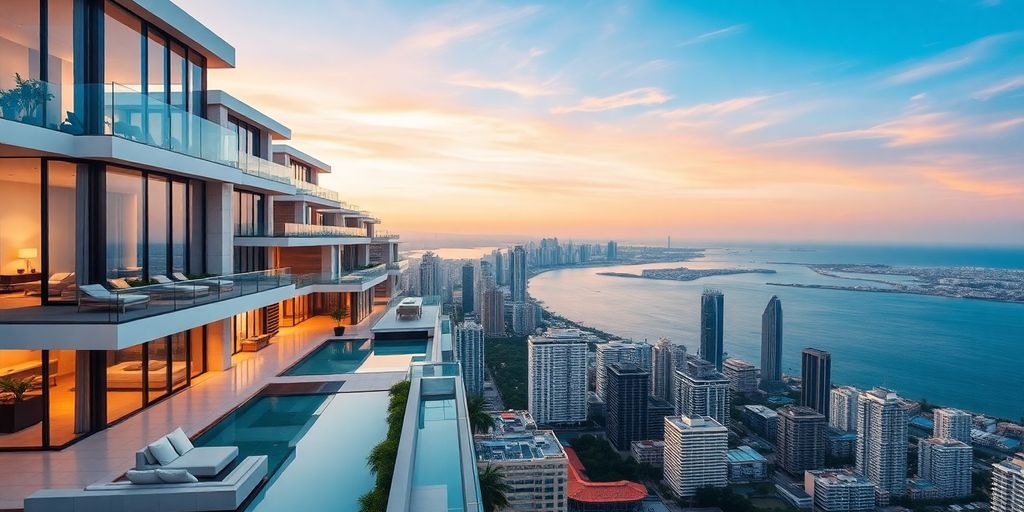
The world of digital nomadism isn’t just about budget travel and basic accommodation. A growing segment seeks luxury, and they’re willing to pay for it. This means high-end apartments and villas with all the modern conveniences are in demand. Think fast internet, dedicated workspaces, smart home technology, and premium amenities like gyms and swimming pools. These properties often come with concierge services, making life even easier for busy nomads.
Market Demand for Luxury
There’s a definite market for luxury real estate among digital nomads. These aren’t your average backpackers; they’re often entrepreneurs, consultants, or high-earning freelancers who value comfort and convenience. They’re looking for properties that offer a blend of work and leisure, with spaces designed for both productivity and relaxation. Cities like Dubai, Singapore, and even parts of Southeast Asia are seeing increased demand for luxury beachside residence that cater to this demographic.
Investment Opportunities
For investors, luxury real estate targeting digital nomads presents a significant opportunity. The key is to identify locations that are already popular with nomads and offer the kind of high-end amenities they expect. Consider investing in properties that can be rented out on a short-term basis, catering to the transient nature of the digital nomad lifestyle. Focus on locations with strong tourism industries and a growing remote work culture. Property management services are a must, as most investors won’t be living in the properties themselves.
Investing in luxury real estate for digital nomads requires careful consideration. It’s not just about buying a fancy apartment; it’s about understanding the needs and preferences of this specific market segment. Location, amenities, and property management are all crucial factors to consider.
Here are some things to consider:
- Location: Proximity to co-working spaces, restaurants, and entertainment is key.
- Amenities: Fast internet, dedicated workspaces, and premium facilities are essential.
- Property Management: Reliable property management services are a must for remote investors.
Emerging Markets for Digital Nomads
Digital nomadism is spreading, and it’s not just about the usual suspects anymore. Several cities are stepping up their game, offering a unique blend of affordability, infrastructure, and lifestyle that’s attracting remote workers from around the globe. These emerging markets present exciting opportunities for digital nomads looking to invest in property, offering potential for growth and a chance to be part of a burgeoning community. These cities are actively competing to become the next big thing for digital nomads.
Cities Gaining Popularity
Several cities are quickly becoming hotspots for digital nomads. Medellín in Colombia, for example, is gaining traction due to its relatively low cost of living, vibrant culture, and improving infrastructure. Tbilisi in Georgia is another contender, offering a unique blend of European and Asian influences, a relaxed visa policy, and a growing tech scene. Other cities to watch include:
- Da Nang, Vietnam: Known for its beautiful beaches and affordable living.
- Mexico City, Mexico: A cultural hub with a thriving digital nomad community.
- Budapest, Hungary: Offers a rich history, affordable prices, and a central European location.
Investment Potential
Investing in property in these emerging markets can be a smart move for digital nomads. Property prices are often lower than in established nomad hubs, offering the potential for capital appreciation. Additionally, the growing demand for rental properties from other digital nomads can provide a steady stream of income. However, it’s important to do your research and understand the local real estate market before making any investments. Consider factors such as property taxes, rental yields, and potential for future development. It’s also wise to seek advice from local real estate professionals who can provide insights into the market and help you navigate the buying process. Don’t forget to check out beachfront land in Natai if you’re looking for something a bit more luxurious.
Local Amenities and Infrastructure
When choosing a city to invest in, it’s important to consider the local amenities and infrastructure. Digital nomads need reliable internet access, co-working spaces, and a good selection of cafes and restaurants. Access to healthcare, transportation, and other essential services is also crucial. Cities that are investing in improving their infrastructure and amenities are more likely to attract and retain digital nomads, making them a better investment choice.
It’s also worth considering the local culture and community. A welcoming and inclusive community can make a big difference to the quality of life for digital nomads. Look for cities that have a strong sense of community and offer opportunities to connect with other like-minded individuals.
Real Estate Trends in Thailand
Chiang Mai: A Digital Nomad Hub
Chiang Mai has cemented its place as a top destination for digital nomads. The city offers a blend of affordability, culture, and a thriving community, making it an attractive place to set up shop. You’ll find plenty of co-working spaces, cafes with reliable Wi-Fi, and a relaxed atmosphere that’s conducive to both work and leisure. It’s no wonder so many remote workers are drawn to this northern Thai city.
Property Prices and Investment
Property prices in Chiang Mai are relatively affordable compared to many Western countries, making it a viable option for digital nomads looking to invest in real estate. You can find a range of properties, from condos in the city centre to houses in the surrounding countryside. The investment potential is significant, with rental yields often being quite attractive.
Here’s a quick look at average property prices:
| Property Type | Average Price (GBP) |
|---|---|
| Condo | £50,000 – £150,000 |
| House | £100,000 – £300,000 |
| Land | Varies greatly |
Community and Lifestyle
One of the biggest draws of Chiang Mai is the strong sense of community among digital nomads. There are numerous meetups, events, and online groups that make it easy to connect with like-minded people. The lifestyle is also a major plus, with a focus on healthy living, outdoor activities, and cultural experiences. Plus, it’s easy to find upscale living in Thailand if you want to treat yourself.
Chiang Mai offers a unique blend of affordability and lifestyle that’s hard to beat. The city has a well-established digital nomad scene, making it easy to integrate and find support. It’s a great place to live, work, and invest.
Final Thoughts
In summary, the best cities for digital nomads looking to invest in property are those that blend affordability, connectivity, and a sense of community. As remote work becomes more common, these cities are stepping up to meet the needs of a growing mobile workforce. Whether it’s the vibrant culture of Lisbon, the affordability of Medellín, or the modern conveniences of Dubai, there’s something for everyone. The key is to find a place that not only fits your budget but also enhances your lifestyle. So, if you’re thinking about making a move, consider what each city has to offer and how it aligns with your personal and professional goals.