
Bangkok’s property scene is set for a shake-up with the ongoing expansions of the BTS (Bangkok Mass Transit System). These new lines aren’t just about better transport; they’re poised to have a big impact on property values across the city. As new routes open, areas that were once seen as out of reach are becoming hot spots for buyers and investors alike. In this article, we’ll look at how these expansions are likely to affect property investment near future BTS expansions, highlighting trends and insights that could shape the market in the coming years.
Key Takeaways
- BTS expansions improve accessibility, making previously remote areas more appealing for buyers.
- There is a growing demand for housing in newly connected areas, which is pushing up property values.
- Government investment in infrastructure is a key factor driving property market growth, especially in suburban areas.
- Investors are increasingly focusing on suburban living due to better transport links and local amenities.
- Challenges like rising interest rates and high household debt could impact property investment decisions.
Market Predictions For Property Investment
Expected Price Increases
Okay, so everyone’s wondering if property prices are set to skyrocket, right? Well, the general feeling is that we’ll see a steady, gradual increase. Experts are forecasting a consistent rise in property values, especially in areas that are getting a boost from the BTS expansions. This is mostly because it’s easier to get around, and more people want to live there. It won’t be a smooth ride upwards, though; there will be ups and downs depending on where you’re looking and what kind of property it is. Keep an eye on those up-and-coming suburban spots; they might just surprise you.
Long-term Growth Projections
Looking further down the road, the long-term growth outlook for Bangkok’s property market looks pretty good. A few things are helping this, like ongoing work on infrastructure, the tourism industry bouncing back, and more investment coming from overseas. Krungsri Research reckons the housing market in the Bangkok Metropolitan Region (BMR) will get stronger over 2024-2026. They think sales of homes will go up by 2-3% each year. This is because people have more money to spend and the government is putting money into infrastructure. High-rise projects will expand along new and extended metro lines, for convenient travel from the suburbs to the city centre. Developers will also enhance amenities to attract buyers, for example by using sources of clean energy.
Investment Strategies For Buyers
So, you’re thinking about buying property in Bangkok? Good plan! But before you take the plunge, here are some things to think about:
- Location is key: Seriously, it’s all about where you are. Look at properties near existing or planned BTS/MRT stations. These areas are likely to see the biggest increase in value.
- Consider rental yields: If you’re planning to rent out your property, research the potential rental income in different areas. Some locations offer better returns than others.
- Think long-term: Property investment is usually a long-term game. Don’t expect to get rich overnight. Be patient and focus on properties with good long-term growth potential.
Rising interest rates and persistently high levels of household debt are weighing on consumers, who are increasingly wary about taking on more long-term financial commitments. At the same time, lenders are tightening credit conditions. More expensive construction materials, energy, and labour will add to the overall cost of developments, and so residential property prices are expected to increase. There is a significant supply of unsold housing stock in some areas, though in particular, problems are beginning to emerge in the market for properties over a certain price point.
Impact Of BTS Expansions On Property Values
Increased Accessibility
The BTS expansions are a total game-changer for Bangkok’s property market. It’s not just about getting around easier; it’s about opening up previously hard-to-reach areas. This increased accessibility is directly linked to rising property values. Think about it: suddenly, that condo a bit further out isn’t so far out anymore. The Purple Line extension, with its many new stations, is a prime example of how this works. It’s making suburban areas way more attractive to potential residents. This is also impacting prime land near transit hubs.
Rising Demand For Housing
With better access comes more demand, plain and simple. As the BTS network grows, more people want to live near the stations. This increased demand naturally drives up property prices. It’s a classic supply and demand situation. Plus, it’s not just about locals; the expansions are also attracting foreign investors and expats, further fuelling the demand for housing. This is boosting demand for residential properties across the city.
Long-term Investment Potential
Looking at the bigger picture, the BTS expansions are creating long-term investment potential. It’s not just a short-term boom; it’s a sustained period of growth. The government’s continued investment in infrastructure, coupled with Bangkok’s growing economy, makes it a pretty safe bet for property investors. Of course, there are always risks involved, but the overall outlook is positive. The convenience of public transport access is a major draw for both residents and businesses, leading to increased demand and higher prices. This is why you should consider buying and renting in these areas.
The BTS expansions aren’t just about building more train lines; they’re about creating sustainable communities and improving the quality of life for everyone. This long-term vision is what will drive property growth in the years to come.
Trends In Property Investment Near Future BTS Expansions
Shift Towards Suburban Living
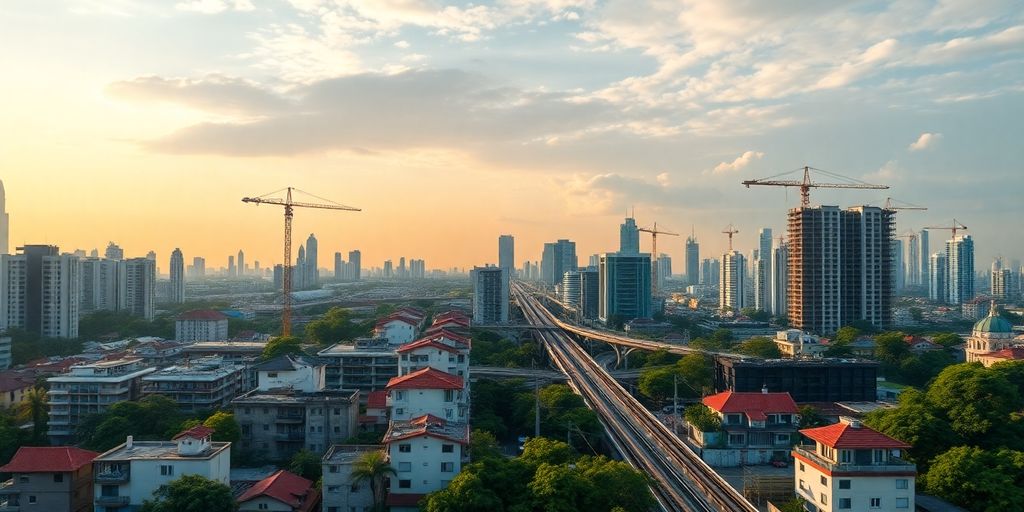
There’s definitely a noticeable drift towards the suburbs, and it’s all thanks to the expanding BTS lines. People are more willing to live a bit further out from the city centre these days, as long as they can easily hop on the train for work or fun. This shift is opening up new property investment opportunities in areas that weren’t so popular before. The upcoming Orange Line, especially the eastern bit due to open soon, is expected to give Ramkhamhaeng a real boost. It’s all part of Bangkok’s growing appeal, drawing in people who want to experience what the city has to offer. The mass transit system is a game changer.
Growing Interest From Foreign Investors
Bangkok’s got a solid reputation as a regional economic hub, and that’s attracting expats and international workers. This influx of global talent is pushing up demand for places to live, as they look for comfortable and convenient homes. This is especially true for properties near the BTS lines, making them attractive for rental income and long-term capital growth. The city’s dynamic environment is a magnet for those seeking condo near Bangtao.
Increased Rental Yields
With more people wanting to live near the BTS, rental yields in these areas are on the up. Landlords can charge higher rents because of the convenience and accessibility the BTS provides. This makes property investment near these lines a pretty attractive option for those looking for a steady income stream. Plus, with Bangkok’s growing population, demand for rental properties is only set to increase. This is a great time to consider buying or renting in the area.
The BTS expansions aren’t just about building more homes; it’s about creating sustainable communities and improving the quality of life for everyone. This long-term vision is what will drive property growth in the years to come.
Key Areas Benefiting From New BTS Lines
Western Bangkok Developments
Western Bangkok is really starting to boom, largely thanks to improved transport links. The expansion of the MRT and BTS lines is making it much easier to get into the city centre, which is a big draw for people wanting to move out of the more congested areas. We’re seeing a lot of new developments popping up, and property values are on the rise. It’s a great time to consider prime land in this area.
Emerging Suburban Hotspots
Areas that were previously a bit out of the way are now becoming much more accessible. The Pink Line, for example, is expected to boost development around Minburi, especially with the interchange to the Orange Line. This means more residential projects, increased population density, and eventually, more jobs in the area. The Orange Line itself, particularly the eastern section, should give Ramkhamhaeng a real lift. It’s all about connectivity, and these new lines are changing the game.
Potential Around Ramkhamhaeng
Ramkhamhaeng is set to benefit hugely from the new BTS lines. The improved infrastructure will make it even more attractive to residents and investors. The area around Thong Lor BTS station is also set to benefit hugely from the Grey Line, with improved infrastructure making it even more attractive to residents and investors. The arrival of a new BTS line can have a huge impact on local amenities. Suddenly, there’s a need for more shops, restaurants, and services to cater to the growing population. This can lead to a revitalisation of existing neighbourhoods, with new businesses opening up and old ones getting a fresh coat of paint. It’s not just about the big chains either; often, it’s the small, independent businesses that benefit the most. They can offer something unique and authentic that appeals to both locals and newcomers. Plus, with more people using public transport, there’s less traffic congestion and air pollution, making the area a more pleasant place to live. The BTS expansion is a key driver of this trend.
The correlation between improved transportation and increased property values is well-established. As commuting times decrease and accessibility improves, properties in these areas become more attractive to both buyers and renters, leading to long-term appreciation.
Government Initiatives Supporting BTS Expansions
Infrastructure Investment
The Thai government is really putting its money where its mouth is when it comes to infrastructure. It’s not just about roads; we’re talking about expanding the BTS and MRT networks, which has a direct impact on property values. Areas near these new or extended lines are becoming more attractive to developers and buyers. This investment shows a long-term commitment and boosts confidence in the market. It’s about more than just getting around easier; it’s about building a future. The government is also investing in mass transit system to improve connectivity.
Urban Development Plans
The government isn’t just throwing money at transport; they’re also thinking about the bigger picture with comprehensive urban development plans. These plans aim to create sustainable, liveable communities around the new BTS lines. This includes things like:
- Creating green spaces and parks.
- Improving pedestrian and cycling infrastructure.
- Encouraging mixed-use developments with shops, offices, and housing.
These plans are designed to make these areas more attractive places to live, work, and play, which in turn drives up property values. The Pink Line, for example, is expected to boost development around Minburi, especially with the interchange to the Orange Line. This means more residential projects, increased population density, and eventually, more jobs in the area. The Orange Line itself, particularly the eastern section, should give Ramkhamhaeng a real lift. It’s all about connectivity, and these new lines are changing the game.
Sustainability Goals
The government is also keen on promoting sustainable development alongside the BTS expansions. This means encouraging eco-friendly building practises, promoting green spaces, and reducing reliance on cars. They’re pushing for things like:
- Incentives for developers to build green buildings.
- Investment in renewable energy sources.
- Promotion of public transport use.
The government’s commitment to infrastructure and affordable housing is a game-changer. It’s not just about building more homes; it’s about creating sustainable communities and improving the quality of life for everyone. This creates new opportunities for growth and development. As the city continues to expand, these transport links will become even more important in shaping the future of Bangkok’s property market.
They’ve also launched schemes to encourage developers to build more affordable housing in Bangkok, including cutting fees for mortgage registration and property transfers. A significant amount has been set aside for low-cost housing, aiming to build a million homes for low-income earners. This includes a mix of houses and condos, providing options for those in need. It’s a joint effort, catering to both local and international demands.
Challenges Facing Property Investment
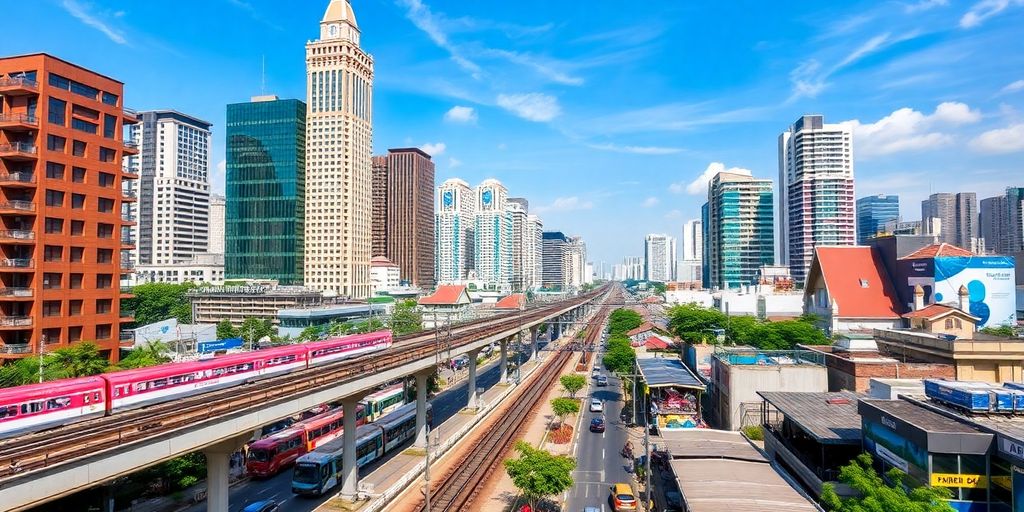
Investing in Bangkok’s property market, especially with the ongoing BTS expansions, presents exciting opportunities, but it’s not without its hurdles. It’s important to be aware of these challenges to make informed decisions.
Rising Interest Rates
Interest rates can significantly impact the affordability of property investments. Higher rates mean increased borrowing costs, which can deter potential buyers and reduce overall demand. This is especially relevant for those relying on mortgages to finance their purchases. Keep a close eye on the Bank of Thailand’s monetary policy and how it might affect your investment strategy.
High Household Debt
Thailand has seen a rise in household debt, which can affect people’s ability to invest in property. If a large portion of the population is already burdened with debt, their capacity to take on additional financial commitments, like a mortgage, is limited. This can lead to a slowdown in property sales and price appreciation. It’s worth considering how property ownership laws might affect your investment.
Market Fluctuations
It’s important to remember that the property market is cyclical. What’s hot today might not be tomorrow. Thorough due diligence, a long-term perspective, and a realistic assessment of risks are essential for navigating these challenges successfully.
Rising interest rates and persistently high levels of household debt are weighing on consumers, who are increasingly wary about taking on more long-term financial commitments. At the same time, lenders are tightening credit conditions. More expensive construction materials, energy, and labour will add to the overall cost of developments, and so residential property prices are expected to increase. There is a significant supply of unsold housing stock in some areas, though in particular, problems are beginning to emerge in the market for properties over a certain price point.
The Role Of Foreign Investment In Property Growth
Attraction Of Expatriates
Bangkok’s appeal as a regional economic hub is a magnet for expatriates and international workers. This influx of global talent is boosting demand for residential properties, as they seek comfortable and convenient homes. The city’s blend of cosmopolitan living and cultural richness is a key factor in attracting foreign residents.
Capital Appreciation Potential
Foreign investment is a significant driver of capital appreciation in the Bangkok property market. Government policies, such as the approval of 99-year leaseholds for foreigners, are making Thailand an increasingly attractive destination for international buyers. This increased interest translates into higher property values over time. Consider these points:
- Favourable exchange rates can make property purchases more affordable for foreign investors.
- Strong economic growth in Thailand supports long-term capital appreciation.
- Increased demand from both local and international buyers drives up property values.
Rental Income Opportunities
Rental income is another key benefit for foreign investors in the Bangkok property market. The city’s thriving tourism sector and large expatriate community create a strong demand for rental properties. Key areas for rental investment include:
- Central districts like Siam and Thonglor, which are popular with tourists and expats.
- Suburban areas along the BTS lines, which offer more affordable rental options.
- Luxury condominiums in prime locations, which attract high-end tenants.
Foreign investment plays a vital role in the growth of Bangkok’s property market. By attracting expatriates, driving capital appreciation, and creating rental income opportunities, foreign investors contribute to the overall health and stability of the market.
Sustainable Development Trends In Bangkok
Bangkok is slowly but surely embracing sustainable development, and it’s starting to show in the property market. People are more aware of their impact, and developers are responding. It’s not just a fad; it’s becoming a real factor in property value.
Eco-friendly Properties
Eco-friendly properties are gaining traction. Buyers are increasingly looking for homes that reduce their environmental impact. This includes features like:
- Energy-efficient appliances
- Water-saving fixtures
- Use of sustainable materials
Developers are starting to incorporate these features to attract eco-conscious buyers. A modern Thai villa with green features can command a premium.
Green Building Initiatives
There’s a growing push for green building initiatives across Bangkok. This involves:
- Adopting green building standards
- Implementing energy-efficient designs
- Using renewable energy sources
These initiatives are not only good for the environment but also help reduce operating costs for building owners. The Bangkok Metropolitan Administration is preparing an environmental impact assessment for projects.
Community-focused Developments
Community-focused developments are becoming more popular. These projects prioritise:
- Creating walkable neighbourhoods
- Providing green spaces
- Supporting local businesses
These developments aim to create a sense of community and improve the quality of life for residents. The demand for affordable housing in Bangkok is growing fast, and these developments often include affordable options.
As cities become more congested, efficient and sustainable transportation solutions will become even more important. Properties located near these solutions will likely see increased demand and appreciation.
Future BTS Expansion Plans
Upcoming Lines And Stations
Bangkok’s BTS network is set to grow significantly in the coming years. Several new lines and extensions are planned, promising to reshape the city’s transport landscape. These projects aim to connect more areas, reduce traffic congestion, and boost economic activity. The expansions are not just about adding more stations; they’re about creating a more interconnected and accessible city for everyone. For example, the Purple Line extension, with its 17 new stations slated for completion by 2026, will significantly improve access to suburban areas. The Pink Line, for example, is expected to boost development around Minburi, especially with the interchange to the Orange Line.
Projected Completion Dates
Pinpointing exact completion dates for large infrastructure projects can be tricky, but here’s a general overview of the timelines for some key BTS expansions:
- Orange Line (East Section): Expected to open in 2025, this line will significantly improve connectivity to the east of Bangkok, especially around Ramkhamhaeng.
- Purple Line Extension: Currently slated for completion by 2026, this extension will provide better access to suburban areas.
- Pink Line: Expected to boost development around Minburi.
These dates are subject to change, so it’s always a good idea to stay updated with the latest announcements from the relevant authorities. Keep an eye on the mass transit system developments.
Expected Impact On Property Values
The expansion of the BTS network is expected to have a positive impact on property values in the areas surrounding the new lines and stations. As accessibility improves, demand for housing and commercial properties in these locations is likely to increase. This could lead to higher property prices and greater investment opportunities. The Thai government’s ongoing investment in infrastructure is driving property market growth, particularly in suburban regions. The eastern section of the Orange Line should give Ramkhamhaeng a real lift. It’s all about connectivity, and these new lines are changing the game.
The BTS expansions are a game-changer. It’s not just about building more homes; it’s about creating sustainable communities and improving the quality of life for everyone. This long-term vision is what will drive property growth in the years to come.
Consider investing in Bangtao condos for potential capital appreciation.
As we look ahead, BTS has exciting plans for growth and development. We aim to expand our services and reach more customers, ensuring that everyone can enjoy what we offer. If you want to stay updated on our journey and learn more about our future projects, visit our website today!
Final Thoughts on Bangkok’s Property Market
To wrap things up, the ongoing BTS expansions in Bangkok are definitely going to shake up the property market. As new lines open, areas that were once off the radar are becoming hot spots for buyers and investors. We’ve seen how better transport links can drive up demand and, in turn, prices. With the government pouring money into infrastructure, it’s a good time to keep an eye on these changes. If you’re thinking about investing, focusing on properties near the new BTS lines could pay off. Just remember, while things look promising, it’s always smart to do your research and stay updated on market trends.