
Watch This Episode: Our Phuket Real Estate Podcast
Our podcast covers all the topics for property investors looking at buying real estate in Thailand.
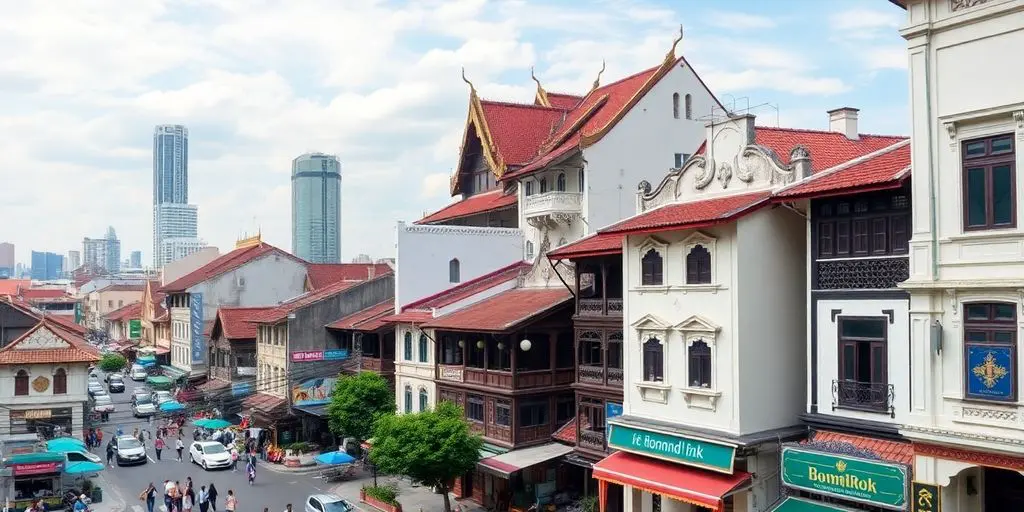
Bangkok’s Old Town is turning into a popular choice for foreign investors looking to make their mark in the real estate market. With its rich history and vibrant culture, this area offers a unique mix of traditional charm and modern investment potential. However, is it truly a wise decision to invest in Bangkok’s Old Town real estate? Let’s break down the key factors that could influence your investment journey.
Key Takeaways
- Bangkok’s Old Town is rich in cultural heritage, making it an attractive investment location.
- The rental market is thriving, driven by a steady influx of tourists and expats.
- Property prices in the Old Town are generally lower than in other major cities, providing good entry points for investors.
- Future infrastructure developments are expected to enhance property values and connectivity.
- Foreign buyers can navigate ownership regulations, including leasehold agreements, to invest in this area.
Investment Appeal of Bangkok’s Old Town
Bangkok’s Old Town is becoming a real focus for property investment, especially if you’re after something different from the usual modern condos. It’s got a charm that’s attracting attention, and for good reason. Let’s look at why it’s an appealing place to invest.
Cultural Significance and Heritage
Old Town is Bangkok’s historical heart. Think temples, palaces, and markets. This area is steeped in history, offering an atmosphere you can’t find elsewhere. Investing here isn’t just about property; it’s about owning a piece of Bangkok’s soul. The area attracts tourists and locals, all keen to soak up the culture. Properties that highlight this heritage can be a great way to contribute to conservation efforts while also benefiting from the growing interest in cultural tourism.
Rental Market Dynamics
The rental market in Bangkok’s Old Town is interesting. You’ve got a mix of tourists wanting short-term stays and expats or locals looking for something longer term. This means there are opportunities for different types of rental investments, from guesthouses to apartments. The demand is there, driven by the area’s popularity and unique appeal. It’s worth doing your research to see what kind of property and rental strategy would work best for you. The growing demand for rental properties indicates a strong market.
Economic Stability
Bangkok, as a whole, has a pretty stable economy, which is good news for investors. The city is a major business hub in Southeast Asia, attracting companies from all over the world. This economic stability helps to support the property market, making it a relatively safe bet. Plus, the government is constantly working on infrastructure projects and initiatives to boost the economy further, which can only be a good thing for property values in the long run.
It’s worth remembering that economic factors can shift, so staying informed about the overall economic climate in Thailand is important. Keep an eye on things like inflation, interest rates, and government policies, as these can all impact your investment.
Affordability in the Property Market
Comparative Pricing
Okay, so Bangkok’s Old Town isn’t exactly cheap as chips, but when you stack it up against places like London or New York, it’s a whole different ball game. You can actually get a decent amount of property for your money here. It’s all about perspective, really.
Investment Entry Points
There are a few ways to get your foot in the door when it comes to investing in Old Town property. Condos are often the easiest route for foreign buyers, but don’t discount townhouses. They can be a more affordable way to get started, even if they might not appreciate as quickly. It’s like choosing between a quick sprint and a steady marathon – both get you there, just at different paces.
- Consider smaller condos for easier rental.
- Look at townhouses for a more budget-friendly start.
- Explore renovation projects for potential value uplift.
Long-Term Value
Thinking long-term is key. While short-term gains are nice, the real money is often made by holding onto property and letting it appreciate over time. Old Town has a unique charm and cultural significance that’s unlikely to fade, which should help maintain property values. Plus, with ongoing development and improvements, the area is only going to become more desirable.
Investing in Bangkok’s Old Town isn’t just about buying bricks and mortar; it’s about buying into a piece of history and a promising future. The area’s unique character and ongoing development make it a potentially lucrative long-term investment.
Future Development Prospects
Infrastructure Improvements
Bangkok’s Old Town is on the cusp of some exciting changes, mainly thanks to planned infrastructure upgrades. We’re talking about extensions to the BTS Skytrain and MRT subway lines, which will make getting around much easier. These improvements are expected to significantly boost property values in the area, as accessibility is a major draw for both residents and tourists. It’s not just about trains, though; there are also plans to improve roads and pedestrian areas, making the Old Town more liveable and attractive.
Upcoming Projects
There’s a buzz about several upcoming development projects in the Old Town. These range from boutique hotels and renovated shophouses to modern condominium complexes that blend seamlessly with the historical architecture. These projects aim to attract a mix of residents and visitors, creating a vibrant and diverse community. Keep an eye out for:
- New parks and green spaces.
- Co-working spaces catering to digital nomads.
- Cultural centres showcasing local art and history.
It’s worth noting that while these developments are exciting, there’s also a strong emphasis on preserving the Old Town’s unique character. Developers are working closely with local authorities to ensure that new buildings complement the existing architecture and don’t detract from the area’s historical charm.
Impact on Property Values
So, what does all this mean for property values? Well, the general consensus is that they’re set to rise. The combination of improved infrastructure, new developments, and a growing interest in the Old Town’s cultural heritage is creating a perfect storm for investment. Of course, there are no guarantees, and market conditions can change. But if you’re looking for a long-term investment with strong growth potential, Bangkok’s Old Town is definitely worth considering.
Here’s a quick look at potential impacts:
| Factor | Impact on Property Values | Timeline |
|---|---|---|
| Infrastructure Upgrades | Increase | 2-5 years |
| New Developments | Increase | 3-7 years |
| Tourism Growth | Increase | Ongoing |
Tourism and Its Influence on Real Estate
Bangkok’s Old Town is a real tourist hotspot, and that has a big effect on the local property market. We’re talking about loads of visitors every year, and they all need places to stay, eat, and shop. This constant flow of people creates opportunities for property owners, but it also means the market can be a bit up and down depending on what’s happening with tourism. If fewer people visit, rental income might drop, but if more people come, property prices could go up. It’s a bit of a rollercoaster, really.
Visitor Trends
Visitor numbers in Bangkok’s Old Town have been generally on the up, but there are definitely peaks and troughs. Things like global events, the economy, and even what’s trending on social media can all play a part. Keeping an eye on these trends is key if you’re thinking about investing in property here.
- Overall tourist numbers are increasing year-on-year.
- There’s a noticeable peak season during the winter months.
- More younger travellers are visiting, looking for unique experiences.
Short-Term Rental Opportunities
One of the most obvious ways tourism affects property in Bangkok’s Old Town is through short-term rentals. Platforms like Airbnb have made it super easy for property owners to rent out their places to tourists. This can be a good way to make money, especially during busy times, but it also comes with its own set of challenges. You might face increased competition from other rentals, potential rules from the local council, and the need to manage bookings, cleaning, and upkeep. It’s important to weigh up the potential benefits against the risks before jumping in. While it can be a great way to earn some extra income, it’s not always a passive investment. You need to be ready to put in the time and effort to manage your property well. For example, you need to understand the legal requirements for short-term rentals.
Cultural Tourism
Old Town is all about culture, and that’s a big draw for tourists. People come here to see the temples, wander around the historic streets, and soak up the atmosphere. This means that properties close to popular attractions or with a bit of character can be really appealing to visitors. Investing in a place that taps into this cultural vibe could be a smart move. The area is known for its traditional houses and unique architecture.
Investing in the hospitality sector is a good idea. New hotels, guesthouses, and boutique accommodations are popping up all the time, trying to cater to the diverse needs of travellers. This investment isn’t just about building new places to stay; it also includes upgrading existing properties and improving the overall tourist experience. This can have a knock-on effect on the surrounding real estate, making it more attractive to both investors and potential residents.
Understanding the Rental Market
Demand for Rental Properties
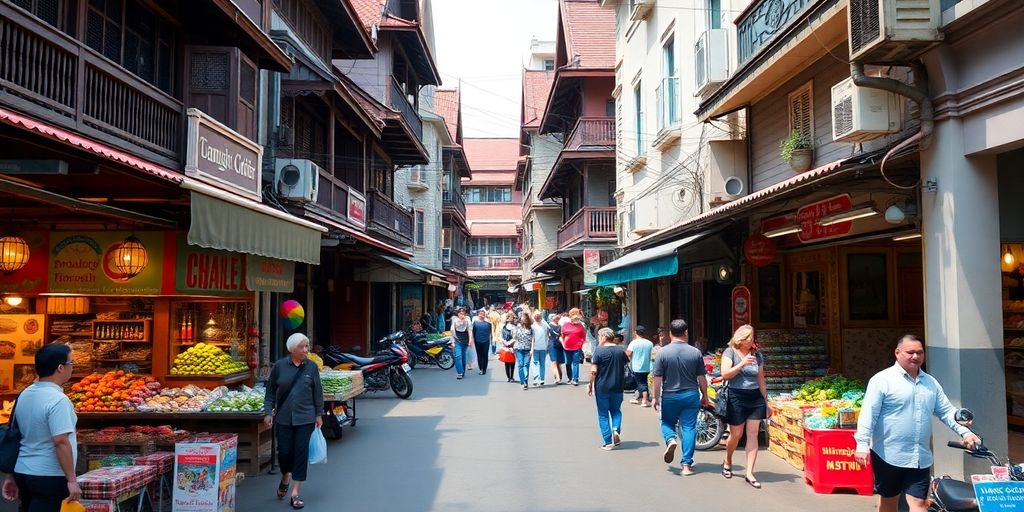
The rental market in Bangkok’s Old Town is pretty lively. The area’s charm draws in both tourists and expats, creating a steady flow of potential renters. This constant demand makes it an appealing place for property investors. You’ll find that short-term rentals are doing particularly well, offering the chance for good returns. People are after a more authentic Thai experience than what you get in areas like Sukhumvit, which is also pushing up the demand for both rental and purchase properties.
Types of Rental Investments
When it comes to rental investments in Old Town, you’ve got a few options. Condos are popular, especially smaller ones, and renovated traditional houses are also a hit. Larger, more modern apartments might take a bit longer to rent out. It’s worth thinking about what kind of property suits your investment goals. Condos might give you steady rental income, while villas could work well as a holiday home that pays for itself. Understanding these different property types is key to making smart choices.
Yield Potential
Rental yields are what investors look at to see how much income a property can generate. In Bangkok, yields are generally fairly stable, sitting around 4-5%. Location is a big factor – properties near transport or attractions tend to do better. But those places also cost more to buy, so it’s a balancing act. The type of property matters too; condos often give better yields than houses. And don’t forget the economy! If things are going well, more people want to rent. Here’s a quick look at some factors:
- Location, location, location!
- Property type (condo, house, etc.)
- Economic climate
It’s worth remembering that these figures are just averages. You really need to do your homework and look at specific properties and areas to get a realistic idea of what you can expect.
Navigating Legalities for Foreign Buyers
Ownership Regulations
Buying property in Thailand as a foreigner? It can feel like wading through treacle, but it’s doable. The big thing to remember is the 49% rule for condos. Foreigners can only own up to 49% of the units in any given condominium building. So, before you get your heart set on a place, double-check that the building hasn’t already hit its limit. If it has, you might need to consider other options, like a leasehold agreement. It’s also worth noting that a condo association is pushing for more state help because of the challenges this quota creates for foreign buyers.
Leasehold Agreements
If outright ownership isn’t on the cards, leasehold agreements are a common alternative. These let you lease the land for a set period, usually up to 30 years. The good news is that you can often renew these leases, giving you long-term use of the property. While you don’t technically own the land, you have the right to use it for the duration of the lease. It’s a pretty standard practise, and many foreigners find it a good way to invest in Thai property without the ownership restrictions. It’s worth getting some legal requirements sorted before you sign anything.
Investment Restrictions
Navigating the legal side of buying property in Thailand can feel like a bit of a maze, but it’s really important to get it right. Here are a few things to keep in mind:
- Title Deeds: Always, always double-check that the seller actually owns the property. Sounds obvious, but you’d be surprised! Get a copy of the title deed and have a lawyer verify it.
- Zoning Laws: Make sure you can actually use the property the way you want to. No point buying a place for a shop if it’s zoned residential. Check the local zoning regulations.
- Lawyer Up: Seriously, get a lawyer who knows Thai property law. It’s worth the investment to avoid headaches later. They can help you navigate the legal stuff.
Getting your head around the legal stuff can feel a bit overwhelming, but it’s all doable. Take your time, do your research, and don’t be afraid to ask for help. With the right advice, you can avoid any nasty surprises down the line.
Market Trends and Insights
Current Property Prices
Right, let’s talk numbers. What’s a flat actually cost you in Old Town these days? Well, it varies, obviously. You’ll find everything from fixer-uppers going for a song to swanky condos with rooftop pools that’ll set you back a pretty penny. Generally, though, prices are on the up, driven by increased interest and limited availability.
Historical Growth Patterns
Looking back, Old Town’s property market has seen some interesting shifts. It wasn’t always the hot ticket it is now. For years, it was overlooked, a bit run-down, and definitely not on most investors’ radars. But things started to change, slowly at first, then with a bit more oomph. Here’s a quick look:
- Early 2000s: Stagnant, low prices, little interest.
- Late 2000s: Gradual increase as people started to appreciate the area’s charm.
- 2010s: Steady growth, driven by tourism and cultural preservation efforts.
- Present: Significant price hikes, high demand, limited supply.
Future Predictions
So, what’s next for Old Town? Crystal balls are notoriously unreliable, but most experts reckon the upward trend will continue, at least for the foreseeable future. Several factors are at play:
- Ongoing infrastructure improvements will make the area more accessible and desirable.
- Increased tourism will continue to fuel demand for short-term rentals.
- Limited new developments will keep supply tight, pushing prices up.
Of course, there are always risks. Economic downturns, changes in government policy, and unforeseen events could all throw a spanner in the works. But, on the whole, the outlook for Old Town’s property market looks pretty rosy.
Risks and Challenges of Investing
Investing in Bangkok’s Old Town isn’t all sunshine and roses, is it? There are definitely some potential banana skins to watch out for before you take the plunge. Let’s have a look at some of the main ones.
Market Volatility
Real estate markets are never completely still, and Bangkok is no different. Property values can go up and down depending on all sorts of things, like the economy, government decisions, and how investors are feeling. It’s a good idea to keep an eye on what’s happening in the market and be ready for things to change. For example, Bangkok developers might offer discounts if they’re struggling to sell condos.
Property Management Issues
Managing a property, especially from abroad, can be a bit of a headache. Finding reliable tenants, dealing with repairs, and making sure everything’s running smoothly can be tricky. You might need to hire a property manager, which will eat into your profits. Plus, Thai properties might need more property maintenance than you’d expect.
Economic Factors
Thailand’s economy is linked to what’s happening around the world. Things like interest rates, inflation, and how the currency is doing can all affect how much money you make from your investment. It’s important to think about these things when you’re deciding whether to invest. Here are some things to keep in mind:
- Interest Rates: If interest rates go up, it can cost more to borrow money, which makes it harder to buy property.
- Inflation: If things get more expensive, your rental income might not stretch as far.
- Currency Exchange Rates: If the Thai Baht gets weaker compared to your currency, your returns might be lower when you convert them back.
It’s worth remembering that investing always carries some risk. There’s no such thing as a sure thing, and you could lose money if things don’t go as planned. Do your homework, get good advice, and don’t invest more than you can afford to lose.
Unique Property Types in Old Town
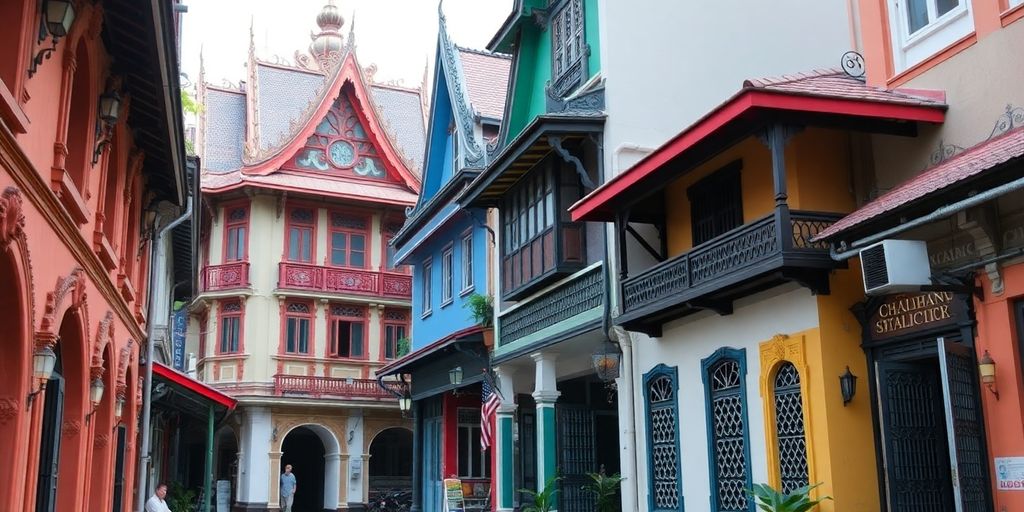
Old Town Bangkok offers a fascinating mix of properties, far removed from the identikit condos you find elsewhere. It’s a real blend of old and new, and that’s reflected in the types of properties available. You’ll find everything from beautifully restored traditional houses to modern apartments that still manage to fit in with the area’s historic vibe. It’s this variety that makes investing here so interesting.
Traditional Houses
These are the gems of Old Town. Often lovingly restored, these houses offer a glimpse into Bangkok’s past. They come in all shapes and sizes, from small wooden structures to grander, multi-story homes. The key is finding one that’s been well-maintained or is ripe for renovation. Be aware that these properties often come with specific regulations regarding what you can and can’t change, so do your homework. They are a great way to boost property values.
Modern Condominiums
While Old Town is known for its history, there are also modern condominiums available. These tend to be smaller-scale developments, often designed to blend in with the surrounding architecture. They offer all the conveniences of modern living, such as swimming pools and gyms, but in a more intimate setting than the mega-condos you find in other parts of Bangkok. These are popular with younger professionals and expats looking for a comfortable base in a culturally rich area. The Centara Grand Mirage Beach Resort Pattaya is a great example of a modern resort.
Mixed-Use Developments
Increasingly, you’ll find mixed-use developments popping up in Old Town. These combine residential units with commercial spaces, such as shops, cafes, or offices. This can be a great option if you’re looking for a live-work space or want to invest in a property that offers multiple income streams. These developments often have a modern design but incorporate traditional Thai elements to maintain the area’s character. They are a great way to affect property taxes.
Investing in Old Town isn’t just about buying bricks and mortar; it’s about buying into a lifestyle. The unique blend of history, culture, and modern amenities makes it a truly special place to live and invest. Just be sure to do your research and understand the specific challenges and opportunities that come with each type of property.
Community and Lifestyle Benefits
Local Amenities
Living in Bangkok’s Old Town isn’t just about the bricks and mortar; it’s about the life you build around it. You’ve got everything you need right on your doorstep, from traditional markets selling fresh produce to quirky cafes serving up amazing coffee. The convenience is a massive draw for both locals and expats.
- Tonnes of street food stalls offering cheap and delicious meals.
- Small, independent shops selling everything from souvenirs to everyday essentials.
- Easy access to public transport, making it easy to get around the city.
Cultural Events
Old Town is the heart of Bangkok’s cultural scene, and there’s always something going on. From traditional festivals to art exhibitions, you’ll never be bored. It’s a great place to immerse yourself in Thai culture and meet new people. I went to a lantern festival last year, and it was amazing. The colours, the food, the music – it was an experience I won’t forget.
Community Engagement
One of the best things about Old Town is the strong sense of community. People here are friendly and welcoming, and there are plenty of opportunities to get involved in local life. Whether it’s volunteering at a temple or joining a local sports team, you’ll quickly feel like you belong. It’s a world away from the anonymity of some of the more modern parts of the city.
Living in Old Town offers a unique opportunity to connect with the real Bangkok. It’s a place where you can experience the city’s rich history and culture, while also enjoying a vibrant and modern lifestyle. It’s not for everyone, but if you’re looking for something a bit different, it could be the perfect place to call home.
Expert Opinions on Investment Viability
Real Estate Agent Insights
Real estate agents who specialise in Bangkok’s Old Town bring a wealth of on-the-ground knowledge. They can provide insights into micro-trends that might not be apparent from broader market data. They often highlight the importance of understanding the nuances of each sub-district within the Old Town, as property values and rental yields can vary significantly from one street to the next. Agents also stress the need for foreign buyers to work with reputable legal advisors to navigate the complexities of Thai property law.
Investor Testimonials
Hearing directly from other investors can be incredibly useful. Many successful foreign buyers in Bangkok’s Old Town emphasise the importance of patience and thorough research. They often share stories of initial challenges, such as language barriers or unexpected renovation costs, but also highlight the long-term rewards of investing in a unique and culturally rich area. Some common themes from investor testimonials include:
- The importance of building relationships with local contacts.
- The value of visiting the property at different times of day to assess noise levels and local activity.
- The need to factor in ongoing maintenance costs when calculating potential returns.
Market Analysis
Market analysis reports from reputable firms offer a data-driven perspective on the investment viability of Bangkok’s Old Town. These reports typically cover:
- Historical property price trends.
- Current rental yields.
- Future growth projections based on planned infrastructure developments and tourism trends.
It’s important to remember that market analysis is just one piece of the puzzle. While these reports can provide valuable insights, they should be considered alongside other factors, such as your personal investment goals and risk tolerance. Don’t rely solely on the numbers; visit the area, talk to locals, and get a feel for the unique character of Bangkok’s Old Town.
Comparative Analysis with Other Areas
Sukhumvit vs. Old Town
Sukhumvit is the modern, bustling heart of Bangkok, known for its high-end condos, shopping malls, and vibrant nightlife. Old Town, on the other hand, offers a more historical and cultural vibe. Investing in Sukhumvit often means higher initial costs but potentially faster returns due to its popularity with expats and tourists. Old Town might offer better long-term value as it develops and attracts a different kind of visitor.
Silom/Sathorn Comparisons
Silom and Sathorn are Bangkok’s central business districts, filled with office buildings, luxury hotels, and upscale residences. They’re prime locations for corporate rentals and long-term tenants. Compared to Old Town, Silom/Sathorn properties tend to be more expensive and geared towards a different market. Old Town offers a unique appeal with its cultural attractions, potentially attracting tourists interested in cultural tourism and historical experiences.
Emerging Neighbourhoods
Bangkok has several emerging neighbourhoods that are attracting attention from investors. Areas like Ari and Phra Khanong offer a blend of local charm and modern amenities, often at more affordable prices than Sukhumvit or Silom/Sathorn. These areas might present similar opportunities to Old Town in terms of long-term growth potential. However, Old Town’s unique historical significance gives it a distinct advantage. The table below shows a comparison of average property prices:
| Area | Average Price (THB per sqm) |
|---|---|
| Sukhumvit | 250,000 |
| Silom/Sathorn | 280,000 |
| Old Town | 180,000 |
| Ari | 200,000 |
Investing in Bangkok’s property market requires careful consideration of location, target market, and investment goals. Each area offers unique advantages and challenges, so it’s important to do your research and understand the local dynamics before making a decision. Consider the potential for condo transfers in each area.
Here’s a quick rundown:
- Sukhumvit: Great for high-end rentals and quick returns.
- Silom/Sathorn: Ideal for corporate tenants and long-term stability.
- Old Town: Offers unique cultural appeal and long-term growth potential.
- Emerging Neighbourhoods: Provide affordable options with a blend of local and modern living.
In comparing our area to others, we can see both strengths and weaknesses. For instance, while some regions may offer lower prices, they often lack the same level of amenities and lifestyle options that we have here. If you want to learn more about how our area stacks up against others, visit our website for detailed insights and resources.
Explore the differences in real estate options across various regions!
Final Thoughts on Investing in Bangkok’s Old Town
So, is investing in Bangkok’s Old Town a wise choice for foreign buyers? Well, it’s a bit of a mixed bag. On one side, you’ve got the rich history and vibrant culture that attracts both tourists and locals. This area is not just about bricks and mortar; it’s about being part of something special. Plus, property prices are still quite reasonable compared to other big cities, which means there’s a chance for decent returns. But, it’s not all sunshine and rainbows. You need to be aware of the potential challenges, like market fluctuations and the specific types of properties that are in demand. Overall, if you’re looking for a unique investment opportunity that combines culture with potential growth, Bangkok’s Old Town might just be worth considering.