
Watch This Episode: Our Phuket Real Estate Podcast
Our podcast covers all the topics for property investors looking at buying real estate in Thailand.
Thinking about buying property in Thailand? You’re not alone. Thailand’s property market offers two main types of ownership: freehold and leasehold. Each has its own perks and drawbacks, especially if you’re a foreigner. Freehold ownership gives you full control, while leasehold lets you use the property for a set time. Understanding these differences is key to making the right choice for your investment or living needs.
Key Takeaways
- Freehold ownership in Thailand offers complete and permanent rights to a property, ideal for long-term investment.
- Leasehold ownership provides temporary rights, usually for 30 years, with an option to renew, often more accessible for foreigners.
- Foreigners face restrictions with freehold land ownership but can own condominiums up to a certain quota.
- Leasehold properties generally require less initial investment compared to freehold.
- Choosing between freehold and leasehold depends on your long-term goals, financial situation, and need for control over the property.
Understanding Freehold vs Leasehold in Thailand
Definition of Freehold Ownership
Freehold ownership in Thailand means you have complete and indefinite control over a property. This type of ownership allows you to sell, transfer, or bequeath the property as you see fit. It’s essentially yours forever, without any strings attached. The most common scenario for foreigners to acquire freehold property is through condominium units, where they can own up to 49% of the building’s total area.
Definition of Leasehold Ownership
Leasehold ownership, on the other hand, is more like renting a property for a long term, usually for 30 years with options to renew. You don’t own the land, but you have the right to use it. This is particularly appealing to foreigners who want to live in Thailand but face restrictions on land ownership. Leasehold agreements often include clauses for renewal, but these are not guaranteed and depend on the lessor’s agreement.
Key Differences Between Freehold and Leasehold
- Ownership Duration: Freehold is permanent, while leasehold is time-bound, typically 30 years.
- Control and Flexibility: Freehold offers full control over the property, whereas leasehold comes with limitations.
- Legal Complexity: Freehold ownership involves more legal paperwork and higher costs upfront compared to leasehold.
- Foreign Ownership: Foreigners can own freehold condos up to a certain limit, but leasehold provides more flexibility in owning houses or land indirectly.
If you’re considering property in Thailand, weigh the permanence and control of freehold against the flexibility and lower initial costs of leasehold. It’s all about what fits your needs best.
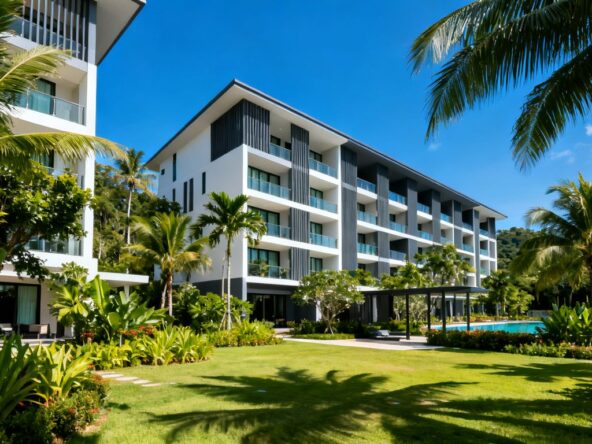
For example, this 3-bedroom apartment in Layan, Phuket, offers both freehold and leasehold options, allowing potential buyers to choose what suits them best based on their long-term plans and financial situation.
Legal Framework for Property Ownership in Thailand
Thai Property Laws and Regulations
In Thailand, the property laws are designed to manage foreign ownership while safeguarding local interests. Foreigners can own buildings and condominium units, but land ownership is generally restricted to Thai nationals. This means if you’re a foreigner looking to buy property, understanding the distinction between owning a building and owning land is crucial. The law allows foreigners to own up to 49% of the total unit space in a condominium, ensuring a delicate balance between local and foreign ownership.
Foreign Ownership Restrictions
Foreign ownership of land in Thailand is heavily regulated. While you can own a condo, buying land requires navigating a maze of legal restrictions. Some foreigners set up Thai companies to hold land, but recent legal changes have tightened these loopholes. It’s essential to consult with legal experts to ensure compliance with these regulations. Leasehold arrangements are often the go-to for foreigners, allowing them to lease land for 30 to 90 years, but remember, you don’t own the land.
Legal Processes for Freehold and Leasehold
Freehold ownership offers complete rights over a property and is mostly available to Thai nationals. Foreigners can acquire freehold rights to a condo unit but not land. Leasehold, on the other hand, is more accessible for foreigners, offering long-term use without outright ownership. Lease agreements typically last 30 years with options for renewal. However, the renewal process can be tricky and requires careful attention to the lease terms.
Navigating Thailand’s property market requires a keen understanding of these legal frameworks. Whether you’re eyeing a luxurious freehold condominium in Phuket or considering a leasehold property, knowing the ins and outs of ownership laws can make all the difference in your investment journey.
Advantages of Freehold Ownership in Thailand
Long-term Security and Control
Owning a property on a freehold basis in Thailand means you have permanent rights to the property, which offers a great sense of security. You can do whatever you want with it, whether it’s making changes or deciding who gets it next. This kind of ownership makes it possible to have full control over your investment without worrying about lease expiration or renewal conditions.
Potential for Capital Appreciation
Freehold properties in Thailand often see an increase in value over time. This makes them a solid choice for those looking to invest long-term. The real estate market in Thailand has shown consistent growth, and owning a freehold property allows you to benefit from this appreciation. It’s not just about living there; it’s about watching your investment grow.
Full Ownership Rights
With freehold ownership, you have complete control over your property. This includes the ability to renovate, sell, or even pass it on to your heirs without needing any additional permissions. Unlike leasehold properties, where your rights are limited to the lease term, freehold ownership offers a sense of permanence and freedom. You can truly make the property your own, knowing that your rights are protected and unrestricted.
Disadvantages of Freehold Ownership in Thailand
Higher Upfront Costs
Purchasing a freehold property in Thailand means a bigger initial outlay. You’re looking at higher purchase prices compared to leasehold options. Plus, there are additional costs like transfer fees and taxes at the Land Department, which can be quite hefty.
Limited Availability for Foreigners
Foreigners face restrictions when it comes to freehold ownership. While you can own a condo unit, the law caps foreign ownership to 49% of the total area in a condominium. This makes finding a suitable property a bit of a hunt, especially in popular areas.
Complex Legal Processes
Navigating the legal maze for freehold ownership isn’t straightforward. The process can be daunting, often requiring legal assistance to ensure everything’s above board. From understanding Thai property laws to dealing with the Land Department, it can be a bit of a headache.
Freehold ownership in Thailand might seem appealing with its promise of full ownership, but it comes with its own set of challenges. Higher costs, limited availability, and complex legal hurdles can make it a tough path to tread for many, especially foreigners.
Advantages of Leasehold Ownership in Thailand
Lower Initial Investment Costs
One of the biggest perks of leasehold ownership in Thailand is the lower upfront cost. Compared to freehold properties, leaseholds are generally more affordable, making them an attractive option for those who want to invest in property without breaking the bank. This reduced financial barrier allows more people to enter the property market, especially foreigners who face restrictions on freehold ownership.
Flexibility for Short-term Stays
Leasehold properties offer great flexibility, particularly for those who aren’t looking to settle down long-term. Whether you’re thinking of spending a few years in Thailand or just want a holiday home, leasehold agreements, typically lasting 30 years, provide the flexibility you need without the long-term commitment of a freehold purchase. This is especially appealing for expats and seasonal visitors.
Easier Accessibility for Foreigners
Foreigners often find leasehold properties more accessible due to fewer legal hurdles. While owning land outright is tricky for non-Thais, leasehold agreements offer a viable alternative. They allow foreigners to occupy and use a property legally, without needing to navigate complex ownership laws. This accessibility makes leasehold a popular choice for those looking to enjoy a beachfront property in Lamai or other desirable locations without the stress of full ownership.
Leasehold ownership can be a smart choice for those seeking a more flexible and cost-effective approach to property investment in Thailand. It opens doors to a wider range of properties and offers a practical solution for many foreigners.
Disadvantages of Leasehold Ownership in Thailand
Limited Ownership Rights
Leasehold ownership in Thailand means you’re not the outright owner of the property. Instead, you have the right to use it for a set period, typically 30 years. This arrangement limits your control, especially for significant modifications, which often require the lessor’s approval. Unlike freehold, where you own the property indefinitely, leasehold is more like borrowing with strings attached.
Potential Challenges with Lease Renewal
Renewing a lease isn’t always straightforward. While many leases come with renewal options, there’s no absolute guarantee you’ll be able to extend your stay. Negotiations can become tricky, especially if the property value has increased or if the lessor decides to change the terms. This uncertainty can be a significant downside for those looking for long-term stability.
Impact on Property Valuation
Leasehold properties generally don’t appreciate in value like freehold ones. The finite nature of the lease term can deter potential buyers, affecting the property’s market value. When the lease is nearing its end, the property’s value might drop considerably, making it a less attractive investment.
Leasehold ownership might be ideal for short-term living or investment, but for those eyeing long-term growth or stability, it’s often a less appealing choice.
If you’re considering options, like a 3-bedroom apartment in Layan, remember to weigh these disadvantages against your lifestyle needs and financial goals.
Comparing Freehold and Leasehold for Foreign Investors
Investment Potential and Risks
When it comes to investing in Thailand’s property market, understanding the difference between freehold and leasehold ownership is crucial. Freehold ownership offers complete control and long-term security, which can be appealing for investors looking for stability and potential capital appreciation. On the other hand, leasehold properties might be more suitable for those seeking flexibility or a short-term investment. Freehold properties generally have a higher investment potential due to their unrestricted ownership rights. However, they also come with higher upfront costs and legal complexities, especially for foreign buyers.
Legal Compliance and Due Diligence
Regardless of whether you choose freehold or leasehold, ensuring legal compliance is vital. Foreign investors must navigate complex Thai property laws and restrictions. For freehold ownership, foreigners are typically limited to condominium units, and even then, only up to 49% of the total area of a condo project can be foreign-owned. Leasehold, however, provides a legal avenue for foreigners to enjoy property in Thailand without owning it outright. Thorough due diligence is essential: conduct title searches, understand lease terms, and seek legal advice before making any commitments.
Choosing the Right Option for Your Needs
Deciding between freehold and leasehold depends on your personal goals and circumstances. Consider your long-term intentions: Are you looking for a permanent residence or a temporary stay? Evaluate your financial situation and the level of control you desire over the property. Freehold ownership might be ideal for those seeking long-term stability and the ability to pass the property to heirs. Leasehold could be more attractive if you prefer lower initial costs and flexibility. Ultimately, consulting with legal experts can provide clarity and help you make an informed decision that aligns with your needs.
Future Regulations Impacting Freehold and Leasehold
Proposed Changes in Foreign Ownership Quotas
In Thailand, the government is contemplating adjustments to the foreign ownership quotas for properties. Currently, foreigners can own up to 49% of a condominium’s total area on a freehold basis. However, there are discussions about increasing this quota to stimulate economic growth and attract more foreign investment. This potential change could make 1.25 Rai of land for sale near Surin Beach more appealing to international buyers, as it might allow greater foreign ownership flexibility.
Impact on Property Market Dynamics
Changes in ownership quotas can significantly alter the dynamics of the property market. An increase in foreign ownership rights could lead to a surge in property demand, especially in popular areas like Bangkok and Phuket. This might drive up property values, benefiting current owners but possibly making it harder for new buyers to enter the market. Conversely, stricter regulations could cool the market, leading to more stable prices.
Staying Informed on Legal Developments
For anyone invested in or considering investing in Thai property, keeping abreast of legal changes is crucial. Here are some steps to stay informed:
- Regularly consult with legal experts who specialise in Thai property law.
- Subscribe to updates from local real estate agencies or property forums.
- Attend property seminars or webinars that discuss potential legal changes.
As the landscape of property ownership in Thailand evolves, staying informed will help you make well-informed decisions. Whether you’re looking at freehold or leasehold options, understanding the legal context is key to protecting your investment.
Making the Decision: Freehold vs Leasehold
Assessing Your Long-term Goals
When deciding between freehold and leasehold ownership in Thailand, the first step is to consider your long-term objectives. Are you planning to settle in Thailand permanently, or is this more of a short-term investment? If you’re looking for permanence and stability, freehold ownership might be the way to go. It provides full control and the possibility to pass the property to heirs without fuss. On the other hand, leasehold can be a good fit if you’re not ready for a long-term commitment or if you’re considering a more flexible living arrangement.
Financial Considerations and Budgeting
Budget plays a crucial role in your decision-making process. Freehold properties often demand a higher initial investment but offer long-term security. Leasehold, however, typically requires less upfront cash, making it more accessible for many. But remember, leasehold properties can depreciate over time, especially as the lease term shortens. It’s also important to consider potential renewal costs and any legal fees associated with extending a lease.
| Ownership Type | Initial Investment | Long-term Costs | Resale Value Potential |
|---|---|---|---|
| Freehold | High | Lower | High |
| Leasehold | Lower | Variable | Lower |
Consulting with Legal Experts
Navigating the complexities of property ownership in Thailand isn’t something you should do alone. Consulting with a legal expert can help ensure you’re making informed decisions. They can guide you through the nuances of Thai property laws, help with due diligence, and ensure all legal processes are followed correctly. This is especially important for foreigners, who face additional restrictions and regulations.
Making the right choice between leasehold and freehold ownership is a personal decision that hinges on your unique circumstances, goals, and the specific property in question. Seeking professional advice can provide peace of mind and ensure your investment aligns with your future plans.
Inheritance and Succession Planning
Freehold Inheritance Rights
In Thailand, freehold property ownership is akin to holding the ultimate trump card in property rights. When you own a property freehold, you have the unchallenged ability to pass it on to your heirs. This means that through a will, the property can seamlessly transition to your loved ones, ensuring that your investment remains within the family. This straightforward process not only simplifies asset transfer but also provides peace of mind knowing that your legacy is secure.
Leasehold Succession Considerations
Leasehold properties, however, paint a different picture. In this setup, the lease agreement typically ends with the lessee’s death, and the rights do not automatically transfer to heirs. While some lease agreements may include a succession clause, it’s not a foolproof guarantee for your heirs. This limitation makes it crucial to carefully review and negotiate lease terms, ensuring they include provisions for succession if possible. For those considering leasehold, understanding these nuances is key to avoiding unexpected challenges.
Legal Advice for Property Transfer
Navigating the legal landscape of property transfer in Thailand can be tricky, especially for foreigners. It’s wise to engage with legal experts who specialise in Thai property law. They can guide you through the intricacies of both freehold and leasehold ownership, helping you draught wills or succession plans that align with Thai legal standards. Consulting with a knowledgeable lawyer ensures that your property transfer wishes are respected and executed without a hitch.
Deciding between freehold and leasehold ownership involves more than just financial considerations. It’s about planning for the future and ensuring your property can be passed on according to your wishes. Understanding the inheritance implications of each ownership type is crucial for making an informed decision.
Practical Considerations for Property Buyers
Understanding Maintenance and Costs
Buying property isn’t just about the purchase price. Regular maintenance costs can sneak up on you. Whether it’s a condo or a house, you’ll need to budget for repairs, upkeep, and any homeowners’ association fees. Ignoring these can turn your dream home into a financial burden.
Consider making a list:
- Monthly maintenance fees
- Annual property taxes
- Unexpected repairs
Evaluating Property Location and Amenities
Location, location, location. It’s not just a cliché. The right spot can make all the difference. Are you close to schools, shops, or public transport? What about the neighbourhood vibe? Safety and convenience should top your list.
Here’s what to look for:
- Proximity to essential services
- Availability of recreational facilities
- Neighbourhood safety
Negotiating Terms and Conditions
Once you’ve found the perfect place, it’s time to negotiate. Don’t just focus on the price. Consider the terms and conditions. Can you get a better deal on the down payment or closing costs? Maybe there’s room to negotiate the inclusion of certain fixtures or appliances.
When negotiating, keep in mind that a little flexibility can go a long way. Be prepared to compromise on smaller details to secure the bigger picture.
If you’re considering properties like the 4 rai of land in Thalang, Phuket, think about whether a freehold or leasehold option suits your needs better. This choice can impact both your financial and lifestyle goals.
When buying a property, it’s important to think carefully about your choices. Consider your budget, the location, and what type of home you want. Make sure to check the area and understand the local market. If you’re ready to find your perfect home, visit our website to start your search today!
Conclusion
In the end, choosing between leasehold and freehold property in Thailand boils down to what you need and want. Freehold gives you full control and ownership, making it great for those looking to settle down for the long haul. It’s like having your own little piece of the world, with the freedom to do as you please. On the flip side, leasehold can be a good fit if you’re after something more temporary or if you’re a foreigner facing ownership restrictions. It’s usually cheaper upfront and offers flexibility, but remember, it’s not forever. Weigh up your options, think about your future plans, and maybe chat with a local expert to make the best choice for you. Whatever you decide, understanding the ins and outs of both can help you make a smart move in the Thai property market.