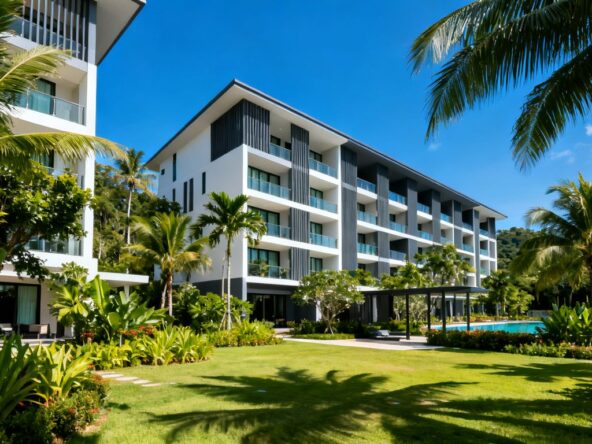

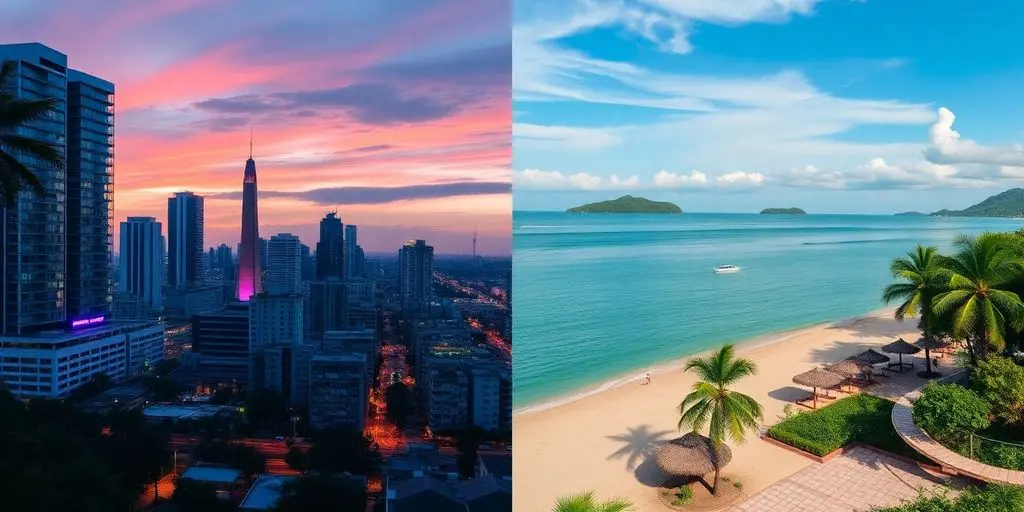
When it comes to investing in real estate in Thailand, Bangkok and Phuket are two of the most popular spots. Each location has its unique attractions and potential returns. Bangkok is a bustling metropolis, rich in culture and economic opportunities, while Phuket is a tropical paradise known for its stunning beaches and high rental yields. This article will help you weigh the pros and cons of investing in Bangkok vs Phuket real estate, so you can make an informed decision that suits your investment goals.
Key Takeaways
- Bangkok offers steady growth with a diverse rental market, making it ideal for long-term investments.
- Phuket’s real estate market thrives on tourism, providing high rental yields, especially for short-term rentals.
- Consider your investment strategy: Bangkok is great for stable returns, while Phuket caters to those seeking high seasonal income.
- Living costs are similar in both locations, but Bangkok tends to be slightly cheaper in terms of daily expenses.
- Understanding local laws and property management options is crucial before investing in either city.
Popular Locations for Investment
When you’re thinking about putting your money into Thai property, Bangkok and Phuket are the two main contenders, each offering something different. Bangkok’s got a solid market, growing at about 5% each year, thanks to all the new buildings and better transport links. Plus, there are loads of different rental options, from short-term lets to serviced apartments. Phuket, on the other hand, is a tourist hotspot, so you could see some pretty good rental returns, averaging around 7%.
Bangkok Real Estate Opportunities
Bangkok’s a busy place with a lot going on, and that means there are plenty of chances to invest in property. You’ll find all sorts of properties in different Bangkok neighbourhoods, each with its own vibe and potential. For example, Sukhumvit is popular with expats because it’s got nice condos and it’s close to international schools. Silom and Sathorn are where the money is, with offices and fancy apartments for people who work in the city. Areas like Thonglor and Ekkamai are also worth a look, as they’re trendy and have a growing expat population. These areas have modern condos and townhouses, offering a mix of city living and a bit of peace and quiet. And if you like a bit of history, Old Town Bangkok has some charming, older properties.
Phuket Investment Potential
Phuket’s property market is looking good for investors, thanks to the island’s popularity with tourists. Property values are going up, making it a great place to invest.
Here’s a few things to consider:
- Luxury developments: There are more and more high-end projects being built, which are popular with wealthy expats and tourists looking for a fancy experience.
- Rental demand: Because tourism is doing so well, short-term rentals can bring in a lot of money.
- Sustainability: New developments are including green features like solar panels, which is appealing to eco-conscious investors.
It’s worth noting that while luxury properties are doing well, mid-range condos can struggle. If you’re investing, focus on prime locations like Bang Tao or Kamala, as they offer the best chance of making money from both property value increases and rental income.
Key Areas for Investment
Bangkok offers a diverse range of property types, making it appealing to varying investor needs.
- Condominiums Lead the Market
- High-rise condos account for 70% of foreign property purchases, particularly in districts like Sukhumvit and Sathorn.
Investors with higher risk tolerance and a focus on luxury or short-term holiday rentals may prefer Phuket, while those seeking steady returns and long-term appreciation may find Bangkok more suitable.
Bangkok Real Estate Market
Current Market Trends
Bangkok’s property scene is always moving. Right now, we’re seeing a mix of steady growth and some interesting shifts in what people want. The urban sprawl continues, and infrastructure projects are helping to keep demand up. You’ve got a lot of different options, from condos to houses, and the market caters to all sorts of lifestyles and investment plans. Areas with good transport links are especially popular.
- Demand is up about 5% each year.
- Thonglor and Ekkamai are still hotspots for expats.
- Old Town offers something a bit different, if you like history.
It’s worth keeping an eye on interest rates and any new government policies, as these can have a big impact on the market. Also, think about the long-term effects of new developments in different areas.
Popular Investment Areas
When it comes to where to put your money, Bangkok has plenty of choices. Sukhumvit is always a favourite with expats, thanks to its fancy condos and international schools. Silom and Sathorn are the financial heartlands, so you’ll find lots of apartments aimed at professionals. Ari is also doing well, mixing residential calm with commercial buzz – prices went up 6% last year. Mixed-use developments are also popular, as they appeal to a wide range of people. If you are looking for real estate property as an investment vehicle, Bangkok can be rewarding.
- Sukhumvit: Great for expats, luxury condos.
- Silom/Sathorn: Financial hubs, upscale apartments.
- Ari: Residential and commercial blend, rising prices.
Rental Yield Insights
Rental yields in Bangkok are generally pretty stable, usually around 4-5%. The rental market is diverse, with both short-term and long-term options. Areas close to public transport and amenities tend to do best. However, there’s a lot of competition in the mid-range condo market, and demand can drop off during the off-peak season. Co-living spaces are becoming more popular, especially with digital nomads and young professionals. These spaces offer affordable, community-focused living.
- Stable yields of 4-5% are common.
- Short-term rentals are popular with tourists.
- Co-living spaces are a growing trend.
Phuket Real Estate Market
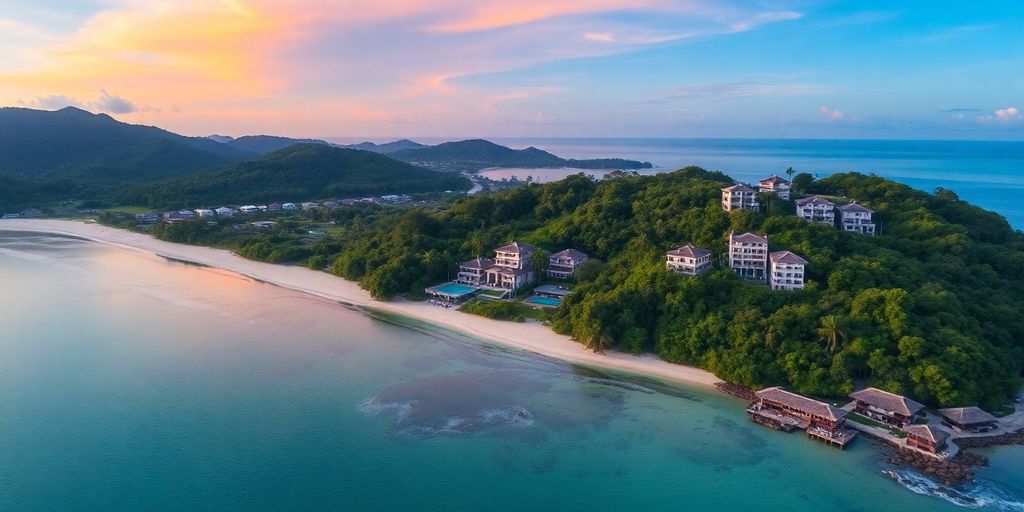
Phuket, a tropical paradise, has long been a favourite for property investors. The market here is quite different from Bangkok, driven largely by tourism and the island lifestyle. Let’s have a look at what makes the Phuket market tick.
Tourism Impact on Real Estate
Phuket’s real estate market is heavily influenced by tourism, particularly high-end tourism. This focus on luxury shapes the types of properties that are in demand and the potential rental yields. The island attracts a diverse range of tourists, from families to couples, all looking for different types of accommodation. This creates opportunities for various investment strategies.
- Short-term rentals are popular due to the constant influx of tourists.
- Luxury villas and condos cater to the high-end market.
- Proximity to beaches and tourist attractions significantly impacts property value.
Phuket’s economy is heavily reliant on tourism, which directly affects the real estate market. Any fluctuations in tourist numbers can impact rental yields and property values. It’s important to consider this when making investment decisions.
Types of Properties Available
You’ll find a wide range of properties in Phuket, from budget condos to luxury seaside villas in Thailand. There’s something for every taste and budget, but it’s important to understand the different types of properties and their potential returns.
- Condos: A popular choice for investors, offering a range of sizes and locations.
- Villas: Ideal for those seeking luxury and privacy, often with private pools and stunning views.
- Houses: Suitable for families or those looking for a more permanent residence.
Investment Growth Potential
The Phuket real estate market has shown strong growth recently, with both short- and long-term rentals being highly sought after. Investing in Phuket can generate great returns, especially with the constant rise in prices in areas with great beaches and high-end resorts. The average rental yield in Phuket ranges from 3.7% to 11.4%.
| Metric | Value |
|---|---|
| Rental Yield Range | 3.7-11.4% |
Comparison of Real Estate Costs and Returns
Price-to-Rent Ratios
Okay, let’s talk numbers. Price-to-rent ratios give you a rough idea of how long it would take to recoup the cost of a property through rental income. Generally, a lower ratio is more attractive for investors. In Bangkok, the price-to-rent ratio in the city centre hovers around 30, while it’s a bit lower in Phuket, around 25. Outside the city centre, these numbers shift to approximately 28 and 16, respectively. This suggests that Phuket properties, particularly outside the main tourist areas, might offer a quicker return on investment through rentals. But remember, these are just averages, and the specific location and property type play a big role.
Average Property Prices
Property prices in Bangkok and Phuket can vary wildly depending on location, size, and amenities. In Bangkok, you’ll find everything from budget-friendly condos to luxury penthouses. Popular areas like Sukhumvit and Sathorn command higher prices. Phuket offers a similar range, with beachfront villas and apartments in high demand, especially in areas like Patong, Kamala, and Surin. Generally, beachfront properties in Phuket will be pricier than comparable properties in Bangkok. Keep an eye on infrastructure projects like the Eastern Economic Corridor, as these can influence property values.
Rental Yield Comparisons
Rental yield is a key metric for investors, showing the annual rental income as a percentage of the property’s value. Bangkok’s rental yield typically sits around 4.45%. Phuket, on the other hand, can offer a wider range, from 3.7% to as high as 11.4%, depending on the property and location. Short-term rentals in Phuket’s tourist hotspots can generate higher yields, but they also come with increased management and vacancy risks. For example, a one-bedroom apartment outside the centre costs around THB 10,894 (USD 316) in Bangkok, but THB 17,600 (USD 511) in Phuket. Investors should consider their investment goals and risk tolerance when evaluating rental yields. Investing in villas in Thailand can be a smart move.
It’s important to remember that these are just snapshots in time. Market conditions can change, and past performance isn’t always indicative of future results. Thorough research and due diligence are essential before making any investment decisions.
Here’s a quick comparison table:
| Metric | Bangkok | Phuket |
|---|---|---|
| Price-to-Rent Ratio | ~30 (City Centre) | ~25 (City Centre) |
| Average Rental Yield | ~4.45% | 3.7% – 11.4% |
Cost of Living in Bangkok and Phuket
It’s worth thinking about living costs when you’re weighing up property investment. Generally, Bangkok and Phuket are pretty similar when it comes to day-to-day expenses. Let’s break it down.
Daily Expenses Overview
Eating out won’t break the bank. You’re looking at roughly THB 120-140 (about £3-£4) for a meal at a cheap cafe. A restaurant meal might set you back around THB 1,000 (roughly £23). Food is a tad cheaper in Bangkok, and public transport is a bit less too. But honestly, the difference isn’t huge – we’re talking THB 10-20 on fares in either city. Overall, your daily spending will depend on your lifestyle, but both cities offer options for budget-conscious living.
Housing Costs
Rentals can vary quite a bit. Here’s a quick comparison:
| Apartment Type | Bangkok (THB) | Phuket (THB) |
|---|---|---|
| 1-Bed, Outside Centre | 10,894 | 17,600 |
| 3-Bed, City Centre | 65,908 | 43,333 |
| 3-Bed, Outside Centre | 33,879 | 42,500 |
As you can see, it’s not always cheaper in Bangkok. Consider what kind of condos near Rawai Beach you’re after and where you want to live.
Transportation Costs
Getting around is relatively cheap. Public transport is readily available in both cities. Bangkok has the BTS Skytrain and MRT, while Phuket relies more on buses and taxis. Expect to pay around THB 10-20 for most journeys. If you’re planning on driving, factor in the cost of petrol, which is fairly consistent across Thailand.
It’s worth noting that while Bangkok offers more extensive public transport, Phuket’s smaller size means you might rely more on scooters or cars. This can impact your overall transport budget.
Lifestyle Differences Between Bangkok and Phuket
Cultural Experiences
Bangkok is a sprawling metropolis, a real melting pot of culture. You’ll find ancient temples nestled between modern skyscrapers, bustling markets overflowing with street food, and a nightlife scene that’s second to none. It’s a city that assaults your senses in the best way possible. Phuket, on the other hand, offers a more laid-back cultural experience. While there are temples to visit and local markets to explore, the focus is more on the natural beauty of the island and the beach lifestyle. You can easily spend your days island hopping, snorkelling, or simply relaxing on the sand. Both cities have international airports, one in Phuket and two in Bangkok.
Pace of Life
Bangkok moves at a frenetic pace. It’s a city that never sleeps, where the traffic is always heavy and the energy is always high. If you thrive in a fast-paced environment and enjoy being constantly surrounded by activity, Bangkok might be the perfect place for you. Phuket offers a much slower pace of life. It’s a place where you can escape the hustle and bustle of the city and enjoy a more relaxed and tranquil existence. The vibe is definitely more ‘island time’.
Family-Friendly Environments
Phuket is generally considered to be more family-friendly than Bangkok. The beaches are safe for swimming, there are plenty of activities for children, and the overall atmosphere is more relaxed and welcoming. Bangkok can be overwhelming for families, especially those with young children. The traffic, pollution, and crowds can be challenging to navigate. However, there are also plenty of family-friendly attractions in Bangkok, such as zoos, aquariums, and amusement parks. Plus, Phuket’s luxury real estate market is attracting foreign buyers, particularly along the west coast, which offers access to international schools, top-tier medical facilities, and upscale amenities.
Ultimately, the best place to live depends on your individual preferences and priorities. If you’re looking for a vibrant and exciting city with a rich cultural scene, Bangkok might be the perfect choice. If you’re looking for a relaxed and tranquil island paradise, Phuket might be a better fit. Consider what’s important to you and choose the location that best suits your lifestyle.
Here’s a quick comparison table:
| Feature | Bangkok | Phuket |
|---|---|---|
| Pace of Life | Fast-paced, energetic | Relaxed, tranquil |
| Cultural Scene | Rich, diverse, bustling | More laid-back, focused on natural beauty |
| Family-Friendly | Can be overwhelming, but has attractions | Generally more family-friendly |
Purchasing Real Estate in Thailand
Legal Considerations
Okay, so you’re thinking about buying property in Thailand? Ace! But before you start picturing yourself sipping cocktails on your balcony, there are a few legal hoops to jump through. It’s not exactly like buying a house back home, so pay attention. Foreigners can own buildings, but not land directly. This means condos are generally the way to go, but even then, there are rules. Only 49% of the units in any condo building can be foreign-owned. So, do your homework and make sure you’re not buying into a building that’s already hit its limit.
- Title Deeds: Double-check that the seller actually owns the property. Sounds obvious, but you’d be surprised.
- Zoning Laws: Make sure you can actually use the property the way you want to. No point buying a place for a shop if it’s zoned residential.
- Lawyer Up: Seriously, get a lawyer who knows Thai property law. It’s worth the investment to avoid headaches later. They can help you navigate the legal requirements.
Navigating the legal landscape can feel like wading through treacle. It’s slow, sticky, and you might get stuck. But with the right advice and a bit of patience, you’ll get there.
Financing Options
So, how are you going to pay for this slice of paradise? Unless you’re rolling in it, you’ll probably need a mortgage. Thai banks do offer mortgages to foreigners, but they’re not exactly throwing money around. Expect to jump through hoops, provide loads of documentation (think work permits, proof of income, the works), and cough up a hefty down payment – usually 30% or more. Interest rates? Expect something in the 5-7% range. Alternatively, you could look at getting a mortgage from a bank back home, but that comes with its own set of challenges.
Property Management
Right, you’ve bought your property. Now what? Unless you’re planning on living there full-time, you’ll probably want to rent it out. That’s where property management comes in. Luckily, Thailand has loads of property management companies, especially in tourist hotspots like Bangkok and Phuket. They can handle everything from finding tenants to dealing with repairs. Of course, they’ll take a cut, but it’s worth it for the peace of mind. Rental yields in places like Bangkok and Phuket can be pretty good, often exceeding 5%. Here’s a few things to consider:
- Tenant Screening: Make sure your property manager has a good system for vetting tenants. You don’t want any nightmare renters.
- Maintenance: Thai properties can need a bit more upkeep than you might be used to. Make sure your property manager is on top of it.
- Communication: Choose a property manager who communicates well and keeps you in the loop. You want to know what’s going on with your investment. Consider property maintenance costs when budgeting.
Investment Strategies for Bangkok and Phuket

Long-Term vs Short-Term Investments
When deciding between Bangkok and Phuket, your investment timeline is key. Phuket is often better for short-term gains, thanks to tourism. Bangkok, on the other hand, offers more stable, long-term growth. Think about what you want to achieve. Are you after quick profits or steady returns? This will guide your choice.
- Phuket: Focus on properties suitable for holiday rentals.
- Bangkok: Look at condos or apartments that appeal to long-term renters.
- Consider the holding costs and potential capital appreciation in both locations.
Targeting Expats and Tourists
Both cities have distinct tenant pools. Bangkok attracts expats and professionals seeking long-term accommodation. Phuket is a magnet for tourists wanting short-term stays. Tailor your property to suit these groups. In Bangkok, think about amenities like co-working spaces and easy access to public transport. In Phuket, focus on features that appeal to holidaymakers, such as swimming pools and proximity to beaches. Consider the luxury condos in Phuket for high-end tourists.
Diversifying Your Portfolio
Don’t put all your eggs in one basket. Diversification is crucial. Consider investing in different types of properties in both Bangkok and Phuket. This could mean having a condo in Bangkok for long-term rental income and a villa in Phuket for holiday lets. Diversification reduces risk and increases your chances of success. You could also look at commercial properties or land as part of your strategy. Remember to research each investment thoroughly.
A balanced approach might involve allocating funds to both cities. Phuket can provide short-term rental income, while Bangkok offers stability and long-term growth. This strategy allows you to benefit from the strengths of both markets, reducing overall risk and maximising potential returns.
Future Outlook for Bangkok and Phuket Real Estate
Market Predictions
Okay, so what’s next for Bangkok and Phuket? Well, Bangkok’s looking pretty solid. The economy’s doing okay, and there’s always demand for places to live, especially with all the new transport links popping up. Phuket’s a bit more reliant on tourists, so things could be a bit more up and down depending on what’s happening with global travel. But, luxury properties are still doing well, so that’s a good sign.
Emerging Trends
There are a few things to keep an eye on. In Bangkok, co-living spaces are becoming more popular, especially with young professionals and digital nomads. Also, mixed-use developments – you know, places with shops, offices, and flats all in one – are doing well. In Phuket, eco-friendly developments are getting more attention, particularly in areas like Bang Tao. People are willing to pay a bit extra for sustainable features. Also, branded residences with rental management programmes could be a good bet for steady income.
- Co-living spaces in Bangkok are gaining traction.
- Eco-conscious developments are becoming popular in Phuket.
- Mixed-use properties are attracting diverse demographics.
Potential Challenges
Of course, it’s not all sunshine and roses. Both Bangkok and Phuket face challenges. For Bangkok, it’s about keeping up with infrastructure and managing urban growth. For Phuket, it’s about diversifying the tourism industry and not relying too much on one type of visitor. Also, global economic wobbles could affect both markets. It’s always a good idea to acquire real estate in Thailand with a long-term view.
It’s important to remember that property investment always carries risk. Market conditions can change, and there are no guarantees. Doing your homework and getting good advice is essential before making any decisions.
Looking ahead, the real estate markets in Bangkok and Phuket are expected to grow. With more people wanting to live in these vibrant cities, property values are likely to rise. This is a great time to consider investing in real estate here. If you’re curious about the best options available, visit our website for more information and to explore your choices!
Final Thoughts on Your Investment Choice
In the end, whether you lean towards Bangkok or Phuket really depends on what you’re after. Bangkok’s got that steady growth and a bustling city vibe, perfect for those wanting long-term stability. On the flip side, if you’re after quick returns and a slice of paradise, Phuket’s tourism-driven market might be more your style. Both places have their perks, so think about your investment goals and lifestyle preferences. It might even be worth considering a bit of both to balance your portfolio. Whatever you choose, make sure to do your homework and maybe chat with a local expert to get the best insights.