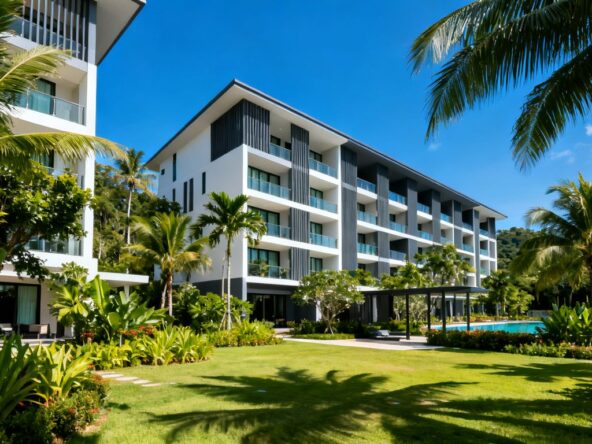


Phuket’s property market has always felt like a bit of a rollercoaster. Over the years, cash deals have ruled the roost, foreign buyers have come from all corners, and fresh neighbourhoods keep popping up. If you’re thinking about investing, it pays to get a handle on the Phuket property cycle trends amid global twists and turns. Here’s a quick rundown of the main points.
Key Takeaways
- Most transactions here happen in cash, with finance playing only a small part.
- Past cycles – from early booms to sharp corrections and slow recoveries – offer useful lessons.
- A wide mix of international buyers spreads risk and cushions the market against big shocks.
- Emerging spots on the east coast and inland areas are still undervalued and worth a look.
- Upcoming infrastructure upgrades and green building initiatives could drive the next wave of value gains.
Understanding Historical Market Fluctuations

Phuket’s property market, while generally stable, hasn’t been immune to fluctuations. Understanding these past cycles is key for investors looking to make informed decisions. The island’s unique characteristics, such as a high proportion of cash transactions, have often shielded it from the dramatic boom-and-bust scenarios seen in other markets. However, external factors and internal developments have still shaped its trajectory.
Early Boom And Correction
In the early 2000s, Phuket experienced a significant property boom, driven by increased tourism and foreign investment. This led to rapid development, particularly along the west coast. However, the global financial crisis of 2008 triggered a correction, with property values declining and construction projects stalling. It wasn’t a crash, but a definite slowdown. Several factors contributed:
- Over-optimistic development plans.
- Reduced international travel.
- A general tightening of credit conditions.
Post-Crisis Recovery
Following the 2008 crisis, Phuket’s property market gradually recovered. This recovery was fuelled by a resurgence in tourism, particularly from Asia, and a renewed interest from foreign buyers. Unlike markets heavily reliant on mortgages, Phuket’s cash-based transactions provided a buffer. The recovery wasn’t uniform, with some areas and property types outperforming others. The premier luxury condominiums saw a steady increase in value.
Lessons From Past Cycles
Phuket’s historical market fluctuations offer several important lessons for investors:
- Diversification is key: Relying on a single source market or property type can increase risk.
- Cash is king: Markets with a high proportion of cash transactions tend to be more resilient.
- Long-term view: Property investment should be viewed as a long-term endeavour, weathering short-term fluctuations.
The Phuket property market has shown resilience, largely due to its unique characteristics. However, understanding past cycles and external influences is crucial for making informed investment decisions. The market’s ability to bounce back from crises highlights its underlying strength, but careful planning and risk management are still essential.
Cash Versus Finance Market Dynamics
Cash Transaction Dominance
Phuket’s property market has a unique characteristic: the prevalence of cash transactions. Unlike many Western markets where mortgages heavily influence property sales, Phuket sees a significant portion of deals completed without finance. This reduces the market’s susceptibility to interest rate fluctuations and global financial crises. This reliance on cash makes the market more stable, but it also means that access to capital is a key factor for both buyers and developers.
Financing As Niche Segment
While cash is king, financing does play a role, albeit a smaller one. Mortgages are available, but they’re often used by local buyers or those looking to leverage their investments. Foreign buyers might find it more challenging to secure financing in Thailand, leading them to explore options like using equity from properties in their home countries. Interest rates in Thailand can vary based on global economic trends and local monetary policy, but their impact on the Phuket property market is somewhat muted due to the prevalence of cash transactions. It’s more likely that changes in interest rates in other countries will affect the mindset of potential investors. For example, if deposit rates rise elsewhere, investors might demand higher rental yields from their Phuket properties to justify tying up their capital.
Developer Phasing And Defaults
Developer financing strategies and project phasing are crucial in Phuket. During boom times, some developers might overextend themselves, leading to project delays or even defaults if sales don’t meet expectations. This was evident in past cycles where rapid development outpaced actual demand, resulting in high buyer default rates. Now, we are experiencing a spike in two distinct segments – condominiums and villas. For condominiums, there is a key difference in the buyer profile though there has been a sharp rise in foreign buyers of these products. They are most cashed up and capable of closing so it’s unlikely the default rates will teach that of a decade ago. But there are still a growing number who are looking to flip before completion so we are reaching a highly speculative market cycle on large-sized projects with low-priced condominiums.
It’s important for investors to carefully assess a developer’s track record, financial stability, and project phasing plans before committing to a purchase. Understanding the risks associated with off-plan developments is key to avoiding potential pitfalls.
Here’s a simplified table illustrating potential interest rate scenarios:
| Scenario | Thai Interest Rates | Impact on Phuket Property | Foreign Investment |
|---|---|---|---|
| Low Rates | 2-3% | Slight increase in local borrowing | More attractive compared to low-yield countries |
| Moderate Rates | 4-5% | Minimal impact due to cash purchases | Neutral |
| High Rates | 6-7% | Potential decrease in local borrowing | Less attractive compared to high-yield countries |
International Buyer Diversification
Phuket’s property market isn’t just reliant on one type of buyer; it’s a real mix, and that’s a good thing. Having different nationalities investing helps to stabilise the market and reduces the risk of a major downturn if one particular country’s economy takes a hit. It’s like not putting all your eggs in one basket, really.
Distribution Of Source Markets
Traditionally, we’ve seen a lot of interest from Europe, Australia, and North America. These buyers often look for holiday homes or long-term rental investments. However, there’s been a noticeable increase in buyers from Asia, especially China, Singapore, and Hong Kong. They’re drawn to Phuket for both investment opportunities and the lifestyle it offers. Understanding where these buyers are coming from is key to targeting marketing efforts effectively. It’s not a one-size-fits-all situation; what appeals to a European buyer might not be the same as what attracts someone from Singapore.
Currency Hedging Benefits
One of the less obvious advantages of having a diverse international buyer base is the natural currency hedging it provides. When buyers are coming from countries with different currencies, fluctuations in exchange rates can actually benefit the market. For example, if the pound weakens against the Thai baht, British buyers might find Phuket property more expensive, but buyers from countries with stronger currencies might see it as a bargain. This can help to cushion the market against economic shocks in any one particular country. It’s a bit like having a built-in safety net.
Risk Mitigation Across Geographies
Having a broad range of international buyers helps to spread the risk across different geographical areas. If there’s an economic downturn in one country, it’s less likely to have a major impact on the Phuket property market if there are plenty of buyers from other countries still interested. This diversification makes the market more resilient and less vulnerable to global economic fluctuations. It’s all about not being too reliant on any single source of demand.
It’s interesting to see how different investor groups approach the Phuket market. Some are after a dream home, others are crunching numbers. This mix creates a dynamic environment, but it also means you need to know your audience if you’re selling or developing property here.
To illustrate the differences, consider this:
<table>
<thead>
<tr>
<th>Investor Type</th>
<th>Primary Motivation</th>
<th>Property Preference</th>
<th>Risk Tolerance</th>
<th>Time Horizon</th>
<th>Example</th>
</tr>
</thead>
<tbody>
<tr>
<td>Lifestyle Investor</td>
<td>Quality of Life</td>
<td>Luxury Villa, Beachfront Condo</td>
<td>Low to Medium</td>
<td>Long Term</td>
<td>Western retiree buying a holiday home</td>
</tr>
<tr>
<td>Yield-Focused Investor</td>
<td>Rental Income & Appreciation</td>
<td>Apartment in Tourist Area</td>
<td>Medium to High</td>
<td>Short to Medium</td>
<td>Singaporean investor seeking rental income</td>
</tr>
</tbody>
</table>
Understanding these distinct preferences is key for developers and sellers.
Emerging Neighbourhood Hotspots
Phuket’s property market isn’t just about the well-trodden tourist paths. Savvy investors are always on the lookout for the next big thing, those areas that offer potential before everyone else piles in. It’s about spotting the undervalued gems before they become mainstream.
Undervalued East Coast Areas
The west coast gets all the attention, with its stunning sunsets and established resorts. But the east coast? That’s where you might find some real bargains. Areas like Cape Panwa and Cape Yamu are starting to see increased interest, offering a different vibe and, crucially, more affordable land. It’s a quieter pace of life, but with developers starting to move in, things are changing. Think villas with amazing bay views, without the west coast price tag. It’s worth a look if you’re after long-term growth.
Quiet Inland Communities
Beyond the beaches, Phuket’s interior holds some surprisingly attractive options. These inland communities offer a more authentic Thai experience, away from the tourist crowds. You’ll find lower property prices, larger land plots, and a real sense of community. Plus, with improved infrastructure, getting to the beaches and other attractions is becoming easier all the time. It’s a good option for those seeking a more permanent residence or long-term rental investments.
Redevelopment And Gentrification Zones
Keep an eye out for areas undergoing redevelopment or gentrification. These are the spots where older properties are being renovated, new businesses are opening, and the whole area is getting a facelift. This can lead to significant property value increases as the area becomes more desirable. It’s about spotting the potential before the prices skyrocket.
Phuket’s property market is dynamic. Areas once overlooked are now becoming hotspots. It’s all about doing your research, understanding the local market, and being prepared to look beyond the obvious. The next big thing might just be around the corner.
Here’s a quick look at some potential hotspots:
- Rawai: Still relatively affordable, with a relaxed atmosphere.
- Kamala: Growing in popularity, offering a good mix of amenities and value.
- Cape Panwa: Luxury villas with stunning bay views.
Infrastructure Developments And Value Creation
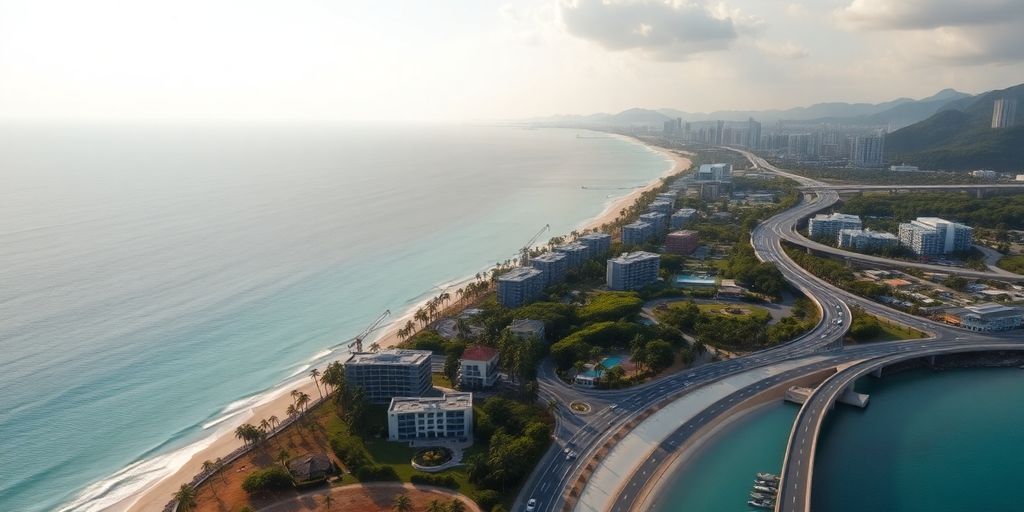
Phuket’s property market isn’t just about the beaches; infrastructure plays a massive role. Good transport links and reliable utilities are key for residents and tourists alike, directly impacting property values. Let’s look at how Phuket is doing in these areas.
Upcoming Transport Upgrades
Phuket International Airport is a major gateway, connecting the island to many international destinations. The airport has expanded over the years to handle more tourists. However, getting around on the ground can sometimes be tricky. Here’s a quick look:
- Airport Expansion: Continuous upgrades to handle increased passenger numbers.
- Road Network: Improvements are happening, but traffic jams are still a problem, especially during peak season. Think about the location near beaches when you’re considering transport.
- Public Transport: Limited options mean people rely on taxis, ride-sharing, or renting vehicles.
Utility Reliability Enhancements
Access to reliable utilities is vital for any property investment. Phuket has made progress, but there’s still room to improve.
- Electricity Supply: Generally reliable, but outages can happen, especially during storms.
- Water Management: Water can be scarce during the dry season, leading to investment in reservoirs and better water management.
- Internet Connectivity: High-speed internet is widely available, supporting remote work and digital lifestyles.
Project Phasing And Approvals
Investing in Phuket means understanding the current infrastructure and anticipating future developments. Areas with planned upgrades often offer the best chances for capital growth.
When comparing Phuket to other global property hotspots, it’s clear that infrastructure is important for attracting investment. While Phuket has improved, it still lags behind some more developed places.
| Feature | Phuket | Typical Global City |
|---|---|---|
| Airport Capacity | Growing, but can be strained at peak times | High capacity, multiple terminals |
| Public Transport | Limited | Extensive bus, train, and metro systems |
| Utilities | Generally reliable, some seasonal issues | Highly reliable, advanced infrastructure |
Sustainability And Green Building Initiatives
Eco-Friendly Construction Practises
Okay, so everyone’s talking about being ‘eco-friendly’ these days, but what does that actually mean for building in Phuket? It’s more than just slapping a solar panel on the roof, that’s for sure. We’re seeing a real push for using locally sourced, sustainable materials. Think bamboo, reclaimed wood, and even some innovative stuff using recycled plastics. It cuts down on transport costs (good for the wallet and the planet) and supports local businesses. Plus, these materials often blend really well with the Thai aesthetic.
- Using recycled aggregates in concrete mixes.
- Employing timber from sustainably managed forests.
- Designing buildings to minimise waste during construction.
Renewable Energy Integration
Phuket’s got sun, and lots of it. So, it makes sense to tap into that. Solar panels are becoming increasingly common, and the technology is getting better and cheaper all the time. But it’s not just about solar. Some developers are looking at wind power (though that’s trickier on the island) and even geothermal options. The big challenge is integrating these systems seamlessly into the existing grid and making them reliable enough to handle Phuket’s energy demands. It’s a work in progress, but the direction is clear. Renewable energy is the future, and Phuket’s property market needs to embrace it.
Climate Resilience Strategies
Let’s be honest, Phuket’s weather can be a bit wild. Monsoons, rising sea levels, and the occasional storm are all part of the package. So, building for the future means thinking about climate resilience. That means designing properties that can withstand heavy rainfall, resist flooding, and stay cool without relying solely on air conditioning. Things like elevated foundations, reinforced structures, and green roofs are becoming more important than ever. It’s about protecting your investment and ensuring that Phuket remains a desirable place to live, even as the climate changes. The Eastern Economic Corridor is also focusing on climate resilience.
Building regulations are slowly catching up, but it’s still up to developers and buyers to prioritise climate-smart design. It might cost a bit more upfront, but it’ll pay off in the long run with lower energy bills, reduced maintenance costs, and increased property value.
Tourism Trends Shaping Property Demand
Phuket’s property market dances to the tune of tourism. The number of visitors has a direct impact on both short-term rentals and long-term property investments. A steady increase in tourist arrivals generally translates to higher occupancy rates and greater interest in buying property. It’s a pretty straightforward relationship, really.
Evolving Visitor Demographics
The types of tourists visiting Phuket are changing, and this is influencing property demand. We’re seeing more Asian buyers, especially from China, Singapore, and Hong Kong. They’re driven by investment opportunities and the lifestyle that Phuket offers. Understanding these different preferences is key for developers and sellers. It’s not just about building; it’s about building for who?
Luxury And Heritage Appeal
Phuket has a unique appeal that goes beyond just beaches. The luxury market is booming, with high-end villas and apartments in demand. There’s also a growing interest in properties that showcase Phuket’s heritage and culture. People aren’t just looking for a place to stay; they’re looking for an experience. Prime Beachside Condos are a great example of this trend.
Seasonality And Occupancy Patterns
Phuket’s tourism is seasonal, with peaks and troughs throughout the year. High season (November to April) sees a surge in visitors, driving up rental yields and property values. Low season (May to October) can be a bit trickier for property owners relying on rental income. It’s all about planning and adapting.
- High Season: Increased demand, higher rental rates, greater occupancy.
- Low Season: Reduced demand, lower rental rates, potential vacancies.
- Year-Round Strategies: Attracting digital nomads, offering long-term rentals, targeting specific niche markets.
It’s worth remembering that past performance isn’t a guarantee of future results. Global economic conditions, changes in tourism trends, and local regulations can all affect investment returns. Doing your research and getting advice from experienced real estate agents is vital before making any investment decisions.
Here’s a quick look at comparative rental yields in other resort destinations:
| Destination | Rental Yield | Notes |
|---|---|---|
| Bali, Indonesia | 4-7% | Popular tourist destination with strong rental demand. |
| Costa del Sol, Spain | 3-5% | Established market with a mix of short-term and long-term rentals. |
| Miami, USA | 6-9% | High demand for luxury rentals. |
Regulatory And Legal Considerations
Navigating the legal landscape in Phuket can feel like wading through treacle, especially for foreign investors. It’s not always straightforward, and getting it wrong can be costly. Here’s a breakdown of what you need to keep in mind.
Land Ownership Restrictions
Foreigners can’t directly own land freehold in Thailand, which includes Phuket. There are, however, a few common workarounds:
- Leasehold: This involves leasing the land for a long period, typically 30 years, with options to renew. Make sure the renewal terms are clearly defined in the contract. It’s a popular option, but remember you don’t actually own the land.
- Setting up a Thai Company: Foreigners can own a majority stake in a Thai company, which can then purchase land. However, this comes with its own set of regulations and compliance requirements. You’ll need proper legal advice to ensure you’re doing it right. It’s important to understand the company structure implications.
- Condominium Ownership: Foreigners can own condo units outright, as long as the foreign ownership quota in the building hasn’t been reached (usually 49%).
It’s absolutely vital to get proper legal advice before making any property purchase in Phuket. Don’t rely on hearsay or what you read online. A good lawyer can help you navigate the complexities and ensure your investment is protected.
Title Verification Best Practises
Before you even think about handing over any money, you need to verify the land title. This involves checking the title deed at the Land Department to make sure it’s legitimate and free from any encumbrances (like mortgages or liens).
Here’s what to do:
- Engage a reputable lawyer: They can conduct a thorough title search and identify any potential problems.
- Check the Chanote: This is the highest form of land title in Thailand. Make sure it’s genuine and matches the land you’re interested in.
- Visit the Land Department: Your lawyer can help you access the records and verify the information.
Always, always, always do your due diligence. It might seem like a hassle, but it could save you a lot of heartache (and money) down the line.
Adapting To Policy Changes
Thai property laws and regulations can change, sometimes without much warning. It’s important to stay informed about any new policies that could affect your investment. This might involve:
- Following industry news: Keep an eye on local news outlets and property publications for updates.
- Maintaining contact with your lawyer: They can advise you on any changes that could impact your property.
- Attending property seminars: These can be a good way to learn about the latest developments in the market.
Staying flexible and adaptable is key. The property market is always evolving, and you need to be prepared to adjust your strategy accordingly. It’s a good idea to understand the legal requirements before investing.
Rental Yields And Income Performance
Short-Term Letting Popularity
Phuket’s short-term rental market is pretty lively, especially for villas and condos. You see a lot of tourists and expats wanting to rent for shorter periods, which can mean good money for property owners. The key is to understand the seasonal fluctuations and manage your property well.
- Occupancy rates tend to peak between November and March.
- Daily rates for villas can change a lot depending on where they are and what they offer.
- Property management services are easy to find, so you don’t have to handle everything yourself.
Stable Long-Term Lease Options
While short-term rentals get a lot of attention, long-term leases offer a more stable income stream. These are popular with expats and locals looking for a place to settle down. You might not make as much per month compared to short-term rentals, but you’ll have fewer gaps between tenants and less hassle overall. It’s a trade-off.
- Lower turnover means less time spent finding new tenants.
- Predictable income makes budgeting easier.
- Long-term tenants often take better care of the property.
Comparative Yield Analysis
It’s always a good idea to see how Phuket’s rental yields stack up against other places. This helps you decide if it’s a good investment compared to, say, Bali or Miami. Remember, yields can change based on the type of property, where it is, and what’s happening in the market. Many foreign buyers in Phuket are seeking income producing rental property to compensate for the interest rates currently being paid by banks.
| Location | Average Rental Yield (%) | Notes |
|---|---|---|
| Phuket, Thailand | 5-8% | Varies based on property type and location. |
| Bali, Indonesia | 4-7% | Popular tourist destination with strong rental demand. |
| Costa del Sol, Spain | 3-5% | Established market with a mix of short-term and long-term rentals. |
| Miami, USA | 6-9% | High demand for luxury rentals. |
It’s important to remember that what happened in the past isn’t always what will happen in the future. Things like the global economy, tourism trends, and local rules can all affect your investment returns. Do your research and talk to experienced real estate agents before making any decisions.
Market Maturity And Liquidity Factors
Phuket’s property market, while generally stable, is subject to factors influencing its maturity and liquidity. Understanding these dynamics is key for investors looking for long-term investments.
Secondary Market Activity
The secondary market in Phuket is becoming increasingly important. It’s where existing properties are resold, and its activity levels can tell us a lot about the overall health of the market. A vibrant secondary market suggests good liquidity, meaning it’s relatively easy to buy and sell properties. However, a slow secondary market might indicate that demand is waning, or that prices are too high.
- Increased activity suggests strong investor confidence.
- A wider range of properties becomes available.
- Price discovery becomes more efficient.
Developer Completion Rates
Developer completion rates are a critical indicator of market stability. If developers are consistently completing projects on time and to a high standard, it suggests a healthy and well-managed market. Delays or cancellations, on the other hand, can signal problems with financing, planning, or demand. Keep an eye on property prices in Phuket to understand the market better.
| Completion Rate | Implication |
|---|---|
| High | Strong market, reliable developers |
| Low | Potential issues with financing or demand |
Exit Strategy Planning
Having a clear exit strategy is essential for any property investment. This involves considering how and when you might want to sell your property, and what factors might influence its value at that time. Think about potential buyers – will they be locals, expats, or investors from overseas? Also, consider the potential impact of market cycles, infrastructure developments, and changes in tourism trends. A well-defined exit strategy can help you maximise your returns and minimise your risks.
It’s important to remember that property investment is a long-term game. While short-term gains are possible, the real rewards often come from holding onto properties for several years, allowing them to appreciate in value and generate rental income. Don’t get caught up in short-term market fluctuations, and always focus on the fundamentals: location, quality, and potential for growth.
Global Economic Influences On Local Cycles
Phuket’s property market, while seemingly insulated by its island charm, is intricately linked to the global economy. Understanding these connections is key for investors looking to navigate the local cycles successfully. It’s not just about what’s happening on the island; it’s about understanding the ripple effects of global events.
Interest Rate Fluctuation Impact
Global interest rates have a significant impact. Rising interest rates in developed countries can reduce foreign investment in Phuket. When rates go up elsewhere, investors might find their home markets more attractive, pulling capital away from Phuket. This can cool down demand and potentially slow price growth. It’s a balancing act, and staying informed about these shifts is vital. For example, if the US Federal Reserve increases rates, we often see a corresponding effect on investment flows into emerging markets like Thailand.
Geopolitical Event Responses
Geopolitical events, from trade wars to political instability, can send shockwaves through the global economy, and Phuket isn’t immune. Uncertainty makes investors nervous, and they tend to pull back from riskier assets, including overseas property. A major international conflict, for instance, could lead to a drop in tourism and a decline in property demand. It’s about assessing the potential impact of these events and adjusting investment strategies accordingly. The beachfront villa market is particularly sensitive to these fluctuations.
Currency Volatility Effects
Currency fluctuations play a big role, especially given Phuket’s reliance on foreign buyers. A weaker Thai Baht can make property more attractive to those holding stronger currencies, boosting demand. Conversely, a stronger Baht can make Phuket property seem more expensive, potentially dampening sales. Currency hedging strategies can help mitigate some of this risk, but it’s essential to keep a close eye on exchange rate movements. The strength of various currencies against the Thai Baht plays a big role here. For example, a buyer holding US dollars or Euros might find Phuket property particularly attractive right now, given exchange rates. It’s all relative, isn’t it?
The interplay between local and foreign markets is interesting. While local salaries might not support the high-end developments aimed at foreigners, local housing prices can act as a quasi-cap on foreign property values, influencing the overall market dynamic.
Here’s a quick look at some factors affecting Phuket’s market:
- Global economic conditions
- Tourism trends
- Government policies
Future Outlook For Phuket Property Cycle Trends
Predictive Market Indicators
Trying to guess what’s next for Phuket’s property market is a bit like reading tea leaves, but we can look at some key indicators. Keep an eye on tourism numbers – are they still climbing, or are we seeing a plateau? Also, watch interest rates; any big changes there will definitely have an impact. Construction rates are another clue; if there’s a sudden surge in new developments, it might signal an oversupply.
- Tourism arrival statistics (especially high-spending demographics).
- Changes in Thai Baht exchange rates against major currencies.
- Local infrastructure project timelines and budgets.
Technological Disruption Scenarios
Tech is changing everything, and property is no exception. Imagine a future where virtual reality tours become the norm, or where blockchain simplifies land ownership restrictions. Smart home tech is already making waves, and that’s only going to increase. The rise of online rental platforms could also shake things up, potentially impacting traditional rental yields. It’s worth considering how these changes might affect your investment strategy. You can buy and rent options to suit your needs.
Investor Sentiment Forecasts
Ultimately, what investors feel about the market matters a lot. Are people confident and willing to invest, or are they holding back, waiting to see what happens? Sentiment can be influenced by all sorts of things, from global economic news to local political events. Keeping an ear to the ground and understanding the general mood can give you a valuable edge. The cost of property in Phuket is influenced by various factors.
It’s important to remember that forecasts are just that – forecasts. No one has a crystal ball, and unexpected events can always throw things off course. The best approach is to stay informed, do your research, and be prepared to adapt your strategy as needed. The global property market is in constant flux, influenced by economic trends, political events, and changing demographics. Phuket isn’t immune to these shifts, so understanding the bigger picture is key.
Phuket’s housing scene could ride a fresh growth wave. Prices might rise with holiday crowds, then ease off when fewer people visit. Want to stay in the know? Visit OceanBlog now to see clear tips and forecasts.
## Conclusion
All up, Phuket’s property scene marches to its own beat. Most buyers pay in cash, so prices tend to drift up steadily rather than leap up or collapse. Developers only build what they can sell, keeping failed projects rare, and a spread of buyers from all over helps cushion any local dip. If you’re looking for value, take a look at Rawai or Kamala – they still have room to grow without the mad premium of Patong or Kamala West. Don’t forget to watch global interest rates, visa rules and the rise of eco-friendly homes, as these can nudge prices in unexpected ways. Above all, get a local lawyer, check land titles carefully and test the market before you commit. Do that, and you can still find a smart buy, even if we’re near the top of the cycle.