
Watch This Episode: Our Phuket Real Estate Podcast
Our podcast covers all the topics for property investors looking at buying real estate in Thailand.
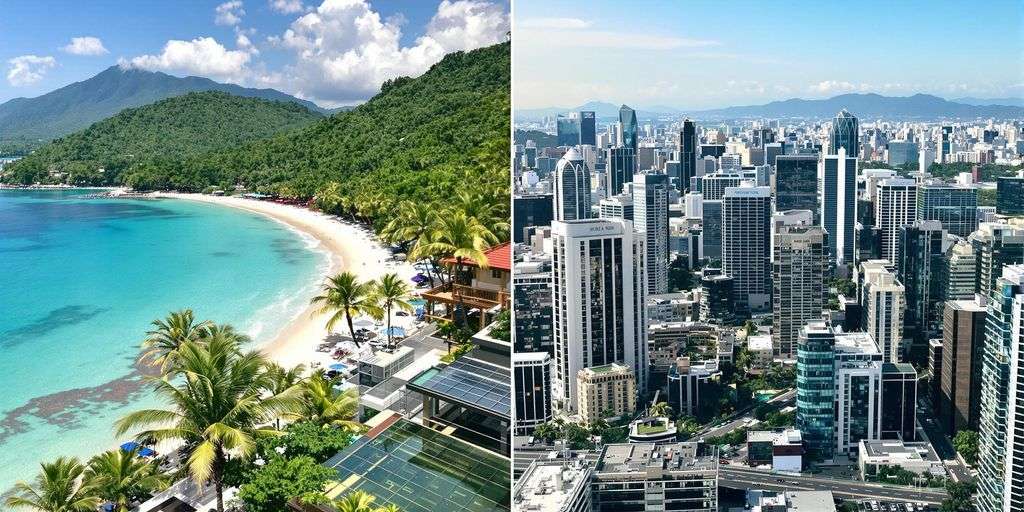
When you put Phuket vs global real estate side by side, it’s not a straight fight. Prices here are often lower than in top holiday spots, but they change a lot depending on where you look. Foreigners tend to favour condos on the west coast, while land on those shores has become pricey. Meanwhile, new areas on the east and north are catching up. Throw in a bouncing tourism scene and rules on ownership that differ from other countries, and you’ve got a market that’s both familiar and oddly unique.
Key Takeaways
- Phuket’s property rates often undercut other resort spots, though prime coastal land has surged in price.
- Limited land on the island’s west coast has shifted interest to eastern and northern districts.
- Tourism fuels strong short-term rental demand but brings seasonal swings in occupancy.
- Foreign buyers face leasehold limits, unlike freehold options common in many global markets.
- Local infrastructure upgrades are closing the gap, yet still trail behind top global cities.
Phuket Vs Global Real Estate: Market Overview
Comparative Price Indices
Phuket’s property market, while showing growth, needs to be viewed against global benchmarks. It’s tricky because Phuket lacks its own dedicated housing index, so we often look at Thailand’s broad property market data from the Bank of Thailand. These figures suggest steady gains over the years, although with some slowdowns. It’s worth remembering that what ‘affordable’ means varies greatly depending on where the buyer is from. For example, someone from the West might find Phuket prices very reasonable compared to their home market. The cost of property in Phuket is influenced by various factors, including the prices being paid by foreigners.
Regional Growth Patterns
Phuket’s growth isn’t uniform. Some areas and property types are outperforming others. The rental market, especially for well-located villas and luxury condos, seems to be outpacing average inflation. It’s also important to consider the local market. While much of the visible real estate targets foreigners, there’s a growing local population also buying property. A strong economy has lifted all boats, and the net-worth of most Thai nationals in Phuket continues to climb.
Market Maturity And Liquidity
Phuket’s market has historically avoided the boom-and-bust cycles seen elsewhere. Prices have generally edged up steadily. However, the post-Covid era has seen some projects experience significant price increases. Unlike conventional leveraged markets, Phuket has always managed to avoid the volatile peaks and troughs associated with property booms and busts. Historically, prices on the island have edged up 4%-5% per annum, but the post-Covid era has seen prices increase on some projects by 20%, 25% or even 30% in a single year.
It’s important to remember that construction costs on the island have risen. Bricks, mortar, roof tiles, household appliances, and even garden plants have all become more expensive. This impacts developers and, ultimately, property prices.
Here’s a quick look at some factors affecting Phuket’s market:
- Global economic conditions
- Tourism trends
- Government policies
Assessing Affordability And Value
Foreign Buyer Purchasing Power
When we talk about affordability in Phuket, it’s important to remember we’re dealing with a global market. What seems expensive to someone from, say, Birmingham, might look like a steal to someone from London or Hong Kong. The strength of various currencies against the Thai Baht plays a big role here. For example, a buyer holding US dollars or Euros might find Phuket property particularly attractive right now, given exchange rates. It’s all relative, isn’t it?
Local Income Benchmarks
Of course, it’s not just about foreign buyers. We need to consider local incomes too. For many Thais, owning property in prime Phuket locations remains a distant dream. This creates a two-tiered market, where some areas are geared towards international buyers, while others cater to local residents. This disparity affects the types of properties available and their pricing. It’s a complex situation, and it’s important to be aware of it.
Value Ratios Across Destinations
How does Phuket stack up against other desirable locations? Well, that depends on what you’re looking for. Compared to, say, the South of France or parts of the Caribbean, Phuket can still offer better value for money, especially when it comes to larger properties or beachfront locations. But it’s not a simple comparison. You need to factor in things like:
- The cost of living
- Potential rental yields
- Long-term capital appreciation
- Lifestyle factors
It’s easy to get caught up in the hype, but it’s important to do your homework. Look at comparable properties in different locations, and weigh up the pros and cons. Don’t just focus on the initial purchase price; think about the ongoing costs and potential returns.
To get a better idea, let’s look at some example value ratios. Remember, these are just rough guides, and actual figures will vary depending on the specific property and location.
| Location | Average Price per Sq Metre | Potential Rental Yield | Notes It’s worth keeping an eye on second-hand condo units as they can offer a good entry point into the market. Ultimately, assessing affordability and value is a personal thing. What matters is finding a property that meets your needs and fits your budget.
Supply Dynamics And Land Scarcity
Island Land Constraints
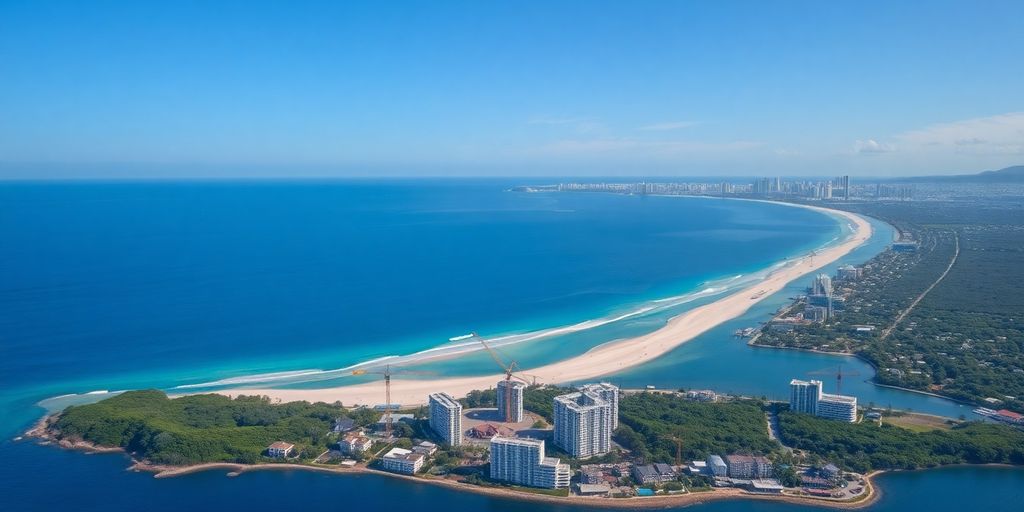
Phuket, being an island, faces inherent limitations on land availability. This scarcity is a primary driver of property values, particularly in sought-after locations. The west coast, known for its stunning Andaman Sea views, has seen significant development, leading to higher prices for remaining plots. The limited supply, coupled with consistent demand, creates a unique market dynamic. This is especially true for sea-view land that is suitable for luxury developments.
Emerging Growth Corridors
As land becomes scarcer and more expensive on the west coast, new areas are emerging as growth corridors. The eastern side of the island, including Cape Panwa and Cape Yamu, is experiencing transformation. These areas offer more affordable land options, attracting both private and commercial investment. This shift is driven by the unaffordability of land in established areas, creating opportunities for development in previously overlooked locations.
Global Supply Trends
Global supply trends in real estate are influenced by factors such as land values, labour costs, and raw material expenses. In Phuket, land values have been a significant driver of property price increases in recent years. Unlike some markets, Phuket’s property sector hasn’t always followed conventional supply-demand dynamics due to the influence of foreign buyers and limited borrowing facilities for them. This has prevented a typical “boom-bust” cycle, as seen in other regions.
The interplay between local and foreign markets is interesting. While local salaries might not support the high-end developments aimed at foreigners, local housing prices can act as a quasi-cap on foreign property values, influencing the overall market dynamic.
Here are some factors affecting global supply trends:
- Rising construction costs
- Government regulations and zoning laws
- Economic stability and investment climate
Tourism And Its Impact On Demand
Visitor Arrivals And Property Use
Phuket’s property market is heavily influenced by tourism. The number of visitors directly affects demand for both short-term rentals and long-term property investments. A consistent increase in tourist arrivals generally leads to higher occupancy rates and increased interest in purchasing property. The REIC data shows a strong growth in residential property transfers, indicating a healthy market driven by tourism.
Seasonal Vs Year-Round Markets
Phuket experiences both seasonal peaks and troughs in tourism. High season (November to April) sees a surge in visitors, driving up rental yields and property values. However, the low season (May to October) can present challenges for property owners relying on rental income.
- High Season: Increased demand, higher rental rates, greater occupancy.
- Low Season: Reduced demand, lower rental rates, potential vacancies.
- Year-Round Strategies: Attracting digital nomads, offering long-term rentals, targeting specific niche markets.
Comparisons With Other Resorts
Phuket’s reliance on tourism for its property market is similar to other resort destinations worldwide, but there are key differences. For example, some resorts cater primarily to seasonal visitors, while others have diversified their economies to reduce dependence on tourism. The tourism in Phuket is a key factor in its real estate sector.
Phuket’s property market is relatively inelastic. As long as the inflow of tourists keeps pace with the supply of new properties, there’s no reason for this to change. This means that even during slower periods, the market tends to remain stable, offering a degree of security for investors.
Ownership Rights And Legal Frameworks
Freehold Versus Leasehold In Phuket
Okay, so when you’re thinking about buying property in Phuket, one of the first things you’ll bump into is the whole freehold versus leasehold situation. Freehold basically means you own the property outright, forever. Leasehold, on the other hand, is like renting for a really long time – usually 30 years, with the option to renew. The key difference is that with freehold, you have complete control, whereas leasehold comes with restrictions and the eventual need to renegotiate.
- Freehold offers perpetual ownership.
- Leasehold provides rights for a fixed term.
- Conversion from leasehold to freehold can be complex and costly.
International Ownership Norms
Compared to other places around the world, Phuket’s rules on who can own what can feel a bit different. In some countries, it’s super straightforward for foreigners to buy property outright. But in Thailand, there are restrictions. Foreigners can own condos freehold, but land ownership is trickier and often involves setting up a Thai company or opting for a long-term lease. It’s not impossible, but it does mean you need to get your head around the local laws and maybe get some legal advice to make sure you’re doing things right. It’s worth comparing this to places like Spain or the US, where the process is often more streamlined for international buyers.
Regulatory Risk Factors
Right, so let’s talk about the less fun stuff – the risks. Like anywhere, Phuket has its share of potential problems when it comes to property. Things like unclear land titles, dodgy developers, or even changes in the law can all cause headaches. It’s really important to do your homework, get a good lawyer, and make sure everything is above board before you hand over any cash. You hear stories about properties built illegally, and then selling the property in Phuket becomes impossible. It’s a jungle out there, so be prepared.
It’s always a good idea to keep an eye on any changes in government policy or local regulations that could affect your property rights. Staying informed can help you avoid nasty surprises down the line.
Investment Returns And Rental Yields
Historic Capital Appreciation
Phuket’s property market has shown a generally upward trend, although it’s not been without its bumps. Unlike some markets that see wild swings, Phuket’s growth has been more gradual, influenced by factors like inflation and increasing demand. The national statistics show that the broad Thai property market has experienced steady gains every year, right up until the 2020 pandemic – not once ending a year lower than it began.
Short-Term Rental Performance
Short-term rentals in Phuket, especially for villas and luxury condos, have been performing well. The cost to rent these properties has been outpacing average inflation, suggesting strong demand from tourists and expats. This makes luxury villa rentals an attractive option for investors looking for income. The appeal of an income producing rental property on a tropical island is naturally quite appealing.
- Occupancy rates are generally high during peak season (November to March).
- Average daily rates for villas can vary significantly based on location and amenities.
- Property management services are readily available to handle bookings and maintenance.
Yield Benchmarks Internationally
Comparing rental yields in Phuket to other international destinations is important for assessing its investment potential. Several factors influence these yields, including property type, location, and market conditions. Many foreign buyers in Phuket are seeking rental returns to compensate for the interest rates currently being paid by banks. If deposit rates begin to rise again, prospective buyers would have to determine whether a Phuket property investment is generating a decent enough return to justify tying up their cash.
| Location | Average Rental Yield (%) | Notes |
|---|---|---|
| Phuket, Thailand | 5-8% | Varies based on property type and location. |
| Bali, Indonesia | 4-7% | Popular tourist destination with strong rental demand. |
| Costa del Sol, Spain | 3-5% | Established market with a mix of short-term and long-term rentals. |
| Miami, USA | 6-9% | High demand for luxury rentals. |
It’s worth noting that past performance isn’t always an indicator of future results. Global economic conditions, changes in tourism patterns, and local regulations can all impact investment returns. Doing your homework and seeking advice from experienced real estate agents is essential before making any investment decisions. Our team of experienced real estate agents can help you make the right property investment and maximise your rental income.
Finance Structures And Mortgage Accessibility
Local Lending Policies
Getting a mortgage in Phuket as a foreigner isn’t always straightforward. Thai banks tend to be cautious when lending to non-residents, often requiring substantial deposits and proof of consistent income. The loan-to-value ratios can be quite conservative compared to what you might find back home. It’s worth noting that even for locals, lending policies can be strict, focusing on long-term financial stability and credit history. This cautious approach helps to maintain stability in the Phuket real estate market.
International Financing Options
If local lending isn’t viable, international financing might be an option. Some foreign banks or financial institutions offer mortgages for overseas properties, but these often come with higher interest rates and stricter terms. You’ll need to weigh up the costs and benefits carefully. Another avenue is to explore using equity from properties you already own in your home country to finance your Phuket purchase. This can be a more flexible, though potentially riskier, approach.
Interest Rate Variations
Interest rates in Thailand can fluctuate based on global economic trends and local monetary policy. However, the impact of these fluctuations on the Phuket property market is somewhat muted, as many transactions are cash-based. It’s more likely that changes in interest rates in other countries will affect the mindset of potential investors. For example, if deposit rates rise elsewhere, investors might demand higher rental yields from their Phuket properties to justify tying up their capital.
It’s important to remember that while interest rates play a role, the Phuket property market is also driven by tourism, demand for holiday homes, and the overall attractiveness of the island as a lifestyle destination. These factors can sometimes outweigh the direct impact of interest rate changes.
Here’s a simplified table illustrating potential interest rate scenarios:
| Scenario | Thai Interest Rates | Impact on Phuket Property | Foreign Investment |
|---|---|---|---|
| Low Rates | 2-3% | Slight increase in local borrowing | More attractive compared to low-yield countries |
| Moderate Rates | 4-5% | Minimal impact due to cash purchases | Neutral |
| High Rates | 6-7% | Potential decrease in local borrowing | Less attractive compared to high-yield countries |
- Consider engaging a financial advisor who specialises in international property investments.
- Thoroughly research all fees and charges associated with any financing option.
- Factor in currency exchange risks when borrowing in a foreign currency.
Infrastructure Development And Connectivity
Phuket’s appeal as a prime real estate location isn’t just about its beaches; it’s also significantly influenced by its infrastructure. Good connectivity and well-developed utilities are important for both residents and tourists, directly impacting property values and investment potential. Let’s take a look at how Phuket stacks up in these areas.
Airport And Transport Links
Phuket International Airport is a major gateway, connecting the island to numerous international destinations. The airport has seen expansions over the years to accommodate growing tourist numbers. However, ground transportation can sometimes be a challenge. Here’s a quick rundown:
- Airport Expansion: Continual upgrades to handle increased passenger traffic.
- Road Network: Improvements are ongoing, but traffic congestion remains a concern, especially during peak season. Consider the location near beaches when thinking about transport.
- Public Transport: Limited public transport options mean reliance on taxis, ride-sharing services, or rental vehicles.
Utilities And Urban Expansion
Access to reliable utilities is a key factor for any property investment. Phuket has made strides in this area, but there are still areas for improvement.
- Electricity Supply: Generally reliable, but occasional outages can occur, particularly during storms.
- Water Management: Water scarcity can be an issue during the dry season, prompting investment in reservoirs and water management systems.
- Internet Connectivity: High-speed internet is widely available, supporting remote work and digital lifestyles.
Global Infrastructure Comparisons
When comparing Phuket to other global real estate hotspots, it’s clear that infrastructure plays a big role in attracting investment. While Phuket has made significant progress, it still lags behind some more developed destinations.
| Feature | Phuket | Typical Global City |
|---|---|---|
| Airport Capacity | Growing, but can be strained at peak times | High capacity, multiple terminals |
| Public Transport | Limited | Extensive bus, train, and metro systems |
| Utilities | Generally reliable, some seasonal issues | Highly reliable, advanced infrastructure |
Investing in Phuket means understanding the current state of infrastructure and anticipating future developments. Areas with planned infrastructure upgrades often present the best opportunities for capital appreciation.
Buyer Demographics And Investor Profiles
Western Versus Asian Buyers
Phuket’s property market attracts a diverse range of buyers, broadly divisible into Western and Asian demographics. Western buyers, traditionally from Europe, North America, and Australia, often seek retirement homes, holiday properties, or long-term rental investments. Asian buyers, particularly from China, Singapore, and Hong Kong, are increasingly active, driven by investment opportunities and lifestyle aspirations. Understanding these distinct preferences is key for developers and sellers.
Lifestyle Investor Trends
Beyond pure investment, many buyers are driven by lifestyle considerations. These ‘lifestyle investors’ seek properties that offer a high quality of life, access to amenities, and a desirable environment. This trend fuels demand for luxury villas, beachfront apartments, and properties with unique features. They are less focused on immediate returns and more on long-term enjoyment and potential capital appreciation.
- Desire for second homes or holiday retreats.
- Emphasis on property aesthetics and design.
- Preference for locations with strong community vibes.
Yield-Focused Investors
In contrast to lifestyle investors, yield-focused investors prioritise rental income and capital gains. These buyers typically seek properties with strong rental potential, such as apartments in popular tourist areas or villas managed by established rental companies. They carefully analyse occupancy rates, rental yields, and potential for appreciation before making a purchase. These investors are often more sensitive to market fluctuations and economic conditions.
It’s interesting to see how different investor groups approach the Phuket market. Some are after a dream home, others are crunching numbers. This mix creates a dynamic environment, but it also means you need to know your audience if you’re selling or developing property here.
To illustrate the differences, consider this:
| Investor Type | Primary Motivation | Property Preference | Risk Tolerance | Time Horizon | Example |
|---|---|---|---|---|---|
| Lifestyle Investor | Quality of Life | Luxury Villa, Beachfront Condo | Low to Medium | Long Term | Western retiree buying a holiday home |
| Yield-Focused Investor | Rental Income & Appreciation | Apartment in Tourist Area | Medium to High | Short to Medium | Singaporean investor seeking rental income |
Understanding these buyer profiles is essential for anyone involved in the Phuket real estate market, from developers to agents to individual sellers. Knowing what motivates different buyers allows for more targeted marketing and sales strategies, ultimately leading to better outcomes for all parties involved. You can buy and rent options to suit your needs.
Future Outlook And Emerging Trends
Under The Radar Neighbourhoods
Phuket’s property scene is always evolving, and while some areas are well-established, others are quietly gaining traction. Keep an eye on spots like Rawai and Kamala. These areas offer a blend of affordability and potential for growth, attracting those looking for something beyond the usual tourist hotspots. They often provide larger land plots and a more relaxed atmosphere, appealing to families and long-term residents. It’s worth doing your research and visiting these areas to see if they align with your investment goals.
Global Real Estate Shifts
The global property market is in constant flux, influenced by economic trends, political events, and changing demographics. Phuket isn’t immune to these shifts, so understanding the bigger picture is key. For example, rising interest rates in developed countries can impact foreign investment in Phuket. Similarly, changes in visa regulations or tax laws can affect buyer behaviour. Staying informed about these global trends will help you make smarter decisions about your Phuket property investments.
Sustainability And Resilience
Sustainability is becoming increasingly important to property buyers worldwide, and Phuket is no exception. Eco-friendly developments, energy-efficient homes, and sustainable building practises are gaining popularity. Investors are starting to look at the long-term environmental impact of their properties, and developers are responding by incorporating green technologies and designs. This trend is likely to continue, making sustainable properties more desirable and valuable in the future. Also, resilience to climate change and natural disasters is a growing concern, influencing property choices and development strategies.
The future of Phuket’s real estate market hinges on its ability to adapt to global trends, embrace sustainability, and cater to the evolving needs of buyers. By focusing on these areas, investors can position themselves for long-term success.
Here’s a quick look at some factors influencing Phuket’s property market:
- Global economic conditions
- Environmental concerns
- Technological advancements
- Changing buyer preferences
It’s also worth noting the increasing interest in Phuket property that offers unique features, such as smart home technology or community-focused amenities. These factors can significantly impact a property’s appeal and value.
Property trends will shift in the years ahead. New ideas like green homes and smart tech could change how we live. Curious for more? Visit OceanBlog today and explore what’s coming next.
## Conclusion
All in all, Phuket holds its own next to other holiday spots. You might notice slower price jumps here than in, say, London, yet the entry price is still far lower. It’s not just about the numbers. Buyers with different backgrounds see worth in different parts of the island. The west coast carries a heftier tag thanks to sea views and scarce land. But head east and some plots look almost cheap by comparison. The tourist crowds that fill local cafes also help keep things ticking over. That suggests the market has a steady path ahead, if not a wild ride. If you don’t mind a bit of sand under your feet, Phuket could be the best deal you’ll find. Not a miracle cure, but a sensible choice for many budgets.