

Thinking about buying property in Phuket but worried about the legal stuff? You’re not alone. Foreigners often find the process a bit tricky because of Thailand’s unique property laws. But don’t worry, with some research and the right help, you can own a piece of this paradise without any legal headaches. Let’s break down the essentials to make your property purchase as smooth as possible.
Key Takeaways
- Foreigners can’t own land directly in Phuket, but condos are a popular option, allowing up to 49% foreign ownership in a building.
- Leasehold agreements are common for owning villas and houses, usually lasting up to 30 years with possible renewals.
- Setting up a Thai company is an alternative way to own property, but it comes with its own legal responsibilities.
- It’s essential to hire a local lawyer familiar with Thai property laws to guide you through the buying process.
- Researching the market, understanding costs, and knowing the legal requirements are crucial steps before making a purchase.
Understanding the Legal Framework for Foreign Property Ownership in Phuket
Foreign Ownership Laws and Regulations
Phuket, like the rest of Thailand, has strict rules when it comes to foreign ownership of property. Foreigners cannot own land outright, but they can own structures, like buildings, on leased land. This often means buying a villa or house involves leasing the land beneath it. Condominiums are a more straightforward option, as foreigners can own up to 49% of a condo building’s total area. Leasehold agreements, allowing foreigners to lease land for up to 30 years with possible extensions, are common.
The Thai legal system prioritises preserving land for Thai nationals, reflecting a deep cultural connection to the land. This sentiment is ingrained in the laws governing property ownership.
Role of Legal Advisors in Property Transactions
Engaging a lawyer is crucial when navigating property transactions in Phuket. A local lawyer who understands Thai real estate law can help ensure everything is above board. They will guide you through the complex legal landscape, ensuring compliance with local regulations. Here’s why hiring a lawyer is indispensable:
- They can explain the nuances of Thai property laws in your language.
- They ensure all legal documentation is accurate and complete.
- They help negotiate terms that protect your interests.
Navigating Thai Cultural Influences on Property Laws
Cultural influences heavily impact Thai property laws. The laws are designed to keep land ownership within Thai hands, reflecting a broader cultural ethos. This cultural backdrop means that even when the law might seem ambiguous, judges often rule based on the spirit rather than the letter of the law. This cultural perspective can make property ownership challenging for foreigners, as the intent to keep land Thai-owned is well understood by local courts.
- The Thai belief in national land ownership influences legal decisions.
- Foreign ownership is often scrutinised to ensure compliance with the cultural intent.
- Understanding these cultural nuances is key to a successful property purchase.
For those considering purchasing property in Phuket, understanding these legal and cultural frameworks is crucial to a smooth transaction. Always seek professional legal advice to navigate these complexities effectively.
Choosing the Right Property Type for Foreigners in Phuket
Condominiums: A Popular Choice for Foreign Buyers
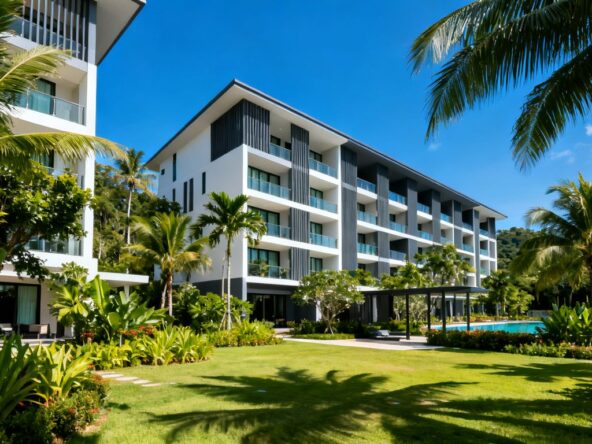
Condominiums are the go-to option for many foreigners looking to invest in Phuket. Why? Because they’re straightforward and secure. Under Thai law, foreigners can own up to 49% of the total area of a condominium project, which makes it one of the most accessible forms of property ownership in Thailand. Condos often come with perks like swimming pools, gyms, and 24-hour security, making them ideal for those who prefer a hassle-free lifestyle. Plus, maintenance is usually handled by the building management, so you can focus on enjoying your new home.
Villas and Houses: Leasehold Arrangements
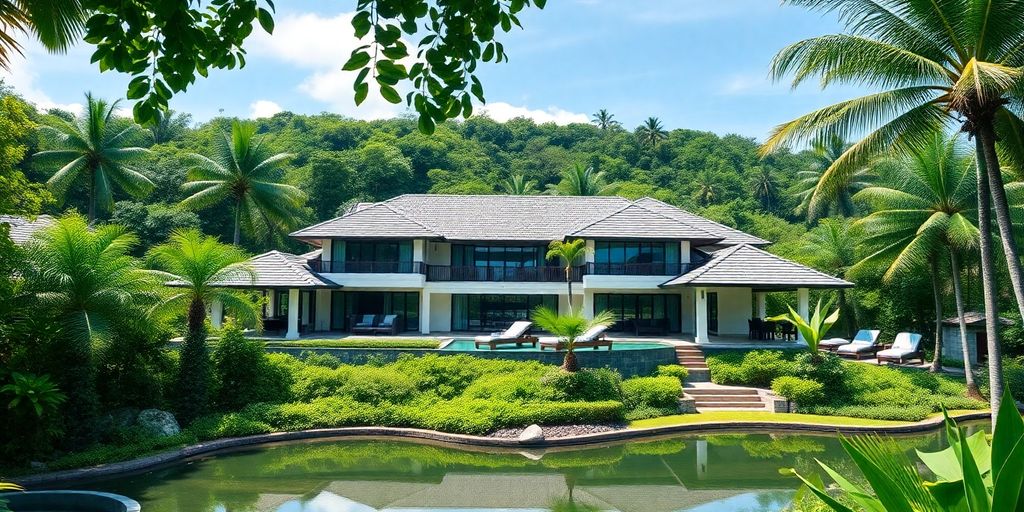
If you’re eyeing a villa or a house, be prepared for a different kind of ownership. Foreigners can’t own land directly, but they can lease it. Typically, you can secure a leasehold for up to 30 years, with the possibility of renewing it. This setup allows you to enjoy the benefits of a larger living space and more privacy. However, it’s important to be aware of the risks associated with leasehold agreements, such as the uncertainty of lease renewals beyond the initial term.
Exploring Land Purchase Options
Buying land in Phuket as a foreigner is tricky, but not impossible. While direct ownership isn’t allowed, there are ways to navigate these restrictions. Some foreigners choose to invest through a Thai company, which can legally own land. However, this involves meeting specific legal requirements and comes with its own set of responsibilities and risks. Alternatively, long-term leases and joint ventures with Thai nationals are other routes to consider, though each has its own complexities and legal implications.
When choosing a property type in Phuket, consider your lifestyle, investment goals, and the legal frameworks that come with each option. Whether it’s the convenience of a condo or the allure of a villa, understanding your choices is key to a successful investment.
Researching the Phuket Property Market
Identifying Prime Locations and Neighbourhoods
When you’re looking to buy villas in Phuket, picking the right location is key. Phuket is a diverse island with areas that cater to different lifestyles. Here are some areas to consider:
- Patong Beach: Known for its lively nightlife and bustling atmosphere, it’s a favourite among tourists.
- Kata and Karon Beaches: These areas offer a more laid-back vibe, perfect for families and those seeking a quieter environment.
- Rawai and Nai Harn: Known for their local charm and proximity to peaceful beaches, these areas are ideal if you want a more authentic Thai experience.
Understanding Market Trends and Prices
Staying updated on the latest market trends is crucial when you decide to buy luxury villas in Phuket. The property market in Phuket can fluctuate, so understanding these changes can help you make informed decisions. Prices can vary significantly depending on the location, type of property, and current demand.
Evaluating Investment Potential
Investing in property in Phuket isn’t just about finding a place to live; it’s also about securing a sound financial future. When considering a villa sale in Koh Phuket, evaluate the investment potential by looking at:
- Rental Yield: Consider the potential income from renting out the property.
- Appreciation: Look at how property values have changed over time in the area.
- Tourism Trends: Phuket’s property market is heavily influenced by tourism, so keep an eye on visitor numbers and trends.
"Phuket’s property market offers a unique blend of lifestyle and investment opportunities, making it a top choice for many international buyers."
Legal Considerations for Buying Property in Phuket
Importance of Due Diligence and Legal Checks
When buying property in Phuket, due diligence isn’t just a suggestion—it’s a must. Before you leap into a purchase, ensure every legal stone is turned. This involves verifying the property’s legal status, checking for any outstanding debts, and confirming the legitimacy of the seller. Imagine it like checking the engine before buying a used car; you wouldn’t skip that step, right? Hiring a local lawyer who knows the ins and outs of Thai property law can save you from future headaches. They can help ensure the title deed is clean and that the property is free from legal disputes.
"The charm of the ‘Land of Smiles’ can sometimes mask underlying legal complexities. Always double-check every detail before signing anything."
Understanding Leasehold vs Freehold
In Thailand, foreigners face restrictions on land ownership. This means most property purchases are either leasehold or freehold. Leasehold allows you to lease the land for up to 30 years, with the possibility of renewal. Freehold ownership, on the other hand, is typically available for condominiums, where foreigners can own up to 49% of the total unit space. Weigh the pros and cons of each option, considering factors like long-term plans and investment goals.
Risks and Challenges in Property Ownership
Owning property in Phuket comes with its own set of challenges. From fluctuating market conditions to potential legal changes, staying informed is crucial. Here are a few risks to consider:
- Market Volatility: Property prices can fluctuate, affecting the value of your investment.
- Legal Changes: Thai property laws can change, potentially impacting foreign ownership rights.
- Maintenance Costs: Ongoing maintenance and management costs can add up over time.
Before diving into the Phuket property market, weigh these risks carefully to ensure a wise investment decision. If you’re considering investing in a 2-bedroom townhouse in Phuket, for instance, it’s essential to factor in these considerations to avoid any surprises down the road.
Financing Your Property Purchase in Phuket
Exploring Mortgage Options for Foreigners
Getting a mortgage in Thailand as a foreigner isn’t always straightforward, but it’s not impossible either. Some Thai banks do offer mortgage services to non-residents, though the terms might not be as favourable as those offered to locals. You might need a hefty deposit, sometimes up to 50% of the property’s value. It’s crucial to shop around and consult financial advisors to find the best deal. Also, keep in mind that paying in cash can sometimes give you a better negotiating position.
Understanding Currency Exchange and Transfer
When buying property abroad, currency exchange rates can make a big difference. If the Thai Baht strengthens against your home currency, your purchase could become more expensive. Consider using a currency exchange service to lock in favourable rates. Additionally, transferring money into Thailand requires careful planning. You must ensure that the funds are correctly documented to avoid any legal hiccups later. It’s often wise to get legal advice on this matter to avoid complications.
Budgeting for Additional Costs and Fees
Besides the property’s price, there are several other costs to consider:
- Transfer Fees: Usually around 2% of the property’s value, payable to the Land Department.
- Legal Fees: Covering due diligence and other legal services.
- Maintenance Fees: These are ongoing costs for property upkeep and communal area maintenance.
When planning your budget, don’t forget to account for these additional expenses. They can add up quickly and affect your overall investment.
For those interested in a prime 4 Rai land for sale in Thalang, Phuket, understanding these financial aspects is essential to making a sound investment decision.
The Role of Thai Companies in Property Ownership
Buying property in Thailand as a foreigner can be tricky, but setting up a Thai company can be a way around the restrictions. A Thai company must have at least 51% of its shares owned by Thai nationals, making it a "Thai Entity". This setup allows foreigners to indirectly own property, but it’s crucial to have genuine Thai shareholders to avoid legal hassles.
Here’s a simple breakdown of the steps:
- Register the Company: Ensure it’s a legitimate business, not just a shell for owning property.
- Find Real Thai Shareholders: Avoid using "nominee" shareholders, as this is illegal.
- Consult Legal Experts: Work with professionals who know Thai property laws to ensure compliance.
Setting up a Thai company to purchase property can offer a degree of control and ownership, but it requires careful legal planning and honest partnerships.
Owning property through a Thai company comes with responsibilities. The property is considered a company asset, meaning it belongs to the shareholders. This setup requires:
- Regular Compliance Checks: Ensure all corporate laws are followed.
- Annual Financial Reporting: Maintain transparency in company operations.
- Shareholder Agreements: Clearly define roles and ownership to prevent disputes.
Ignoring these responsibilities can lead to legal troubles, including the risk of losing the property.
Using a Thai company to own property has its benefits and drawbacks:
Pros:
- Indirect ownership and control over property.
- Ability to own landed property, like villas, which foreigners can’t directly own.
- Potential tax benefits and easier transfer of ownership through company shares.
Cons:
- Complex setup and maintenance requirements.
- Risk of legal issues if not properly structured.
- Dependence on Thai shareholders, which can be risky if not chosen carefully.
In conclusion, while setting up a Thai company can be a viable option for owning property in Phuket, it requires a thorough understanding of Thai laws and careful planning. It’s advisable to work closely with legal and financial experts to navigate this process successfully. For those interested in exploring luxury properties in Phuket, Ocean Worldwide Phuket Real Estate offers a range of options and expert guidance.
Navigating the Property Purchase Process
Steps to Secure a Property in Phuket
Buying property in Phuket as a foreigner can seem daunting, but breaking it down into steps makes it manageable. First, select a reputable real estate agent who understands the local market and legal landscape. They’ll guide you through finding the right property. Next, conduct a thorough title search to ensure the property is free from encumbrances. Once you’re satisfied, make a deposit to reserve the property. Remember, this deposit is often non-refundable unless specified otherwise.
Key Documents and Contracts Required
When purchasing property, you’ll encounter several key documents. The Sales and Purchase Agreement (SPA) is crucial; it outlines the terms of the sale, including any penalties for late payments. Ensure you have a lawyer review this contract to protect your interests. Other important documents include the title deed, which proves ownership, and any permits or zoning documents if you’re planning to build.
Working with Real Estate Agents and Lawyers
Real estate agents are invaluable in navigating Phuket’s property market. They help find properties, negotiate prices, and handle paperwork. However, their role is not to provide legal advice. For that, you need a qualified lawyer who can conduct due diligence, review contracts, and ensure compliance with Thai law. Engaging both professionals will streamline the process and help avoid legal pitfalls.
Buying property in Phuket is a journey, not just a transaction. With the right team and due diligence, you can find your dream home in this paradise.
Consider exploring a stunning 3-bedroom villa near Layan Beach as part of your property search. This villa offers a perfect blend of comfort and style, making it an ideal choice for those looking to buy in Phuket.
Understanding the Costs Involved in Property Purchase
When you’re buying property in Phuket, it’s not just about the sticker price. There are a bunch of other costs you need to think about. Here’s what you should keep in mind:
Breakdown of Taxes and Fees
Buying property in Thailand comes with its own set of taxes and fees. Transfer fees are typically 2% of the property’s assessed value and are paid to the Land Department. Legal fees can vary, but you can expect to spend around £455 to £682. Don’t forget about maintenance fees, which cover the upkeep of communal areas. These can add up, especially in high-end developments.
| Fee Type | Typical Cost |
|---|---|
| Transfer Fee | 2% of property value |
| Legal Fees | £455 – £682 |
Ongoing Maintenance and Management Costs
Once you’ve got the keys, the spending doesn’t stop. If you’re not living in Phuket full-time, you’ll need to think about property management services. These folks handle everything from maintenance to renting out your place when you’re not around. It’s a good idea to budget for these ongoing costs to avoid any nasty surprises.
- Property Management Services: Essential for remote owners
- Regular maintenance: Covers repairs and upkeep
- Rental management: If you plan to rent out your property
Potential Hidden Expenses
There are always those sneaky costs that pop up when you least expect them. Think about things like currency exchange fees, which can fluctuate and impact your overall costs. Also, if you’re buying a property that’s still being built, watch out for construction delays or quality issues. It’s wise to factor in a bit of extra cash for these potential bumps in the road.
Keeping an eye on rising construction costs and fluctuating currency rates can help you plan better and avoid unexpected financial strain.
In short, buying property in Phuket means planning for more than just the purchase price. By understanding these costs, you can manage your budget and enjoy your new home without any financial hiccups.
Ensuring a Smooth Property Transaction
Conducting Thorough Property Inspections
When buying property in Phuket, it’s crucial to conduct thorough inspections to avoid any hidden surprises. Engage a professional inspector who knows what to look for in terms of structural integrity, electrical systems, and plumbing. This step is especially important if the property is under construction or off-plan. A detailed inspection report will help you make informed decisions, and it’s worth every penny.
Negotiating Terms and Conditions
Negotiation is an art, especially in real estate. Once you’ve found a property like this stunning freehold condominium in Phuket, it’s time to get into the nitty-gritty of terms and conditions. Be clear about what you want and don’t shy away from asking for it. Whether it’s the price, payment terms, or specific conditions like repairs or upgrades, everything is up for negotiation. Remember, a good deal is one where both parties feel satisfied.
Finalising the Sale and Transfer of Ownership
The final step in securing your Phuket property is the transfer of ownership. This involves a lot of paperwork and legal checks. Ensure that all documents are in order, and nothing is left to chance. A property lawyer can guide you through this process, ensuring a seamless transfer. Once everything is signed and sealed, you’ll be the proud owner of your new home in paradise.
Don’t rush the process. Each step in buying a property is essential to protect your investment and ensure a smooth transition to your new home.
Exploring Long-Term Residency Options in Thailand

Visa Options for Property Owners
Owning a property in Thailand doesn’t automatically grant residency, but it does open doors to several visa options. The Thai Elite Visa is a popular choice for those looking for long-term stays. It offers a range of packages, from five to twenty years, with benefits like VIP airport services and exclusive access to government concierge services. Alternatively, the Non-Immigrant Visa, specifically the "O-A" (Long Stay), is available for those over 50 years old and can be renewed annually.
Benefits of Long-Term Residency
Long-term residency in Thailand provides stability and peace of mind for property owners. You can enjoy the country’s beautiful landscapes, vibrant culture, and friendly communities without the hassle of frequent visa renewals. Residency also allows easier access to local services, such as healthcare and banking, making day-to-day life more convenient. For those investing in luxury real estate options in Phuket and Koh Samui, having a stable residency can enhance the enjoyment of your investment.
Legal Requirements and Application Process
Applying for long-term residency involves a few steps, but it’s generally straightforward with the right guidance. You’ll need to provide documentation, such as proof of income, health insurance, and a valid passport. For the Thai Elite Visa, the process includes an application fee and background checks. It’s wise to consult with a legal advisor to ensure all paperwork is correct and submitted on time. This can help avoid unnecessary delays and ensure a smooth transition to your new life in Thailand.
"Living in Thailand long-term offers a unique blend of relaxation and adventure, with the added benefit of being part of a vibrant, welcoming community."
If you’re considering a long-term stay in Thailand, there are many options available to suit your needs. From beautiful villas in Phuket to charming apartments in Samui, the choices are endless. Don’t miss out on finding your perfect home away from home. Visit our website to explore all the possibilities and start your journey today!
Conclusion
So, there you have it. Buying property in Phuket as a foreigner isn’t exactly a walk in the park, but it’s definitely doable if you know the ropes. The key is understanding the local laws and getting a good lawyer on your side. Condos are your safest bet if you want something straightforward. If you’re eyeing a villa, be prepared for a bit more paperwork and maybe a leasehold agreement. Just remember, it’s all about doing your homework and making sure everything’s above board. With the right approach, you can enjoy your own slice of paradise in Phuket without any legal headaches.