
Watch This Episode: Our Phuket Real Estate Podcast
Our podcast covers all the topics for property investors looking at buying real estate in Thailand.
Thinking about buying a house in Thailand by 2025? It’s a thrilling idea, but there’s a lot to figure out first. From legal stuff to picking the right spot, it’s a big journey. Whether you’re eyeing a bustling city condo or a peaceful seaside villa, understanding the ins and outs of the Thai property market is key. Let’s dive into some handy tips and insights that’ll help you make the best choice for your future home in this beautiful country.
Key Takeaways
- Learn the legal steps needed for foreigners to buy property in Thailand.
- Stay updated on the latest trends in Thailand’s property market for 2025.
- Explore different financing options to make your purchase easier.
- Consider the pros and cons of various locations, from cities to rural areas.
- Understand the buying process and who can help you along the way.
Understanding the Legal Framework for Buying Property in Thailand
Key Legal Requirements for Foreign Buyers
Buying property in Thailand as a foreigner can feel like navigating a maze, but understanding the basic legal requirements can make the process smoother. Foreigners are not allowed to own land directly. However, they can own buildings or structures on the land. This often means purchasing a condominium, as these can be owned outright by foreigners, provided that foreign ownership in the building does not exceed 49%.
For those interested in owning land, there are a few options:
- Leasehold Agreements: Foreigners can lease land for up to 30 years, with the possibility of renewing the lease.
- Thai Company Ownership: Foreigners can set up a Thai company, which can own the land. However, this requires careful legal structuring to ensure compliance with Thai laws.
- Marriage with a Thai National: If married to a Thai national, the land can be registered in the Thai spouse’s name.
Navigating Property Ownership Laws
Thailand’s property laws can be complex, especially for foreigners. It is crucial to understand the difference between leasehold and freehold properties. Leasehold properties involve leasing the land for a set period, typically 30 years, which can be renewed. Freehold properties, on the other hand, offer complete ownership of the property, but are generally only available for condominiums to foreigners.
When considering property purchase, conducting thorough due diligence is vital. This includes verifying the title deed, ensuring there are no existing mortgages or liens, and confirming the seller’s ownership rights. Consulting with a legal expert familiar with land law in Thailand is highly recommended to navigate these complexities.
Understanding Leasehold vs Freehold
The choice between leasehold and freehold is a significant decision for any potential property buyer in Thailand. Leasehold arrangements are more common for land, allowing foreigners to lease land for up to 30 years with options for renewal. This can be a practical choice for those not seeking permanent residence.
Freehold ownership, however, is more secure and permanent. For foreigners, this is usually limited to condominium units. When purchasing a freehold property, the buyer gains full ownership of the unit and a share in the common property of the condominium, providing more security and investment potential.
Understanding these legal frameworks is essential to making informed decisions and ensuring a successful property purchase in Thailand. Always seek professional legal advice to guide you through the process.
Exploring Thailand’s Property Market Trends for 2025
Emerging Real Estate Hotspots
Thailand’s property market is on the move again, with certain areas catching the eye of investors and homebuyers alike. Cities like Bangkok and Chiang Mai are seeing a steady rise in demand, thanks to urbanisation trends. These locations offer a mix of modern amenities and cultural richness that appeal to both locals and foreigners. Additionally, coastal areas such as Phuket and Pattaya continue to attract attention, especially with the ongoing improvements in infrastructure. These areas are expected to be the key players in Thailand’s real estate scene for 2025.
Impact of Economic Factors on Property Prices
Several economic elements are shaping the property market in Thailand. The country’s economic recovery post-pandemic is playing a significant role in boosting property prices. Moreover, the anticipated growth in the housing market is likely to fuel demand, with property transfers expected to rise by 3.7% next year. Inflation rates and interest rates also influence buying power and investment returns, making it crucial for potential buyers to stay informed about these economic shifts.
Sustainability and Eco-Friendly Developments
Sustainability is no longer just a buzzword; it’s becoming a core aspect of property development in Thailand. With an increasing number of consumers prioritising eco-friendly living, developers are focusing on green building certifications and sustainable practises. These developments not only cater to environmental concerns but also offer long-term cost savings for homeowners. As more projects incorporate sustainable features, eco-friendly homes are set to become a significant trend in 2025.
As Thailand’s property market evolves, understanding these trends will be key for anyone looking to invest or settle in the country. Keeping an eye on emerging hotspots, economic factors, and sustainability initiatives can help buyers make informed decisions.
Financing Your Property Purchase in Thailand
Options for Securing a Mortgage
Finding the right mortgage in Thailand can be a bit tricky, especially for foreign buyers. One of the main options available is securing a mortgage from a Thai bank. However, the process can be complex, as not all banks offer loans to non-residents. It’s important to check with several banks to understand their specific requirements and terms. Another option is developer financing, where developers offer financial plans tailored to foreign buyers. This can sometimes be more flexible than traditional mortgages.
Understanding Interest Rates and Loan Terms
Interest rates in Thailand can vary significantly based on the bank and the type of loan. Generally, fixed rates are available, but they might be higher than variable rates. It’s crucial to compare different banks’ offers to find the best rate. Loan terms also vary, with some banks offering up to 30 years for repayment, but usually with stricter conditions for foreigners. Make sure to inquire about any hidden fees or penalties for early repayment.
Tips for Managing Currency Exchange Risks
When buying property in Thailand, managing currency exchange risks is essential. Here are some tips to help you navigate this:
- Monitor exchange rates regularly to take advantage of favourable conditions.
- Consider using forward contracts to lock in a rate for future transactions.
- Keep an eye on global economic trends that might affect currency fluctuations.
When purchasing property abroad, being aware of currency risks can save you a significant amount of money in the long run. It’s not just about finding the right property, but also ensuring your finances are in good shape to support your investment.
Choosing the Right Location for Your Thai Home
Comparing Urban vs Rural Living
When thinking about buying a home in Thailand, deciding between city life and the countryside is a big deal. City living, like in Bangkok, gives you easy access to work, schools, and lots of fun things to do. But it can be noisy and crowded. On the other hand, rural areas offer peace, quiet, and more space, but you might have to travel far for basic services. Your choice really depends on what kind of lifestyle you want.
Top Cities for Property Investment
Thailand has several cities that are great for buying property. Bangkok is always a popular choice due to its bustling economy. Chiang Mai offers a more laid-back vibe with a rich cultural scene. Then there’s Phuket, known for its beaches and luxury living. Each city has its own perks, and picking the right one can make a big difference in your investment.
Evaluating Proximity to Amenities and Infrastructure
When buying a home, it’s important to think about how close you are to things like shops, schools, and hospitals. Good infrastructure, like roads and public transport, can make your life easier. Being near these amenities can also increase your property’s value over time. So, it’s a good idea to check out the area before making a decision.
Choosing the right location for your home in Thailand is more than just picking a nice spot. It’s about finding a place that fits your lifestyle and meets your needs. Whether you prefer the hustle and bustle of the city or the calm of the countryside, Thailand has something for everyone.
The Process of Buying a House in Thailand
Step-by-Step Guide to Property Purchase
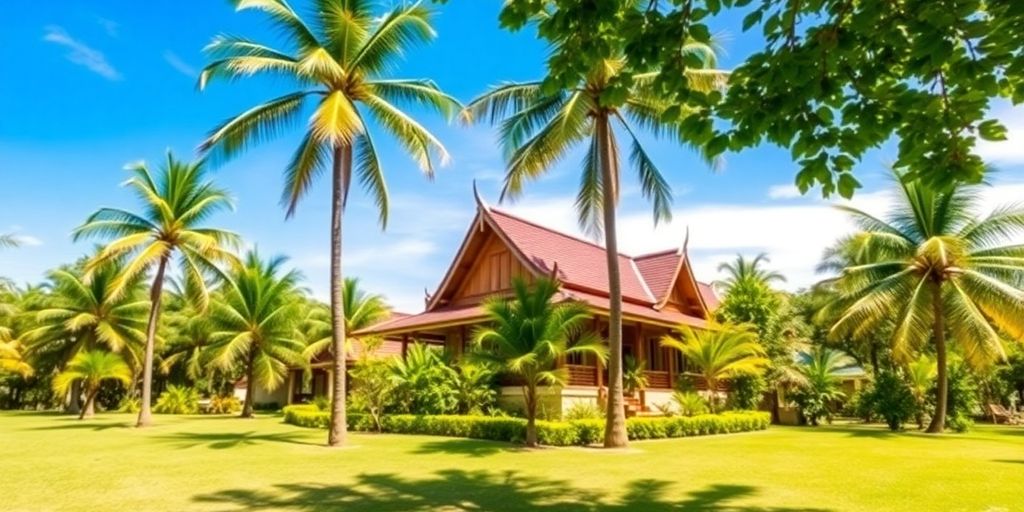
Buying a house in Thailand involves several key steps to ensure a smooth transaction. First, determine your budget and financing options. This will help you narrow down your choices. Next, engage a reliable real estate agent who understands the local market. They will assist you in finding properties that meet your criteria. Once you have selected a property, conduct thorough due diligence, including a legal check to ensure there are no encumbrances on the property. After this, negotiate the purchase price and terms with the seller. Finally, sign the sale agreement and transfer the ownership at the Land Department.
Working with Real Estate Agents
A good real estate agent can make the buying process much easier. They not only help in finding the right property but also guide you through the legal and administrative hurdles. Look for agents with a proven track record and positive client testimonials. They should be familiar with the area you’re interested in and have a good understanding of the local property market.
Understanding the Role of Notaries and Lawyers
In Thailand, notaries and lawyers play a crucial role in property transactions. A notary will authenticate the documents and ensure that the transaction complies with Thai laws. Meanwhile, a lawyer can provide legal advice and assist in drafting contracts. It’s advisable to hire a lawyer who specialises in real estate to safeguard your interests throughout the buying process.
When buying property in Thailand, understanding the legal framework and having the right professionals by your side can significantly ease the process and protect your investment.
For more insights on purchasing property as a foreigner, especially regarding condo ownership regulations, it’s essential to be well-informed and prepared.
Investment Opportunities in Thailand’s Real Estate
Identifying High-Yield Investment Properties
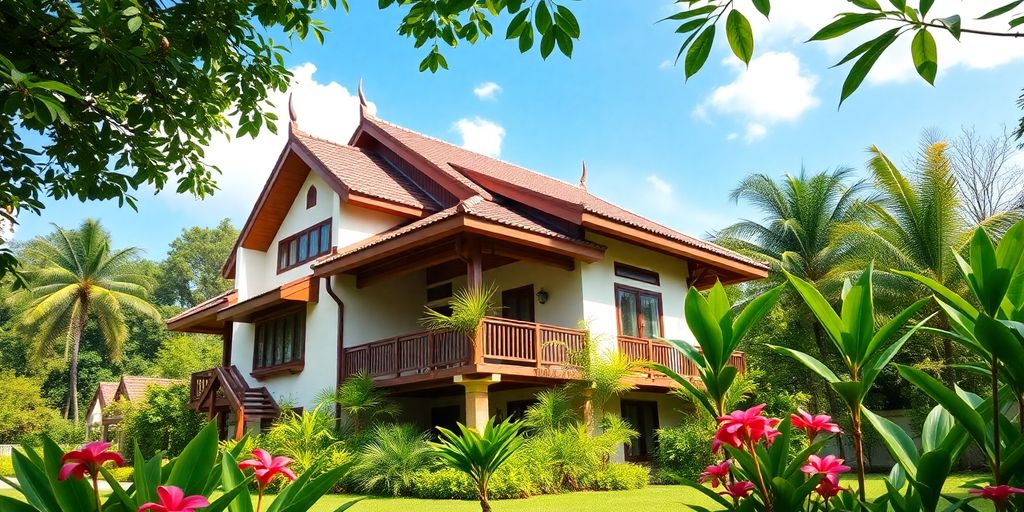
Thailand’s real estate market is buzzing with opportunities, especially as we move into 2025. Identifying properties with high yield potential is crucial for investors aiming to maximise returns. Cities like Bangkok and Chiang Mai are seeing a surge in demand due to urbanisation and a growing population. These cities not only serve as business hubs but also attract those looking for a vibrant lifestyle. Properties in these areas, particularly condos, tend to offer stable rental yields due to the influx of expatriates and tourists.
To spot high-yield properties, consider:
- Proximity to new infrastructure projects.
- Locations popular with tourists.
- Areas with a growing expat community.
Understanding Rental Yields and ROI
Rental yields in Thailand can be quite lucrative, especially in tourist-heavy locations like Phuket and Bangkok. With tourism driving demand, short-term rentals are increasingly profitable. Understanding the balance between rental yields and return on investment (ROI) is key.
- Rental Yields: Typically range from 5% to 8% in urban areas.
- ROI Considerations: Include property management costs, maintenance, and potential appreciation.
Investors should focus on long-term gains rather than quick profits, ensuring that the property can sustain its value over time.
Exploring Off-Plan vs Resale Investments
The decision between off-plan and resale investments can significantly impact your investment strategy. Off-plan properties, often sold at lower prices, can offer substantial appreciation by the time they are completed. However, they come with risks such as construction delays or changes in market conditions.
- Off-Plan Advantages:
- Resale Benefits:
Investing in Thailand’s property market requires a keen eye for emerging trends and a strategic approach to maximise potential returns. As the market evolves with new infrastructure and a steady influx of foreign investment, understanding these dynamics will be essential for any savvy investor.
For more insights into how Thailand’s real estate market is set for significant growth in 2025, attracting foreign investors with favourable visa policies and investment opportunities, keep an eye on market trends and government initiatives.
Cultural Considerations When Buying Property in Thailand
Understanding Thai Customs and Etiquette
When buying property in Thailand, understanding local customs and etiquette is important. Respect and politeness are highly valued in Thai culture. While negotiating, maintaining a calm and respectful manner can go a long way. It’s common to greet with a "wai," a slight bow with palms pressed together, and always address people by their title and first name.
Building Relationships with Local Communities
Building strong relationships with local communities is not just about being neighbourly; it can also be beneficial during your property buying process. Engaging with community events and showing genuine interest in local traditions can help you integrate smoothly. This not only enriches your experience but can also provide insights into the local property market.
Navigating Language Barriers
Language barriers can pose challenges when buying property in Thailand. While English is widely spoken in tourist areas, it might not be the case in more rural settings. Consider hiring a bilingual real estate agent to help with communication. Learning basic Thai phrases can also be helpful and is often appreciated by locals.
Being aware of cultural nuances can significantly enhance your property buying experience in Thailand, making it not just a transaction, but a journey into a new way of life.
For those interested in exploring prime properties, Ocean Worldwide offers a range of options, including a 4 Rai land for sale in Thalang, Phuket, ideal for development and conveniently located near an international school.
Evaluating Property Types: Condos, Villas, and Houses
When considering a property purchase in Thailand, understanding the differences between condos, villas, and houses is crucial. Each property type offers unique benefits and challenges, and your choice will largely depend on your lifestyle preferences, budget, and long-term goals.
Pros and Cons of Different Property Types
Condos are popular among expats and young professionals due to their affordability and convenience. They often come with shared amenities like pools and gyms, which can be a significant perk. However, they may lack the privacy and space that a standalone property offers.
- Pros:
- Cons:
Villas, like the Balinese-style pool villa in Rawai, Phuket, offer a luxurious lifestyle with more space and privacy. They are ideal for families or those seeking a holiday retreat. However, they come with higher maintenance responsibilities and costs.
- Pros:
- Cons:
Houses provide a middle ground, offering privacy and space without the luxury price tag of a villa. They are well-suited for long-term residents or retirees looking for a permanent home. However, they may lack the high-end amenities found in condos.
- Pros:
- Cons:
Choosing Between New Builds and Resale
When buying property, deciding between new builds and resale is another critical factor. New builds often feature modern designs and the latest amenities but can come at a premium price. Resale properties might offer better value and established neighbourhoods but could require renovations.
- New Builds:
- Resale Properties:
Understanding Maintenance and Management Costs
Owning a property in Thailand involves various maintenance and management costs, which vary by property type. Condos typically have lower maintenance responsibilities but include monthly fees. Villas and houses require more upkeep, which can add up over time.
- Condos:
- Villas and Houses:
Choosing the right property type is a personal decision that should align with your lifestyle and financial goals. Consider the pros and cons of each option, and factor in long-term implications like maintenance and potential resale value.
Navigating Thailand’s Taxation and Fees for Property Buyers
Overview of Property Taxes and Duties
When buying property in Thailand, understanding the tax landscape is crucial. Property taxes and duties can significantly impact your overall investment. The main taxes include the transfer fee, business tax, and stamp duty.
- Transfer Fee: Typically 2% of the appraised value, this fee is generally split between buyer and seller, though it can be negotiated.
- Business Tax: If the seller has owned the property for less than five years, a 3.3% business tax may apply.
- Stamp Duty: At 0.5% of the registered sale value, this is only applicable if the business tax is not.
Understanding Capital Gains Tax
In Thailand, capital gains tax is not separate but is included within the personal income tax framework. This means any profit from selling property is considered part of your income and taxed accordingly.
In practise, the responsibility for this tax often falls on the seller, but it’s wise for buyers to be aware of these costs during negotiations.
Tips for Minimising Tax Liabilities
Navigating tax liabilities can be tricky, but there are ways to manage them effectively:
- Engage a Tax Advisor: A professional can offer insights into legal tax reduction strategies.
- Negotiate with Sellers: Sometimes, sellers may agree to cover part of the taxes to close a deal.
- Consider Property Holding: Holding onto property for longer than five years can avoid the business tax, reducing overall costs.
For those dreaming of owning a property in Thailand, the ultimate sunset experience at Lipanio Beachfront Villa offers a luxurious option. Whether buying or renting, their team provides expert legal and tax assistance to ease the process.
Sustainability and Eco-Friendly Housing in Thailand
Benefits of Eco-Friendly Homes
Eco-friendly homes in Thailand offer several advantages that go beyond just being kind to the planet. They are designed to be energy-efficient, which can lead to significant cost savings on utilities over time. These homes often incorporate renewable energy sources such as solar panels and wind turbines, reducing reliance on traditional power grids. Additionally, eco-friendly homes can increase in value as more buyers look for sustainable living options.
Exploring Green Building Certifications
When purchasing a sustainable home, it’s important to consider green building certifications. These certifications ensure that the property meets certain environmental standards. In Thailand, popular certifications include the Leadership in Energy and Environmental Design (LEED) and the Thai Green Building Institute (TGBI) certification. These certifications not only confirm the environmental quality of the building but also enhance its market appeal.
Incorporating Sustainable Practises in Property Management
Sustainable property management involves integrating practises that reduce the environmental impact of maintaining a home. Here are some key practises to consider:
- Water Conservation: Installing low-flow fixtures and using rainwater harvesting systems.
- Energy Efficiency: Utilising LED lighting and energy-efficient appliances.
- Waste Reduction: Implementing recycling programmes and composting organic waste.
As the demand for sustainable living grows, eco-friendly homes are becoming a preferred choice for many. They not only contribute to a healthier environment but also offer long-term economic benefits.
Retirement Living: Buying a Home in Thailand
Popular Retirement Destinations
Thailand is a favoured destination for retirees, offering a blend of tranquil beaches, vibrant culture, and affordable living. Popular spots include Chiang Mai, known for its serene environment and friendly community, and Hua Hin, favoured for its coastal charm. Bangkok, despite being bustling, provides excellent healthcare and amenities, making it another top choice.
Understanding Retirement Visas and Regulations
To retire in Thailand, you need to secure a retirement visa, commonly referred to as the Non-Immigrant O-A visa. Applicants must be over 50 and meet financial requirements, such as having a specified amount in a Thai bank. It’s crucial to stay updated on visa regulations, as changes can occur.
Healthcare and Lifestyle Considerations
Thailand boasts a high standard of healthcare, with many hospitals offering services at a fraction of Western costs. Retirees can enjoy a relaxed lifestyle, with options ranging from yoga retreats to cultural festivals. For those planning their budget, the cost of living in Thailand varies by region but remains generally affordable compared to Western countries.
"Retiring in Thailand offers a unique blend of comfort and adventure, with diverse options for both relaxation and exploration."
When considering retirement in Thailand, it’s important to weigh the benefits of each location, understand the visa process, and appreciate the quality of healthcare available. This ensures a smooth transition into your new lifestyle, allowing you to fully enjoy your golden years in this beautiful country.
Thinking about retiring in Thailand? Discover the perfect home for your new life in paradise! Whether you’re looking to buy or rent, we can help you find your dream property in stunning locations like Phuket and Koh Samui. Visit our website to start your journey today!
Conclusion
In wrapping up, buying a house in Thailand in 2025 is an exciting venture, but it comes with its own set of challenges and rewards. Whether you’re drawn to the bustling streets of Bangkok or the serene beaches of Phuket, understanding the local market and legalities is key. Take your time to research, consult with experts, and weigh your options carefully. Remember, this isn’t just a financial investment but a lifestyle choice. With the right approach, your dream home in Thailand is well within reach. Happy house hunting!
Frequently Asked Questions
Can foreigners buy property in Thailand?
Foreigners can buy condos but not land. They can lease land or buy through a company.
What is the difference between freehold and leasehold?
Freehold means owning the property forever, while leasehold is like renting for a long time.
Do I need a lawyer to buy a house in Thailand?
It’s smart to have a lawyer to help with legal stuff and make sure everything is correct.
How can I get a mortgage in Thailand?
Some banks offer loans to foreigners. It’s good to check different banks for options.
Are there taxes when buying a house in Thailand?
Yes, there are taxes and fees. It’s important to know them before buying.
What should I consider when choosing a location?
Think about how close it is to shops, schools, and transport. Also, decide if you like city or country living.
Is it better to buy a new house or an old one?
New houses might have modern features, but old ones can be cheaper. Consider what suits you best.
Can I rent out my property in Thailand?
Yes, you can rent it out. Just make sure to follow the local rules and regulations.