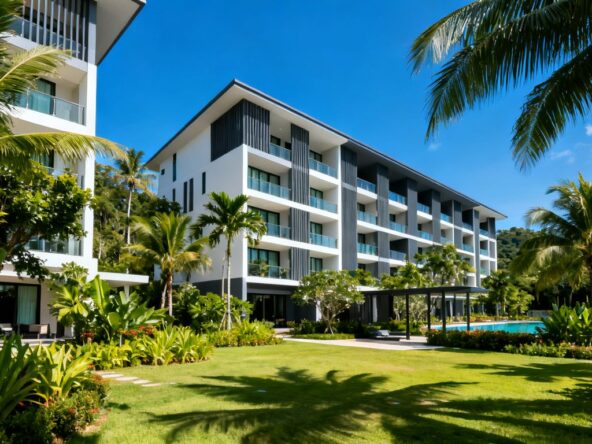


Phuket, with its stunning beaches and lively atmosphere, is becoming a hotspot for wealthy investors looking to buy property. It’s not just about owning a holiday home; it’s also about smart investments. But buying property in a foreign country can be tricky, especially with different laws and rules. This article will help you understand how to buy property in Phuket, covering everything from legal stuff to getting the most out of your investment. We’ll look at why Phuket real estate for HNW investors is such a good idea right now.
Key Takeaways
- Foreigners can own condos outright (freehold), but land ownership is more complex and often needs workarounds like long-term leases or setting up a Thai company.
- Phuket offers a great lifestyle, with beautiful scenery, a friendly expat community, and good value for money, making it attractive for both living and investing.
- Always do your homework. Get good legal advice and check everything carefully before buying property to avoid problems later on.
- Think about how you’ll finance your purchase and be aware of all the extra costs involved, not just the sticker price. Resale value can differ a lot between freehold and leasehold properties.
- For a safe and successful purchase, make sure all your agreements are properly registered and avoid any illegal practises, especially with company ownership.
Understanding Property Ownership for HNW Investors in Phuket

Thailand’s property laws can seem a bit tricky, especially for foreign investors. The key thing to remember is that direct land ownership for foreigners is restricted. However, there are perfectly legal and well-established ways for high-net-worth individuals to invest in Phuket real estate. Let’s break down the main options:
Freehold Condominiums: Direct Ownership for Foreigners
Freehold condos are often the simplest route to direct property ownership. Under Thai law, foreigners can own condominium units outright, provided that no more than 49% of the total units in the building are foreign-owned. This means you get a title deed (Chanote) in your name, giving you full control to sell, rent, or pass the property on to your heirs. It’s worth checking the availability early as the 49% quota can fill up quickly in popular developments.
Leasehold Agreements: Long-Term Usage Rights
Leasehold agreements offer another avenue for securing property rights. Instead of owning the property outright, you lease it for a fixed term, typically up to 30 years. While you don’t own the land, you have the right to use and enjoy the property for the duration of the lease. It’s important to secure leasehold deals with renewal options to protect your investment over the long term. Banks are often hesitant to finance leases with less than 20-25 years remaining, which can affect resale value.
Thai Company Structures: Navigating Land Ownership
One way to indirectly own land is by setting up a Thai limited company. Foreigners can hold up to 49% of the company shares, with the remaining 51% held by Thai partners. The company can then purchase land or property. While this allows you to control the property, it’s a more complex arrangement with ongoing costs and requires trustworthy Thai partners. Authorities scrutinise this method, and using nominee shareholders is illegal. It’s essential to structure company ownership legally to avoid any issues down the line.
It’s important to remember that Thai property law is complex, and it’s always best to seek professional legal advice before making any investment decisions. A good lawyer can help you navigate the regulations and ensure that your investment is secure.
The Allure of Phuket for Discerning Investors
Phuket continues to draw attention from high-net-worth individuals seeking attractive property investment opportunities. It’s more than just a holiday destination; it’s a place where lifestyle and investment potential meet. The island offers a unique blend of natural beauty, cultural richness, and a sophisticated infrastructure that appeals to those looking for both a retreat and a sound financial venture.
Tropical Beaches and Vibrant Culture
Let’s be honest, the beaches are a major draw. Picture this: pristine sands, crystal-clear waters, and stunning sunsets. But Phuket offers more than just postcard-perfect scenery. The island boasts a rich cultural heritage, with colourful temples, bustling markets, and a diverse culinary scene. You can spend your days exploring ancient traditions, indulging in delicious Thai food, or simply relaxing on the beach. It’s a lifestyle that’s hard to resist. Plus, the proximity to other amazing destinations makes it a great base for exploring Southeast Asia. For those seeking luxury residences, Phuket is a top contender.
Thriving Expat Community and Lifestyle
One of the best things about Phuket is the established expat community. It’s easy to connect with like-minded people from all over the world, creating a sense of belonging and support. There are numerous social clubs, events, and activities catering to expats, making it easy to integrate into the local scene. This vibrant community contributes to a diverse and welcoming atmosphere, making Phuket feel like home away from home. The island also offers a range of international schools, healthcare facilities, and other amenities that cater to the needs of expats.
Affordable Living and High Quality of Life
Compared to many other luxury destinations, Phuket offers a surprisingly affordable cost of living. While luxury properties can command high prices, everyday expenses such as food, transportation, and entertainment are relatively low. This allows you to enjoy a high quality of life without breaking the bank. You can dine at world-class restaurants, enjoy spa treatments, and participate in a variety of recreational activities without the hefty price tag you might find elsewhere. This combination of affordability and luxury is a major draw for discerning investors. It’s easy to see why so many are looking to buy property in Thailand.
Phuket’s appeal extends beyond its obvious attractions. The island offers a sense of tranquillity and escape that is increasingly rare in today’s fast-paced world. It’s a place where you can slow down, reconnect with nature, and enjoy a more relaxed pace of life. This sense of well-being is a valuable asset for high-net-worth individuals seeking a sanctuary from the stresses of modern life.
Navigating the Legal Landscape of Phuket Real Estate
Understanding the legalities of Phuket property is vital for any HNW investor. It’s not always straightforward, and getting it wrong can be costly. Let’s break down the key areas.
Foreign Ownership Restrictions and Workarounds
The big one: foreigners can’t directly own land in Thailand. This is a key restriction to understand from the outset. However, there are established, legal ways around this:
- Freehold Condominiums: Foreigners can own condominium units outright, provided the foreign ownership in the building doesn’t exceed 49% of the total units. It’s worth checking the availability early.
- Leasehold Agreements: This grants long-term usage rights, typically for 30 years, with the possibility of renewal. Negotiating favourable renewal terms is crucial.
- Thai Company Structures: Setting up a Thai limited company allows indirect land ownership. However, this requires careful legal structuring to avoid issues with nominee shareholders.
Importance of Legal Due Diligence
Never skip this step! Due diligence is absolutely essential before committing to any property purchase. This involves:
- Title Search: Verifying the property’s ownership history and ensuring there are no outstanding claims or encumbrances.
- Contract Review: Scrutinising all contracts to ensure they are fair, legally sound, and protect your interests.
- Zoning Regulations: Checking local zoning laws to ensure the property can be used for your intended purpose.
It’s always best to engage an independent lawyer who specialises in Thai property law. They can guide you through the process, identify potential risks, and ensure your investment is protected.
Proposed Changes to Foreign Land Ownership Laws
The legal landscape is always subject to change. There have been discussions about relaxing foreign ownership restrictions, but nothing is set in stone. It’s important to stay informed about any leasehold extensions that could affect your investment. Keep an eye on any proposed changes to foreign land ownership laws, as these could significantly impact the market.
Financial Considerations for Phuket Property Acquisitions
Mortgage Options for Foreign Buyers
Getting a mortgage as a foreigner in Phuket isn’t always straightforward, but it’s definitely possible. Several Thai banks, like Bangkok Bank and Kasikornbank, do offer mortgages for condominium purchases, but expect interest rates to be higher than what locals get – typically around 6-8%. You’ll also need to provide extensive documentation, including proof of income, employment history, and financial statements. Be prepared for a more rigorous application process than you might be used to back home.
Understanding Hidden Costs and Fees
It’s easy to focus on the purchase price, but don’t forget about the hidden costs! These can really add up and impact your budget. Here’s a breakdown:
- Transfer Fees: These are usually split between the buyer and seller and can be around 2% of the property value.
- Stamp Duty: Another government tax, typically around 0.5%.
- Legal Fees: Hiring a lawyer is essential, and their fees can range from THB 30,000 to THB 100,000, depending on the complexity of the transaction.
- Condo Maintenance Fees: If you’re buying a condo, factor in monthly maintenance fees, which can vary depending on the building’s amenities and location.
- Sinking Fund: A one-time payment for future repairs and maintenance of the building.
Budgeting for these extra expenses is vital. It’s wise to add an extra 10-15% on top of the purchase price to cover all eventualities and ensure a smooth transaction.
Resale Value Dynamics: Freehold vs. Leasehold
The type of ownership you choose – freehold or leasehold – significantly impacts the resale value of your Phuket property. Freehold properties generally hold their value better and are easier to sell, as they offer outright ownership. Leasehold properties, on the other hand, depreciate over time, especially as the lease nears its end. Banks are also less likely to finance leaseholds with less than 20-25 years remaining, which can limit your pool of potential buyers. Consider this table:
| Feature | Freehold | Leasehold |
|---|---|---|
| Ownership | Outright | Right to use for a fixed period |
| Resale Value | Generally higher and more stable | Decreases over time, especially near expiry |
| Financing | Easier to obtain | More difficult, especially with shorter leases |
| Market Appeal | Broader appeal to buyers | Limited appeal as lease nears expiry |
Strategic Approaches to Property Investment in Phuket
Starting with Condominiums for Market Entry
Condos are often the easiest way for HNW investors to dip their toes into the Phuket property market. They offer a relatively straightforward purchase process, especially freehold condos available to foreign buyers. It’s a good way to get a feel for the local market dynamics, rental yields, and property management before committing to larger investments. Plus, they’re generally easier to resell if you decide to change your strategy.
Evaluating Leasehold Terms and Renewals
Leasehold agreements can be a viable option, but it’s vital to scrutinise the terms carefully. Pay close attention to the length of the lease, renewal options, and any restrictions on usage or resale. Understand the implications of a depreciating asset as the lease nears its end. A long lease with favourable renewal terms can still be a sound investment, but due diligence is key.
The Role of Thai Company Ownership in Portfolio Diversification
Setting up a Thai company to own property offers greater control and the ability to own land directly. However, it’s a more complex undertaking with ongoing legal and accounting obligations. It’s crucial to have trustworthy Thai partners and ensure full compliance with Thai law. This approach can be beneficial for diversifying your portfolio and acquiring larger properties, but it requires careful planning and execution.
Using a Thai company for property ownership can be a powerful tool, but it’s not without its risks. It’s essential to seek expert legal advice and ensure that all structures are fully compliant with Thai regulations to avoid potential issues down the line.
The Step-by-Step Process for Acquiring Phuket Property
Thorough Market Research and Location Scouting
Before you even think about signing on the dotted line, you need to do your homework. Phuket isn’t a one-size-fits-all island; different areas offer vastly different lifestyles and investment potential. Consider what you’re looking for – a bustling tourist hub, a quiet retreat, or something in between. Visit different locations, talk to locals, and get a feel for the area. Don’t rely solely on online photos; they rarely tell the whole story.
- Research average property prices in your desired locations.
- Investigate planned infrastructure developments that could impact property values.
- Consider proximity to amenities like schools, hospitals, and shopping centres.
Engaging Reputable Real Estate Professionals
Finding a good real estate agent is vital. The Phuket property market can be tricky, and a local agent with experience in dealing with foreign buyers can be a huge asset. Look for someone who is transparent, communicative, and has a proven track record. Check online reviews and ask for references. A good agent will guide you through the process, helping you buy with confidence.
Securing Expert Legal Counsel for Transactions
This is non-negotiable. You must hire a lawyer who specialises in Thai property law and is fluent in English. They will conduct due diligence on the property, review contracts, and ensure that everything is above board. Trying to save money by skipping this step is a recipe for disaster. Your lawyer will verify the lease agreements and ensure they are legally sound.
Buying property in a foreign country can feel daunting, but with the right team around you, it can be a smooth and rewarding experience. Don’t be afraid to ask questions, do your research, and take your time. Rushing into a purchase is never a good idea.
Maximising Returns on Phuket Real Estate Investments

Rental Income Potential and Market Demand
Phuket’s tourism industry is a major driver of rental income. Properties, especially those near beaches or popular tourist spots, can generate significant returns through short-term rentals. However, it’s important to understand the seasonality of tourism in Phuket. High season (November to April) sees peak demand and higher rental rates, while the low season (May to October) may experience lower occupancy. Consider these factors when projecting your rental income.
- Research average rental rates for similar properties in your chosen location.
- Factor in property management fees (if applicable).
- Account for vacancy periods and maintenance costs.
Capital Appreciation in Freehold Properties
Freehold properties in prime locations tend to appreciate in value over time. Phuket’s growing popularity as a luxury destination, coupled with limited land availability, can drive up property prices. However, appreciation is not guaranteed and depends on various factors, including economic conditions, infrastructure development, and overall market sentiment. Keep an eye on luxury condos in Phuket to see how the market is trending.
Considerations for Future Resale Value
When investing in Phuket real estate, it’s crucial to consider the potential resale value. Factors that can influence resale value include:
- Location: Properties in desirable areas with good access to amenities tend to command higher prices.
- Property Condition: Well-maintained properties are more attractive to buyers.
- Market Trends: Staying informed about market trends can help you make strategic decisions about when to sell.
It’s worth noting that leasehold properties may depreciate in value as the lease term nears its end. Freehold properties generally hold their value better, but it’s essential to conduct thorough due diligence before investing in any property.
Key Insights from Experienced Expat Property Owners
The Value of On-Site Visits and Local Knowledge
It’s easy to get swept up in glossy brochures and online listings, but nothing beats seeing a property with your own eyes. Spending time in Phuket, exploring different areas, and getting a feel for the local vibe is absolutely essential. You’ll pick up on things that photos simply can’t convey – the noise levels, the proximity to amenities, the overall atmosphere. Plus, talking to locals can give you invaluable insights into the area’s pros and cons.
Budgeting for Unexpected Expenses
One thing that seasoned expat property owners always stress is the importance of having a buffer for unexpected costs. It’s not just about the purchase price; there are always additional expenses to consider. These can include:
- Legal fees
- Maintenance costs
- Property taxes
- Currency fluctuations
- Repairs and renovations
Many expats recommend budgeting an extra 10-15% on top of the purchase price to cover these unforeseen expenses. It’s better to be over-prepared than caught short.
Importance of Trust and Verification in Partnerships
Building relationships based on trust is vital, especially when dealing with agents, lawyers, or business partners. Due diligence is key. Don’t be afraid to ask for references, check credentials, and seek independent advice. Scams are rare, but they do exist, so it’s always better to be cautious. Verifying information and vetting agents can save you a lot of headaches down the line. Remember, a little extra effort upfront can prevent major problems later on. The exquisite beachfront haven you’re dreaming of should be a safe and secure investment.
Phuket’s Position in the Global Luxury Property Market
Phuket has really cemented itself as a major player in the global luxury property market. It’s not just about beautiful beaches anymore; it’s about high-end living, exclusive experiences, and a solid investment. The island is attracting a lot of attention from high-net-worth individuals looking for a slice of paradise.
Growing Interest from High-Net-Worth Individuals
More and more HNWIs are turning their gaze towards Phuket. What’s driving this? Well, a few things:
- The increasing desire for second homes in exotic locations.
- Phuket’s improved infrastructure and accessibility.
- The perception of Phuket as a safe and stable investment.
- The attractive rental income potential for luxury properties.
Comparison with Other International Destinations
How does Phuket stack up against other luxury hotspots? Let’s take a look:
| Destination | Average Property Price (USD) | Key Advantages | Key Disadvantages |
|---|---|---|---|
| Phuket | $500,000 – $5,000,000+ | Tropical beauty, affordability, lifestyle | Foreign ownership restrictions, seasonal tourism |
| The Bahamas | $1,000,000 – $10,000,000+ | Tax benefits, established luxury market | High cost of living, hurricane risk |
| French Riviera | $2,000,000 – $20,000,000+ | Glamour, prestige, established infrastructure | Very high prices, crowded during peak season |
| Dubai | $400,000 – $8,000,000+ | Modern infrastructure, tax-free investment | Extreme heat, relatively new market |
Phuket offers a unique blend of luxury and value. While it might not have the same level of prestige as some European destinations, it provides a comparable lifestyle at a more accessible price point. Plus, the Thai culture and hospitality are a big draw for many.
Future Growth Projections for the Region
Experts predict continued growth for Phuket’s luxury property market. Several factors support this outlook:
- Ongoing infrastructure development, including airport expansions and improved road networks.
- Increasing tourism from Asia, particularly China and India.
- The rising popularity of Phuket as a long-term stay destination for retirees and digital nomads.
- Government initiatives to attract foreign investment.
It’s worth keeping an eye on proposed changes to foreign land ownership laws, as these could significantly impact the market. Overall, the future looks bright for Phuket’s luxury property sector, making it an attractive option for discerning investors seeking both financial returns and a desirable lifestyle. You can find luxury beachside residence in Phuket and Samui.
Ensuring a Secure and Compliant Property Purchase
Registering Lease Agreements at the Land Office
Getting your lease agreement registered at the Land Office is a really important step. It’s what makes your lease legally binding and protects your rights as a tenant. Without it, you could find yourself in a tricky situation if the property owner decides to sell or change the terms of the agreement. Make sure all the details are correct and that you have copies of everything for your records. It’s a bit of a process, but definitely worth it for peace of mind.
Structuring Company Ownership Legally
If you’re thinking about buying property through a Thai company, it’s vital to get the structure right from the start. This means making sure the company is set up properly and that all the shareholders are legitimate. It’s easy to fall into the trap of cutting corners, but doing things by the book will save you a lot of headaches down the line. Get proper legal advice to make sure everything is above board. It’s a bit more complex, but it’s the only way to ensure your investment is safe.
Avoiding Nominee Shareholders and Illegal Practises
Using nominee shareholders or getting involved in illegal practises might seem like a quick way to get around the rules, but it’s a really bad idea. It can lead to serious legal problems and put your investment at risk. It’s much better to be upfront and honest about your intentions and to work with reputable professionals who know the ins and outs of Thai property law. Remember, there are legitimate ways for foreigners to buy or rent properties in Phuket, so there’s no need to take unnecessary risks.
It’s always best to err on the side of caution when it comes to property purchases. Spending a bit more time and money upfront to ensure everything is legal and compliant can save you a lot of trouble in the long run. Don’t be afraid to ask questions and seek advice from experts. Your peace of mind is worth it.
Here are some things to keep in mind:
- Always use a reputable lawyer.
- Verify all documents at the Land Office.
- Be wary of deals that seem too good to be true.
The Appeal of Phuket’s Lifestyle for HNW Individuals
Phuket isn’t just about beautiful beaches; it’s a lifestyle destination that appeals to high-net-worth individuals seeking a blend of luxury, convenience, and relaxation. The island offers a unique combination of world-class amenities and a laid-back atmosphere, making it an attractive place to live, invest, and unwind.
Access to World-Class Amenities and Services
Phuket boasts a range of amenities that cater to the discerning tastes of HNW individuals. From international schools and hospitals to gourmet restaurants and high-end shopping malls, the island provides everything needed for a comfortable and convenient lifestyle. The availability of these top-tier services ensures that residents don’t have to compromise on quality of life.
- International-standard healthcare facilities.
- Prestigious international schools offering various curricula.
- World-class marinas and yachting services.
- Fine dining restaurants with international chefs.
Opportunities for Leisure and Recreation
Beyond the essential amenities, Phuket offers a wealth of leisure and recreational activities. Whether it’s golfing on championship courses, sailing in the Andaman Sea, or indulging in spa treatments, there’s something for everyone. The island’s natural beauty and diverse landscape provide the perfect backdrop for an active and fulfilling lifestyle. Consider exploring luxury real estate options to fully embrace this lifestyle.
- Numerous golf courses with stunning views.
- Water sports activities such as diving, snorkelling, and sailing.
- Luxury spas and wellness centres.
- Hiking and exploring national parks.
A Stable and Welcoming Environment for Residents
Phuket offers a stable and welcoming environment, making it an ideal place for HNW individuals to establish a home. The island has a well-established infrastructure, a relatively low crime rate, and a friendly local population. This sense of security and community is a major draw for those seeking a peaceful and enjoyable life. The island’s popularity is also boosted by the ease of finding beachfront villa for sale.
Phuket’s appeal lies in its ability to offer a high standard of living without the stresses of big-city life. The combination of natural beauty, modern amenities, and a welcoming community creates a unique environment that is hard to resist. This makes Phuket a prime location for those seeking a better quality of life in a stunning tropical setting.
Phuket offers a truly special way of life for those with significant wealth, blending luxury with natural beauty. If you’re thinking about making this stunning island your home, or perhaps investing in a holiday spot, we can help. Discover more about the amazing properties and lifestyle choices available by visiting our website today.
Wrapping Things Up: Phuket’s Enduring Appeal
So, there you have it. Phuket really does stand out as a top spot for high-net-worth investors looking to put their money into property. It’s got that mix of a great lifestyle, a strong tourist scene, and a property market that just keeps growing. Sure, there are things to think about, like the rules for foreign buyers and making sure you pick the right kind of property. But with a bit of careful planning and the right local help, getting a piece of this island paradise can be a really smart move. It’s not just about buying a house; it’s about getting into a lifestyle and an investment that looks set to keep doing well for years to come.