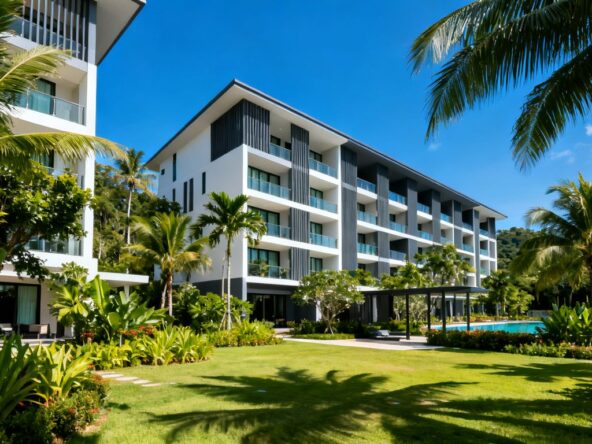


Thinking about buying property in Phuket? It’s a dream for many, with its beautiful beaches and relaxed lifestyle. But diving into the property market, especially as a newcomer, can feel a bit overwhelming. This Phuket property buying guide is here to break down everything you need to know, from understanding the local market to actually getting the keys in your hand. We’ll cover the rules for foreigners, where to look, what kind of places are available, and all the steps involved. Plus, we’ll touch on financing, extra costs, and who can help you out. Let’s get started on making your Phuket property dream a reality.
Key Takeaways
- Get to know the Phuket property market before you buy. Things change, so knowing the latest trends is helpful.
- Foreigners can buy property in Thailand, but there are specific rules and limits you need to follow. Always check the legal side.
- Think about where you want to live in Phuket – near the beach, up on a hill, or close to shops and restaurants. Location matters a lot.
- There are different types of properties, like villas, condos, and even commercial spaces. Decide what fits your needs and budget.
- Buying property involves several steps, including checking everything thoroughly and understanding the paperwork. It’s wise to get help from agents and lawyers.
Understanding The Phuket Property Market
Introduction To The Thai Property Market
Phuket’s property scene is quite something, isn’t it? It’s a place that draws people in for all sorts of reasons – the stunning beaches, the vibrant culture, and let’s be honest, the potential for a good investment. The market here is a mix of holidaymakers looking for a second home, people planning a permanent move, and savvy investors spotting opportunities. It’s not just about buying a place; it’s about buying into a lifestyle.
Evolving Market Dynamics
Things here don’t tend to stay still for long. The property market in Phuket is always shifting, with new developments popping up and trends changing. What was popular a few years ago might not be the top choice now. For instance, we’re seeing more interest in areas slightly away from the busiest beaches, perhaps offering a bit more peace and quiet, or places with better infrastructure. Keeping an eye on these shifts is key to making a smart move. It means doing a bit of homework, maybe chatting to locals or agents who are really in the know.
Importance Of Market Knowledge
Honestly, just jumping in without knowing what’s what would be a bit daft. Understanding the local market dynamics, what’s selling well, and what prices are doing is pretty important. It’s not just about the sticker price either; you need to think about things like rental potential if you’re considering letting it out, or the long-term prospects of an area if you’re planning to stay put.
Here’s a rough idea of what you might expect in terms of property types and their general appeal:
| Property Type | Typical Appeal | Potential Considerations |
|---|---|---|
| Beachfront Villa | Luxury, stunning views, direct beach access | Higher price point, potential for noise, maintenance |
| Hillside Condo | Panoramic views, often quieter, modern amenities | Access might require transport, potential for steep climbs |
| Townhouse (e.g. Phuket Town) | Cultural immersion, local living, lower price point | Further from beaches, different lifestyle |
| Gated Community Villa | Security, shared facilities, community feel | Service charges, less privacy than standalone villas |
It’s easy to get swept up in the dream of owning a place in the sun, but a bit of grounded research goes a long way. Think about your own needs first – are you planning to live there full-time, rent it out, or just visit occasionally? Your answer will shape what kind of property and location makes the most sense for you.
Navigating Foreign Ownership Regulations
Understanding Thai Property Laws For Expats
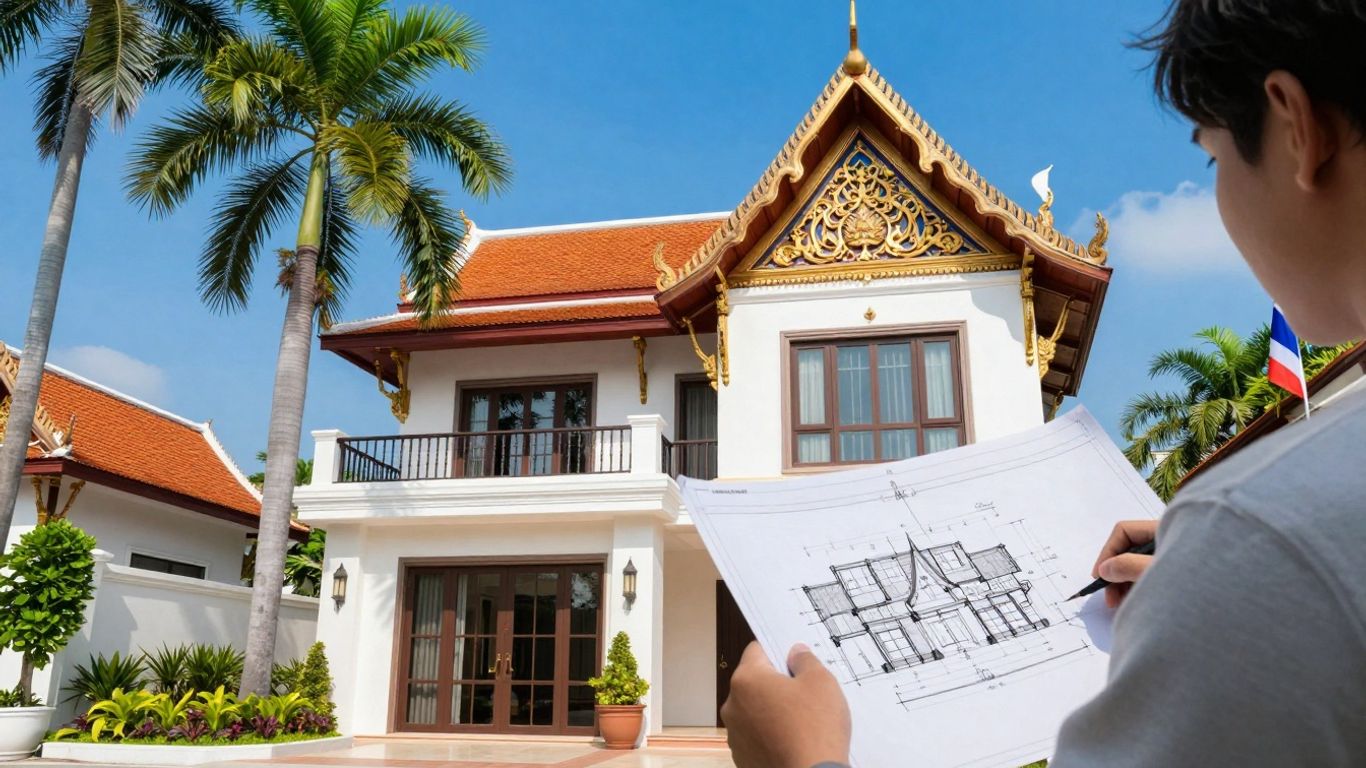
Buying property in Thailand as a foreigner might seem a bit tricky at first, but it’s definitely doable. The main thing to get your head around is that Thai law has specific rules about who can own what. Generally, foreigners can own property, but there are some important distinctions, especially when it comes to land. You can own a condo outright, as the ownership is tied to the unit itself, not the land it sits on. For land, it’s a bit more complex. While direct freehold ownership of land by foreigners is generally not permitted, there are ways around this, often involving setting up a Thai company to hold the land, or long-term lease agreements. It’s really important to get professional advice on this to make sure everything is above board.
Restrictions And Requirements For Foreign Buyers
So, what are the actual hurdles? For condominiums, foreigners can own up to 49% of the total unit space in any given building. This means if a condo building is 100 units, no more than 49 units can be owned by foreigners in total. You’ll also need to prove that the funds used for the purchase have been brought into Thailand from overseas. This is usually done via a remittance certificate from your bank. For land, as mentioned, direct ownership is tricky. If you go the company route, there are rules about Thai majority shareholding, and you’ll need to be careful about how this is structured. Leasehold is another option, where you lease the land for a long period, often 30 years, with options to renew. This gives you the right to use and occupy the property for the duration of the lease.
Ensuring Legal Compliance
This is where you really don’t want to cut corners. Making sure your property purchase is legally sound is paramount. This involves several steps. Firstly, always use a reputable lawyer who specialises in property law and has experience with foreign buyers. They’ll be able to check all the paperwork, including the title deeds, to make sure there are no hidden issues or encumbrances on the property. They’ll also guide you through the company setup or lease agreement process if that’s the route you’re taking. You’ll need to be aware of the various fees and taxes involved, which we’ll cover later, but your lawyer can give you a clear breakdown.
The Thai property market has specific regulations for foreign buyers. Understanding these rules, particularly regarding land ownership versus condominium ownership, is key. Always seek qualified legal counsel to ensure your investment is secure and compliant with all local laws. Don’t rely on hearsay; professional advice is non-negotiable.
Here’s a quick look at the main ownership routes:
- Condominiums: Direct freehold ownership is possible, subject to the 49% foreign ownership quota per building. Funds must be remitted from overseas.
- Leasehold: You can lease land or property for extended periods (e.g., 30 years, renewable). This grants you the right to use the property.
- Thai Company Ownership: Setting up a Thai company to own land is common, but requires careful legal structuring to comply with foreign ownership restrictions (typically, Thai majority shareholding).
- Thai Spouse/Partner: Purchasing property jointly with a Thai spouse can simplify ownership, but legal advice is still recommended.
Identifying Prime Locations In Phuket
Right then, picking the right spot in Phuket is a big deal, isn’t it? It’s not just about finding a nice building; it’s about finding a place that fits how you want to live or invest. Phuket’s a pretty varied island, so where you choose can change things quite a bit.
Exploring Popular Coastal Neighbourhoods
Most people think of Phuket and picture beaches, and fair enough, they’re a huge draw. Areas like Bang Tao, Surin, and Kamala are popular for a reason. They’ve got lovely sandy stretches, a good mix of restaurants and bars, and generally a more developed feel. If you’re after a bit of buzz and convenience, these are worth a look. Further south, places like Kata and Karon offer a similar vibe but can be a bit busier, especially Kata. For something a bit more laid-back but still with amenities, Nai Harn is a good shout. Then you’ve got the west coast, which is generally where the action is. The north of the island, like Mai Khao, is much quieter, more about resorts and nature, which might be exactly what some people are after.
Beachfront Vs. Hillside Property
This is a classic decision, really. Beachfront property? Well, the views are unbeatable, and you can practically roll out of bed onto the sand. It’s the dream for many, and naturally, it comes with a premium price tag. Plus, you’re right in the thick of things, which can be great or a bit much, depending on your mood. Hillside properties, on the other hand, often give you those sweeping, panoramic sea views without being directly on the beach. They can offer more privacy and a bit of a retreat from the hustle and bustle. You might find you get more space for your money up on the hills, and the breezes can be lovely. It’s a trade-off between immediate beach access and potentially better views and tranquility.
Considering Proximity To Amenities
No matter where you choose, think about what’s nearby. Are you happy to drive for groceries, or do you want a shop just around the corner? How far is the nearest good restaurant, or a decent medical clinic? If you’ve got kids, school locations become important. For investors, proximity to tourist hotspots or business centres can affect rental demand. It’s easy to get swept up in the beauty of a place, but daily life needs to be practical too.
Here’s a quick look at what some areas are known for:
| Area | Vibe | Good For |
|---|---|---|
| Bang Tao | Developed, family-friendly, good dining | Long-term stays, families, investment |
| Kata | Lively, popular beach, water sports | Holiday rentals, younger couples, surfers |
| Nai Harn | Relaxed, beautiful bay, good restaurants | Quieter living, families, beach lovers |
| Phuket Town | Cultural, local life, shopping | Authentic living, budget-conscious buyers |
| Mai Khao | Quiet, natural, luxury resorts | Secluded retreats, high-end investment |
Don’t forget to visit potential locations at different times of the day and week. What seems peaceful on a Tuesday morning might be a different story on a Saturday night. Getting a feel for the actual atmosphere is key.
Ultimately, the ‘best’ location is really down to what you’re looking for. Whether it’s a buzzing social scene, a quiet escape, or a solid investment, Phuket’s got a corner for you.
Types Of Property Available For Purchase
Phuket has a pretty wide variety of places you can buy, depending on what you’re after. It’s not just one type of thing, you know?
Villas And Private Residences
These are often the dream for many people looking to buy in Phuket. Think detached houses, usually with their own gardens and sometimes private swimming pools. They can range from quite modest family homes to seriously luxurious places with sea views and all the mod cons. If you’re looking for privacy and your own space, a villa is probably the way to go. They’re great if you plan to live there full-time or want a high-end holiday spot.
Condominiums And Apartments
Condos and apartments are super popular, especially in the more developed areas or near the beaches. They’re often part of larger developments that might have shared facilities like communal pools, gyms, and security. This is a good option if you want something a bit more low-maintenance. You don’t have to worry about garden upkeep, and often there’s a management team on hand. They can also be a good choice for rental income because they’re easy to manage.
Investment Opportunities In Commercial Property
This is a bit different from buying a place to live. Commercial property includes things like shop units, office spaces, or even entire small hotels. If you’re looking purely at making money from your investment, this could be an avenue to explore. It requires a different kind of thinking, though, focusing more on business potential and rental yields rather than personal use. It’s definitely for the more experienced investor.
Buying land is also an option if you want to build your own place from scratch. This gives you total control over the design and features, but it’s a much bigger project and you’ll need to work closely with builders and architects to make sure everything is done right and legally.
The Property Purchase Process Explained
Right then, you’ve found your dream spot in Phuket, but what happens next? Buying property here isn’t quite like popping down to the estate agent on your local high street. It’s a bit more involved, and getting it wrong can lead to a whole heap of headaches. So, let’s break down the typical journey from making an offer to actually getting the keys in your hand.
Key Steps In Buying Property
Buying a place in Phuket generally follows a structured path. It’s not usually a whirlwind affair, so patience is definitely a virtue here. Here’s a rough idea of what to expect:
- Offer and Negotiation: Once you’ve found a property, you’ll make an offer. This is often followed by some back-and-forth with the seller to agree on a price and any specific terms.
- Reservation Agreement: If you’re happy, you’ll typically sign a reservation agreement and pay a small deposit. This takes the property off the market for a short period while your lawyer gets to work.
- Due Diligence: This is where your legal representative does their homework. They’ll check all the paperwork, ownership titles, and any potential issues with the property.
- Sale and Purchase Agreement (SPA): Once due diligence is complete and satisfactory, you’ll sign the main contract. This is a legally binding document detailing all the terms of the sale.
- Deposit Payment: A larger deposit, usually around 10-30% of the purchase price, is paid upon signing the SPA.
- Completion: This is the big day! You’ll pay the remaining balance, and ownership is officially transferred. This usually happens at the Land Office.
Due Diligence And Property Inspections
This bit is super important, honestly. Before you hand over any serious money, you need to be absolutely sure about what you’re buying. A thorough inspection is non-negotiable. This isn’t just about checking if the taps work; it’s about uncovering any hidden problems.
Think about:
- Structural integrity: Are there any cracks in the walls? Is the roof sound?
- Plumbing and electrics: Are they up to standard and working correctly?
- Pest infestations: Termites or other unwelcome guests can cause serious damage.
- Legal checks: Your lawyer will confirm the title deeds are clean and there are no outstanding debts or encumbrances on the property.
Don’t be shy about asking for professional help here. A good building inspector can save you a fortune down the line by spotting issues you might miss. It’s better to spend a bit now than regret a lot later.
Transaction Timelines And Completion
How long does it all take? Well, it varies. A straightforward purchase of a completed condominium might be quicker, perhaps taking 4-8 weeks from signing the SPA to completion. Buying land or a property still under construction can take considerably longer, sometimes many months or even over a year.
Here’s a rough idea:
| Property Type | Typical Timeline (SPA to Completion) | Notes |
|---|---|---|
| Completed Condo | 4-8 weeks | Subject to clear title and financing |
| Resale Villa/House | 6-12 weeks | May involve more complex title checks |
| Off-plan Property | 12-24+ months | Depends on construction schedule |
| Land Purchase | 8-16 weeks | Requires careful title and zoning checks |
Completion itself usually happens at the local Land Office. You, your lawyer, the seller, and sometimes a representative from the developer will be there. Funds are transferred, documents are signed, and ownership officially changes hands. It’s a formal process, but once it’s done, congratulations – you’re a property owner in Phuket!
Financing Your Phuket Property
Right then, let’s talk about the money side of things. Buying a place in Phuket isn’t quite like buying a flat back home, and figuring out how to pay for it is a big part of the puzzle. While Thailand’s property market is certainly attractive, getting a mortgage as a foreigner isn’t always straightforward.
Exploring Mortgage Options For Foreigners
So, can you actually get a mortgage in Thailand as a non-Thai national? The short answer is yes, but it’s not always easy. Some Thai banks do offer home loans to foreigners, but the selection is more limited than what locals have access to. You’ll likely find that the terms and conditions are a bit tougher. Think higher interest rates and shorter repayment periods compared to loans for Thai citizens. It’s worth shopping around, but be prepared for a bit of a process.
Understanding Loan To Value Ratios
When you’re looking at a mortgage, the Loan to Value (LTV) ratio is a key figure. This basically tells you how much the bank is willing to lend you compared to the property’s value. For foreign buyers in Thailand, the LTV can often be lower than what’s offered to locals. This means you might need to put down a larger deposit upfront. For instance, a bank might offer an LTV of 70% to a Thai national but only 50% or 60% to a foreigner. It’s a good idea to have a solid chunk of cash ready for a deposit.
Considering Local Lending Institutions
While international banks might seem like an obvious first port of call, don’t discount the local Thai banks. Some of the bigger ones have departments that deal specifically with foreign clients. They’ll have a better grasp of the local market and regulations. However, you’ll still need to meet their criteria, which often involves proving a stable income and having a good credit history. It’s also worth noting that some developers might have arrangements with specific banks, which could simplify things if you’re buying off-plan.
Getting your finances sorted before you get too deep into the property search can save a lot of headaches. It helps you understand your budget realistically and avoids disappointment later on. Don’t be afraid to ask lots of questions and get everything in writing.
Here’s a rough idea of what you might expect, though remember these figures can change:
| Feature | Typical for Foreigners in Thailand | Notes |
|---|---|---|
| Loan to Value (LTV) | 50-70% | May vary significantly by bank and applicant |
| Interest Rates | Higher than local rates | Often variable, check current market rates |
| Repayment Period | Shorter than for locals | Typically up to 10-15 years |
| Deposit Requirement | 30-50% | Based on the LTV offered |
Costs Associated With Property Ownership
Right then, you’ve found your dream spot in Phuket, fantastic! But before you start picturing yourself sipping cocktails on the balcony, we need to talk about the less glamorous, but totally necessary, bits: the ongoing costs. It’s not just the purchase price, you know. Owning property here involves a few regular expenses that can add up if you’re not prepared.
Property Taxes And Transfer Fees
When you buy a property, there are a few one-off fees you’ll need to cover. These include stamp duty, transfer fees, and potentially income tax on the transfer. The exact amounts can vary depending on the value of the property and whether it’s a leasehold or freehold purchase. It’s a good idea to get a clear breakdown from your agent or lawyer so there are no surprises.
- Stamp Duty: Usually around 0.5% of the property’s value.
- Transfer Fees: Typically 2% of the property’s value, often split between buyer and seller.
- Income Tax: Varies based on ownership structure and holding period.
It’s worth noting that these fees are paid at the time of purchase and aren’t recurring, but they are a significant part of the initial outlay.
Ongoing Maintenance And Service Charges
This is where the regular costs come in. If you’re buying a villa in a managed estate or a condo, you’ll almost certainly have monthly or annual service charges. These cover things like security, communal area upkeep, swimming pool maintenance, and gardening. For standalone villas, you’ll need to budget for your own maintenance, repairs, and maybe even a gardener and pool cleaner.
- Condominiums: Service charges can range from a few thousand to tens of thousands of baht per month, depending on the facilities and size.
- Villas: While you might not have a fixed service charge, you’ll need to budget for repairs, pool cleaning, gardening, and general upkeep. This can easily run into several thousand baht a month.
Insurance Considerations
Don’t skimp on insurance! You’ll want to protect your investment. This typically includes building insurance to cover damage from fire, storms, or other natural events. If you plan to rent out your property, you’ll also need to consider landlord insurance.
- Building Insurance: Covers the physical structure of your property.
- Contents Insurance: For your belongings within the property.
- Landlord Insurance: If you’re renting it out, this covers potential issues with tenants and lost rental income.
Working With Property Professionals
Buying property in a foreign country like Thailand can feel a bit like trying to assemble flat-pack furniture without the instructions – confusing and potentially disastrous if you get it wrong. That’s where the pros come in. They’re the ones who actually know which way the Allen key turns.
Choosing A Reputable Real Estate Agent
Finding a good agent is like finding a decent cup of tea in a new town; it makes all the difference. You want someone who knows Phuket inside out, not just the tourist hotspots but the quieter spots too. They should be registered, have a good track record, and importantly, be someone you feel you can trust. A good agent will listen to what you actually want, not just try to sell you the first thing they can. They’ll have access to listings you might not find online and can often negotiate better deals. Ask around, get recommendations, and don’t be afraid to interview a few before you commit.
The Role Of A Property Lawyer
This is non-negotiable, really. A property lawyer is your legal safeguard. They’ll check all the paperwork, make sure the property title is clean, and that you’re not buying into any hidden problems. They understand the ins and outs of Thai property law, which can be a minefield for foreigners. Think of them as your translator for all things legal and bureaucratic. They’ll explain the contracts, the fees, and what your rights are. It’s a small price to pay for peace of mind.
Utilising Property Management Services
If you’re not planning on living in your Phuket property full-time, or even if you just want a hassle-free experience, property management is the way to go. These services handle everything from finding tenants and collecting rent to dealing with maintenance issues and keeping the property in good shape. It’s particularly useful if you’re looking to rent out your property for an income. They can make owning a property abroad feel a lot less like a second job.
Here’s a quick rundown of what they typically cover:
- Tenant sourcing and screening
- Rent collection and financial reporting
- Property maintenance and repairs
- Handling tenant queries and issues
- Regular property inspections
Getting professional help isn’t a sign of weakness; it’s a smart move. These people do this for a living, and their knowledge can save you a lot of time, money, and stress. It’s about making the whole process smoother and more secure.
Making An Informed Investment Decision
Evaluating Rental Yields and ROI
So, you’ve found a place in Phuket that ticks all your boxes, but is it a smart move financially? It’s not just about falling in love with the view, you know. We need to talk numbers. Rental yields are basically the income you can expect from renting out your property, minus the costs of owning it, expressed as a percentage of the property’s value. Think of it as the annual return on your investment before you even factor in any increase in the property’s price. Phuket’s tourism scene means there’s usually a decent demand for rentals, especially in popular spots. But don’t just take my word for it; you’ll want to look at what similar properties are actually renting for and what the ongoing costs are.
Calculating your potential Return on Investment (ROI) is key here. This looks at the total profit you might make from the property over a period, including rental income and any capital appreciation (the property going up in value), compared to the initial cost. It’s a bit more of a long-term view.
Here’s a rough idea of what to consider:
- Gross Rental Yield: (Annual Rental Income / Property Purchase Price) x 100. This is the simplest calculation, but it doesn’t account for any expenses.
- Net Rental Yield: ((Annual Rental Income – Annual Operating Expenses) / Property Purchase Price) x 100. This gives a more realistic picture as it includes things like management fees, maintenance, and taxes.
- Total ROI: This factors in rental income, capital appreciation, and all associated costs over the time you own the property.
Understanding Market Trends and Forecasts
Phuket’s property market isn’t static; it’s always shifting. What’s hot today might be less so tomorrow. Keeping an eye on what’s happening is pretty important if you want to make a good decision. Are new infrastructure projects planned that could make an area more desirable? Is there a surge in a particular type of property, like eco-friendly villas or serviced apartments? These trends can signal where prices might be heading.
The property market here is influenced by a mix of things – tourism numbers, global economic shifts, and even local government policies. Staying informed about these factors can help you anticipate future changes and make a more strategic purchase.
It’s worth looking at:
- Tourism statistics: How many people are visiting, and where are they staying?
- New developments: Are there major resorts or infrastructure projects on the horizon?
- Economic outlook: How is the broader Thai economy performing, and what are the forecasts?
- Government incentives: Are there any policies aimed at attracting foreign investment or boosting the property sector?
Long-Term Value and Appreciation Potential
When you’re buying property, especially in a place like Phuket, you’re probably thinking beyond just the immediate rental income. You want to know if your investment is likely to grow in value over time. This is where capital appreciation comes in. Some areas might offer lower rental yields but have a stronger potential for the property price to increase significantly over the years, perhaps due to ongoing development or increasing desirability.
Think about:
- Location, location, location: Properties in established, sought-after areas or those undergoing regeneration often see better appreciation.
- Property type: Some property types might hold their value better than others depending on market demand.
- Market stability: While Phuket is popular, understanding the general stability and growth prospects of the Thai property market as a whole is wise.
It’s a bit like planting a tree; you want to choose the right spot and the right kind of tree so it grows strong and healthy for years to come. Doing your homework now can save you a lot of headaches and hopefully lead to a profitable outcome down the line.
Preparing For Your Move To Phuket
Cost of Living Considerations
So, you’ve bought your dream place in Phuket. Brilliant! But before you pack your bags, let’s chat about what it’s actually like to live there day-to-day. The good news is, compared to many Western countries, Phuket is generally quite affordable. You can live comfortably without breaking the bank, especially if you’re savvy about where you shop and eat. Think local markets for fresh produce and street food stalls for delicious, cheap meals. Of course, if you’re planning on a more Western lifestyle, dining out at fancy restaurants and frequenting tourist hotspots regularly, your expenses will naturally climb. It’s all about finding that balance that works for you.
Here’s a rough idea of what you might spend monthly, just to give you a starting point:
| Category | Estimated Monthly Cost (GBP) |
|---|---|
| Rent/Mortgage | £300 – £1,500+ |
| Utilities (Elec, Water) | £50 – £150 |
| Food & Groceries | £150 – £400 |
| Transport (Scooter/Car) | £50 – £200 |
| Entertainment/Dining | £100 – £500+ |
| Miscellaneous | £50 – £200 |
Note: These are estimates and can vary wildly based on your lifestyle and location within Phuket.
Healthcare and Insurance
When you’re moving abroad, sorting out your health is a big one. Phuket has a decent healthcare system, with both public and private hospitals. The private ones, especially in areas like Bangkok Hospital Phuket or Dibuk Hospital, are modern and offer high standards of care, often at a fraction of the cost you might be used to back home. However, you’ll definitely want to look into private health insurance. It’s not usually a requirement for a long-term visa, but it’s highly recommended. Having good insurance gives you peace of mind, especially if you’re planning on staying long-term. Many expats opt for international health insurance plans that cover them globally or specifically in Thailand. It’s worth shopping around to find a policy that suits your needs and budget.
Settling Into Your New Home
Getting your new place sorted is more than just unpacking. You’ll want to think about things like setting up utilities – electricity, water, and internet. These are usually straightforward, but your agent or property manager can help. If your property isn’t already furnished, you’ll need to think about furniture and appliances. There are plenty of local shops and even online options for this. Don’t forget about practicalities like getting a local SIM card for your phone. For day-to-day life, familiarising yourself with local customs and learning a few basic Thai phrases will go a long way in making you feel more at home and respected. It really helps smooth the transition.
Moving to a new country is always an adventure. While Phuket offers a fantastic lifestyle, taking the time to plan for the practical aspects like finances, health, and daily living will make your adjustment much easier and more enjoyable. Don’t underestimate the value of a little preparation.
Thinking about moving to Phuket? It’s a big step, but with the right info, it can be super smooth. We’ve got all the tips you need to get ready for your new island life. From packing advice to understanding local customs, we cover it all to make your move easy peasy. Ready to start your adventure? Visit our website for the full guide!
Wrapping Things Up
So, there you have it. Buying property in Phuket might seem a bit daunting at first, especially if you’re new to the whole thing. But with a bit of homework and the right people in your corner, it’s totally doable. Remember to do your checks, understand the paperwork, and don’t be afraid to ask questions. Phuket is a fantastic place to live or invest, and getting your own little piece of paradise is well within reach. Good luck with your property adventure!
Frequently Asked Questions
Can foreigners actually buy property in Phuket?
Yes, foreigners can buy property in Thailand, including Phuket. However, there are specific rules. For instance, if you’re buying a condo, you can own it outright, but there are limits on how much foreign ownership is allowed in one building. If you want to buy land, you usually need to set up a Thai company to own it, or you might be able to lease it for a long period.
What are the main costs involved when buying a property?
Besides the price of the property itself, you’ll need to budget for several other costs. These include transfer fees, stamp duty, and taxes, which can add up to a few percent of the property’s value. There might also be fees for things like surveys or legal help. Don’t forget ongoing costs like maintenance, service charges for condos or shared facilities, and property insurance.
How long does it usually take to buy a property in Phuket?
The whole process can take a while, from a few weeks to a few months. It depends on how quickly you find a place you like, how long your checks take, and how smoothly the paperwork goes. Getting a mortgage, if you need one, can also add extra time.
Is it easy for foreigners to get a mortgage in Phuket?
Getting a mortgage as a foreigner in Thailand can be a bit tricky. While some Thai banks do offer them, the rules are often stricter than for locals. You might find that the loan amounts are smaller, the interest rates are higher, and you have to pay the loan back faster. It’s worth exploring different banks and options.
What’s the difference between buying a villa and a condo?
Villas are usually detached houses, often with their own private gardens and swimming pools. They offer more space and privacy. Condominiums, on the other hand, are apartments within a larger building complex. They often come with shared facilities like pools, gyms, and security, and are generally easier to maintain.
Why is it important to do ‘due diligence’ before buying?
Due diligence is like doing your homework thoroughly. It means checking everything about the property to make sure there are no hidden problems. This includes checking the legal ownership, making sure there are no debts on the property, and having a professional inspect its condition. It helps prevent nasty surprises later on.
Should I hire a real estate agent and a lawyer?
Absolutely! A good real estate agent knows the local market well and can help you find suitable properties and negotiate prices. A lawyer is crucial for making sure all the legal paperwork is correct and that your ownership rights are protected. They are both very important for a safe and successful purchase.
What are the popular areas to consider in Phuket?
Phuket has many different areas, each with its own vibe. Popular spots include the lively beaches like Patong, the more upscale areas like Surin and Bang Tao, and quieter, more family-friendly places like Rawai and Nai Harn. Some people prefer hillside properties for amazing views, while others want to be right on the beach. It really depends on what you’re looking for.