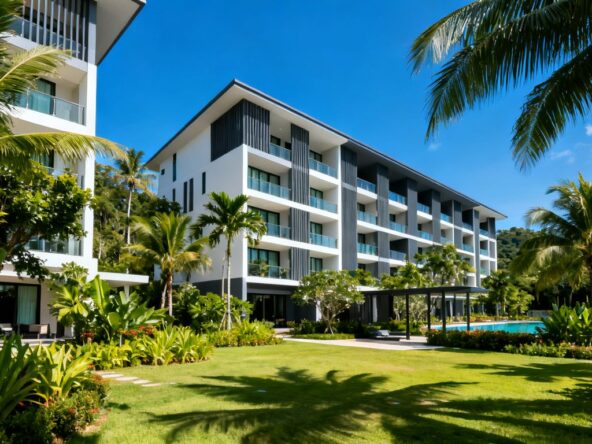


Buying a place in Phuket sounds pretty great, doesn’t it? Sun, sea, and your own slice of paradise. But honestly, it’s not quite as simple as just picking the first villa you see. The market here can be a bit of a maze, and you don’t want to end up with a headache instead of a holiday home. That’s where a good Phuket real estate agent tips come in handy. We’ve gathered some advice to help you through the whole process, from figuring out what you actually want to making sure you don’t get caught out.
Key Takeaways
- Get clear on what you need before you even start looking. Think about the type of place, how big it needs to be, where you want it, and what you can afford.
- Find a local Phuket real estate agent who really knows the island. They can show you places that fit what you’re after and help you get a good price.
- Don’t just look at one or two places. Visit a few different properties and get a feel for the areas they’re in. Take notes and pictures so you remember what you saw.
- Always get a qualified lawyer to look over everything. They’ll make sure all the paperwork is correct and that there are no nasty surprises down the line.
- Factor in all the costs, not just the price tag. Think about ongoing fees like management, taxes, and any repairs that might be needed.
Define Your Requirements
Before you even start looking at listings, it’s a good idea to sit down and really think about what you want. This isn’t just about picking a pretty villa; it’s about finding a place that fits your life and your goals.
What’s the main reason you’re buying in Phuket? Is it for a holiday home, a rental investment, or maybe a place to live permanently? Your purpose will shape everything else.
Think about:
- Who will be using the property? Just you, or will you have family and friends visiting? This affects the number of bedrooms and bathrooms you’ll need.
- What kind of lifestyle do you envision? Do you want to be close to the beach, tucked away in a quiet jungle setting, or right in the middle of the action with shops and restaurants nearby?
- What amenities are non-negotiable? A private pool? A modern kitchen? Good Wi-Fi? Maybe a gym or a communal pool?
- What’s your budget, really? Be honest with yourself. Include not just the purchase price but also ongoing costs like maintenance, taxes, and potential rental management fees.
It’s easy to get swept up in the excitement of beautiful properties, but having a clear list of your needs and wants beforehand acts like a filter. It stops you from wasting time on places that just won’t work and helps you focus on what truly matters for your Phuket dream.
Consider making a simple list or even a table to keep track of your priorities. This will be your guide throughout the entire buying process.
Research Phuket Neighborhoods
Phuket isn’t just one big beach; it’s a collection of very different areas, each with its own vibe and suitability for different types of buyers. You really need to get a feel for these places before you commit.
Think about what you actually want from your property. Are you after a quiet spot to retire, or do you want to be right in the thick of the tourist action? If you’re planning to rent it out when you’re not there, then location is everything – you need to be somewhere people actually want to go on holiday.
Here’s a quick look at some popular areas and what they’re generally known for:
- Bang Tao & Laguna: Often seen as the most versatile. Good for short-term rentals and has a bit of an international prestige about it. Prices tend to grow steadily here.
- Rawai & Nai Harn: These spots are quieter and popular with expats and families looking for longer stays. Good for a stable rental income.
- Nai Yang: It’s near the airport and still developing. Might not be the best for quick rental profits, but could be a good bet for long-term growth if you’re patient.
- Phuket Town, Chalong & Kathu: These are more local areas, serving residents rather than tourists. Stable demand, but perhaps less of a holiday feel.
It’s easy to get caught up in the hype of the most popular beaches, but sometimes, properties just a short drive away can offer more space and a more peaceful environment, while still being close enough to the action when you fancy it. Don’t discount areas that aren’t right on the main tourist drag.
Your estate agent will be a massive help here, pointing you towards areas that match your specific needs. They’ve seen it all before, so listen to their advice. It’s worth doing your own homework too, though. Look at maps, check out local amenities, and if possible, spend some time just driving around to get a feel for the place. You’ll want to know if you can walk to a shop or if you’ll need a scooter for everything.
Find A Reliable Real Estate Agent
Right then, finding a good estate agent in Phuket is pretty much step one, isn’t it? It’s not just about finding someone who knows the area; you need someone who actually listens to what you want. They should be your guide, not your pushy salesperson.
Think about it, a decent agent can save you a load of hassle. They’ve got the inside track on what’s available, sometimes even before it hits the main listings. Plus, they know the local scene – the good, the bad, and the ugly. This local knowledge is gold dust when you’re trying to figure out where to put your money.
Here’s what to look for:
- Responsiveness: Do they get back to you quickly? If they’re slow now, imagine trying to sort out a problem later.
- Understanding Your Needs: Do they seem to grasp your budget and what you’re actually looking for, or are they just trying to shift whatever’s been on the market too long?
- Transparency: Are they upfront about everything? No dodgy dealings, just clear information.
- Local Insight: Can they tell you about different neighbourhoods, developers, and what’s happening in the market?
Don’t just go with the first agent you find. Shop around a bit. Have a few chats, see who you click with and who seems genuinely interested in helping you find the right place, not just making a quick sale.
It’s a big purchase, so you want someone you can trust. They should be able to help you with negotiations too, and ideally, have a good relationship with developers, which can sometimes mean better deals for you. They’re the ones who can help you avoid costly mistakes, so pick wisely.
Visit Properties And Explore Areas
Once you’ve got a shortlist, it’s time to actually go and see the places. This is where you get a real feel for things, beyond just the photos and descriptions. Don’t just look at the house itself; really explore the neighbourhood too. Think about your daily routine. If you love a quiet morning coffee, is there a nice little cafe nearby? If you’ve got kids, how far is the nearest decent school? And what about getting around? Is public transport an option, or will you definitely need a car or scooter?
Here’s a quick checklist for your visits:
- Property Condition: Look for any obvious signs of wear and tear, damp patches, or anything that looks like it might need immediate attention. Check the plumbing and electrics if you can.
- Neighbourhood Vibe: Does it feel safe? Is it noisy or peaceful? Are there amenities you’ll use regularly?
- Accessibility: How easy is it to get to the main roads, shops, or your workplace?
- Future Development: Are there any major construction projects planned nearby that could affect noise levels or views?
It’s easy to get caught up in the excitement of a beautiful property, but remember to stay grounded. Think about the practicalities of living there day-to-day. Does the area suit your lifestyle? If you’re planning to rent it out later, would holidaymakers find it appealing?
Try to visit at different times of the day if possible. A street that’s quiet on a Tuesday morning might be a different story on a Saturday evening. This personal inspection is your chance to spot things that might not be obvious online and to really gauge if a place feels like home.
Inspect The Condition
Right, so you’ve found a place that ticks most of your boxes, but before you get too excited, it’s time for a proper look-see. Don’t skip this bit, seriously. It’s easy to get swept up in the dream of owning a slice of Phuket, but a thorough inspection can save you a massive headache and a lot of cash down the line. Think of it as giving the property a good once-over, checking for any hidden nasties.
What exactly should you be looking at? Well, a few key things come to mind:
- Structural Stuff: Have a good look at the walls, ceilings, and floors. Are there any obvious cracks? What about the roof – any signs of leaks or damage? It’s worth checking the foundations if you can get a peek.
- The Guts: Test all the plumbing. Turn on taps, flush toilets, run the shower. Are there any leaks or weird noises? Same goes for the electrics – check the sockets, switches, and the fuse box. Make sure everything feels safe and sound.
- Creepy Crawlies: Keep an eye out for any signs of pests. Termites, rodents, that sort of thing. They can do a surprising amount of damage if left unchecked.
- Windows and Doors: Do they open and close smoothly? Are the frames in good condition? Little things like this can make a big difference to comfort and security.
Ideally, you’d get a professional inspector in. They know what to look for and have the tools to spot problems you might miss. It might cost a bit upfront, but it’s usually cheaper than fixing a major issue later. If you’re buying off-plan, the inspection happens when the unit is finished, before you officially take ownership. It’s your last chance to flag any problems with the builder or developer.
This is your chance to be a bit of a detective. Don’t be shy about poking around. The more you find out now, the better prepared you’ll be for what comes next. It’s all about making an informed decision, not just a hopeful one.
Evaluate The Location
When you’re looking at places in Phuket, don’t just think about the house itself. The area around it matters a lot, maybe even more. You need to get a feel for the neighbourhood. Is it noisy? Is it easy to get around? What’s actually nearby?
Think about what you want the property for. If it’s for holidays, you’ll probably want to be close to the beach or some nice restaurants. If you’re thinking of renting it out, then being near transport links or amenities that families need, like schools or shops, could be a bigger deal. It’s not just about the famous spots; sometimes a slightly less known area with good infrastructure can be a better bet for consistent returns.
Here are a few things to check:
- Transport links: How easy is it to get to and from the property? Are there buses, taxis, or good roads?
- Local amenities: Are there shops, restaurants, banks, or medical facilities nearby?
- Proximity to attractions: How far is it from beaches, markets, or other places people want to visit?
- Future development: Is the area likely to improve or change in the coming years? Sometimes new roads or developments can really boost an area’s appeal.
It’s easy to get caught up in the dream of a beachfront villa, but sometimes a property a little further back, but with better access to daily life and transport, makes more practical sense for long-term living or renting out. Don’t overlook the everyday convenience.
Ultimately, the location can make or break your investment. Take the time to explore different parts of the island, not just the ones you see in the glossy brochures. Walk around, talk to locals if you can, and really try to picture yourself living there or imagine who would want to rent it.
Ask Questions

Don’t be shy when it comes to asking questions. Seriously, this is your chance to get all the information you need. Think of it as a fact-finding mission. You want to know everything about the property, the area, and the whole buying process.
Here are some things you should definitely ask about:
- The property itself: What’s the age of the building? Have there been any major renovations? What’s included in the sale (furniture, appliances)? What are the monthly or annual fees (if any)?
- The neighbourhood: What’s the local community like? Are there good transport links? What are the local amenities – shops, schools, healthcare?
- The legal side: What’s the ownership structure? Are there any restrictions on ownership?
- The seller’s motivation: Why are they selling? This can sometimes give you a bit of an edge in negotiations.
Your agent should be able to answer most of these, but don’t hesitate to ask the seller directly if possible, or ask your agent to find out. It’s better to have too much information than not enough. You might also want to ask about the potential for rental income if you’re considering letting it out later on.
Remember, no question is too silly. If something is unclear, ask. It’s your money and your future home we’re talking about here.
Take Notes And Photos
Right, so you’ve been looking at a few places, and they’re starting to blur together a bit, aren’t they? That’s totally normal. This is where your trusty notebook and phone camera come into their own. Don’t just wander around; make a proper record of each property. Jot down everything that comes to mind – the good, the bad, and the ‘hmm, I’m not sure about that’.
Think about things like:
- The general feel of the place – was it bright, airy, or a bit gloomy?
- Any obvious issues like damp patches, cracked tiles, or dodgy-looking wiring.
- The noise levels – could you hear traffic, neighbours, or just blissful silence?
- The condition of the kitchen and bathrooms – are they modern or in need of a serious overhaul?
And photos? Snap away. Get shots of the main rooms, but also zoom in on any potential problems you spot. A quick picture of a water stain on the ceiling or a wonky door frame can be a real reminder later on. It’s easy to forget the little details when you’re looking at several properties in one day.
It might seem like a bit of extra work at the time, but having a clear, documented record of each viewing will save you a lot of head-scratching when you’re trying to compare your options later. It helps you stay objective and remember what you actually saw, not just what you thought you saw.
This organised approach means you can look back and see exactly what stood out, good or bad, without having to rely on a hazy memory. It’s all about making an informed decision, not just a gut feeling.
Negotiate And Secure A Good Deal
Right, so you’ve found a place you like. Brilliant. Now comes the bit where you try and get it for the best possible price. Don’t just accept the asking price straight off the bat, that’s rarely the best move. Your agent should be your best mate here, helping you figure out what a fair offer looks like. They’ll know what similar places have gone for recently, which is pretty handy information to have.
Think about what the seller actually wants. Are they in a rush? Do they need a quick sale? Knowing this can give you a bit of an edge. Sometimes, offering a bit less but being able to complete the purchase quickly can be more appealing to them than a slightly higher offer that drags on.
Here’s a rough idea of how to approach it:
- Do your homework: Know the local market. What are comparable properties selling for?
- Make a sensible offer: Don’t lowball so much it offends, but don’t overpay either.
- Be prepared to walk away: If the numbers just don’t work for you, it’s okay to say no. There will be other properties.
- Consider the extras: Can you negotiate for furniture, or perhaps some repairs to be done before you move in?
Remember, negotiation isn’t just about the price. It’s about the whole package – the terms, the timeline, and any inclusions. A good deal is one where both parties feel they’ve achieved something reasonable.
If you’re looking at a property that’s still being built, there might be more room to negotiate, especially if you’re one of the first buyers. Developers sometimes offer discounts or special packages to early birds. It’s worth asking your agent to explore these possibilities. Securing a good deal now can make a big difference to your overall investment.
Hire A Qualified Lawyer
Right then, let’s talk about lawyers. When you’re buying property in Phuket, especially if you’re not a local, getting a good lawyer on your side is pretty much non-negotiable. It’s not just about having someone to sign papers; it’s about making sure you don’t end up in a sticky situation down the line. Thai property law can be a bit of a maze, and things can change, so having someone who knows their stuff is a massive help.
Think of them as your personal guide through all the legal bits and bobs. They’ll be the ones checking all the paperwork, making sure the seller actually owns the property fair and square, and that there are no hidden debts or legal claims hanging over it. They’ll also go through the sales contract with a fine-tooth comb to make sure you’re not agreeing to anything dodgy.
Here’s what a good lawyer will typically do for you:
- Verify the title deed: This is the big one. They’ll confirm it’s legitimate and that the seller has the right to sell.
- Check for encumbrances: They’ll look into whether the property has any outstanding loans or legal disputes attached to it.
- Review the sales agreement: They’ll make sure the terms are fair and protect your interests.
- Advise on ownership structures: Especially important for foreigners, they can explain options like long-term leases or company structures.
While it might seem like an extra expense, and let’s be honest, it is, the cost of a lawyer is usually a small fraction of the property price. It’s a bit like insurance; you hope you never need it, but if something does go wrong, you’ll be incredibly glad you paid for it. It’s about peace of mind, really.
Don’t just pick the first name you find. Ask your estate agent for recommendations, but also do your own digging. Look for someone who specialises in Thai property law and ideally has experience working with foreign buyers. A bit of research now can save you a whole lot of trouble later.
Verify Papers
Right, so you’ve found a place you like, maybe even put in an offer. Before you get too excited, it’s time for the nitty-gritty: checking all the paperwork. This is where things can get a bit tricky, and honestly, it’s not something you want to rush.
You absolutely must ensure the property has a clear title deed, verified by the local Land Department. This is your proof that the seller actually owns the property and has the right to sell it. Think of it like checking someone’s ID before you hand over a large sum of money – it’s that important.
Here’s a quick rundown of what to look out for:
- Title Deed (Chanote): This is the main document. Make sure it’s genuine and matches the property you’re looking at. Your lawyer will be able to confirm this.
- Building Permits: Does the property have all the correct permissions for construction? This is especially relevant for newer builds or any significant renovations.
- No Outstanding Debts or Encumbrances: You need to be sure there are no existing loans, liens, or legal disputes tied to the property that could become your problem later.
- Lease Agreements (if applicable): If you’re looking at a leasehold property, check the terms, duration, and any renewal clauses very carefully.
Don’t just take your agent’s word for it, or even your lawyer’s without understanding what they’re telling you. It’s your investment, so you need to be comfortable that everything is above board. A good agent and a solid lawyer will guide you, but the final check is on you.
It might seem like a lot, but getting this right means you avoid a whole heap of potential headaches down the line. It’s all about peace of mind, really.
Prioritize Property Management
So, you’ve found your dream place in Phuket. Brilliant! But owning property here isn’t just about the purchase itself. Whether it’s a holiday let or a place to live permanently, you’ve got to think about how it’ll be looked after. Effective property management is key to keeping your investment in good shape and hassle-free.
Think about it: who’s going to sort out any repairs if a pipe bursts? Or handle finding new tenants if you’re renting it out? These things don’t just sort themselves. You’ll want to consider a few options:
- DIY Management: This is an option if you’re living nearby and have the time and inclination to deal with everything yourself. It can save money, but it takes a lot of effort.
- Hiring a Local Agent: Many real estate agencies also offer management services. They can handle day-to-day tasks, rent collection, and tenant issues.
- Specialist Property Management Companies: These firms focus solely on managing properties. They often have established systems for maintenance, marketing rentals, and dealing with legalities.
When you’re looking at management services, it’s worth asking them about:
- Their fees and what exactly is included.
- How they handle maintenance requests and emergencies.
- Their experience with the type of property you own.
- How they screen potential tenants.
- Their reporting process – how often will you get updates?
Don’t underestimate the ongoing costs associated with property ownership. Beyond the mortgage or purchase price, factor in regular maintenance, potential repairs, service charges, and importantly, property management fees. These costs can add up, so having a clear budget for them from the start is really important.
Understand Legal Aspects
Buying property in Phuket involves more than just picking a nice villa or apartment; you’ve got to get your head around the legal side of things. It’s not always straightforward, especially for us foreigners. Thai law has specific rules about who can own what, and it’s really important to get this right from the start to avoid any nasty surprises down the line.
One of the main things to be aware of is that foreigners generally can’t own land outright in Thailand. This doesn’t mean you can’t buy property, though. There are a few ways around it:
- Long-Term Lease: You can secure a lease for the land for a significant period, often 30 years, with options to renew. This gives you the right to use and occupy the property for that duration.
- Company Ownership: You can set up a Thai limited company to own the land. This is a common method, but it comes with its own set of regulations and requires careful management.
- Freehold Ownership of Buildings: While you can’t own the land, you can typically own the building itself. This is often combined with a lease for the land it sits on.
It’s also vital to understand the documentation. The main document you’ll encounter is the ‘Chanote’, which is the title deed. A good lawyer will help you verify that the Chanote is legitimate and that there are no hidden claims or debts attached to the property. They’ll check the land registry to make sure everything is above board.
Don’t just take someone’s word for it. Always get independent legal advice. The fees you pay a lawyer are a small price to pay for the peace of mind and protection they offer. They can spot potential issues that you might miss, saving you a lot of trouble and money in the long run.
Check Market Trends
Before you even think about putting in an offer, it’s a really good idea to get a handle on what the property market in Phuket is actually doing. It’s not just about finding a nice place; it’s about making a smart investment, right?
Phuket’s property scene is pretty lively, thanks in large part to all the tourists it pulls in. This means there’s a good mix of places available, from smaller flats to really fancy villas by the beach. Understanding these trends can help you figure out if you’re getting a fair price and what the potential for your property to grow in value might be.
Here’s a quick look at what’s generally happening:
- Demand for luxury properties is on the up, especially from people buying from overseas.
- Because there’s only so much land, this demand tends to keep prices from dropping too much.
- Areas popular with tourists often see higher property values.
It’s worth looking at the average prices for different types of property. For instance, you might see something like this:
| Property Type | Median Sales Price (THB) | Median Price per Sqm (THB) |
|---|---|---|
| General | 5,810,000 | 75,700 |
Keep in mind that these are just averages. A beachfront villa in a prime spot will naturally cost a lot more than a condo further inland. It’s all about location and what the property offers.
Also, think about when you’re buying. Getting in early on a new development, often called the ‘pre-sale’ stage, can sometimes get you a better price, maybe 20-30% less than when it’s finished. You might even get extras thrown in, like furniture. Buying a property that’s already built is less risky, but you miss out on those early bird deals and potential for quick appreciation.
Avoid Underestimating Costs
When you’re looking at property in Phuket, it’s easy to get caught up in the purchase price and forget about all the other bits and bobs that add up. Don’t let unexpected expenses catch you out. Beyond the sticker price, there are several other financial considerations you absolutely need to factor in. Think about the initial costs like stamp duty, legal fees, and any agent commissions. These can add a surprising chunk to your overall outlay.
Then there are the ongoing expenses. These are the ones that can really start to bite if you haven’t planned for them. We’re talking about:
- Maintenance Fees: Especially if you’re buying into a condo or a development with shared facilities like a pool or gym. These fees keep everything running smoothly but are a regular outgoing.
- Property Taxes: There are annual taxes to consider, which vary depending on the type and value of the property.
- Utilities: Electricity, water, and internet bills are a given, and in Phuket’s climate, air conditioning can significantly bump up the electricity costs.
- Insurance: Protecting your investment with appropriate building and contents insurance is a wise move.
- Management Fees: If you plan to rent out your property, you’ll likely need a property management company. Their services come at a cost, usually a percentage of your rental income.
It’s a good idea to create a detailed spreadsheet listing all potential costs, both one-off and recurring. Get quotes where possible and add a buffer for unforeseen repairs or price increases. Being realistic about these financial commitments from the start will save you a lot of stress down the line and help you make a sounder investment decision.
Don’t forget to budget for potential renovations or furnishings if the property isn’t move-in ready. Sometimes a place looks great in the photos, but you might want to put your own stamp on it, which means more money out of your pocket. Always have a contingency fund ready for those ‘just in case’ moments.
Beware Of Scams
It’s a shame, but when you’re looking to buy property in a place like Phuket, you’ve got to keep your wits about you. There are some dodgy characters out there who try to pull a fast one. Always, always, always work with licensed real estate agents and reputable developers. If someone seems too good to be true, or they’re pushing you to make a quick decision without proper checks, that’s a massive red flag.
Scammers can be pretty slick. They might show you fake documents, promise unrealistic returns, or even try to sell you a property that isn’t actually theirs to sell. It’s not just about losing money; it’s about the stress and hassle of dealing with a fraudulent situation.
Here are a few things to watch out for:
- Unsolicited offers: Be wary of people contacting you out of the blue with amazing deals.
- Pressure tactics: Anyone rushing you into a decision is probably hiding something.
- Requests for large, upfront payments: Especially if they’re to an individual rather than a registered company or via a secure escrow service.
- Lack of transparency: If they’re cagey about paperwork or ownership details, walk away.
It’s really important to do your own homework, even if you’ve got an agent. Don’t just take their word for it. Verify everything independently. A bit of extra checking now can save you a world of pain later on.
Schedule Multiple Viewings
Don’t just pop into the first place you see and think, ‘Yep, that’s the one.’ Seriously, take your time. It’s really worth scheduling viewings for several properties so you can actually compare them side-by-side. You might think you know what you want, but seeing a few different options can really open your eyes to what’s out there and what you actually prefer.
Think of it like this:
- Get a feel for different layouts: Even if they look similar online, the actual flow and feel of a home can be miles apart.
- Compare neighbourhood vibes: What looks good on paper might feel different when you’re actually there. Is it noisy? Peaceful? Close to the shops you like?
- Spot the little things: You’ll notice details, both good and bad, that you just can’t see in photos. Maybe one has a fantastic balcony, while another has damp patches in the bathroom.
Don’t be afraid to revisit properties if you’re torn. Sometimes a second look, perhaps at a different time of day, can make all the difference in your decision.
It’s easy to get excited about a place, but seeing a few others helps keep things in perspective. You’ll get a better sense of the market and what you can realistically expect for your money. Plus, it gives you more confidence when you do eventually make an offer, knowing you’ve done your homework.
Consider Property Type
When you’re looking at property in Phuket, the type of place you’re after really matters. It’s not just about the size or the view, but what kind of ownership structure works best for you and what you plan to do with the property.
Think about whether a condominium, a villa, or perhaps even a plot of land is the right fit for your needs. Each comes with its own set of rules and benefits, especially for foreign buyers.
Here’s a quick look at the main options:
- Condominiums: These are often the easiest for foreigners to buy, with specific quotas for foreign ownership (up to 49% of the total floor area). You get full title, but it’s usually for the unit itself, not the land it sits on.
- Villas: Buying a villa can be a bit more complex. You might own the villa itself (freehold) but lease the land it’s built on, or you could opt for a long-term lease on both the property and the land.
- Land: Direct land ownership for foreigners is generally not permitted. However, you can lease land for a long period, often with options to renew, which effectively gives you control for decades.
The choice between freehold and leasehold is a significant one. Freehold offers the closest thing to outright ownership, while leasehold provides long-term usage rights, often at a lower initial cost and with a simpler registration process. It’s important to understand the implications of each for your investment.
It’s worth noting that leasehold is quite common for foreigners here, often for 30 years with two renewal options, giving you up to 90 years of use. This can be a more straightforward and sometimes cheaper route compared to navigating the complexities of freehold ownership, especially for land-based properties.
Determine Size
When you’re looking at property in Phuket, the size of the place really matters. It’s not just about having enough room to swing a cat, though that’s important too. Think about how you plan to use the property. Is it a holiday home for just you and your partner, or are you planning on bringing the whole family, maybe even renting it out to guests? The intended use will heavily influence the square footage you need.
Consider the different types of spaces you’ll want. Do you need multiple bedrooms? How many bathrooms are a must? What about living areas – a big open-plan lounge, or do you prefer separate rooms? And don’t forget outdoor space. A small balcony might be fine for a condo, but if you’re dreaming of barbecues and sun loungers, you’ll want a decent garden or terrace. It’s easy to get caught up in the excitement and forget practicalities.
Here are a few things to think about regarding size:
- Bedrooms: How many do you realistically need now and in the future?
- Bathrooms: More bathrooms often mean less morning rush hour.
- Living Areas: Do you entertain a lot? Do you need a dedicated office space?
- Kitchen: Is it a place for quick meals or gourmet cooking?
- Outdoor Space: Balcony, terrace, garden – what’s your preference?
It’s also worth looking at the layout of the space. A smaller property with a smart, open design can feel much bigger and more functional than a larger one with awkward nooks and crannies. Don’t just look at the total square metres; picture yourself living in it.
Sometimes, people get fixated on the number of bedrooms. But it’s the flow of the house and how the rooms connect that really makes a difference to daily life. A well-designed smaller home can be far more comfortable than a sprawling mansion that feels empty and hard to manage.
Think about storage too. You might not need a huge place, but if there’s nowhere to put your suitcases, your winter coats, or just everyday bits and bobs, it’ll feel cramped fast. Always walk through the property imagining where you’d put everything.
Assess Budget
Right, before you get too carried away with all the stunning villas and beachfront apartments in Phuket, let’s talk brass tacks: your budget. It sounds obvious, doesn’t it? But honestly, so many people skip this bit or don’t think it through properly, and then they’re in a pickle.
You need to have a really clear idea of what you can realistically afford, and that’s not just the sticker price. Think about the deposit, the mortgage payments if you’re getting one, and then all those extra bits that creep up. We’re talking legal fees, taxes, stamp duty, and then ongoing costs like property management, maintenance, and community fees. It all adds up, and you don’t want to be caught short.
Here’s a rough breakdown of what to factor in:
- Purchase Price: The main event, obviously.
- Deposit: Usually a percentage of the purchase price.
- Legal Fees: Budget around 1-2% of the property cost.
- Taxes & Stamp Duty: Varies, but keep a buffer.
- Transfer Fees: Paid to the Land Department.
- Ongoing Costs: Maintenance, management fees, utilities, insurance.
Don’t forget to set aside a little extra for unexpected repairs or renovations. It’s always better to have a bit of a contingency fund than to be scrambling for cash when something crops up.
It’s also worth looking into financing options early on. While getting a mortgage as a foreigner in Thailand can be a bit trickier than back home, it’s not impossible. Some international banks do offer loans, so do your homework and compare rates. Understanding the total cost of ownership from the get-go will save you a lot of headaches down the line and help you find a property that truly fits your financial picture, not just your dream one.
List Must-Have Amenities
When you’re looking at properties in Phuket, it’s easy to get swept up in the stunning views and the general vibe. But don’t forget to think about the practical stuff – the things that will make a place feel like home, or a good rental investment. What amenities are non-negotiable for you?
Think about what you really need. Is a private swimming pool a must, or would a shared one do? Do you need a garden for the kids or pets to run around in? What about parking – is it essential, especially if you plan on getting a car?
Here are a few things to consider:
- Pool: Private or communal?
- Garden/Outdoor Space: For relaxing, entertaining, or pets.
- Parking: Covered, off-street, or garage?
- Air Conditioning: Essential in Phuket’s climate.
- Internet/Wi-Fi: Reliable connection for work or streaming.
- Kitchen Facilities: Fully equipped or basic?
Don’t just look at what’s there now; think about how you’ll actually use the space day-to-day. A property might look amazing in photos, but if it lacks the basic amenities that matter to you, it could become a real pain down the line. It’s worth making a clear list before you start viewing places.
Seek Professional Assistance
Buying property in Phuket, especially from afar, can feel a bit like trying to solve a jigsaw puzzle with half the pieces missing. That’s where getting some help from the right people really makes a difference. Don’t try to go it alone; professional guidance is your best bet.
Think about it – you’re not just buying bricks and mortar; you’re investing in a lifestyle and a significant asset. Local real estate agents, for instance, have their finger on the pulse of the market. They know which areas are developing, what prices are realistic, and importantly, they can often access properties that aren’t publicly listed. They’re your eyes and ears on the ground.
Beyond agents, you’ll want to consider other professionals:
- Legal Experts: A good lawyer specialising in Thai property law is non-negotiable. They’ll check all the paperwork, explain ownership structures, and generally protect your interests. It’s a small price to pay for peace of mind.
- Property Inspectors: Before you hand over any money, get a professional to check the property’s condition. They can spot issues you’d never see, from structural problems to plumbing woes.
- Financial Advisors: If you’re financing the purchase or looking at it as an investment, getting advice on the financial side can be incredibly helpful.
Relying on professionals means you’re less likely to make costly mistakes. They’ve seen it all before and can steer you away from common pitfalls that might not be obvious to an outsider.
It’s about building a team that supports your purchase. This isn’t just about finding a house; it’s about making a sound investment and ensuring a smooth process from start to finish. So, when you’re looking at properties, also look for the right people to help you get there.
Understand Thai Property Law
Right then, let’s talk about the nitty-gritty of buying property in Thailand, specifically Phuket. It’s not quite as straightforward as buying a house back home, and there are a few things you really need to get your head around before you sign on the dotted line.
First off, the big one: ownership. As a foreigner, you can’t just buy land outright. That’s a no-go. What you can do is buy a condominium unit, provided that foreign ownership doesn’t exceed 49% of the total floor space in the building. Alternatively, you can go for a long-term lease, which usually means 30 years, with options to renew for another two 30-year periods, giving you up to 90 years in total. This leasehold option is often used for land, and you can also lease a villa or a condo this way. It’s not technically ‘owning’ the land, but for all intents and purposes during the lease term, it’s yours to use and enjoy.
Here’s a quick rundown of the main ways foreigners can hold property:
- Freehold (Condominiums): You own the unit outright, like you would expect. The catch is the 49% foreign ownership limit per building. You’ll need to use foreign currency transferred from abroad, and there’s a form to prove it. Transfer fees can be a bit higher here.
- Leasehold (Land, Villas, Condos): You get the right to use the property for a set period (usually 30 years, renewable). This is often cheaper than freehold and is a very common route for foreigners, especially for land and villas.
- Thai Company Limited: This is a more complex route where you set up a Thai company to own the land. It requires careful legal structuring and ongoing compliance, so it’s not for the faint-hearted.
It’s really important to get a clear picture of the title deeds. The most secure one is called a ‘Chanote’. Make sure whatever property you’re looking at has this, or at least a solid, verifiable title that your lawyer can confirm is clean. This document is registered with the Land Department and shows all the legal details, including ownership history and any existing claims on the property.
When you’re looking at properties, especially villas where you might be leasing the land separately from owning the building itself, make sure all the paperwork is in order for both. Your lawyer will be your best friend here, checking for any debts or legal issues attached to the property. Don’t skip this step; it’s vital for peace of mind and avoiding future headaches. It might seem a bit daunting, but with the right advice, it’s perfectly manageable.
Explore Alternative Ownership Methods
When looking to buy property in Phuket, especially as a foreigner, you’ll quickly find that outright land ownership isn’t typically on the cards. Thai law has specific rules about this, but don’t let that put you off. There are a few established ways around it, and understanding these is key to making a sound investment.
The most common routes are freehold ownership of condominiums and long-term leasehold agreements.
For condominiums, foreigners can own up to 49% of the total floor space in a building. This is the closest you’ll get to traditional ownership, giving you full title rights to your unit. You’ll need to make sure the purchase is made with foreign currency, and you’ll get a special document to prove it. It’s worth noting that transfer fees for freehold units can be a bit higher.
Then there’s leasehold. This is where you lease the property, usually for 30 years, with options to extend it twice, meaning you can have usage rights for up to 90 years. It’s a popular choice because it’s often a bit cheaper upfront – think 5-10% less than freehold. You can lease land, villas, or even condos this way. The registration process is generally simpler, and the transfer fees are lower too. You can sell your lease rights whenever you want, as long as it’s done properly through the Land Department.
Here’s a quick look at the main differences:
| Feature | Freehold (Condominiums) | Leasehold (Land/Villas/Condos) |
|---|---|---|
| Ownership Type | Full legal title | Long-term usage rights |
| Max Foreign Share | 49% of building | N/A (depends on lease terms) |
| Typical Term | Indefinite | 30 years (with renewal options) |
| Cost | Higher | Lower |
| Transfer Fees | Higher | Lower |
It’s really important to get professional advice on which method best suits your long-term plans and financial situation. Don’t just go with what seems easiest; make sure it aligns with your goals for the property, whether that’s personal use, rental income, or eventual resale.
Consider Development Status
When you’re looking at property in Phuket, it’s not just about the finished building. You’ve got to think about where it is in its development cycle. Are you eyeing a brand-new project that’s still being built, or something that’s already completed and ready to move into?
Buying off-plan, meaning before construction is finished, can sometimes get you a better price. Developers often offer early-bird discounts or more flexible payment plans to secure sales while the project is underway. It’s a bit of a gamble, sure, as you’re buying based on plans and show units, but the potential for appreciation can be quite good if you pick a popular development.
Here’s a quick breakdown of what to think about:
- Off-plan properties: These are bought while the development is still under construction. You might get a lower price and have more input on finishes, but you’ll have to wait for completion.
- Under-construction properties: Similar to off-plan, but perhaps further along. You might see more of the actual building taking shape.
- Completed properties: These are ready to go. You can see exactly what you’re getting, and you can move in or rent it out straight away. The price might be higher, though.
It’s worth remembering that even with completed properties, there can be different stages. Some might be brand new, while others might have been on the market for a while. Always ask about the age of the property and if there have been any significant renovations or issues.
Think about your own situation too. If you need a place to live right away, a completed property makes the most sense. If you’re investing and don’t mind waiting, off-plan could be a good option. Just make sure you’re comfortable with the developer’s track record and the projected completion date.
Thinking about buying property? It’s a big step, and knowing the current market is key. We’ve got the latest information to help you make smart choices. Want to see what’s available right now? Visit our website to explore properties and get expert advice.
Wrapping Things Up
So, there you have it. Buying a place in Phuket can feel like a big undertaking, but with the right advice, it’s totally doable. Remember to take your time, do your homework, and don’t be afraid to ask for help from the pros. Getting a good agent and a solid lawyer on your side makes all the difference. By following these tips, you’ll be well on your way to finding your perfect spot in this amazing island paradise. Happy house hunting!
Frequently Asked Questions
What’s the first thing I should do when thinking about buying property in Phuket?
Before you even start looking at houses, it’s a really good idea to figure out exactly what you need and want. Think about what kind of place you’re after – like a flat, a villa, or a townhouse. How many bedrooms and bathrooms do you need? And what’s your budget? Knowing this stuff helps a lot and saves you time later on.
Why is it important to research different areas of Phuket?
Phuket has lots of different neighbourhoods, and they all have their own vibe. Some are busy and near lots of restaurants and shops, while others are super quiet and peaceful. Researching helps you find an area that matches your lifestyle, whether you want to be close to the beach, good schools, or nightlife.
How can a real estate agent help me?
A good local real estate agent is like your guide. They know the market really well, can show you places that fit what you’re looking for, and can help you get a good price. They also understand the local rules and can make the whole process much smoother for you.
Should I always visit properties in person?
Definitely. Seeing a place in person is super important. You get a feel for the property and the neighbourhood that you just can’t get from photos. It’s also a good chance to check the condition of the house and ask the agent lots of questions.
What should I look out for when inspecting a property?
When you’re looking around, check everything carefully. Look for any signs of damage, like cracks in the walls or leaky taps. Make sure the plumbing and electrics seem okay. It’s also wise to check if the property has been well looked after.
Is it important to hire a lawyer when buying property in Thailand?
Yes, absolutely. Thai property laws can be a bit tricky, especially for people from other countries. A lawyer who knows Thai law can make sure all the paperwork is correct, check that the seller has the right to sell, and generally protect your interests. It’s a wise investment.
What legal documents do I need to check?
You’ll need to make sure the property has a proper title deed, which proves ownership. Your lawyer will help with this, but it’s good to be aware. They’ll also check any sale agreements and make sure everything is legitimate and that there are no hidden problems with the property’s legal status.
What are some common mistakes buyers make in Phuket?
Some common mistakes include not doing enough research on the area, not checking the property’s condition thoroughly, and not getting legal advice. Also, people sometimes underestimate the extra costs involved, like taxes, fees, and ongoing maintenance. It’s also important to be wary of potential scams and only work with trusted professionals.