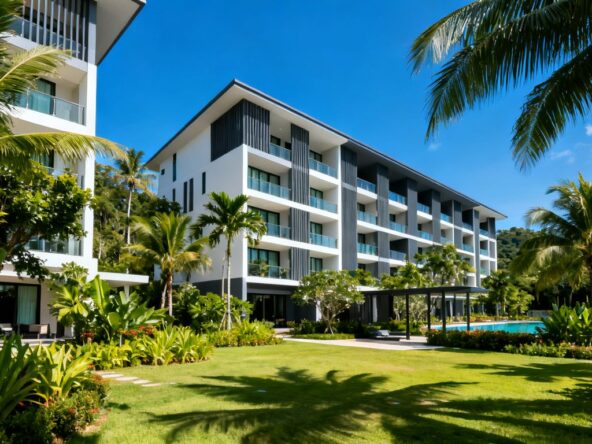


Thinking about buying property in Phuket but worried about the legal stuff? You’re not alone. Foreigners often find the process a bit tricky because of Thailand’s unique property laws. But don’t worry, with some research and the right help, you can own a piece of this paradise without any legal headaches. Let’s break down the essentials to make your property purchase as smooth as possible. This article looks at Thai residency via Phuket property and what actually works.
Key Takeaways
- Foreigners can’t own land directly in Phuket, but condos are a popular option, allowing up to 49% foreign ownership in a building.
- Leasehold agreements are common for owning villas and houses, usually lasting up to 30 years with possible renewals.
- Setting up a Thai company is an alternative way to own property, but it comes with its own legal responsibilities.
- It’s essential to hire a local lawyer familiar with Thai property laws to guide you through the buying process.
- Researching the market, understanding costs, and knowing the legal requirements are crucial steps before making a purchase.
Understanding Foreign Property Ownership in Phuket
So, you’re thinking about buying a place in Phuket? Brilliant! But before you start picturing yourself on a balcony with a sea view, let’s get our heads around how foreigners can actually own property here. It’s not quite as simple as popping down to the estate agent and signing on the dotted line, mainly because of Thai law.
Navigating Thai Foreign Ownership Laws
Thailand has specific rules about who can own what, and it’s all about keeping land in Thai hands. This means, as a foreigner, you can’t just buy land outright. It’s a bit of a cultural thing, really; land ownership is pretty significant here. The laws reflect this, so you’ll find there are certain ways around it, but you need to know what they are.
Leasehold Versus Freehold Explained
When it comes to property, you’ll mostly come across two terms: leasehold and freehold. Freehold is pretty straightforward – you own it outright. For foreigners, this is generally only possible with condominiums. You can own a condo unit, but the total foreign ownership in any one condo building is capped at 49%. It’s a common and secure way to buy.
For villas or houses, it’s usually a different story. You’ll typically enter into a leasehold agreement. This means you lease the land the property sits on for a set period, usually up to 30 years, often with an option to renew. You own the building, but not the land itself. It works, but you need to be aware of the terms, especially regarding renewals.
Here’s a quick look at the main differences:
| Feature | Freehold (Condominiums) | Leasehold (Villas/Houses) |
|---|---|---|
| Land Ownership | Foreigner owns unit, up to 49% of building capacity | Foreigner leases land for a fixed term (e.g., 30 years) |
| Property Type | Condominium units | Villas, houses, land (via lease) |
| Duration | Indefinite | Fixed term, often with renewal options |
| Simplicity | Generally more straightforward | Requires careful review of lease terms |
The Role of Thai Company Structures
Another route some people take, especially if they want to buy a villa with land or a larger plot, is setting up a Thai company. This company, which you’d control, can then legally own the land. It sounds like a good workaround, and it can be, but it’s not without its own complexities. You have to follow specific rules for setting up and running the company, and it does come with ongoing responsibilities and costs. It’s definitely something to discuss with a legal professional to see if it’s the right fit for you and if it’s structured correctly to avoid any issues down the line.
It’s really important to get professional legal advice before you commit to anything. Thai property law can be a bit of a maze, and having a good lawyer on your side makes all the difference in making sure your investment is sound and legally protected.
Securing Your Phuket Property: The Buying Process
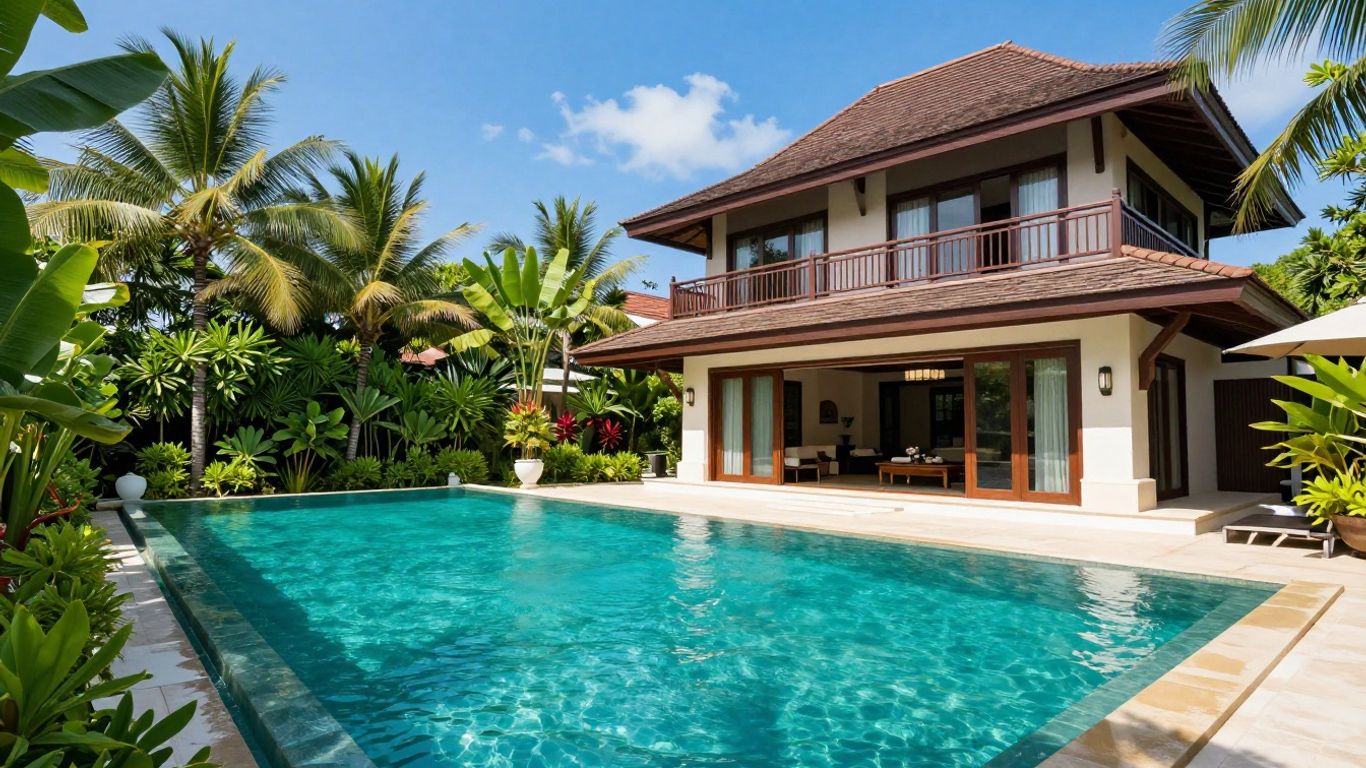
Buying property in Phuket as a foreigner might seem a bit daunting at first, especially with Thailand’s specific property laws. But honestly, it’s totally manageable if you break it down. Think of it less like a massive hurdle and more like a series of steps to get you to your dream home.
Essential Steps for Property Acquisition
So, where do you even start? First off, finding a good real estate agent is key. You want someone who really knows the local market and, importantly, understands the legal side of things. They’ll be your guide in finding the right place. Once you’ve found a property you like, the next big thing is a title search. This is basically checking to make sure the property is free and clear, with no hidden debts or claims against it. After you’re happy with everything, you’ll usually put down a deposit to reserve the property. Just be aware that this deposit is often non-refundable unless the contract says otherwise.
Key Documents and Contracts to Scrutinise
When you’re buying, you’ll come across a few important bits of paperwork. The Sales and Purchase Agreement (SPA) is probably the most significant. This document lays out all the terms of the sale – the price, the payment schedule, and what happens if someone’s late with a payment. It’s really worth getting a lawyer to look over this for you. You’ll also see the title deed, which is proof of ownership, and any permits if you’re planning to build or make changes. Don’t just skim these; read them carefully or have someone who knows what they’re doing explain them.
Engaging Real Estate Agents and Legal Counsel
Real estate agents are super helpful for finding properties and negotiating prices. They know the area and can help with the paperwork. However, they aren’t lawyers, so they can’t give you legal advice. That’s where a qualified lawyer comes in. They’ll do the deep dives into the legal checks, review all those contracts, and make sure everything follows Thai law. It’s a good idea to have both professionals on your side; they really do make the whole process smoother and help you avoid any nasty surprises down the line. For instance, if you’re eyeing a place like this modern villa in Layan, getting expert advice is a smart move before committing.
Buying property in Phuket isn’t just a quick transaction; it’s a journey. Taking the time to do your homework and getting the right people involved means you can find your perfect spot without too much stress.
Choosing the Right Property for Thai Residency
So, you’re thinking about putting down roots in Thailand, and Phuket is calling your name. That’s brilliant! But before you start picturing yourself on a beach with a cocktail, let’s talk about the actual property bit. It’s not just about finding a nice place; it’s about finding the right place that fits with your residency goals. It can feel a bit like a puzzle, but once you get it, it all makes sense.
Condominiums: A Straightforward Option
For many foreigners, condos are the easiest entry point. Thai law allows non-Thai nationals to own a condominium unit outright, provided that no more than 49% of the total floor area in the building is owned by foreigners. This is usually handled by the developer, so you just need to check the building’s ownership breakdown. It’s a pretty simple way to get your foot in the door. You get a title deed in your name, just like you would back home. Plus, many condo developments come with great facilities – think swimming pools, gyms, and security. It’s a popular choice for a reason, especially if you’re looking at places like Laguna, Phuket.
Villas and Houses: Understanding Leasehold
Now, if your heart is set on a detached villa or a house with a garden, things get a little different. Thai law generally prevents foreigners from owning land directly. Don’t let that put you off, though! The most common workaround is a leasehold agreement. This means you lease the land for a set period, usually 30 years, with options to renew for another two 30-year terms, giving you a total of 90 years. You’ll own the building on the land, and you have the right to use the land for the duration of the lease. It’s a solid arrangement, but it’s vital to have a good lawyer review the lease agreement to make sure your rights are protected.
Exploring Land Acquisition Alternatives
Beyond the standard leasehold for villas, there are a couple of other avenues, though they come with more complexity. One common method is setting up a Thai limited company. You can be a majority shareholder, but Thai nationals must hold at least 51% of the shares. This company can then own the land. It sounds straightforward, but it requires ongoing compliance with company law, annual audits, and can feel a bit more involved than direct ownership or leasehold. It’s a route many investors take, but it’s definitely worth discussing the pros and cons with your legal advisor.
Choosing the right property type is more than just a lifestyle decision; it’s a strategic move that can significantly impact your ability to secure and maintain long-term residency in Thailand. Understanding the legal frameworks surrounding ownership is key.
Here’s a quick rundown of what to consider:
- Condominiums: Easiest for direct foreign ownership, subject to building quotas. Good for hassle-free living and investment.
- Villas/Houses (Leasehold): Allows long-term use of land and ownership of the structure. Requires careful review of lease agreements.
- Thai Limited Company: Enables land ownership through a corporate structure. Involves more administrative responsibilities.
Ultimately, the best choice depends on your budget, your long-term plans, and how much administrative involvement you’re comfortable with. It’s always wise to get professional advice before making any commitments.
The Link Between Property and Thai Visas
How Visas Facilitate Property Transactions
It might not be the first thing you think of when looking at a nice villa in Phuket, but your visa status actually plays a pretty big role in how smoothly you can buy and own property here. It’s not like having a visa automatically gives you the right to buy land, but it certainly makes the whole process a lot less complicated. For instance, when you buy property, the money has to come from overseas and be converted into Thai baht. This process creates a special document called a Foreign Exchange Transaction Form (FETF), which you’ll need when you register the property. If you’re on a long-term visa, sorting this out is generally much easier than if you’re just popping in for a short holiday.
Visa Stability for Property Management
Think about it: if you’re buying a place, you’ll want to be able to actually be here to sort out any paperwork, maybe do some renovations, or even deal with tenants if you plan to rent it out. Short-stay visas mean you’re constantly having to leave and come back, which can really disrupt things. Having a visa that lets you stay for a good few years, like the Elite Visa or a retirement visa, means you can manage your property without the constant worry of your visa expiring. It just gives you peace of mind, knowing you can be present to handle whatever comes up.
The Foreign Exchange Transaction Form
This form, the FETF, is really important. It’s basically proof that the money you used to buy your property came from abroad and was properly exchanged. You get it from your bank when you transfer funds into Thailand for the purchase. The land office needs this document to register the property in your name (or your company’s name). Without it, you can’t complete the ownership transfer. Long-term visa holders usually find this process straightforward because they have the time and stability to work with their bank and the relevant authorities. It’s one of those behind-the-scenes bits that makes a big difference.
Here’s a quick look at how visa types can affect property dealings:
| Visa Type | Impact on Property Transactions |
|---|---|
| Tourist Visa | Limited ability to manage transactions; frequent travel required; FETF process can be challenging due to short stays. |
| Long-Term Visa | Easier FETF process; allows for property management and maintenance; provides stability for legal ownership registration. |
| Elite/LTR Visa | Significant convenience; extended stays simplify all aspects of property acquisition and ongoing management; residency support. |
| Retirement Visa | Facilitates property purchase and management; allows for extended stays to oversee investments and personal use. |
Having a stable visa isn’t just about staying in Thailand legally; it’s about having the practical ability to engage with the property market, manage your assets, and truly settle in without constant logistical hurdles. It underpins your ability to make a significant investment like buying property.
Visa Pathways to Thai Residency
So, you’ve got your eye on a nice bit of property in Phuket, which is brilliant. But owning a place here doesn’t automatically mean you can just pack your bags and move in permanently. You’ll need the right visa to make that happen. It’s not as complicated as it sounds, but you do need to know your options.
The Thai Elite Visa Advantage
This one’s pretty popular, especially if you’re looking for a hassle-free, long-term stay. The Thai Elite Visa, now known as the Thailand Privilege Card, offers several packages, with durations ranging from five to twenty years. It’s not cheap, mind you, but it comes with some nice perks. Think VIP airport services, and help with things like opening bank accounts. It’s essentially a long-term residency permit tied to a membership. While owning property isn’t a direct requirement, having a clear intention to reside in Thailand, which a property purchase certainly shows, can be beneficial during the application process. It’s a good option if you want to avoid the annual renewal merry-go-round and just settle in.
Long-Term Resident (LTR) Visa Benefits
More recently, Thailand introduced the Long-Term Resident (LTR) Visa. This is aimed at attracting wealthy individuals, wealthy pensioners, professionals working from Thailand, and highly skilled professionals. It offers a 10-year renewable visa, which is a pretty decent chunk of time. The financial requirements are quite high, so it’s not for everyone, but if you fit the bill, it offers a stable pathway to residency. You get things like a renewable 10-year visa, a renewable work permit if you need one, and some other bits and bobs that make life easier. It’s designed for those who plan to make a significant commitment to living and possibly investing further in Thailand.
Retirement and Other Long-Stay Visas
For those of us who are a bit older, the retirement visa is a classic. You generally need to be over 50 and demonstrate a certain level of income or savings. It’s usually a one-year visa that you can renew annually, provided you still meet the financial criteria. It’s a straightforward way to live in Thailand long-term if you’re retired and have the funds. Then there are the Non-Immigrant ‘O’ visas, which can cover various situations, including accompanying a Thai spouse or for those over 50. It’s worth looking into the specifics of the ‘O-A’ (for those over 50) and ‘O-X’ (for those over 50 wanting a longer stay) variants.
Choosing the right visa is more than just ticking a box; it’s about aligning your long-term plans with the legal framework of Thailand. Each visa type has its own set of requirements and benefits, impacting everything from how long you can stay to your ability to work or even open a local bank account. Getting this right from the start saves a lot of headaches down the line.
Here’s a quick look at some common long-stay options:
- Thai Elite Visa (Thailand Privilege Card): Longest terms (5-20 years), premium services, higher cost.
- LTR Visa: 10-year renewable, for high-income earners, wealthy retirees, skilled professionals.
- Retirement Visa (Non-Immigrant ‘O-A’/’O-X’): For those 50+, requires proof of funds, renewable annually.
- Other Non-Immigrant Visas: Can cover family ties or specific circumstances, often renewable.
Benefits of Long-Term Residency in Thailand
So, you’ve gone through the process, maybe bought a nice place in Phuket, and now you’re thinking about sticking around for a while. That’s where long-term residency really starts to pay off. It’s not just about having a place to stay; it’s about making Thailand feel like a second home, without the constant worry of visa runs or expiring permits.
Stability and Peace of Mind
Having a long-term visa means you can finally relax and truly settle in. No more checking expiry dates or scrambling for paperwork every few months. This stability is a huge relief, especially if you’re planning to be here for several years. It allows you to focus on enjoying your life, your property, and the general vibe of Thailand, rather than the administrative side of things. It’s like finally getting the keys to your own place and knowing you don’t have to move out next week.
Enhanced Access to Local Services
Living in Thailand long-term, with the right visa, makes everyday life much smoother. Think about things like opening a local bank account without a fuss, or accessing healthcare services more easily. While you can often do these things on shorter stays, having residency simplifies the process considerably. It means you’re treated more like a local resident, which can make a big difference in how you access and use services. It’s about integrating more fully into the community.
Maximising Your Phuket Investment
If you’ve invested in property, especially a villa or a condo, long-term residency lets you get the most out of it. You can use it whenever you want, rent it out more effectively, or simply enjoy it as your own personal retreat without time limits. It transforms your property from a holiday home into a genuine base. This sustained presence can also be a positive factor if you decide to sell or rent your property in the future, as it shows a commitment to the area.
Here’s a quick look at what residency can mean:
- Reduced administrative hassle: Fewer visa renewals and less paperwork.
- Smoother integration: Easier access to banking, healthcare, and other local services.
- Greater property enjoyment: Use your Phuket home as much as you like.
- Potential for further investment: A stable base can encourage more significant financial commitments.
The real benefit of long-term residency isn’t just about the legal right to stay; it’s about the freedom it grants you to build a life, not just a holiday.
For those who have chosen the Elite Visa or the Long-Term Resident (LTR) Visa, these pathways are specifically designed to provide that extended stay and all the associated benefits. They are the keys that truly open the door to making Thailand your long-term home, allowing you to fully appreciate your Phuket property and lifestyle.
Legal Due Diligence and Risk Management
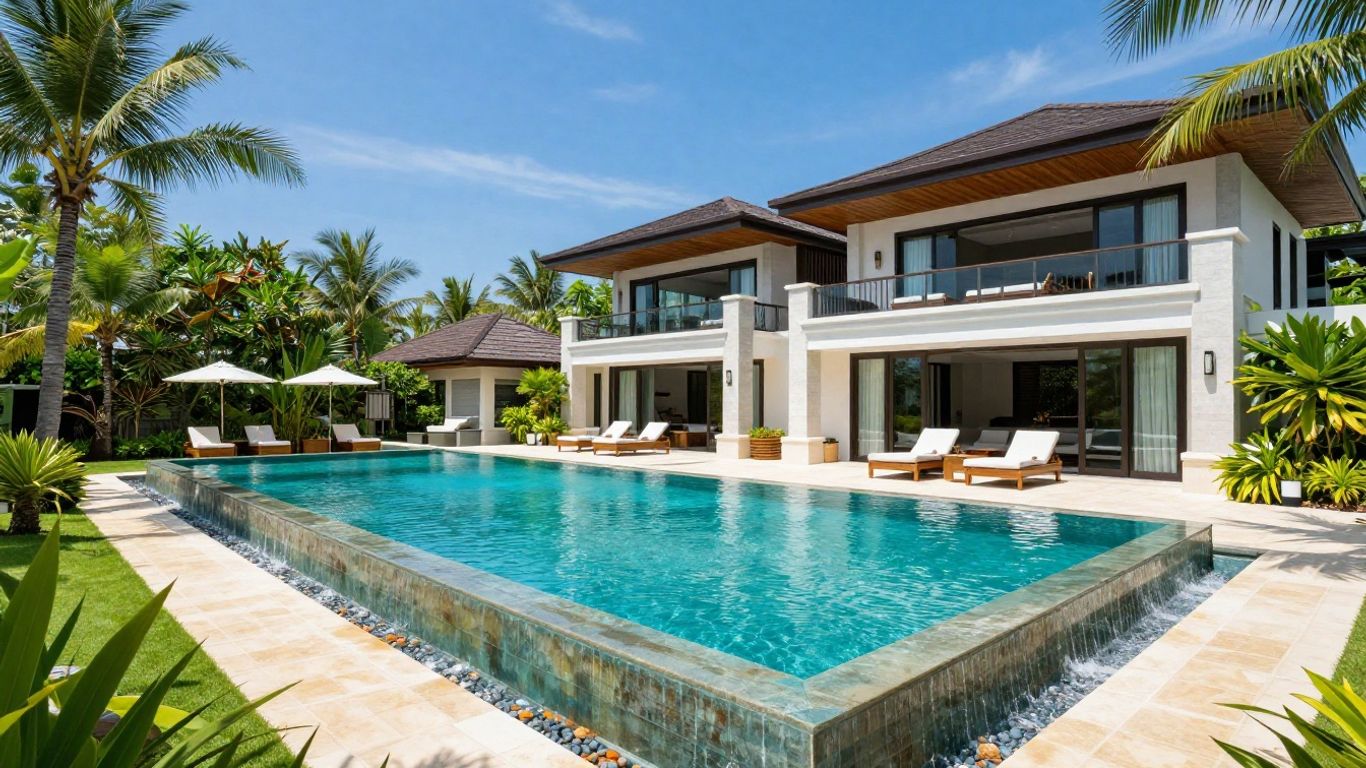
Right, so you’ve found a place in Phuket that ticks all your boxes. Brilliant. But before you start picking out paint colours, we really need to talk about the nitty-gritty: the legal checks and managing any potential risks. It’s not the most exciting part, I know, but honestly, it’s probably the most important bit to get right.
The Importance of Thorough Legal Checks
Think of this as the essential health check for your property. You wouldn’t buy a car without looking under the bonnet, would you? Same principle applies here. You need to make sure the property’s legal status is squeaky clean. This means verifying the title deeds, checking for any outstanding debts or liens attached to the property, and confirming the seller actually has the right to sell it. It’s about avoiding nasty surprises down the line. Getting a local lawyer involved is a really good idea. They understand the Thai property system and can spot things you might miss. They can help confirm the title deed is clear and that there are no ongoing legal disputes that could cause you trouble later on. It’s about making sure your investment is sound from the get-go. For example, a beautiful 3-6 bedroom villa in Layan might look perfect, but its legal standing needs to be confirmed before any money changes hands luxury villa in Layan.
Identifying Potential Property Risks
Owning property anywhere has its risks, and Phuket is no different. The market can be a bit unpredictable, so prices might go up or down. Also, laws can change, and while they’re generally designed to be clear now, it’s always wise to be aware. Then there are the ongoing costs – maintenance, management fees, that sort of thing. It’s not just the purchase price you need to budget for.
Here are a few things to keep an eye on:
- Market Fluctuations: Property values can change. It’s wise to research current market trends.
- Legal Updates: While the system is more transparent now, staying informed about any changes in property law is sensible.
- Ongoing Expenses: Factor in maintenance, service charges, and potential renovation costs.
The Thai property market has become much more transparent over the years, with digital records and clearer regulations. However, relying on outdated advice or informal channels can still lead to problems. Always stick to official channels and professional legal guidance.
Ensuring a Smooth Ownership Transfer
Once all the checks are done and you’re happy to proceed, the next step is the actual transfer of ownership. This involves a lot of paperwork, and it’s where having good legal representation really pays off. They’ll guide you through signing the contracts, registering the transfer at the Land Department, and making sure all the necessary forms, like the Foreign Exchange Transaction (FET) form, are correctly completed. This process is designed to be transparent, but it requires careful attention to detail. It’s not just about signing on the dotted line; it’s about making sure every step is legally sound and properly documented, giving you peace of mind.
| Document Type | Purpose |
|---|---|
| Title Deed (Chanote) | Proves ownership and land boundaries |
| Sale and Purchase Agreement | Outlines terms of the transaction |
| FET Certificate | Confirms foreign exchange for property purchase |
Navigating Cultural Nuances in Property Law
Right, so buying property in Thailand, especially in a popular spot like Phuket, isn’t just about the money and the paperwork. There’s a whole layer of cultural stuff that really shapes how things work, and you’ve got to get your head around it if you don’t want any nasty surprises.
Understanding the Spirit of Thai Property Law
It’s not always about reading the law word-for-word. Thai law, particularly around land, has a strong undercurrent tied to national identity and keeping land within Thai hands. This isn’t some obscure rule; it’s a deep-seated cultural value. So, when you’re looking at ownership, especially for land, the authorities and courts tend to look at the intent behind the transaction. The aim is to prevent foreigners from effectively owning large swathes of Thai land indefinitely. This means that even if a legal loophole seems to exist, it might not hold up if it goes against this core principle. It’s a bit like understanding the unwritten rules of a game – you need to know the spirit, not just the written rules.
The Cultural Emphasis on Thai Land Ownership
This cultural connection to the land is pretty significant. For centuries, land has been a primary source of wealth and identity for Thai families. This historical and cultural weight means that laws are often framed to protect this heritage. For foreigners, this often translates into the restrictions we see, like the limits on condo ownership (49% foreign per building) and the common use of leasehold agreements for houses and villas. It’s less about distrust and more about a national priority to maintain a certain balance. You’ll find that leasehold agreements, while perfectly legal and common, are structured to give you rights to use and occupy for a long period (often 30 years, renewable), but the ultimate ownership of the soil remains Thai.
Seeking Expert Legal Interpretation
Because of these cultural underpinnings, trying to figure it all out yourself can be a real headache. This is where getting a good, local lawyer becomes really important. They don’t just know the laws; they understand how those laws are applied in practice, taking into account the cultural context. They can explain why certain structures are used, what the real risks are in a lease agreement beyond the obvious, and how to structure your purchase to be as secure as possible within the Thai legal framework.
Here’s a quick rundown of why their input is so helpful:
- Explaining the ‘Why’: They can clarify the cultural reasons behind specific legal requirements, making them easier to accept and work with.
- Structuring Deals: They know the best ways to set up leaseholds or company structures that comply with the law and protect your interests.
- Spotting Red Flags: They can identify deals that might look good on paper but could be problematic due to cultural interpretations or legal grey areas.
- Negotiation: They can help negotiate terms that are fair and legally sound, considering the local perspective.
It’s easy to get caught up in the dream of owning a piece of paradise in Phuket. But remember, you’re operating within a legal system that has deep cultural roots. What might seem straightforward in your home country could have layers of complexity here. Always, always get professional advice tailored to your specific situation. It’s the best way to avoid future trouble and make sure your investment is sound.
Investment Opportunities Beyond Residential Property
While many people think of buying a home when they consider Thai residency through property, there’s actually more to it. Thailand’s economy is growing, and there are other ways to invest your money that can also help you secure a long-term visa. It’s not just about finding a place to live; it’s about making smart financial moves.
Exploring Investment in Thai Industries
Thailand is keen on attracting foreign investment into key sectors that drive its economy. Think about areas like advanced technology, agriculture, and renewable energy. Putting money into these industries can not only offer good returns but also demonstrate your commitment to Thailand’s development, which can be a plus when applying for certain long-stay visas. It shows you’re not just a tourist, but someone contributing to the country’s future.
Real Estate Investment Avenues
Beyond just buying a condo or villa for personal use, there are other property-related investments to consider. For instance, commercial properties in popular tourist spots could be a good bet. Imagine owning a small shop or a restaurant in Phuket that you lease out. Or perhaps investing in a serviced apartment complex. These kinds of investments can generate income and also strengthen your visa application. The key is to look for opportunities that align with Thailand’s economic goals.
Diversifying Your Thai Portfolio
Don’t put all your eggs in one basket, as they say. While property is a tangible asset, consider spreading your investments. This could mean a mix of property, stocks in Thai companies, or even starting a small business. The Thai government is particularly interested in attracting investors who bring capital and skills into the country. A diversified portfolio shows financial stability and a genuine interest in being part of the Thai economy.
It’s worth noting that proposed changes to foreign ownership quotas and leasehold terms are often discussed. Staying informed about these potential shifts can help you make more strategic investment decisions in the future.
Here are a few areas to explore:
- Tourism-related businesses: Given Thailand’s popularity, investing in hotels, tour operations, or related services can be lucrative.
- Technology and innovation hubs: Areas like the Eastern Economic Corridor (EEC) are being developed to attract high-tech industries.
- Agricultural advancements: Thailand has a strong agricultural base, and investing in modern farming techniques or processing facilities could be beneficial.
- Infrastructure projects: While often large-scale, there can be opportunities to invest indirectly in projects that support the country’s growth.
Thinking about putting your money into something other than houses? There are lots of other cool ways to invest your money, like in businesses or special projects. These can be a great way to grow your wealth. Want to learn more about these exciting options? Visit our website today to explore investment opportunities beyond just buying a home.
Wrapping Up: Phuket Property and Your Thai Dream
So, we’ve looked at how buying property in Phuket can be a pathway to staying in Thailand longer. It’s not always simple, especially with the rules around foreigners owning land. Condos are generally the easiest route, but if you’re after a villa, you’ll likely be looking at lease agreements. Setting up a company is another option, but that’s a whole other ball game with its own set of rules. The main takeaway? Do your homework. Get a good lawyer who knows the local scene inside out. With the right preparation and professional help, owning a piece of Phuket and potentially extending your stay can absolutely be a reality. It just takes a bit of effort to get there.
Frequently Asked Questions
Can foreigners buy land in Phuket?
Generally, foreigners can’t own land directly in Thailand. However, you can buy a condominium unit, as long as foreigners don’t own more than 49% of the total units in that building. For houses or villas, you usually lease the land for a set period, often up to 30 years, and can sometimes renew it.
What’s the difference between leasehold and freehold?
Freehold means you own the property outright, like owning a condo unit. Leasehold means you rent the land for a long time, usually 30 years, and you can live on it and use it as if it were yours during that time. Think of it like having a very long-term rental agreement for the land.
How can I buy a villa or house if I can’t own the land?
The most common way is through a leasehold agreement. You lease the land for a long period, often 30 years, and you own the building on top of it. Sometimes, people set up a Thai company to own the land, but this has its own rules and responsibilities.
Do I need a special visa to buy property in Phuket?
Buying property doesn’t automatically give you a visa or residency. However, having a long-term visa, like the Thai Elite Visa or a retirement visa, makes the process of buying and managing property much easier. It also gives you the right to stay in Thailand for longer periods.
What is the Foreign Exchange Transaction Form?
This is an important document you get when you bring money from overseas into Thailand to buy property. It shows that the money was legally exchanged into Thai Baht. You’ll need this form when you register the property ownership.
Is it safe to buy property in Phuket?
It can be safe if you do your homework. It’s super important to hire a good local lawyer who knows Thai property laws really well. They’ll check all the paperwork, make sure the property is legally sound, and help you avoid any problems.
What are the benefits of having a long-term visa and owning property?
Having a long-term visa means you can stay in Thailand for years without constant visa runs. Owning property gives you a stable place to live and enjoy. Together, they offer peace of mind, easier access to local services like banks and healthcare, and a chance to really experience life in Thailand.
Are there other ways to invest in Thailand besides buying a home?
Yes, absolutely! You can invest in other things like Thai businesses, agriculture, or tourism. Real estate investment can also go beyond just buying a home, perhaps looking into commercial properties or developments, which can help spread your investments around.