

Watch This Episode: Our Phuket Real Estate Podcast
Our podcast covers all the topics for property investors looking at buying real estate in Thailand.
Thinking about investing in boutique resorts in Thailand? You’re not alone. With its gorgeous landscapes, rich culture, and warm hospitality, Thailand is a tempting spot for investors. But before you dive in, it’s important to get a good grasp of the local market and what it takes to make a successful investment in this vibrant country. Let’s break down the key factors you need to consider before making your move.
Key Takeaways
- Thailand’s tourism market is rebounding, creating new opportunities for investors.
- Selecting the right location is vital for the success of your resort.
- Understanding local laws and financial requirements is crucial for foreign investors.
- Staying updated on trends in the hospitality sector can give you a competitive edge.
- Investing in sustainable practises can attract eco-conscious guests and enhance your resort’s appeal.
Benefits Of Investing In Boutique Resorts
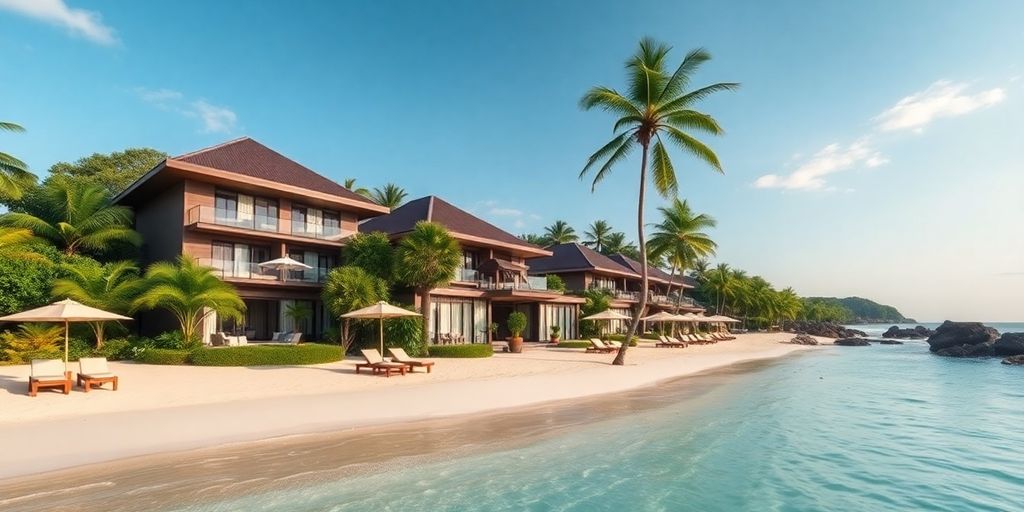
Thailand is often mentioned as a great place to invest in hotels, and there’s a good reason for that. Beyond the usual tourist attractions, boutique resorts have some special advantages.
Stunning Natural Scenery
Thailand’s landscape is incredibly varied, from the beaches in the south to the mountains in the north. This natural beauty is a big draw for tourists, and a well-placed boutique resort can really make the most of it. Imagine offering guests direct access to secluded beaches or amazing mountain views. That’s a huge selling point. The country’s natural beauty means guests can enjoy the scenery wherever they stay. Consider investing in sea view villas for a luxurious experience.
World-Class Hospitality
Thai people are known for their hospitality, and this extends to the tourism industry. You’ll find a dedication to service that’s hard to find anywhere else. It’s not just about being polite; it’s about creating a real and memorable experience for guests. This focus on hospitality can lead to high levels of customer satisfaction and repeat bookings.
Growing Economic Opportunities
Thailand’s economy has been growing for years, and while there are always ups and downs, the long-term outlook is good. This growth means more tourists, both from Thailand and abroad, and a greater need for good places to stay. Investing in a boutique resort now means you’re in a good position to benefit from this continued economic growth. Keeping up with tourism trends is important to make sure your resort appeals to modern travellers.
Investing in Thailand’s boutique resort sector offers a unique mix of natural beauty, cultural richness and economic potential. While there are challenges, the rewards can be significant for those who do their research and have a solid business plan.
Challenges Faced By Investors In Thailand
Investing in a boutique resort in Thailand sounds amazing, right? Sun, sea, sand… But it’s not all cocktails and sunsets. There are definitely some bumps in the road you need to be aware of before you jump in.
Economic Fluctuations
Thailand’s economy, like anywhere else, has its ups and downs. These changes can really affect tourism, which means they can affect how much money your resort makes. If the world economy isn’t doing great, or even if just the area around Thailand is struggling, you might see fewer tourists and your rooms might not be full. It’s a good idea to have some savings to help you get through any tough times. Right now, Thailand’s economy isn’t growing as fast as it used to, so it’s important to be realistic about how quickly you’ll make your money back.
Regulatory Hurdles
Dealing with the rules and laws in Thailand can be tricky, especially if you’re not from there. It’s important to understand the laws, what licences you need, and how you can own property. Here are a few things to keep in mind:
- Foreign Business Act (FBA): This law stops foreigners or companies owned by foreigners from doing over 50 different types of business in Thailand.
- Land Ownership: If you’re a foreign investor and you want to own land in Thailand to build a hotel, you’re going to face some challenges because of the country’s property laws.
- Labour Laws: You need to know and follow Thai labour laws, including the rules about hiring people, how much you have to pay them, and what their working conditions should be.
Getting through all the official processes can take a lot of time and be frustrating. It’s often a good idea to get help from local lawyers and financial advisors who know all the details of Thai regulations.
Market Competition
The Thai hospitality market is pretty busy, with lots of well-known international and local brands. To stand out, you need something special that makes people want to choose your resort over all the others. This could be anything from a unique design to amazing service or a really special location. You’ve got to find a way to attract environmentally conscious guests and make your resort memorable.
Finding The Right Location For Your Resort
Okay, so you’re thinking about a boutique resort in Thailand? Ace! But where do you even start? Location is absolutely key. It’s not just about finding a pretty beach; it’s about finding the right pretty beach (or mountain, or jungle spot). A dodgy location can sink your resort, no matter how fancy the rooms are. Let’s have a look at what to think about.
Popular Tourist Destinations
Thailand’s got loads of popular spots, each with its own vibe. You’ve got the mad beaches of Phuket and Koh Samui, the culture in Chiang Mai, and the chilled-out scenery in Krabi. Knowing who goes where is really important. For example:
- Phuket: Think nightlife, fancy resorts, and a mix of families, couples, and party animals.
- Chiang Mai: More for culture vultures, nature lovers, and those after a relaxing time.
- Koh Samui: A bit of both, popular with honeymooners and families.
Accessibility Considerations
How easy is it for people to get to your resort? This is a biggie. If it’s a nightmare to reach, people won’t bother, no matter how amazing it looks in the pictures. Think about:
- Airports: How far away is the nearest airport? Are there regular flights?
- Roads: Are the roads decent? Are they likely to get washed out in the rainy season?
- Public Transport: Is there any public transport nearby? Can people easily get around without renting a car?
Local Amenities
What’s nearby? Are there shops, restaurants, and other things to do? People don’t want to be completely isolated, unless that’s the whole point of your resort. Consider:
- Restaurants and Bars: Are there enough places to eat and drink nearby? Are they any good?
- Shops: Are there shops for essentials? What about souvenirs?
- Activities: What activities are available nearby? Are there beaches, temples, or other attractions?
It’s easy to get carried away with the idea of a secluded paradise, but remember, people still need access to basic amenities. A balance between seclusion and convenience is key to attracting and retaining guests. Don’t forget to check out the investment opportunities in Kalim, Phuket for a prime location.
Evaluating Potential Returns On Investment
Factors Influencing ROI
Okay, so you’re eyeing up a boutique resort investment in Thailand? Sounds good, but let’s talk numbers. Working out your potential return on investment (ROI) is super important. Loads of things can affect how much you actually make. The current economic climate in Thailand plays a big part – it’s not exactly booming right now, so keep your expectations realistic. Location is key, and so are the amenities you offer. Basically, you need to weigh up all the costs against how much money you think you’ll bring in. Don’t forget to factor in marketing costs – getting the word out there isn’t free!
Importance Of Location
Location, location, location! It’s not just a saying; it’s the truth. Where your resort is located can seriously impact your ROI. A resort in a popular tourist spot will probably do better than one in a more remote area. Think about it: easy access to beaches, attractions, and transport can make a huge difference. But, prime locations often come with a higher price tag, so you need to balance the cost with the potential income. Also, consider the type of tourists the location attracts. Are they high-spenders? Do they stay for long periods? These things matter. If you’re looking at luxury beachfront land, consider how accessible it is to key attractions.
Market Demand Analysis
Before you sign on the dotted line, you need to do some serious market research. Who is your target audience? What are they looking for in a resort? What are your competitors doing? Understanding the market is crucial for predicting your occupancy rates and revenue. Look at occupancy rates of similar resorts in the area. Are they consistently full, or are they struggling to attract guests? Also, consider seasonal variations in demand. Thailand has a high season and a low season, and your ROI will be affected by these fluctuations.
It’s easy to get caught up in the excitement of investing in a beautiful resort, but don’t forget the boring stuff. Do your research, crunch the numbers, and be realistic about your expectations. A bit of planning can save you a lot of headaches (and money) down the road.
Understanding The Thai Hospitality Market
Current Trends In Tourism
Thailand’s hospitality sector is a major driver of the economy, with tourism being super important. In recent years, there’s been a rise in fancy resorts and boutique hotels, especially in places like Phuket. These places are for travellers wanting high-end experiences. This growth is because people have more money to spend and Thailand is known as a great holiday spot. It’s worth keeping an eye on Bangkok’s hotel sector as it’s expected to do well in 2025.
Consumer Preferences
What do tourists actually want? That’s the big question. It’s not just about a bed for the night anymore. People are after experiences. They want something unique, something they can’t get anywhere else. This could be anything from cooking classes to guided tours of local temples. Also, eco-tourism is becoming increasingly popular, so resorts that are environmentally friendly are likely to attract more guests.
Here’s a few things to consider:
- Authenticity: Guests want to feel like they’re experiencing the real Thailand, not just a tourist trap.
- Personalisation: Tailoring services to individual needs can make a big difference.
- Value for money: It’s not always about being the cheapest, but offering a fair price for the experience.
Competitive Landscape
The Thai hospitality market is pretty competitive, with lots of international and local brands. To stand out, you need something special. What makes your resort different? Is it the location, the design, or the service? Effective marketing is also key. You need to reach the right people and show them why your resort is the best choice. Don’t forget about customer experience. Happy guests are more likely to come back and tell their friends. Consider investing in sea view villas for a luxurious experience.
Standing out from the crowd requires a unique selling proposition and effective marketing. What makes your boutique resort special? Is it the location, the design, the service, or something else?
Legal Considerations For Foreign Investors
Investing in a boutique resort in Thailand can be exciting, but it’s important to understand the legal landscape, especially for foreign investors. It can seem daunting, but with the right preparation, it’s manageable.
Property Ownership Laws
One of the biggest hurdles is land ownership. Thai law generally restricts foreigners from directly owning land. The Land Code Act of 1954 is the main piece of legislation here, aiming to keep control of land within Thailand. There are, however, ways around this, such as:
- Leasehold agreements: You can lease land for an extended period (often up to 30 years, with options to renew).
- Establishing a Thai company: Foreigners can own up to 49% of a Thai limited company, which can then own land. However, this comes with its own set of regulations and complexities.
- BOI promotion: The Board of Investment (BOI) can grant permission for foreign-owned companies to own land if the investment benefits the Thai economy.
Licencing Requirements
Operating a resort requires various licences and permits. The specifics depend on the size and nature of your resort, but generally include:
- Hotel Licence: This is essential for operating a hotel or resort. The application process can be lengthy and requires meeting certain standards.
- Building Permits: Necessary for any construction or renovation work.
- Food and Beverage Licences: If you plan to serve food and drinks, you’ll need the appropriate licences.
- Business Licence: A general licence to operate a business in Thailand.
Navigating Local Regulations
Dealing with Thai bureaucracy can be tricky. It’s often a good idea to get help from local legal and financial advisors who know the ins and outs of Thai regulations. They can help you with:
- Understanding the Foreign Business Act (FBA): This act restricts certain business activities for foreigners. Owning a hotel can fall under these restrictions unless you obtain a Foreign Business Licence or BOI promotion.
- Labour laws: You need to understand and follow Thai labour laws, including regulations on hiring, wages, and working conditions.
- Taxation: Understanding Thai tax laws is crucial for managing your finances effectively.
It’s important to remember that Thai laws and regulations can change, so staying up-to-date is essential. Engaging with local experts can save you time, money, and potential legal issues in the long run. Also, Minor Hotels is expanding, so the market is dynamic.
Marketing Strategies For Boutique Resorts
Targeting The Right Audience
Knowing who you’re trying to attract is half the battle. Are you aiming for families, couples, solo travellers, or a specific niche like wellness enthusiasts? Defining your target audience informs everything from your branding to your advertising. Think about their demographics, interests, and travel habits. For example, if you’re targeting luxury travellers, you’ll want to focus on high-end amenities and exclusive experiences. If you’re after budget-conscious backpackers, a different approach is needed. Understanding your audience helps you tailor your message and choose the right marketing channels. It’s also worth looking at tourism trends to see what modern travellers are after.
Utilising Digital Marketing
In today’s world, a strong online presence is essential. A well-designed website is your digital shopfront, but it’s just the start. Search engine optimisation (SEO) is key to making sure potential guests can find you when they search for hotels. Consider these points:
- Content is important: Regularly update your website with fresh, engaging content, such as blog posts about local attractions or travel tips.
- Social media: Use platforms like Instagram and Facebook to showcase your resort’s unique features and engage with potential guests. Run targeted ads to reach specific demographics.
- Email marketing: Build an email list and send out newsletters with special offers, promotions, and updates about your resort.
It’s important to keep up with the latest trends in the Thai hospitality sector. This includes things like the growing popularity of eco-tourism and the increasing use of technology in hotels. By understanding these trends, investors can make sure that their resort is well-positioned for success.
Building A Strong Brand
Your brand is more than just a logo; it’s the overall impression your resort creates. What makes your boutique resort special? Is it the location, the design, the service, or something else? A strong brand helps you stand out from the competition and attract loyal customers. Consider these elements:
- Unique selling proposition: What makes your resort different from other places to stay? Highlight this in your marketing materials.
- Visual identity: Create a consistent visual style across your website, social media, and other marketing channels. Use high-quality photos and videos to showcase your resort’s beauty.
- Customer experience: Providing an exceptional customer experience is essential for building loyalty and positive word-of-mouth. Encourage guests to leave reviews and testimonials.
Sustainability Practises In Resort Management
Sustainability isn’t just a buzzword anymore; it’s a core expectation, especially in the hospitality sector. Guests are increasingly aware of their environmental footprint and actively seek out resorts that prioritise eco-friendly practises. This isn’t just about feeling good; it’s about the long-term viability of the business. Boutique resorts that embrace sustainability are more likely to attract environmentally conscious travellers and gain a competitive edge.
Eco-Tourism Trends
Eco-tourism is booming, and boutique resorts are perfectly positioned to capitalise on this. It’s about more than just putting out recycling bins. Think about offering experiences that connect guests with nature, like guided hikes, bird-watching tours, or visits to local farms. It’s also about minimising the resort’s impact on the environment. For example, a sustainable resort could focus on using locally sourced materials for construction and decor, reducing transportation emissions and supporting local artisans.
Implementing Green Initiatives
Going green involves a range of practical steps. Here are a few ideas:
- Energy Efficiency: Switch to LED lighting, install solar panels, and use energy-efficient appliances. Consider smart systems that automatically adjust lighting and temperature based on occupancy.
- Water Conservation: Implement water-saving fixtures in bathrooms and kitchens. Collect rainwater for irrigation and cleaning purposes.
- Waste Reduction: Implement a comprehensive recycling programme, compost food waste, and reduce single-use plastics. Partner with local suppliers who use sustainable packaging.
- Sustainable Sourcing: Prioritise locally sourced food and beverages to reduce transportation emissions and support local farmers. Choose eco-friendly cleaning products and toiletries.
It’s important to remember that sustainability isn’t just about ticking boxes. It’s about creating a culture of environmental responsibility throughout the resort, from staff training to guest education. It’s about making a genuine commitment to protecting the environment and supporting local communities.
Attracting Environmentally Conscious Guests
Attracting eco-conscious guests requires clear communication and transparency. Highlight your sustainability initiatives on your website, in your marketing materials, and throughout the resort. Consider obtaining eco-certifications to demonstrate your commitment to sustainability. Partner with environmental organisations to promote your efforts and reach a wider audience. Make sure your marketing strategies are aligned with your sustainability values.
Financing Options For Resort Investments
Local Banking Solutions
Navigating the world of finance in a foreign country can feel daunting, but Thailand has a well-established banking sector. Many local banks are willing to work with foreign investors, especially on projects that promise to boost the local economy. However, be prepared for a thorough application process. They’ll want to see detailed business plans, financial projections, and proof of your ability to repay the loan. It’s also worth noting that interest rates and terms can vary significantly, so shop around and compare different loan options before committing.
International Financing
If local banks aren’t the right fit, international financing could be an option. This might involve securing loans from banks in your home country or seeking investment from international funds that specialise in hospitality projects. The advantage here is that you might find more favourable terms or access larger sums of capital. However, international financing often comes with its own set of challenges, including currency exchange risks and complex legal requirements. You’ll need to factor these into your calculations to ensure it remains a viable option. International financing can provide access to larger capital sums and potentially more favourable terms compared to local options.
Investment Partnerships
Consider partnering with other investors to pool resources and share the risk. This could involve teaming up with other foreign investors, local business people, or even a combination of both. Joint ventures can be a great way to tap into local knowledge and networks, which can be invaluable when navigating the Thai business landscape. Just make sure you choose your partners carefully and establish clear agreements from the outset to avoid any misunderstandings down the line.
Securing funding for a resort investment is a critical step. Thoroughly research all available options, compare terms, and seek professional advice to make an informed decision. A well-structured financing plan can significantly impact the success and profitability of your venture.
Here’s a quick look at some potential funding sources:
- Local Thai Banks
- International Banks
- Private Equity Firms
- Angel Investors
The Role Of Technology In Hospitality
Technology is changing the game for boutique resorts. It’s not just about having Wi-Fi anymore; it’s about creating a better experience for guests. Let’s have a look at how technology is shaping the hospitality sector in Thailand.
Smart Resort Features
Smart resort features are becoming increasingly popular. These features can range from simple things like smart TVs to more complex systems like automated lighting and temperature control. Think about it: guests can adjust the room temperature from their phones or use voice commands to turn on the lights. This not only adds a touch of luxury but also helps to conserve energy. Here are some examples:
- Keyless entry systems
- Smart thermostats
- Voice-activated assistants
Online Booking Systems
Online booking systems are a must-have for any modern resort. Guests expect to be able to book their stay quickly and easily online. A good booking system should be user-friendly, mobile-optimised, and secure. It should also integrate with other systems, such as payment gateways and channel managers. This makes managing bookings much easier and reduces the risk of errors. You can even offer vacation rentals through these systems.
Guest Experience Enhancements
Technology can also be used to enhance the guest experience in many ways. For example, resorts can use apps to provide guests with information about the resort, local attractions, and activities. They can also use technology to personalise the guest experience, such as by offering tailored recommendations based on their preferences. Here are some ways to improve the guest experience:
- Personalised welcome messages
- Digital concierge services
- Interactive maps and guides
Technology is not just about making things easier for the resort staff; it’s about creating a more enjoyable and memorable experience for the guests. By embracing technology, boutique resorts can stand out from the competition and attract a new generation of travellers.
Cultural Considerations When Operating A Resort
Understanding Local Customs
Running a resort in Thailand isn’t just about providing a bed and a beach view; it’s about immersing yourself, and your guests, in the local culture. Respect for Thai customs is absolutely key. This means understanding things like the importance of the monarchy, religious practises, and social etiquette. For example, avoid pointing your feet at people or religious icons, dress modestly when visiting temples, and always ask for permission before taking someone’s picture. A little effort to learn and respect these customs goes a long way in building positive relationships with the local community and ensuring a smooth operation. You might want to consider offering cultural sensitivity training to your staff, so they can also interact with guests and locals in a respectful and appropriate manner. It’s a win-win.
Engaging With The Community
Your resort shouldn’t exist in a bubble. It’s vital to engage with the local community and build strong relationships. This could involve:
- Sourcing products and services locally, supporting local businesses and reducing your environmental footprint. For example, buying fresh produce from nearby farms or hiring local artisans to create handicrafts for your gift shop.
- Participating in community events and initiatives, showing your commitment to the area and building goodwill. This could be anything from sponsoring a local school event to participating in a beach clean-up.
- Offering employment opportunities to local residents, providing them with a fair wage and training opportunities. This not only benefits the community but also helps you build a loyal and dedicated workforce.
Integrating with the community isn’t just a nice thing to do; it’s good business. It helps you build a positive reputation, attract guests who are looking for authentic experiences, and create a more sustainable and resilient business.
Promoting Cultural Experiences
Guests are increasingly looking for authentic experiences that go beyond the typical tourist traps. Your resort can play a role in promoting Thai culture by:
- Offering cooking classes where guests can learn to prepare traditional Thai dishes. This is a fun and interactive way for them to learn about Thai cuisine and culture.
- Organising excursions to local temples, markets, and historical sites, providing them with a deeper understanding of the area’s history and culture. Make sure to hire knowledgeable local guides who can share their insights and stories.
- Hosting traditional Thai dance or music performances at the resort, showcasing the country’s rich artistic heritage. This can be a great way to entertain guests and introduce them to different aspects of Thai culture.
By offering these kinds of experiences, you can attract guests who are genuinely interested in learning about Thai culture and create a more memorable and enriching stay. It’s also a great way to review financial statements and boost your resort’s appeal.
Future Outlook For Boutique Resorts In Thailand
It’s worth considering what the future holds for boutique resorts in Thailand. While there have been a few bumps in the road recently, the overall picture looks promising for those thinking about investing. Let’s have a look at some key areas.
Predicted Tourism Growth
Thailand’s tourism industry is expected to bounce back strongly. The country is still a popular destination, and with travel restrictions easing, visitor numbers are predicted to rise. This is great news for boutique resorts, as it means more potential customers. The tourism trends are expected to continue, with more people looking for unique and authentic experiences. This is where boutique resorts can really shine, offering something different from the larger chain hotels.
Emerging Markets
While traditional markets like Europe and North America remain important, there’s a growing interest from emerging markets such as China and India. These markets have a large and increasingly affluent population, and many people are keen to travel. Boutique resorts that can cater to the specific needs and preferences of these travellers are likely to do well. This might involve offering different types of cuisine, providing translation services, or tailoring activities to suit cultural interests.
Long-Term Investment Potential
Investing in a boutique resort in Thailand isn’t just about short-term gains; it’s about long-term potential. The Thai economy is expected to continue growing, and the tourism industry is likely to remain a key driver of this growth. This means that a well-managed boutique resort in a good location has the potential to generate significant returns over the long term. Of course, there are risks involved, but with careful planning and a good understanding of the market, investing in a boutique resort can be a sea view villas choice.
It’s important to remember that the future is never certain. However, by keeping up to date with the latest trends and developments, and by focusing on providing a high-quality experience for guests, boutique resorts in Thailand can position themselves for success in the years to come.
The future for boutique resorts in Thailand looks bright. With more people seeking unique and personal travel experiences, these resorts are set to grow in popularity. They offer a chance to enjoy the beautiful scenery and rich culture of Thailand in a more intimate setting. If you’re thinking about investing in this exciting market, visit our website to learn more about the best opportunities available!
Final Thoughts on Investing in Thailand’s Boutique Resorts
So, is investing in a boutique resort in Thailand a good idea? It really depends on what you’re looking for. The country is beautiful, and it has a lot to offer tourists, which is a big plus. But let’s be real, the economy isn’t exactly booming right now, so don’t expect to get rich overnight. Location is super important too; some areas are buzzing with tourists while others are a bit quieter. If you do your research and know the market, there’s definitely a chance to make a profit. Just keep your expectations realistic and be prepared for some ups and downs along the way.