


Phuket is a beautiful island, and lots of people want to buy property there. It’s a dream for many, but unfortunately, it’s also a place where scams can happen. You might see amazing deals or hear promises that sound too good to be true. This guide is here to help you spot these Phuket property scams to avoid and make sure your investment is safe, so your dream doesn’t turn into a costly mistake.
Key Takeaways
- Always check land titles at the Land Department to make sure they are real and that the seller actually owns the property.
- Be very suspicious of any promises about guaranteed investment returns; these are often a trick.
- Find a real estate agent who is licensed and has good references. Don’t just trust anyone.
- Buying property that’s still being built (off-plan) is risky. Make sure the developer is well-known and has finished projects before.
- Get a lawyer who knows Thai property law to look over all the paperwork before you pay anything.
Understanding Common Phuket Property Scams
Phuket is a dream destination for many, whether you’re looking for a holiday home or a solid investment. The property market here is buzzing, but like any popular spot, it attracts its fair share of dodgy dealings. It’s easy to get caught out if you’re not careful, and nobody wants their dream property turning into a financial headache. So, let’s talk about some of the common traps people fall into and how you can steer clear of them.
Recognising Red Flags in Property Deals
Spotting a dodgy deal before you commit is key. Scammers often rely on buyers being a bit too eager or not knowing what to look for. Keep an eye out for these warning signs:
- Deals that seem too good to be true: If a stunning villa is suddenly on the market for half its usual price, ask yourself why. There’s usually a reason, and it’s rarely good news for the buyer.
- High-pressure sales tactics: Anyone pushing you to make a decision right now without giving you time to think or get advice is probably not acting in your best interest.
- Lack of clear documentation: If the seller or agent is vague about paperwork, title deeds, or permits, that’s a big red flag. Everything should be transparent and readily available for inspection.
- Unwillingness to meet in person: Especially if you’re dealing with an agent, if they constantly avoid face-to-face meetings or insist on only communicating online, be suspicious.
Scammers often create a sense of urgency or exclusivity to rush potential buyers into making hasty decisions. They might claim there are multiple other interested parties or that the offer is only valid for a very short period. Always resist this pressure and take the time you need to verify everything.
The Dangers of Guaranteed Investment Returns
Phuket’s property market can offer good returns, but promises of guaranteed high profits are often a scam. Developers or agents might promise you a fixed percentage return on your investment year after year, sometimes for a decade or more. While some legitimate rental management schemes exist, these guarantees can be incredibly risky.
- Unrealistic Promises: Often, the promised returns are simply not achievable in the real market. The developer might not have the financial stability to actually pay out.
- Lack of Security: These guarantees are frequently not backed by any real financial security. If the developer runs into trouble, those guaranteed payments stop, and you could lose your initial investment too.
- Hidden Fees: Even if they do pay out, there might be numerous hidden fees and charges that eat away at your supposed profits, leaving you with much less than you were led to believe.
Beware of Fake Property Listings
This is a classic scam. You see an amazing property online – perfect location, great price – and you get excited. Scammers create these fake listings to lure you in. They might use photos stolen from other websites or even create entirely fictional properties.
- How it works: They’ll ask for an upfront deposit or booking fee to secure the property. Once they have your money, they vanish. Poof. Gone. You’re left with nothing, and the property likely never existed in the first place.
- Verification is key: Always try to view the property in person or arrange a live video tour. Check if the listing appears on multiple reputable sites. If an agent is involved, verify their credentials independently.
It’s all about doing your homework. Don’t let the allure of a beautiful beachside villa blind you to potential problems. A little caution goes a long way in securing your investment in Phuket.
Navigating Land Title and Ownership Frauds
Right, so you’ve found a place in Phuket that looks like your dream home, or maybe a solid investment. Before you get too excited and start picking out paint colours, we need to talk about something really important: land titles and ownership. It’s not the most glamorous part of buying property, but honestly, it’s where some of the nastiest scams hide. Getting this wrong can turn your dream into a legal and financial headache.
The Perils of Forged Land Titles
This is a big one. Scammers can create fake versions of official land documents, like the Chanote title, which is the most secure type. They might sell land they don’t actually own, or worse, sell the same plot to several different people. You think you’re buying a slice of paradise, only to find out later that the Land Department says it belongs to someone else entirely. It’s a classic trick, and it can leave you out of pocket and with nothing to show for it. Always, always verify the authenticity of the title deed. Don’t just accept a scanned copy; insist on seeing the original and have it properly checked.
Understanding Illegal Nominee Structures
Because foreigners can’t directly own land in Thailand, some people set up ‘nominee’ companies to hold the property. While this can be done legally, dodgy operators exploit this system. They might set up a company where they control the shares, effectively owning the land while a foreigner is technically the investor. This leaves the foreign buyer vulnerable. If the nominee company’s directors act against your interests, or if the structure isn’t set up correctly according to Thai law, you could lose your investment. It’s vital to ensure any company structure used for ownership is legitimate and that you have proper control and safeguards in place.
Protecting Yourself Against Leasehold Deceptions
Leasehold is another common way foreigners own property in Thailand, usually for 30-year terms. It sounds straightforward, but scams can still happen. Some agreements might have hidden clauses that allow the landlord to terminate the lease early, or the lease might not be properly registered, making it weak. You could end up paying for a lease that isn’t legally sound. Always have a lease agreement reviewed by a qualified lawyer. Make sure the lease is registered at the Land Department and that you understand all the terms, especially those related to renewal and termination.
Here’s a quick checklist to help you avoid title and ownership issues:
- Get a Lawyer: Hire a reputable Thai property lawyer, not just a friend of a friend. They are your first line of defence.
- Title Search: Always conduct a thorough title search at the local Land Department. This confirms ownership and checks for any debts or claims against the property.
- Verify Boundaries: Ensure the physical boundaries of the land match the official documents. Sometimes older markers can shift, or land might be encroached upon.
- Check Access: Make sure there’s legally registered access to the property. You don’t want to buy land only to find you can’t build a driveway or use it because of neighbour disputes.
- Understand Lease Terms: If you’re looking at a leasehold, read every single clause. Pay attention to renewal options and what happens if the lease is terminated.
The most secure type of land title in Thailand is the ‘Chanote’. While other title deeds exist, they offer less certainty and can lead to complications down the line. Always aim for a Chanote title if possible, and if not, be extra cautious and seek expert legal advice.
It might seem like a lot of hassle, but taking these steps is absolutely necessary. It’s about protecting your money and making sure that the property you buy is genuinely yours, free from hidden problems and legal battles. Don’t rush this part; it’s the foundation of your entire investment.
Risks Associated with Off-Plan Purchases
Buying a property before it’s built, often called ‘off-plan’, can seem like a smart move. You might get a better price, or the developer might promise a fantastic finished product based on glossy brochures and impressive 3D drawings. It sounds exciting, right? But let’s be honest, it’s not without its own set of worries.
The Dangers of Buying Unfinished Properties
When you buy off-plan, you’re essentially buying a promise. The biggest worry is that the project might never actually get finished. Developers can run into financial trouble, get bogged down in legal issues, or sometimes, they just disappear. This leaves you with an incomplete building site and a lot of lost money. Even if the project does get completed, there can be significant delays. What was supposed to be ready in two years might take four, or even longer. This can be a real headache if you had plans to move in or rent it out.
Another common issue is the quality of the finished product. Those beautiful renderings might not match reality. You could end up with a property that doesn’t meet the standards you were expecting, leading to disappointment and potentially costly repairs or legal disputes.
Market fluctuations are also a factor. The property market can change, and the value of your investment might not grow as you hoped, or worse, it could decrease by the time it’s built.
Choosing Reputable Developers for New Builds
So, how do you avoid these pitfalls? The first step is to do your homework on the developer. Look for developers with a proven track record. Have they successfully completed other projects? Are there any complaints or legal issues associated with them? A developer with years of experience and multiple completed developments is generally a safer bet than a brand-new company.
Here are a few things to check:
- Developer’s History: How long have they been in business? What other projects have they delivered?
- Financial Stability: Can they show proof of financial health? This is harder to get, but sometimes possible through legal channels.
- Past Projects: Visit their completed developments. Talk to owners there if you can. See the quality of their work firsthand.
- Reputation: What do people say about them online? Are there reviews or news articles?
It’s easy to get swept up in the excitement of a new development, especially with attractive pricing. However, remember that the developer’s reliability is paramount. A solid reputation is often built over many years and many successful projects.
Verifying Project Approvals and Progress
Before you hand over any money, make sure the project has all the necessary legal approvals from the local authorities. This includes building permits and any environmental impact assessments. Your lawyer can help you verify these. It’s also a good idea to check the progress of the construction if possible. Are they sticking to the schedule? Are there any visible problems on site?
Don’t be afraid to ask for regular updates and photographic evidence of progress. If a developer is hesitant to share this information, it’s a red flag. Always ensure your payments are tied to construction milestones, so you’re not paying for work that hasn’t been done yet. This staged payment approach offers a layer of protection.
Identifying Bogus Real Estate Agents
It’s easy to get swept up in the excitement of finding your dream property in Phuket, but not everyone showing you around has your best interests at heart. Some individuals posing as real estate agents are actually looking to make a quick buck through dishonest means. It’s vital to do your homework on anyone you’re considering working with.
Checking Agent Credentials and Licences
Legitimate agents in Thailand should be registered with the Real Estate Broker Association (REBA). Don’t be afraid to ask for proof of their licence or registration number. A quick search online, perhaps including their name and company alongside the word "scam", can sometimes reveal a lot. If they’re hesitant to provide this information, consider it a major red flag. You’re looking for someone who is transparent about their professional standing.
The Importance of Verifiable References
Ask for references from previous clients, especially those who have bought or sold similar properties. A reputable agent will have a list of satisfied customers they can put you in touch with. If they can’t provide any, or if the references seem vague, it’s a sign they might not be on the up and up. Hearing about other people’s experiences can give you a real sense of their reliability and honesty. For example, if you’re looking at a property like this 3-bedroom Eastcoast Seaview Villa in Ao Por, you’d want an agent who has successfully handled similar high-value transactions.
Avoiding Agents Who Shun Face-to-Face Meetings
While some initial contact might happen online, a trustworthy agent will always want to meet you in person, or at least conduct a proper video call, before discussing serious business. If an agent insists on handling everything remotely, avoids site visits, or is vague about ownership details, be very wary. Genuine agents understand the importance of building trust and verifying details through direct interaction.
Here’s a quick checklist to help you spot potential issues:
- Urgency: Do they pressure you to make decisions or payments quickly?
- Price: Is the property significantly below market value? This is often too good to be true.
- Documentation: Are they reluctant to provide full legal documents or explain ownership clearly?
- Professionalism: Do they lack a physical office or verifiable business registration?
If something feels off about an agent or a deal, it probably is. Trust your gut feeling. It’s better to walk away from a potential deal than to fall victim to a scam. Remember, buying property is a significant investment, and you deserve to work with someone you can rely on.
Be aware that scams are always evolving. Things like fake escrow websites or AI-generated listings are becoming more common. Staying informed and being diligent is key to a safe property purchase in Phuket.
Protecting Your Deposits and Payments
Right, let’s talk about the money bit. This is where things can get a bit sticky if you’re not careful. When you’re buying property in Phuket, especially if you’re new to the whole process, handing over large sums of money can feel a bit nerve-wracking. And honestly, it should be. Scammers love to prey on people who are excited about a new purchase and might overlook some important steps.
Avoiding Upfront Payment Traps
One of the most common ways people lose money is by paying too much, too soon. It’s tempting to get everything sorted quickly, but some sellers or agents might push for big payments before anything is properly secured. Never hand over significant funds without a clear, signed contract in place. This contract should detail exactly what the payment is for and what happens next. Think about it – if a deal sounds too good to be true, like a stunning villa for half its market value, it probably is. You might end up sending a deposit for a property that doesn’t even exist. Always do your homework on the property and the seller before parting with your cash.
Ensuring Payments Go to Official Accounts
This is a big one. When it’s time to pay, make absolutely sure the money is going into a legitimate, official business account. Scammers often ask for payments to be sent to personal bank accounts. This is a massive red flag. If you’re dealing with a developer or a reputable agency, they will have a company account. Always ask for the company’s bank details and verify them if possible. A quick check can save you a lot of heartache later on. It’s about making sure your funds are traceable and go to the right place, not into someone’s pocket.
The Role of Contracts Before Payment
Seriously, don’t skip this step. A contract is your best friend in any property transaction. It lays out all the terms, conditions, payment schedules, and what happens if things go wrong. Before you sign anything, and definitely before you pay anything, get a qualified property lawyer to look it over. They can spot dodgy clauses or missing information that you might miss. A solid contract protects you and clarifies expectations for both parties. It’s the foundation of a safe transaction.
Here’s a quick checklist before you make any payments:
- Is there a signed contract detailing the payment?
- Does the contract specify what the payment is for (e.g., deposit, stage payment)?
- Are the payment terms clear and reasonable?
- Is the payment being made to an official company account?
- Has a lawyer reviewed the contract?
It’s easy to get caught up in the excitement of buying a property, especially in a beautiful place like Phuket. But remember, a little bit of caution and due diligence when it comes to your money can prevent major problems down the line. Always prioritise security and clarity over speed.
When you’re looking at properties, you might find some amazing modern tropical villas for sale in Phuket, but always remember to follow these payment guidelines. Making secure payments is just as important as finding the right place.
The Importance of Legal Due Diligence
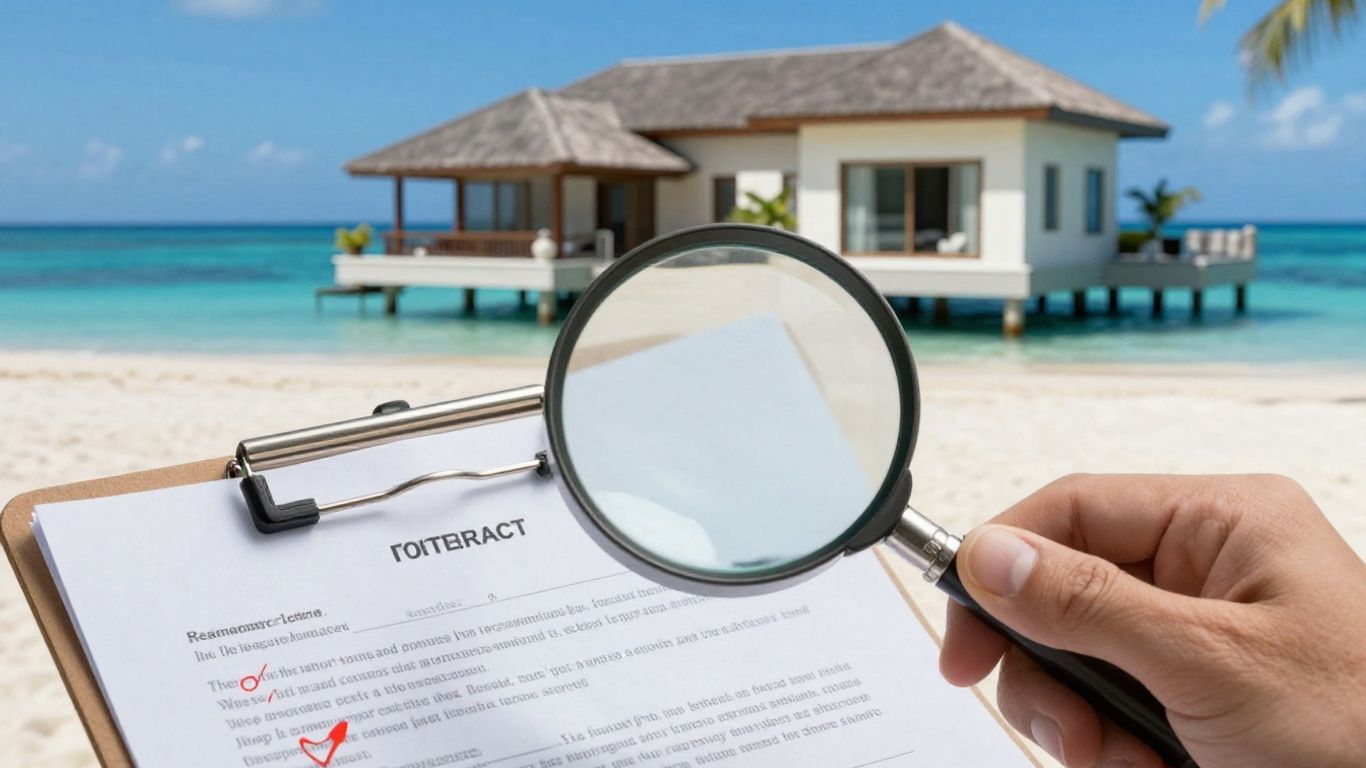
Right, so you’ve found a place in Phuket that looks like your dream home or a cracking investment. Brilliant. But before you start picking out paint colours or planning your rental income, there’s a bit of homework that’s absolutely non-negotiable. We’re talking about legal due diligence. It sounds a bit formal, doesn’t it? But honestly, it’s the most important step you’ll take to avoid ending up with a massive headache, or worse, losing your money.
Consulting a Specialist Property Lawyer
First things first, you need a good lawyer. And not just any lawyer, but one who really knows their stuff when it comes to Thai property law, especially for foreigners. They’re the ones who can spot the dodgy bits in a contract that you’d never see. Think of them as your personal property detective. They’ll be checking everything from the developer’s history to the land itself. It might cost a bit upfront, but trust me, it’s a tiny price to pay compared to the potential cost of not doing it.
Thoroughly Checking All Legal Documentation
This is where your lawyer earns their keep. They’ll go through every single piece of paper with a fine-tooth comb. This includes:
- Land Title Deeds: They’ll verify that the title deed is genuine and that the seller actually owns the land. They’ll be looking out for things like ‘Chanote’ titles, which are the most secure, and flagging up any issues with other types of titles.
- Contracts: Every clause in the sale agreement, the building contract (if it’s off-plan), and any other related documents will be scrutinised. They’ll make sure the terms are fair and that you’re not agreeing to anything that could come back to bite you.
- Permits and Approvals: For new builds or renovations, they’ll check that all the necessary planning permissions and building permits are in place. You don’t want to buy a property only to find out it was built illegally.
- Company Structure (if applicable): If you’re buying through a Thai company, your lawyer will check that the company is properly set up and compliant with all local regulations.
It’s easy to get swept up in the excitement of buying property abroad, especially somewhere as beautiful as Phuket. But remember, a dream property can quickly turn into a nightmare if the legal foundations aren’t solid. Don’t let enthusiasm override caution.
Understanding Local Property Laws and Regulations
Thai property law can be quite different from what you might be used to back home. Your lawyer will explain the specifics, such as:
- Foreign Ownership Restrictions: There are rules about how foreigners can own property in Thailand, and your lawyer will make sure you’re complying with them.
- Leasehold vs. Freehold: Understanding the difference and what it means for your long-term ownership is vital.
- Taxes and Fees: They’ll break down all the associated taxes, transfer fees, and any other charges you’ll need to pay, so there are no nasty surprises.
- Zoning Laws: Knowing what you can and can’t do with the property, especially if you plan to develop it or rent it out, is important.
Avoiding Overpriced Property Deals
It’s easy to get swept up in the dream of owning a piece of paradise in Phuket, but sometimes the price tag just doesn’t add up. You might see a listing that looks amazing, maybe even a bit too good to be true. That’s where you need to put the brakes on and do some digging.
Researching Local Market Values
Before you even start looking at specific properties, get a feel for what things are actually selling for. Don’t just rely on what an agent tells you or what’s advertised. Websites that list properties can give you a general idea, but remember these are often asking prices, not final sale prices. It’s worth spending some time looking at recent sales data if you can get your hands on it. Think about the area too – a villa in a prime beachfront spot will naturally cost more than one a few kilometres inland. Location, size, condition, and amenities all play a big part.
Seeking Independent Property Valuations
If you’re serious about a particular property, especially if it’s a significant purchase, consider getting an independent valuation. This is where a professional surveyor or valuer comes in. They’ll give you an unbiased opinion on the property’s true market worth. It costs a bit of money, sure, but it could save you a fortune if the asking price is inflated. This step is particularly important if you’re buying from a developer or a seller who seems a bit too eager.
Recognising High-Pressure Sales Tactics
Watch out for anyone trying to rush you. If someone is constantly saying "this offer is only valid today!" or "someone else is about to buy it!", it’s a big red flag. They want you to make a quick decision without thinking it through or doing your research. It’s perfectly fine to ask for time to consider, to get a second opinion, or to simply walk away if you feel pressured. A genuine deal won’t disappear just because you need a day or two to be sure.
Sometimes, the most attractive deals are the ones that allow you time to breathe and verify. If a seller or agent seems overly insistent on an immediate decision, it’s a sign they might be hiding something or trying to offload a property with issues. Always remember that your peace of mind and financial security are more important than any supposed ‘limited-time’ opportunity.
Here’s a quick checklist for when you feel the pressure mounting:
- Ask for a pause: Politely state you need more time to think or consult with others.
- Verify independently: Check the property’s details and the seller’s claims yourself.
- Consult your own advisors: Speak with your lawyer or a trusted real estate expert.
- Listen to your gut: If something feels wrong, it probably is.
Safeguarding Your Investment in Phuket

Phuket’s property market can be a great place to invest, but like anywhere, you’ve got to be smart about it. Scammers are always looking for ways to trick people, especially if you’re not familiar with how things work here. The good news is, with a bit of preparation and common sense, you can avoid most of the pitfalls and actually enjoy owning a piece of this island.
The Value of Thorough Research
Before you even think about signing anything or handing over money, do your homework. This means understanding the local property laws, getting a feel for what properties are actually selling for, and knowing the common tricks people use. Don’t just rely on what an agent or seller tells you. Look at different sources, compare prices, and try to understand the history of the area you’re interested in. A little bit of research upfront can save you a massive headache later on.
Verifying All Aspects of a Property Deal
This is where you need to be really thorough. Check the agent’s credentials – are they licensed? Do they have a proper office? Ask for references from previous clients. When it comes to the property itself, verify the land title documents with the Land Registry. Make sure there are no outstanding debts or legal claims against it. If you’re buying off-plan, check the developer’s track record and make sure all building permits are in order. Don’t be afraid to ask lots of questions; a reputable seller or agent will be happy to provide answers.
Trusting Your Instincts on Suspicious Offers
Sometimes, a deal just feels too good to be true. If someone is pressuring you to make a quick decision, or if the price seems unusually low compared to similar properties, be wary. If an agent is reluctant to put things in writing or wants to deal only through unofficial channels, that’s a big red flag. It’s better to walk away from a deal that feels off than to risk losing your money. Your gut feeling is often right, so listen to it.
Here are some key things to keep in mind:
- Verify Agent Credentials: Always check if an agent is registered and licensed.
- Check Property Titles: Ensure the land title is legitimate and free from encumbrances.
- Review Contracts Carefully: Never sign anything you don’t fully understand. Get a lawyer to look it over.
- Official Payments Only: Make sure all payments go to official company accounts, not personal ones.
- Be Wary of Pressure: High-pressure sales tactics are a common sign of a dodgy deal.
If a deal seems unusually attractive or if you’re being rushed into a decision, it’s wise to pause and reassess. Take the time to get independent advice and verify every detail. Rushing can lead to costly mistakes in property transactions.
Leveraging Trusted Resources for Safe Investment
When you’re looking to buy property in Phuket, it’s easy to get overwhelmed. There are so many options, and unfortunately, some less-than-honest people out there. That’s why using reliable sources is a really smart move. It’s not just about finding a nice place; it’s about making sure your money is safe.
Utilising Reputable Property Websites
Not all property websites are created equal. Some are packed with verified listings and give you a good, honest look at what’s available. Think of sites that clearly show property details, developer information, and maybe even virtual tours. Always check if the website has a clear contact process and information about the agencies they work with. It’s a good sign if they’re upfront about who they are.
Seeking Advice from Real Estate Experts
Talking to people who really know the Phuket property market can make a huge difference. These aren’t just salespeople; they’re professionals who understand the local laws and what makes a good investment. They can help you spot dodgy deals and guide you through the paperwork. It’s worth paying for good advice to avoid costly mistakes.
Considering Community Feedback and Reviews
What are other people saying? Online forums, local expat groups, or even just chatting with people who already own property in Phuket can give you a real insight. You might hear about developers with a bad track record or areas that are better to avoid. This kind of grassroots information is often very telling.
Here’s a quick look at what to check:
- Developer Reputation: Have they completed projects before? Are there reviews or complaints?
- Agent History: How long have they been operating? Can they provide references?
- Legal Support: Do they work with independent lawyers, or do they push their own?
Sometimes, a deal just feels off. If someone is pressuring you to sign quickly or pay a large sum without proper documentation, it’s a big warning sign. It’s better to walk away and find something else than to risk losing your money.
When looking to invest your money, it’s super important to find reliable places to get your information. Using trusted sources helps you make smart choices and avoid risky situations. Don’t just believe everything you hear; do your homework! For reliable property market news and advice, check out our website.
Final Thoughts
So, buying property in Phuket can be a bit of a minefield, can’t it? We’ve gone through some of the common traps people fall into, from dodgy land titles to developers who vanish into thin air. It’s easy to get swept up in the dream of a tropical paradise, but remember, a bit of caution goes a long way. Always do your homework, get a good lawyer on board, and don’t be afraid to walk away if something feels off. A little bit of effort upfront can save you a whole lot of heartache and money down the line. Happy house hunting!
Frequently Asked Questions
What are the most common property scams in Phuket?
Watch out for fake property listings where the home doesn’t actually exist, or deals that seem too good to be true. Scammers might also try to sell you properties with fake land titles or promise guaranteed investment returns that never happen. Buying properties that are still being built (off-plan) can also be risky if the developer disappears or the project is never finished.
How can I avoid fake property listings?
Always check if the property listing is real by looking at it on different websites or asking for a video tour. It’s best to visit the property yourself if you can, or work with agents and companies you know are trustworthy. If a deal seems way cheaper than everything else, it’s probably a scam.
What’s the danger with buying property that’s still under construction (off-plan)?
When you buy a property that isn’t built yet, there’s a chance the developer might not finish it. Sometimes, they might even take your money and disappear. It’s super important to research the developer’s history and make sure they have all the correct building permits before you hand over any cash.
How do I know if a real estate agent is trustworthy?
A good agent will have a proper licence and be happy to show it to you. Ask for references from other people they’ve helped. Be suspicious if an agent only wants to talk online or over the phone and refuses to meet you in person. Always check their credentials.
What should I do before paying any money for a property?
Never pay any money before you have a signed contract. Make sure all payments are going into an official company bank account, not a personal one. Your contract should clearly state what the money is for and what happens next. It’s wise to have a lawyer look over the contract first.
Why is it important to get a lawyer when buying property in Phuket?
Buying property in Thailand has its own set of rules, especially for foreigners. A lawyer who knows local property law can check all the paperwork, like land titles, to make sure they are real and there are no hidden problems. They help make sure you understand everything and that the deal is legal and safe.
How can I be sure I’m not paying too much for a property?
Do your homework! Look at prices for similar properties in the same area to see what’s normal. You can also ask an independent property expert to give you an idea of the property’s real value. Be wary of sellers who try to rush you into making a decision.
What are some general tips for staying safe when buying property in Phuket?
Always do your research thoroughly. Double-check everything – the property, the agent, the developer, and all the documents. Get advice from experts like lawyers and trusted real estate agents. If a deal feels strange or too good to be true, it probably is, so trust your gut feeling and walk away.