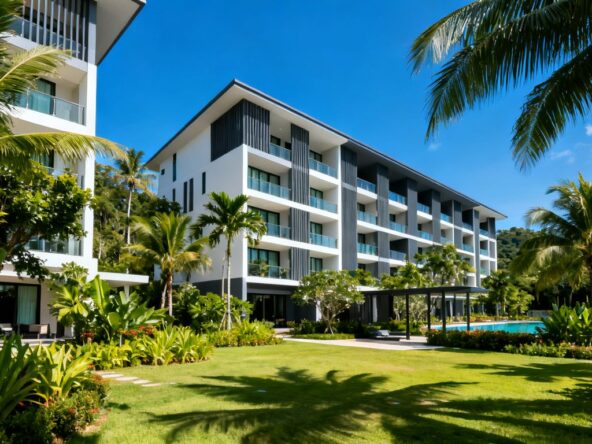

Buying property in Thailand can feel a bit like learning a new language, especially with all the specific terms thrown around. It’s easy to get lost in the details if you’re not familiar with them. This guide aims to make Understanding Thai real estate terms a bit simpler, breaking down the jargon so you can feel more confident when looking to buy or invest. Think of it as your cheat sheet to the Thai property market.
Key Takeaways
- Different land title deeds, like Chanote and Nor Sor 3 Gor, have varying levels of ownership security, with Chanote being the most secure.
- Foreigners can own condominiums outright (foreign freehold) but are generally restricted from owning land directly, often opting for leasehold or other real rights.
- Be prepared for various transaction fees, including transfer fees, stamp duty, specific business tax, and withholding tax, which can affect the overall cost.
- Condominiums come with specific terminology such as common area maintenance fees, the role of the ‘juristic person’ managing the building, and a sinking fund for future repairs.
- Understanding Thai land measurement units like Rai, Ngan, and Wah is essential for accurately gauging property sizes and values.
Understanding Thai Land Title Deeds
Right then, let’s talk about land titles in Thailand. It’s probably one of the most important bits to get your head around when you’re thinking about buying property here, especially if you’re not a Thai national. Getting this wrong can lead to all sorts of headaches down the line, so it’s worth spending a bit of time understanding the basics.
The Pinnacle: Chanote Title Deeds
The ‘Chanote’, officially known as Nor Sor 4 Jor, is the gold standard when it comes to land ownership in Thailand. Think of it as the most secure and definitive document you can have. It’s been officially surveyed by the Land Department, meaning the boundaries are precisely plotted and registered. This absolute ownership means you have the strongest possible claim to the land. Properties with a Chanote title are generally more straightforward to buy, sell, and develop, and they tend to hold their value better. You’ll find detailed information on the deed itself, including its exact size and location, and crucially, any registered encumbrances or rights affecting the land.
Nor Sor 3 Gor: A Recognised Land Use Title
Next up, we have the Nor Sor 3 Gor. This is another type of land document, but it’s not quite as definitive as a Chanote. It essentially confirms a right to use the land and has been surveyed, but it might not have the same level of precise boundary demarcation as a Chanote. It’s a recognised title, and under certain conditions, it can be upgraded to a Chanote through a formal process at the Land Department. It’s a step up from some of the more basic land occupation documents, but it’s important to know its limitations compared to the absolute security of a Chanote.
The Importance of Title Deed Types
So, why all the fuss about different types of title deeds? Well, it boils down to security and legal standing. The type of title deed you’re looking at directly impacts your rights and the ease with which you can conduct transactions.
Here’s a quick rundown of why it matters:
- Security of Tenure: A Chanote offers the highest level of security, practically guaranteeing your ownership. Other titles might offer usage rights or a claim that needs further confirmation.
- Transaction Ease: Properties with Chanote titles are generally easier to transfer and finance. Dealing with less secure titles can involve more checks and potential delays.
- Investment Value: The market often reflects the security of the title. A Chanote is usually seen as a more solid investment.
- Development Potential: If you plan to build or develop, having a Chanote title simplifies the process significantly, as it provides clear, undisputed boundaries.
It’s absolutely vital to have any title deed you’re considering thoroughly checked by a qualified legal professional. They can verify its authenticity at the Land Office and explain exactly what rights and potential issues come with it. Don’t just take photocopies at face value; always insist on seeing the original document and confirming its status directly with the authorities.
Understanding these different title deeds is your first step towards making a sound property decision in Thailand. It’s not just about the building or the location; it’s about the legal foundation upon which your ownership rests.
Navigating Foreign Ownership Rules
Right then, let’s talk about the tricky bit: how foreigners can actually own property here in Thailand. It’s not as straightforward as just walking into an estate agent and signing on the dotted line, especially when it comes to land. The Thai legal system has specific rules, and frankly, some of them are designed to keep land ownership firmly in Thai hands. But don’t despair, there are perfectly legal ways to get yourself a slice of Thai real estate.
Foreign Freehold Condominium Ownership
This is probably the most common and easiest route for non-Thai nationals. Under the Condominium Act, foreigners are allowed to own condominium units outright, but there’s a catch. The total foreign ownership in any given condominium project cannot exceed 49% of the total sellable area. So, when you’re looking at a condo, the developer or agent should be able to tell you how much of that foreign quota is still available. It’s a bit like a limited edition release – once it’s gone, it’s gone for that building.
To make this happen, you’ll need to show that the funds used for the purchase have been remitted into Thailand from abroad. This usually involves getting a specific bank form, often called a Foreign Exchange Transaction (FET) form, especially for larger amounts. It’s basically the bank’s way of confirming the money isn’t already circulating within Thailand. This is a key requirement for registering your ownership at the Land Office.
Leasehold Agreements Explained
If owning a condo isn’t your cup of tea, or if you’re looking at a house with land, a leasehold agreement is the next best thing. This isn’t freehold ownership, mind you. Instead, you’re essentially renting the property, including the land it sits on, for a set period. The standard maximum term for a registered lease is 30 years. However, most agreements include an option to renew for another 30 years, though this renewal isn’t always guaranteed by law and depends on the contract terms.
Leaseholds are registered at the Land Office, giving you a legal right to occupy and use the property. It’s a solid option for long-term use, and you can often get them for houses or land. Just remember, you don’t own the land itself, you’re leasing it.
Here’s a quick rundown of what you can expect:
- Term: Typically up to 30 years, often with a renewal clause.
- Registration: Must be registered at the Land Office if the term is over 3 years.
- Transferability: Generally transferable, but check the specific contract.
- Mortgageability: Less common for leases to be mortgaged, but not impossible.
Prohibited Land Ownership for Foreigners
Now, for the part that catches many people out. As a general rule, foreigners are not allowed to own land in Thailand in their own name. This is enshrined in the Land Code. There are a few very specific exceptions, like investing a significant amount of money (think THB 40 million or more) and getting special approval for a residence, or if your company is promoted by the Board of Investment (BOI) for specific business activities. But for the average buyer looking for a holiday home or a place to retire, these exceptions are usually not applicable.
Trying to get around this by using a Thai national as a nominee to hold the land for you is illegal and carries serious risks, including hefty fines and even imprisonment. It’s just not worth the gamble. The authorities are quite strict on this, and it’s an area they actively police.
The Thai legal framework prioritises national land ownership. While direct freehold land ownership is largely restricted for non-Thai nationals, alternative legal structures like condominium ownership within foreign quotas and registered leasehold agreements provide secure, long-term property rights. It’s vital to work with reputable legal professionals to ensure any property acquisition complies fully with current Thai law and avoids common pitfalls associated with nominee arrangements or informal agreements.
So, to sum it up: condos are your best bet for freehold ownership. For houses and land, look at registered leaseholds. And steer clear of anything that sounds like a nominee arrangement – it’s a legal minefield.
Key Property Transaction Fees
So, you’ve found your dream place in Thailand, but before you can pop the champagne, there are a few official costs to sort out. It’s not just the sticker price, you know. Think of these as the government’s cut and the necessary bits to make the ownership official. It can seem a bit much at first, but once you break it down, it’s manageable.
Understanding the Transfer Fee
This is probably the biggest one you’ll see. The transfer fee is essentially a government tax on changing ownership. It’s usually calculated as 2% of the property’s official appraised value, not necessarily what you paid for it. Who pays what can be a point of negotiation, but often it’s split between the buyer and seller. Sometimes, one party might agree to cover the whole lot, especially if it helps seal the deal. It’s all sorted at the Land Office on the day you officially take ownership.
Stamp Duty and Specific Business Tax
These two can sometimes overlap, so you won’t usually pay both. Stamp duty is a flat 0.5% of the property value, and it’s typically paid by the seller. However, if the seller is a company or has owned the property for less than five years, they might have to pay a Specific Business Tax (SBT) instead. This is a higher rate, at 3.3%, and when it applies, stamp duty is waived. Again, this is usually the seller’s responsibility, but it’s worth clarifying in your contract.
Withholding Tax Implications
This one’s a bit more complex and depends on who is selling. If the seller is a company, they’ll pay a 1% withholding tax based on the higher of the sale price or the official appraised value. For individual sellers, it’s a bit different; they pay progressive income tax on the ‘deemed income’ from the sale. This tax is collected by the Land Office when the transfer happens. It’s a good idea to chat with your legal advisor about how this might affect your specific purchase, especially if you’re buying from a developer.
It’s important to remember that these fees are on top of the purchase price. They are paid at the Land Office during the transfer of ownership. Having the correct documentation, like proof of funds from overseas, is key to a smooth process. For instance, if you’re buying a condo, you’ll need to show that the money came from abroad, often via a Foreign Exchange Transaction (FET) form for larger sums, which is critical for Land Office registration.
Here’s a quick rundown of the main costs:
- Transfer Fee: 2% of appraised value (often split).
- Stamp Duty: 0.5% (if SBT doesn’t apply, usually seller).
- Specific Business Tax (SBT): 3.3% (if applicable, usually seller).
- Withholding Tax: Varies (company vs. individual, usually seller).
Always get a clear breakdown of all expected fees in your Sale and Purchase Agreement. Don’t be afraid to ask questions; understanding these costs upfront prevents nasty surprises later on.
Condominium Specific Terminology
Common Area Maintenance Fees
When you buy a condominium, you’re not just buying your own four walls. You’re also buying into a community, and that community needs looking after. That’s where common area maintenance fees come in. These are regular payments, usually monthly or quarterly, that all condo owners contribute towards the upkeep of shared spaces. Think of the swimming pool, the gym, the lobby, the gardens, and even the lifts – all these bits need cleaning, repairing, and general maintenance. The amount you pay is typically based on the size of your unit, often calculated per square metre. It’s a bit like paying for a service charge on a UK flat, but it’s essential for keeping the building looking good and functioning properly.
The Role of the Juristic Person
So, who actually manages all this? That’s the job of the Juristic Person. This is essentially the management company or body responsible for running the condominium on behalf of all the owners. They handle the day-to-day operations, collect those maintenance fees, enforce the building’s rules, and organise any necessary repairs. They’re the ones you’ll deal with for most administrative matters related to the building. It’s really important to understand who the Juristic Person is and how they operate before you buy, as they have a significant impact on your living experience. They’re usually set up when the building is first developed and then handed over to the owners’ committee.
Sinking Fund for Future Repairs
Beyond the regular maintenance fees, there’s another pot of money that’s vital for any condo owner to know about: the sinking fund. This isn’t for your everyday cleaning or minor fixes. Instead, it’s a reserve fund set aside for larger, more significant expenses that might crop up down the line. We’re talking about major renovations, replacing the roof, upgrading the building’s systems, or even significant repairs after a storm. Contributions to the sinking fund are usually a one-off payment when you first buy the property, or sometimes a small annual addition to your maintenance fees. It’s a way to ensure that when these big-ticket items need doing, there’s money available without having to hit all the owners with a massive, unexpected bill. It’s a smart bit of financial planning for the building’s long-term health.
Thai Land Measurement Units
Rai, Ngan, and Wah Explained
When you’re looking at property listings in Thailand, you’ll notice land sizes aren’t measured in square metres or acres like you might be used to. Instead, the local system uses Rai, Ngan, and Wah. It can seem a bit confusing at first, but once you get the hang of it, it’s pretty straightforward. Understanding these units is key to knowing exactly how much land you’re actually buying.
Here’s the breakdown:
- 1 Rai is the largest unit.
- 1 Ngan is a smaller division.
- 1 Wah is the smallest unit.
Accurate Comprehension of Land Sizes
To make things clearer, here’s how they all fit together:
| Unit | Equivalent in Smaller Units |
|---|---|
| 1 Rai | 4 Ngan |
| 1 Ngan | 100 Wah |
| 1 Wah | 4 Square Wah (approx. 16 sqm) |
So, if you see a plot of land advertised as 2 Rai, 1 Ngan, and 50 Wah, you can work out its total size. It’s 2 full Rai, plus one quarter of a Rai (since 1 Ngan is 1/4 of a Rai), and then another half of a Ngan (since 50 Wah is half of 100 Wah). It’s a bit like old imperial measurements, but once you do a few calculations, it becomes second nature.
It’s always a good idea to have your agent or lawyer confirm the measurements in writing, especially if you’re buying a larger plot of land. Sometimes, older deeds might use slightly different local interpretations, though the Rai, Ngan, Wah system is now pretty standard across the country. Getting this right from the start saves a lot of hassle later on.
Alternative Property Tenure Options
Right then, let’s talk about how you can actually get your hands on property in Thailand when you’re not a Thai national. Because, as we’ve touched on, outright land ownership is pretty much a no-go for foreigners, unless you’re doing something very specific like investing a huge amount or running a BOI-promoted business. But don’t despair! There are several other ways to secure rights over property, and they’re all perfectly legal and registrable.
Superficies: Owning the Structure
Think of superficies as owning the building, but not the ground it sits on. It’s a registered right that allows you to own structures, like a house or a commercial building, separately from the land. This is often used in conjunction with a land lease. So, you might lease the land for, say, 30 years, and then have a superficies right to own the house you build on it. This right can be for a set term or even for your lifetime, and importantly, it’s usually transferable. This means if you decide to sell up, you can sell the building you own.
Usufruct: Lifetime Usage Rights
Now, usufruct is a bit different. It grants you the right to use and benefit from a property, and crucially, to derive income from it, for a set period or for your lifetime. It’s a strong personal right, but it’s generally not transferable. So, you can live in the property, rent it out, and enjoy its fruits, but you can’t sell that right on to someone else. When you pass away, the usufruct typically ends. It’s a way to have long-term enjoyment and benefit without the complexities of ownership.
Sap-Ing-Sith: Transferable Control Rights
This one’s a bit newer and offers a good deal of flexibility. Sap-ing-sith is a registrable real right that gives you control and the ability to benefit from immovable property. It’s often seen as a more robust option than a simple private contract. The key thing here is that it can be transferable and even mortgageable, provided it’s registered. This gives you a significant level of control and financial flexibility, often for periods up to 30 years, and it’s a recognised legal mechanism for securing your interest.
Here’s a quick rundown of how these stack up:
- Superficies: Own the building, not the land. Good for when you’re leasing land. Usually transferable.
- Usufruct: Right to use and profit from the property. For your lifetime or a set term. Generally not transferable.
- Sap-Ing-Sith: A strong, registrable right for control and benefit. Can be transferred and mortgaged.
It’s really important to get these agreements properly registered at the Land Office. Without registration, these rights are much weaker and could be challenged. Think of registration as the official stamp that makes your claim legally solid and enforceable against third parties.
When you’re looking at buying property, especially a house on leased land, you’ll often see these options combined. For instance, a 30-year lease on the land, coupled with superficies to own the house, and maybe even a usufruct for personal use. It sounds complicated, but it’s all about structuring your rights to fit your needs and comply with Thai law. Always get legal advice to make sure your chosen structure is sound and properly documented.
Financial Aspects of Property Purchase
So, you’ve found a place you like, but what about the money side of things? It’s not just the sticker price, you know. There are a few different ways you can pay, and understanding these can save you a headache later on.
Payment Options: Installments vs. Cash
When it comes to buying property in Thailand, you’ve generally got two main routes: paying the full amount upfront or going for an instalment plan. Paying cash is pretty straightforward, obviously. You sort out your funds, transfer them, and the deal gets done. It’s often the quickest way, assuming you have all the money readily available.
On the other hand, instalment plans are becoming more common, especially with off-plan properties. The developer might offer you a schedule to pay over the construction period. This can be helpful if you don’t have all the cash right now, or if you want to spread the cost out. However, you need to be really clear on the terms. What happens if you miss a payment? Are there any interest charges? It’s always a good idea to get everything in writing and make sure you’re comfortable with the arrangement before signing anything.
Proof of Funds for Property Acquisition
This is a big one, especially for foreigners. The Thai authorities want to see that the money you’re using to buy property has come into the country legally. For larger amounts, typically over USD 50,000, you’ll need a Foreign Exchange Transaction (FET) form from your bank. For smaller sums, a bank credit advice or SWIFT letter will usually do the trick. Crucially, these documents must clearly state your name and that the purpose of the transfer is for a property purchase. Without this paperwork, you’ll hit a wall at the Land Office. It’s worth coordinating with your Thai bank well in advance to make sure you get the right documentation sorted out smoothly.
Foreigner Mortgages in Thailand
Getting a mortgage as a foreigner in Thailand can be a bit trickier than in some other countries. While it’s not impossible, the options are more limited, and the terms might not be as favourable as what you’d get as a Thai national. Some developers might offer in-house financing, which can be a good option if you’re buying off-plan.
Banks are generally more cautious when lending to non-residents. You’ll likely need a substantial deposit, and the loan-to-value ratio might be lower. It’s also common for banks to require proof of stable income and employment, often from overseas. If you’re looking at a property like this villa in Yamu, Phuket, for example, it’s wise to explore all your financing avenues early on.
When you’re dealing with the financial side of buying property here, always double-check the details. Things like transfer fees, taxes, and any ongoing charges need to be factored into your budget. Don’t be afraid to ask questions – it’s better to be clear now than surprised later.
Here’s a quick look at some of the common costs you might encounter:
- Transfer Fee: Usually 2% of the property’s official appraised value. This is often split between buyer and seller, but it’s negotiable.
- Specific Business Tax (SBT) / Stamp Duty: Depending on the circumstances (like how long the seller has owned the property), either SBT (3.3%) or Stamp Duty (0.5%) will apply. Usually, the seller covers this.
- Withholding Tax: This applies to the seller, calculated on the sale price or appraised value. The rate varies depending on whether the seller is an individual or a company.
- Annual Land & Building Tax: A small percentage (0.02-0.10%) of the appraised value, paid yearly by the owner.
- Condominium Fees: If you buy a condo, you’ll have monthly common area maintenance fees and a one-off sinking fund payment for future major repairs. These fees can add up, so factor them in.
Understanding Property Contracts
Right then, let’s talk about contracts. When you’re looking to buy property in Thailand, especially off-plan, you’ll come across a few different types of agreements. It’s not just a simple handshake deal, you know. These documents are legally binding, so getting your head around them is pretty important before you sign anything.
Controlled Reservation Contracts
These are a bit of a newer thing, really. Since early 2025, the Office of the Consumer Protection Board (OCPB) has brought in rules for what they call "controlled reservation contracts." Basically, they’ve standardised the Thai-language form and put a stop to some of those dodgy, unfair clauses that developers used to sneak in. It’s all about giving buyers a bit more protection when they’re buying something that isn’t even built yet. These rules are still in play, so keep an eye out for them.
Standard Off-Plan Condo Agreements
When you buy a condo that’s still on the drawing board, you’ll sign an off-plan agreement. These contracts can also fall under those OCPB ‘controlled contract’ rules we just mentioned. This means they have to be fair regarding things like deposits, refunds, and what happens if things go wrong. It’s always a good idea to insist on a contract that’s in Thai and matches these OCPB rules. And honestly, get a legal professional to give it a once-over. It’s better to be safe than sorry, especially when you’re talking about a big purchase like a condo. You can find some great condo options, like this 3-bedroom Eastcoast Seaview Villa in Ao Por, Phuket, but always check the contract details [3c9b].
The Significance of Thai Language Contracts
Now, this is a big one. While many developers will offer contracts in English, the legally binding document in Thailand is the one written in Thai. It’s really important that the English version accurately reflects the Thai original. If there’s ever a dispute, it’s the Thai version that counts. So, even if you’re fluent, it’s wise to have a legal expert review it. They can spot nuances or potential issues that might be missed otherwise. It’s not just about understanding the words; it’s about understanding the legal implications within the Thai system.
Distinguishing Property Types
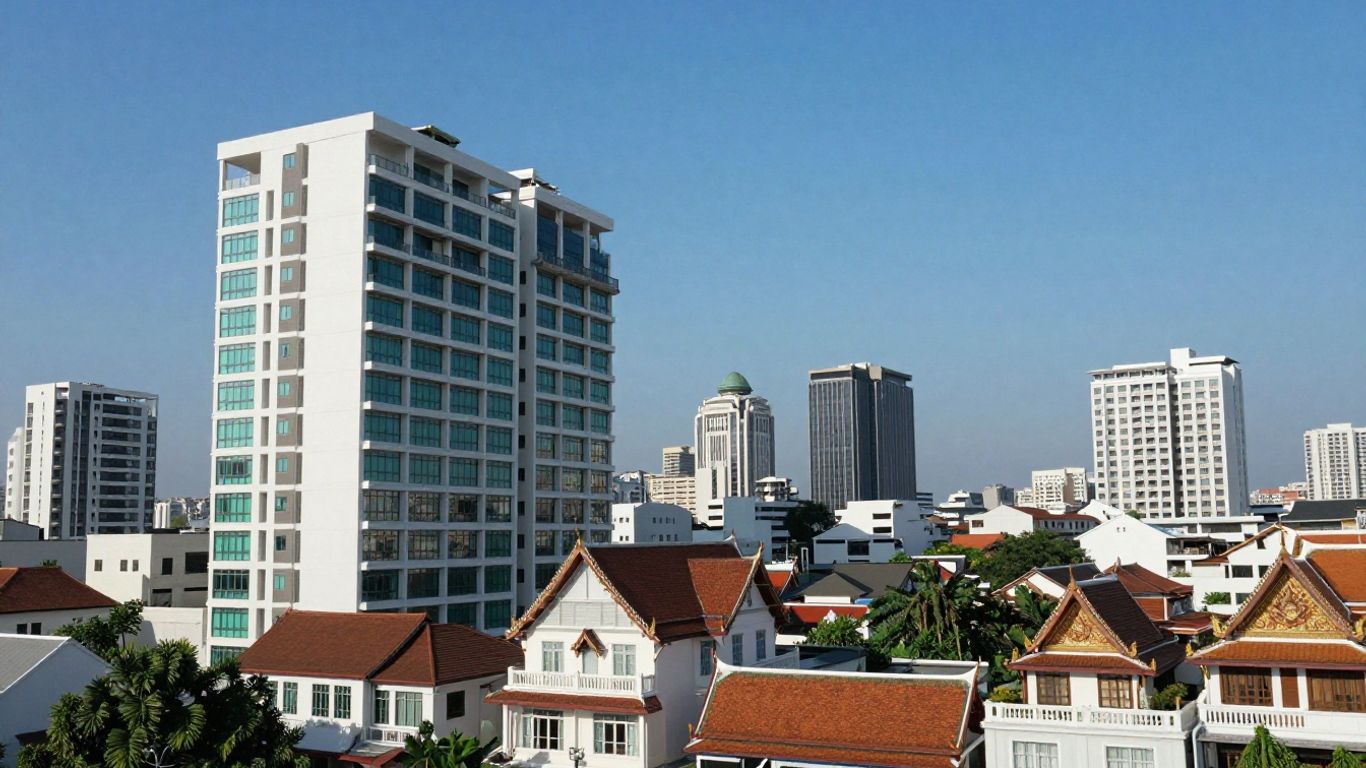
When you’re looking at property in Thailand, you’ll come across a few different ways things are set up, especially when it comes to where you’ll live. It’s not always as simple as just ‘house’ or ‘flat’. Understanding these distinctions is pretty important, so let’s break down the main ones.
Condominium vs. Apartment
This is a common point of confusion. In Thailand, the term ‘condominium’ (or ‘condo’) refers to a specific legal structure. Each unit within a condominium building is individually owned, while the common areas like hallways, pools, and gardens are owned collectively by all the unit owners. Think of it like owning your own flat within a larger building, but you also have a stake in the shared facilities. These are managed by a ‘Juristic Person’, which is essentially a management company responsible for upkeep and collecting fees.
An ‘apartment’, on the other hand, usually implies a rental situation. You’re typically renting the unit from a single owner or management company, and you don’t have ownership rights over the property or the common areas. It’s more like a traditional rental agreement you might find elsewhere.
Here’s a quick way to think about it:
- Condominium: Individual ownership of your unit, shared ownership of common areas, managed by a Juristic Person.
- Apartment: Typically a rental property, no ownership rights, managed by a landlord or rental agency.
Mixed-Use Developments Explained
These are becoming more popular, especially in busy city centres. A mixed-use development is exactly what it sounds like: a single project that combines different types of uses. You might find a building that has shops or restaurants on the ground floor, offices on the middle floors, and then residential apartments or condominiums on the upper levels.
This setup can be really convenient. Imagine being able to pop downstairs for groceries, grab a coffee, or even head to your office without leaving the complex. It creates a sort of self-contained community. For buyers, it means you could be living in a condo that’s part of a larger development with amenities and services right on your doorstep. It’s all about bringing different aspects of urban living together in one place.
Legal Documentation and Records
Right, so you’ve found your dream place in Thailand, but before you start picturing yourself sipping iced tea on the balcony, there’s a bit of paperwork to get your head around. It’s not exactly thrilling stuff, but it’s pretty important.
The House Book and Yellow Book
Think of the House Book, or ‘Tabien Baan’, as the official record of who lives where. It’s a bit like a census document for a property. For Thai nationals, this is a big deal and comes with a blue cover. For foreigners, you’ll likely get a ‘Yellow Book’ (‘Tabien Baan See Daeng’). It’s not quite the same as owning the property, but it’s a record of your residency at that address. It’s a good idea to have this sorted, especially if you plan on staying put for a while.
Juristic Confirmation Letters
If you’re buying a condominium, you’ll probably come across something called a ‘Juristic Confirmation Letter’. This is basically a letter from the condo’s management company (the ‘Juristic Person’) confirming a few key things. It’ll usually state that the building’s foreign ownership quota hasn’t been exceeded – remember, there’s a limit on how much foreign ownership is allowed in a condo building. It also confirms that all the common area fees are up to date. This letter is often required by the Land Office when you register the property transfer. It’s a way to show that everything is above board with the building’s legal status and your financial obligations.
It’s always wise to get a lawyer to look over all documentation. They can spot things that might seem minor but could cause headaches later on. Don’t just rely on what the seller or agent tells you; verify everything independently where possible.
When dealing with property, it’s super important to keep all your paperwork in order. This includes things like contracts, deeds, and any other official papers. Having these organised makes everything smoother. For help with your property documents, check out our website.
Wrapping Up
So, there you have it. Buying property in Thailand might seem a bit daunting with all the specific terms, but hopefully, this guide has made things a little clearer. Knowing terms like ‘Chanote’ or understanding the difference between ‘Leasehold’ and ‘Freehold’ can really help you avoid any confusion down the line. It’s all about being prepared and asking the right questions. Don’t be afraid to get help from local experts if you need it – they’ve seen it all before. With a bit of research and this handy jargon-buster, you’ll be much more confident when you start looking for your place in the sun.
Frequently Asked Questions
What’s the biggest difference between a ‘Chanote’ and a ‘Nor Sor 3 Gor’ land title?
Think of a ‘Chanote’ as the top-tier title deed. It means you have full, registered ownership of the land, and it’s the most secure. A ‘Nor Sor 3 Gor’ is also a recognised title, but it’s more about land use and isn’t quite as strong as a Chanote. You might be able to upgrade a Nor Sor 3 Gor to a Chanote later on, but it takes extra steps.
Can foreigners own land in Thailand outright?
Generally, no, foreigners can’t buy land and own it freehold in Thailand. There are a few very specific exceptions, like if you invest a lot of money or have special permission, but for most people, owning land directly isn’t an option. This is why many foreigners end up buying condos or using long-term lease agreements.
What are ‘Rai’, ‘Ngan’, and ‘Wah’?
These are the local ways of measuring land size in Thailand. A ‘Rai’ is the biggest unit, then a ‘Ngan’, and then a ‘Wah’ is the smallest. It’s like knowing that there are feet, yards, and miles – you need to understand these Thai units to get a clear picture of how big a plot of land really is.
What’s a ‘Juristic Person’ in a condo building?
The ‘Juristic Person’ is basically the management company for a condominium. They’re responsible for looking after the common areas, collecting fees, and making sure the building runs smoothly. It’s similar to a homeowner’s association in other countries.
What is the ‘Sinking Fund’ for condos?
The sinking fund is like a savings account for the condo building. Owners contribute to it regularly, and the money is set aside for big future repairs or renovations, like fixing the roof or upgrading the swimming pool. It helps avoid unexpected large bills down the line.
Are there extra costs when buying property besides the price?
Yes, definitely! Besides the purchase price, you’ll have to pay things like a transfer fee (often split between buyer and seller), stamp duty or business tax, and possibly withholding tax. It’s important to budget for these extra costs when you’re planning your purchase.
What does ‘Leasehold’ mean for property?
‘Leasehold’ means you’re renting the property for a long time, usually 30 years or sometimes up to 90 years, with an option to renew. You don’t own the land itself, but you have the right to use and live in the property for the agreed period. It’s a common way for foreigners to have long-term use of a property.
Can foreigners get a mortgage to buy property in Thailand?
Getting a mortgage as a foreigner in Thailand can be tricky, but it’s not impossible. Some banks do offer loans, especially for condominium purchases, but the options are usually more limited compared to what locals might get. You’ll likely need a substantial deposit and to meet specific bank requirements.