


Thinking about buying property in Phuket? It’s a great idea, but there’s quite a bit to get your head around, especially when it comes to the paperwork. We’re talking about the Phuket property deposit and contracts – the bits that actually make the sale happen and protect you. It’s not as simple as just handing over cash and signing on the dotted line. There are legal bits, financial bits, and just plain practical bits to consider. Getting this right means a smoother process and fewer headaches down the line. So, let’s break down what you really need to know before you commit.
Key Takeaways
- When you’re looking at Phuket property deposit and contracts, make sure the agreement clearly spells out the purchase price, payment schedule, and what happens to your deposit if things change. It’s all about clear terms to avoid arguments later.
- Foreign ownership rules in Thailand can be a bit tricky. Understand if you’re looking at a leasehold or if you qualify for freehold, especially with condos. Getting this wrong could cause major problems.
- Don’t skip the due diligence. You absolutely must check the title deeds and make sure there are no hidden debts or legal fights attached to the property. It’s better to find out now than when you’re trying to sell.
- Hiring a local lawyer who knows Thai property law is a really good idea. They can go through your Phuket property deposit and contracts with a fine-tooth comb, spotting anything that might cause trouble for you.
- Before you finalise anything, give the property a good look-over. Check the structure, the electrics, the plumbing – all of it. A professional inspection can save you a fortune on repairs you didn’t see coming.
Understanding Phuket Property Contracts
The Importance of a Well-Drafted Agreement
When you’re looking to buy property in Phuket, the contract is really the bedrock of the whole deal. It’s not just a formality; it’s the legally binding document that spells out exactly what you and the seller are agreeing to. Think of it as the rulebook for your transaction. If things go sideways, the contract is what everyone will refer back to. A poorly written contract can lead to all sorts of headaches down the line, misunderstandings, and even disputes that could cost you time and money. Getting this document right from the start is absolutely key.
Key Elements of Property Contracts
A solid property contract needs to cover a few important bases to make sure everyone’s on the same page. Here’s what you should expect to see:
- Property Details: This includes the exact location, size, and boundaries of the property. You want to know precisely what you’re buying.
- Price and Payment: The agreed purchase price needs to be clearly stated, along with a schedule for payments, including any deposit amounts.
- Completion Date: When is the sale expected to be finalised?
- Warranties and Guarantees: What assurances is the seller providing about the property’s condition?
- Conditions: Are there any specific conditions that need to be met before the sale can go through? For example, securing financing or a satisfactory building inspection.
- Forfeiture Clauses: What happens to the deposit if one party backs out? This needs to be spelled out.
Navigating Foreign Ownership Regulations
Phuket is a popular spot for overseas buyers, and Thailand has specific rules about who can own what. While foreigners can’t typically own land outright, there are ways around this. You can often buy a condominium unit, provided that Thai nationals own at least 51% of the total floor space. Another common route is a leasehold agreement, where you can lease a property for a set period, often up to 30 years, with options to extend. It’s a bit of a maze, and understanding these regulations is vital before you sign anything.
It’s easy to get caught up in the excitement of finding your dream property in paradise, but don’t let that rush you into signing a contract without fully grasping its implications. The legal framework for property ownership in Thailand, especially for foreigners, has its own set of rules that differ from what you might be used to back home. Taking the time to understand these nuances can save you a lot of trouble later on.
The Role of Deposits in Securing Property
So, you’ve found your dream spot in Phuket, maybe a place with a view like this lovely Eastcoast Seaview Villa in Ao Por. That’s fantastic! But before you start picturing yourself on the balcony, there’s a step that makes it official: the deposit. It’s not just a formality; it’s a pretty important part of the whole process.
Typical Deposit Amounts
When you’re ready to put in an offer, you’ll usually need to pay a deposit. This is essentially a sign of your commitment to buy. The amount can vary, but it’s quite common to see it set around 10% of the total purchase price. It’s not a hard and fast rule, though, and sometimes it can be a bit less, or even a bit more, depending on the seller and the property itself. It’s one of those things you can discuss.
Here’s a general idea:
| Property Type | Typical Deposit Percentage | Notes |
|---|---|---|
| Condominium | 5-10% | Often paid in stages |
| Villa/House | 10% | Can be negotiable |
| Land | 10-20% | May require a larger commitment |
Deposit Clauses and Forfeiture Conditions
This is where things get serious. Your purchase agreement will have specific clauses about the deposit. It’s vital to understand exactly what happens to your money if, for any reason, the sale doesn’t go through. Most agreements will state that if you, the buyer, back out without a valid reason outlined in the contract, you’ll likely forfeit the deposit. This means the seller gets to keep it. On the flip side, if the seller can’t complete the sale (perhaps they can’t provide a clear title), you should get your deposit back, often with some form of compensation. Always check the fine print on these conditions.
Always read the deposit clauses very carefully. What seems like a small amount initially can become a significant loss if the deal falls apart due to a misunderstanding or a change of heart. Make sure you’re comfortable with the terms before signing.
Negotiating Deposit Terms
Don’t just accept the first deposit amount or condition you’re presented with. This is a negotiation, just like the property price itself. You might be able to negotiate a lower deposit, especially if you’re buying a property that’s been on the market for a while. You could also try to negotiate the payment schedule for the deposit – perhaps paying it in two instalments rather than one lump sum. If you’re getting a mortgage, you might want to include a clause stating that your deposit is refundable if your loan application is unsuccessful. Talking this through with your legal representative is a good idea before you commit. It’s all about finding terms that work for both you and the seller, making the path to owning your Phuket property a bit smoother.
Essential Due Diligence for Buyers
Right then, before you get too excited about that dream villa or beachfront condo in Phuket, there’s a bit of homework you really need to do. It’s not the most glamorous part, I know, but skipping it is like buying a lottery ticket without checking the numbers – you might get lucky, but you probably won’t. This is all about making sure what you’re buying is actually what you think it is, and that no one’s going to come knocking later with a claim on your new pad.
Verifying Title Deeds and Ownership History
First things first, you need to get your hands on the property’s title deed. In Thailand, the most secure type is called a ‘Chanote’. This is the gold standard, giving you clear boundaries and undisputed ownership. There are other types of deeds, like Nor Sor 3 and Nor Sor 3 Gor, but they can be a bit less precise, so a Chanote is definitely what you’re aiming for. You’ll want to do a title search to confirm it’s legitimate and that the person selling it actually has the right to sell it. It’s also wise to look into the property’s ownership history. Who owned it before? Were there any debts or legal squabbles tied to it? This isn’t about being nosy; it’s about protecting your investment.
Checking for Encumbrances and Legal Disputes
This is where you find out if there are any hidden catches. An ‘encumbrance’ is basically a claim or liability against the property that could affect your ownership. Think of things like outstanding mortgages, liens, or even rights of way that someone else might have. A thorough title search should uncover these, but it’s also worth asking directly and getting things confirmed in writing. You also need to check if there are any ongoing legal disputes related to the property. Sometimes, land can be subject to claims or challenges, and you don’t want to get caught up in someone else’s mess. If a title deed was issued incorrectly or based on disputed land, it could even be revoked, which is a nightmare scenario.
Reviewing Land Use and Environmental Regulations
Phuket isn’t just a free-for-all when it comes to building. There are specific land use policies and environmental laws in place. Depending on where the property is located, there might be restrictions on what you can build or do with the land. For instance, some areas might be protected, or there could be rules about construction near the coast. You’ll also want to think about practicalities like access. If the property isn’t directly on a public road, you’ll need a legally recognised right of way. This usually involves a separate agreement with neighbours, detailing the path, its width, and who’s responsible for its upkeep. It sounds minor, but a lack of clear access can cause major headaches down the line.
Making sure all the paperwork is in order and there are no outstanding issues is just as important as the property itself. It’s the foundation for a stress-free ownership experience.
Legal Assistance and Contract Review
Why Engaging a Thai Real Estate Lawyer is Crucial
Buying property in Phuket, especially if you’re not a local, can feel like trying to solve a jigsaw puzzle with half the pieces missing. The contract is the main piece of that puzzle, and it’s where things can get tricky. Sellers often provide a standard contract, which might seem fine at first glance, but it could be missing details that are important to you, or worse, contain clauses that aren’t in your favour. Having a qualified Thai real estate lawyer look over the paperwork before you sign anything is not just a good idea; it’s pretty much a necessity. They understand the local laws and common practices, which can save you a lot of headaches down the line. Think of them as your translator for all the legal jargon and your shield against potential pitfalls.
What a Lawyer Will Scrutinise in Your Contract
A lawyer’s job is to go through your property contract with a fine-tooth comb. They’ll check that all the basic details are there, like who you are, who the seller is, the exact property description, and the agreed price. But they’ll also dig deeper into:
- Payment Schedules: Ensuring they align with your financial plan and the property’s progress, especially for off-plan purchases.
- Deposit Clauses: Clarifying exactly when and under what conditions your deposit is at risk.
- Completion Timelines: Verifying realistic deadlines and what happens if the developer misses them.
- Developer Liabilities: Checking what recourse you have if the property isn’t built to standard or if there are delays.
- Hidden Fees or Charges: Uncovering any costs that aren’t immediately obvious.
- Ownership Transfer Details: Making sure the process for transferring the title deed is clearly laid out.
They’ll also look for any ambiguous language that could lead to a dispute later on. It’s all about making sure the contract protects your interests and is legally sound under Thai law.
Benefits of Professional Contract Review
Getting a lawyer to review your contract offers several advantages. Firstly, it provides clarity. You’ll understand exactly what you’re agreeing to, in plain English (or Thai, if needed). Secondly, it helps prevent future problems. By spotting potential issues early, you can negotiate changes before they become costly disputes. This can save you significant time, money, and stress.
A well-reviewed contract acts as a roadmap for the entire transaction. It clarifies expectations, defines responsibilities, and sets out the consequences for not adhering to the agreed terms. This level of detail is what separates a smooth property purchase from a potential legal nightmare.
Finally, it gives you peace of mind. Knowing that an experienced professional has checked everything means you can proceed with your purchase with greater confidence.
Key Clauses in Your Purchase Agreement
Right then, you’ve found your dream spot in Phuket, brilliant! But before you start picking out paint colours, we need to talk about the paperwork. The purchase agreement is basically the rulebook for the whole deal, and getting it right is super important. It’s where everything gets laid out, so there are no nasty surprises down the line.
Defining Purchase Price and Payment Schedules
This is probably the most straightforward part, but don’t skim over it. The agreement needs to clearly state the total price you’re paying for the property. But it’s not just about the final number; it’s also about how you’re going to pay it. Is it a lump sum? Or are there staged payments, perhaps tied to construction milestones if it’s an off-plan purchase? The schedule needs to be precise, with dates and amounts clearly marked. This stops any confusion about when money is due.
| Payment Stage | Amount (THB) | Due Date |
|---|---|---|
| Initial Deposit | 500,000 | Upon signing agreement |
| Stage 1 Payment | 2,000,000 | Completion of foundation |
| Stage 2 Payment | 3,000,000 | Completion of roof |
| Final Payment | 4,500,000 | Title deed transfer |
Contingencies and Conditions Precedent
These are the ‘what ifs’ of the contract. Contingencies are conditions that must be met for the sale to go ahead. For example, you might have a contingency that allows you to pull out if your mortgage application isn’t approved, or if a professional building inspection reveals major structural issues. Conditions precedent are similar – things that must happen before the contract becomes fully binding. It’s wise to have a few of these in place to protect yourself. Make sure any conditions are written down clearly, including what happens if they aren’t met.
Warranties, Guarantees, and Penalties
What exactly is the seller promising about the property? Warranties are assurances that certain things are true – for instance, that the property has clear title or that all utilities are in working order. Guarantees might relate to specific fixtures or fittings. Then there are penalties. What happens if the seller fails to meet their obligations, like missing a completion deadline? Or what if you, the buyer, can’t complete the purchase? The contract should outline these penalties to ensure both sides are serious about their commitments.
It’s easy to get caught up in the excitement of buying a property, but the purchase agreement is the legal backbone of the entire transaction. Taking the time to understand every clause, especially those concerning payments, conditions, and potential penalties, is not just recommended; it’s vital for a secure and smooth purchase.
Finalising the Property Transaction

So, you’ve done your homework, signed the papers, and paid the deposit. Now comes the bit where it all becomes official: the finalising of the property transaction. It sounds like the end of the road, but there are still a few important steps to get through before you can truly call that Phuket property yours.
Land Office Verification Procedures
Before anything else, a visit to the local Land Office is a must. This is where the official records are kept, and it’s your chance to double-check that everything is in order. Your lawyer will be invaluable here, making sure the property is registered correctly and, importantly, that there are no hidden debts or legal claims attached to it. This verification is your final safeguard against future headaches. It’s about confirming the property is clean and ready for a new owner.
Completing the Title Deed Transfer
Once the Land Office gives the green light, it’s time for the title deed transfer itself. This is the moment the ownership officially changes hands. Both you (or your representative) and the seller need to be present. The Land Office will update their records to show you as the new owner. It’s a pretty straightforward process, but having your legal representative there to guide you through the paperwork is always a good idea.
Settling Taxes and Fees
Almost there! After the title deed is transferred, there are the final taxes and fees to sort out. These can include transfer fees, stamp duty, and potentially other taxes depending on the property type and value. Your lawyer will have a clear breakdown of what’s due, and it’s important to have these funds ready. Paying these promptly means no delays in getting your keys.
It’s always wise to have a clear, itemised list of all outstanding payments before you arrive at the Land Office. This avoids any last-minute surprises or misunderstandings.
Here’s a quick look at what you might expect:
- Transfer Fees: Typically split between buyer and seller, but negotiable.
- Stamp Duty: A government tax on the transaction.
- Specific Business Tax: Applies if the seller is a company or has owned the property for less than five years.
Getting these final steps right means you can relax and start enjoying your new place in the sun without any lingering legal worries.
Understanding Associated Costs and Taxes
Right then, let’s talk about the bits that often catch people out when buying property in Phuket – the extra costs and taxes. It’s not just the sticker price, you know. There are a few other things to factor in that can add up, so it’s best to be prepared.
Transfer Fees and Stamp Duty
When you officially transfer ownership at the Land Office, there’s a transfer fee. This is usually around 2% of the property’s assessed value. It’s a pretty standard charge, and who pays it can sometimes be part of the negotiation, though often it’s split or paid by the buyer. Then there’s stamp duty, which is typically 0.5% of the property’s sale value. However, if another tax, like the Special Business Tax, is paid, stamp duty might be waived. It’s worth checking the specifics on this.
Special Business Tax and Withholding Tax
If the seller is a company or has owned the property for less than five years, they might have to pay a Special Business Tax. This is usually 3.3% of the sale price or the property’s assessed value, whichever is higher. For individual sellers, this tax is often replaced by a progressive tax based on the property’s value after certain deductions. There’s also withholding tax, which is a percentage of the sale price or assessed value that the buyer might have to pay on behalf of the seller to the Revenue Department. The rate varies depending on whether the seller is an individual or a company.
Negotiating Tax and Fee Responsibilities
Honestly, the negotiation part is where things can get a bit tricky, but also where you might save some money. It’s not uncommon to discuss who shoulders which of these taxes and fees. Sometimes sellers will agree to cover certain costs to make the deal more attractive, or you might agree to a split. It’s a good idea to get a clear understanding of the property’s appraised value, as this is often used as the basis for calculating these charges. Having a local legal expert can really help here, as they know the ins and outs of what’s standard and what’s negotiable.
Being aware of these financial obligations upfront is key. It helps you budget properly and avoids any nasty surprises down the line, making the whole process of buying your Phuket property a lot smoother.
Property Inspection Before Purchase
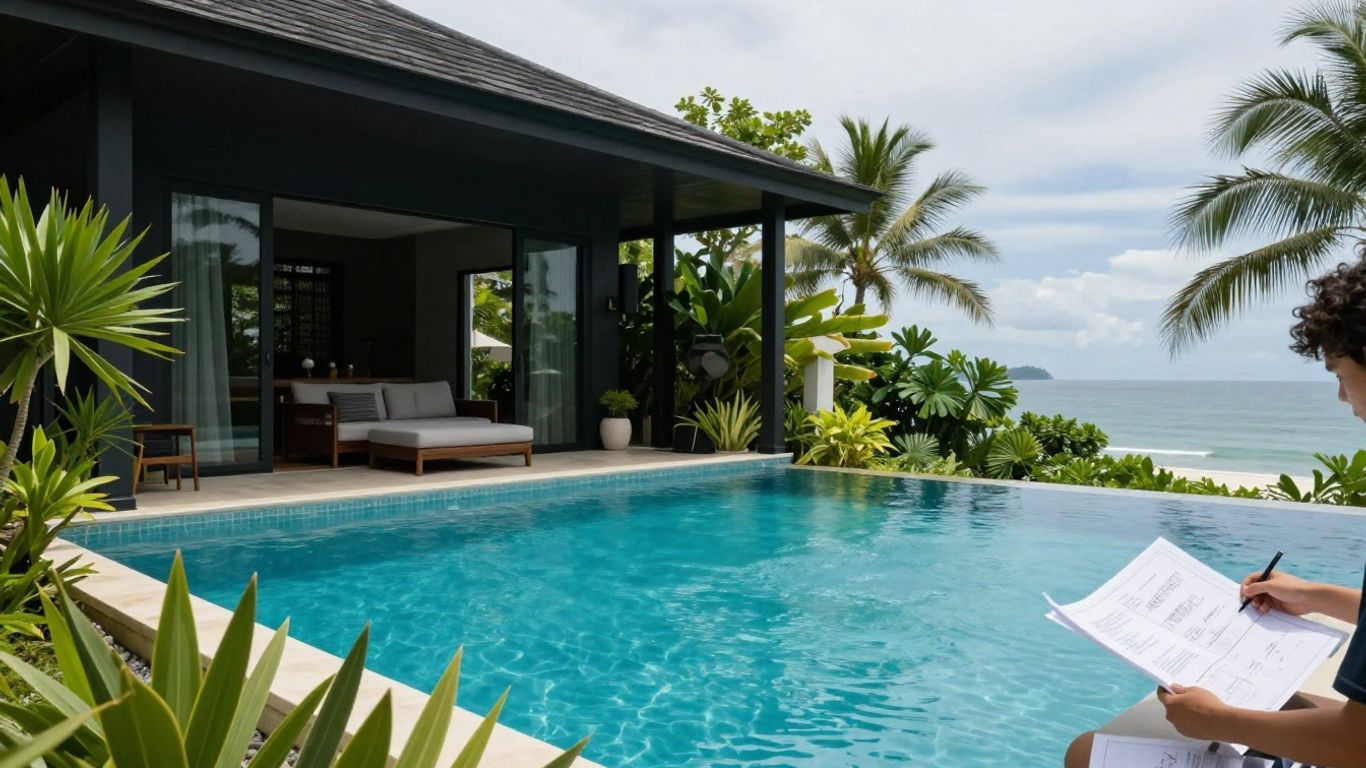
Right, so you’ve found a place in Phuket that ticks most of your boxes. Before you get too carried away with visions of sunset cocktails, there’s a really important step: checking the property itself. It’s not just about how it looks on the brochure; you need to know what you’re actually buying.
Assessing Structural Integrity and Utilities
This is where you get down to the nitty-gritty. You’ll want to have a good look at the bones of the building. Are there any obvious cracks in the walls, especially around windows or doors? What about the roof? Any signs of leaks or damage? It’s also worth checking the foundations, though that can be harder to see. Think about the plumbing and electrics too. Do the taps run okay? Is the water pressure decent? Flicking light switches and testing air conditioning units is a must. You don’t want to move in and then discover the wiring is ancient or the pipes are shot. A property that looks great on the surface can hide a multitude of sins underneath.
The Value of Professional Property Inspections
Look, I’m no builder. You’re probably not a builder either. That’s why getting a professional in is a really good idea. These folks know what to look for – the stuff you’d never spot. They can tell you if that little crack is just cosmetic or a sign of a bigger problem. They’ll check things like damp, mould, and the condition of the roof in detail. It’s an extra cost, sure, but it could save you a fortune down the line. Think of it as an investment in peace of mind. You can find inspectors through local real estate agents or ask for recommendations. They’ll usually provide a detailed report, which is super helpful.
Avoiding Future Repair Costs Through Inspection
Honestly, this is the main point. A thorough inspection is your best defence against unexpected bills. Imagine buying a beautiful villa, only to have the air conditioning pack up a month later, or worse, discover a serious structural issue. That’s a nightmare scenario. By identifying potential problems before you sign on the dotted line, you have a few options. You could ask the seller to fix them, negotiate a lower price to cover the repairs yourself, or even walk away if the issues are too significant. It’s all about making an informed decision. For example, if you’re looking at modern tropical villas, you’ll want to ensure the build quality matches the price tag. Modern tropical villas can be fantastic, but even they need a proper check-up.
It’s easy to fall in love with a property’s aesthetics, but a practical, detailed inspection is what truly protects your investment and prevents future headaches. Don’t skip this vital step.
Navigating Leasehold Agreements
Understanding Lease Terms and Extensions
When buying property in Phuket, especially if you’re a foreign national, you’ll often come across leasehold agreements. It’s not quite owning the property outright, but it gives you the right to use and occupy it for a set period. Think of it like renting a place long-term, but with more formal terms. The contract will clearly state the duration of the lease, which can be anywhere from 10 to 30 years, and often includes options for renewal. It’s really important to get these renewal clauses right, as they can significantly extend your period of use. Sometimes, the terms for renewal might be fixed, meaning the rent or conditions are already agreed upon for the next term. Other times, they might be subject to negotiation when the time comes, which can be a bit of a gamble. Always check what the agreement says about how extensions work and any associated costs.
Rights and Obligations in Lease Contracts
Your leasehold agreement is your rulebook for the property. It spells out what you can and can’t do. Generally, you’ll have the right to live in the property, make reasonable alterations (though you’ll need permission for anything major), and sublet it if the contract allows. On the flip side, you’ll have obligations like paying the lease fees on time, maintaining the property in good condition, and adhering to any community rules if it’s part of a larger development. It’s also common for the lease to specify what happens to any improvements you make when the lease ends – usually, they become the property owner’s. You’ll want to be clear on who is responsible for major repairs, like structural issues, versus day-to-day maintenance. A good lease contract will cover these points clearly, preventing any nasty surprises down the line. For example, some developments offer properties with a 30-year lease, which can be a solid option for long-term investment.
Leasehold vs. Freehold Considerations
So, leasehold or freehold? That’s the big question. Freehold means you own the land and the building outright, forever. It’s the most straightforward form of ownership. Leasehold, as we’ve discussed, means you have the right to use the property for a fixed term. For many foreign buyers, leasehold is a practical way to secure a property in Thailand, as direct freehold ownership of land is restricted. However, it’s not the same as owning it outright. You’re essentially buying the right to use the property for a long time. When the lease expires, your rights to the property end unless you’ve successfully renewed it. It’s worth looking into different types of properties; for instance, some exclusive boutique villas in Manik offer a blend of design and location, and understanding the ownership structure is key before committing.
When considering a leasehold agreement, always think about the total duration you’ll have use of the property, including all renewal options. A 30-year lease with a guaranteed renewal option for another 30 years is very different from a 30-year lease with no renewal specified.
Ensuring Transparency in Transactions
When you’re looking to buy property in Phuket, keeping things clear and above board is really important. It’s not just about signing a piece of paper; it’s about making sure everyone knows where they stand and what’s expected. A transparent transaction builds trust and helps avoid headaches down the line.
The Role of Contracts in Preventing Disputes
Think of your purchase agreement as the rulebook for the whole process. A well-written contract spells out all the details – the price, when payments are due, what exactly you’re buying, and any promises the seller is making. Without this clarity, misunderstandings can easily pop up. For instance, if the contract doesn’t clearly state the completion date, or if there are vague descriptions of the property’s boundaries, you could find yourself in a disagreement later on. A good contract acts like a shield, protecting both you and the seller from unexpected arguments.
Clear Communication of Buyer and Seller Rights
It’s vital that both parties understand their rights and responsibilities. This means the contract should clearly outline:
- What the seller is obligated to provide: This could include things like clear title deeds, the property in a certain condition, or specific fixtures and fittings.
- What the buyer needs to do: This typically involves making payments on time and completing any necessary checks.
- What happens if things go wrong: Clauses covering delays, defects, or non-payment are essential.
This open communication, documented in the contract, means there are fewer surprises. It’s about setting expectations from the start.
Maintaining Records of All Agreements
Keep copies of everything. This isn’t just the main purchase agreement, but also any addendums, letters of intent, or even important emails that discuss key terms. Having a complete paper trail is incredibly useful if any questions or disputes arise later. It provides evidence of what was agreed upon.
It’s a good idea to have a dedicated folder, either physical or digital, for all your property transaction documents. This includes initial offers, deposit receipts, inspection reports, and the final deed. Being organised makes the whole process feel much more manageable and secure.
We believe in being open about all our dealings. Understanding where your money is going is important, and we make sure you have all the details. For a clear picture of how we operate, visit our website.
Wrapping It Up
So, buying property in Phuket is definitely doable, but it’s not exactly a walk in the park. You’ve got to pay attention to the details, especially when it comes to those deposits and contracts. Getting a good lawyer involved early on is a really smart move, trust me. They can help you spot any tricky bits in the paperwork that you might miss. It’s all about making sure you know exactly what you’re signing up for, so you can enjoy your new place without any nasty surprises down the line. Do your homework, ask questions, and you’ll be well on your way to owning a piece of paradise.
Frequently Asked Questions
What’s a deposit for when buying a house in Phuket?
When you decide to buy a property, you usually pay a deposit. Think of it as a down payment to show the seller you’re serious about buying. It’s a way to reserve the property for you while the rest of the paperwork is sorted out. The amount is often around 10% of the total price, but you can sometimes negotiate this.
Can foreigners buy property in Phuket?
Yes, foreigners can buy property in Phuket, but there are rules. You can buy a condo if at least half of the building is owned by Thai people. For land, you can’t own it directly, but you can have a long-term lease, usually for up to 30 years, which can often be extended. It’s best to chat with a local property lawyer about the best way for you.
Why is it so important to have a written contract?
A contract is like a rulebook for the sale. It clearly states who is buying what, how much it costs, when payments are due, and what happens if something goes wrong. Without a solid contract, misunderstandings can easily lead to arguments or legal trouble later on. It protects both you and the seller.
What should I check before signing anything?
Before you commit, you need to do some homework, called ‘due diligence’. This means making sure the seller actually owns the property and has the right to sell it. You’ll want to check the official land documents (like the ‘Chanote’) and see if there are any debts or legal fights tied to the property. It’s also wise to look into local rules about land use and the environment.
Do I really need a lawyer for buying property in Phuket?
Absolutely! Thai property law can be tricky, especially for foreigners. A local lawyer who knows the system can read through the contract, explain everything in simple terms, and make sure your interests are looked after. They can spot any hidden problems or unfair clauses that you might miss.
What happens when I finally buy the property?
Once the contract is signed and everything else is agreed upon, you’ll need to go to the local Land Office. This is where the official ownership changes hands. You’ll need to pay the remaining amount, sort out any taxes and fees, and the title deed will be transferred to your name. It’s a formal process to make sure everything is legal.
Are there extra costs besides the property price?
Yes, there are! Besides the purchase price and your deposit, you’ll have to pay things like transfer fees, stamp duty, and possibly other taxes. These costs can add up, so it’s good to find out exactly what they are early on and discuss with the seller who will pay for what.
Should I get the property checked for damage before buying?
Definitely. It’s a really good idea to have the property thoroughly inspected. This means checking the building’s structure, the plumbing, electricity, and everything else. Sometimes, hiring a professional inspector can save you a lot of money on unexpected repairs down the line. It gives you peace of mind about what you’re buying.