
So, Phuket’s property market is buzzing again after the pandemic quiet. It feels like everyone’s talking about it, and honestly, it’s hard to tell if it’s all just hype or if something real is going on. We’ve seen a lot of building, prices have gone up, and tourists are flocking back. But is this the start of a new golden age for property there, or just a temporary blip? Let’s try and figure out what’s really happening with the Phuket post-pandemic property boom.
Key Takeaways
- The Phuket post-pandemic property boom is fuelled by pent-up demand from people reassessing their lifestyles and a strong return of tourism.
- Phuket is shifting from a pure tourist spot to a lifestyle hub, attracting digital nomads and long-term residents, which supports sustained property interest.
- While construction is manic, watch out for potential oversupply and rising prices making affordability a concern for some.
- The market has shown resilience, driven by international investors and lifestyle buyers, insulating it somewhat from global financial shocks.
- Infrastructure upgrades and a more diverse buyer pool are positive signs, but careful consideration of market dynamics and legal aspects is still needed.
The Post-Pandemic Property Surge: A Coiled Spring Unwinds
It feels like just yesterday we were all stuck at home, right? Well, it turns out that period of enforced downtime really got people thinking about where and how they wanted to live. And now, as the world opens up again, Phuket’s property market is showing some serious signs of life. It’s almost like a spring that’s been compressed for ages, and now it’s finally letting go.
Pent-Up Demand Fueling Market Activity
During the pandemic, travel bans and general uncertainty put a lot of property plans on hold. People weren’t exactly jetting off to view villas or signing contracts. But that doesn’t mean the desire to own a piece of paradise disappeared. Far from it. Now that things have settled down, there’s a noticeable rush of buyers looking to finally make those moves they’d been postponing. It’s this pent-up demand that’s really pushing activity, with folks eager to snap up properties they’ve had their eye on.
Lifestyle Reassessment Driving Investment
Beyond just delayed purchases, the pandemic also prompted a big rethink about life itself. Many people realised they wanted more than just a city commute and a small garden. They started looking for a different pace, more sunshine, and better access to nature. Phuket, with its beaches, outdoor lifestyle, and established infrastructure, has become a prime destination for those seeking this change. It’s not just about buying a holiday home anymore; it’s about investing in a whole new way of living.
Temporary Boom or Lasting Trend?
So, is this surge just a short-term blip as everyone catches up, or is it the start of something more permanent? It’s a question on a lot of minds. While the initial rush might ease off a bit, there are good reasons to think Phuket’s property market could see sustained interest. The rise of remote working means more people can live where they want, and the island’s appeal as a lifestyle hub is only growing. Plus, with ongoing development and a diverse range of buyers, it’s not just a fleeting trend. However, it’s always wise to look closely at the numbers and understand what’s really driving the market.
The market is seeing a significant influx of buyers who had previously delayed their property aspirations due to global travel restrictions and economic uncertainty. This renewed interest is underpinned by a fundamental shift in lifestyle priorities, with many seeking a more balanced and health-conscious existence, which Phuket is well-positioned to provide.
Phuket’s Evolving Landscape: Beyond Tourism
Transitioning to a Lifestyle Hub
Phuket isn’t just about fleeting holidays anymore. It’s really starting to feel like the island is shifting gears, moving beyond its traditional role as just a tourist hotspot. We’re seeing a definite move towards becoming a place where people want to put down roots, at least for a while. This means the property market needs to think about more than just holiday lets. It’s about creating spaces that people can actually live in, work from, and feel a part of. The island’s future success really depends on its ability to become a well-rounded lifestyle destination.
Catering to Digital Nomads and Long-Term Residents
Think about it: more and more people are working remotely, right? Phuket is definitely noticing this trend. There’s a growing demand from digital nomads and those looking for longer stays, not just a week or two. This changes what developers need to offer. It’s not just about a nice view from a hotel room; it’s about reliable internet, comfortable workspaces, and maybe even community areas where people can connect. We’re seeing a rise in properties that cater to this, offering more than just a place to sleep. It’s about creating a home away from home, but with better weather and beaches.
Here’s a quick look at who’s looking to stay longer:
- Digital Nomads: Seeking reliable infrastructure and a vibrant community.
- Retirees: Looking for a relaxed pace of life and good healthcare facilities.
- Families: Considering international schools and a safe environment.
- Remote Workers: Needing dedicated workspaces and good connectivity.
The Importance of Sustainable Development
With all this change, there’s a growing conversation about doing things the right way. Nobody wants to see Phuket lose its charm under a mountain of concrete. Sustainable development is becoming a big deal. This means building in a way that respects the environment and the local culture. It’s about making sure that the growth we’re seeing now doesn’t harm the island for future generations. Developers are starting to think more about green building practices and how their projects fit into the existing landscape. It’s a tricky balance, for sure, but it’s something that’s definitely on people’s minds.
The island’s transformation is undeniable, but the real test will be how it manages this growth. Finding that sweet spot between development and preservation is key to its long-term appeal.
Key Drivers of Phuket’s Property Boom
So, what’s really making Phuket’s property market tick right now? It’s not just one thing, but a mix of factors that seem to be working together. Think of it like a recipe – you need the right ingredients for it to turn out well.
A Resurgent Tourism Sector
Let’s be honest, tourism is the engine that powers a lot of Phuket’s economy, and the property market is no different. When the island is buzzing with visitors, demand for places to stay, whether for a week or a year, naturally goes up. After the quiet period of the pandemic, we’ve seen a real comeback in tourist numbers. This isn’t just about people on holiday; it means more potential buyers and renters are looking at Phuket. It’s like the island is back on everyone’s radar.
Continuous Infrastructure Enhancements
Phuket isn’t standing still. There’s been a steady stream of improvements happening across the island. We’re talking about better roads, upgraded utilities, and generally making the place more convenient and attractive. Having a good airport is a given, but it’s the smaller things too, like reliable internet and better public services, that make a big difference. These developments make Phuket a more appealing place to live and invest in for the long haul, not just for a quick visit.
A Diversified and International Buyer Pool
It used to be that Phuket property was mainly for holidaymakers or investors looking for a quick return. That’s changed quite a bit. Now, you’ve got a much wider range of people interested. We’re seeing more people looking to relocate, digital nomads setting up shop, and families wanting a different lifestyle. This mix of buyers, coming from all over the world, adds a lot of stability. It means the market isn’t reliant on just one type of buyer, which is a good thing for its overall health.
The island’s appeal has broadened significantly, moving beyond its traditional role as a holiday destination to become a sought-after location for long-term living and investment. This shift is underpinned by a combination of factors that create a unique market dynamic.
Here’s a quick look at how these drivers interact:
- Tourism: More tourists mean higher demand for rentals and second homes.
- Infrastructure: Better facilities make the island more liveable and attractive for permanent residents.
- Buyer Diversity: A wider range of international buyers spreads risk and supports sustained demand.
It’s this combination that seems to be fuelling the current property boom, making Phuket a standout market.
Market Dynamics: Supply, Demand, and Affordability
Right now, the Phuket property market feels a bit like a juggling act. On one hand, prices have shot up, making it a bit of a stretch for some folks to even consider buying. It’s not just the sticker price of a villa or condo; the cost of building materials and labour has also climbed, putting pressure on developers and, you guessed it, the buyers.
Rising Property Prices and Affordability Concerns
It’s no secret that property values in popular Phuket spots have seen some serious gains lately. This rapid appreciation is making it harder for many to get a foot on the property ladder. The cost of everything, from concrete to skilled labour, has gone up, and that inevitably gets passed on.
The Specter of Oversupply
There’s been a lot of construction happening across the island. While this can be a sign of a healthy market, there’s a nagging worry that we might be building more than we can actually sell. If demand doesn’t keep pace with all this new supply, we could see prices stagnate or even dip as developers try to shift their stock. It’s a delicate balance, and the market has felt a bit slower than usual in the first half of 2025.
Shifting Supply and Demand Balances
The relationship between what’s available and what people want is definitely changing. We’ve got more properties on the market than ever before, but is the demand still there to match it? Global economic wobbles and new rules can influence buyer decisions. It’s a bit of a waiting game to see how things will settle.
Phuket’s island geography inherently limits land availability, a key factor driving up property values, especially for desirable sea-view plots.
Here’s a rough idea of how things are shaping up:
- Rising Costs: Building materials and labour expenses are increasing.
- Price Appreciation: Property values have seen significant jumps, particularly in prime locations.
- Buyer Hesitation: Affordability concerns are making some potential buyers pause.
The sheer volume of new developments, while exciting for some, raises questions about long-term absorption. It’s a period where careful observation of sales figures versus construction rates is paramount to understanding true market health.
When considering affordability, it’s also worth remembering that Phuket operates on a global scale. What might seem expensive to a local buyer could be a bargain for someone holding stronger foreign currency. Exchange rates play a significant role, making the island attractive to international investors when their home currency is strong against the Thai Baht. However, for many Thai residents, owning property in sought-after areas remains a significant financial challenge, creating a noticeable divide in the market.
Investor Behaviour and Market Resilience
It’s interesting to see how people are putting their money into Phuket property these days. The pandemic really shook things up, didn’t it? Lots of folks put their plans on hold, and now it feels like a big release of pent-up demand. We’re seeing a mix of buyers, from those looking for a holiday home to people wanting to relocate for a better lifestyle. It’s not just about quick profits anymore; many are thinking long-term.
Large investors are playing a part too. When bigger companies see value, they can step in and help keep prices from dropping too much. This kind of stability is good for everyone, stopping wild swings in the market. It means that even if there are global economic wobbles, Phuket’s property market seems to have a bit of a buffer.
Phuket’s market has always been a bit different. It’s less reliant on big loans compared to some other places, which helps insulate it when interest rates go up. Plus, the money coming in is more diverse than it used to be. It’s not just one type of buyer anymore.
Here’s a look at some common investor types:
- Lifestyle Investors: These buyers prioritise quality of life. They’re often looking for a holiday home or a place to retire, favouring luxury villas or beachfront condos. Their investment horizon is typically long-term, with a lower to medium risk tolerance.
- Yield-Focused Investors: These individuals are primarily interested in rental income and property appreciation. They might opt for apartments in popular tourist areas and generally have a medium to high risk tolerance with a shorter to medium-term investment outlook.
- Long-Term Residents/Digital Nomads: With the rise of remote work, more people are looking to establish longer stays. They seek properties that offer comfort and convenience for extended periods, often prioritising community and amenities.
The island’s appeal isn’t just about the sun and sand; it’s about a perceived stability and a lifestyle that many find increasingly attractive. This sustained interest, driven by a broader range of motivations, contributes significantly to the market’s resilience.
The key takeaway is that Phuket’s property market is showing a strong capacity to bounce back, partly due to the changing motivations of its buyers and the steadying influence of significant investment.
Navigating the Phuket Property Market
So, you’re thinking about diving into Phuket’s property scene? It’s not quite as simple as picking a postcard-perfect villa and signing on the dotted line. There are a few things to get your head around first, especially when you’re comparing prices and figuring out what’s what.
Understanding Comparative Price Indices
It’s a bit of a puzzle because Phuket doesn’t have its own official property price index. We usually have to look at the broader Thai market data, which gives us a general idea. These figures show steady growth over time, though sometimes it slows down a bit. What’s considered ‘affordable’ really depends on where you’re coming from. Someone from London might find Phuket prices surprisingly reasonable compared to what they’re used to back home. The prices here are definitely influenced by what international buyers are willing to pay.
Regional Growth Patterns and Local Market Nuances
Phuket isn’t growing uniformly. Some spots and types of property are doing much better than others. The rental market, especially for nice villas and swanky condos in good locations, seems to be growing faster than inflation. It’s also important to remember the local side of things. While a lot of the visible real estate is aimed at foreigners, more and more local people are buying property too. A strong economy has helped lift everyone, and most Thai nationals in Phuket are seeing their wealth increase.
Market Maturity and Liquidity
Historically, Phuket’s property market has managed to avoid the wild boom-and-bust cycles you see in other places. Prices have generally crept up steadily. However, since the pandemic, some projects have seen really big price jumps. It’s not uncommon to see prices go up by 20%, 25%, or even 30% in a single year on certain developments. This is partly because building costs on the island have shot up – think bricks, cement, appliances, even plants – which naturally pushes up property prices.
The market here has seen some rapid price increases recently, particularly in sought-after areas. This surge is making affordability a growing concern for some potential buyers. It’s not just the property itself; the cost of building materials and labour has also risen, adding pressure on developers and, consequently, on the final price tag for consumers.
Here’s a rough idea of how prices have moved, though remember these are general trends:
- Average Annual Price Increase (Historical): 4%-5%
- Post-Pandemic Price Increase (Select Projects): 20%-30% in a single year
- Construction Cost Increase: Significant rise across materials and labour
It’s a complex picture, and understanding these different layers is key before you make any big decisions.
Development Activity and Its Impact
Manic Construction Versus Sales Absorption
Phuket’s construction scene is hard to ignore. Everywhere you turn, there’s a crane or a new block of townhomes. The real question lingering in everyone’s mind: is anyone buying as quickly as developers are building? Construction is moving at full speed, but sales aren’t always matching the pace. This is making some long-time locals anxious about oversupply, especially because the classic quiet island atmosphere is vanishing in some neighbourhoods.
Let’s break down how this plays out:
- Fast-growing areas (like Bangtao or Cherngtalay) see a surge in projects, often aimed at lifestyle buyers and foreign investors.
- If units go unsold, developers may push short-term rental schemes or special deals.
- Some buyers fear sinking money into places where supply could soon outstrip demand.
| Area | New Projects (2025 est.) | % Units Sold as of Feb 2026 |
|---|---|---|
| Bangtao/Cherngtalay | 13 | 63% |
| Kamala | 8 | 74% |
| Rawai | 6 | 59% |
The building boom energises the economy but can also feel like a gamble if buyers pause for too long or returns flatten.
The Concept of Irrational Exuberance
Property bubbles don’t announce themselves. Still, you get the feeling sometimes that developers—and even buyers—are expecting endless good times. Price tags are going up, even when not every new unit finds an owner quickly.
- Rising prices feed the idea that the only way is up, even though the market can’t always defy gravity.
- Many projects are geared toward those banking on Phuket’s ongoing popularity as a live-work-play destination.
- Some buyers may be caught out if demand doesn’t match developers’ hopes, especially in less established areas.
People need to ask themselves: is there real demand behind the hype? Or is everyone just hoping someone else will pay more next year?
Transformation Through Development
Phuket today has changed from just a scenic island getaway into something much bigger. There’s better medical care, schools, shopping, nightlife, and transport—all built, at least in part, on the back of this construction wave. This makes Phuket more appealing as a place to live and invest, but it’s not without cost to the island’s original character.
Pros of Phuket’s development wave:
- Improved healthcare, roads, and digital infrastructure
- New amenities like shopping centres and international schools
- More year-round residents and investors, not just short-term visitors
Cons to watch:
- Loss of green spaces and traditional neighbourhoods
- Price rises that push out locals and long-term expats
- Occasional strains on basic services (water, power, traffic)
Growth is great—until it starts to crowd out what drew people to Phuket in the first place. It’s a tightrope walk, and where the island lands depends on choices made now.
Future Outlook and Investment Considerations
So, what’s next for Phuket’s property market? It’s looking pretty positive, honestly. We’re seeing a real shift towards people wanting to live well, not just live longer. Think health-focused homes and places that support an active lifestyle. This isn’t just a trend for the super-rich anymore; younger generations are really getting into it, looking for properties that help them stay healthy and active from an earlier age. It’s a big change from how things used to be.
Anticipated Recovery and Increased Occupancy Rates
The island’s tourism sector is bouncing back strongly, and that’s great news for property owners. More visitors mean more demand for rentals, both short-term holiday lets and longer stays. We’re expecting occupancy rates to climb steadily, which should make rental yields more attractive for investors. It feels like Phuket is really finding its feet again after a tough few years.
Legal Clarity and Foreign Ownership
When you’re looking to buy property here, especially as a foreigner, it’s super important to get the legal side sorted. Thailand has specific rules about foreign ownership, and while they’re generally clear, things can change. It’s always best to work with local legal experts who know the ins and outs. This helps avoid any nasty surprises down the line and makes sure your investment is secure.
Strategic Investment in a Competitive Environment
Phuket is definitely a competitive market now, and it’s only going to get more so. To make smart investment choices, you’ve got to look beyond the obvious spots. Areas like Rawai and Kamala, for instance, are starting to get more attention. They often offer better value and a more relaxed vibe, which appeals to people looking for a long-term home or a quieter holiday spot. Doing your homework and maybe even visiting these places yourself can really pay off. It’s about finding those spots that have potential before everyone else catches on.
The global property market is always shifting. Things like interest rates in other countries or changes in visa rules can all have an effect on how people invest in places like Phuket. Staying aware of these bigger picture trends is key to making good decisions about your property plans here.
Here are a few things to keep in mind when thinking about investing:
- Understand the buyer: Who are you trying to attract with your property? Holidaymakers? Long-term residents? Digital nomads? Knowing this helps you tailor your property and your marketing.
- Look at the numbers: Don’t just fall in love with a place. Check out the potential rental yields, property taxes, and any management fees. It all adds up.
- Consider the long game: Is this a quick flip or a long-term asset? Phuket has shown it can be resilient, but thinking about how the market might change over the next 5-10 years is wise.
Phuket’s Resilience: Lessons from Past Cycles
Insulation from Global Financial Shocks
Phuket’s property market has a bit of a reputation for bouncing back, even when the rest of the world’s economy is doing a nosedive. Remember the Global Financial Crisis? While global GDP took a tumble, property prices here actually managed to creep up. It’s not magic; it’s down to what drives this island’s market. Unlike many places that rely heavily on local credit and domestic demand, Phuket’s property scene is fuelled by tourism, international money, and a strong desire for a particular lifestyle. This makes it less vulnerable to sudden interest rate hikes or domestic economic wobbles. It’s like it’s got its own little protective bubble.
The Influence of Lifestyle Investment
People aren’t just buying property in Phuket for a quick flip. A huge chunk of the transactions are driven by what you might call lifestyle investment. This means folks are buying because they want to live here, spend extended periods, or have a holiday home they’ll actually use. This kind of demand tends to be pretty sticky. Even when global markets get a bit choppy, people’s desire for a better quality of life, sunshine, and beaches doesn’t just vanish. It’s a different kind of motivation than pure financial speculation, and it helps keep the market steadier.
Accelerated Branded Property Development
Over the last few years, we’ve seen a massive increase in branded property development. Think hotels and resorts extending their reach into residential offerings, often with a recognised international name attached. This trend has really taken off. It brings a certain level of quality, management, and often, a built-in rental pool. This kind of development not only adds to the island’s appeal but also provides a more structured and often more secure investment for buyers, contributing to the market’s overall stability and attractiveness.
Here’s a look at how Phuket has weathered past storms:
- Global Financial Crisis (2008-2009): While global GDP contracted, Phuket property prices saw an increase, demonstrating insulation.
- Tsunami (2004): Despite the devastation, the island showed remarkable recovery, with the property market eventually rebounding.
- Pandemic (2020-2022): A temporary halt in tourism led to a slowdown, but pent-up demand and lifestyle reassessment have fuelled a strong post-pandemic recovery.
The island’s unique economic drivers – tourism, international capital, and lifestyle aspirations – create a market that behaves differently from many others. This inherent resilience is a key factor for anyone considering property investment here.
The 2025 Phuket Property Market Snapshot
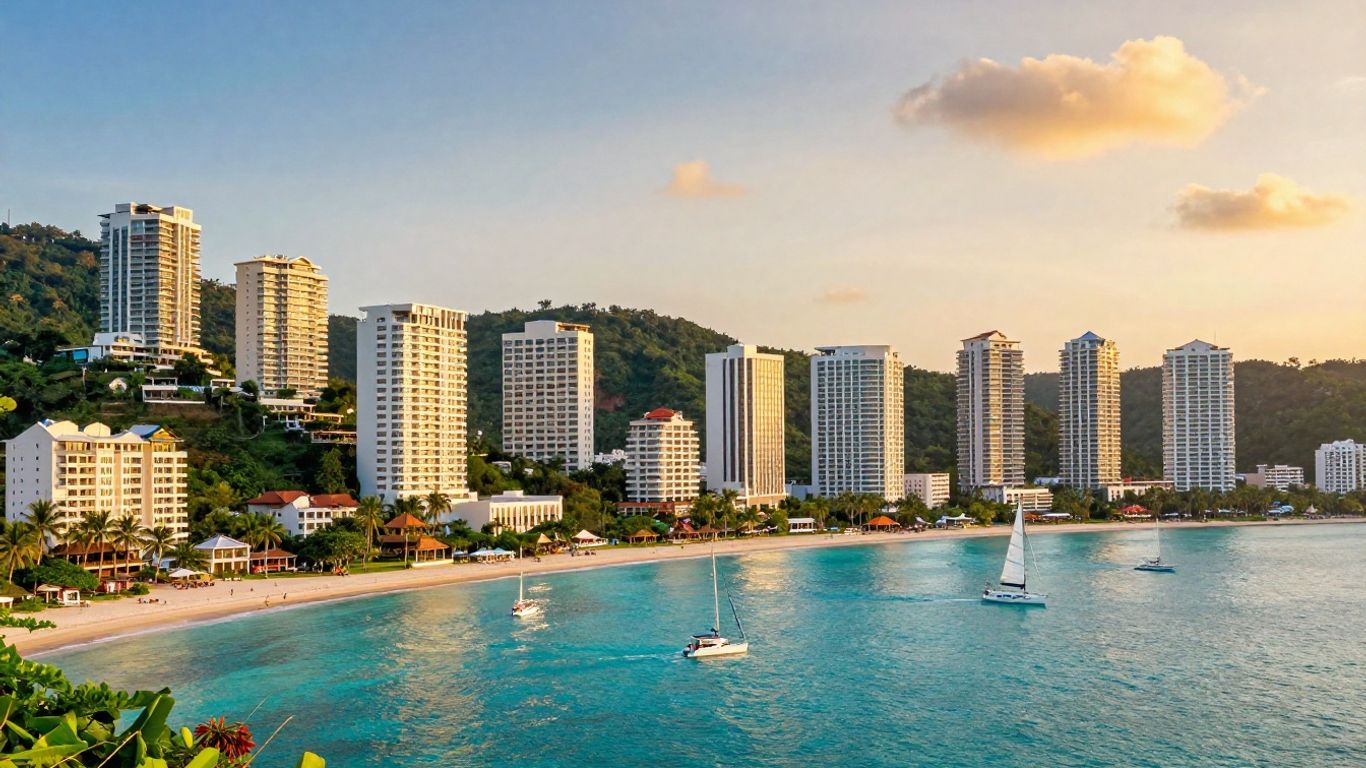
A Market Approaching Peak Visitor Numbers
Phuket in 2025 is looking pretty good, with visitor numbers set to hit over 13 million. That’s almost back to where things were before the pandemic, which is a big deal for property. All these people coming means more demand for places to stay, whether it’s for a holiday or for longer. It’s definitely putting a spotlight on properties that are in the right spots.
Growth Potential Outpacing National Averages
While the rest of Thailand’s property market is expected to see modest growth, Phuket seems to be doing better. We’re talking about rental returns of 6-10% for things like branded residences and villas with sea views. It’s becoming a really attractive place for people who want a nice lifestyle and a decent investment all rolled into one.
Infrastructure Upgrades Enhancing Future Value
There are some big projects happening that should make getting around and living on the island even better. Think about a potential light rail system and airport expansions. These kinds of improvements aren’t just for tourists; they make the island more practical for residents too and should help property values in the long run. It feels like the island is being future-proofed.
Legal Clarity Improving Buyer Security
Since last year, there’s been a bit more focus on making sure foreign ownership rules are followed properly. This might sound like a hassle, but it actually makes things safer and clearer for legitimate buyers, especially when it comes to buying condos outright. It’s good to know the rules are being applied fairly.
Limited Prime Supply Driving Competition
It’s not just about the number of visitors; it’s also about what’s available. Well-located villas and high-end apartments are already getting a lot of attention. If you’re thinking of buying, waiting might mean paying more for something similar down the line. It seems like the best spots are becoming quite sought after.
The island’s property market is showing strong signs of recovery and growth, driven by a resurgence in tourism and significant infrastructure development. This combination is creating a favourable environment for investors looking for both lifestyle benefits and potential capital appreciation, though careful consideration of location and property type remains key.
Here’s a quick look at some popular areas:
- Bang Tao & Laguna: The luxury end is still doing well here. Expect prices to have climbed by about 15% in the last year, thanks to new resorts and not many premium beachfront places available.
- Kata & Karon: These spots are popular with holidaymakers and surfers. Tourism is back, which means higher rental rates during busy periods. New condos launched recently have sold out quickly.
- Rawai & Nai Harn: Still a favourite for expats and retirees, these areas offer good value for villas compared to the north. More boutique villa projects are popping up, aimed at people looking to rent long-term, which is good for yields.
Thinking about buying property in Phuket? The 2025 market is looking interesting, with new trends emerging. Curious to see what’s happening? Visit our website for the latest updates and insights to help you make a smart choice.
So, is Phuket’s Property Boom for Real?
Looking at everything, Phuket’s property market is certainly buzzing, but it’s not quite the simple story of endless growth some might think. We’ve seen prices climb, and yes, a lot of building is happening. This has brought in a lot of interest, especially from people wanting a change of lifestyle after the pandemic. However, there are signs that things might be slowing down a bit. With so many new places going up, there’s a real chance of having more properties for sale than people wanting to buy, which could lead to prices settling or even dropping in some spots. It’s probably not a crash waiting to happen, though. Phuket has a history of bouncing back, and its appeal as a place to live and visit is still strong. The key takeaway is that while the boom might be cooling off, the island’s long-term appeal, backed by tourism and good infrastructure, means it’s still a place worth watching for smart investors. Just be sure to do your homework before jumping in.
Frequently Asked Questions
Why is Phuket’s property market booming right now?
After the pandemic, lots of people wanted to buy property in Phuket. Think of it like a spring that was pushed down and then suddenly released! Many people had put their plans on hold and are now eager to invest, especially since they’ve been thinking more about their lifestyle.
Is this property boom in Phuket going to last, or is it just temporary?
That’s the big question! While the initial rush might slow down, many things suggest people will keep wanting to buy property in Phuket. More people can work from home, they want a better life with beaches and sun, and Phuket already has good facilities. It seems more like a lasting trend than just a short burst.
Are property prices in Phuket getting too high for people to afford?
Yes, prices have gone up quite a bit, especially in popular spots. This is making it harder for some people to buy homes. Building materials and labour costs are also more expensive, which pushes property prices up even further.
Is there a risk of having too many new properties built in Phuket?
There’s a lot of building happening, and some worry there might be more properties for sale than people who want to buy them. If this happens, prices could drop as builders try to sell their properties. It’s important to keep an eye on the balance between supply and demand.
What makes Phuket’s property market different from other places?
Phuket’s market is special because it relies a lot on tourism and money from overseas. People often buy there for the lifestyle, not just to make a quick profit. This makes it more stable and less affected by problems in other markets.
How is Phuket changing, and how does that affect property?
Phuket is becoming more than just a holiday spot. It’s turning into a place where people want to live for longer, including remote workers and retirees. This means developers need to build different kinds of homes and improve the island’s facilities to keep it attractive.
Are big investors important for Phuket’s property market?
Yes, when large companies invest in property, it can help keep prices from falling too much. They often see current prices as a good opportunity to buy, which helps make the market more stable.
What are the main reasons people want to buy property in Phuket?
There are a few key reasons: a strong tourism industry brings in visitors and potential renters, new and improved roads and facilities make it a great place to live, and a diverse group of buyers from all over the world are interested in Phuket.