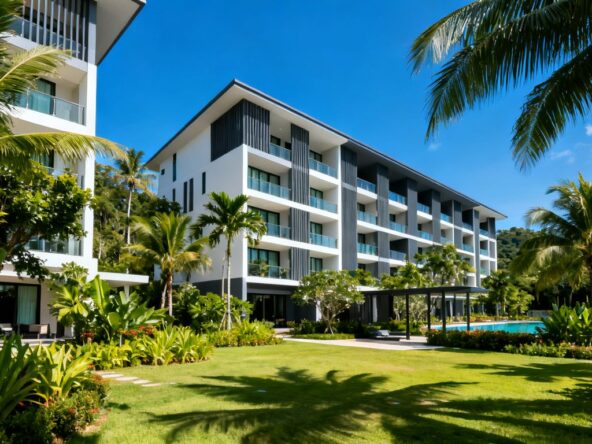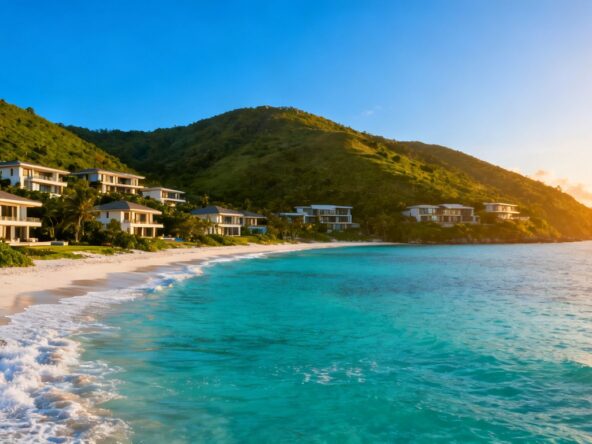


Thinking about where to put your money in Thailand’s property market? It often comes down to two big names: Phuket and Krabi. Both offer beautiful coastlines and a tropical lifestyle, but they’re quite different when it comes to real estate. Phuket is the established player, known for its luxury and busy scene. Krabi, on the other hand, is the up-and-comer, attracting people looking for something a bit more laid-back and affordable. So, when you look at Phuket vs Krabi real estate, which one is really heating up?
Key Takeaways
- Phuket boasts a mature real estate market with a strong focus on luxury properties and a diverse buyer base, making it a stable investment choice.
- Krabi presents a more affordable entry point for property buyers, with growing appeal to digital nomads and expats seeking a tranquil lifestyle, suggesting significant future appreciation potential.
- Lifestyle choices vary greatly; Phuket offers vibrant nightlife and established amenities, while Krabi provides a more relaxed atmosphere with stunning natural attractions.
- Rental yields can be competitive in both locations, but management in Krabi might require adapting to seasonal demand and a less developed infrastructure compared to Phuket.
- Infrastructure is more developed in Phuket, particularly its international airport connectivity, whereas Krabi is rapidly improving its accessibility and services, making it an attractive emerging market.
Phuket Vs Krabi Real Estate: An Overview
Comparing Coastal Thailand’s Property Markets
So, you’re thinking about dipping your toes into Thailand’s property market, specifically down south in Phuket or Krabi? It’s a big decision, and honestly, both places have their own unique charm and appeal. Phuket, you know, it’s the big player, the one everyone’s heard of. It’s got that established feel, a bit like the established older sibling. Krabi, on the other hand, feels a bit more like the up-and-coming one, still finding its feet but with loads of potential. The real estate scene in both locations is shaped by what they offer visitors and residents alike, from luxury resorts to more laid-back living.
Key Differences Between Phuket and Krabi
When you look at Phuket and Krabi side-by-side, the differences really stand out. Phuket is all about the glitz and glamour, with a well-developed infrastructure, a huge range of properties, and a constant buzz of activity. Think international airports, high-end shopping, and a property market that caters to a global audience. Krabi, though, offers a more relaxed vibe. It’s known for its stunning natural beauty – those iconic limestone cliffs and emerald waters. While it’s growing, it still feels a bit more untouched in places. Property here tends to be more affordable, attracting a different kind of buyer, perhaps someone looking for a quieter escape.
Here’s a quick look at some general differences:
- Development Level: Phuket is significantly more developed with a wider range of amenities and services.
- Property Prices: Generally, Krabi offers lower entry points for property investment compared to Phuket.
- Atmosphere: Phuket is known for its vibrant nightlife and busy tourist hubs, while Krabi leans towards natural beauty and tranquility.
- Accessibility: Phuket has a larger international airport with more direct flights.
Understanding the Appeal of Each Location
Why do people flock to these places? Well, Phuket’s appeal is pretty clear: it’s a world-renowned destination with a mature tourism industry. This translates into a strong rental market and a diverse buyer pool, from holiday home seekers to serious investors. It’s got a bit of everything for everyone, really. Krabi’s charm lies in its raw, natural beauty. It attracts nature lovers, adventure seekers, and those looking for a more authentic Thai experience. The growth in digital nomad communities and expat residents points to its increasing appeal as a place to live, not just visit. It’s a different kind of draw, more about lifestyle and connection with nature.
Investment Potential In Phuket
Phuket’s Established Property Landscape
Phuket, you know, it’s the grand dame of Thai islands when it comes to property. It’s been on the radar for ages, attracting folks from all over. This means the market here is pretty mature, with a wide range of properties available, from swanky beachfront villas to more modest apartments tucked away from the main drag. Because it’s so well-known, you’ve got a steady stream of potential buyers and renters, which is always a good sign for investors. It’s not exactly a secret, but that established nature brings a certain stability.
Attracting a Diverse Range of Buyers
What’s interesting about Phuket is who’s buying. It’s not just holidaymakers; you’ve got retirees looking for a sunny spot, digital nomads who can work from anywhere, and families seeking a different lifestyle. This mix means demand stays pretty consistent throughout the year, not just during peak tourist season. You’ll find everything from small studios to sprawling estates, catering to different budgets and needs. It’s this variety that keeps the market ticking over.
Luxury Developments and High-Value Assets
Phuket really shines when it comes to the higher end of the market. There are loads of luxury resorts and high-end residential projects popping up, especially along the west coast. These places often come with all the bells and whistles – private pools, sea views, top-notch amenities. While the price tag is higher, so is the potential for rental income and capital growth, particularly if you’re looking at prime locations. These premium properties are often snapped up by international buyers looking for a slice of paradise. It’s definitely a place where you can find some seriously impressive real estate.
Here’s a quick look at what you might expect in terms of property types:
- Condominiums: Common in developed areas, offering modern amenities and often good rental potential.
- Villas: Ranging from modest detached homes to ultra-luxury private residences with extensive grounds.
- Apartments/Studios: More affordable options, often popular with single buyers or those looking for a holiday bolt-hole.
Phuket’s long-standing reputation as a premier tourist destination means its property market has a built-in advantage. The infrastructure is already in place, and there’s a well-trodden path for property investment, making it a relatively straightforward choice for many.
When considering investment, it’s worth noting the different areas within Phuket. For instance, areas like Cherngtalay and Kamala are known for their upscale developments, while Rawai and Nai Harn might offer slightly more accessible price points with good rental appeal. It’s all about finding that sweet spot that matches your investment strategy and budget.
Krabi’s Emerging Real Estate Scene
Krabi’s property market is really starting to get noticed, especially if you’re looking for something a bit more laid-back than Phuket. It’s definitely got that ‘up-and-coming’ vibe, attracting people who want a slice of coastal Thailand without the hustle and bustle.
Affordable Seaside Living Opportunities
One of the biggest draws for Krabi is how much more affordable it is compared to its more famous neighbour. You can find some genuinely lovely places to live without breaking the bank. Think charming townhouses and bungalows, often fully furnished, that are significantly cheaper than what you’d expect to pay elsewhere. For instance, a decent two-bedroom house might rent for less than £700 a month, even in the popular Ao Nang area. It’s this kind of value that’s making people sit up and take notice.
- Lower cost of living: From groceries to dining out, your money goes further.
- Accessible property prices: More attainable entry points for buyers and renters.
- Value for money: Get more space and better amenities for your budget.
Growth in Expat and Digital Nomad Communities
Krabi isn’t just for holidaymakers anymore. It’s becoming a real hub for expats and digital nomads. You’ll find a growing number of co-working spaces popping up, particularly in Krabi Town, which is a bit of a surprise given its more traditional feel. This influx of remote workers and long-term residents is changing the local scene, bringing new energy and demand for rental properties. It’s a mix of retirees, freelancers, and people just looking for a slower pace of life, all drawn by the natural beauty and the more relaxed atmosphere.
Krabi offers a unique blend of natural splendour and developing infrastructure, making it an attractive proposition for those seeking a more tranquil existence. The increasing presence of international residents and remote workers is a clear indicator of its growing appeal.
Potential for Future Property Value Appreciation
While Krabi might not have the same established luxury market as Phuket, that’s precisely where its potential lies. As more people discover its charms and infrastructure continues to improve, property values are expected to climb. It’s a market that’s still maturing, meaning there’s a good chance for investors to get in relatively early. The focus here is on sustainable growth, driven by tourism and a steady stream of new residents, rather than rapid, potentially volatile development. Keep an eye on areas around Ao Nang and Krabi Town as they continue to develop.
Lifestyle Considerations For Property Owners
Vibrant Nightlife Versus Tranquil Escapes
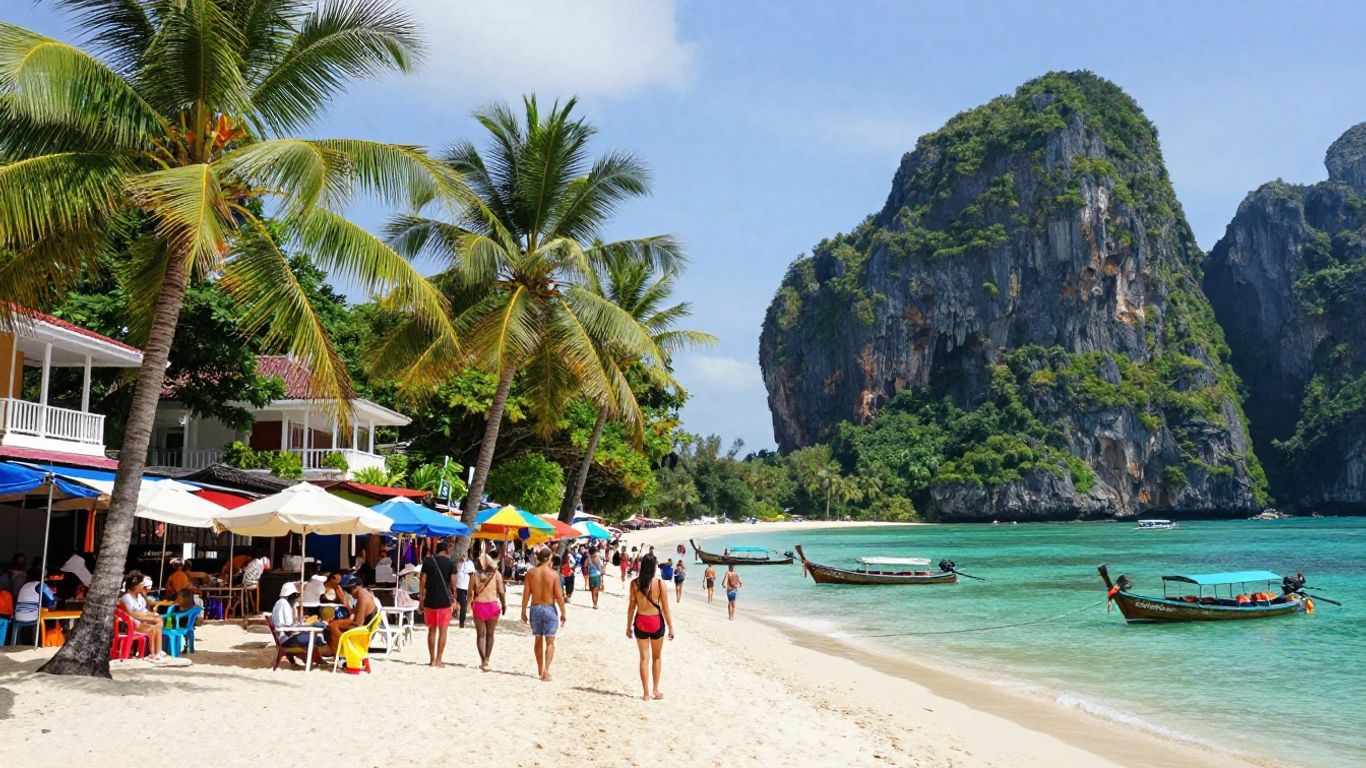
When you’re thinking about buying property in either Phuket or Krabi, the vibe is probably one of the first things that comes to mind. Phuket, especially areas like Patong, is known for its buzzing nightlife. Think bright lights, plenty of bars, clubs, and restaurants that go on late into the night. It’s a place that really comes alive after dark and attracts a crowd looking for that kind of energy. If you’re someone who enjoys being in the thick of it, with entertainment options right on your doorstep, Phuket might be your kind of place.
Krabi, on the other hand, tends to lean more towards a relaxed, tranquil escape. While it certainly has its share of lively spots, particularly in Ao Nang, the overall atmosphere is generally more laid-back. You’ll find more quiet beaches, chilled-out bars, and a slower pace of life. This makes it a great choice if you’re looking for a peaceful retreat, a place to unwind, or somewhere that feels a bit more removed from the hustle and bustle. It really depends on what you’re after – a constant party or a peaceful haven.
Access to Natural Attractions and Activities
Both Phuket and Krabi are blessed with incredible natural beauty, but they offer slightly different experiences. Phuket, being a larger island, has a wider range of activities and attractions. You’ve got famous beaches like Kata and Karon, but also hidden coves, viewpoints, and a variety of water sports. It’s also a hub for island hopping tours to places like the Similan Islands. The sheer size means there’s always something new to explore, from elephant sanctuaries to cultural shows.
Krabi, however, is famous for its dramatic limestone karsts, stunning beaches like Railay and Phra Nang, and its proximity to incredible islands such as Koh Phi Phi and Koh Lanta. It’s a paradise for rock climbers, kayakers, and anyone who loves exploring by boat. The focus here is often on the raw, natural beauty and the adventure it offers. Think exploring sea caves, snorkelling in crystal-clear waters, or simply soaking in the breathtaking scenery. For nature lovers, Krabi often feels like stepping into a postcard.
Cultural Nuances and Local Demographics
Understanding the local culture and the people who live there can really shape your experience. Phuket has a more diverse population due to its long history as a major tourist destination. You’ll find a mix of locals, expats from all over the world, and a constant stream of tourists. This can mean a more cosmopolitan feel, but sometimes it can also feel a bit more commercialised. The local culture is present, but it’s often intertwined with the tourism industry.
Krabi, while also popular with tourists, often retains a stronger sense of local Thai life, especially as you move away from the main beach areas. Krabi Town, for instance, offers a glimpse into everyday Thai living. The expat community here is growing, attracting digital nomads and those seeking a quieter lifestyle, but it’s generally a more mixed group than in Phuket. You might find it easier to connect with the local community in Krabi, especially if you’re looking for a more authentic cultural experience. It’s a place where traditional ways of life are perhaps a bit more visible.
When choosing between Phuket and Krabi, it’s not just about the property itself, but the lifestyle it supports. Consider whether you want the energy of a bustling island or the calm of a more serene coastal province. Your daily life, your social interactions, and your access to activities will all be shaped by this choice. It’s about finding the place that truly feels like home, whether that’s surrounded by lively crowds or quiet natural beauty.
Rental Yields And Property Management
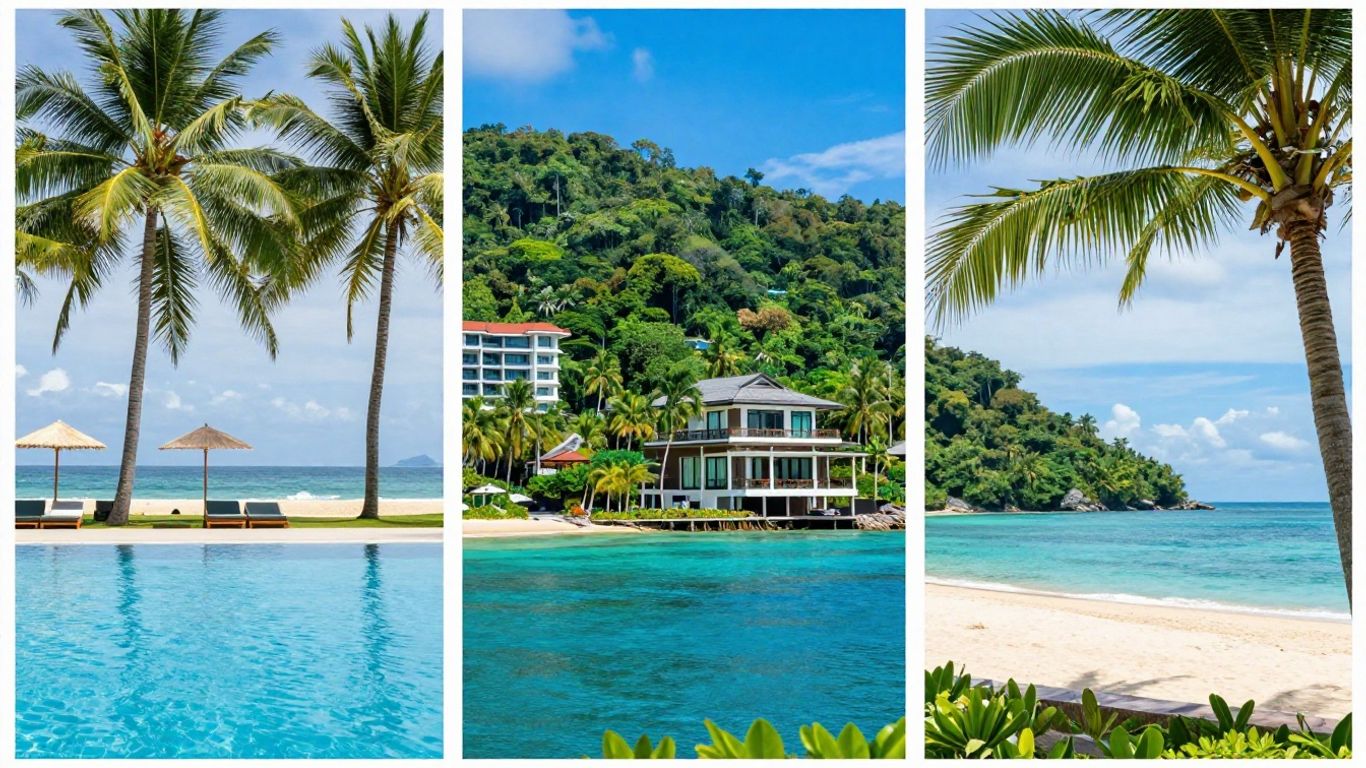
When you’re thinking about buying property in Phuket or Krabi, it’s not just about the purchase price. You’ve got to consider what kind of income you might get from renting it out, and how you’ll actually manage the place. It’s a whole different ball game compared to just owning a holiday home.
Comparing Rental Income Potential
Phuket, being the more established tourist hub, generally commands higher rental rates, especially for properties in prime locations like beachfront condos or luxury villas in areas such as Surin or Bang Tao. The sheer volume of tourists, from short-stay holidaymakers to longer-term expats, means there’s a consistent demand. Krabi, while growing rapidly, often offers more affordable rental options. However, its appeal is growing, particularly with digital nomads and those seeking a more tranquil escape, which can lead to steady, albeit potentially lower, rental yields. The type of property and its proximity to popular spots like Ao Nang or Railay Beach will significantly influence potential income in Krabi.
Here’s a rough idea of what you might expect:
| Location | Property Type | Potential Monthly Rent (High Season) | Notes |
|---|---|---|---|
| Phuket (e.g., Patong, Kata) | 1-Bed Condo | £800 – £1,500 | High demand, tourist-focused |
| Phuket (e.g., Surin, Bang Tao) | 3-Bed Villa | £2,500 – £6,000+ | Luxury market, higher yields |
| Krabi (e.g., Ao Nang) | Studio/1-Bed Apt | £400 – £800 | Growing demand, more affordable |
| Krabi (e.g., outskirts of Ao Nang) | 2-3 Bed House | £600 – £1,200 | Expat and family rentals |
Challenges and Opportunities in Property Management
Managing a property from afar can be a headache. In Phuket, you’ll find a well-developed property management sector. There are plenty of companies that can handle everything from finding tenants and collecting rent to maintenance and repairs. This is a big plus if you’re not living there full-time. However, with more competition, fees can add up. Krabi’s management scene is still developing. While you can find services, they might be less polished or widespread than in Phuket. This could mean more hands-on involvement from your side, or finding a reliable local contact. The opportunity here is that if you’re savvy, you might be able to negotiate better rates or even set up your own small-scale management service if you’re based there.
Seasonal Demand and Occupancy Rates
Both locations experience distinct high and low seasons, which directly impacts occupancy rates and rental income. Phuket’s high season typically runs from November to April, with peak demand around Christmas and New Year. During this period, occupancy can be very high, and rates are at their maximum. The low season (May to October) sees a significant drop, though popular areas still attract visitors. Krabi follows a similar pattern, though its shoulder seasons might offer good value for renters and potentially better occupancy than Phuket’s low season, especially for longer-term rentals to expats or digital nomads who aren’t as tied to traditional holiday periods. Understanding these seasonal fluctuations is key to forecasting your rental income accurately.
When planning your rental strategy, think about who you want to attract. Are you aiming for short-term holidaymakers who pay top dollar during peak season, or are you looking for longer-term tenants who provide more stable income throughout the year, even during the quieter months? This decision will shape the type of property you buy and where you choose to invest.
It’s really about balancing the potential for high returns with the practicalities of managing your investment. Don’t just look at the price tag; look at the whole picture.
Infrastructure And Accessibility
When you’re thinking about buying property anywhere, especially in a popular tourist spot like Phuket or Krabi, how easy it is to get around and what facilities are available really matters. It affects your daily life if you live there, and it’s a big deal for holidaymakers if you plan to rent your place out.
International Airport Connectivity
Phuket has a clear advantage here. Phuket International Airport (HKT) is a major hub, with direct flights from loads of international cities and plenty of domestic connections. This makes it super simple for people to fly in from all over the world, whether they’re coming for a holiday or to view property. Krabi Airport (KBV) is growing, and it does get international flights, but it’s not quite on the same scale as Phuket’s. You’ll often find you need to connect through Bangkok or Phuket anyway if you’re coming from further afield. This difference in direct flight availability can really impact visitor numbers and ease of access for potential buyers and renters.
Local Transportation Networks
Getting around locally is a bit different in each place. In Phuket, you’ve got a wider range of options. There are metered taxis, ride-sharing apps, and a decent public bus system (the ‘Songthaews’) that covers many areas. Renting a car or scooter is also very common. Krabi’s network is a bit more laid-back. Ao Nang, the main tourist hub, is quite walkable, and you’ll see lots of songthaews and tuk-tuks. For longer distances or getting to Krabi Town, taxis and private car hires are more the norm. The ferry system is also important for island hopping from both locations, but Krabi has a strong connection to its surrounding islands.
Development of Amenities and Services
Phuket, being the more established destination, has a more developed range of amenities. You’ll find large shopping malls, international hospitals, a wide variety of schools, and a huge selection of restaurants and services catering to every taste and budget. Krabi is catching up, especially around Ao Nang and Krabi Town. There are good local hospitals, markets, and a growing number of cafes and restaurants. However, for certain high-end services or a vast array of shopping choices, Phuket generally offers more. This can be a deciding factor for people looking for a more ‘all-inclusive’ lifestyle or those planning to rent to a demographic that expects a certain level of service.
The ease of access and the availability of services aren’t just about convenience; they directly influence property values and rental demand. A location with better infrastructure can attract more tourists and a more stable expat community, which in turn supports a stronger real estate market.
The Phuket Vs Krabi Real Estate Market: A Comparative Analysis
Price Points and Investment Thresholds
When you’re looking at property in Phuket and Krabi, there’s a pretty big difference in what you’ll be paying. Phuket, being the more established and internationally recognised destination, generally commands higher prices. You’ll find a wider range of luxury villas and high-end condominiums here, often with premium sea views and extensive facilities. This means the entry point for investment in Phuket can be quite substantial, especially for prime beachfront or hillside locations. Krabi, on the other hand, offers a more accessible market. It’s known for its more affordable seaside living opportunities. Think charming bungalows, townhouses, and even some apartments that come in at a lower price point. This makes Krabi a more attractive option for those with a smaller initial investment budget or for people looking for a holiday home that doesn’t break the bank.
| Location | Average 2-Bed Condo Price (Approx.) | Average 3-Bed Villa Price (Approx.) |
|---|---|---|
| Phuket | £150,000 – £300,000+ | £300,000 – £700,000+ |
| Krabi | £80,000 – £150,000 | £150,000 – £350,000+ |
Market Trends and Future Outlook
Phuket’s property market is pretty mature. It’s seen consistent growth over the years, driven by tourism and a strong demand for holiday rentals and second homes. The trend here is towards high-quality developments, often with a focus on lifestyle amenities like private pools, gyms, and on-site restaurants. The future outlook remains positive, though perhaps more steady than explosive. Expect continued demand for well-located properties and a focus on sustainable and integrated resort-style living. Krabi’s market is still developing, which is where the real excitement lies for some investors. It’s attracting a growing number of expats and digital nomads, drawn by the more relaxed pace and natural beauty. This influx is starting to push up demand, particularly in areas like Ao Nang. The future here looks promising for property value appreciation, as infrastructure improves and more people discover what Krabi has to offer. It’s a market with significant potential for growth.
Which Location Suits Your Investment Goals?
So, where should you put your money? It really depends on what you’re after.
- For established returns and a recognised brand: Phuket is likely your best bet. Its strong tourism base means consistent rental income potential, and the property values are generally more stable, though with a higher entry cost. It’s ideal for those looking for a more predictable investment.
- For growth potential and a more relaxed lifestyle: Krabi could be the one. The lower entry prices mean you might get more for your money, and the developing nature of the market suggests a higher chance of capital appreciation in the coming years. It’s perfect for those willing to take a bit more risk for potentially greater rewards, or for those seeking a quieter, more authentic Thai experience.
- For diversification: Some investors might even consider a split, investing in both to balance the stability of Phuket with the growth prospects of Krabi.
Deciding between Phuket and Krabi isn’t just about property prices; it’s about aligning your investment strategy with the kind of environment you envision. Phuket offers a polished, high-energy experience with a well-trodden path for investors. Krabi, conversely, presents a more natural, evolving landscape with the allure of discovering untapped potential. Your personal preference for lifestyle and your tolerance for market risk will ultimately guide your decision.
Understanding Property Types In Each Region
When you’re looking at buying property in either Phuket or Krabi, you’ll notice there’s a bit of a difference in what’s generally available and what people tend to go for. It’s not a hard and fast rule, of course, but there are some common trends.
Villas and Condominiums in Phuket
Phuket, being the more established and perhaps more glamorous of the two, tends to have a wider array of luxury villas and modern condominiums. You’ll find everything from sprawling beachfront villas with private pools to sleek, high-rise condo buildings offering sea views and all the amenities you could wish for – think gyms, communal pools, and on-site restaurants. These are often geared towards the international buyer looking for a holiday home or an investment property with good rental potential. The sheer volume of developments means there’s a lot of choice, from older, established complexes to brand-new builds.
- Luxury Villas: Often found in gated communities or prime beachfront locations, these are the big-ticket items. Expect multiple bedrooms, private pools, and high-end finishes.
- Condominiums: Ranging from studio apartments to spacious penthouses, condos are popular for their convenience and often lower entry price point compared to villas.
- Serviced Apartments: A good option for those looking for flexibility, often managed by hotels or resorts.
Bungalows and Townhouses in Krabi
Krabi, on the other hand, often presents more opportunities for those seeking something a bit more grounded or perhaps a bit more affordable. While you can certainly find villas here too, especially as the area develops, there’s a stronger presence of bungalows and townhouses. These might appeal more to expats looking for a more permanent residence or digital nomads who want a comfortable base without the hefty price tag of some Phuket properties. You’ll find these types of homes often located a little further from the main tourist hubs, offering a quieter lifestyle.
- Bungalows: Typically single-story dwellings, often with a small garden, offering a more relaxed, individual living space.
- Townhouses: These are common, especially in areas like Krabi Town or slightly inland from the beaches, providing multi-level living.
- Smaller Apartment Blocks: Less common than in Phuket, but you can find smaller, locally-owned apartment buildings.
Off-Plan Opportunities and Resale Markets
Both regions have active resale markets, which can be a good place to find established properties, sometimes at a more attractive price. However, off-plan purchases – buying a property before it’s built – are also a significant part of the market, particularly in Phuket. This can offer the chance to secure a property at a lower price and potentially see its value increase by the time of completion. Krabi is also seeing more off-plan developments as it grows, so it’s worth keeping an eye on.
When considering off-plan, it’s really important to do your homework on the developer. A good track record is key, and understanding the payment schedule and completion timelines is vital to avoid any nasty surprises down the line. It’s a bit of a gamble, but one that can pay off handsomely if you pick the right project.
Navigating Legalities And Ownership
Foreign Ownership Regulations
Buying property in Thailand as a foreigner involves a few specific rules, and it’s not quite as straightforward as buying a car. For condos, it’s generally simpler. Foreigners can own condos outright, provided that no more than 49% of the total unit space in a particular condominium building is owned by foreigners. This is a common setup in many popular developments, especially in places like Phuket.
When it comes to land, things get a bit more complex. Direct freehold ownership of land by foreigners is restricted. However, there are ways around this. One common method is through a long-term lease agreement, typically for 30 years, which can often be renewed. Another route involves setting up a Thai company to own the land, though this comes with its own set of regulations and requires careful legal structuring to ensure you maintain control. It’s really important to get this right from the start.
Due Diligence And Legal Advice
Before you even think about signing anything or parting with your money, doing your homework is absolutely key. This isn’t just about checking if the property looks nice; it’s about making sure the paperwork is all in order. You’ll want to verify the title deeds, check for any outstanding debts or encumbrances on the property, and confirm that the developer has all the necessary permits. It sounds like a lot, but it’s better to be safe than sorry.
Getting a good lawyer who specialises in Thai property law is a must. They’ll guide you through the entire process, explain all the legal documents in plain English (or your preferred language), and make sure your interests are protected. Don’t just go with the first name you find or the one recommended by the seller; do your own research and find someone you trust. A bit of upfront cost for legal advice can save you a massive headache down the line.
Here’s a quick checklist for your due diligence:
- Title Deed Verification: Ensure the seller has the legal right to sell and that the deed is genuine.
- Property Boundaries: Confirm the exact size and boundaries of the land or unit.
- Developer’s Reputation: If buying new, research the developer’s track record.
- Building Permits: Check that all construction has been legally approved.
- Outstanding Debts: Make sure there are no mortgages or liens on the property.
Understanding Property Taxes And Fees
Beyond the purchase price, there are several other costs to factor in. When you buy property in Thailand, you’ll encounter various taxes and fees. The most significant is the transfer fee, often split between buyer and seller, but sometimes negotiated to be paid by one party. This is usually around 2% of the property’s assessed value.
There’s also stamp duty and a specific business tax (SBT) if the property is sold within five years by a company. For individuals selling property after five years, there’s a withholding tax. If you plan to rent out your property, you’ll also need to consider income tax on rental earnings. It’s wise to get a clear breakdown of all these potential costs from your lawyer before you commit.
Here’s a rough idea of what to expect:
| Fee Type | Typical Rate (%) | Notes |
|---|---|---|
| Transfer Fee | 2.0 | Often split, but negotiable |
| Stamp Duty | 0.5 | Paid by buyer or seller |
| Specific Business Tax | 3.3 | If sold by company within 5 years |
| Withholding Tax | Varies | For individuals selling after 5 years |
Remember that these rates can change, and specific circumstances might alter the final amount. Always confirm the current figures with your legal representative.
The Influence Of Tourism On Property Values
Phuket’s Established Tourist Appeal
Phuket, as Thailand’s original tourism hotspot, has a property market that’s deeply intertwined with its visitor numbers. For years, people have flocked to its famous beaches, vibrant nightlife, and luxury resorts. This consistent influx of tourists creates a strong demand for holiday rentals, which in turn supports property values. Think about it: if you own a villa or condo in a popular area like Patong or Kata, you’re likely to see good rental income, especially during the peak season. This reliability makes Phuket a solid choice for investors looking for steady returns. The island’s reputation as a premier holiday destination means properties here are often seen as a safe bet.
- High occupancy rates in tourist-centric areas.
- Strong demand for short-term rentals from holidaymakers.
- Established infrastructure supporting tourism businesses.
The sheer volume of visitors year-round means that property owners can often count on a consistent stream of potential renters, smoothing out the usual ups and downs that can affect other markets. This predictability is a big draw for many.
Krabi’s Growing Popularity
Krabi, while perhaps not as globally famous as Phuket, is rapidly catching up. Its appeal lies in its stunning natural beauty – think dramatic limestone cliffs, pristine beaches, and access to incredible islands like Phi Phi and Koh Lanta. As more travellers discover Krabi, the demand for accommodation is growing. This is particularly noticeable in areas like Ao Nang and the islands themselves. While it might not have the same level of established infrastructure as Phuket, this also means there’s more room for growth. Property values here are starting to climb as Krabi becomes a more sought-after destination, offering a potentially higher appreciation for early investors.
| Area | Typical Rental Yield (Est.) | Property Type Focus | Notes |
|---|---|---|---|
| Ao Nang | 5-8% | Condos, Villas | High tourist traffic, good rental demand |
| Koh Lanta | 4-7% | Bungalows, Villas | More relaxed, growing eco-tourism |
| Krabi Town | 3-5% | Townhouses, Flats | Local demand, less tourist-driven |
Impact on Short-Term Rental Markets
Both Phuket and Krabi benefit significantly from the short-term rental market, but the dynamics differ. Phuket, with its mature tourism industry, has a well-developed ecosystem for holiday lets, including numerous property management companies. This makes it easier for owners to rent out their properties, though competition can be fierce. Krabi, on the other hand, is seeing a surge in interest for platforms like Airbnb. As Krabi’s profile rises, so does the potential for lucrative short-term rentals, especially for unique properties or those offering exceptional views. This growing demand can significantly boost the income potential for property owners, making it an attractive prospect for those looking to capitalise on the holiday rental trend.
- Increased demand for unique stays.
- Potential for higher nightly rates in prime locations.
- Growing number of property management services catering to short-term lets.
Ever wondered how holidaymakers affect house prices? It’s a common question, and the answer is quite interesting. When lots of tourists visit an area, it can often lead to a rise in property values. This is because more people want to buy or rent homes there, driving up demand. If you’re curious about how this trend might impact your own property or if you’re thinking of buying, we’ve got the details. Visit our website to learn more about the connection between tourism and property prices.
So, Which Thai Gem Wins?
Right then, after all that chat about Phuket and Krabi, it’s clear both places have their own pull. Phuket’s got that established buzz, a bit more going on perhaps, especially if you’re after a well-trodden path with plenty of amenities. But Krabi? It’s really starting to shine, offering that gorgeous scenery with a more laid-back feel and, importantly, it seems a bit easier on the wallet for property. If you’re looking for something a bit different, maybe a place that feels a little more authentic and less crowded, Krabi might just be the one to watch. It’s not a simple ‘this one is better’ situation, mind you. It really depends on what you’re after – a lively hub or a peaceful escape. Both are cracking spots, but Krabi’s quiet rise is definitely something to keep an eye on for future property prospects.
Frequently Asked Questions
What’s the main difference between Phuket and Krabi for property buyers?
Phuket is more developed and has a wider range of luxury properties, often at higher prices. Krabi is generally more affordable, with a growing appeal for those seeking a more relaxed lifestyle and potential for future growth.
Is it cheaper to buy property in Krabi than Phuket?
Yes, typically Krabi offers more budget-friendly options for property. You can find homes and apartments for significantly less than in Phuket, making it attractive for those with a smaller budget.
Which location is better for rental income, Phuket or Krabi?
Phuket, with its established tourism and diverse visitor base, often has stronger rental income potential, especially in popular tourist areas. However, Krabi’s growing popularity means rental yields are improving, particularly in areas like Ao Nang.
Are there many new property developments in Krabi?
Krabi’s property scene is growing, with more new developments appearing, especially for expats and digital nomads. While not as extensive as Phuket’s, there are opportunities, particularly in condos and houses.
What kind of people are buying property in Krabi?
Krabi attracts a mix of people, including retirees, digital nomads, and nature lovers. It’s popular with those who want a more laid-back lifestyle compared to the busier atmosphere of Phuket.
How easy is it to get to Phuket and Krabi?
Both locations have international airports, making them easily accessible. Phuket’s airport is larger and handles more international flights, while Krabi’s airport also receives direct flights from various cities.
What’s the lifestyle like in Phuket compared to Krabi?
Phuket offers a vibrant mix of nightlife, shopping, and diverse dining options, appealing to those who enjoy a bustling environment. Krabi is known for its stunning natural beauty, tranquil beaches, and outdoor activities, offering a more relaxed pace of life.
Are there any legal differences for foreigners buying property in these areas?
Foreign ownership rules are generally the same across Thailand, including Phuket and Krabi. Foreigners can typically own condominiums outright, and can own land through a Thai company or a long-term leasehold agreement.