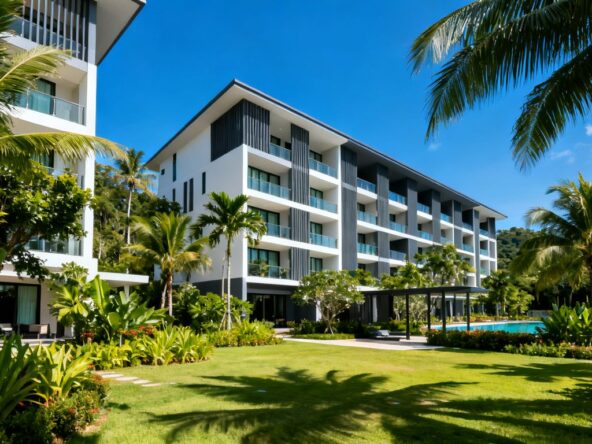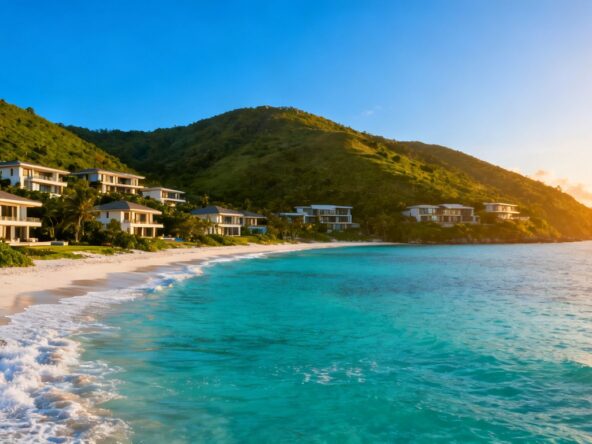

Thinking about buying a tropical villa but can’t decide between Phuket and the Caribbean? You’re not alone. Both regions are famous for their beaches, sunshine, and relaxed pace of life, but they offer two very different experiences for buyers. Whether you’re after a holiday home, a rental investment, or a permanent escape, the choice between Phuket vs Caribbean villas comes down to your goals, budget, and what kind of lifestyle you’re after. Let’s break down the main differences so you can figure out what makes sense for you.
Key Takeaways
- Phuket offers affordable luxury, with many villas under $1M, while the Caribbean tends to have higher entry prices for similar properties.
- Rental yields in Phuket can be strong, sometimes reaching 6–10%, thanks to steady tourism and lower holding costs.
- Caribbean villas attract high-spending tourists and offer stable property rights, but seasonal demand and higher maintenance costs can impact returns.
- Ownership rules differ: Phuket has leasehold and company structures for foreigners, while many Caribbean islands allow direct foreign ownership with clear legal frameworks.
- Both regions have their own charm—Phuket is known for its vibrant markets and easy travel links in Asia, while the Caribbean boasts a laid-back vibe and is popular with North American buyers.
Phuket vs Caribbean Villas: An Overview
So, you’re dreaming of a villa in the sun, but where should you put your money? It’s a big decision, and two places often pop up: the vibrant island of Phuket in Thailand and the classic allure of the Caribbean. Both offer that tropical escape we all crave, but they bring very different things to the table when it comes to buying property.
Southeast Asia’s Value Proposition
Phuket, often called the ‘Pearl of the Andaman’, has really made a name for itself. It’s a place where you can often find luxury living at a price point that might surprise you, especially when you compare it to other popular tropical destinations. Think stunning beaches, lush interiors, and a buzzing atmosphere, all with a cost of entry that’s generally more accessible. It’s not just about the pretty views, though; the infrastructure is pretty solid, with good roads and an airport that makes getting around easy. Plus, the potential for rental income can be quite attractive, with many areas seeing steady demand throughout the year.
The Caribbean’s Established Appeal
Now, the Caribbean. This region is practically synonymous with paradise. We’re talking about those iconic turquoise waters, white sandy beaches, and a pace of life that’s decidedly more relaxed. For many, it represents the ultimate holiday destination, and that translates into a strong market for villas. Islands like the US Virgin Islands, the Bahamas, and Turks & Caicos have a long-standing reputation for attracting visitors, particularly from North America, who are looking for that high-end, easy-to-reach escape. The peak season here is quite defined, usually running through the winter months, which can be a real draw for investors looking to capitalise on that specific market.
Comparing Investment Potential
When you look at them side-by-side, it’s clear they offer different kinds of opportunities. Phuket often presents a compelling case for value, with a growing market and a good mix of property types available, sometimes well under the million-dollar mark. It’s a place that’s still developing, which can mean good potential for growth. The Caribbean, on the other hand, often comes with a more established, premium feel. Property prices can be higher, but you’re buying into a well-known luxury brand with a consistent flow of tourists. The choice really depends on what you’re looking for: is it affordability and growth potential, or is it a more established, high-end market with a strong seasonal demand?
Deciding between Phuket and the Caribbean for a villa purchase involves weighing up distinct market dynamics, cost structures, and lifestyle appeals. Each offers a unique slice of tropical living, but understanding their individual strengths is key to making a sound investment.
Investment Opportunities in Phuket
Affordable Luxury Below $1M
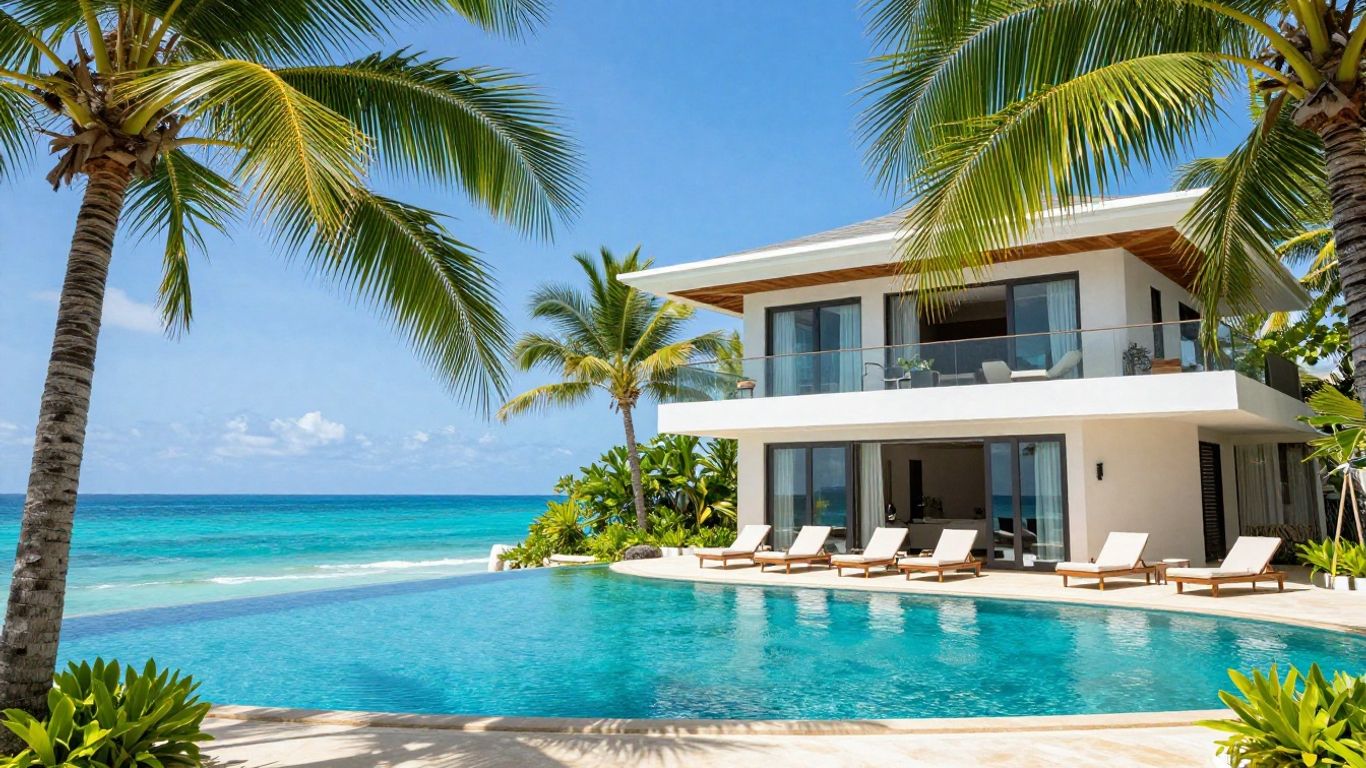
Phuket really shines when it comes to value for money, especially if you’re looking for that dream tropical villa without completely emptying your bank account. It’s genuinely possible to find some seriously nice places for under a million US dollars. We’re talking about places that feel luxurious, often with private pools and stunning views, but at a price point that’s much more accessible than you might expect. Areas on the west coast, like Kamala and Bang Tao, are particularly good for this. You can find a two-bedroom villa with a sea view for around $350,000, or if you’re after something a bit bigger, like a three-bedroom place with a pool, you’re looking at maybe $600,000 to $900,000. It’s a sweet spot for people who want a bit of peace but also want to make a bit of money from rentals. It’s a far cry from some of the pricier spots in the Caribbean, that’s for sure.
Rental Yields and Capital Gains
When you’re thinking about buying a villa, you’re probably not just looking at a holiday home; you want it to make money too, right? Phuket is pretty good for that. In popular spots like Patong and Kata, you can get resort-style condos that come with rental management already sorted, starting from about $300,000 to $500,000. The occupancy rates are often over 60%, which is decent. The island has a steady market, and the rules for owning property are pretty clear, which helps a lot. Plus, there’s a good chance your property will increase in value over time. We’re talking potential yearly capital gains of 5–15% as the island gets more popular. It’s a solid combination of rental income and property appreciation. For example, this modern 4-bedroom villa in Layan [111a] is priced at 59,000,000 THB and is noted for its strong rental yield potential.
Infrastructure and Ease of Investment
One of the big pluses for Phuket is its infrastructure. They’ve been upgrading the airport and improving the roads, which makes getting around the island so much easier. Whether you want to hit the beach, visit a market, or check out the nightlife, it’s all pretty accessible. This good infrastructure also means that hospitality businesses do well, and it’s not hard to find experienced staff to manage your property if you’re not there all the time. This makes investing in a villa here feel less complicated. The market is quite mature, and there are clear legal frameworks for property ownership, whether you’re looking at freehold for condos or leasehold/company structures for villas. It’s a place where you can feel confident about your investment.
Phuket offers a compelling mix of affordability, strong rental potential, and a well-developed infrastructure that simplifies the process of buying and managing a tropical villa. The island’s popularity with tourists ensures consistent demand, while its growing appeal suggests good prospects for capital growth over the coming years.
Caribbean Villa Investment Landscape
Luxury Living and High Demand
The Caribbean is practically synonymous with paradise, isn’t it? Think crystal-clear turquoise waters, powdery white beaches, and that wonderfully slow pace of life that millions of holidaymakers flock to every year. For those looking to invest, this translates into a really popular, high-end holiday rental market. It’s particularly attractive to buyers from North America, who appreciate the relatively easy travel.
Islands like the US Virgin Islands, the Bahamas, and Turks & Caicos offer a great mix of luxurious living and solid potential for rental income. These places often have a long peak season, typically running from mid-December right through to April, which is perfect for people trying to escape the colder weather back home. Plus, many of these islands boast stable governments and clear property rights for foreign buyers, often with some attractive tax benefits thrown in. The established luxury tourism scene means a steady stream of well-heeled guests and a good network of professional property management services to help things run smoothly.
Key Caribbean Investment Considerations:
- Prime Locations: Look at areas like St. John in the US Virgin Islands for luxury villas, or Grace Bay in Turks & Caicos for high-end oceanfront homes. The Bahamas, particularly Nassau, offers a range of beachfront properties, often within resort communities.
- Budget for the Unexpected: Hurricane insurance is a must-have, not an option. Expect annual premiums to range from £2,500 to £6,000 or more, depending on the property’s value and how it’s built.
- Prioritise Established Communities: Gated and resort communities tend to offer better security, more amenities, and often have on-site management, which makes owning and renting out your villa much simpler.
Seasonal Rental Opportunities
While the Caribbean is famous for its year-round warmth, the rental market definitely has its peaks and troughs. The main season, usually running from December to April, sees the highest demand and, consequently, the highest rates. This is when you’ll likely see your best returns, as visitors from colder climates seek sunshine.
Outside of this peak period, occupancy rates can drop, and you might need to adjust your pricing or marketing strategies. Some islands and specific properties, especially those with private pools or direct beach access, can still command good rates during the shoulder seasons. It’s all about understanding the local demand patterns and perhaps offering slightly different packages to attract visitors during quieter months. Think about offering longer-stay discounts or focusing on the ‘off-season’ appeal, like fewer crowds and potentially lower prices for guests.
The Caribbean’s appeal is undeniable, drawing millions seeking sun and relaxation. For investors, this translates into a premium vacation rental market, particularly attractive to North American buyers. Islands like the US Virgin Islands, the Bahamas, and Turks & Caicos combine luxury living with robust rental income potential, often benefiting from stable governance and favourable property rights.
Stable Governance and Property Rights
One of the big draws for investing in the Caribbean is the relative stability you find in many of the islands. Unlike some emerging markets, many Caribbean nations have well-established legal frameworks and democratic governments. This provides a sense of security for foreign investors.
Property rights are generally quite clear, and most islands welcome foreign ownership, though the specifics can vary. For instance, non-nationals in Mexico (which borders the Caribbean Sea) often need to use a bank trust, known as a fideicomiso, to purchase property near the coast. It’s a standard and secure process, but it’s something to be aware of. Researching these specific regulations for your chosen island is absolutely key before you commit. It’s also wise to look into any tax incentives or special programmes that might be available, as these can significantly impact your overall investment.
- Understand Foreign Ownership Rules: These differ by island. Some are very open, while others have specific requirements.
- Check for Tax Benefits: Look into programmes like Puerto Rico’s Act 60 or residency programmes in the Bahamas.
- Assess Property Rights: Ensure you have a clear understanding of what you’re buying and the legal protections in place.
Property Types and Locations
Phuket’s Diverse Offerings
When you’re looking at Phuket, you’re stepping into a market that really does have a bit of everything. It’s not just about sprawling beachfront villas, though there are plenty of those, often with stunning sea views. You’ll also find more compact, modern condos in popular areas like Patong or Kata, which can be a good entry point for investors. Then there are the private pool villas, often tucked away in quieter, more residential areas, offering a bit more privacy. These can range from quite affordable options, sometimes under £200,000, up to seriously luxurious estates that cost considerably more. The key is that Phuket caters to a wide range of budgets and tastes. You can find something that feels like a true escape, whether it’s a sleek, minimalist apartment or a traditional Thai-style house.
- Consider the location carefully: Are you after the buzz of the main tourist hubs, or do you prefer a more tranquil spot?
- Think about the type of guest you want to attract: Families might prefer villas with space and pools, while couples might look for something more intimate and romantic.
- Don’t overlook the inland areas: While the beaches are the main draw, properties a short drive from the coast can offer better value and a more authentic local feel.
Caribbean’s Premium Estates
The Caribbean, on the other hand, often conjures images of exclusive, high-end properties. We’re talking about grand villas, often with multiple bedrooms, private infinity pools overlooking the turquoise sea, and direct access to white sandy beaches. Think of places like St. Barts, the British Virgin Islands, or parts of Barbados. These are generally geared towards a more affluent traveller, seeking luxury, privacy, and impeccable service. While you can find smaller apartments or townhouses, the market here is really defined by these premium estates. Prices can start higher, often from around $800,000 and easily going into the millions, especially for prime beachfront locations or properties with significant land.
The Caribbean market often leans towards established luxury. This means properties tend to be larger, more amenity-rich, and situated in prime, sought-after locations. While this can mean a higher initial investment, it often translates to strong rental demand from a high-spending clientele.
Coastal vs. Inland Villa Choices
This is a big decision for both Phuket and the Caribbean. Coastal properties, naturally, command a premium. Being right on the beach or with direct sea views is a major selling point and usually means higher rental income potential. However, these spots can also be more exposed to the elements and might come with more stringent building regulations. Inland properties, perhaps nestled in the hills with sea views or closer to local villages, can offer a different kind of appeal. They might be more affordable, offer more space, and provide a quieter, more local experience. For Phuket, this could mean looking at areas just a short drive from the popular west coast beaches. In the Caribbean, it might mean a villa set in lush tropical gardens with distant ocean vistas. It really depends on what you’re prioritising: immediate beach access or a more secluded, potentially better-value retreat.
Navigating Legalities and Ownership
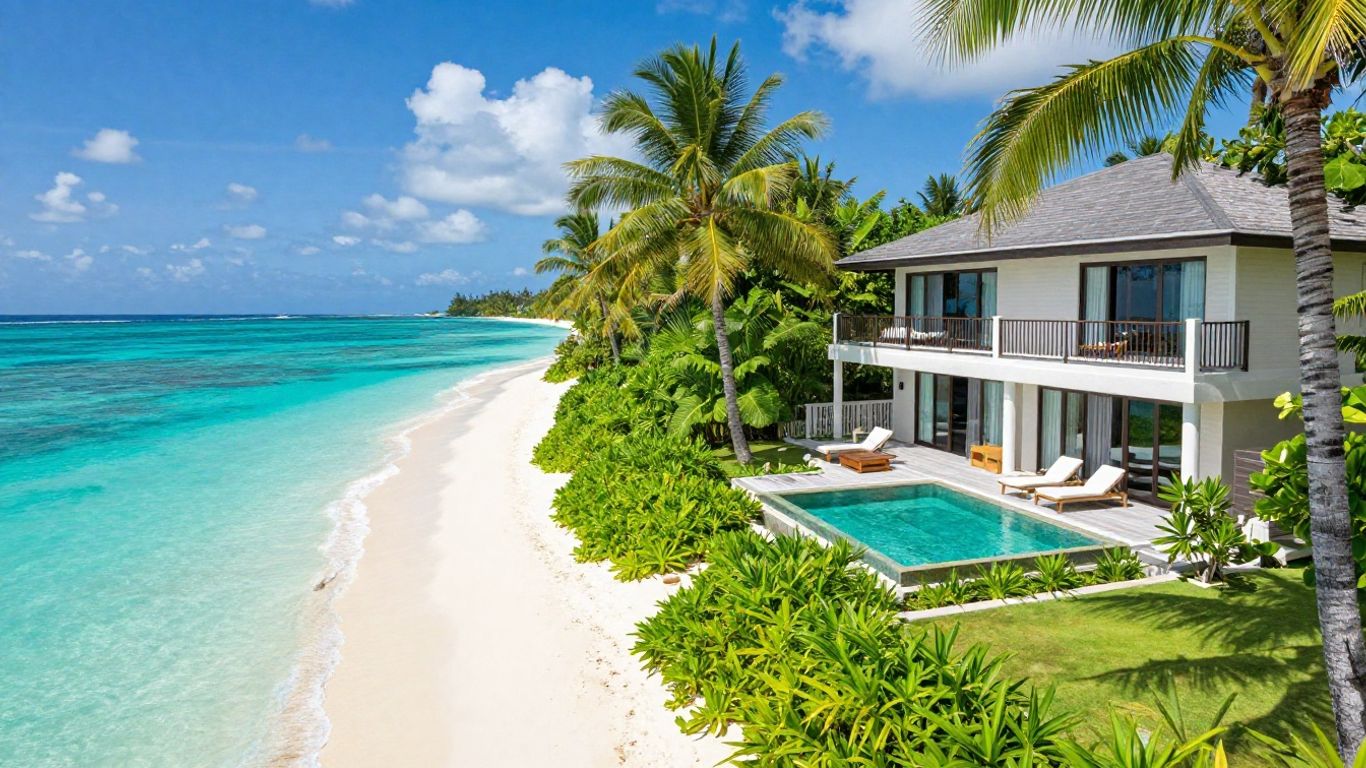
Right then, let’s talk about the nitty-gritty of actually owning a place in Phuket or the Caribbean. It’s not quite as simple as picking out paint colours, is it? You’ve got to get the paperwork sorted, and the rules can be a bit different depending on where you’re looking.
Phuket’s Ownership Structures
In Thailand, buying property as a foreigner has a few common routes. You can’t just buy land outright in your own name, not usually anyway. Most people go for a long-term lease, which can be for 30 years and often comes with options to renew. It feels pretty much like ownership, but technically, you’re leasing the land and then owning the building on it. Another popular way is to set up a Thai company. This lets you own the land, but there are rules about who owns the shares – foreigners can’t own more than 49% of a company that owns land. For apartments or condos, it’s a bit simpler; foreigners can own these outright, but again, there’s a limit – you can’t own more than 49% of the total condo units in a building. It sounds complicated, but with the right local solicitor, it’s all quite manageable.
- Leasehold: Typically 30-year terms, renewable. You own the building, lease the land.
- Company Structure: Allows land ownership, but with foreign shareholding limits (max 49%).
- Condominium Freehold: Direct ownership is possible for apartments/condos, up to 49% of total units in a development.
Caribbean Foreign Ownership Rules
The Caribbean is a bit more varied, as it’s made up of many different islands, each with its own country and laws. Generally, though, many islands are quite welcoming to foreign buyers. Some allow direct freehold ownership, meaning you can buy property just like a local. Others might have restrictions, perhaps requiring you to get a special licence or buy property above a certain value. Some islands might favour leasehold agreements too. It really pays to do your homework for the specific island you’re interested in. Things like property taxes and any restrictions on selling or renting out your villa will differ.
It’s always a good idea to get advice from a lawyer who knows the local laws inside out. They can help you understand all the terms and conditions, and make sure everything is above board. Don’t just rely on the estate agent; they’ve got their own interests, after all.
The Importance of Legal Counsel
Honestly, no matter where you’re looking, getting good legal advice is non-negotiable. A local lawyer, or one with experience in that specific region, will be your best friend. They’ll check all the paperwork, explain the ownership structures clearly, and make sure there are no hidden catches. They can also help with things like setting up any necessary companies or registering your lease. Spending a bit extra on a good lawyer upfront can save you a massive headache and a lot of money down the line. It’s about making sure your tropical dream doesn’t turn into a legal nightmare.
Cost of Ownership and Maintenance
So, you’ve found your dream villa, but what about the ongoing costs? It’s not just the purchase price, you know. Owning a slice of paradise, whether in Phuket or the Caribbean, comes with its own set of financial commitments.
Phuket’s Manageable Holding Costs
Phuket generally presents a more budget-friendly picture when it comes to day-to-day expenses. Property taxes are relatively low, and the cost of utilities like electricity and water is usually quite reasonable, especially compared to many Western countries. Maintenance costs can also be kept in check, particularly if you opt for a newer villa within a managed development. These places often have service teams on hand, making upkeep straightforward. However, don’t forget about annual fees for communal areas or security if your villa is part of a larger estate.
- Property Taxes: Typically a small annual percentage of the property’s assessed value.
- Utilities: Electricity, water, and internet costs are generally lower than in many developed nations.
- Management Fees: For villas in managed estates or condos, these cover upkeep of common areas, security, and sometimes amenities.
- Insurance: Essential for protection against natural events and other risks.
Caribbean Upkeep Considerations
The Caribbean, particularly the more exclusive islands, can see higher ownership costs. Insurance premiums, especially in hurricane-prone areas, can be substantial. You’ll also find that imported goods, including building materials for repairs or specialised maintenance, can be more expensive due to shipping. If your villa is part of a high-end resort, expect higher management and service fees, which reflect the premium level of service provided. Seasonal occupancy also means you need to factor in costs for securing the property during off-peak times.
- Insurance: Often higher due to weather risks (hurricanes, tropical storms).
- Maintenance: Can be pricier due to the cost of imported materials and specialised labour.
- Resort/HOA Fees: Generally higher in luxury developments, covering extensive amenities and services.
- Utilities: Can vary significantly by island, but often higher than in Southeast Asia.
Budgeting for Island Living
Regardless of your chosen destination, a realistic budget is key. Think about regular upkeep like gardening, pool cleaning, and pest control. Then there are the less frequent but significant expenses: repainting, roof maintenance, or appliance replacements. It’s wise to set aside a contingency fund for unexpected repairs. A good rule of thumb is to budget at least 1-2% of the property’s value annually for maintenance and repairs.
When planning your budget, consider the lifestyle you want. Are you planning to live there full-time, or rent it out? This will impact your utility usage, insurance needs, and the level of maintenance required. Don’t underestimate the cost of simply keeping a tropical property in good condition; the climate can be tough on buildings.
Here’s a rough breakdown of potential annual costs (as a percentage of property value):
| Cost Category | Phuket (Estimate) | Caribbean (Estimate) |
|---|---|---|
| Property Taxes | 0.5% – 1% | 1% – 2% |
| Insurance | 0.5% – 1% | 1% – 3% |
| Maintenance & Repairs | 1% – 1.5% | 1.5% – 2.5% |
| Utilities | 0.5% – 1% | 1% – 2% |
| Management/HOA Fees | 1% – 3% | 2% – 5% |
| Total Estimated % | 3.5% – 7.5% | 6.5% – 14.5% |
Lifestyle and Accessibility
Phuket’s Tropical Lifestyle
Phuket offers a vibrant, tropical lifestyle that’s hard to beat. Think stunning beaches, lush green interiors, and a buzzing social scene. It’s a place where you can spend your mornings exploring hidden coves and your evenings enjoying world-class dining. The island has a really diverse feel; you’ve got the busy tourist hubs like Patong, but also quieter, more serene spots in the north and west. It’s a place that caters to all sorts of tastes, whether you’re after adventure, relaxation, or a bit of both. The cost of living can be surprisingly low, too, meaning your money can go further, allowing for more of those ‘living the dream’ moments.
- Beach access: From the famous Kata and Karon to more secluded bays.
- Culinary scene: A huge range of Thai and international food, from street stalls to fine dining.
- Activities: Diving, island hopping, yoga retreats, golf, and vibrant nightlife.
- Community: A growing expat community alongside local Thai culture.
Phuket really does offer a unique blend of exotic charm and modern convenience. It’s not just a holiday destination; for many, it becomes a way of life, offering a slower pace without sacrificing access to amenities.
Caribbean’s Laid-Back Charm
The Caribbean, on the other hand, is synonymous with a relaxed, unhurried pace of life. Each island has its own distinct personality, but they all share that unmistakable island vibe. Picture yourself sipping a rum punch on a veranda overlooking turquoise waters, with the gentle sound of waves as your soundtrack. It’s a lifestyle focused on enjoying the natural beauty, the warmth of the sun, and the company of others. While some islands are more developed with bustling resorts, many retain a strong sense of local culture and tradition, offering a more authentic, tranquil experience. It’s about disconnecting from the hustle and bustle and reconnecting with simpler pleasures.
- Island diversity: From the lively beaches of Barbados to the tranquil shores of St. Lucia.
- Outdoor pursuits: Snorkelling, sailing, hiking volcanic peaks, and exploring rainforests.
- Cultural experiences: Local music, festivals, and historical sites.
- Pace of life: Generally slower and more focused on relaxation and enjoyment.
Travel Connections to Both Regions
Getting to and from both Phuket and the Caribbean has become much easier over the years, though there are differences to consider. Phuket, being a major hub in Southeast Asia, is well-connected internationally, with direct flights from many major cities in Asia, Europe, and the Middle East. From there, domestic flights can get you to other parts of Thailand or neighbouring countries easily. The Caribbean is a bit more spread out. Major islands like Barbados, Jamaica, and the Bahamas have good international airport links, particularly from North America and Europe. However, travelling between islands can sometimes involve shorter flights or ferries, which adds a layer to journey planning. For frequent travellers, understanding these flight networks and potential layovers is key to choosing the location that best suits your travel habits.
| Region | Major International Hubs | Typical Travel Time (from London) | Notes |
|---|---|---|---|
| Phuket | Bangkok (BKK), Singapore (SIN), Doha (DOH), Dubai (DXB) | 12-15 hours | Excellent connectivity within Asia and to Europe/Middle East. |
| Caribbean | Bridgetown (BGI), Montego Bay (MBJ), Nassau (NAS) | 9-12 hours | Strong links to North America; requires connections from Europe/Asia. |
Rental Income Potential: Phuket vs Caribbean
Phuket’s Strong Rental Market
When you’re thinking about buying a villa abroad, especially for rental income, Phuket really shines. It’s got this established tourism scene that just keeps bringing people in, year after year. The island offers a huge variety of properties, from swanky beachfront places to more tucked-away spots, and there’s a constant demand from holidaymakers. You can often find places that are already set up for rentals, sometimes even with management companies included, which makes things a lot easier.
- Phuket’s appeal lies in its diverse tourist base, from budget travellers to luxury seekers.
- The island benefits from a well-developed tourism infrastructure, making it easy for visitors to get around and enjoy their stay.
- Many properties are designed with rental potential in mind, often featuring amenities that appeal to holiday renters.
Caribbean’s High-Spending Tourists
The Caribbean, on the other hand, often attracts a slightly different crowd. Think more high-end travellers, especially during the peak winter season when people are escaping the cold. These visitors tend to have more disposable income and are looking for that quintessential tropical escape – think white sandy beaches, clear blue water, and top-notch service. This means you can often command higher nightly rates, particularly for luxury villas.
While the Caribbean might have a more defined peak season, the calibre of tourist often translates into higher per-night earnings. It’s about quality over sheer volume in many cases.
Maximising Returns in Both Locations
To really get the most out of your investment, whether it’s in Phuket or the Caribbean, you need a bit of a strategy. In Phuket, you might focus on properties close to popular beaches or areas with lots of restaurants and nightlife, as these tend to have higher occupancy rates. Offering services like airport transfers or local tours can also add to the appeal. For the Caribbean, it’s all about tapping into that luxury market. High-quality furnishings, private pools, and excellent customer service are key. Partnering with a good local property management company is pretty much a must in both locations; they know the local market, handle bookings, and take care of the day-to-day running of the villa. It takes the stress out of it, allowing you to just enjoy the returns.
| Location Type | Typical Rental Yield Range | Key Factors for Returns |
|---|---|---|
| Phuket | 5-10% | Occupancy rates, property location, rental management quality |
| Caribbean | 4-8% (peak season) | Luxury appeal, seasonal demand, property amenities |
It’s worth noting that while Phuket might offer slightly higher potential yields due to year-round tourism, the Caribbean can offer very strong returns during its prime season from visitors willing to spend more.
Future Growth and Market Trends
When thinking about where to buy your tropical villa, it’s smart to look ahead. What’s the market likely to do in the coming years? Both Phuket and the Caribbean have their own stories when it comes to growth and what’s popular with holidaymakers.
Phuket’s Developing Market
Phuket is really pushing itself as a destination. It’s not just about beaches anymore; there’s a growing focus on wellness, golf, and even becoming a hub for digital nomads. This diversification means more types of visitors are coming, and they’re staying longer. The Thai government is also investing in infrastructure, like improving roads and airports, which makes getting around and accessing properties much easier. We’re seeing a trend towards more integrated developments that offer a mix of residential, retail, and leisure facilities, creating self-contained communities that appeal to a wide range of buyers and renters. The island’s ability to adapt and offer varied experiences is a big plus for future investment.
- Diversifying Tourism: Moving beyond just sun-seekers to attract wellness tourists, golfers, and remote workers.
- Infrastructure Improvements: Ongoing upgrades to transport and public services.
- New Development Types: Rise of mixed-use projects and branded residences.
The property market in Phuket is maturing. While there are still opportunities for affordable luxury, the focus is shifting towards higher-value, integrated developments and niche markets like high-end wellness retreats. Understanding these shifts is key to picking a property that will hold its value and generate good rental income.
Caribbean’s Enduring Popularity
The Caribbean has a long-established reputation as a premier holiday spot, and that’s not likely to change. Its appeal lies in its natural beauty, the relaxed lifestyle, and the sense of exclusivity many islands offer. While some islands are more developed than others, there’s a consistent demand from travellers looking for that classic tropical escape. We’re seeing a trend towards sustainable tourism and eco-friendly villas, which appeals to a growing segment of environmentally conscious travellers. Many of the islands are also working to improve their connectivity and tourism offerings, aiming to attract a broader range of visitors while maintaining their luxury image. For example, a 1-bedroom condo in Laguna, Phuket, is available at THB 5,750,000, showcasing Phuket’s value.
- Brand Recognition: The Caribbean name itself is a draw for many.
- Lifestyle Appeal: The laid-back vibe and stunning scenery remain strong selling points.
- Sustainability Focus: Growing interest in eco-conscious properties and tourism.
Identifying Emerging Opportunities
When looking at both regions, it’s worth keeping an eye on areas that are just starting to gain traction. In Phuket, this might mean looking at islands or coastal areas just outside the main tourist hubs that offer a bit more tranquility but are still accessible. The development of new transport links could open up previously overlooked spots. In the Caribbean, some of the lesser-known islands are starting to attract investment and develop their tourism infrastructure, offering potentially higher returns for early investors. It’s about finding that sweet spot between established popularity and untapped potential. Doing your homework on local development plans and tourism strategies for specific islands or regions is a good idea.
The property market is always changing, with new chances popping up all the time. Keep an eye on these exciting developments to make smart choices about your next move. Want to know more about what’s happening? Visit our website for the latest updates and expert advice.
So, Where’s Your Tropical Villa?
Right then, we’ve looked at the Caribbean and Phuket, and it’s clear both offer a slice of paradise. If you’re after that classic, well-trodden path with solid infrastructure and a market that’s really found its feet, Phuket might just tick all your boxes. It’s got that blend of luxury and accessibility that’s hard to beat. On the other hand, the Caribbean still holds that allure of exclusivity and a certain established charm, though often at a higher price point. Ultimately, the best choice really boils down to what you’re looking for – is it the established appeal and potential returns of Phuket, or the distinct vibe and perhaps more bespoke options you might find elsewhere? Have a good think about your priorities, do a bit more digging, and you’ll land on the perfect spot for your dream villa.
Frequently Asked Questions
Is it easier for foreigners to buy a villa in Phuket or the Caribbean?
In Phuket, foreigners can own condos directly, but villas usually require a leasehold or company setup. In the Caribbean, many islands allow freehold ownership for foreigners, but the rules depend on the country. Always check local laws before buying.
How much do villas cost in Phuket compared to the Caribbean?
Phuket offers many villas and condos below $1 million, with sea-view homes starting around $350,000. In the Caribbean, prices start higher, and luxury villas can cost over $1 million, especially in popular areas.
Which location gives better rental income: Phuket or the Caribbean?
Phuket often has rental yields between 6% and 10%, thanks to strong tourism and affordable prices. The Caribbean can offer high returns too, especially in peak season, but entry prices are usually higher.
What are the ongoing costs for owning a villa in these regions?
Phuket has manageable holding costs, including lower taxes and maintenance. Caribbean villas often have higher upkeep costs due to weather and property size. Always budget for repairs and management.
Is it safe to invest in property in Phuket or the Caribbean?
Both regions are popular for foreign buyers. Phuket has a steady market with clear rules, and many Caribbean islands have stable governments and strong property rights. Still, it’s wise to get legal advice before buying.
How easy is it to travel to Phuket and the Caribbean?
Phuket is well-connected to Asian cities and has a modern airport. The Caribbean has many international airports too, especially close to North America and Europe, but travel times can be longer depending on your location.
Can I live in my villa all year round?
Yes, you can live in your villa in both Phuket and the Caribbean year-round. Both places have tropical weather, but check visa and residency rules if you plan to stay long-term.
Do I need a lawyer when buying a villa in Phuket or the Caribbean?
Yes, hiring a local lawyer is important. They will help you understand the rules, check the property’s title, and make sure the deal is safe. This is true for both Phuket and the Caribbean.