


Thinking about putting your money into property in Phuket? It’s a great spot, but you’ve got a big decision to make: do you go for short-term rentals, like holiday lets, or long-term leases? This choice really matters for how much money you make and how much work you have to do. We’ll break down the good and bad points of both short-term vs long-term Phuket investment options, so you can figure out what’s best for you.
Key Takeaways
- Short-term rentals in Phuket can bring in more money, especially during busy tourist times, but they often mean more work with cleaning and managing bookings.
- Long-term rentals offer a steadier, more predictable income and less hassle with tenant turnover, though the nightly rates are usually lower.
- Consider who you want to rent to. Tourists love short stays, while expats and longer-term residents often prefer long leases.
- Phuket’s seasons heavily influence short-term rental demand. You need to be aware of busy and quiet periods when planning your strategy.
- Always check local rules and regulations for renting out property in Phuket, as these can differ depending on the type of rental and the area.
Understanding Long-Term vs Short-Term Phuket Investment
So, you’re thinking about putting some money into property in Phuket, eh? That’s exciting! But before you jump in, you’ve got to figure out if you’re going for the quick wins or the long game. It’s not just about buying a place; it’s about how you plan to make money from it. We’re talking about two main ways to rent out your property: short-term and long-term.
Defining Long-Term Rentals in Phuket
Think of long-term rentals as finding someone who wants to stay put for a while. We’re talking leases that are usually for six months, a year, or even longer. These are typically the folks who are moving to Phuket for work, retiring here, or maybe just want to escape the cold for a good chunk of the year. They’re looking for a home, not just a holiday spot. Because they’re staying longer, they usually get a better deal per month compared to someone just popping in for a week.
Defining Short-Term Rentals in Phuket
This is more like the holiday let model. Think Airbnb, Booking.com, or just renting out a villa for a few weeks or months at a time. Your guests are usually tourists, holidaymakers, or perhaps digital nomads who are just passing through. The rates here are generally higher per night or per week, especially when the island is buzzing with visitors. It’s all about capitalising on the tourist season and getting the most income in the shortest amount of time.
Key Differences for Investors
What’s the big deal for you as an investor? Well, it boils down to a few things. Short-term rentals can bring in more cash, especially during peak season, but they also mean more work – more cleaning, more check-ins, more potential for wear and tear. Long-term rentals offer a more predictable, steady income stream with less day-to-day hassle. You’re trading higher potential earnings for more stability and less management effort. It really depends on what you’re looking for: a hands-on approach with potentially bigger payouts, or a more hands-off strategy with reliable, consistent returns.
Here’s a quick rundown:
- Short-Term: Higher nightly rates, more frequent guest turnover, greater management demands, potential for higher income during peak times.
- Long-Term: Lower monthly rates, fewer tenant changes, less management needed, stable and predictable income.
Choosing between these two strategies isn’t a one-size-fits-all decision. It’s about matching your property, your location, and your own lifestyle and financial goals to the rental approach that makes the most sense for you. Don’t forget to look at what the neighbours are doing and what the local market seems to favour.
Financial Advantages of Each Strategy
When you’re looking at property investment in Phuket, figuring out the money side of things is pretty important. It’s not just about buying a place; it’s about how that place makes you money. The way you rent it out, whether for a few nights or a whole year, really changes the financial picture.
Maximising Income with Short-Term Lets
Short-term rentals, like holiday lets, can bring in a lot more cash, especially when the island is buzzing with tourists. Think daily or weekly bookings. The rates you can charge per night are usually much higher than what you’d get for a long-term tenant. If you’ve got a property in a popular spot, say near a beach or a lively area, you can really make the most of peak season. It’s all about capitalising on demand when it’s at its highest.
- Higher potential daily/weekly rates
- Flexibility to adjust prices based on demand
- Can achieve 2-3 times the income of long-term rentals during peak times
Stable Returns from Long-Term Leases
Long-term leases, on the other hand, offer a different kind of financial benefit: stability. Instead of chasing bookings every week, you get a steady stream of income every month from a single tenant. This predictability is great if you prefer a more hands-off approach and want to avoid the ups and downs of the tourist season. While the monthly rent might be lower than what you could get per night with short-term lets, the consistent income and lower running costs often balance things out.
Comparing Rental Yields: Short vs Long
So, which one actually gives you a better return? It’s not always a simple answer. Short-term lets can offer higher gross yields, especially if you manage to keep the property occupied most of the year. However, you’ve got to factor in the higher costs – more frequent cleaning, utilities, and potentially higher management fees. Long-term lets usually have lower gross yields but come with fewer operational headaches and more predictable net returns. It really depends on your specific property, its location, and how actively you manage it.
Here’s a rough idea:
| Strategy | Potential Income | Stability | Running Costs | Management Effort |
|---|---|---|---|---|
| Short-Term Lets | High | Variable | High | High |
| Long-Term Leases | Moderate | High | Low | Low |
Calculating your net rental yield is key. Don’t just look at the headline rent. You need to subtract all the expenses – management fees, cleaning, utilities, repairs, and even potential periods of vacancy. Only then can you get a true picture of what’s actually coming into your pocket.
Operational Considerations for Property Owners
Right, so you’ve got a place in Phuket and you’re thinking about renting it out. Whether you’re leaning towards holiday lets or longer-term tenants, there are definitely a few things you’ll need to get your head around. It’s not just about listing the property and waiting for the money to roll in, you know.
Management Effort and Costs
This is where things can get a bit hairy. Short-term lets, like holiday rentals, mean a lot more coming and going. Think frequent cleaning, check-ins, check-outs, and generally being on call for guest queries. It’s a bit like running a small hotel, really. This means you’ll likely need to factor in the cost of a property management company, or dedicate a significant chunk of your own time. Long-term leases, on the other hand, are usually a bit more hands-off. Once you’ve got a tenant in place, you might only hear from them for maintenance issues. However, finding that reliable long-term tenant can take a bit of effort upfront.
Here’s a rough idea of what to expect:
- Short-Term Lets: Higher management fees (often 20-30% of rental income), more frequent cleaning costs, potential for higher utility bills due to constant use.
- Long-Term Leases: Lower management fees (typically 5-10%), less frequent cleaning, but you might need to cover more significant repairs over time.
The key is to be realistic about the time and money you’re willing to invest. Don’t underestimate the daily grind of managing holiday rentals; it can be surprisingly demanding.
Tenant Screening and Reliability
Finding good tenants is pretty important, no matter the rental length. For short-term holiday rentals, the ‘screening’ is mostly done by booking platforms and reviews. You’re relying on past guest feedback. For long-term rentals, though, you’ll want to do your homework. This means checking references, maybe even doing a credit check if that’s feasible and legal where you are, and having a solid lease agreement in place. A bad long-term tenant can cause a lot of headaches, from unpaid rent to property damage.
Maintenance and Cleaning Demands
This is a big one, especially with short-term rentals. After every guest leaves, the place needs to be spotless. We’re talking deep cleaning, fresh linen, restocking essentials. It’s a constant cycle. Villas with pools or gardens will have extra maintenance needs too. Long-term rentals are generally less demanding on a day-to-day basis, but you still need a plan for regular upkeep. Things like air conditioning servicing, pest control, and general wear and tear need addressing. Regular maintenance is key to keeping your property in good condition and avoiding bigger, more expensive problems down the line.
Flexibility and Personal Use
When you own a property in Phuket, how you use it yourself is a big part of the equation, especially when you’re weighing up short-term versus long-term rentals. It’s not just about the money coming in; it’s about your own enjoyment and access to your investment.
Owner’s Ability to Use Property
With short-term rentals, you generally have more freedom to use the property yourself. Think of it like this: if your property is booked for a week, you can’t stay there. But if it’s vacant between bookings, or if you plan your visits around the rental calendar, you can easily pop over for a holiday. This is a massive plus if you see your Phuket property as both an investment and a personal escape. You can block out dates for your own use, perhaps for a few weeks or even a couple of months a year, without disrupting a long-term tenant. It means you get to enjoy your investment while still earning from it.
Long-term leases, however, tie your hands a bit more. Once you sign a 12-month contract with a tenant, that property is essentially theirs for the duration. If you suddenly decide you want to spend Christmas in Phuket, you’re out of luck unless you have a very understanding tenant and a clause in your contract allowing for this, which is rare and can complicate things. This lack of immediate access is a significant trade-off for the stable income that long-term rentals provide.
Impact on Property Availability
Choosing a short-term rental strategy means your property will be available for rent much more often throughout the year. This is great for maximising income, especially during peak tourist seasons. However, it also means more frequent guest turnover, which can lead to increased wear and tear and more frequent cleaning and maintenance tasks. You’ll need to be organised to ensure the property is always ready for the next guest.
On the flip side, long-term rentals offer a predictable occupancy. Once you have a reliable tenant, you won’t have to worry about finding new renters every few weeks. This reduces the administrative burden and the constant need to prepare the property for new arrivals. The downside, of course, is that the property is occupied for extended periods, meaning less availability for your own use and potentially missing out on higher short-term rental rates during busy periods.
Balancing Income with Personal Needs
Finding that sweet spot between earning money and enjoying your property is key. For many, a hybrid approach works best. You might rent out your property on a short-term basis for most of the year, but reserve a few weeks for your own holidays. This requires careful calendar management and clear communication with any booking platforms or agencies you use.
Here’s a quick look at how the strategies stack up:
| Feature | Short-Term Rentals | Long-Term Rentals |
|---|---|---|
| Owner’s Personal Use | High flexibility, easy to block out dates | Limited flexibility, requires tenant agreement |
| Availability | High, but subject to bookings | Low, property occupied for extended periods |
| Income Potential | Higher per night, but can be seasonal | Stable and predictable, but lower per night |
| Management Effort | Higher due to frequent turnover | Lower due to less frequent turnover |
Ultimately, the decision hinges on your priorities. If regular holidays in Phuket are a must, and you don’t mind a bit more management, short-term rentals might be the way to go. If consistent income and minimal hassle are more important, and you’re happy to visit Phuket less frequently or at specific times, then a long-term lease could be a better fit. It’s about understanding what you want from your investment beyond just the financial returns.
It’s worth remembering that even with short-term rentals, there will be times when the property is simply not booked. This can happen during the low season or if demand dips. So, while flexibility is high, income isn’t always guaranteed every single day of the year.
Target Audiences for Phuket Properties
When you’re looking at buying property in Phuket, it’s not just about the building itself, but also about who you want to rent it out to. Different types of people are looking for different things, and understanding this can really help you pick the right spot and the right kind of property. It’s like choosing what to sell in a shop – you need to know who your customers are.
Attracting Tourists and Holidaymakers
This is probably the most obvious group. Phuket is a massive holiday destination, right? So, properties aimed at tourists need to be in places that are easy to get to, close to the beaches, restaurants, and maybe some nightlife. Think about what someone on holiday wants: convenience, a bit of comfort, and maybe a nice view. Short-term rentals are perfect for this crowd. They want to book for a few nights or a couple of weeks, not commit to a year. Properties that are well-presented, maybe with a shared pool or easy access to amenities, tend to do really well here. It’s all about making their holiday easy and enjoyable.
Catering to Expatriates and Residents
Then you’ve got people who are actually living in Phuket for longer periods. This could be expats working on the island, or people who’ve retired here. They’re looking for something a bit more like a home. Long-term rentals are the way to go for this group. They’ll want a place that’s comfortable, maybe a bit bigger, and in a neighbourhood that feels more settled, rather than right in the middle of the busiest tourist strips. They might also care more about local amenities like supermarkets, schools (if they have families), and good transport links. Reliability and a sense of community can be important to them.
Digital Nomads and Hybrid Stays
This is a growing group, especially these days. People who work online can live and work from pretty much anywhere. Phuket is a popular spot for them. They might stay for a few weeks or a few months at a time – sort of a middle ground between a holidaymaker and a long-term resident. What they need is good internet, a comfortable workspace, and access to cafes or co-working spots. They also appreciate being somewhere that offers a bit of both worlds: easy access to tourist attractions but also a more local feel. Properties that can offer flexibility, maybe with a dedicated desk area or good Wi-Fi, are a big draw for this market. The rise of remote work means this segment is becoming increasingly important for property investors.
Here’s a quick look at what each group generally prioritises:
| Audience | Primary Need | Preferred Rental Type | Key Location Factors |
|---|---|---|---|
| Tourists & Holidaymakers | Convenience & Enjoyment | Short-Term | Beach proximity, restaurants, entertainment |
| Expats & Residents | Comfort & Stability | Long-Term | Neighbourhood feel, local amenities, transport links |
| Digital Nomads & Hybrid Stays | Connectivity & Flexibility | Medium-Term/Flexible | Good Wi-Fi, workspace, mix of local & tourist access |
Market Dynamics and Seasonal Trends
Phuket’s property market is always moving, and honestly, it can catch investors off guard if they’re not paying attention to what drives demand – especially the island’s unique seasonal flow.
Impact of Phuket’s Tourism Seasonality
Tourism sits at the heart of most rental trends here. When the high season hits (November through April), there’s a big rush of visitors. Owners renting short-term often see properties booked solid at premium nightly rates. But in the low season, things get quiet. Suddenly, many apartments and villas are left empty for weeks. Here’s how it tends to play out:
- High season (Nov–Apr): High occupancy, higher prices, tougher competition among tourists to find the best spots.
- Low season (May–Oct): Drop in tourist numbers, discounts everywhere, and more vacant properties.
- Shoulder months: Can go either way, depending on weather and regional holidays.
Demand Fluctuations in Rental Markets
Short-term luxury stays attract quick income during peak months but are hit hardest by dips in tourism. Long-term leases, however, usually appeal to expats and digital nomads, giving property owners more predictable income streams even when hotel bookings slow down. But these tenants also expect more—better maintenance and sometimes a lower monthly rate.
Typical Occupancy Trends Table
| Rental Type | High Season Occupancy | Low Season Occupancy | Rent Flexibility |
|---|---|---|---|
| Short-Term Holiday | 80–95% | 30–50% | Very High |
| Long-Term Lease | 70–85% | 65–80% | Moderate |
During the low season, you might wonder if it’s even worth keeping up a short-term rental—income can drop sharply, but long-term leases can bring some calm in those stormy months.
Understanding Local Market Conditions
Owners have to watch for oversupply, especially with all the new condo developments springing up. It’s easy to get lured by promises of guaranteed yields, but competition is fierce, and the market can turn fast—just look at the unsold units after recent building booms. Changes in regulations also add uncertainty, especially for people banking on short lets.
Here are a few things to consider before diving in:
- Keep tabs on regional festivals, travel restrictions, and weather patterns—they all shape demand.
- Study how different neighbourhoods attract different types of renters (tourists vs. expats).
- Factor in rising supply—too many similar properties means more empty rooms and lower returns.
Flexibility and local know-how really make a difference. If you’re only watching average yields, you might miss the small details that really add up during Phuket’s quietest months.
Regulatory and Legal Landscape
Local Regulations for Short-Term Lets
So, you’re thinking about renting out your place in Phuket for short stays, like a holiday let? It’s a great idea for income, but you’ve got to be aware of the rules. Thailand, and Phuket specifically, has its own set of regulations for this. It’s not quite as simple as just listing your property online and collecting cash. You need to make sure you’re playing by the book to avoid any nasty surprises down the line.
These rules can change, and they often depend on the specific area within Phuket. Some districts might be stricter than others. It’s always a good idea to check with the local authorities or a legal professional who knows the island well. They can give you the most up-to-date information. Ignoring these can lead to fines or even stop you from renting out your property altogether.
Licensing and Registration Requirements
This is a big one. Depending on the type of property and how you’re renting it out, you might need specific licenses or permits. For short-term rentals, especially if you’re operating like a small hotel or guesthouse, there are often registration requirements. This usually involves getting a permit from the local government. It’s about ensuring safety standards and proper operation. You’ll likely need to provide details about your property and yourself. It’s a bit of paperwork, sure, but it’s necessary. Think of it as part of setting up a legitimate business. Getting this right means you can operate with peace of mind. You can find more details on official tourism websites or by asking local property management companies.
Understanding Zoning Laws
Zoning laws are basically rules about what you can and can’t do in certain areas. For property investment, this is super important. You don’t want to buy a place thinking it’s perfect for holiday rentals, only to find out the local zoning laws don’t allow it. Some areas might be designated purely for residential use, while others might permit commercial activities like short-term lets. It’s also worth noting that foreign ownership rules are quite specific in Thailand. While foreigners can own condominiums outright, owning land is more restricted. Often, land is leased or owned through a Thai company. Understanding these zoning and ownership laws is key before you commit to buying. It helps you avoid future headaches and ensures your investment aligns with local planning.
It’s really about doing your homework. Before you even look at properties, get a handle on the legal side of things. This includes understanding who can own what, what types of rentals are permitted where, and what licenses you might need. A good local lawyer or a reputable real estate agent can be invaluable here. They can guide you through the complexities and help you make a sound decision. Don’t skip this step; it’s the foundation of a successful investment.
Here’s a quick rundown of what to consider:
- Property Type: Condos often have clearer rules for foreign ownership than houses or land.
- Location: Zoning laws vary significantly between beach areas, city centres, and more residential zones.
- Rental Duration: Regulations can differ between short-term holiday lets and longer-term leases.
- Business Registration: For larger operations, you might need to register as a business entity.
If you’re looking at high-end properties, like those found in Phuket’s World Class Luxury Residence Condominium, it’s still vital to understand the specific regulations that apply to that development and its location. Even luxury doesn’t exempt you from the rules.
Property Type Suitability
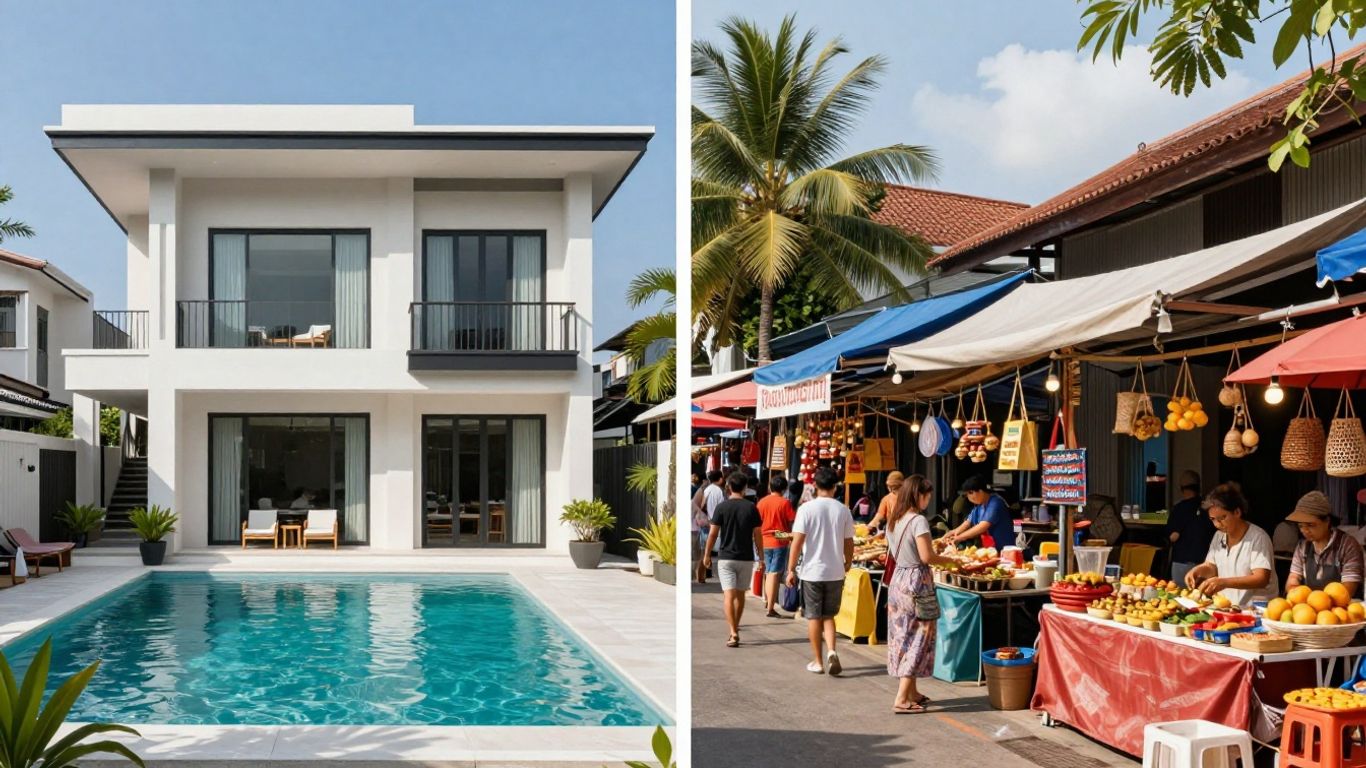
When you’re looking at investing in Phuket, the kind of property you pick really matters. It’s not just about the location; the actual building type can make a big difference to your rental strategy and how much money you make.
Condominiums for Rental Income
Condos are often a solid choice, especially if you’re aiming for steady rental income. They tend to be more affordable upfront compared to villas, which means your initial investment is lower. Plus, many condo developments come with professional management services. This is a huge plus for investors who don’t live in Phuket or simply don’t want the hassle of day-to-day management. These management teams usually handle marketing, bookings, cleaning, and maintenance, often through established rental pools. This means you can expect more consistent occupancy and predictable returns, even if the nightly rates aren’t as high as a luxury villa.
- Lower entry cost
- Professional management often included
- Good for stable, reliable income
- Easier for foreign ownership (freehold)
Villas for Higher Yields and Appreciation
If you’re looking to maximise your earnings and potentially see significant capital growth, villas are often the way to go. They can command much higher nightly rates, especially if they’re well-located and have desirable features like private pools and sea views. Think of areas like Layan or Bang Tao – these can bring in impressive gross yields, sometimes between 7-10% if managed properly. However, villas usually require a larger initial investment and can be more demanding in terms of upkeep. You’ll also need to consider the complexities of ownership, as direct land ownership for foreigners isn’t permitted, often leading to leasehold agreements or company structures.
Villas offer the potential for greater returns, but this often comes with higher costs and more complex ownership structures. It’s a trade-off between potential profit and operational simplicity.
Choosing Based on Investment Goals
Ultimately, the best property type for you depends on what you want to achieve with your investment. Are you after consistent, hassle-free income? A condominium might be your best bet. Do you have a larger budget and are you aiming for the highest possible returns, even if it means more work and a bit more risk? A villa could be more suitable. It’s also worth thinking about the target market you want to attract. Tourists might prefer the convenience of a condo in a resort area, while families or groups on holiday might opt for the space and privacy of a villa.
Here’s a quick comparison:
| Property Type | Typical Investment | Potential Yield | Management | Ownership Complexity | Target Audience |
|---|---|---|---|---|---|
| Condominium | Lower | Stable | Easier | Simpler (Freehold) | Tourists, Short-term |
| Villa | Higher | Higher | More Effort | More Complex (Lease) | Families, Groups, Luxury |
It’s not a one-size-fits-all situation, so really think about your own financial situation and how much time and effort you’re willing to put in.
Location-Specific Investment Strategies
When you’re looking at property in Phuket, it’s not just about the type of place you buy, but also where you buy it. Different spots on the island really suit different investment approaches, and figuring this out early can save you a lot of hassle and boost your returns.
Prime Areas for Short-Term Rentals
If you’re aiming for the holiday rental market, you’ll want to be where the tourists are. Think areas like Patong, Kata, Karon, and Kamala. These places are buzzing with hotels and resorts, so holidaymakers are already used to this kind of accommodation. The demand here is high, especially during the peak season from November to April. You’ll likely see higher occupancy rates and can charge more per night. However, these areas can also be more competitive, and you’ll need to be prepared for the higher management effort that comes with frequent guest turnover.
Areas Favouring Long-Term Residents
For long-term leases, you’re looking at places that appeal to people who want to live in Phuket for a while, not just visit. Areas like Phuket Town, Cherngtalay (especially near the international schools), and some of the quieter residential pockets away from the main tourist strips are good bets. Expats, families, and people working locally often prefer these spots. The income might be steadier and less volatile than short-term lets, but the per-night rate will be lower. It’s a more hands-off approach, generally.
Balancing Location with Rental Strategy
It’s not always black and white, though. Some areas offer a bit of both. For example, Rawai and Nai Harn can attract both holidaymakers and longer-staying residents, depending on the specific property and its proximity to amenities. You might find that a villa in a slightly more secluded spot could work well for longer rentals, while a condo closer to the beach is perfect for short breaks. It really comes down to understanding who you want to rent to and what they’re looking for in a location.
Here’s a quick look at how location can influence your strategy:
| Area Type | Ideal For | Potential Income Type | Key Considerations |
|---|---|---|---|
| Tourist Hotspots | Short-term holiday lets | High, seasonal | High competition, management intensive, peak season focus |
| Residential Neighbourhoods | Long-term leases | Stable, consistent | Lower per-night rate, tenant screening important |
| Mixed-Use Areas | Both | Variable | Requires flexible marketing, potential for hybrid stays |
Ultimately, picking the right spot in Phuket means doing your homework. Look at what’s already there, who lives and visits the area, and what kind of properties are in demand. Don’t just follow the crowd; find the niche that fits your investment goals and your willingness to manage the property.
Risk Assessment and Mitigation
Phuket’s property market certainly has its upsides, but like any investment, it’s not without its potential pitfalls. Being aware of these risks and having a plan to deal with them is pretty important if you want to keep your investment healthy.
Risks of Tourism Dependency
Phuket’s economy is heavily tied to tourism – we’re talking about a massive chunk of its revenue coming from visitors. This means that if tourism takes a hit, perhaps due to global events like a pandemic or economic slowdowns, property values and rental income can drop quite suddenly. We saw this during COVID-19, where some investors had to sell up at a loss. It’s a big weakness that can’t be ignored.
- Economic Downturns: Global recessions directly impact travel budgets.
- Health Crises: Pandemics can halt international travel overnight.
- Political Instability: Unrest in key tourist markets deters travel.
Managing Property Oversupply
There’s been a bit of a boom in property development, especially with mid-range condominiums. Reports have flagged a significant increase in new units hitting the market. This can lead to more competition, potentially pushing down rental rates and making it harder to keep properties occupied. It’s wise to look at the specific area and property type to see if there’s already a lot of similar stock available.
Keeping an eye on the number of new developments and unsold inventory in your chosen area is key. A saturated market can make it tough to achieve your expected returns.
Mitigating Investment Risks
So, how do you protect yourself? A few strategies can help.
- Diversify: Don’t put all your eggs in one basket. Consider having a mix of properties, perhaps some geared towards short-term holiday lets and others for longer-term residents. Spreading your investments across different areas of Phuket can also help buffer against local market fluctuations. Some investors use a ‘hub and spoke’ model, owning a primary residence and smaller income-generating units.
- Thorough Due Diligence: Before buying, really dig into the local market. Understand the demand for different property types and rental strategies in that specific location. Look at rental yields for similar properties. Also, be aware of any upcoming developments that might increase competition.
- Legal and Financial Checks: Understand the tax implications in Thailand, including capital gains tax. For foreign investors, navigating property ownership laws and currency exchange rates is vital. Consulting with legal experts familiar with Thai property laws is a sensible step to avoid unexpected costs or compliance issues.
- Reliable Management: If you’re not living in Phuket full-time, a good property management company is gold. They handle the day-to-day running, maintenance, and tenant issues. Choosing a reputable manager can make a huge difference to your property’s performance and your peace of mind.
When thinking about buying property, it’s smart to look at the possible problems and how to deal with them. We help you understand these things so you can make a good choice. Want to learn more about making a safe property investment? Visit our website today!
So, What’s the Verdict?
Right then, after all that, deciding between a short-term holiday let or a long-term rental in Phuket really boils down to what you’re after. If you fancy a steadier, more predictable income with less fuss, sticking to long-term tenants might be your best bet. But if you’re looking to maximise your earnings, especially during the busy tourist seasons, and don’t mind a bit more work managing bookings and guests, then short-term lets could be the way to go. It’s not a one-size-fits-all situation, is it? You’ve got to look at where the property is, what your bank account needs, and honestly, how much time you’ve got to deal with it all. Maybe even a mix of both could work, depending on the place. Whatever you choose, doing your homework on the local scene and rules is a must before you jump in.
Frequently Asked Questions
What’s the difference between short-term and long-term rentals in Phuket?
Short-term rentals are like holiday lets, rented out by the day or week, perfect for tourists. Long-term rentals are for longer periods, usually six months or more, and are often chosen by people who want to live in Phuket for a while, like expats or retirees.
Which type of rental usually makes more money?
Generally, short-term rentals can bring in more money, especially during busy tourist times. Think of it like a hotel room – you can charge more per night. However, long-term rentals offer steadier income without as many ups and downs.
Is it easier to manage short-term or long-term rentals?
Long-term rentals are usually easier to manage. You have fewer guests to deal with, less cleaning, and fewer check-ins and check-outs. Short-term rentals mean more work with constant guest changes, cleaning, and making sure everything is ready for new arrivals.
Can I use my property if I choose long-term rentals?
With long-term rentals, you have much less freedom to use the property yourself. Once it’s rented out for a year, for example, it’s the tenant’s home until the lease ends. Short-term rentals offer more flexibility for you to stay there when it’s not booked.
Who are the typical renters for each type of property?
Tourists and holidaymakers usually go for short-term rentals. People looking for a more permanent place to live, like expats, students, or those working in Phuket, tend to choose long-term rentals. Digital nomads might opt for monthly stays, which can be a bit of both.
Does the time of year affect rental income in Phuket?
Yes, it really does! Phuket’s tourism season is a big deal for short-term rentals. During peak season, you can charge more and expect more bookings. In the off-season, demand can drop, meaning fewer guests and potentially lower income.
Are there any special rules for renting out properties in Phuket?
There can be. Some areas might have specific rules or licenses needed for short-term rentals. It’s important to check with local authorities to make sure you’re following all the laws, like zoning rules and registration requirements.
What kind of property is best for renting out?
Apartments or condos are often good for steady rental income and are easier to manage. Villas can bring in higher rents and might increase in value more, but they usually cost more to buy and maintain. It really depends on your budget and what you want to achieve.