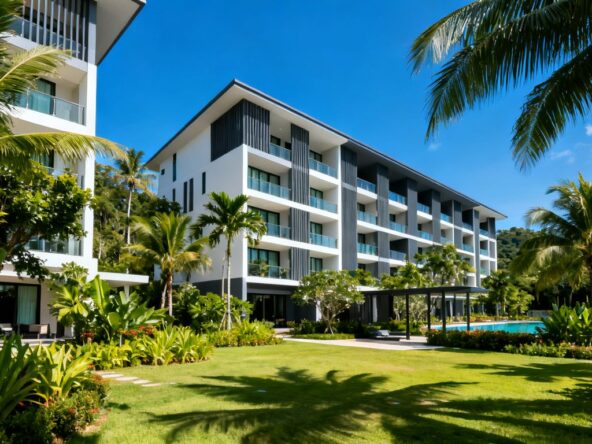

Thinking about buying property in Phuket? It’s a big step, and like anything important, timing can make a real difference. You don’t want to jump in when prices are sky-high, do you? This article is all about giving you some practical Phuket property market timing tips. We’ll look at when it might be smarter to buy, what to watch out for, and how to get the best value for your money. It’s not about predicting the future perfectly, but more about being smart with your investment.
Key Takeaways
- Phuket’s property market has its ups and downs, much like any other. Think about when tourists visit most – that usually affects prices. It might be worth looking when fewer people are around for a better deal.
- Buying property isn’t just about the price tag. Keep an eye on things like how much rent properties are making and if new roads or buildings are planned nearby. These can signal if an area is likely to grow.
- Different types of property have their own best times to buy. A beachfront villa might be different from a city apartment. Think about what you want and research that specific area.
- Local events, like shopping festivals or even property shows, can sometimes bring opportunities. They might offer special deals or give you a chance to see what’s new on the market.
- Don’t rush into buying. It’s easy to get excited, but take your time. Talk to local estate agents, get legal advice, and make sure you understand all the costs involved before you commit.
Understanding Phuket’s Property Market Cycles

Identifying Seasonal Trends for Property Investment
Phuket’s property market, much like the island’s weather, has its distinct seasons. Understanding these cycles is pretty key if you’re looking to buy. Think of it like this: when the tourist season is in full swing, demand for rentals and short-term stays goes up, which can push property prices a bit higher. This is usually from November to February, when the weather’s lovely and everyone wants a slice of paradise. It’s a busy time, and while you might see more activity, getting the absolute best price might be tricky.
On the flip side, the low season, typically from May to October, sees fewer tourists. This can mean less immediate demand for rentals, and sometimes, sellers might be more willing to negotiate. It’s not all quiet though; even in the low season, there are still people looking to buy, especially those who aren’t tied to the peak holiday rush.
The Impact of Tourist Seasons on Property Values
So, how exactly do these tourist seasons mess with property values? Well, when the island is buzzing with visitors, especially during the Christmas and New Year period, demand for holiday lets and villas skyrockets. This naturally puts upward pressure on rental yields and, consequently, can influence property sale prices. Developers might also time their launches or special offers to coincide with these peak periods to attract maximum attention and sales.
Conversely, during the shoulder seasons or the low season, the rental market might cool down a bit. This doesn’t necessarily mean property values plummet, but it can create a window of opportunity for buyers. If a property owner is looking to sell and isn’t getting the footfall they’d hoped for during peak times, they might be more open to a sensible offer. It’s a balancing act, really.
Navigating Off-Peak Periods for Better Deals
Buying property in Phuket during the off-peak season can often lead to better financial outcomes. This period, generally outside of the November-February rush, presents a chance to secure properties at more favourable prices. Sellers might be more flexible, and there’s less competition from other buyers who are often focused on the high season.
Here’s a quick rundown of what to expect:
- High Season (November – February): Peak tourist numbers, higher rental demand, potentially higher property prices, more competition.
- Shoulder Seasons (March – April, September – October): Moderate tourist numbers, good weather, potential for negotiation.
- Low Season (May – August): Fewer tourists, lower rental demand, increased seller flexibility, best chance for significant price reductions.
It’s worth remembering that ‘low season’ doesn’t mean the island shuts down. Many businesses remain open, and the weather, while potentially rainier, can still be very pleasant, especially in the earlier or later parts of this period. This quieter time can be perfect for viewing properties without the usual hustle and bustle.
Strategic Timing for Property Acquisitions
When it comes to buying property in Phuket, timing can really make a difference. It’s not just about finding the right place; it’s about finding it at the right moment to get the best value. Think of it like catching a wave – you want to hit it just right.
Leveraging Low Tourist Seasons for Property Bargains
Phuket’s property market definitely feels the ebb and flow of tourism. When the crowds thin out, usually during the shoulder seasons or the ‘green season’ (roughly May to October), sellers might be more motivated. This is when you can often find properties listed at more attractive prices. It’s a good time to explore areas that might be bustling during peak season but offer a more relaxed vibe and potentially better deals when fewer people are looking. This period allows for more focused viewings and negotiations without the pressure of high demand.
Capitalising on Post-Holiday Market Dips
Sometimes, after a major holiday period, like the end of the year, you might see a slight dip in the market. People might have overspent, or some sellers might be eager to finalise a sale before the next busy period. It’s worth keeping an eye on listings during these times. You might find motivated sellers who are ready to accept a reasonable offer to move things along. It’s a bit like finding a bargain after a big sale event.
The Advantage of Investing During Local Festivals
While it might seem counterintuitive, investing during local festivals can sometimes present opportunities. During major events like Songkran or Loy Krathong, the focus shifts to celebrations. Some property owners might be less actively marketing their properties, or perhaps they’re more open to negotiation if they need to finalise a sale quickly to participate in festivities or manage personal finances around the holiday. It requires a bit of local knowledge, but understanding these cultural rhythms can pay off. For instance, looking at boutique pool villas in Cherngtalay during a quieter local period might yield better results than during the height of tourist season.
Key Indicators for Market Entry
Before you put your money down on a property in Phuket, it’s smart to look at a few things. It’s not just about liking the look of a place; you need to see if the numbers add up and if the timing is right. Think of it like checking the weather before a big trip – you want to be prepared.
Monitoring Rental Yields and Occupancy Rates
This is a big one for anyone looking to make money from their investment. Rental yield is basically the income you get from renting out the property, compared to its price. A good yield means your property is earning its keep. You also want to know how often it’s actually rented out – that’s the occupancy rate. High occupancy means people want to stay there, which is a good sign for future rental income. Low occupancy might mean the rent is too high, the location isn’t great, or there’s just too much competition.
Here’s a rough idea of what to look for:
| Property Type | Target Gross Rental Yield | Typical Occupancy Rate |
|---|---|---|
| Beachfront Villa | 4-6% | 60-75% |
| City Condominium | 5-7% | 70-85% |
| Holiday Apartment | 6-8% | 75-90% |
These figures can change, of course, depending on the exact location and how well the property is managed. It’s worth doing your homework on specific areas.
Analysing Infrastructure Development and Future Growth
What’s happening around the property? Is the local council investing in new roads, public transport, or better utilities? These developments can make an area more attractive and potentially increase property values down the line. Think about areas that are currently a bit quieter but have plans for new shopping centres, schools, or even an improved airport link. These can be prime spots for future growth. It’s like buying land near a planned train station before it’s built – you’re betting on future convenience.
Assessing Local Economic Health and Investment Sentiment
How is the local economy doing? Is tourism strong? Are businesses doing well? If the economy is booming, people have more money to spend on holidays and, consequently, on renting or buying property. Investment sentiment is about how confident people are about putting their money into Phuket. If most people are optimistic, it usually means the market is stable or growing. You can get a feel for this by talking to locals, reading local news, and looking at general economic reports for Thailand.
It’s always a good idea to look beyond the immediate appeal of a property. Consider the wider economic picture and any planned improvements to the area. These factors can have a significant impact on your investment’s success over time.
Navigating Phuket’s Diverse Property Types
Phuket isn’t just one big beach; it’s a whole island with different areas and, naturally, different kinds of property. Thinking about buying here means looking at what’s on offer and when’s the best time to snag a deal for each. It’s not a one-size-fits-all situation, you know?
Timing Your Purchase of Beachfront Villas
Beachfront villas are the dream for many, and they come with a premium price tag. If you’re eyeing one of these, timing is everything. Generally, the absolute peak season, like Christmas and New Year, sees the highest demand and, consequently, the highest prices. Waiting until just after these major holidays, perhaps in late January or February, can sometimes present an opportunity. The crowds thin out, and sellers might be more willing to negotiate. Similarly, the shoulder seasons, like April to June or September to November, can offer a sweet spot. You avoid the absolute peak prices, and the weather is still pretty good, though you might catch a bit more rain in the latter period.
- Consider the monsoon season: While not ideal for holidays, the low season (May to October) can see reduced prices for villas, especially those that might need a bit of updating. If you’re not planning to live there full-time immediately, this could be a smart move.
- Look for off-plan opportunities: Developers often offer early-bird discounts for villas that haven’t been built yet. This requires patience but can lead to significant savings.
- Factor in rental potential: If you plan to rent out your villa, consider the rental demand throughout the year. High-demand periods mean higher rental income, which can offset your purchase timing.
The allure of a beachfront villa is undeniable, but its price point means careful consideration of market fluctuations is key. Don’t get swept away by the view alone; look at the numbers and the calendar.
Securing Deals on Condominiums and Apartments
Condos and apartments in Phuket are often more accessible price-wise than standalone villas, making them a popular choice for investors and holidaymakers alike. The market here can be quite dynamic, especially in popular tourist hubs like Patong, Kata, or Karon. The best time to look for a deal often aligns with periods of lower tourist numbers. Think about the months following the high season rush, or even during the slightly quieter parts of the low season. Developers also release new projects regularly, and initial launch prices can be very attractive.
| Property Type | Typical Peak Season Price | Potential Off-Peak Discount | Best Time to Buy (for deals) | Notes |
|---|---|---|---|---|
| Studio Apartment | ฿2,000,000 – ฿3,500,000 | 5-10% | Feb-Apr, Sep-Nov | High rental demand in tourist areas |
| 1-Bedroom Condo | ฿3,500,000 – ฿6,000,000 | 5-10% | Feb-Apr, Sep-Nov | Good for holiday lets and personal use |
| 2-Bedroom Apartment | ฿5,000,000 – ฿9,000,000 | 5-10% | Feb-Apr, Sep-Nov | Suitable for families or shared ownership |
Opportunities in Commercial Property Investments
Commercial properties, such as shop spaces, small hotels, or office units, operate on a slightly different cycle. Their value is often tied more closely to the overall economic health of the island and the success of local businesses rather than just tourist seasons. However, periods of economic slowdown or when new developments are completed can present opportunities. For instance, a new shopping mall opening might create demand for surrounding retail spaces, or a dip in tourism might make existing businesses more willing to sell. It’s worth keeping an eye on areas undergoing significant infrastructure development, as these often signal future growth potential for commercial ventures.
- Location is paramount: A prime spot in a busy area will always command a higher price, but also offers better returns. Timing your purchase in a developing area before it booms can be very profitable.
- Understand business cycles: Research the typical performance of businesses in the area you’re interested in. Are they seasonal, or do they have steady year-round income?
- Consider leasehold vs. freehold: Commercial properties can be complex. Understanding the terms of ownership and any lease agreements is vital before making a move.
The Role of Local Events in Property Timing
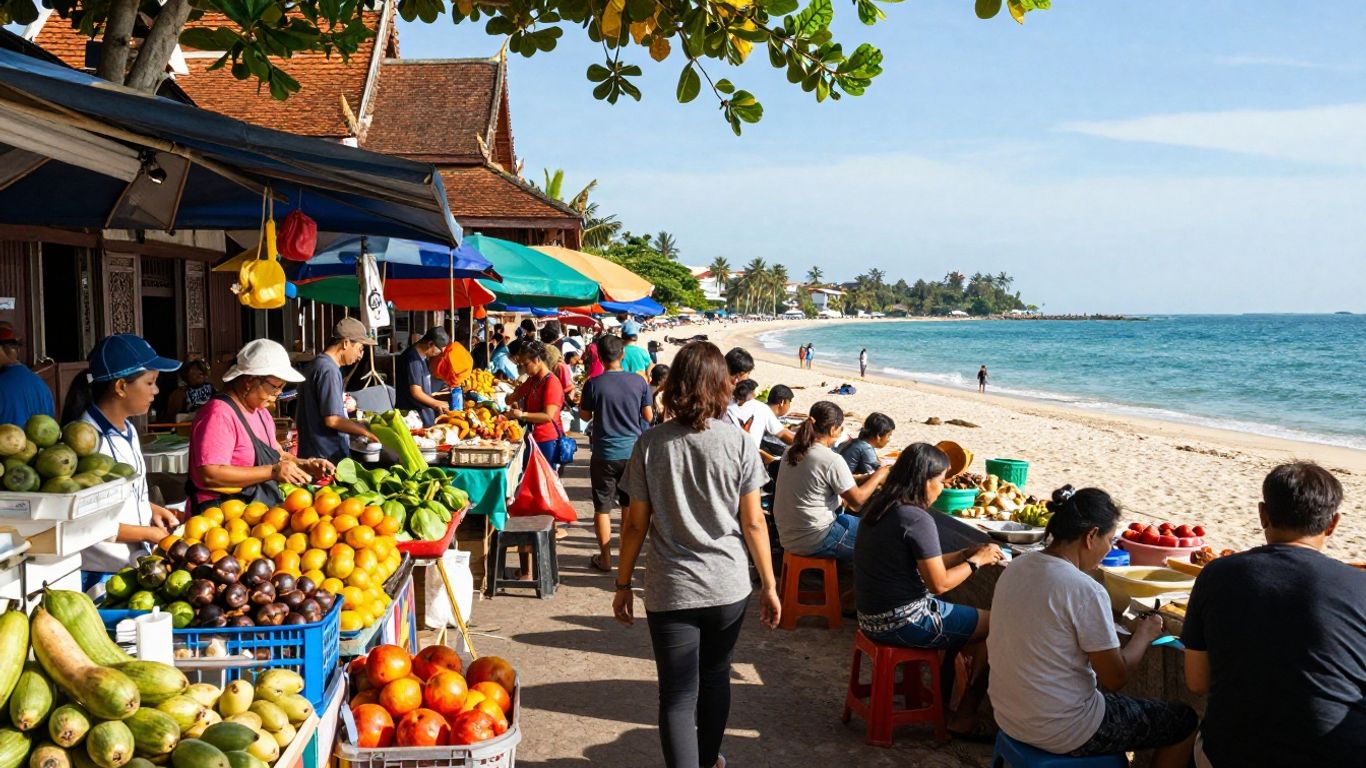
Phuket isn’t just about beaches and sunsets; it’s a place with a lively calendar of events that can actually influence property prices and opportunities. Thinking about buying property here? Tying your purchase to certain local happenings could mean snagging a better deal or understanding future growth potential.
Capitalising on Property Expos and Showcases
Property expos are a big deal in Phuket. Developers and agents often gather to showcase new projects, and this is when they’re keen to make sales. You might find special launch prices or package deals that aren’t available later. It’s a concentrated burst of activity, so if you see an expo advertised, it’s worth checking out. They often happen at major venues like convention centres or large hotels. This is your chance to see a lot of options under one roof and potentially negotiate directly.
Understanding the Influence of Shopping Festivals
While not directly property-related, major shopping festivals can give you a pulse on the local economy and consumer confidence. Events like the Phuket Shopping Festival, often held around September, or the general buzz around major sales periods, can indicate a healthy flow of money into the island. A strong retail sector often correlates with a robust tourism industry, which in turn supports property rentals and values. Keep an eye on these events; they can be a subtle indicator of market health. For instance, the Lard Yai market in Phuket Old Town is a popular Sunday event, drawing crowds and showing local economic activity.
The Impact of Cultural Celebrations on Market Activity
Cultural celebrations, like Loy Krathong in November, bring a unique atmosphere to Phuket. While you won’t see property sales happening at the festival itself, the influx of visitors and the general positive sentiment can indirectly affect the property market. Areas that become more popular during these times might see increased interest from investors looking for holiday rental potential. It’s about understanding the vibe of the island and how different events draw people in. Think about areas that might benefit from increased tourism during these periods, like those close to popular cultural sites or event venues. A well-located villa, for example, could see higher demand during peak cultural seasons.
Local events, from grand expos to smaller cultural gatherings, offer more than just entertainment. They provide tangible insights into economic activity, consumer behaviour, and the overall appeal of Phuket as a destination. Paying attention to this calendar can help you time your property acquisition more effectively, potentially leading to better financial outcomes.
Here’s a quick look at when some key events might occur:
- Property Expos: Dates vary, but often announced quarterly. Keep an eye on local property news sites.
- Phuket Shopping Festival: Typically September.
- Loy Krathong Festival: November.
- Lard Yai (Sunday Walking Street): Every Sunday evening in Phuket Old Town.
- Phuket Indy Night Market: Fridays to Sundays.
Financial Considerations for Property Buyers
When you’re looking to buy property in Phuket, it’s not just about finding the right place; it’s also about timing your finances smartly. Getting the best deal often means understanding a few key financial aspects that can make a big difference to your overall investment.
Optimising Currency Exchange Rates for Purchases
Phuket is a popular spot for international buyers, so keeping an eye on currency exchange rates is pretty important. If the pound, euro, or dollar is strong against the Thai Baht when you’re ready to buy, your money will stretch further. It’s worth looking into currency specialists or forward contracts if you’re planning a significant purchase and want to lock in a favourable rate. Even a small shift in the exchange rate can mean thousands of pounds saved or spent.
Understanding Mortgage Rates and Financing Options
While getting a mortgage in Thailand as a foreigner can be tricky, it’s not impossible. Some local banks do offer financing options, though they often come with higher interest rates and require a substantial down payment. It’s wise to explore all avenues, including international banks that might have a presence in Thailand or even bridging loans in your home country. Always compare the total cost of borrowing, not just the headline interest rate.
Maximising VAT Refunds on Property Investments
As a tourist, you can claim back Value Added Tax (VAT) on goods purchased from participating stores. While this doesn’t directly apply to the property purchase itself (as VAT is usually included in the sale price or handled differently for real estate), it’s a good tip to remember for any furnishings or items you buy for your new property. You’ll need to spend a minimum amount, usually 2,000 Baht in a single day at the same store, and keep your receipts and the correct forms. Look for shops displaying the ‘VAT Refund for Tourists’ sign.
It’s always a good idea to have a clear budget before you start looking. Factor in not just the purchase price, but also stamp duty, legal fees, potential renovation costs, and ongoing expenses like property taxes and maintenance. Unexpected costs can quickly add up if you’re not prepared.
Here are some points to consider when planning your finances:
- Exchange Rate Fluctuations: Monitor the GBP/THB, EUR/THB, or USD/THB rates regularly. Consider setting up rate alerts.
- Financing Costs: Compare interest rates, loan terms, and fees from different lenders. Understand the total repayment amount.
- Associated Fees: Budget for legal fees, transfer taxes, and any potential agent commissions.
- Ongoing Expenses: Factor in property management fees, community charges, utilities, and local taxes.
Expert Advice for Phuket Property Timing
Getting the timing right when you’re looking to buy property in Phuket can make a big difference. It’s not just about finding a place you like; it’s about finding it at a price that makes sense. Relying on local knowledge is a smart move here. Think of it like this: you wouldn’t try to fix a leaky tap without knowing a bit about plumbing, right? Property is similar, but with a lot more money involved.
Consulting Local Real Estate Agents for Insights
Local agents are the eyes and ears on the ground. They see the deals come and go every day, and they know which areas are heating up and which ones are cooling down. They can tell you about properties that aren’t even advertised yet, or give you the lowdown on why a particular villa might be priced the way it is. Don’t underestimate their local connections and market feel. They can be your best guide to finding a good deal, especially if you’re looking for something specific like a Kata Sea View Villa.
Seeking Legal Counsel for Property Transactions
Once you’ve found a place and the price seems right, you absolutely need a good lawyer. Buying property abroad can have its complexities, and a local legal expert will make sure all the paperwork is in order and that you’re not missing any hidden clauses. They’ll explain things like land ownership laws and any taxes you might need to pay. It’s about protecting your investment and avoiding nasty surprises down the line. A straightforward transaction is always the goal.
Building Relationships with Developers and Sellers
Sometimes, the best deals aren’t found through agents. If you’re interested in new developments, getting to know the developers directly can be beneficial. They might offer early-bird discounts or be more flexible on payment terms. Similarly, building a rapport with private sellers can sometimes lead to a more personal negotiation. It’s about showing genuine interest and understanding their situation. This approach can sometimes lead to a more favourable outcome than a purely transactional one.
Avoiding Common Pitfalls in Property Timing
Right then, let’s talk about the bits that can trip you up when you’re trying to time the property market in Phuket. It’s not all sunshine and bargain villas, is it? You’ve got to keep your wits about you.
Recognising Overpriced Properties
This is a big one. Sometimes, a property just looks too good to be true, and often, it is. Sellers, or their agents, might try to push the price up, especially if they see a lot of interest or if the market’s been hot. You need to do your homework. Look at what similar places have sold for recently. Don’t just rely on the asking price; dig a bit deeper. If a villa is listed for way more than comparable ones, it’s probably overpriced. Don’t get caught up in the hype; stick to your budget and your research. It’s easy to get excited by a beautiful listing, but a bit of detective work can save you a lot of money.
The Risks of Rushing into Purchases
Impulse buys are rarely a good idea, and that goes double for property. You might feel pressured by a deadline, or perhaps you’ve fallen head over heels for a place. But rushing means you might skip important checks. Have you properly looked into the legal side? Is the building survey all clear? Are there any hidden costs you’ve missed? Taking your time allows for thorough due diligence. It means you can get all your questions answered and feel confident about the decision. Think of it like this: you wouldn’t buy a car without a test drive and a mechanic’s check, would you? Property deserves even more scrutiny.
Understanding Market Volatility and Risk Management
Phuket’s property market, like any other, can have its ups and downs. External factors, like changes in tourism numbers, economic shifts in key markets, or even local government policies, can affect prices. It’s not always a smooth upward trend. You need to be prepared for the possibility that property values might not always go up, or could even dip. This is where risk management comes in. Don’t put all your eggs in one basket. Consider diversifying your investments, perhaps looking at different types of property or even different locations. It’s also wise to have a bit of a financial buffer for unexpected costs or if you need to sell in a less-than-ideal market. Understanding that volatility is part of the game helps you make more sensible decisions and avoid panic selling if the market takes a temporary turn.
Here are a few things to keep in mind:
- Due Diligence is Non-Negotiable: Always get independent legal advice and a thorough building survey. Don’t rely solely on the seller’s information.
- Market Research: Regularly check property portals and talk to local agents about recent sales and current market sentiment.
- Financial Preparedness: Ensure you have funds for unexpected costs, such as repairs, taxes, or potential periods of lower rental income.
- Exit Strategy: Think about how and when you might sell the property, even if you plan to hold it long-term. This helps in assessing potential risks.
Long-Term Investment Strategies
Identifying Growth Corridors for Future Value
When you’re thinking about buying property in Phuket for the long haul, it’s not just about the here and now. You’ve got to look ahead. Areas that are currently a bit quieter but have solid plans for new roads, better public transport, or even new tourist attractions are often the ones that will see the biggest jump in value down the line. It’s about spotting potential before everyone else does. Think about where the island is developing and which spots are likely to become more desirable as infrastructure improves. Investing in these emerging areas can offer significant capital appreciation.
Diversifying Your Property Portfolio
Don’t put all your eggs in one basket, as they say. A smart long-term strategy involves spreading your investments around. This could mean owning a mix of properties – perhaps a holiday rental villa in a popular beach town, a condo in a developing urban area, or even a small commercial space. Diversification helps to spread risk. If one type of property or one area experiences a downturn, your other investments might be doing just fine, balancing things out. It’s about building a robust portfolio that can weather different market conditions.
The Benefits of Early Investment in Emerging Areas
Getting in early on a developing part of Phuket can really pay off. These areas often have lower entry prices, meaning you can acquire more property for your money or simply get a better deal. As the area grows, with more amenities and better connectivity, property values tend to rise steadily. It requires a bit of foresight and perhaps a willingness to accept a slightly less developed neighbourhood initially, but the rewards can be substantial over time. It’s a strategy that rewards patience and a good eye for future potential.
Investing for the long term in property requires a clear vision. It’s about understanding the island’s growth trajectory and making choices that align with future demand, rather than just current trends. Patience is key; significant returns often materialise over years, not months.
Thinking about the future? Long-term investment strategies are key to building wealth over time. It’s about making smart choices now that pay off later. Want to learn more about how to make your money grow steadily? Visit our website for tips and guidance.
Happy Bargain Hunting!
So, there you have it. Phuket’s markets are definitely worth exploring, especially if you’re looking to save a bit of cash. Remember to go in the evening when things are lively, bring some cash, and don’t be afraid to have a friendly haggle. You might just walk away with some fantastic finds at prices that’ll make you smile. It’s all part of the fun of experiencing the island, really. Enjoy your shopping!
Frequently Asked Questions
When is the best time to look for property deals in Phuket?
Generally, the period between May and October, which is the low season for tourists, often presents the best opportunities for finding property bargains. During this time, fewer people are visiting, so sellers might be more willing to negotiate on prices to make a sale.
How do tourist seasons affect property prices?
Property prices tend to be higher during the peak tourist seasons, usually from November to April. This is when demand for rentals and holiday homes is at its highest. If you’re looking to buy, it’s often wiser to avoid these busy months to get a better deal.
Are there specific times of the year when property prices drop?
Yes, after the main holiday rush, like in January or February, you might find a slight dip in prices as the demand calms down. Also, during the monsoon season (roughly May to October), fewer tourists mean less demand for rentals, which can lead to lower property prices.
Should I consider local festivals when looking for property?
Investing during local festivals isn’t usually about getting a direct property discount. However, these times can show you the local vibe and economic activity. If you see a lot of development or interest during a festival, it might indicate a growing area, but it’s more about understanding the local economy than finding a quick deal.
What are ‘rental yields’ and why are they important?
Rental yield is basically the profit you make from renting out a property, shown as a percentage of the property’s value. High rental yields mean you’re earning good money from rent compared to what you paid for the property. It’s a key sign that a property is a good investment.
How can I find out if a property is overpriced?
To avoid overpaying, do your homework! Look at prices of similar properties in the same area. Talk to local real estate agents who know the market well. If a property seems too good to be true or significantly more expensive than others nearby, it might be overpriced.
What’s the benefit of talking to local real estate agents?
Local agents have their finger on the pulse of the Phuket property market. They know which areas are developing, which properties are good value, and when might be the best time to buy based on current trends and local knowledge. They can be invaluable guides.
Are there any risks I should be aware of when timing my property purchase?
Yes, the biggest risk is buying at the wrong time, perhaps when prices are at their peak, and then seeing them fall. Also, rushing into a purchase without proper research can lead to buying a property that isn’t a good fit or is overpriced. It’s important to be patient and understand the market’s ups and downs.