


Thinking about buying or managing property in Phuket? It can be tempting to go it alone, but the truth is, using local experts effectively can make all the difference. Phuket’s property market is busy and a bit unpredictable, with lots of rules and trends that aren’t always obvious to outsiders. Whether you’re looking to invest, rent out, or sell, having people on the ground who know the area, the paperwork, and the best ways to get things done can save you from a lot of headaches. Here’s what you should keep in mind if you want your Phuket property experience to run smoothly.
Key Takeaways
- Local experts know Phuket’s property market inside out, helping you spot good deals and avoid common mistakes.
- Building trust with local agents and professionals opens doors to hidden listings and better negotiation power.
- Understanding the legal side, especially for foreign buyers, is easier when you have local legal guidance.
- Good property managers and contractors are key for keeping your investment in top shape and attracting renters.
- Using local experts effectively means better rental income, smoother transactions, and less stress overall.
Understanding Phuket’s Property Landscape
Phuket’s property market is a bit like a busy marketplace – lots of different things going on, and you need to know what’s what to get the best deal. It’s not just about pretty beaches, though they certainly help! The island’s popularity as a holiday destination means there’s always a demand for places to stay, which is good news for anyone looking to invest. Think of it this way: more tourists mean more people looking for holiday lets or even permanent homes.
Navigating Local Market Dynamics
The property scene here is shaped by a few key things. Tourism is a big one, obviously. When holiday seasons are good, property prices tend to tick up. Infrastructure plays a part too; new roads or better transport links can make an area much more desirable. And, like anywhere, the wider economy matters. If the global economy is doing well, more people have the money to invest in places like Phuket. Foreign investment is also a major factor. While it brings money into the island and helps build new places, it can also push prices up. It’s a bit of a balancing act.
- Tourism Trends: Keep an eye on visitor numbers and popular seasons.
- Infrastructure Development: Look for areas benefiting from new roads or facilities.
- Economic Climate: Consider both local and global economic health.
The market here is always shifting. What was popular last year might not be this year. Being aware of these changes and being ready to adapt your plans is really important for success.
Identifying High-ROI Areas
So, where should you be looking? Well, the well-trodden paths like Patong, Kata, and Kamala are popular for a reason. They’re usually buzzing with tourists, meaning a steady stream of potential renters. These areas have lots of amenities, beaches, and things to do, which attracts people. But don’t discount the up-and-coming spots. Places like Rawai and Chalong are getting more attention. They offer a slightly more relaxed vibe and beautiful scenery, and as more people discover them, property values are likely to climb. It’s worth looking at a 4-bedroom villa in Kata, Phuket to see the kind of properties available in established areas.
| Area | Typical Demand Driver | Potential ROI | Notes |
|---|---|---|---|
| Patong | High tourist volume | Moderate-High | Busy, lots of entertainment |
| Kata | Beaches, family-friendly | Moderate-High | Popular with holidaymakers |
| Kamala | Quieter beaches, luxury | Moderate | Growing appeal, more relaxed |
| Rawai | Local life, marinas | Moderate-Low | Emerging, potential for growth |
| Chalong | Boating, scenic views | Moderate-Low | Up-and-coming, good value potential |
Leveraging Tourism Trends
Phuket’s economy is heavily tied to tourism. When the island is packed with visitors, demand for holiday rentals goes through the roof. This means properties in popular tourist spots can generate good income, especially during peak seasons. However, it’s not just about the summer holidays. Think about different types of travellers too. Are you looking at short-term holiday lets for families, or perhaps longer stays for digital nomads or retirees? Understanding who visits and when can help you pick the right type of property and location to maximise your returns. The island’s appeal to a diverse range of visitors, from backpackers to luxury travellers, means there are opportunities across different market segments.
Engaging Local Real Estate Professionals
The Value of Local Market Insights
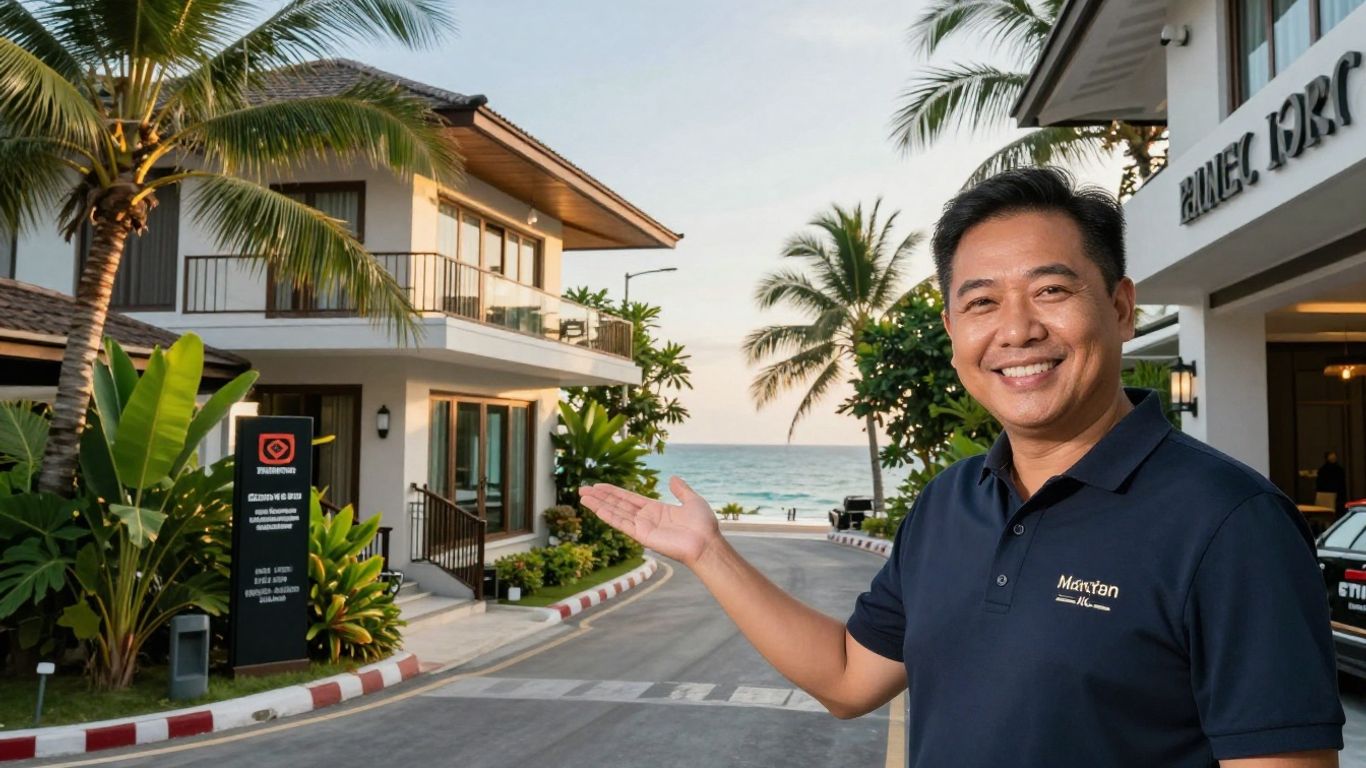
Trying to figure out Phuket’s property market on your own can feel like wandering through a maze. That’s where local real estate agents really shine. They’ve got their finger on the pulse of what’s happening day-to-day, something you just can’t get from reading articles online. They know which neighbourhoods are quietly gaining popularity, not just the ones everyone talks about. Plus, they have a good sense of fair pricing, which can save you a fair bit of money, whether you’re buying or selling.
- Understanding current property values.
- Knowing about upcoming developments that could affect prices.
- Getting a feel for buyer or renter demand in specific areas.
Local agents often have access to information before it becomes widely public. This early insight can be a significant advantage in a fast-moving market like Phuket.
Building Agent Relationships
It’s not just about finding any agent; it’s about finding the right agent and then working well with them. Think of it like building any good working relationship. You want someone you can trust, someone who communicates clearly, and someone who genuinely seems to have your best interests at heart. Regular check-ins and open conversations help keep things on track. A good agent will be proactive, keeping you informed without you having to chase them for updates. This kind of partnership makes the whole property journey much smoother.
- Be clear about your goals: Tell your agent exactly what you’re looking for and why.
- Ask questions: Don’t be afraid to ask about their experience and how they work.
- Provide feedback: Let them know what you think about the properties they show you.
- Stay in touch: Even between viewings, a quick message can keep the connection strong.
Accessing Off-Market Opportunities
Some of the best deals in Phuket never actually make it onto the big property websites. These are often called ‘off-market’ properties. Local agents, through their established networks, often hear about these listings before anyone else. This could be a property an owner wants to sell quietly, or perhaps a developer looking to move stock quickly. Having an agent who knows the local scene can give you a significant edge in finding these hidden gems. It means you might find a great property at a good price before the competition even knows it’s available.
| Property Type | Typical Sale Method | Potential Advantage |
|---|---|---|
| Villas | Private Sale | Less competition |
| Condos | Developer Direct | Early bird pricing |
| Land Plots | Agent Network | Unique locations |
Mastering Property Management Essentials
Owning a property in Phuket is one thing, but keeping it in good shape and making sure it earns its keep is another. It’s not just about collecting rent; it’s about looking after your asset and keeping tenants happy. Good property management is key to a smooth investment journey.
Choosing the Right Property Manager
Finding someone to manage your property is a big decision. You want a manager who really knows the Phuket scene, not just someone who says they do. Look for a company or individual with a solid track record and good references. Communication is also super important – they should be easy to get hold of and clear about what they’re doing. Don’t be afraid to ask questions about their fees and what services are included. A good manager will save you a lot of headaches down the line.
Effective Marketing Strategies
An empty property doesn’t make any money, does it? So, getting the word out is vital. This means having great photos and descriptions of your place. Using online platforms is a must, but also think about local connections. If you’re looking at properties like those in Phuket’s green valley, understanding who might want to rent there – families, holidaymakers, long-term expats – helps tailor your marketing. Sometimes, offering a furnished or semi-furnished option can really make a difference, especially for short-term lets.
Prioritising Maintenance and Upkeep
Nobody likes a leaky tap or a broken air conditioner, especially in the heat. Regular checks and quick repairs are non-negotiable. It keeps tenants content, which means they’re more likely to stay, and it stops small problems from turning into expensive disasters. Think about:
- Scheduling routine inspections
- Addressing repair requests promptly
- Keeping up with servicing for things like air conditioning
- Maintaining a record of all maintenance work done
Keeping your property well-maintained not only preserves its value but also significantly reduces the chances of tenant turnover. Happy tenants tend to stay longer, providing a more stable income stream.
It might seem like a lot of work, but getting these basics right makes a huge difference to your property’s success in the long run.
Navigating Legal and Regulatory Frameworks
Getting your head around the legal side of buying property in Thailand, especially Phuket, can feel a bit like trying to solve a Rubik’s Cube blindfolded. It’s not impossible, but you definitely need the right approach and, ideally, some local help. Understanding foreign ownership laws is the first hurdle. While you can’t own land outright as a foreigner, there are ways around this, like long-term leasehold agreements, which can last up to 30 years and often come with renewal options. For condos, it’s a bit more straightforward; foreigners can own up to 49% of the total unit space within a condominium project. This makes condos a popular choice for international investors looking for a slice of Phuket paradise.
Understanding Foreign Ownership Laws
As mentioned, direct land ownership for non-Thais is restricted. However, this doesn’t mean you can’t invest in land. Long-term leases are a common and perfectly legal way to secure land for an extended period. It’s vital to have these lease agreements drafted and reviewed by a qualified legal professional to ensure they are robust and protect your interests. For condominiums, the 49% foreign ownership quota means that if a project is already at its limit, you won’t be able to purchase a unit there as a foreigner. Always check the developer’s or agent’s information regarding this.
The Importance of Due Diligence
This is where you really need to be thorough. Before any money changes hands, you must conduct extensive due diligence. This involves several key steps:
- Title Deed Verification: Make sure the title deed is legitimate and matches the seller’s details. You don’t want to buy a property only to find out the paperwork is dodgy.
- Legal Checks: Confirm there are no outstanding lawsuits, debts, or claims against the property. A clear title is non-negotiable.
- Property Inspection: Get a professional to check the physical condition of the property. Are there any structural issues? Does everything work as it should? This can save you a fortune in unexpected repairs down the line.
- Checking for Encumbrances: Ensure the property isn’t being used as collateral for loans or has any other legal burdens attached.
Skipping due diligence is like building a house on sand. It might look fine for a while, but eventually, it’s going to crumble. Taking the time to get everything checked properly upfront is the most sensible thing you can do for your investment.
Seeking Local Legal Guidance
Trying to navigate Thai property law on your own is a recipe for disaster. It’s complex, and local nuances can trip you up. Hiring a reputable local lawyer who specialises in property law is not just recommended; it’s practically a necessity. They can guide you through the entire process, from reviewing contracts and lease agreements to ensuring all paperwork is correctly filed with the relevant authorities. They’ll also be able to advise on tax implications, such as transfer fees and stamp duty, which are part of buying property in Thailand. A good lawyer acts as your advocate and can help you avoid costly mistakes. For example, understanding the specifics of a 3-bedroom luxury villa purchase would be their bread and butter.
Remember, investing in Phuket is exciting, but doing it legally and correctly from the start sets you up for long-term success and peace of mind.
Maximising Rental Income Potential

So, you’ve got a property in Phuket, and you want it to bring in as much cash as possible. It’s not just about setting a price and hoping for the best; there are definite ways to get more out of your investment. Think of it like tending a garden – a bit of effort in the right places yields a much better harvest.
Optimising Short-Term Rental Strategies
Phuket is a magnet for tourists, so short-term lets, like holiday rentals, can be very profitable. The key here is understanding what travellers are looking for. Location is a big one, naturally – being close to the beaches or popular spots is a definite plus. But don’t forget the little things. Good Wi-Fi is non-negotiable these days, and air conditioning is a must for comfort. If you can offer extras like a small pool or a well-equipped kitchen, you can often charge a bit more. Marketing is also vital; using platforms like Airbnb or working with local holiday rental agencies can get your property seen by the right people. It’s about making your place stand out from the crowd.
Leveraging Net Guarantee Programs
This is where things get interesting, especially for those who want a more predictable income stream. A net guarantee program essentially means you agree on a fixed amount of income with a management company. They then take on the responsibility of filling the property and managing it. This shields you from the ups and downs of the market – whether there are few tourists or a sudden dip in demand, you still get your agreed-upon payment. It takes away a lot of the day-to-day worry and offers a solid financial safety net. It’s a good option if you prefer less hands-on involvement and more certainty.
Understanding Tax Deductions and Incentives
Nobody likes paying more tax than they have to, right? When you own a rental property, there are often expenses you can claim back, which reduces your taxable income. Things like the interest on your mortgage, costs for repairs and maintenance, and even the fees you pay to a property manager can usually be deducted. It’s worth looking into depreciation too, as this is a non-cash expense that can lower your tax bill. It’s not always straightforward, so talking to a local tax advisor who understands Thai property law is a really good idea. They can help you make sure you’re not missing out on any savings.
Keeping your property well-maintained isn’t just about tenant satisfaction; it directly impacts your rental income. Properties that are looked after tend to command higher rents and attract longer-term tenants, reducing costly vacancies.
Strategic Investment Approaches
Investing in Off-Plan Properties
Buying property before it’s built, often called off-plan, can be a smart move in Phuket. The main draw here is usually the price. You’re often getting in at a lower cost than you would for a completed building, and there’s the hope that its value will climb by the time it’s finished. It’s a bit of a gamble, sure, but if you pick the right development in a good spot, the rewards can be pretty significant. Just make sure you’re looking at reputable developers and understand the payment schedule. It’s not uncommon to pay in stages as construction progresses.
Considering Emerging Neighbourhoods
While the well-trodden paths like Patong or Kata are popular for a reason – they’re busy and attract tourists – looking at areas that are just starting to get noticed can pay off. Places like Rawai or Chalong, for instance, are becoming more appealing. They tend to be a bit quieter and might offer better value for money right now. The idea is to get in before everyone else does, so when the area develops further and becomes more popular, your property value goes up. It’s about spotting potential before it’s obvious.
Developing Exit Strategies
It’s easy to get caught up in the excitement of buying, but you really should think about how you’ll eventually sell or pass on your investment. What’s your plan for getting your money back, and hopefully making a profit? Are you looking to sell after a few years when property values have risen? Or perhaps you’re thinking of holding onto it for rental income long-term? Having a clear idea of your exit strategy from the start helps you make better decisions along the way. It means you’re not just buying a property, but planning an investment journey.
It’s not just about finding a good deal today; it’s about how that deal fits into your financial future. Think about market conditions, potential resale values, and even the costs associated with selling down the line. A well-thought-out exit plan is just as important as the initial purchase.
Building Your Expert Support Network
Right, so you’ve got your eye on a property in Phuket, or maybe you’re already a proud owner. That’s brilliant. But let’s be honest, doing it all on your own, especially in a place like Thailand, can feel a bit like trying to assemble flat-pack furniture without the instructions. You need a team, a good one, to make sure things run smoothly and you don’t end up with a wobbly table, metaphorically speaking.
Connecting with Reliable Contractors
Finding someone to fix a leaky tap or repaint a villa isn’t just about picking the first name you see. You want people who know Phuket’s climate and building styles. Think about it: a contractor who’s used to dealing with tropical humidity and local materials will probably do a better job than someone who’s only ever worked with standard UK brickwork. Ask around, get recommendations from your agent or other property owners. A good contractor will be upfront about costs and timelines, and importantly, they’ll turn up when they say they will. It’s worth getting a few quotes for any significant work, just to compare.
- Get recommendations from trusted sources.
- Check their experience with local conditions.
- Always get a written quote and contract.
- Don’t be afraid to ask for references.
Collaborating with Legal Professionals
This is a big one. Thai property law can be complex, especially for foreigners. You absolutely need a good lawyer who specialises in property and understands the nuances of foreign ownership. They’re not just there to read the fine print; they’ll help you understand what you’re signing, ensure all the paperwork is in order, and protect your interests. It might seem like an extra cost, but trust me, it’s a small price to pay to avoid major headaches down the line. A decent lawyer will explain things clearly, without all the confusing legal jargon.
A solid legal team acts as your shield, ensuring that your property investment is secure and compliant with all local regulations. They are your first line of defence against potential pitfalls.
The Role of Experienced Investors
Sometimes, the best advice comes from people who’ve already walked the path you’re on. Chatting with other property investors in Phuket can give you real-world insights that you just can’t get from reading articles. They might share tips on which areas are performing well, which management companies are reliable, or even warn you about common mistakes. Building a network with these folks can be incredibly beneficial. It’s about sharing knowledge and learning from each other’s successes and failures. You might find them at local property meetups or through online forums.
- Attend local property investor meetups.
- Join online forums or social media groups for Phuket property owners.
- Ask about their experiences with developers and agents.
- Seek advice on rental management strategies.
Ensuring Smooth Property Transactions
Buying or selling a property in Phuket, like anywhere else, can feel like a bit of a maze. It’s not just about finding the right place or the right buyer; there are steps and paperwork involved that can trip you up if you’re not careful. Getting these details right from the start makes the whole process much less stressful.
Simplifying the Buying Process
When you’re looking to buy, the first thing you’ll want to do is get your finances sorted. This means understanding how much you can borrow, if you’re taking out a mortgage, and what your deposit will be. For foreign buyers, this can sometimes be a bit trickier, so talking to a local bank or a mortgage broker who understands the Thai system is a good idea. You’ll also need to factor in all the costs beyond the sticker price. There are transfer fees, taxes, and potentially legal fees. It’s easy to forget these, but they add up.
Here’s a rough idea of what to expect:
| Cost Type | Typical Percentage | Paid By | Notes |
|---|---|---|---|
| Transfer Fee | 2% | Buyer/Seller | Often split, but negotiable. |
| Stamp Duty | 0.5% | Buyer/Seller | Varies based on property type. |
| Income Tax (Specific) | Varies | Seller | Depends on ownership duration. |
| Registration Fee | 2% | Buyer | For specific types of ownership. |
Once you’ve found a property, you’ll sign a preliminary agreement and pay a deposit. Then comes the important part: due diligence. This is where you (or your lawyer) check all the legal documents, make sure there are no hidden debts or ownership disputes, and confirm the property is exactly as described. Don’t skip this bit – it’s your safety net.
A thorough check of the title deed and any existing leases or charges is non-negotiable. It’s better to spend a little extra time and money here than to face major problems down the line.
After due diligence is complete and satisfactory, you’ll proceed to the land office to finalise the sale, pay the remaining balance, and officially transfer ownership. Having a good local agent and a reliable lawyer can make this part feel much smoother.
Achieving Optimal Selling Results
Selling your property requires a different approach. First, you need to price it right. Look at what similar properties in your area have sold for recently. Overpricing can mean your property sits on the market for ages, while underpricing leaves money on the table. Your local agent will be invaluable here, giving you the latest market data.
Next, get your property looking its best. This might mean a fresh coat of paint, some decluttering, or even minor repairs. First impressions count, and buyers want to see a well-maintained home. High-quality photos and a compelling description are also key for online listings.
Marketing is where your agent’s network comes into play. They can advertise through various channels, including their own client lists and popular property portals. Consider offering incentives, like covering some of the transfer fees, if the market is a bit slow.
When you receive an offer, don’t just jump at the first one. Negotiate the best possible price and terms. Again, your agent can guide you through this. Once an agreement is reached, the buyer will typically conduct their due diligence. If all is well, you’ll proceed to the land office for the final transfer, receiving your payment.
Maintaining Clear Communication
Throughout both buying and selling, clear and consistent communication is everything. Keep your agent, lawyer, and any other professionals involved in the loop. Respond promptly to requests for information or documents. If you’re buying from overseas, make sure you have a reliable way to communicate, whether it’s email, WhatsApp, or scheduled calls. Understanding the timelines involved and what’s expected at each stage helps manage expectations. Don’t be afraid to ask questions if anything is unclear – it’s your investment, and you have a right to understand every step.
Making sure your property sale or purchase goes off without a hitch is our top priority. We guide you through every step, from the first viewing to signing the final papers, so you can relax. Ready to start your property journey with confidence? Visit our website today to learn more and get started!
Wrapping Up Your Phuket Property Journey
So, there you have it. Getting your property in Phuket right isn’t just about picking a nice spot; it’s a bit more involved. We’ve talked about how important it is to have people on the ground who really know the island, from agents who can sniff out a good deal to managers who can keep things running smoothly. Whether you’re thinking about renting it out for holidays or just want to make sure it’s looked after, leaning on local know-how seems to be the way to go. It’s not always straightforward, but with the right help, you can definitely make your Phuket property work for you.
Frequently Asked Questions
What’s the property market in Phuket like?
Phuket’s property market is quite lively, with lots of different types of places to buy or rent. It’s influenced by tourists who visit all year round, so things like beaches and popular spots are really important for making money from your property. Some areas are getting really popular, while others are still growing, offering different chances for investors.
Why should I use a local real estate agent in Phuket?
Local agents know Phuket inside out. They understand the latest prices, what’s selling well, and which areas are likely to become more valuable. They can also help you understand the local rules and find properties that aren’t advertised everywhere, which can be a big advantage.
How can I make the most money from my property in Phuket?
Renting out your property to tourists for short stays, like on Airbnb, can be very profitable because Phuket gets so many visitors. Making sure your place is comfortable and in a good spot near attractions helps a lot. Also, keeping up with maintenance and marketing it well are key.
What are the rules for foreigners buying property in Phuket?
Foreigners can’t own land directly in Thailand, but they can buy apartments or condos. They’re allowed to own up to 49% of the total space in a condo building. For land, long-term leases are often used. It’s best to get advice from a local lawyer to be sure you follow all the rules.
What’s ‘off-plan’ property, and is it a good idea?
Buying ‘off-plan’ means purchasing a property while it’s still being built. These can sometimes be cheaper at the start, and their value might go up by the time they’re finished. However, it’s important to choose builders with a good track record to avoid problems.
How important is looking after my property?
Keeping your property in good shape is super important. Regular checks and fixing things quickly make it more attractive to renters and help it last longer. A well-maintained property also means happier tenants, which can lead to more stable rental income.
What are ‘Net Guarantee Programs’ for property owners?
These programs offer you a set amount of money from your property rental income, no matter how many people are staying there or if the market is slow. It’s a way to get a steady, predictable income and reduces the stress of managing bookings yourself.
Who should I have on my ‘expert team’ in Phuket?
You’ll want a good local real estate agent, trustworthy builders or repair people who know how things are done in Phuket, and possibly a property manager if you’re not managing it yourself. A good local lawyer is also essential for handling legal matters.