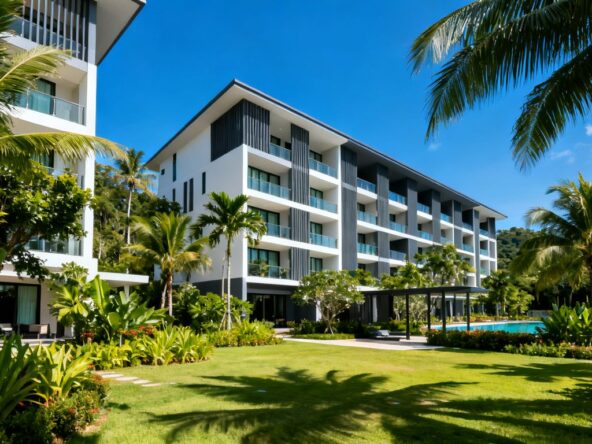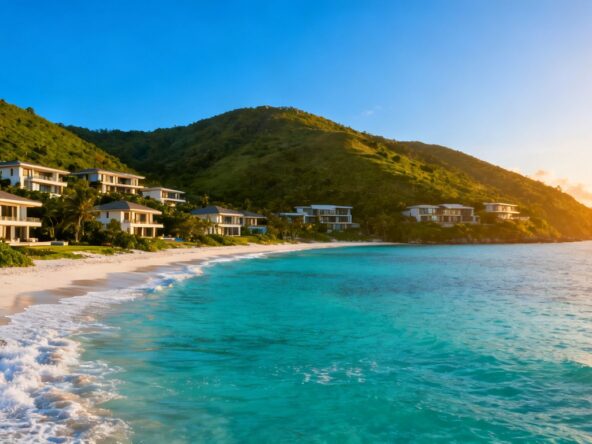


Thinking about a second home in Southeast Asia? Phuket and Singapore are two names that always pop up. Both have their own quirks, and honestly, it can be tough to choose. Maybe you love the idea of lazy days on the sand, or maybe you crave the buzz of a city that never really sleeps. I’ve spent time in both, and let me tell you, they’re worlds apart but equally tempting. In this post, I’m going to compare everything from how much you’ll spend on dinner to what it’s like dealing with the paperwork. If you’re stuck between Phuket and Singapore for your second home, this should help clear things up.
Key Takeaways
- Phuket is perfect for those who want a relaxed beach lifestyle, while Singapore offers a fast-paced city vibe with top-notch convenience.
- Property prices and daily costs are much lower in Phuket, but Singapore has more transparent rules for foreign buyers and long-term stays.
- Singapore’s English-speaking environment makes life easier for expats, but Phuket’s expat community is friendly and supportive even if you don’t know Thai.
- Healthcare in both places is good, but Singapore’s hospitals are world-class (and pricey), while Phuket offers affordable wellness options and easy access to spas.
- If you’re after investment growth and easy travel connections, Singapore is solid but expensive; Phuket gives you tropical living and the chance to pick up a bargain if you know where to look.
Comparing Lifestyles: Beach Bliss or Urban Excitement?
Seaside Serenity in Phuket
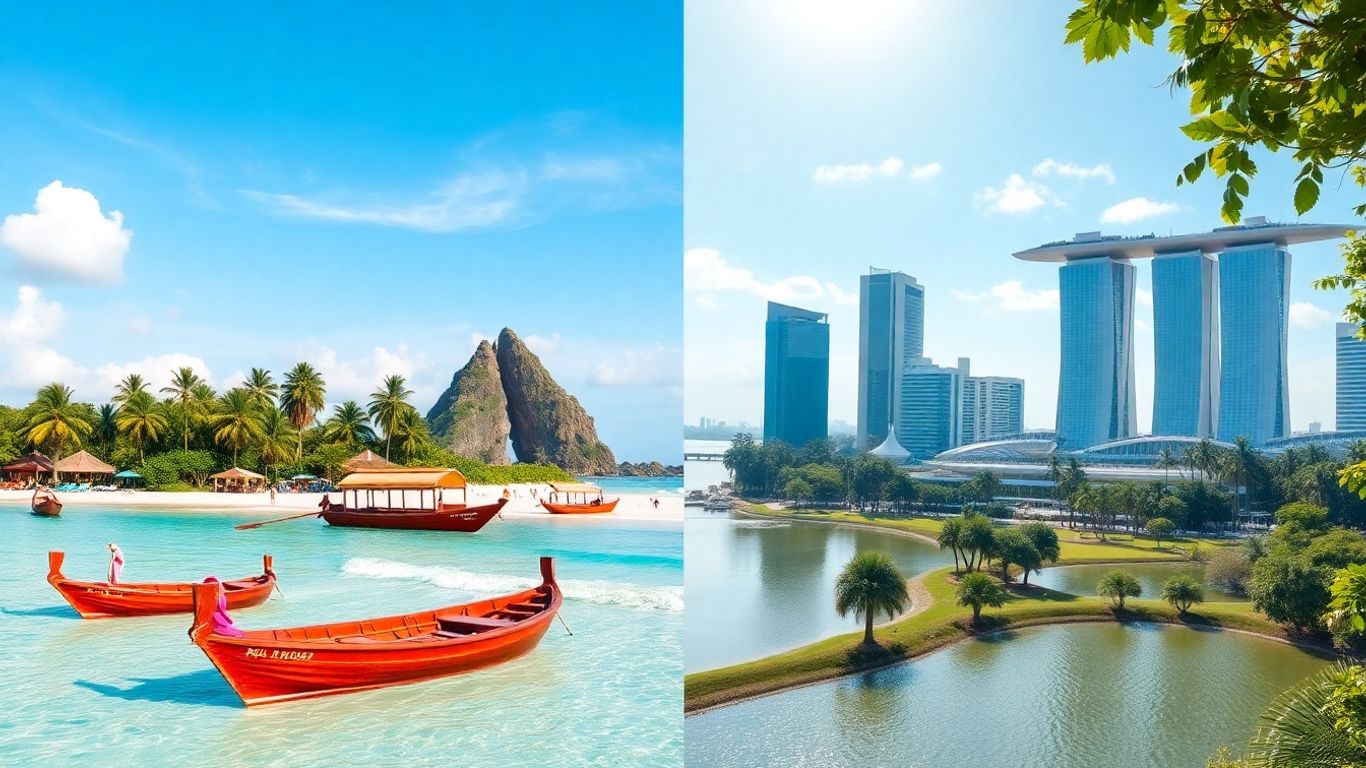
Waking up to ocean views is one thing, but living by the beach in Phuket is an experience that crawls under your skin in slow, easy waves. The rhythm out here is relaxed: locals and expats stroll to the morning markets, beaches fill up as the sun creeps higher, and the entire vibe leans towards the gentle. If you go for a dip after breakfast, no one bats an eyelid. What does turn heads are the sunset walks and the way even a simple noodle lunch can somehow taste better with salt-scented air.
If you want a taste of genuine tranquillity, it’s worth picking your spot with care. Popular areas are lively—sometimes even crowded during peak tourist months—but quieter corners still exist and offer privacy and a good amount of real calm.
- Peaceful days where the biggest urgency is picking a beach
- Local roadside food stalls and fresh seafood on your doorstep
- Outdoor markets and the occasional water buffalo wandering by
- Laid-back cafes, plenty of massages and wellness spots
The soothing lifestyle in Phuket is perfect if you want to slow down, focus on personal wellbeing, and keep daily stress levels in check.
Looking for that extra pinch of comfort? There are luxurious beachfront penthouses by Bang Tao Beach for those who like their island living with a dash of luxury.
Vibrant City Life in Singapore
Singapore is where everything seems to work—and at full speed. Step out of your door and there’s always something happening: underground shopping malls, bustling food courts, neon-lit bars, and even the odd robot delivering your groceries. The city’s public transport whisks you from one district to another with barely a pause, and the hum of the international crowd gives it a spark that’s hard to replicate.
If you’re drawn to city living, Singapore delivers in style. You’ll find comfortable routines here, sure, but it’s really about embracing the city’s relentless drive:
- Wildly diverse eating options, from hawker stalls to rooftop fine dining
- Frequent cultural festivals, concerts, and late-night markets
- Countless gyms, parks, co-working spaces, and new tech
- Fast, reliable public transport to skip the tropical heat
A quick look at a typical weeknight reveals an energy that doesn’t quite exist on sleepy islands. If you’re someone who thrives on stimulus and social opportunities, this city simply never runs out.
Day-to-Day Living Experiences
You can’t make much of a decision about a second home without picturing what a regular Tuesday (or Thursday) actually looks like. Let’s break it down:
| Lifestyle Factor | Phuket | Singapore |
|---|---|---|
| Pace | Slow, unhurried | Fast, always in motion |
| Transport | Motorbikes, tuktuks, private cars | Metro, buses, taxis, all efficient |
| Social life | Beach bars, expat meetups, markets | City cafés, events, global crowd |
| Shopping | Local markets, small malls | Luxury malls, global brands |
| Daily food | Street food, grill seafood | Multi-cuisine, hawker centres |
A typical day in Phuket might mean a stroll to pick up fruit, a quick swim, and hours without any real need to rush. Singapore, on the other hand, is non-stop: errands, appointments, and the promise of nightlife once the sun goes down.
If you prefer peace and can handle the odd monsoon rain, Phuket’s groove is hard to beat. For those who want their finger on the pulse, Singapore’s urban excitement has a magnetic pull.
Phuket vs Singapore Second Home: The Affordability Factor
Typical Property Price Comparisons
If you’re looking for a second home, the price tags in Phuket and Singapore sit at opposite ends of the spectrum. Phuket’s property scene is known for offering serious bang for your buck. Picture a modern villa with a pool, just a short walk from the beach—all for less than the cost of a cramped studio in Singapore’s city centre.
Here’s a succinct breakdown:
| Property Type | Phuket (THB / SGD Equivalent) | Singapore (SGD) |
|---|---|---|
| 2BR Condo (city) | 5,000,000 THB (~S$190,000) | S$1,300,000 |
| 3BR Villa (beach) | 12,000,000 THB (~S$450,000) | S$2,500,000+ |
| Monthly Rent, 1BR | 25,000 THB (~S$950) | S$3,500 |
Phuket’s market is undoubtedly cheaper—whether you’re buying or renting. Exceptions always exist, especially for ultra-luxury or rare waterfront sites in both locations.
Everyday Cost of Living Differences
Living costs hit differently in these two places. Phuket lets you stretch your money further, while Singapore is—well, hard on your wallet.
Some big cost differences:
- Utilities and internet are much lower in Phuket.
- Domestic help is more affordable, if that’s something you value.
- Public transport in Singapore is slick but more expensive than hopping on a Phuket tuk-tuk.
- Car ownership: through the roof in Singapore due to COE (Certificate of Entitlement) costs.
In Phuket, everyday expenses like groceries, haircuts, and even massages rarely dent your budget. Singapore, meanwhile, sometimes feels like your money disappears the moment you leave home.
Dining and Leisure Costs
Eating out and having fun is where Phuket stands out for sheer value. From beachfront seafood feasts to spicy street food, you’ll find a heap of options without emptying your bank account.
Quick price check:
| Phuket (THB/SGD) | Singapore (SGD) | |
|---|---|---|
| Basic meal (local) | 100 THB (~S$4) | S$7 |
| Dinner for 2 (mid) | 900 THB (~S$35) | S$80 |
| Pint of draft beer | 100 THB (~S$4) | S$12 |
| Gym membership | 1,500 THB (~S$55) | S$120 |
- Hawker centres in Singapore are still a deal, but Phuket’s cheap eats and happy hours edge out almost anything for price.
- Entertainment (movies, clubs, boat trips) is mostly cheaper in Phuket, unless you’re after super high-end venues.
In short: if affordability is your main concern, and you don’t mind trading city skyscrapers for swaying palms, Phuket really is in a different league.
Navigating Legal Requirements and Property Ownership
Buying a home abroad feels a bit like bringing a suitcase to a wrestling match—there are a lot of rules, none of them simple. Here’s the gist for Thailand and Singapore:
- Thailand:
- Foreigners can’t own land outright but can buy condominiums (as long as total foreign ownership in a building doesn’t cross 49%).
- Leasehold options are common. Usually, you get a 30-year lease, sometimes with renewal clauses.
- Married to a Thai national? You might buy land in their name, but this has strict rules—don’t treat it lightly.
- Singapore:
- Foreigners can buy condos and apartments with few restrictions.
- Landed properties (like terrace houses) usually require government approval. It’s rare unless you’re a permanent resident or have made “significant economic contributions”.
| Rule | Thailand (Phuket) | Singapore |
|---|---|---|
| Condo/apartment | Yes (with 49% overall cap) | Yes |
| Land/house | No (unless through complicated structures) | Rare, needs approval |
| Leasehold | Common (30 years, may be renewed) | Not common for residential buyers |
Learning the property rules in Southeast Asia is half patience, half paperwork, and a dash of luck.
Visa Options and Long-Term Stay
Property on its own doesn’t hand you a long-term visa any more than owning a surfboard makes you a good surfer. That said, it can help in some cases. Here’s what I found:
- Retirement Visas: Available in both countries. You’ll need to meet age and financial requirements, and in Thailand, owning property sometimes supports your application.
- Investment Visas: Singapore has a Global Investor Programme, but property by itself won’t cut it—you need a substantial business investment. Thailand’s options come and go.
- Tourist or “Special” Visas: If you’re content with coming and going, both countries offer tourist visas. Some property developers can guide you toward friendly visa schemes, but these change often.
Blockquote:
Visa regulations shift without warning. Always double-check with an immigration lawyer before making decisions.
Taxes and Fees for Property Owners
Buying property is just the start—be ready for a lineup of extra costs. Some are once-off, some stick around.
Typical Taxes and Fees Table
| Fee/Tax | Thailand (Phuket) | Singapore |
|---|---|---|
| Stamp Duty | 0.5%–1% | 3%–4% (higher for foreigners) |
| Transfer Fee | 2% of appraised value | Varies, much lower |
| Annual Property Tax | Yes, low | Yes, can be higher |
| Foreign Buyer Surcharge | No | Yes (20% as of 2025) |
| Capital Gains Tax | No (personal use) | No, but seller’s stamp duty applies if selling early |
Key Reminders:
- Tax rates and rules change, especially for foreign buyers. Double-check before sending any money.
- Some costs, like maintenance or sinking funds in condos, are low in Thailand but higher in Singapore.
- If you rent the place out, you’ll need to file taxes locally and in your home country (sometimes), so a tax adviser is your best friend here.
In short: owning a second home in Phuket or Singapore might look simple on the surface, but the legal and financial details deserve time and close attention. If you’re not already friends with a local lawyer, now’s the time to make that connection.
Community and Expat Life: Making Connections Abroad
Active Expat Communities
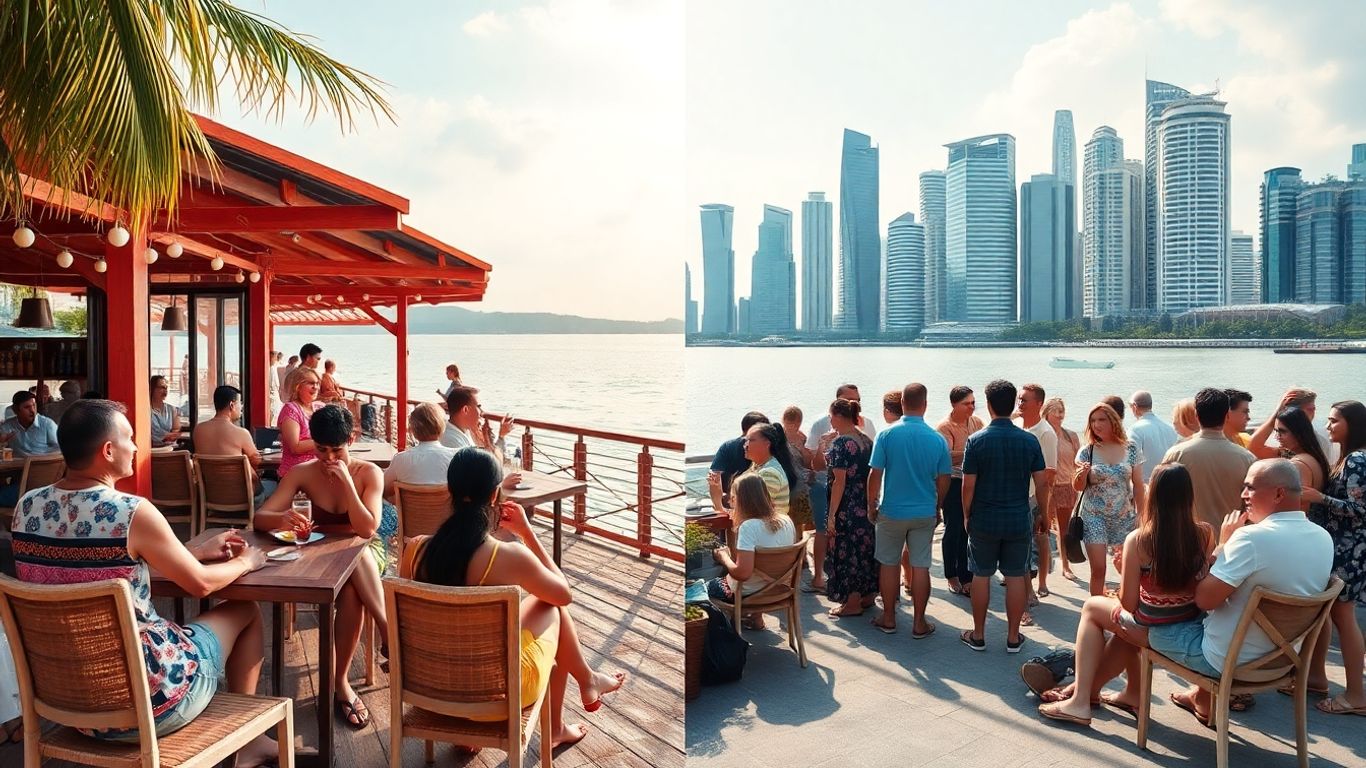
Feeling welcomed makes all the difference when you land in a new country. Both Phuket and Singapore have their own expat scenes, but they work very differently. In Phuket, you’ll find tight-knit expat groups—meetups at beachfront bars or yoga classes crop up often, and people tend to rally around community events. There are specific Facebook groups for everything: property advice, family outings, or Friday beach football. Things feel informal, and it’s easy to bump into the same faces at the coffee shop every week.
On the other hand, Singapore’s expat population is huge and more diverse. You’ll spot neighbourhoods where expats gather—districts like Holland Village, Orchard, and Robertson Quay. International clubs, business networks, and society gatherings are part of the scene, which can make it easy for newcomers to make connections, but sometimes it’s a bit harder to feel really at home like you might in a smaller community.
Language and Cultural Integration
Getting comfortable with daily life comes down to more than just location. Singapore makes things straightforward: English is widely spoken, and nearly all services, contracts, and everyday communication are in English. You won’t need to pick up another language to get by. Most locals bounce between English, Mandarin, Malay, and Tamil, and there’s always a friendly face to point you in the right direction.
Phuket is a bit different—while lots of locals working in tourism know basic English, you’ll find smaller businesses, government offices, and rural areas where only Thai is spoken. Picking up a few Thai phrases or learning numbers for the market really does help. It can be frustrating at first, especially if you’re trying to sort something out at the bank or when getting utilities turned on. Still, many expats say it makes life more interesting, and it’s a talking point at dinner parties.
Building Social Networks
Feeling settled isn’t just about paperwork—it’s about your circle. Here’s how people in both places tend to build their networks:
- Attending regular meetups: Book clubs, hiking groups, sports teams, and language exchanges bring expats together in both Phuket and Singapore.
- Making friends through kids’ schools: International schools act as mini-hubs; parents get together for school events or weekend activities.
- Connecting online: Social media groups and dedicated forums are packed with advice and people looking for friends or business partners.
If you’re naturally outgoing, the social side can be the highlight of your second-home adventure. But even if you’re a bit shy, both places offer gentle ways to break the ice—whether over coffee by the beach or at a city gallery opening.
Quick Comparison Table:
| Feature | Phuket | Singapore |
|---|---|---|
| Expat Group Size | Smaller, close-knit | Large, diverse |
| Language Barrier | Moderate (Thai) | Low (English) |
| Integration Experience | Informal, relaxed | Organised, structured |
| Expats in Daily Life | Frequent, familiar faces | Plenty, but more anonymous |
| International School Options | Fewer, but growing | Wide range, established |
Making a new home abroad is as much about community as it is about location. Finding your circle may take some time, but both Phuket and Singapore have warmth and opportunities if you seek them out.
Healthcare and Quality of Life Considerations
Healthcare Accessibility and Standards
Finding decent healthcare really matters when you’re thinking about making a new country your second home. Singapore stands out for its modern hospitals, top-rated clinics, and overall reliability. There’s an international standard of care, and English-speaking staff is common, which is a relief if you’re ever in a tight spot. Phuket’s hospitals, while not quite as high-tech as Singapore’s, are still pretty solid, especially in the city and around touristy areas. I’ve found that getting treatment at Phuket’s bigger hospitals is usually straightforward—and much cheaper than back home.
| Singapore | Phuket | |
|---|---|---|
| Key Hospitals | Gleneagles, Mount Elizabeth | Bangkok Hospital Phuket, Siriroj |
| Emergency | World-class, 24/7 | Good, major areas only |
| English Spoken | Widely | Main hospitals, not everywhere |
| Cost | High | Lower |
- In Singapore, routine check-ups can feel expensive, but you know you’ll get quick service.
- Phuket clinics are fine for everyday problems – just double check which places have English speakers before you go.
- For complex treatments, many expats in Thailand still fly to Bangkok or Singapore.
You never really value good hospitals and fast access to doctors until you’re halfway across the world, feeling sick or trying to get a prescription filled without your usual GP on speed dial.
Wellness, Spas and Massages
If you’re into regular massages and spa days, Phuket feels like a paradise. Thais treat wellness like a way of life—walk down any street and you’ll spot a foot massage shop or a spa tucked behind some greenery. The cost? Always reasonable, sometimes ridiculously low. You can get pampered several times a week for the price of one fancy treatment in Singapore.
- Spa treatments and massages are:
- Widely available in both places, but cheaper by far in Phuket.
- Often combined with healthy café food, sea views, or yoga spots in Phuket.
- Singapore offers more high-end, luxury experiences but not as much variety for everyday relaxation.
Cleanliness and Environmental Factors
Cleanliness is a standout factor—Singapore makes you feel like you’re walking through a city-wide showroom. Litter is basically non-existent. Public toilets are cleaned often and the air feels crisp (minus the odd haze day). Phuket, meanwhile, is honestly a mixed bag. Beach areas and luxury resorts are spotless, but some local spots have a more relaxed attitude, especially outside tourist zones.
| Singapore | Phuket (urban/tourist) | Phuket (rural) | |
|---|---|---|---|
| Streets | Very Clean | Generally Clean | Variable |
| Air Quality | Good | Good, can be smoky | Can be smokier |
| Water Supply | Safe | Bottled recommended | Bottled needed |
If you crave city order or have allergies, Singapore is brilliant. For easy-going days by the sea and endless wellness options (occasionally with a bit of beach debris), Phuket fits the bill.
In the end, picking between the two is really about choosing your priorities: spotless order and predictability in Singapore, or sunny living and affordable self-care in Phuket—even if things get a bit messy sometimes.
Culinary Adventures: From Hawker Centres to Beachside Cafes
Singaporean Food Culture
Singapore’s food scene is a burst of activity from first light until late at night. Hawker centres are central to everyday life here—some folks say they’re the true heart of the city. Grab chicken rice or a bowl of spicy laksa for just a few dollars, sitting elbow-to-elbow with locals. It’s never dull, with Malay, Indian and Chinese cuisines intertwining in every meal. Add to that the city’s famous chilli crab or satay skewers grilled over hot coals, and suddenly dinner is an event.
- Hawker centre musts:
- Hainanese chicken rice
- Char kway teow
- Roti prata
Singapore’s food culture isn’t just about eating; it’s where everyone comes together—and where taste is a kind of passport.
Thailand’s Island Cuisine
Phuket’s food is different. Here, the sea matters as much as the spice. Most mornings, boats unload the catch of the day, and by lunch you’re eating fresh fish in a simple shack right on the sand. Tom yum soup is tangy and spicy, and a plate of pad Thai noodles somehow tastes twice as good with your feet in the sand.
You don’t need fine dining here. Some of the best dishes come from small roadside stalls, served on plastic plates. And the sunsets? They remind you why you picked an island in the first place.
- Phuket flavours to try:
- Massaman curry
- Grilled seafood (prawns, fish, squid)
- Mango sticky rice
Dining Etiquette and Unique Local Practices
Singapore keeps things practical. Hawker stalls might not always give you napkins (locals often carry tissues), and you might have to bus your own table. Don’t be thrown off if you see someone saving a seat with a packet of tissues or an umbrella—that’s totally normal here.
In Phuket, it’s all about sharing. Thai meals are meant for the group, and the dishes are set in the middle for everyone to pick at. It’s polite to spoon rice onto your plate first, then serve yourself from shared dishes. And if you’re eating street food, expect things to be casual—or even messy.
| Etiquette | Singapore | Phuket |
|---|---|---|
| Saving seats | Tissue packs on tables | Not common |
| Sharing food | Sometimes | Always |
| Messiness | Usually neat | Casual, can be messy |
Dining in both places is more than just filling up. Sharing a table, picking at platters, or queueing for the ‘best’ stall brings you right into the local way of life—no reservation required.
Safety, Security, and Comfort
Living between Phuket and Singapore, security and daily comfort aren’t minor details—they’re things you’ll actually notice every single day. It’s the stuff you don’t see in holiday brochures. So here we’ll go into what you should expect if you call either of these places your second home.
Crime Rates and Personal Safety
Singapore is famous for its very low crime rates and strict rules, making it one of the safest cities in Asia. You can walk around at midnight and feel totally at ease. Fines for things as small as dropping litter or eating on the train are real (and, honestly, that keeps the place spotless). On the other hand, Phuket is mostly safe too—violent crime is rare—but you’ve got to keep an eye out for petty theft, especially in tourist hotspots or on the beach. Locking up your things is just normal practice here.
| Safety Factor | Singapore | Phuket |
|---|---|---|
| Crime Rate | Very low | Generally low but some petty |
| Safe for Solo Travellers | Yes, very safe | Mostly safe, be cautious |
| Strict Law Enforcement | Extremely strict | Less strict, varies by area |
- Singapore: CCTV is everywhere, and police presence is high
- Phuket: Security is more relaxed, but watch out for common scams (like overpriced taxis)
- Both: Emergency services are good, but response times can vary in rural Phuket
Health Safety and Cleanliness
Singapore’s obsession with cleanliness is obvious from the moment you step off the plane—there are almost no overflowing bins or questionable food stalls here. Tap water is safe to drink, and spot checks on food outlets happen regularly. Phuket does well in the resort zones, but outside the tourist districts, standards can be a bit mixed. Water filters are recommended for the house, and street food is tasty but inspect with your eyes first.
Never thought I’d appreciate clean, reliable public toilets so much until moving to Singapore.
Unique Local Laws and Customs
This is where things can catch newcomers by surprise. Singapore’s laws go beyond the obvious:
- Chewing gum isn’t sold (except for medical reasons).
- Big fines for jaywalking or littering.
- Smoking is only allowed in very specific zones.
Phuket, and Thailand as a whole, is more easy-going, but some customs do matter:
- Always show respect for the royal family in conversation and public settings.
- Modest dress is expected at temples.
- Anti-drug laws are strict and taken very seriously.
If you adapt, both places feel welcoming and surprisingly comfortable for everyday life.
In short: if security and predictable basics are your thing, Singapore has you covered. Phuket brings a laid-back vibe, as long as you keep your wits about you and follow a few sensible habits.
Convenience of Travel and Mobility
When picking between Phuket and Singapore as a second home, how you get around – both to and within each place – can really shape your day-to-day life and long-term plans. Getting this part right means less hassle and more fun.
International and Regional Connectivity
Singapore might be one of the best-connected cities in the world. Changi Airport is a major global hub, so direct flights to just about anywhere in Asia (and plenty of places further afield) are a given. Expats who travel for business, or love quick getaways, find it incredibly convenient—it’s basically world travel on your doorstep.
Phuket International Airport, on the other hand, offers some decent connectivity, especially for regional trips. Lots of budget airlines fly in and out, so it’s not hard to pop over to Bangkok or even Hong Kong. Long-haul flights require a stopover. For some, that’s a deal-breaker, for others, not a big deal.
| Location | International Flights | Regional Flights | Direct to Europe | Direct to Australia |
|---|---|---|---|---|
| Singapore | Excellent | Excellent | Yes | Yes |
| Phuket | Good | Good | No | Yes (limited) |
Honestly, if you’ve got family or business spread across continents, Singapore feels almost unfairly easy – but Phuket’s no slouch for quick trips around Asia.
Getting Around Locally
Local mobility is where things really diverge. In Singapore, the MRT is a lifesaver. Clean, reliable, and covers nearly every corner of the island. Pair that with buses, and you’ll rarely need to drive. Taxis and carshares are readily available, too. Traffic can get thick in peak hours, but you’ll survive.
Phuket is a different story. Public transport isn’t something you’d want to rely on. Most people grab a scooter, car, or use local taxis (which can be pricey). Roads can get jammed near the beach or old town, and driving requires full attention—not for the half-awake. But hey, being able to park right at a beach café never gets old.
A few practical notes:
- Singapore is super walkable, and bike paths are mushrooming all over.
- In Phuket, driving is the norm, and some villas are a hike from the main road.
- Scooters are almost a rite of passage for new Phuket residents.
If you’re considering a move, properties with easy access are worth hunting for, like this Phuket garden-view apartment.
Weekend Getaways and Island Hopping
This is where life gets fun. Singaporeans have a menu of quick weekend destinations—Bali, Kuala Lumpur, Bangkok—all within a two-hour flight. Even a day trip to nearby islands like Bintan is possible.
Phuket? It’s the capital of island hopping. Ferries, longtails or speedy catamarans can get you to dozens of nearby islands. Phi Phi, Similan, Coral… you honestly could check out a new beach every weekend for months.
- From Singapore, your getaways usually mean flights, but options are endless.
- From Phuket, you step outside and you’re on holiday—boat trips are the weekend standard.
- Road trips are easy in Singapore (it’s tiny), while in Phuket, be ready for winding lanes and hills.
In my own routine, I felt like I lived in a travel brochure—weekdays for real life, weekends for beach escapes. If you value endless destination choices, Singapore’s airport network is king. But if you want to pop down to the water for an impromptu swim or explore dozens of nearby paradise islands, Phuket scratches that adventure itch easily.
Lifestyle Amenities: Shopping, Leisure and Entertainment
When it comes to lifestyle perks, both Phuket and Singapore offer an endless list of things to do, shop for, or simply enjoy during downtime—though the vibe couldn’t be more different. In Singapore, your day might start in a glittering air-conditioned mall and end in a lively rooftop bar, while in Phuket, lazy beach afternoons and market strolls rule the agenda.
World-Class Shopping in Singapore
Singapore is basically a paradise for shoppers who appreciate everything from high-end designer threads to quirky finds. Orchard Road is at the centre of it all—one long stretch dotted with huge malls, from ION Orchard to Ngee Ann City. It’s not just about luxury labels either; stylish local brands and international mainstays are everywhere.
While the bigger malls are posh and more expensive than many places in Asia, it’s still possible to find budget buys if you head to neighbourhood haunts or the crazy variety at Bugis Street Market. More than shopping, these malls provide full entertainment with cinemas, indoor playgrounds, and restaurants from nearly every cuisine imaginable.
If you fancy something hip, don’t miss areas like Kampong Glam or Haji Lane. These neighbourhoods mix street art, indie boutiques, and laid-back cafes—great spots to browse, people-watch, or just grab a bite.
Sample Shopping Highlights (Singapore)
| Area | What You’ll Find | Best For |
|---|---|---|
| Orchard Road | Designer labels, mega-malls | Big spenders |
| Bugis Street | Bargain shopping, fashion, gadgets | Treasure hunters |
| Kampong Glam | Boutiques, cafes, street art | Hipsters |
Beach Activities and Island Tours in Phuket
Phuket’s scene is a world away from city hustle. Here, it’s all about the outdoors—and life does feel like one long holiday. You’ll see expats and locals mixing at beach clubs, early morning yoga sessions with views out to the sea, and markets popping up everywhere.
- Spend your weekend lazing at Surin Beach or take a paddleboard lesson if you feel ambitious.
- Join a snorkelling trip out to nearby islands, or hop on a boat for a sunset cruise—it never gets old.
- Night markets are another must-do for everything from tie-dye shirts to amazing snacks (think mango sticky rice).
If you’re after a move-in ready base right by the sand, check out this fully furnished Surin Beach condo—it’s right in the middle of the action, with gyms, a rooftop pool and plenty of amenities.
Sometimes, a walk along the beach at dusk beats any fancy shopping mall—Phuket’s slower rhythm just slips into your routine.
Iconic Nightlife and Entertainment
Once the sun goes down, both places bring their own kind of magic. In Singapore, the city centre comes alive: rooftop cocktail bars with skyline views, street food at hawker centres, or casual drinks along Clarke Quay. There’s always a show, festival, or art event on—never a boring night, honestly.
Phuket’s nightlife, on the other hand, is famously relaxed but can get a bit wild if you want it to. From live reggae music at Rawai Beach bars to sunset DJ sessions in Patong, there is something for everyone.
Some favourite picks from expats and long-timers:
- Catch the Supertree Groove light show at Gardens by the Bay after dinner in Singapore.
- Beach bonfires and live music at laid-back bars near Kata or Kamala in Phuket.
- Night markets—both destinations are packed with these, and no two are the same.
In short, whether you prefer retail therapy, a new adventure on the water, or an endless parade of nightlife options, both Singapore and Phuket let you fill your calendar, your Instagram, and your memory bank.
English Proficiency and Ease of Communication
Singapore’s Multilingual Edge
Stepping into Singapore, it feels like everyone speaks English. English is not only the main language in schools and offices, it’s used on every street sign, every piece of government paperwork, and every coffee shop menu. When sorting out contracts for property or setting up utilities, there’s hardly ever that second of “wait, what did I just agree to?”
Here are a few things you’ll notice:
- Service staff, property agents, and even market vendors usually speak English (sometimes with a unique local twist known as Singlish).
- All important documents—including property agreements—are in English by default.
- Most expats and locals switch easily between English and other official languages (Mandarin, Malay, Tamil).
| Category | Singapore Standard |
|---|---|
| Working language | English |
| Government docs | English |
| Social settings | English & local dialects |
| Basic transactions | Rarely face a language issue |
If you ever get caught out by Singlish or local slang, people generally find it funny—and they’ll usually explain with a smile.
Language Barriers in Phuket
Phuket, on the other hand, is a holiday hub, so English is definitely around—but it’s not everywhere. In tourism zones—Patong, Kata, and hotels—it’s mostly smooth sailing. But go out to less touristy areas, and you’ll probably start wishing you’d spent more time on a Thai phrasebook.
Things you’ll run into:
- Tourist English: Most hotel staff, travel agents, and baristas speak enough English for you to get by.
- Local Services: Plumbers, electricians, taxi drivers? Hit or miss. Some might know a few words; others stick to Thai.
- Official matters: Contracts are often in Thai. For buying or renting property, expect to need a translator or a trusted local friend.
| Location/Context | English Spoken? |
|---|---|
| Major tourist areas | Usually yes |
| Local government | Mostly Thai (get help) |
| Property transactions | Often requires translator |
| Shops and street food | Basic or no English |
Tip: Download a Thai phrase app. Even just “hello” (Sawasdee) and “thank you” (Khop khun) go a long way in making daily tasks friendlier.
Navigating Contracts and Services with Ease
In Singapore, setting up your life—banking, utilities, health insurance, tenancy agreements—can usually be done directly in English, either online or at a service counter, and you’ll actually know what you’re signing. In Phuket, you’ll want to double check anything official. Find a reputable agent, or better yet, a lawyer who understands both languages, especially for property.
Quick checklist for handling services:
- Ask for English copies of all contracts (possible in Singapore, rare in Phuket)
- Never sign something in Thai unless you fully understand it or have a translation
- Always carry your passport—it’s the quickest way for local service staff to help you
Moving somewhere new is always a leap, but in Singapore you’ll never feel out of your depth with language. Phuket is friendly and warm, but learning a few phrases (and leaning on Google Translate) is your best bet for a smooth ride.
Investment Potential: Phuket vs Singapore Second Home
Thinking about putting your money into a second home in either Phuket or Singapore? It’s not just about having a holiday bolthole—more and more folks are weighing up the potential return, whether that’s rental yields, capital appreciation, or just a place that pays for itself. Let’s get into the nitty-gritty and see how these two places stack up.
Rental Yields and Appreciation
One of the first things anyone thinks about is: what kind of return can I get? Well, it really depends on your approach and what part of the market you tap into.
| Location | Average Gross Rental Yield | 5-Year Capital Appreciation |
|---|---|---|
| Phuket | 6–8% | 4–5% per year |
| Singapore | 3–4% | 2–3% per year |
- Phuket’s yield tends to be higher thanks to short-term holiday lets, but it does mean your income can go up and down with the tourist seasons.
- Singapore’s market is more stable—tenants are usually expats or locals, and rules protect both sides. The trade-off: yields aren’t sky-high but the risk is lower.
- Advice from old hands? Properties near international schools or hospitals in Phuket can bring in more reliable returns, since those tenants often sign year-long leases.
If you care more about steady growth, Singapore’s long-term, regulated market might suit you. But if you’re angling for bigger returns and don’t mind seasonal ups and downs, Phuket’s the move.
Managing Your Property Remotely
Here’s where things can get a bit sticky if you don’t plan on staying there:
- Phuket: There’s a solid network of local agents who’ll manage cleaning, bookings, repairs—even paying utility bills—so you can collect rent from abroad.
- Singapore: Most condos come with a management office and everything is handled in an orderly fashion. There’s also a robust legal process if a tenant doesn’t pay up (though it happens rarely).
- Whichever you pick, make sure to factor in management fees—they can eat into your bottom line!
Emerging Neighbourhoods and Growth Zones
Everyone loves a good up-and-coming area—get in early, and the rewards can really add up. But don’t just chase bargains—location and connectivity matter. Here’s a peek at where the future might lie:
- Phuket: Check out areas just inland from the west coast (greater Bang Tao, Chalong). These spots aren’t overrun yet but are drawing restaurants, cafes, and new families each year.
- Singapore: The east side (Tampines, Paya Lebar) is seeing new MRT stations and business hubs—it’s not quite central, but still very accessible.
- In both places, proximity to schools, hospitals, and shopping is a big plus for long-term value.
Thinking about rental returns is one thing—it’s also about your comfort level with risk and whether you want a true investment or more of a lifestyle asset. For some, a second home is just a place to escape the grind; for others, it’s a way to grow their savings. Only you know which matters more.
Thinking about buying a second home? Phuket and Singapore both have great opportunities for investment. Each place offers something special, but the right choice depends on your needs and budget. Want to learn more about which is the better fit for you? Visit our website now to explore detailed guides, listings, and expert advice to help you make the best decision.
Conclusion
So, after all that, where does that leave us? Phuket and Singapore are both pretty great in their own ways, but they’re totally different vibes. If you’re after city life, super clean streets, and everything just working smoothly, Singapore is hard to beat. It’s easy to get around, English is everywhere, and you’ll never run out of things to do – just be ready for the price tag. On the other hand, Phuket is all about those laid-back beach days, cheap eats, and a slower pace. You can get a lot more for your money, and if you love the sea, it’s basically paradise. I guess it comes down to what you want from your second home. Some people want the buzz of a big city, others just want to chill by the water. Either way, Southeast Asia has something for everyone. If you’re still on the fence, maybe try splitting your time between both – that way, you get the best of both worlds. Honestly, there’s no wrong choice here. Just go with what feels right for you, and you’ll have your own stories to tell soon enough.
Frequently Asked Questions
Is it easy for foreigners to buy property in Phuket or Singapore?
In Singapore, foreigners can buy apartments (condos) but not landed houses without special approval. In Phuket, foreigners can’t own land but can own condos as long as foreign ownership in the building doesn’t go over 49%. Many foreigners in Thailand buy property through long-term leases or set up a Thai company, but it’s best to get legal advice before making any decisions.
Which place is better for families: Phuket or Singapore?
Singapore is great for families who want a safe, clean city with lots of schools and activities. Phuket is more relaxed, with beaches and outdoor fun, but schools for foreigners are fewer and daily life is more laid-back. It depends on whether you want city life or a beach lifestyle for your family.
How much does it cost to live in Phuket compared to Singapore?
Living in Phuket is much cheaper than in Singapore. Rent, food, and transport cost less in Phuket. Singapore is one of the most expensive cities in Asia, especially for housing and eating out, but you get modern comforts and great public transport.
Do I need to speak the local language to live in Phuket or Singapore?
In Singapore, most people speak English, so it’s easy to get around and do daily things. In Phuket, locals speak Thai, but in tourist areas and expat spots, many people understand English. Learning a few Thai words can help you fit in better.
How safe are Phuket and Singapore for foreigners?
Singapore is one of the safest cities in the world, with strict laws and low crime. Phuket is generally safe, especially in tourist areas, but you should still be careful at night or in less crowded places. Always follow local rules and be aware of your surroundings.
What are the main visa options for long-term stays in Phuket and Singapore?
Singapore offers long-term passes for work, students, or family members, but it’s hard to get permanent residency. In Phuket, you can get a retirement visa if you are over 50, or an education or business visa. Visa rules change often, so always check the latest requirements.
Is healthcare good in Phuket and Singapore?
Singapore has world-class hospitals and clinics, but treatment can be expensive if you don’t have insurance. Phuket has good private hospitals, especially in the main town, and healthcare is much cheaper than in Singapore, but for serious problems, some people prefer to go to Bangkok or Singapore.
Can I rent out my property if I buy a second home in Phuket or Singapore?
In Singapore, there are strict rules about renting out property, and you might need to get approval if you want to rent short-term. In Phuket, many foreigners rent out their condos to tourists, but you should check the building’s rules and local laws first. Always use a trusted agent to avoid problems.