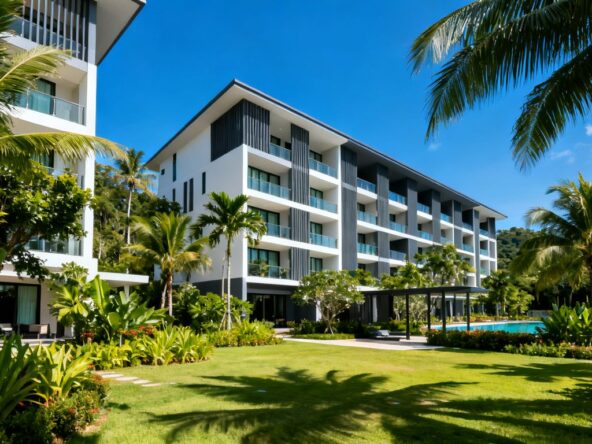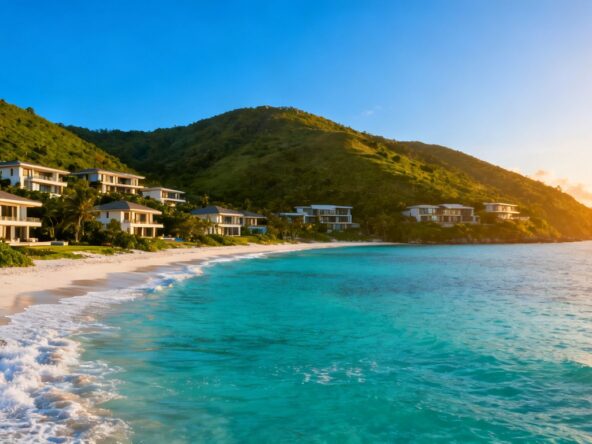


Phuket is one of those places people dream about, but once you get there, it’s not always what you expect. Between the busy beaches, the packed tourist spots, and the endless rows of hotels, it can be tough to figure out where the real Phuket is hiding. If you’re thinking about buying or renting property here, there are a few things you probably won’t hear from the glossy brochures. In this post, I’m sharing some Phuket real estate secrets that might just save you time, money, and a lot of hassle.
Key Takeaways
- Phuket has quiet corners and hidden beaches if you look beyond the main tourist areas.
- Buying property near hotspots like Patong often means dealing with noise, crowds, and higher prices.
- Some of the best value properties are away from the beach, in places like Phuket Town or Cape Panwa.
- Transport around the island isn’t easy, and local taxis can be expensive due to limited competition.
- Always check for extra costs—maintenance fees, seasonal price hikes, and even tidal changes can affect your property experience.
Unveiling Phuket’s Property Landscape
If you land in Phuket expecting a peaceful island escape, just wait until you see the range of property out here. Phuket’s property market is more unpredictable than you’d guess, and, trust me, there’s no one-size-fits-all. Whether you’re here to buy, rent, or just daydream, knowing what actually shapes the island’s neighbourhoods helps you avoid rookie mistakes.
Navigating the Island’s Diverse Regions
- West Coast (e.g. Patong, Kata, Karon): Popular with tourists. Big resorts, busy nightlife, constant traffic jams.
- South and Southeast (e.g. Rawai, Cape Panwa): Quieter, relaxed pace, authentic seafood joints, good for folks who want peace but don’t want complete isolation.
- North (e.g. Mai Khao, Bang Tao): Almost untouched, great for morning walks and long, wild beaches, though amenities can be limited.
| Area | Ambiance | Main Residents | Beach Access | Noise Level |
|---|---|---|---|---|
| Patong | Chaotic, lively | Tourists | Excellent | High |
| Kata/Karon | Family-friendly | Tourists & expats | Very close | Medium |
| Rawai | Local vibe | Expats, locals | Few mins | Low |
| Cape Panwa | Remote, calm | Expats, retirees | Direct | Very Low |
| Bang Tao | Spacious, upscale | Expats, tourists | Direct | Low |
Something to keep in mind: You might love the sound of a local area, but if it takes an hour to buy milk or get to a hospital, it might not be the paradise you pictured.
Understanding Property Types and Their Appeal
- Resort Apartments: Managed units, often rented for short stays, everything’s taken care of—until you see the monthly fees.
- Standalone Villas: Privacy, your own pool, space for a scooter, but higher upkeep and not all come with proper ownership rights if you’re foreign.
- Townhouses: Usually found in more local areas, decent compromise but can lack character.
| Property Type | Pros | Cons |
|---|---|---|
| Resort Apartment | Hassle-free, high amenities | Expensive fees, less control |
| Villa | Space, privacy, unique style | Higher cost, maintenance |
| Townhouse | Affordable, local feel | Basic, less privacy |
- Maintenance and security can surprise you, especially with foreign ownership restrictions (which almost nobody tells you straight away).
The Impact of Tourism on Real Estate Value
Don’t be fooled by brochures showing rising prices every year. Tourist numbers swing up and down with the seasons, and so do rents. Key things that affect prices and long-term returns:
- Seasonality: High season rents shoot up, but low season can be dead quiet.
- Changing Tourist Demographics: One year it’s Russian visitors, then it’s Chinese, then something else—this changes demand fast.
- Over-development: Places like Patong have so much supply, it can drive resale value down unexpectedly.
The truth is, Phuket’s best property deals often hide away from the crowds, but those spots take effort (and local advice) to find. Location isn’t just about the beach—it’s about how you want to live on the island.
If you’re serious about Phuket real estate, resist making snap decisions after a sunset drink. There’s a lot more going on behind the pretty postcard scenes.
The Truth About Phuket’s Popular Hotspots
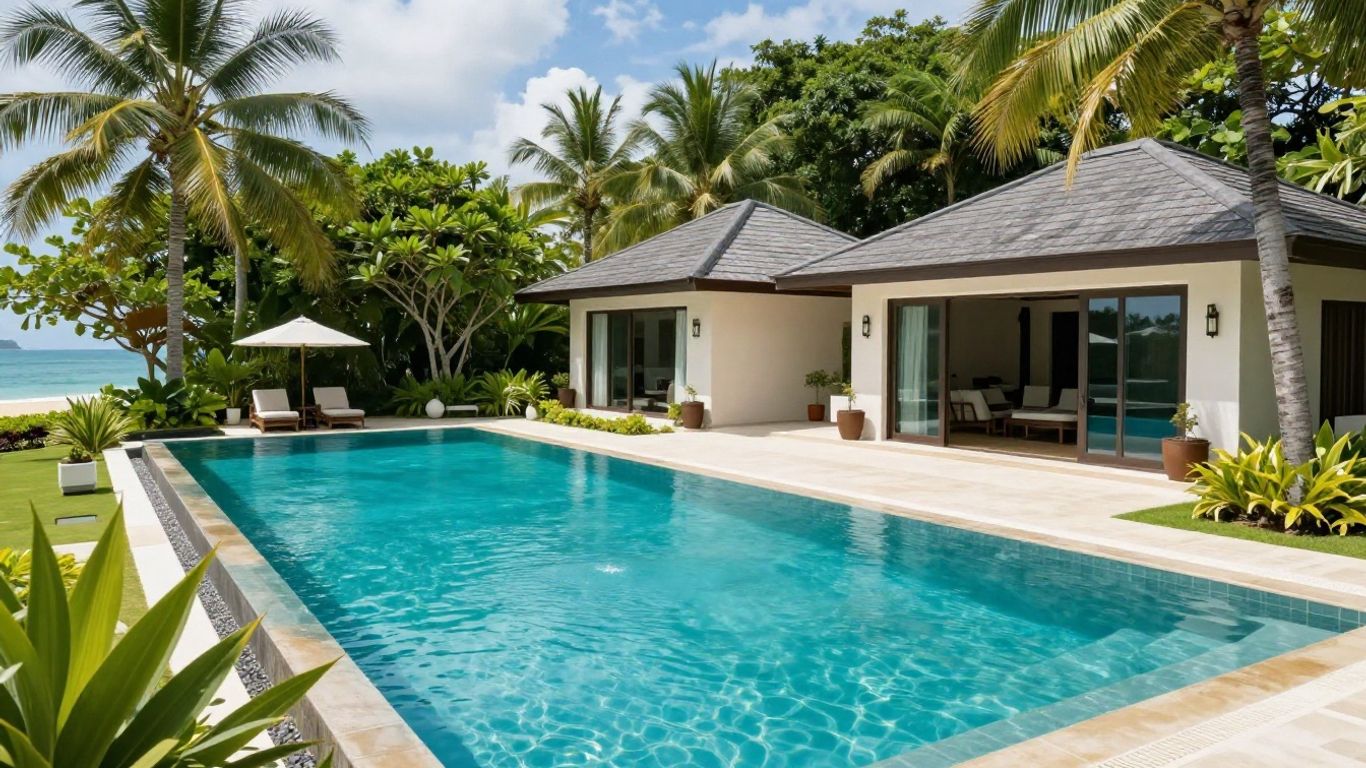
Right, let’s talk about the places everyone flocks to in Phuket. You see the glossy brochures, the Instagram feeds, and you think, ‘That’s it, paradise found!’ But sometimes, the reality is a bit… different. We’ve all been there, right? You arrive expecting serene beaches and end up shoulder-to-shoulder with thousands of other people. It can be a bit of a shock to the system, especially if you’re picturing a quiet escape.
Why Patong and Kata Might Not Be Your Ideal Location
Let’s be blunt: Patong is the epicentre of Phuket’s tourist buzz. It’s loud, it’s busy, and it’s pretty much always on. While some people thrive on that energy, if you’re looking for peace and quiet, this is probably not the place for you. Think packed streets, constant noise, and a very… intense atmosphere. Kata isn’t much better, often described as a slightly tamer version of Patong, but still very much geared towards the masses. It can feel a bit overwhelming, and honestly, you might find yourself wishing you’d chosen somewhere else.
Discovering Quieter Alternatives to Overcrowded Areas
Thankfully, Phuket is a big island, and there are plenty of spots that offer a more relaxed vibe. Instead of heading straight for the well-trodden paths, consider exploring areas like the tranquil southeast coast around Cape Panwa. Or, if you’re after a more laid-back beach scene, look towards the northern parts of the island. These places often have beautiful stretches of sand without the overwhelming crowds. It’s about finding those little pockets of calm that still offer that quintessential Thai island feel.
The Hidden Costs of Tourist-Centric Neighbourhoods
Beyond the obvious overcrowding, staying in the most popular tourist zones can come with other downsides. Prices for accommodation and even basic necessities can be inflated. You might also find that the ‘local’ experience is a bit diluted, replaced by a more generic, tourist-focused offering. It’s worth doing a bit of research to see if the convenience of being in a hotspot outweighs the potential for a more authentic and peaceful stay elsewhere on the island. Sometimes, a little extra travel time to a quieter spot is well worth the trade-off for a more enjoyable holiday.
Insider Tips for Beachfront Property
So, you’re dreaming of waking up to the sound of waves and having the beach right on your doorstep in Phuket? It sounds idyllic, doesn’t it? But before you hand over your hard-earned cash, there are a few things the locals might not be shouting about from the rooftops.
Beyond the Crowded Shores: Secret Beachfront Gems
Phuket’s most famous beaches, like Patong and Kata, are undeniably beautiful, but they can get incredibly busy, especially during peak season. Imagine trying to relax with hundreds of other people vying for a spot on the sand – not quite the paradise you pictured, right? If you’re after a bit more peace, you need to look beyond the obvious. Places like Banana Beach, tucked away between Nai Thon and Bang Tao, offer a more secluded experience. It’s a bit of a trek down a small path, but the reward is a lovely, quiet bay. Another spot worth considering is the area around Cape Panwa. While the tides can be a bit more noticeable here, the beaches are generally calmer, and you can find some truly tranquil resorts.
Assessing the True Value of Coastal Real Estate
When looking at beachfront property, it’s easy to get caught up in the view. But there’s more to it than just the immediate scenery. You need to think about the long term. What’s the local infrastructure like? Are there good transport links? What about potential for flooding or erosion? Understanding the local planning regulations is also key, as these can affect any future development or renovations.
Here’s a quick checklist to consider:
- Location: How accessible is it? Is it close to amenities or completely isolated?
- Beach Quality: Is it a sandy beach, or rocky? Does it get crowded?
- Environmental Factors: Consider tide variations, potential for storms, and coastal erosion.
- Legal Status: Ensure all property titles and permits are in order.
- Future Development: Are there plans for new resorts or infrastructure nearby that could impact your property’s value or your peace?
Understanding Tide Variations and Their Impact
This is a big one that often gets overlooked. Phuket’s coastline experiences significant tidal changes. What looks like a vast expanse of sand at low tide can shrink considerably when the water comes in. This is particularly noticeable in areas like Cape Panwa. While it doesn’t necessarily detract from the beauty, it can affect how much usable beach space you have at different times of the day. It’s something to factor in, especially if you’re planning on direct beach access or activities that depend on a consistent water level. Always ask locals or your agent about the typical tide patterns for the specific beach you’re interested in.
Don’t just look at the property listing photos; visit the location at different times of the day and year if possible. What looks like a dream in a brochure might be a different story when the tide is high or low, or during the monsoon season.
Phuket Town: A Cultural and Investment Hub
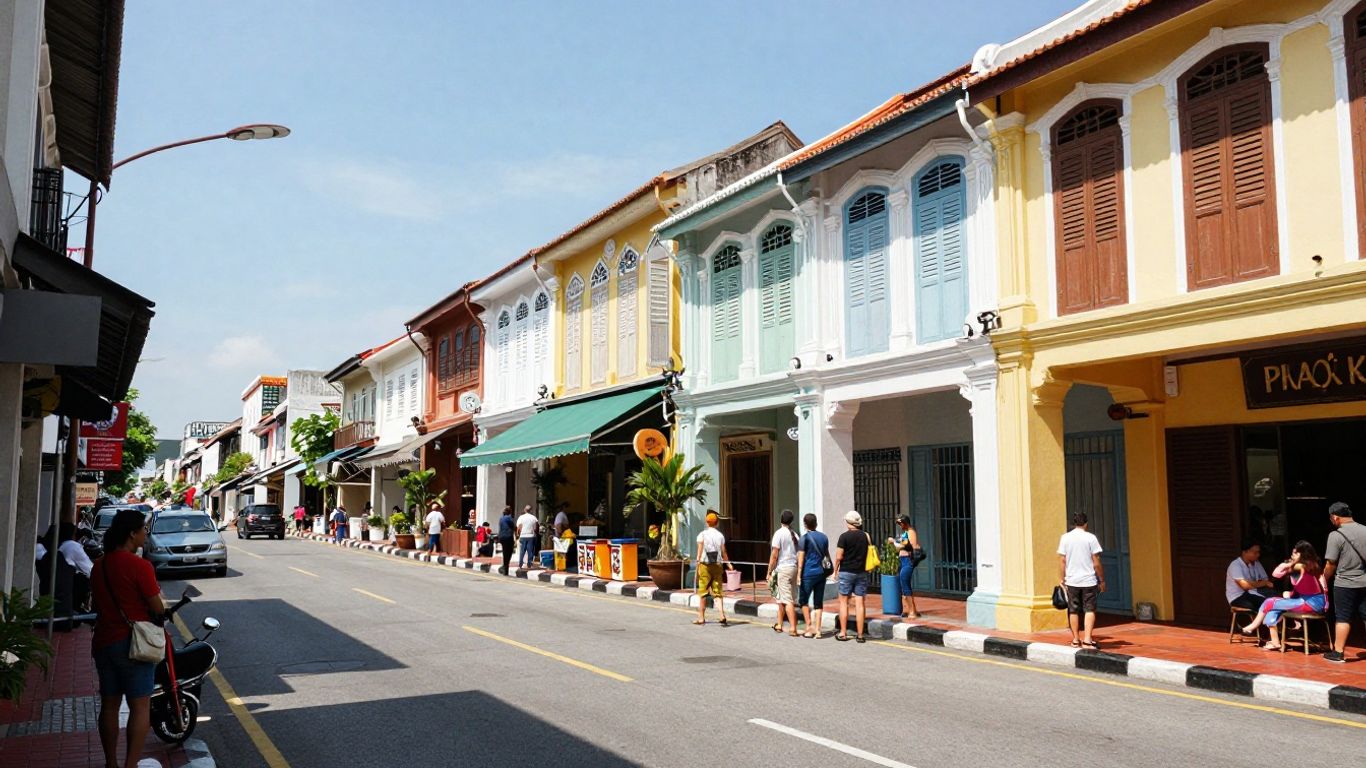
Forget the bustling beaches for a moment and let’s talk about Phuket Town. It’s a place that often gets overlooked by tourists rushing to the coast, but insiders know it’s a real gem. The old town, a fascinating blend of Portuguese colonial architecture and Chinese influences, feels like stepping back in time. Wandering through its streets, you’ll find beautifully renovated buildings, quirky cafes, and a vibrant local life that’s a world away from the resort strips. This is where you get a genuine feel for the island’s history and culture.
The Allure of Street Art and Local Charm
One of the most surprising things about Phuket Town is its thriving street art scene. Keep an eye out for incredible murals splashed across building walls – they add a splash of modern creativity to the historic setting. It’s a fantastic way to explore the town on foot, stumbling upon hidden artistic treasures. You’ll find everything from intricate portraits to playful designs, making every corner a potential photo opportunity. It really adds a unique character that you won’t find in many other parts of the island.
Timing Your Visit for a More Authentic Experience
If you’re planning a trip to Phuket Town, timing is everything. While it’s lively during the day, it can get quite busy with tour groups. For a more relaxed and authentic experience, aim to visit in the late afternoon. As the day-trippers depart, the streets become quieter, and you can really soak in the atmosphere. The golden hour light hitting the old Sino-Portuguese buildings is something special. Plus, many local eateries and shops stay open into the evening, offering a chance to mingle with residents.
Exploring Property Opportunities in the Old Town
Beyond its cultural appeal, Phuket Town presents some interesting property prospects, especially for those looking for something different. While you won’t find beachfront villas here, the historic shophouses offer a unique investment. Many are being converted into boutique hotels, trendy cafes, and art galleries. The area is seeing a steady regeneration, making it an attractive spot for those interested in characterful property investments. It’s a different kind of real estate game, focusing on heritage and lifestyle rather than pure holiday rentals. The potential for rental yields on renovated properties can be quite good, especially if you tap into the growing demand for unique stays.
The charm of Phuket Town lies in its ability to balance its historical roots with a burgeoning contemporary arts and culinary scene. It offers a more grounded perspective on island living, away from the typical tourist trails.
Strategic Locations for Property Investment
When you’re thinking about putting down roots or investing in Phuket, where you choose to buy makes a big difference. It’s not just about the beach view; it’s about lifestyle, access, and future potential. The island is quite large, and getting from one end to the other can take a good hour or more, depending on traffic. So, picking the right spot from the start is pretty important.
The Advantages of Southern Phuket for Sightseeing Access
Southern Phuket is often a good bet if you want to be close to many of the island’s main attractions. Places like the Big Buddha, with its stunning views, and the vibrant Phuket Town are relatively easy to get to from here. This makes it appealing for both holiday rentals and for people who want to explore the island regularly without long drives. It’s a practical choice for many.
Exploring the Tranquil Southeast: Cape Panwa
If peace and quiet are high on your list, the southeast corner, particularly around Cape Panwa, is worth a look. It’s a much calmer part of the island, away from the main tourist hubs. You’ll find a more relaxed atmosphere here, which can be a real draw for those seeking a genuine escape. It’s a bit of a hidden gem, offering a different pace of life.
Northern Phuket’s Appeal for Serene Beach Living
For those dreaming of quiet beaches and a more laid-back vibe, the northern parts of Phuket might be just the ticket. Areas like Bang Tao Beach are known for being calmer, especially compared to the busier southern spots. This region tends to attract people looking for a more tranquil environment, making it a solid option for a peaceful home or a quiet holiday spot.
Picking the right location is key to enjoying Phuket. While the popular spots have their energy, quieter regions offer a different kind of appeal that many find more rewarding in the long run. Consider what you’re looking for – convenience to sights, peace and quiet, or beautiful, calm beaches – and let that guide your search.
Accommodation Secrets: Where to Stay and Why
Finding the right place to rest your head in Phuket can feel like a lottery, especially when you’re trying to avoid the usual tourist traps. While many guides will point you towards the bustling centres, the real gems are often tucked away, offering a more authentic experience. It’s all about knowing where to look beyond the obvious.
Tranquil Escapes: The Cove on Cape Panwa
If your idea of a holiday involves peace and quiet, then The Cove on Cape Panwa is a spot you should seriously consider. Tucked away on the island’s southeastern peninsula, this place is a genuine oasis. It’s right on the beach, and some of the bungalows even offer sea views. The rooms themselves are spacious and nicely decorated – a real treat. The beach here is usually calm, and there are a few local eateries nearby, thankfully without the usual crowds. The main thing to note is that the tides at Cape Panwa are a bit more noticeable than elsewhere on the island. Also, because it’s a bit out of the way, getting to the popular west coast beaches takes about 30 minutes by car. But honestly, with a beach right on your doorstep, you might not even want to leave.
Budget-Friendly Stays: Sugar Ohana Poshtel in Kata
Now, Kata might get a bit busy, but if you’re looking for a more affordable option that doesn’t skimp on style, Sugar Ohana Poshtel is worth a look. It offers a more social vibe than a traditional hotel, often with shared spaces that encourage meeting other travellers. Think clean, modern dorms or private rooms that are a step up from a basic hostel, but still kind to your wallet. It’s a good way to experience an area like Kata without the hefty price tag of the beachfront resorts. Plus, it’s usually a good base for exploring the southern parts of the island.
Why Certain Areas Should Be Avoided for Stays
Let’s be blunt: Patong is the place most people tell you to avoid, and for good reason. It’s the epicentre of Phuket’s party scene and sex tourism, and it’s constantly packed. It’s often described as being worse than you might imagine. Kata, while perhaps a little less intense, can also feel overwhelmingly touristy and busy, reminding some visitors of Patong. These areas are fine if that’s exactly what you’re after, but if you’re seeking relaxation or a genuine feel for local life, you’ll want to steer clear. You’re better off looking for accommodation in areas that are less focused on mass tourism, perhaps closer to Phuket Town for a cultural immersion or the quieter eastern coast.
When choosing where to stay, think about what you actually want from your trip. Do you want to be in the thick of it, or do you prefer a quiet retreat? The island is large, and travel times between different areas can be significant. Picking the right base camp makes a huge difference to your overall experience.
Navigating Phuket’s Transportation Network
Getting around Phuket seems simple, until you actually try doing it yourself. The island is a lot bigger than it appears on the map, and public transport barely covers the main tourist spots. If you want to see more than your neighbourhood, be prepared to put a bit of effort (and money) into transport planning.
The Challenges of Island-Wide Travel
Phuket’s distances catch a lot of travellers by surprise. Traffic can be heavy—especially heading into or out of Patong, and during rush hour periods, the jams can test your patience.
Main Challenges:
- Few public transport options outside Phuket Town
- High taxi costs
- Long travel times due to traffic and road layouts
A quick look at travel times between common areas:
| From | To | Approx. Time (by car) |
|---|---|---|
| Patong | Phuket Town | 35-45 minutes |
| Kata Beach | Airport | 1 – 1.5 hours |
| Rawai | Bang Tao | 55-70 minutes |
The best way to avoid stress is to plan for travel time—always add a buffer, especially if you’re catching a flight or a ferry.
Understanding the ‘Taxi Mafia’ Phenomenon
Taxi fares in Phuket are higher than anywhere else in Thailand, and price negotiation isn’t really a thing. This has led to what locals (and many annoyed travellers) call the ‘taxi mafia’: a handful of groups set the prices and squash competition. Metered taxis are rare. Most taxis and tuk-tuks work only with fixed prices.
- Expect steep fares for short distances
- Prices are non-negotiable, especially at tourist hotspots
- Shared minibuses (from airport or travel agencies) are a cheaper—though slower—alternative
Renting Scooters and Private Drivers: Pros and Cons
You’ll see plenty of tourists on scooters, and it’s easy to see the appeal. A scooter gives freedom, lets you explore side roads, and is cheap to run. But there are reasons to think twice.
Scooter Rental
- Cost: 200–300 THB per day
- Petrol: ~40 THB a litre, easy to find
- Helmet: Never skip it, bring your own if you want better quality
- Safety: Thai roads are hectic and the accident rate is high, especially for scooters
Private Driver/Car
- Cost: 85–130 EUR for half to full day
- Comfort: Air-conditioned, no need to navigate
- Flexibility: Great for families or small groups
Here’s what you need to consider before hitting the road:
- If you’ve never ridden a scooter before, Phuket isn’t the best place to learn.
- Always check your insurance—some policies don’t cover scooter accidents.
- If you plan only a couple of day trips, a private car with driver might end up cheaper and safer.
If you want to go off the beaten track, you’ll need your own wheels—but don’t underestimate the risks, especially on Phuket’s twistier roads.
Beyond Property: Essential Travel Insights
Getting to and from Phuket Airport
So, you’ve landed in Phuket. Brilliant! The airport’s up north, and getting to your accommodation is usually pretty straightforward, though prices can vary a bit. You’ll see plenty of taxi stands right outside. A shared taxi, often a minibus, is the most budget-friendly way to go, usually costing around 200 Baht to places like Kata. It might take a little longer as they drop other people off too. If you’re in a hurry or just fancy more comfort, a private taxi is an option, but it’ll set you back about 1,000 Baht for the same trip. Some hotels also offer their own pick-up service, so it’s always worth checking that out beforehand and comparing prices. Don’t just jump into the first taxi you see; a quick look around can save you some baht.
Recommended Travel Guides for Thailand Exploration
While this article focuses on Phuket, chances are you’ll want to see more of Thailand. For that, a good travel guide is a lifesaver. The Lonely Planet Thailand guide has been a go-to for years, and their newer editions are pretty up-to-date. They’re great for independent travellers, packed with solid research and details. It’s a good idea to grab one before you go, especially if you’re planning to hop between different regions. It helps you get a feel for the culture and find those less obvious spots.
Ethical Considerations: Avoiding Animal Attractions
This is a big one, and honestly, it breaks my heart a little. You’ll see lots of places offering elephant rides or ‘ethical’ elephant encounters. While some might seem okay, it’s incredibly difficult to know what’s really going on behind the scenes. Many places that claim to be sanctuaries aren’t quite what they seem. The truth is, supporting these kinds of attractions, even the ones that look good on the surface, often contributes to animal cruelty. It’s best to steer clear of all animal attractions altogether. By not participating, we can help reduce the demand and hopefully make a difference. There are plenty of other amazing things to see and do in Phuket that don’t involve exploiting animals.
The Realities of Phuket’s Tourism Industry
Mass Tourism vs. Paradise: What to Expect
Let’s be honest, Phuket has a bit of a reputation, and it’s not always for being a tranquil paradise. While you’ll find those postcard-perfect spots, many areas, especially the well-trodden ones like Patong, are geared up for mass tourism. This means you’ll often find yourself in bustling crowds, a far cry from the serene escape you might have pictured. It’s a trade-off; the infrastructure is fantastic, with excellent medical care and easy access via the international airport, but you have to be prepared for the sheer volume of visitors.
The Influence of International Tourist Demographics
Phuket attracts a wide range of visitors, and understanding who’s visiting can shape your experience. You’ll see everything from backpackers and families to those looking for a lively party scene. This diversity means a wide array of businesses catering to different tastes and budgets. However, it also means certain areas can feel dominated by specific nationalities, which might influence the atmosphere and available services. It’s worth noting that some popular activities, like elephant riding, are unfortunately still heavily promoted to certain international groups, despite ethical concerns.
Finding Your Own Slice of Paradise Amidst the Crowds
So, how do you find that quiet corner when the island is so popular? It’s definitely possible, but it requires a bit more digging. While places like Patong and Kata can be overwhelming, there are quieter alternatives. Think about exploring the less developed coastlines or seeking out smaller, boutique accommodations away from the main hubs. The key is to look beyond the obvious hotspots. Even within popular areas, visiting during the shoulder seasons or exploring during off-peak hours can make a world of difference. Remember, Phuket is a large island, and with a bit of planning, you can discover pockets of calm.
The sheer scale of Phuket means it’s not a one-size-fits-all destination. What one person finds overwhelming, another might find exciting. The trick is to identify what you are looking for and then tailor your search for accommodation and activities accordingly. Don’t be afraid to venture a little further afield from the most advertised spots.
Phuket’s tourism scene is always buzzing, but it’s good to know what’s really going on behind the scenes. Understanding the current situation helps everyone involved. If you’re curious about the property market and how it connects to tourism, we’ve got the latest information. Visit our website to learn more about the real estate trends shaping this beautiful island.
So, What’s the Real Story?
Look, Phuket’s a big place, and while some spots can feel a bit much with the crowds, it’s not all bad news. We’ve seen there are definitely quieter corners and some genuinely lovely beaches if you know where to look. Getting around can be a pain, and those taxi prices? Oof. But with a bit of planning, maybe a scooter or a private driver for a day, you can get to those hidden gems. Just remember to steer clear of the dodgy animal attractions – seriously, don’t do it. It’s about finding your own slice of paradise, away from the main drag. It’s doable, just takes a little more effort than some might let on.
Frequently Asked Questions
Is Phuket a good place to buy property for foreigners?
Yes, foreigners can buy property in Phuket, but there are some rules. You can own a condo in your name, but for land or houses, you usually need to lease the land or set up a company. Always check with a local lawyer before buying.
What are the busiest areas in Phuket, and should I avoid them?
Patong and Kata are the busiest spots, full of tourists, loud bars, and lots of traffic. If you want peace and quiet, try places like Cape Panwa or the north of the island, where beaches are calmer.
Are there any hidden costs when buying property in Phuket?
Yes, there can be extra costs like yearly maintenance fees, taxes, and sometimes higher prices in touristy areas. Always ask for a full list of charges before you buy.
What’s the best way to get around Phuket?
Phuket is big, and public transport is not great. Many people rent scooters or hire private drivers. Be careful with taxis, as prices can be high because of the ‘taxi mafia.’
Is it safe to swim at all beaches in Phuket?
Most beaches are safe, but some have strong tides, especially during rainy season. Always check warning flags and ask locals if you’re not sure.
When is the best time to visit Phuket for property hunting?
The best time is between November and April, when the weather is dry and sunny. It’s also easier to see what areas are really like when there are more people around.
Should I visit Phuket Town or stay by the beach?
Phuket Town is great if you like culture, street art, and local food. The beaches are better for relaxation and water sports. Some people split their stay between both for a mix of experiences.
Are animal attractions in Phuket ethical?
Many animal attractions, like elephant rides, are not kind to animals. It’s best to avoid them and choose activities that don’t harm wildlife.