


Thinking about buying a place in Phuket? It’s a great idea, lots of people do it. But before you get too excited about the beach views, it’s really important to get your head around all the costs involved. It’s not just the sticker price of the property, you know. There are a bunch of fees and taxes that add up, and if you’re not prepared, it can be a bit of a shock. This guide is here to break down those Phuket property transfer fees and other expenses so you know exactly what you’re getting into.
Key Takeaways
- Phuket property transfer fees typically include a transfer fee (around 2%), stamp duty (0.5%), and potentially business tax or withholding tax depending on ownership duration and seller type.
- The base for calculating these fees is usually the higher of the property’s appraised value or the actual sale price.
- Legal fees for due diligence and contract review are common, often costing around 1-2% of the property price.
- Annual property tax is also a consideration, though rates are generally low for private residences but higher for company-owned properties.
- When buying leasehold properties, the associated transfer costs are significantly lower than for freehold ownership.
Understanding Phuket Property Transfer Fees
So, you’re thinking about buying a place in Phuket? That’s exciting! But before you get too carried away with visions of beachfront sunsets, let’s talk about the nitty-gritty: the transfer fees and taxes. These aren’t usually the headline figures, but they add up, and it’s good to know what you’re getting into. Understanding these costs upfront can save you a lot of headaches later on.
The Transfer Fee Explained
When you buy property in Thailand, there’s a standard transfer fee. It’s generally calculated as 2% of the property’s appraised value. This fee is paid to the Land Department when the ownership officially changes hands. It’s a pretty straightforward charge, but it’s one of the first things you’ll encounter.
Stamp Duty on Property Transactions
Stamp duty is another tax you’ll need to consider. It’s typically 0.5% of the property’s appraised value. This is levied on the transfer of ownership. It’s worth noting that stamp duty isn’t collected if business tax is being paid on the transaction. Think of it as an alternative tax in certain situations.
Withholding Tax Implications
This one can be a bit more complex, especially if you’re buying from a Thai company. You might have to deal with withholding tax, which can be 1% or more of the property’s appraised value. Essentially, the buyer deducts this tax and pays it to the Revenue Department on behalf of the seller. It’s a bit like being a tax collector, but it’s part of the process when dealing with corporate sellers. It’s always wise to get advice on this, especially if you’re looking at a prime seaview land plot in Kamala, Phuket, Thailand [be43].
It’s important to remember that the Land Department bases these calculations on the appraised value of the property. If your agreed sale price is higher than this appraisal, they’ll use the higher figure for tax calculations. So, always be aware of the official valuation.
Calculating the Costs of Property Transfer
When you’re looking to buy property in Phuket, understanding the actual costs involved in the transfer process is pretty important. It’s not just the sticker price of the villa or condo; there are several fees and taxes that get added on at the Land Office. These can add a significant percentage to your overall purchase price, so it’s wise to get a handle on them early.
The Transfer Fee Explained
This is a standard fee charged by the Land Office for processing the change of ownership. It’s typically calculated as 2% of the property’s appraised value. The appraised value is the official valuation set by the government, which might be different from the actual price you agree on with the seller. It’s a good idea to clarify who pays this, as it’s often negotiated.
Stamp Duty on Property Transactions
Stamp duty is another tax levied on property transfers. It usually sits at 0.5% of the registered value of the property. However, there’s a bit of a twist: if Business Tax is being charged, stamp duty is often waived. This is something to watch out for when calculating the total outlay.
Withholding Tax Implications
Withholding tax is a bit more complex and depends on who is selling the property. If a company is selling, the withholding tax is generally a flat 1% of the registered sale value or the appraised value, whichever is higher. For private individuals selling, it’s calculated on a progressive scale based on the property’s appraised value. This tax is usually the seller’s responsibility, but it’s always worth confirming in your contract.
Appraised Value vs. Registered Value
It’s common for the government’s appraised value of a property to be lower than the actual market price. The Treasury Department and Land Department set these valuations, and they’re reviewed periodically. In many transactions, both buyer and seller might agree to register the sale price closer to the appraised value to reduce the overall tax burden for both parties. This is a widely accepted practice here.
Impact of Property Ownership Duration
The length of time a seller has owned the property can affect the taxes due. Specifically, the 3.3% Business Tax is usually only applied if the property is sold within five years of purchase. If the seller has owned it for longer than five years, this Business Tax is typically waived, and the 0.5% stamp duty applies instead. This can make a noticeable difference in the final costs.
Leasehold vs. Freehold Transfer Costs
When comparing ownership types, leasehold properties generally have much lower transfer costs than freehold ones. For a freehold property, the total fees and taxes can add up to around 6.8% of the property’s estimated value. In contrast, transferring a leasehold property usually involves a 1% registration fee and a 0.1% stamp duty, totalling about 1.1% of the lease value. This makes leasehold agreements a more cost-effective option for some buyers, especially if they’re looking at long-term property services.
It’s really important to get all these details ironed out before you sign anything. Sometimes, the way costs are split between buyer and seller can be a point of negotiation, especially in private sales. Developers might have their own standard arrangements, but it’s always best to have it clearly written down in your reservation agreement and final contract to avoid any misunderstandings later on.
Additional Expenses in Property Acquisition
Beyond the headline transfer fees, buying property in Phuket involves a few other costs you’ll need to factor in. It’s not just about the big percentages; these smaller bits add up, and it’s best to know about them upfront so there are no nasty surprises later on. Think of it like getting your car serviced – the main service might have a price, but then there are the extra bits they find that need doing.
Legal Fees and Due Diligence
You’ll almost certainly want a lawyer to help you with the paperwork and to make sure everything is above board. This is really important, especially if you’re not familiar with Thai property law. Lawyers will check the property title, make sure there are no debts attached to it, and generally ensure the seller actually owns what they’re selling. This due diligence process can cost anywhere from 1% to 2% of the property price, depending on the complexity of the deal and the firm you choose. It’s a good idea to get a few quotes and ask what’s included. A solid legal review can save you a lot of headaches down the line.
Maintenance Fees for Developments
If you’re buying into a condo or a managed estate, you’ll have to pay ongoing maintenance fees. These cover things like security, pool cleaning, garden upkeep, and general building maintenance. The cost usually works out per square metre, and it can range from about 30 to 50 baht per square metre each month. For fancier places with more amenities, expect this to be higher. It’s a recurring cost, so make sure it fits into your long-term budget.
Annual Property Tax Obligations
While not strictly a transfer cost, you do need to be aware of annual property taxes. The specifics can vary, but generally, there’s a tax based on the property’s assessed value. For private residences, this is usually quite low. However, if the property is owned by a company, the tax rates can be significantly higher. It’s worth understanding these annual obligations so you can budget for them year after year. It’s a bit like council tax back home, but the rules here can be a bit different.
Navigating Property Tax Regulations
Property Tax for Private Residences
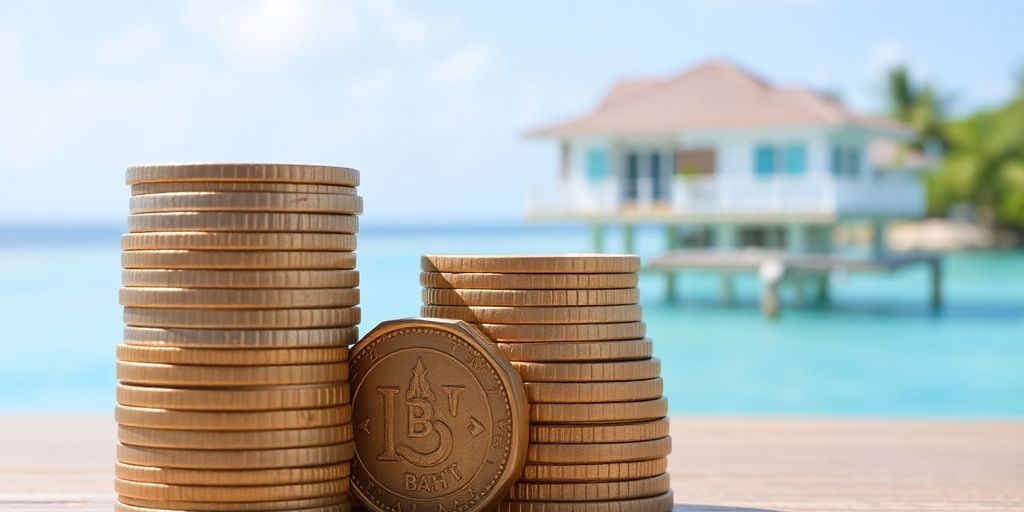
Owning property in Phuket means you’ll likely encounter annual property tax. For private residences, this tax is generally quite low, often just a few Thai Baht per rai of land. It’s calculated based on the property’s appraised value, usually around 0.1% of that figure. The catch is that no official tax bill is sent out, and enforcement isn’t always strict. However, this doesn’t mean you can ignore it. Any outstanding property tax will need to be settled before you can transfer ownership, so it’s best to stay on top of it each year. You’ll typically pay this at the local government office.
Higher Taxes for Company-Owned Properties
Things change quite a bit if the property is owned by a company. In this scenario, the annual property tax rates are significantly higher than for private individuals. This is a key consideration if you’re thinking about setting up a company to own your Phuket home. The exact amount will depend on the property’s appraised value, but expect it to be a more substantial figure compared to personal ownership. It’s another reason to carefully consider how you structure your property ownership.
Settling Property Tax Before Transfer
When it comes time to sell or transfer your property, settling any outstanding property tax is a mandatory step. The land office will require proof that all annual property taxes have been paid before they will process the ownership transfer. Even if enforcement has been lax in previous years, this final step makes it clear that these taxes must be cleared. It’s a good idea to keep records of your tax payments over the years to make this process smoother. If you’re buying, you’ll want to confirm with the seller that all taxes are up to date. This is a standard part of the due diligence process when buying property, and you can find more information on property tax obligations.
The Role of Business Tax
When you’re buying or selling property in Phuket, you’ll come across a few different taxes. One of them is Business Tax, sometimes called Specific Business Tax. It’s not always applicable, but it’s important to know when it might pop up.
When Business Tax Applies
This tax generally applies if the property is sold within five years of purchase. It’s calculated on the appraised value of the property. Think of it as a tax on a shorter-term investment. If you’ve owned the property for more than five years, you usually won’t have to pay this tax; instead, stamp duty will apply.
Exemptions from Business Tax
There are a few situations where you can be exempt from paying Business Tax. These include transferring the property to a legal heir, giving it to a legitimate child, or donating it to a religious institution like a temple, church, or mosque. It’s good to know these exceptions exist.
Business Tax vs. Stamp Duty
It’s worth noting that you generally don’t pay both Business Tax and Stamp Duty on the same transaction. If Business Tax is due, Stamp Duty is usually waived. The rate for Business Tax is typically 3.3% of the appraised value, while Stamp Duty is 0.5%. So, depending on how long the property has been owned, one or the other will be applicable. Understanding this can help you budget more accurately for the overall costs of a property transaction, especially when looking at a place like the Exclusive Five Stars Beach Front Resort.
It’s always a good idea to clarify who is responsible for which tax before you sign any agreements. While there are common practices, these can be negotiated between the buyer and seller.
Legal and Professional Support
Buying property in Phuket, especially if you’re not familiar with the local system, can feel a bit like trying to assemble flat-pack furniture without the instructions. That’s where getting the right legal and professional help comes in. It’s not just about signing papers; it’s about making sure everything is above board and that you’re not walking into any nasty surprises down the line.
Importance of Local Legal Counsel
Having a good local lawyer is pretty much non-negotiable. They know the ins and outs of Thai property law, which can be quite different from what you might be used to. They can help you understand all the paperwork, check for any hidden issues with the property, and generally act as your advocate. Think of them as your guide through the legal maze. It’s always a good idea to find a lawyer who specialises in property law and has a solid reputation. You can often get recommendations from reputable real estate agents or other expats who have been through the process. It’s worth looking into Thai property law to get a general idea, but a lawyer will give you the specifics for your situation.
Costs Associated with Legal Services
So, what do these legal services actually cost? Well, it varies. Most lawyers will charge a percentage of the property’s purchase price, often somewhere between 1% and 2%. Some might charge a fixed fee, especially for simpler transactions. It’s important to get a clear quote upfront so there are no surprises. This fee usually covers things like reviewing contracts, conducting title searches, and registering the property transfer. It might seem like a lot, but it’s an investment in peace of mind.
Due Diligence Checks for Property
Due diligence is a big part of what your lawyer will do, but it’s also something you should be aware of. This involves a thorough investigation of the property to make sure everything is legitimate. What does this actually mean in practice? Well, it can include:
- Checking the property title deeds to confirm ownership.
- Verifying that all necessary building permits and licenses are in place.
- Investigating the developer’s track record, especially if you’re buying off-plan.
- Confirming that there are no outstanding debts or encumbrances on the property.
- Reviewing the property’s boundaries and any potential encroachments.
Skipping due diligence is like buying a lottery ticket without checking the numbers – you might get lucky, but you’re more likely to be disappointed. It’s always better to be safe than sorry when making such a significant purchase.
Understanding Ownership Structures
When buying property in Thailand, especially in popular spots like Phuket, figuring out how you’ll actually own it is a big deal. It’s not always as simple as just handing over cash and getting a deed. Different ways of owning property come with their own rules and, importantly, different costs and responsibilities when it comes to transfers.
Share Transfers in Property Companies
One common way foreigners hold property, particularly land for villas or houses, is by setting up a Thai limited company. You’d own the majority of the shares, with a small portion held by Thai nationals to meet legal requirements. This is often called ‘Thai company freehold’. It sounds straightforward, but you’ve got to make sure the company is run properly to avoid any legal headaches down the line. The Thai government keeps a close eye on these structures, so getting it right from the start is key.
Transferring Property Out of a Company
If you decide to sell a property held by a company, or if you want to move it out of the company structure, there are specific procedures. This usually involves share transfers or liquidating the company. Each step has its own set of fees and tax implications, similar to a direct property transfer but with added layers due to the corporate entity. It’s wise to get advice on how best to manage this, especially if you’re looking to sell later on.
Foreign Ownership Considerations
For condominiums, foreigners can own property outright, up to 49% of the total unit space in a building. This is known as foreign freehold ownership. To qualify, the money for the purchase needs to come from overseas, and you’ll need a special form from your bank confirming the foreign exchange. This is generally the most secure way to own a condo. For villas and houses, direct land ownership isn’t allowed for foreigners. The main alternatives are long-term leasehold agreements (typically 30 years, renewable) or the Thai company structure we just talked about. Each option has different transfer fee calculations and legal requirements, so it’s worth looking into which suits your situation best. For example, Phuket, Rayong, and Samui saw increases in property transfers after measures were put in place to tackle nominee ownership issues, showing how important these structures are Phuket, Rayong, and Samui were the only locations to see an increase in residential property transfers during the first quarter of 2025. This growth occurred after measures were implemented to address nominee ownership arrangements.
Costs for Leasehold Agreements
Leasehold agreements offer a different way to own property in Phuket, and naturally, the costs associated with transferring these agreements differ from freehold ownership. It’s not as straightforward as freehold, but it can be a good option for foreigners wanting to secure property rights.
Lease Registration Fees
When you register a leasehold agreement, there’s a fee involved. This is typically 1% of the total lease value for the entire term. So, if you’re looking at a 30-year lease, that 1% is calculated on the total rent over those 30 years. This fee gets paid to the land office when the lease is officially registered. It’s a standard part of the process to make sure your lease is legally recognised and recorded against the property’s title deed.
Stamp Duty on Lease Agreements
Alongside the registration fee, there’s also stamp duty to consider. This is usually set at 0.1% of the total rental value for the lease term. So, combined with the registration fee, you’re looking at a total of 1.1% for the initial transfer of a leasehold property. This is significantly lower than the fees associated with freehold transfers, which can be a big draw for some buyers.
Transferring Leasehold Properties
What happens if you decide to sell your leasehold interest to someone else before your lease term is up? Well, the process is similar, but the fees are calculated differently. If the property is sold to a third party during the lease term, you’ll again pay a fee of 1.1%. However, this time, it’s calculated based on the remaining term of the lease. For example, if you bought a 30-year lease and decided to sell it after 10 years, the 1.1% fee would be based on the value of the remaining 20 years. It’s important to remember that these fees are paid at the land office on the day the transfer is registered. If you’re thinking about securing a property for the long term, you might want to look into long-term lease options that can be renewed.
Negotiating Transfer Fee Responsibilities

When you’re buying property in Phuket, figuring out who pays for what when it comes to transfer fees and taxes can feel like a bit of a puzzle. Unlike some places with strict rules, Thailand often leaves this part open for negotiation between the buyer and seller. This means the final breakdown can really vary from one deal to another, and it’s something you absolutely need to sort out early on.
Common Practices in Private Sales
In typical private sales of houses, condos, or land, there’s a general understanding of how these costs are usually split. It’s not set in stone, but it’s a good starting point for your own discussions.
- Specific Business Tax: This is generally the seller’s responsibility, especially if they’ve owned the property for less than five years. If they’ve held it longer, this tax might not apply at all.
- Stamp Duty: Often, the seller also covers the stamp duty, though this can be waived if the business tax is being charged.
- Transfer Fees: These are commonly paid by the buyer, or sometimes split between the buyer and seller.
- Withholding Tax: This is almost always the seller’s duty. If the seller is a company, it’s usually a flat rate; if it’s a private individual, it’s calculated based on the property’s value.
Developer Contributions to Transfer Fees
Buying a new build directly from a developer, especially off-plan condominiums, can change the game slightly. Consumer protection laws in Thailand mean developers usually have to cover the specific business tax and withholding tax themselves. For the main transfer fee, which is typically 2% of the property’s value, developers might only pass on half of this cost to the buyer. It’s still a negotiation, but the developer often shoulders a larger portion of the initial taxes.
Resolving Fee Sharing in Contracts
It’s vital that any agreement on who pays which fee is clearly written down in your reservation agreement and then spells out in the main sales contract. This avoids any confusion or disputes later on. Don’t just assume; get it in writing. If you’re looking at properties, perhaps something like the condominiums at Kamala Beach, make sure to ask about the typical fee arrangements. Having a clear understanding upfront can save a lot of hassle and unexpected costs down the line. Remember, if you’re buying a leasehold property, the fees are different – usually just a registration fee and stamp duty, totalling 1.1% of the lease value.
Home Insurance Considerations
So, you’ve gone through the whole process, paid all the transfer fees, and now you’re officially a property owner in Phuket. Brilliant! But wait, there’s one more thing to think about before you start unpacking: home insurance. It’s not just about protecting your new pad from the unexpected; it’s often a requirement if you’ve got a mortgage, and even if you don’t, it’s just plain sensible. Getting the right cover can save you a massive headache down the line.
Factors Affecting Insurance Premiums
What you’ll end up paying for home insurance isn’t a fixed price. It really depends on a few things. The size of your place matters, obviously, but so does where it’s located. A villa perched on a hillside might have different risks than a condo in the middle of town. The value of the property itself, and everything inside it, plays a big part too. Then there’s the level of cover you choose – do you want the works, or just the basics? And don’t forget the deductible, which is the amount you pay first if you make a claim. Different insurance companies will also have different pricing structures.
Average Annual Insurance Costs
It’s tricky to give exact figures because, as we’ve just seen, it varies so much. However, as a rough guide, you might be looking at paying somewhere between 1% and 2% of your home’s value each year for insurance. So, if your lovely new Phuket home is valued at, say, 5 million baht, you could be budgeting around 20,000 baht annually for your insurance policy. It’s always best to get a few quotes to see what fits your budget and needs. For example, a luxury 2-bedroom condo in Patong might have different insurance costs compared to a detached villa elsewhere on the island, even if they are similarly valued [c939].
Coverage Levels and Deductibles
When you’re looking at insurance policies, you’ll see different levels of coverage. Some might cover just the building itself, while others will include your contents too. You’ll also need to decide on your deductible – the excess you’ll pay if you need to make a claim. A higher deductible usually means a lower premium, but it also means you’ll pay more out of pocket if something happens. It’s a bit of a balancing act. Think about what you can comfortably afford to pay if the worst happens, and choose a level of cover that gives you peace of mind without breaking the bank. It’s worth checking what’s included, like protection against fire, flood, or theft, and if there are any specific exclusions you need to be aware of.
When thinking about insuring your home, it’s smart to consider a few key things. Make sure you know what your policy covers, like damage from storms or theft. Also, think about whether you need extra cover for valuable items. For more tips on protecting your place, check out our website.
So, What’s the Final Word on Phuket Property Costs?
Buying a place in Phuket is exciting, no doubt about it. But as we’ve seen, the sticker price is just the start. You’ve got transfer fees, stamp duty, and potentially withholding tax to think about, not to mention legal fees and any ongoing maintenance if you’re looking at condos or managed estates. It’s a bit like planning a big trip – you need to factor in all the little extras so you don’t get any nasty surprises when the bill comes. Always chat with your agent or lawyer about who pays what, as it can be negotiated, and get a clear picture of the total outlay before you commit. Doing your homework now means you can relax and enjoy your new Thai home later.
Watch This Episode: Our Phuket Real Estate Podcast
Our podcast covers all the topics for property investors looking at buying real estate in Thailand.