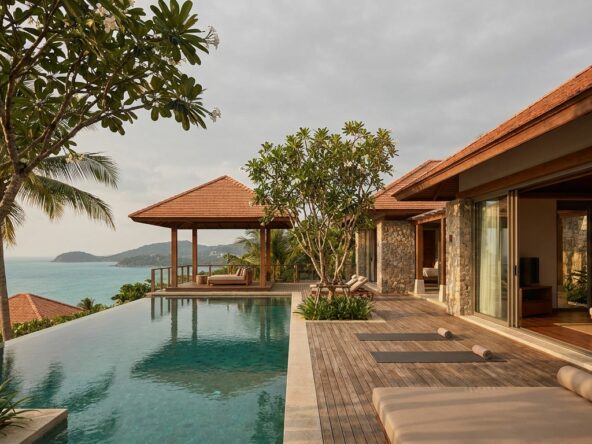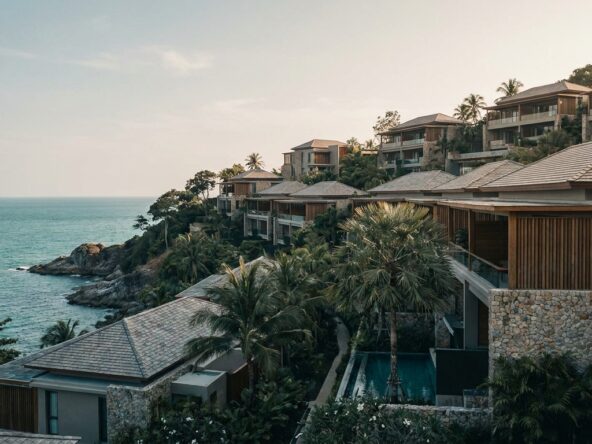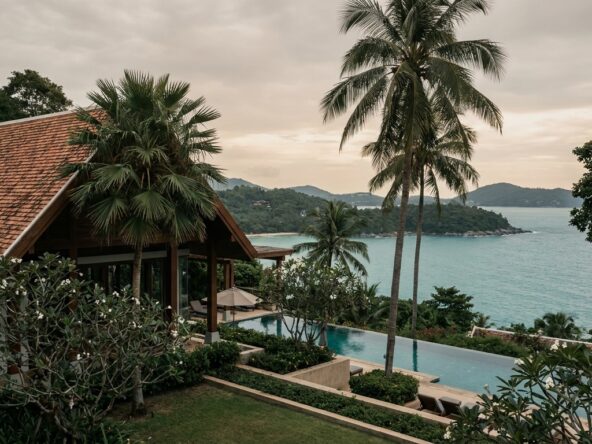

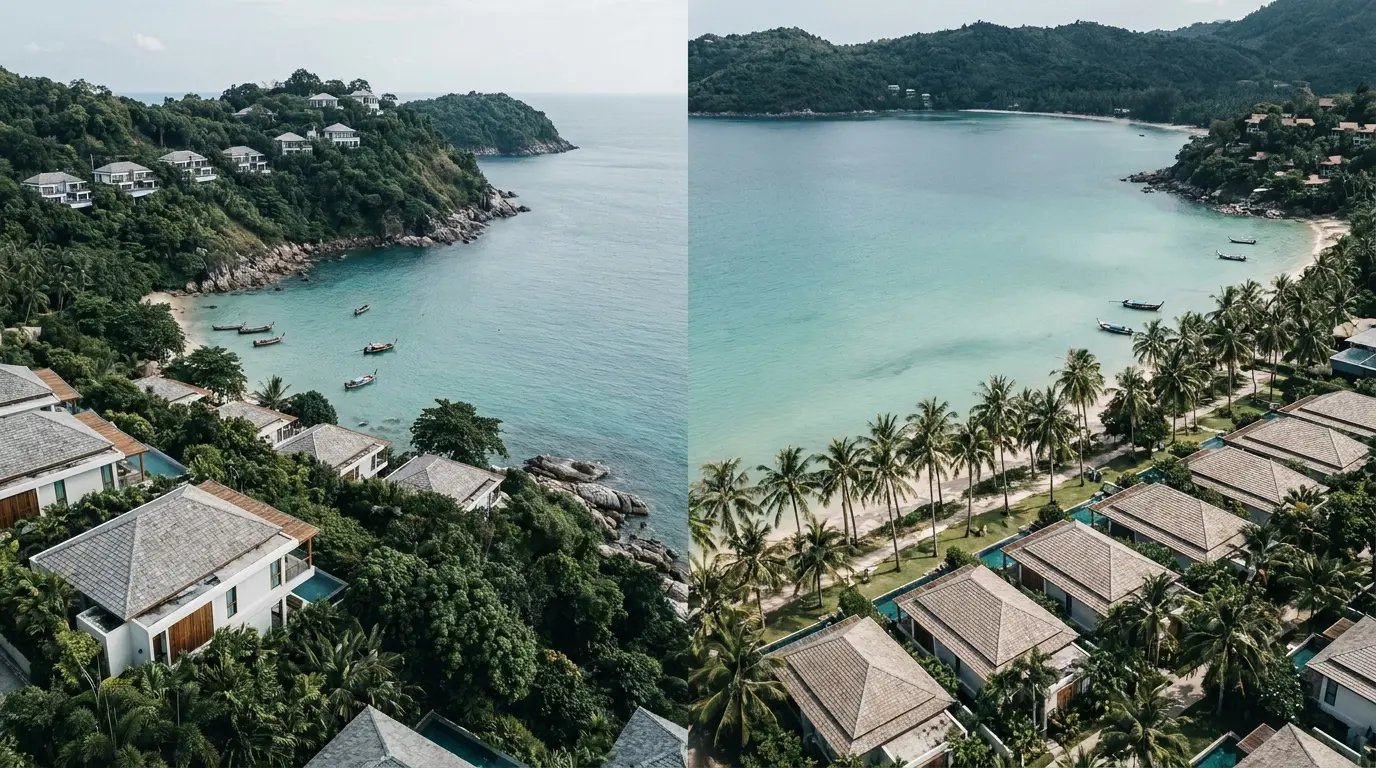
Phuket villa investments are delivering annual net yields of 7.8-8.4%, outperforming Koh Samui’s 7.2-7.5%, according to property management data from Staylar published in March 2025. The analysis, which compared verified performance metrics from both islands, also found Phuket averaging 72-78% annual occupancy versus Koh Samui’s 68-70%.
The yield advantage comes despite significantly higher entry prices. Two-bedroom villas in Phuket start from $280,000 compared to $195,000 in Koh Samui. Three-bedroom villas begin at $380,000 in Phuket versus $280,000 in Koh Samui. Average daily rates in Phuket range from $250-$300, while Koh Samui properties rent for $190-$260.
Occupancy and Seasonal Performance
Phuket’s occupancy advantage stems partly from a longer peak season. The island’s peak runs November through April — six months — compared to Koh Samui’s five-month December-to-April window. During peak months, Phuket villas achieve 85-95% occupancy with average daily rate premiums of 40-60% above base rates. Koh Samui reaches 80-90% occupancy with premiums of 35-50%.
The gap widens during low season. Phuket maintains 50-60% occupancy from June to September, drawing from Chinese, Korean, Indian, and domestic Thai markets. Koh Samui drops to 45-55% during its June-to-October monsoon period, though the island’s Gulf of Thailand location produces different weather patterns than Phuket’s Andaman coast.
Shoulder months show similar patterns. Phuket averages 60-70% occupancy in May and October, while Koh Samui sees 55-65% in May and November.
Airport Infrastructure and Supply Constraints
Koh Samui’s privately owned airport — operated by Bangkok Airways — limits flight capacity and maintains higher ticket prices than Phuket. The SKHAI analysis frames this as a supply constraint that protects rental rates by limiting mass-market tourism and large hotel development.
The report notes international routes from Singapore, Kuala Lumpur, Hong Kong, and Chengdu are expanding access to Samui, alongside ferry connections via Surat Thani that provide budget airline passengers an alternative entry point.
Price per Square Metre and Entry Thresholds
Built area costs range from $2,200-$3,500 per square metre in Phuket, compared to $1,500-$2,500 in Koh Samui. The lower per-unit pricing in Samui affects capital efficiency calculations. An investor deploying $200,000 in Koh Samui may generate comparable absolute cash returns to one deploying $300,000 in Phuket, despite the lower percentage yield.
Geographic Investment Zones
Within Phuket, the Staylar data highlights Bangtao and the Laguna resort complex on the west coast as the primary investment zone, citing proximity to Bang Tao Beach and upscale dining. The report also identifies Kamala as offering lower entry prices than Bangtao with strong beach access, and Rawai / Nai Harn in the south as serving repeat visitors and long-stay guests. Natai Beach in the north is described as an emerging luxury corridor.
For Koh Samui, the analysis references specific areas but does not provide performance data by submarket.
Frequently Asked Questions
What is the net rental yield difference between Phuket and Koh Samui villas?
Phuket villas deliver 7.8-8.4% annual net yields, while Koh Samui villas produce 7.2-7.5%, according to Staylar management data. The 0.6-0.9 percentage point gap reflects higher occupancy rates and daily rates in Phuket, though Koh Samui’s lower entry prices affect capital efficiency comparisons.
How much does a two-bedroom villa cost in each location?
Entry-level two-bedroom villas in Phuket start from $280,000, compared to $195,000 in Koh Samui. Three-bedroom villas begin at $380,000 in Phuket and $280,000 in Koh Samui. Price per square metre ranges from $2,200-$3,500 in Phuket versus $1,500-$2,500 in Koh Samui.
How does airport access affect villa investment returns?
Koh Samui’s privately owned airport limits flight capacity and maintains higher ticket prices than Phuket. The SKHAI analysis suggests this constraint reduces mass-market tourism and hotel development, protecting villa rental rates. International routes from Singapore, Kuala Lumpur, Hong Kong, and Chengdu are expanding access without removing the capacity limitation.
What are the peak rental seasons for each island?
Phuket’s peak season runs November through April (six months), while Koh Samui peaks December through April (five months). Phuket achieves 85-95% occupancy during peak months with 40-60% rate premiums. Koh Samui reaches 80-90% occupancy with 35-50% premiums. Phuket maintains stronger low-season occupancy at 50-60% versus Samui’s 45-55%.
Which Phuket areas show the strongest villa rental performance?
The Staylar data identifies Bangtao and the Laguna resort complex on the west coast as the primary high-performance zone, citing beach proximity and dining infrastructure. Kamala is noted as offering lower entry prices with beach access, while Rawai and Nai Harn in the south serve repeat visitors. Natai Beach in the north is flagged as emerging luxury development area.
Sources
- SKHAI — Koh Samui vs Phuket: Which Island Delivers Better Villa Returns? — link
- Staylar — Property management data (cited in SKHAI analysis)