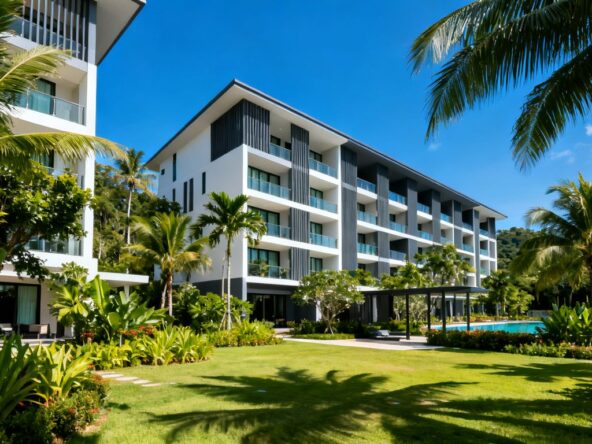

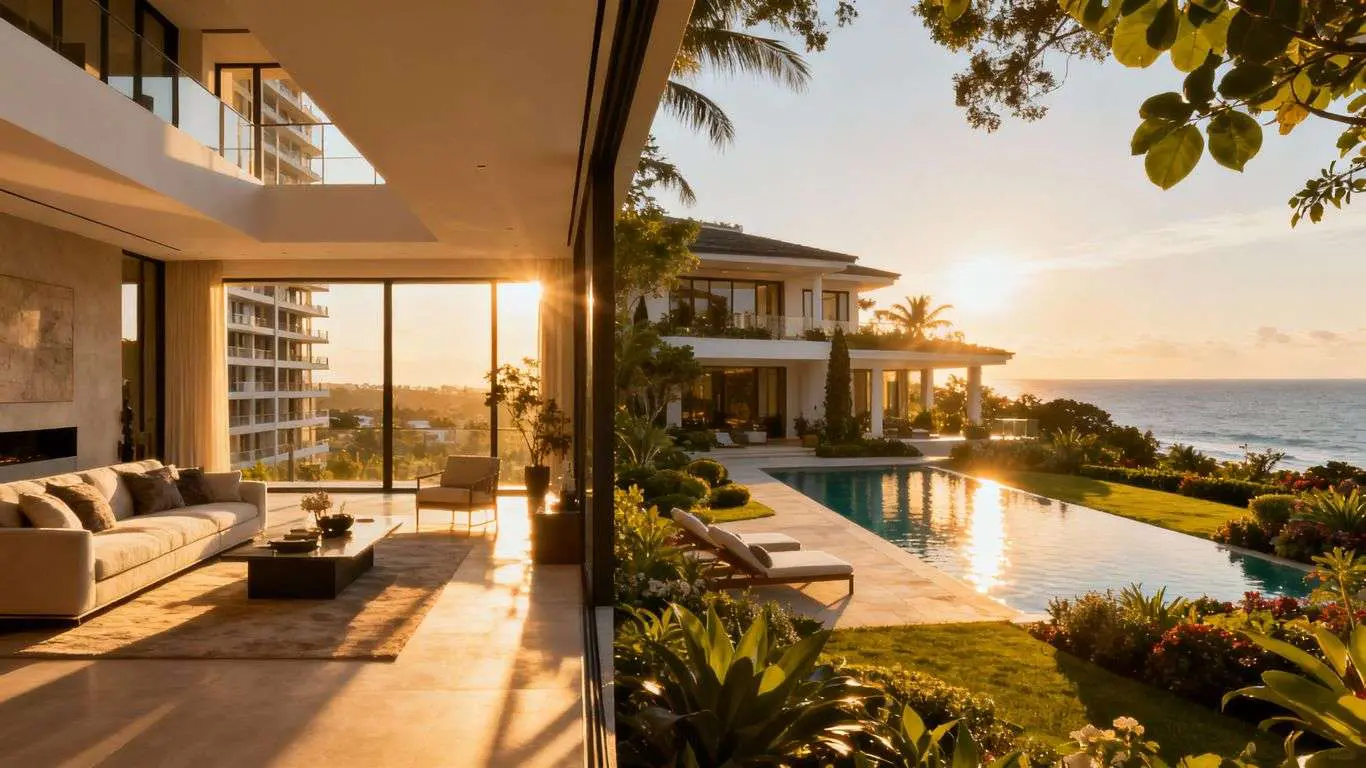
So, you’re thinking about buying a place in Phuket? It’s a big decision, and honestly, it’s easy to get lost in all the options. You’ve got these shiny new condos popping up everywhere, and then there are the villas, promising that ultimate island dream. Whether you’re here to stay, just visiting for a few months, or looking to make a bit of money, the choice between Phuket luxury condos vs villas really boils down to what kind of life you want and what makes sense for your wallet. It’s not just about square footage or fancy swimming pools; it’s about how you’ll actually live day-to-day and what you expect from your investment. Let’s break it down.
Key Takeaways
- When comparing Phuket luxury condos vs villas, consider your lifestyle needs first: villas offer more space and privacy, ideal for families or those seeking quiet, while condos provide convenience and community living in central locations.
- Investment-wise, condos generally offer a lower entry cost and more consistent rental income due to broader appeal and easier management, making them attractive for first-time investors.
- Villas require a larger upfront investment and often involve more complex ownership structures like leaseholds, but can command premium rental rates during peak seasons and offer strong long-term appreciation potential.
- Maintenance for condos is typically low and managed by a building’s administration, whereas villa owners are responsible for upkeep of private pools, gardens, and the property itself, often requiring dedicated management services.
- The decision between Phuket luxury condos vs villas depends heavily on personal preferences, budget, and tolerance for legal and maintenance responsibilities; seeking advice from local property experts is recommended.
Understanding Your Lifestyle Priorities
Right then, before we get bogged down in legalities or numbers, let’s have a good think about how you actually want to live your life here in Phuket. It’s not just about buying bricks and mortar, is it? It’s about buying into a certain way of life, and that’s got to be the starting point. So, are you dreaming of your own private slice of paradise, or do you prefer being right in the thick of things?
Space, Privacy, and Daily Living
If you’re picturing yourself with your own swimming pool, a garden to potter about in, and absolutely no neighbours peering over the fence, then a villa is probably calling your name. It’s all about having your own space to spread out. Think morning swims without a crowd, barbecues in your own garden, and just generally having that feeling of being in your own little world. This is especially appealing if you’ve got a family, or if you work from home and need a quiet spot to concentrate. It’s that sense of freedom and personal space that really sets villas apart.
Convenience and Community Living
On the flip side, condos often put you right where the action is. They’re usually in really handy spots, close to beaches, shops, restaurants, and all sorts of amenities. Everything you need is pretty much on your doorstep. Plus, you get the benefit of shared facilities like pools and gyms, and importantly, security and maintenance are generally taken care of for you. This makes life a lot simpler, especially if you’re new to the island or plan to travel a lot. It’s that ‘lock up and leave’ ease that appeals to many, offering a hassle-free way to enjoy the island lifestyle.
Location: Tranquil Retreats Versus Vibrant Hubs
Where you choose to be is a big part of it too. Villas tend to be found in quieter, more residential areas. Places like Bang Tao, Rawai, or up in the hills offer that peaceful escape. They’re perfect if you’re after a bit of calm and don’t mind being a short drive from the main tourist spots. Condos, however, are typically situated in more central locations or right by the popular beaches – think Patong, Kata, or Surin. This puts you much closer to the buzz and energy of the island. So, the big question is: do you want a quiet haven to retreat to, or a lively base that keeps you connected to everything? Your answer will really help point you in the right direction.
Ultimately, the choice between a villa and a condo boils down to what kind of daily life you envision for yourself in Phuket. It’s about matching the property to your personal rhythm and preferences.
Investment Potential: Maximising Your Returns
When you’re looking at property in Phuket, it’s not just about finding a nice place to stay; it’s also about making your money work for you. Both condos and villas can be good investments, but they go about it in different ways, and understanding that is key.
Condos: Consistent Income and Lower Entry Costs
Condominiums often present a more accessible entry point for investors. Their generally lower purchase price means you don’t need quite as much capital upfront compared to a villa. This makes them a popular choice for those new to the Phuket property market or looking to build a portfolio without a massive initial outlay. The real draw for condos, especially in popular tourist areas, is their potential for consistent rental income. Many developments are geared towards holiday lets, and with professional management, they can be kept occupied for a good portion of the year. Think of them as a more hands-off investment; you buy, and often the management company handles the bookings, guest relations, and upkeep, sending you a regular income stream. It’s a simpler model, often appealing to those who want a ‘lock up and leave’ asset that generates returns without demanding too much of their time.
Villas: Premium Rates and Long-Term Appreciation
Now, villas are a different beast. They typically require a larger initial investment, but the potential rewards can be significantly higher. A private pool villa in a sought-after location can command premium rental rates, particularly during the peak tourist season. Families or groups looking for a more exclusive experience often prefer villas, and they can be booked for longer stays. Beyond rental income, villas, especially those in prime locations with limited land availability, often see strong long-term capital appreciation. They represent a more substantial asset, and over time, their value can grow considerably. However, this comes with more responsibility. You’re looking at higher running costs and more involved management, which we’ll touch on later.
Rental Yields and Occupancy Rates in Phuket
Phuket’s rental market is quite dynamic. Generally, areas with high tourist traffic, like Bang Tao, Kata, or Kamala, tend to see higher occupancy rates for condos, especially those set up for short-term lets. Villas in areas like Nai Harn or Bang Tao can achieve impressive nightly rates during peak season (roughly November to March), but their occupancy might be more seasonal. It’s important to research specific locations and property types to get a realistic picture of potential returns.
Here’s a rough idea of what to expect:
| Property Type | Typical Entry Price | Potential Rental Yield (Annual) | Key Appeal |
|---|---|---|---|
| Condominium | Lower | 5-8% | Consistent income, lower entry cost, easier management |
| Villa | Higher | 6-10%+ (seasonal) | Premium rates, higher appreciation potential, exclusivity |
Understanding the seasonality of Phuket is crucial for managing expectations. While peak season can bring in substantial income, the quieter months require a different strategy, perhaps focusing on longer-stay guests or adjusting rates. Professional rental management can help smooth out these fluctuations.
When considering your investment, it’s wise to look at the bigger picture. Think about your exit strategy – are you planning to sell in a few years, or hold for the long term? Keeping an eye on new developments and infrastructure projects, like the proposed light rail, can also give you an edge in predicting future value growth in different areas of the island.
Navigating Legal Ownership Structures
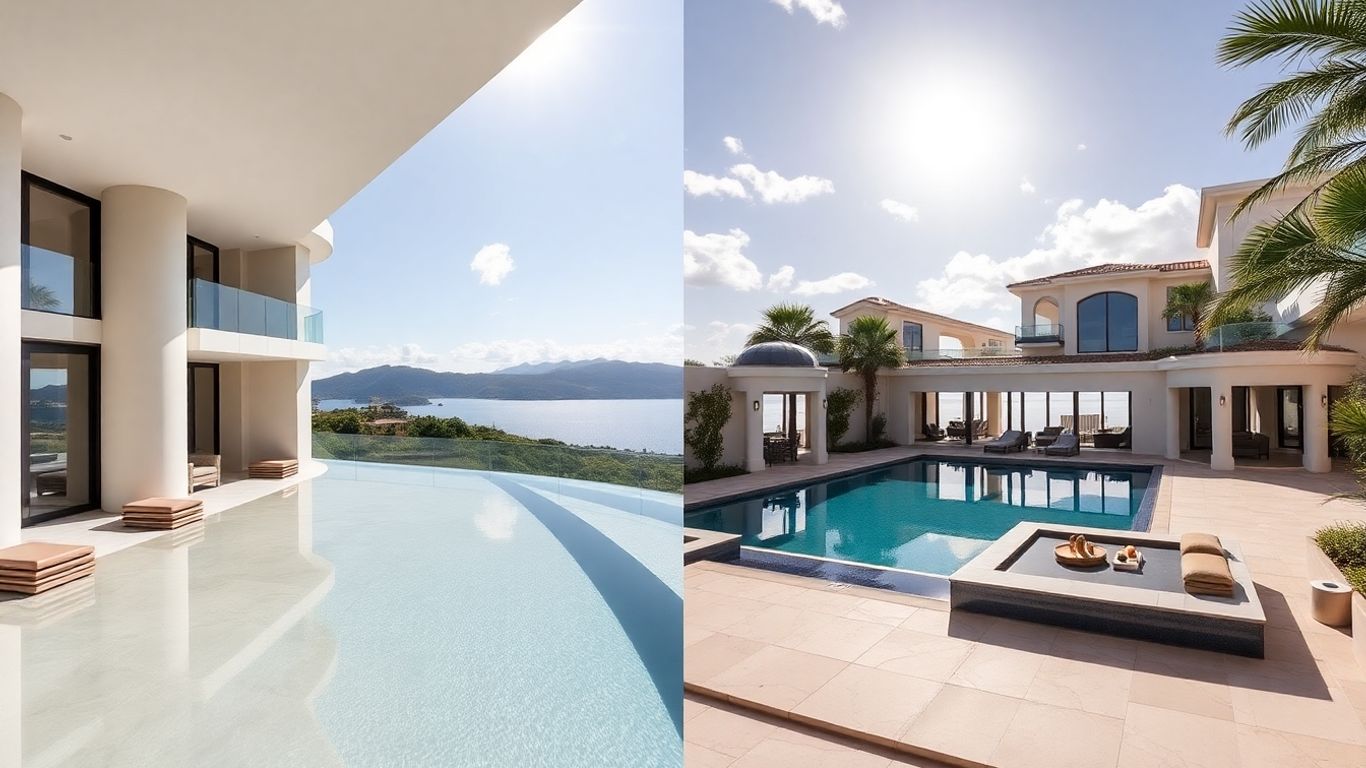
Right then, let’s talk about the nitty-gritty of actually owning a place here in Phuket. It’s not quite as simple as just handing over cash and getting a set of keys, especially for us foreigners. Thailand has its own rules, and understanding them is pretty important before you get too far down the road.
Foreign Freehold Ownership of Condominiums
Good news first: buying a condominium outright is generally the most straightforward option for foreign buyers. You can own a condo unit in your own name, which is called ‘freehold’ ownership. It means you have full rights to the unit itself – you can sell it, rent it out, or leave it to someone else. There’s a catch, though. The law states that no more than 49% of the total unit space in any single condominium building can be owned by foreigners. So, if a building is already full of foreign owners, you won’t be able to buy there, even if you have the money. It’s usually a case of first come, first served until that 49% limit is reached.
Leasehold and Company Structures for Villas
Now, villas are a bit trickier. Because villas usually come with land, and Thai law generally prevents foreigners from owning land directly, you need to look at other ways to secure your ownership. The most common method is a leasehold agreement. This means you lease the land the villa sits on for a set period, typically 30 years, with options to renew for two further 30-year periods. You’ll own the villa structure itself, but you’re leasing the ground beneath it. It’s a perfectly legal and widely used system that gives you long-term security. Another route some people consider is setting up a Thai company to own the land. However, this involves more complex legal and financial arrangements, and you need to be very careful to comply with all regulations, especially regarding majority Thai ownership and avoiding any ‘nominee’ situations, which are frowned upon.
Understanding Freehold Versus Leasehold
So, what’s the real difference between freehold and leasehold? Freehold is the simplest: you own the property outright, no strings attached. It’s yours, period. Leasehold, on the other hand, means you have the right to use and occupy the property for a specific number of years, but you don’t technically own the land it’s built on. Think of it like renting a house for a very, very long time, with the option to extend your ‘rental’ agreement. For villas, a well-structured, long-term lease with clear renewal clauses is a secure way to own your property, but it’s not the same as outright freehold ownership. It’s important to get a good lawyer to explain all the details and make sure your lease agreement is robust and legally sound.
When considering property in Thailand, especially villas, it’s vital to work with reputable legal professionals. They can guide you through the complexities of leasehold agreements or company structures, ensuring your investment is protected and compliant with Thai law. Don’t cut corners on legal advice; it’s the bedrock of secure property ownership here.
Here’s a quick rundown:
- Freehold: Full ownership of the unit (condo). Simple, direct, and your name on the title deed.
- Leasehold: Long-term right to use land and property (villa). Typically 30+30+30 years. You own the building, lease the land.
- Company Structure: A Thai company owns the land, with foreign shareholders. More complex, requires careful legal setup and ongoing compliance.
Choosing the right structure depends on the type of property you’re buying and your long-term plans. For condos, freehold is usually the way to go. For villas, a solid leasehold agreement is the most common and secure alternative to direct land ownership.
Maintenance and Management Considerations
When you’re looking at buying a place in Phuket, whether it’s a slick condo or a sprawling villa, you’ve got to think about what happens after you sign on the dotted line. It’s not just about the purchase price, you know? There’s the ongoing stuff – the upkeep and how it’s all managed.
Low-Maintenance Condominium Living
Condos are generally the easier option when it comes to day-to-day management. You’re usually part of a larger development, and there’s a management company or a juristic person that takes care of the common areas. This means things like pool cleaning, garden maintenance, security, and general building upkeep are all handled. You pay a monthly fee, often called common area fees or juristic fees, which covers all of this. It’s pretty straightforward, really. This hands-off approach is a big draw for many investors and holiday homeowners. It means you can just turn up, enjoy your property, and not worry about the little things.
- What’s Covered: Typically includes security, pool and gym maintenance, landscaping, waste collection, and building insurance.
- Your Responsibility: Primarily the interior of your unit, including any appliances or fixtures within it.
- Cost: Varies based on the size and facilities of the development, usually charged per square metre of living space.
Higher Upkeep Responsibilities for Villas
Buying a villa, especially a detached one with its own garden and pool, means you’re taking on a lot more responsibility. You are, in essence, the owner of the entire plot and property. This means you’re directly responsible for everything – the pool needs regular cleaning and chemical balancing, the garden needs tending, the roof might need checking, and any external painting or repairs are on you. It’s a bigger commitment, and you’ll need to budget for these ongoing costs. Some people actually enjoy this, seeing it as part of the lifestyle, but it’s definitely something to consider if you’re not keen on DIY or managing tradespeople.
Owning a villa means you’re the ultimate custodian of your property. While this offers freedom, it also demands a proactive approach to maintenance. Regular checks on structural integrity, pest control, and the upkeep of private amenities like pools and gardens are not just recommended, they’re necessary to preserve your investment and ensure a pleasant living experience.
The Role of Property Management Services
Whether you own a condo or a villa, if you’re not living there full-time or if you plan to rent it out, professional property management services become really important. For condos, they can act as a liaison between you and the building management, especially if you’re overseas. For villas, they are almost essential. A good management company can handle everything from finding tenants, collecting rent, arranging cleaning and repairs, to dealing with any issues that pop up while you’re away. They can be a lifesaver, particularly if you’re unfamiliar with the local market or Thai regulations. It’s an extra cost, of course, but for peace of mind and maximising rental income, it’s often well worth it.
- Rental Management: Marketing your property, screening tenants, handling bookings and payments.
- Maintenance Coordination: Arranging cleaning, repairs, and gardening services.
- Financial Reporting: Providing statements on income and expenses.
- Legal Compliance: Ensuring adherence to local rental laws and regulations.
Comparing Property Costs and Value
Right, let’s get down to brass tacks – what’s the damage, and what are you actually getting for your money when looking at Phuket properties? It’s not just about the sticker price, is it? You’ve got to think about the long game, what it’ll cost to keep it ticking over, and how much it might be worth down the line. This is where the condo versus villa debate really heats up, because the financial picture is quite different for each.
Entry-Level Pricing for Condos
If you’re looking to dip your toes into the Phuket property market without absolutely emptying your bank account, condos are generally your friend. You can find some pretty decent studio or one-bedroom apartments starting from around 2 to 5 million Thai Baht (฿). These are often in developments that are either a bit further from the prime beachfront spots or perhaps a few years old, but they can still offer a great base. Think of them as your accessible entry point into island living or a solid investment property that doesn’t require a massive initial outlay. It’s a sensible way to get on the property ladder here.
Higher Investment Threshold for Villas
Now, villas are a different beast entirely. We’re talking a significant step up in terms of cost. Even a modest pool villa or a townhouse in a decent location will likely set you back at least 10 to 15 million Baht (฿). If you’re dreaming of a spacious, detached property with a private pool and sea views, you could easily be looking at figures well over 20 million Baht, and for those truly luxurious, beachfront estates, the sky’s the limit – think hundreds of millions of Baht. So, yes, villas demand a much larger chunk of your investment capital from the get-go.
Factors Influencing Property Value
So, what makes one property worth more than another? It’s a mix of things, really. Location is massive, obviously. A condo a stone’s throw from a popular beach like Patong or Kata will command higher prices and rental rates than one tucked away inland. Similarly, a villa with ocean views in an exclusive area like Bang Tao will be worth more than one in a more residential, less scenic spot. The size and quality of the build matter too, of course. A modern, well-built property with good amenities will always hold its value better. And let’s not forget about the surrounding infrastructure – is it close to shops, restaurants, international schools, or even future transport links? All these bits and bobs add up.
Here’s a rough idea of what you might expect:
| Property Type | Typical Starting Price (THB) | Potential Rental Yield (%) | Key Value Drivers |
|---|---|---|---|
| Condominium (1-bed) | 2,000,000 – 5,000,000 | 5-10% | Location (beach proximity), amenities, rental demand |
| Villa (2-3 bed pool villa) | 10,000,000 – 20,000,000+ | 8-10% (seasonal) | Space, privacy, views, luxury features, location |
When considering property costs, it’s not just the purchase price that counts. Factor in ongoing expenses like management fees for condos, or maintenance for pools and gardens for villas. Also, don’t forget taxes, transfer fees, and potential costs associated with legal structures, especially for villas. Understanding the total cost of ownership is key to making a sound financial decision.
Suitability for Different Buyer Profiles
So, who exactly is buying what in Phuket? It really boils down to what you’re looking for in your island life and investment.
Ideal Condos for Expats and Investors
Condominiums often tick the boxes for expats and investors, especially those who value convenience and a more hands-off approach. Think about it: you’re often buying into a development with shared facilities like pools, gyms, and security. This means less personal responsibility for upkeep, which is a big plus if you’re not planning on being there full-time or if you’re just starting out in the Phuket property market. Many international buyers, particularly those from Russia and China, have been snapping up condos. Russians, for instance, have been a major force, often looking for properties that offer a blend of lifestyle and investment potential. Chinese buyers frequently favour new condo projects, seeing them as holiday homes or rental assets. These properties are often in areas with good access to amenities, making them attractive for short-term rentals. A property like this 3-bedroom, 131 sqm beachside condominium in Bangtao, Phuket, priced at 39,000,000 THB, exemplifies the kind of offering that appeals to this demographic, providing both a luxurious living space and strong rental prospects. It’s a straightforward way to get a piece of Phuket without the headaches of managing a standalone property. For many, it’s the smoothest entry point into the Phuket market.
Villas for Families and Long-Term Residents
On the other hand, villas tend to attract families, retirees, and those looking for a more permanent or long-term residence. The appeal here is the space, privacy, and the feeling of having your own home. If you’re relocating with children, you’ll appreciate the extra room and often a private garden or pool area. For retirees, a villa can offer a comfortable and familiar living environment, especially if it’s located in a quieter, more residential part of the island. These buyers are often less concerned with immediate rental yields and more focused on personal enjoyment and long-term capital appreciation. They might be looking at areas away from the main tourist strips, perhaps closer to international schools or tranquil beaches like Nai Harn or Rawai. The larger pool villas, often in the 3–6 bedroom range, are particularly sought after by affluent individuals and families making a more significant commitment to living in Phuket.
Choosing Based on Your Personal Preferences
Ultimately, the choice between a condo and a villa hinges on your personal priorities. Are you someone who prefers a lock-up-and-leave lifestyle with minimal fuss? A condo might be your best bet. They’re great for digital nomads or investors looking for steady, year-round rental income. The convenience and community living aspect can also be a draw. However, if your dream involves sprawling living spaces, a private garden, and the ultimate in tropical seclusion, then a villa is likely the way to go. This often means a higher initial investment and a bit more responsibility for maintenance, but the payoff is a truly private sanctuary. It’s about weighing up what matters most to you: ease of ownership and consistent returns, or space, privacy, and a more bespoke living experience.
The Phuket property market is diverse, catering to a wide range of desires and financial plans. Understanding your own needs – whether for investment, a holiday home, or a permanent residence – is the first step in making the right choice. Don’t underestimate the value of local insights when making such a significant decision.
Here’s a quick look at who might favour which:
- Condos: Ideal for solo expats, couples, investors seeking rental income, and those prioritising low-maintenance living. They offer a more accessible entry point and often come with built-in amenities.
- Villas: Suited for families, retirees, and individuals desiring more space, privacy, and a home-like atmosphere. They represent a larger investment but provide a more exclusive lifestyle.
When you’re ready to explore specific options, partnering with a knowledgeable agent can help you find the perfect fit. You can partner with EasyLivingPhuket for tailored investment support if you’re looking for guidance in this vibrant market.
The Phuket Property Market Landscape
Phuket’s property market in 2025 is really buzzing, showing some serious momentum. After a bit of a slowdown during the pandemic years, things have picked up considerably. We’re seeing a lot of interest, especially from overseas buyers, who now make up a significant chunk of the high-end market. It’s not just about speculation, though; the growth seems to be driven by genuine demand and the island’s appeal as a lifestyle destination.
Current Market Trends and Growth
The market has seen some impressive price increases, particularly for villas in sought-after areas like Bang Tao and Kamala, which have jumped by quite a bit year-on-year. Condominiums have also seen steady growth. While new project launches might have eased slightly in early 2025 compared to the record highs of the previous year, the overall volume remains strong. It looks like prices are expected to continue climbing, though perhaps at a more sustainable pace.
- Villas: Saw price surges of 12–18% year-on-year in prime locations.
- Condominiums: Experienced average price increases of 7–10%.
- New Launches: While fewer than in 2024, they remain above historical averages.
Demand Drivers for Condos and Villas
What’s really pulling people in? For many, it’s that unique blend of a fantastic lifestyle and the potential for good rental income. Phuket offers a tropical paradise experience that’s often more affordable than similar properties in Europe or the US. The island’s successful tourism recovery, boosted by initiatives like the Phuket Sandbox, has built confidence. Plus, new visa options for long-term residents and the growing number of international schools and healthcare facilities are making it an attractive place for people to relocate, not just visit. This has created a strong base of "lifestyle investors" who value quality of life alongside their investments.
The island has evolved into a magnet for “lifestyle investors” – those who prioritize quality of life and stability alongside returns. These buyers often move quickly: business owners and remote professionals who initially rent in Phuket are now transitioning into property owners once they experience the benefits.
Future Outlook for Phuket Real Estate
Looking ahead, the market fundamentals seem solid. While rapid growth might be stabilising, projections still point towards continued annual price increases, especially for desirable villa segments. Infrastructure developments and the island’s ongoing appeal as a secure and attractive destination should keep demand robust. It’s a dynamic market, so staying informed about local trends and regulations is key. Working with experienced local professionals can make a big difference in making informed decisions. If you’re considering a property here, looking at areas like Bang Tao could be a good move, especially if you’re interested in a beachside condominium.
Making Your Final Decision
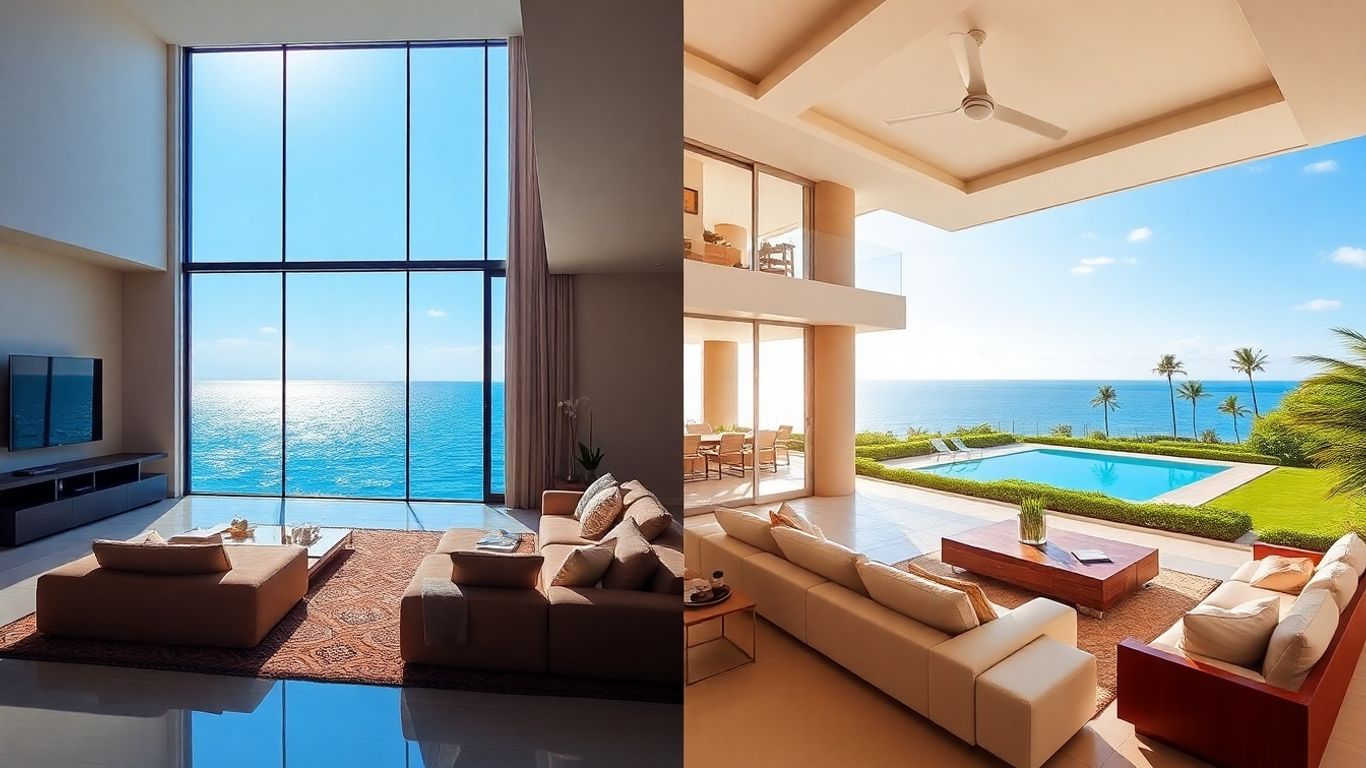
Weighing Up the Pros and Cons
So, you’ve looked at the lifestyle bits, the money side of things, and the legal stuff. Now it’s time to really nail down what works for you. It’s not a one-size-fits-all situation, is it? Think about your day-to-day. Do you want to be able to just lock up and leave, knowing the building management has everything covered? Or do you dream of having your own patch of land, a private pool, and the freedom to do what you like with it?
Here’s a quick rundown to help you sort it out:
- Condos: Generally simpler ownership (foreign freehold is common), lower entry costs, and less personal responsibility for maintenance. They’re great if you’re looking for a straightforward investment or a convenient holiday bolt-hole.
- Villas: Offer more space, privacy, and a sense of owning a proper home. However, ownership can be more complex (leasehold or company structures are frequent), and you’ll be responsible for all upkeep.
Ultimately, the ‘better’ choice hinges entirely on your personal circumstances and what you prioritise. Don’t get too caught up in what others are doing; focus on what genuinely fits your life and your financial plan.
Aligning Your Choice with Your Goals
Let’s be honest, buying property abroad is a big step. Whether you’re eyeing a condo or a villa in Phuket, it’s probably tied to some pretty significant goals. Are you looking for a steady stream of rental income to supplement your pension? Or perhaps you’re planning to relocate permanently and want a place that feels like home, with room for family and friends to visit?
- For Investors: If your main aim is rental yield and ease of management, a condo in a popular tourist area often makes more sense. They tend to have higher occupancy rates and predictable income.
- For Lifestyle Buyers: If you’re planning to spend significant time in Phuket, perhaps even retire there, a villa might offer the space, privacy, and comfort you’re after. It’s about creating a personal sanctuary.
- For Hybrid Goals: Some buyers try to balance both. A villa in a quieter, residential area might still attract good rental income, especially for longer stays, while offering a more personal living experience.
Seeking Expert Guidance for Phuket Luxury Condos vs Villas
Trying to figure all this out on your own can feel a bit overwhelming, especially with the legal side of things. Thai property law has its quirks, and what might seem straightforward can have hidden complexities. That’s where getting some professional help really pays off.
- Real Estate Agents: A good agent who specialises in the Phuket market will have their finger on the pulse. They can show you properties that match your criteria, provide market data, and help negotiate prices.
- Legal Advisors: This is non-negotiable, especially when dealing with villas and potentially complex ownership structures. A reputable lawyer will conduct thorough due diligence, explain all the legal documents clearly, and ensure your purchase is secure.
- Financial Planners: If you’re looking at this as a significant investment, talking to a financial advisor who understands international property and tax implications can be incredibly beneficial.
Don’t hesitate to ask questions. The right professionals will be happy to explain everything and guide you towards a decision you feel confident about. It’s about making sure your dream property in Phuket is also a sound investment and a hassle-free experience.
So, you’ve reached the final step in choosing your perfect place. It’s a big decision, but don’t worry, we’re here to help make it smooth. Take a moment to think about what truly matters to you in a home. Ready to see what’s out there? Visit our website today to explore all the amazing options waiting for you!
So, Which Phuket Dream is Yours?
Right then, we’ve gone through the ins and outs of Phuket condos versus villas. It really boils down to what you’re after, doesn’t it? If you fancy a straightforward, low-fuss life with easy access to everything, and you’re happy with shared spaces, a condo probably makes more sense. They’re great for just locking up and leaving, or for getting a steady rental income without too much bother. But if you’re dreaming of your own patch of green, a private dip in the pool whenever you fancy, and a bit more room to breathe, then a villa is likely calling your name. Just remember, with that extra space and privacy comes a bit more responsibility, especially when it comes to the legal side of things and keeping the place tip-top. Both offer a fantastic way to enjoy the island, it’s just about picking the one that fits your personal style and plans best. Chatting with someone who knows the local scene really can help clear things up if you’re still on the fence.
Frequently Asked Questions
What’s the main difference between a villa and a condo in Phuket?
Think of a villa as your own private house, usually with its own garden and pool. It’s all about having your own space. A condo is an apartment in a bigger building, sharing things like pools and gyms with other residents. Condos are generally easier to manage.
Can foreigners buy villas or condos here?
Yes, but with a few rules. Foreigners can buy condos outright (called freehold), which means you own it completely. For villas, since foreigners can’t own land directly, you’ll usually lease the land for a long time (like 30 years, with options to extend) or set up a Thai company to own it. It’s best to get legal advice on this.
Which is a better investment, a villa or a condo?
It depends on what you’re looking for. Condos are often easier to rent out all year round and cost less to buy, making them good for steady income. Villas can bring in more money during busy holiday times and might increase in value more over the long run, but they cost more and need more looking after.
What are the good things about owning a condo in Phuket?
Condos are usually in great spots, close to beaches and shops. They’re easy to lock up and leave when you travel, and the building management takes care of most of the upkeep. They’re also generally cheaper to buy than villas.
What are the benefits of owning a villa in Phuket?
Villas give you much more space and privacy, which is great for families or if you just want your own peaceful spot. You have more freedom to make it your own and often get lovely views or direct access to a garden and pool.
What does ‘freehold’ and ‘leasehold’ mean for property in Thailand?
‘Freehold’ means you own the property and the land it’s on forever. Foreigners can only get freehold for condos. ‘Leasehold’ means you rent the property (or the land it’s on) for a set number of years, like 30. It’s a way for foreigners to have long-term use of villas.
Is it easier to rent out a condo or a villa?
Generally, condos are easier to rent out. They attract a wider range of renters, from tourists to long-term expats, and often have rental management services available. Villas can get higher rents but might be more popular only during peak tourist seasons.
Which type of property is better for families moving to Phuket?
Villas are often a better fit for families because they offer more space, privacy, and outdoor areas for kids to play. Condos can be great too, especially for smaller families or if convenience and less maintenance are top priorities.