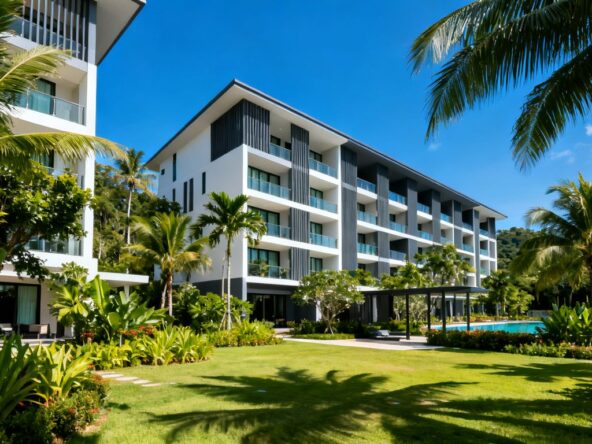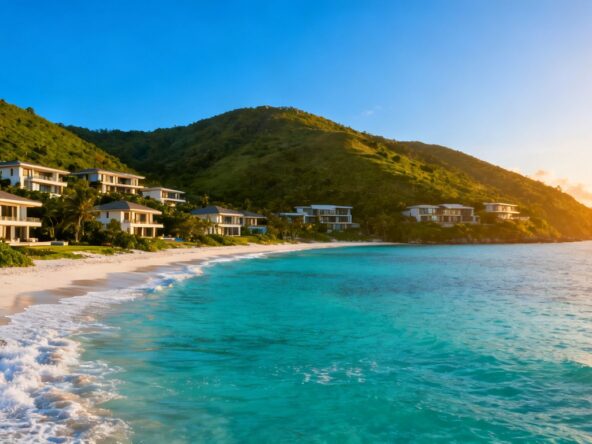

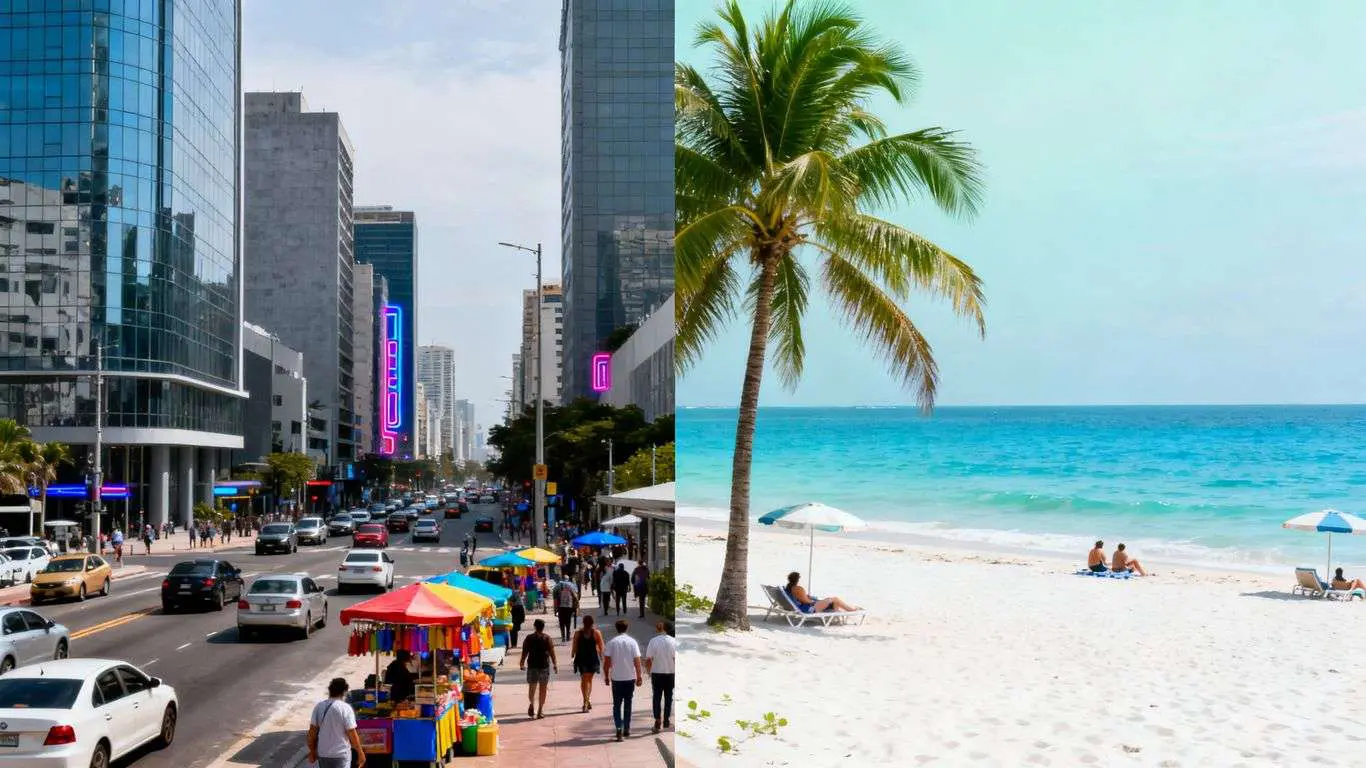
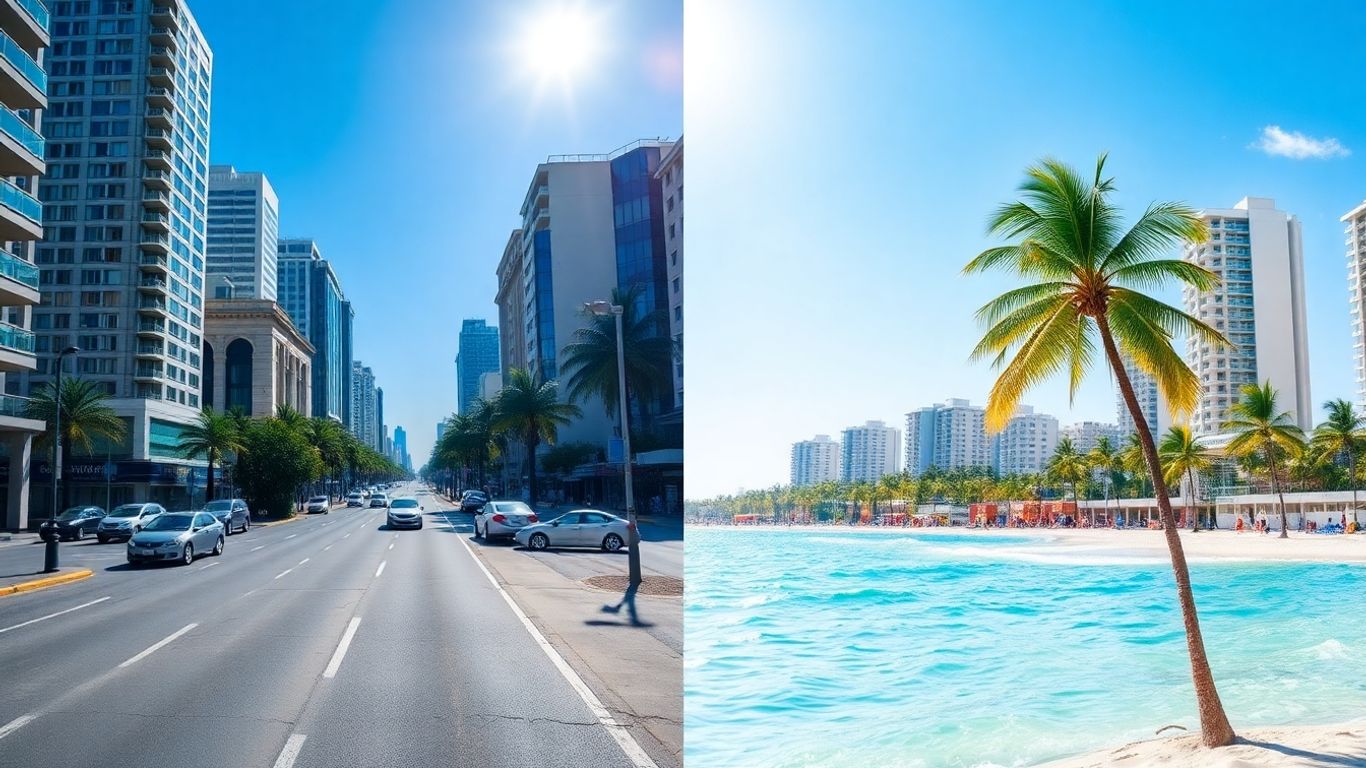
Deciding between a city pad or a beachside villa in Phuket is a big choice, and honestly, it’s not just about the property itself. It’s about the whole lifestyle package you’re buying into. Are you dreaming of waking up to the sound of waves and spending your days exploring hidden coves, or do you prefer the convenience and buzz of urban living, with everything you need right on your doorstep? The Phuket city vs beach property debate really boils down to what makes you tick and what you want from your daily life. Let’s break down the differences to help you figure out which one feels more like ‘you’.
Key Takeaways
- Phuket offers a relaxed island lifestyle with abundant natural beauty and outdoor activities, contrasting with the fast-paced energy and modern conveniences of a city.
- Property styles vary significantly, from beachfront villas in Phuket to city penthouses, influencing daily living and leisure options.
- Investment appeal differs; Phuket attracts those seeking tropical serenity and lifestyle, while cities draw investors focused on urban sophistication and business opportunities.
- Entry costs for property in Phuket can be more affordable than in major cities, making it an accessible option for a wider range of buyers.
- While cities offer diverse entertainment, Phuket provides unique access to water sports, island hopping, and a more nature-centric leisure experience.
Lifestyle Priorities: Island Calm Versus City Energy
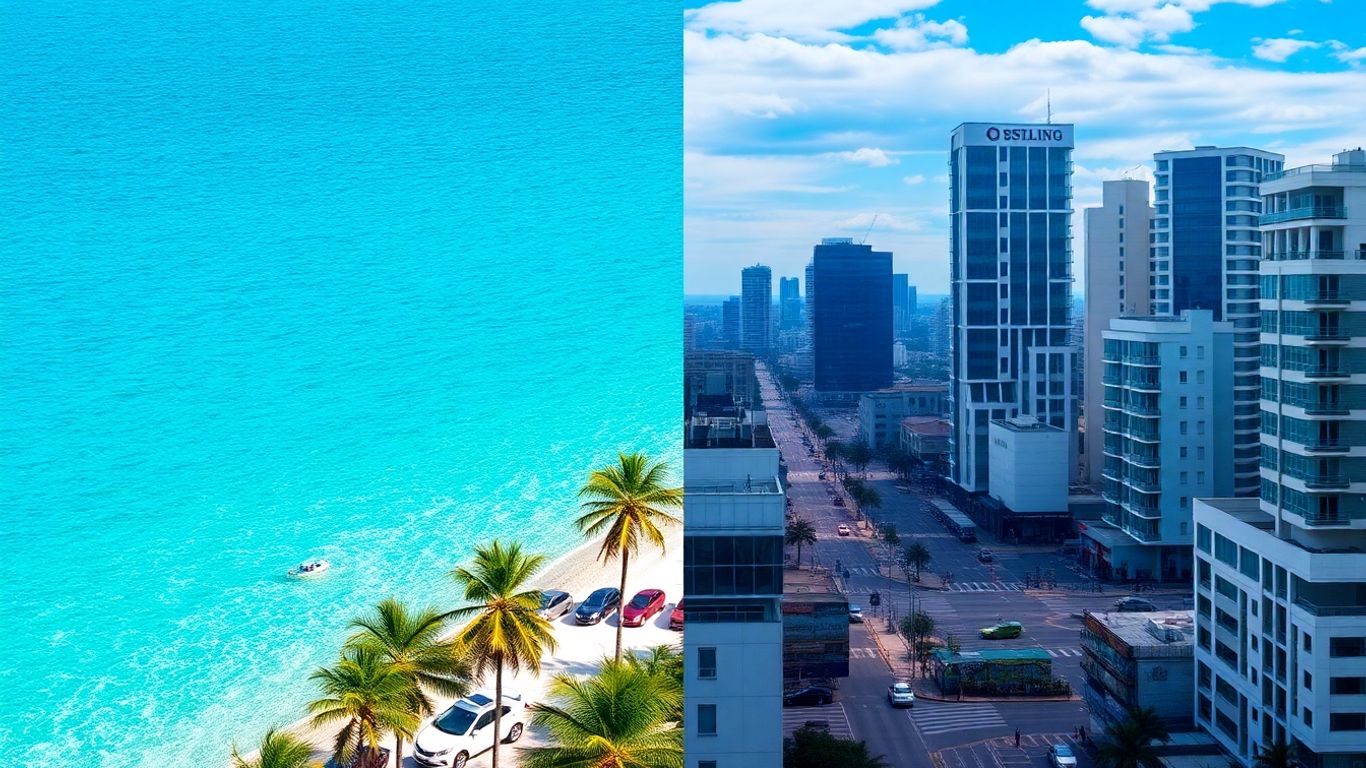
When you’re thinking about buying property, it’s not just about the bricks and mortar, is it? It’s about the life you’re going to live there. And in Phuket, that life can feel worlds apart depending on whether you’re near the beach or closer to the main town. It really boils down to what kind of daily rhythm you’re after.
Daily Rhythms: Beach Walks or Business Meetings?
Picture this: waking up in Phuket. Your biggest decision might be whether to have your morning coffee watching the sunrise over the ocean or a quick dip in the sea before breakfast. Life here tends to unfold at a gentler pace. Instead of battling traffic for a commute, you might be hopping on a scooter down a road lined with palm trees. It’s a lifestyle that encourages you to actually be in the moment, rather than just rushing through it. City living, on the other hand, is a different beast entirely. Schedules are tighter, there are more people, and everything feels like it’s on a constant, faster spin cycle. If you find peace in routine and being close to nature, Phuket might just feel like home from day one.
Prioritising Family and Outdoor Pursuits
For many, especially those with families, the appeal of Phuket is the sheer ease of access to outdoor activities. Think about it: you can go for a swim, a hike, or a bike ride without having to plan a whole day trip. Activities like paddleboarding, snorkelling, and cycling are just part of the everyday fabric here. In contrast, urban environments naturally have less green space. Getting to a decent park or a natural trail often means making a special effort, turning a simple desire for fresh air into a weekend excursion. Phuket really champions a lifestyle where health and happiness are front and centre, and it doesn’t take much effort to make that happen.
The Impact of Location on Daily Living
How you spend your days and evenings will look dramatically different depending on where you choose to buy. In Phuket, your routine might involve swimming before work, browsing local markets, or enjoying evenings with your feet in the sand. The city? Well, that often means navigating public transport, catching late shows, or squeezing in a gym session after a long day at the office. Island living tends to bring those spontaneous moments of peace and unscheduled adventures. The city, however, offers a different kind of excitement – instant access to whatever you might want, whenever you want it. It’s a trade-off between the quiet joys of nature and the constant buzz of urban convenience.
Choosing between Phuket and the city isn’t just about what looks good on paper; it’s about what you want your everyday life to feel like. Do you crave the sound of the waves or the hum of the city? Your property choice will colour every single day.
Here’s a quick look at how the daily experience can differ:
- Phuket (Island): Daily beach access, easy water sports, lower stress levels, more community feel, regular outdoor exercise opportunities.
- City (Urban): Limited beach access, convenience of gyms and urban parks, faster pace, more networking opportunities, higher stress levels.
Ultimately, the decision hinges on your personal priorities. Do you want your property to be a gateway to relaxation and nature, or a base for a fast-paced, amenity-rich lifestyle?
Investment Appeal: Tropical Serenity Versus Urban Sophistication
When you’re thinking about where to park your cash, the difference between Phuket’s laid-back island vibe and the sharp edges of city living really stands out. Phuket is all about gentle sea breezes, quiet mornings, and a pace of life that seems to melt stress away. Most properties here reflect that – think easy-going villas or condos with sea views. Then you’ve got your typical city, all gleaming skyscrapers, constant motion, and nightlife that goes on forever. Urban centres are about that hustle, the energy, and all the luxury stacked high. It’s a pretty stark contrast, isn’t it?
Choosing between Phuket and a city isn’t just about the numbers on a spreadsheet. Investors often find themselves asking what they actually want from life outside their window. With island living, it’s the call of the ocean, healthy routines, days spent outdoors, and maybe even more quality time with the family. The city, on the other hand, offers convenience – shopping, international dining, entertainment right on your doorstep, and quick links for business. Here’s a quick way to think about it:
- Want daily strolls on soft sand? Island life.
- Crave easy access to concerts, shopping, or client meetings? City living.
- Prioritise family safety and outdoor play? The island often wins.
How you spend your days and evenings will look quite different depending on your investment choice. Phuket offers swimming before breakfast, exploring local markets, and evenings with your feet in the sand. The city? Evenings might involve navigating public transport, catching late shows, or squeezing in a gym session after a long day at the office. Island living tends to bring spontaneous moments of peace and unplanned adventures, while the city trades that for excitement and instant access to whatever you fancy.
Island living in Phuket generally means a slower pace, with people making more time to relax. It’s about swapping morning commutes for sunrises on the beach and trading traffic jams for a short scooter ride along palm-lined roads. City life, in contrast, means everything runs on a tighter schedule – crowds, high-rises, and constant rushing.
Phuket thrives on a wellness-focused lifestyle. From yoga studios by the sea to organic markets and spa retreats, there’s a real emphasis on feeling good rather than just looking busy. In the city, gyms, clinics, and fitness clubs are plentiful, but the natural options are often much scarcer. Overall, investing in Phuket can make it easier to put your health and happiness at the centre of your life.
| Activity | Phuket (Island) | Major Cities |
|---|---|---|
| Beach Access | Daily, walkable | Limited/None |
| Water Sports | Widely available | Often unavailable |
| Urban Parks | Few, lush | Many, smaller |
| Biking/Hiking | Popular/trails | Urban, less scenic |
| Healthy Eating | Easy with fresh seafood/fruit | Widely available, diverse |
| Outdoor Exercise | All year due to warm weather | Seasonal, requires planning |
Adventure and Leisure: What Will You Do for Fun?
So, you’ve got your property sorted, but what about actually living there? What do you do when you’re not working or just chilling at home? This is where the island versus city debate really heats up, and honestly, it comes down to what kind of fun you’re after.
Beach and Water Sports in Phuket
Living on an island like Phuket means the ocean is basically your backyard. Forget planning a beach day; it’s just part of the routine. You can easily pop out for a quick swim, grab a paddleboard, or even hop on a boat before you’ve even had your morning coffee. It’s less about a special occasion and more about everyday life.
Here’s a taste of what’s on offer:
- Easy access to snorkelling, kayaking, and paddleboarding.
- World-class diving spots and plenty of island-hopping tours.
- Regular community events like beach yoga or running clubs.
- Surfing during the rainy season, and calm waters for paddleboarding the rest of the year.
- For the more adventurous, there’s jet-skiing, sailing, and deep-sea fishing.
Plus, you get miles of public beaches perfect for long walks or just losing yourself in a good book. It’s a simple, open kind of leisure, and you don’t need to be part of an exclusive club to enjoy it.
Urban Activities and Entertainment Options
Cities offer a completely different vibe – think a bit of everything, all at once. You’ve got theatres, art shows, live music, endless shopping, and new restaurants popping up constantly. If you own a place in the city, your fun list might look more like this:
- Huge indoor gyms and sports complexes.
- Shopping malls that stay open late.
- Rooftop bars and cinemas.
- Art galleries, live music venues, and pop-up food markets.
- Event spaces and creative workshops.
It’s a busy, social scene, and you’re rarely short of something to do. The city really excels at variety, sometimes so much that picking what to do on a Saturday night can be a challenge!
Proximity to Nature and Unique Excursions
This is where Phuket really pulls ahead for many. Instead of being surrounded by concrete, you’ve got lush green hills and the sparkling sea all around you. It’s a different kind of connection to the outdoors.
| Activity Type | Phuket (Island) | City (Urban) |
|---|---|---|
| Nature Trails | Yes – rainforests, viewpoints | Limited – mostly parks |
| Day Trips | Island hopping, waterfalls | Museums, shopping trips |
| Wildlife Encounters | Elephants, sea turtles | Urban zoos, aquariums |
| Adventure Tours | Ziplining, ATV, rock climbing | Go-karting, escape rooms |
Imagine trekking to a hidden waterfall in the morning and being back in time for sunset drinks on the beach. Guided trips to ethical elephant sanctuaries or jungle reserves are common, and boat tours to more remote islands are a regular feature. The best part about island living? You don’t just go on holiday for adventure and relaxation – you build it into your week, every week.
If your property choice is about giving you easy access to both spontaneous active days and plenty of ways to unwind outdoors, Phuket is incredibly hard to beat. It’s a lifestyle where adventure and peace are woven into the fabric of daily life, not just occasional escapes.
Value Ratios and Affordability
When you’re looking at property, especially somewhere like Phuket, it’s not just about the sticker price, is it? You’ve got to think about what you’re actually getting for your money. This is where value ratios and affordability come into play, and honestly, it can get a bit complicated.
Phuket’s Value Proposition Compared to Global Resorts
So, how does Phuket stack up against other holiday spots around the world? Generally speaking, compared to places like the French Riviera or some Caribbean islands, Phuket can still offer a pretty good deal, particularly if you’re eyeing up a larger place or something right on the beach. But it’s not a straightforward comparison. You really need to consider a few things:
- Cost of living: How much will it cost you to live there day-to-day?
- Rental yields: If you plan to rent it out, what kind of return can you expect?
- Long-term capital appreciation: Is the property likely to increase in value over time?
- Lifestyle factors: Does the location and property suit the life you want to live?
It’s easy to get swept up in the excitement, but doing your homework is key. Look at similar properties in different areas, weigh up the good and the bad. Don’t just fixate on the initial purchase price; think about the ongoing expenses and what you might get back.
It’s worth keeping an eye on second-hand condo units as they can offer a good entry point into the market. Ultimately, assessing affordability and value is a personal thing. What matters is finding a property that meets your needs and fits your budget.
Understanding Cost of Living and Rental Yields
Phuket generally offers a lower cost of living compared to many major Western cities or even some other popular Asian hubs. Think about daily expenses like food, transport, and services – they tend to be much more manageable here. This makes the ongoing cost of owning a property far less stressful.
When it comes to rental yields, Phuket can be quite attractive, especially during the peak tourist season. You might see average yields ranging from 5-8%, though this really depends on the type of property, its location, and how well it’s managed. Villas in prime spots with good amenities can command higher rates. However, it’s important to remember that these yields can fluctuate with tourism trends and the global economy.
Here’s a rough idea of how Phuket compares internationally:
| Location | Average Rental Yield (%) | Notes |
|---|---|---|
| Phuket, Thailand | 5-8% | Varies by property type and location. |
| Bali, Indonesia | 4-7% | Strong rental demand in a popular tourist spot. |
| Costa del Sol, Spain | 3-5% | Established market with mixed rental types. |
| Miami, USA | 6-9% | High demand for luxury rentals. |
Remember, past performance isn’t a crystal ball for future results. Things like global economic shifts, changes in travel patterns, and local rules can all affect your investment returns. Always chat with experienced local agents before you commit.
Factors Influencing Long-Term Capital Appreciation
Phuket’s property market has historically shown steady growth, often outpacing inflation. While prices might not skyrocket like in some hyper-growth cities, there’s a consistent upward trend, especially in desirable areas. The island’s status as a top global destination, coupled with its natural beauty, helps maintain demand.
Several factors play a role in how much your property might appreciate over the long haul:
- Location: Properties with sea views or close to popular beaches and amenities tend to hold their value better.
- Development: Areas with ongoing infrastructure improvements and thoughtful development often see higher appreciation.
- Scarcity: As an island, land is finite. This natural limitation can drive up property values over time, particularly for well-located plots.
- Market Stability: Phuket has generally avoided the extreme boom-and-bust cycles seen elsewhere, offering a more predictable investment environment.
Construction costs have also been rising, which naturally impacts property prices. So, while the initial purchase price is important, understanding these broader economic and market dynamics will give you a clearer picture of the true long-term value of a Phuket property.
Property Market Dynamics: Land Scarcity and Development
Phuket, being an island, has a finite amount of land. This scarcity, especially in prime locations with sea views, is a big reason why property prices have climbed. The western coast, famous for its sunsets, has seen a lot of building, making the remaining plots quite pricey. It’s a simple supply and demand thing, really, but with a twist because of foreign buyers and how they can finance purchases here.
Island Land Constraints and Their Impact on Value
The limited land available on Phuket is a major factor influencing property values. Areas with desirable features, like beachfront access or panoramic sea views, command a premium. As these sought-after plots become rarer, their value naturally increases. This scarcity means that development is often concentrated, leading to higher prices for the land that remains.
Emerging Growth Corridors and Development Trends
While the west coast is well-established, other parts of the island are starting to get noticed. Areas like Cape Panwa and Cape Yamu on the eastern side are seeing more investment. Land here is generally more affordable, attracting developers and individuals looking for opportunities outside the more expensive, built-up zones. This shift is creating new pockets of growth and changing the property landscape.
Development Density: Villa Estates Versus High-Rise Towers
Phuket’s development tends to favour lower-density projects, like villa estates, rather than the high-rise towers you see in many major cities. Local regulations often aim to preserve the island’s natural beauty and character, which limits how much can be built. This approach helps maintain property values over the long term, as it prevents oversupply and keeps the island feeling more exclusive. It’s a different model compared to urban centres where vertical expansion is common.
The island’s approach to development, focusing on preserving its scenic appeal and limiting density, plays a significant role in its property market’s stability and long-term value proposition. This contrasts sharply with the often rapid and dense development seen in mainland urban areas.
Resilience Against Market Shocks
Property values go up and down, that’s just reality. But not every place rides out the bumps in the same way. Phuket’s steady tourism and government controls offer a buffer when other markets wobble. Urban properties sometimes feel the pinch from overbuilding or sudden shifts in demand. In contrast, Phuket’s blend of lifestyle appeal, steady demand for short-term stays, and careful oversight means owners tend to enjoy less wild swings in value, even if the global economy starts to stutter.
Phuket’s Buffer Against Global Economic Fluctuations
Phuket isn’t immune to global economic shifts, but it does have some built-in advantages. The island’s appeal as a tourist destination means there’s a consistent flow of visitors, which in turn supports the property market. Even when international economies face challenges, people still look for holiday spots, and Phuket remains a popular choice. This steady demand, especially for holiday rentals, provides a cushion against major downturns. Unlike purely investment-driven markets, Phuket’s value is also tied to its lifestyle offering, which tends to be more stable.
Urban Property Vulnerability to Overbuilding
Big cities can sometimes suffer from too much development. When lots of new apartments or houses are built all at once, it can lead to a surplus of properties. This oversupply can push prices down, especially if demand doesn’t keep up. It’s a different story in Phuket, where land is limited and development is often more controlled. This scarcity helps prevent the kind of price drops that can happen when a city gets saturated with new buildings.
The Role of Steady Tourism and Strict Regulations
Phuket benefits from a strong tourism sector that keeps demand for property, both for holidays and investment, relatively high year-round. This consistent visitor base acts as a significant stabiliser. Furthermore, the island has regulations in place that limit how densely properties can be built. This careful planning helps maintain the island’s attractiveness and prevents the kind of rapid, unchecked development that can make urban markets more volatile. The result is a market that tends to experience more gradual growth and is less prone to dramatic crashes.
Rental Yield Potential: Island Peaks Versus City Stability
When you’re thinking about property investment, how much money you can actually make from rent is a big deal, right? Phuket and city properties offer pretty different pictures here. It’s not just about the numbers, but also about when you make that money and how much effort it takes.
Phuket’s High Season Rental Income
Phuket really shines when it comes to holiday rentals. The island attracts a constant stream of tourists, especially during the peak season. This means you can often charge higher nightly rates for short-term lets, like villas with private pools or stylish condos near the beaches. Think of it as capitalising on the holiday buzz. During the absolute peak times, like Christmas or Chinese New Year, occupancy can hit up to 90% for well-placed properties. This can lead to some really attractive annual yields, often in the 7-10% range for beachfront villas, and maybe 6-8% for condos.
However, this high-yield potential comes with a bit of a trade-off. The income is heavily seasonal. While you can make a good chunk of change during the busy months, you’ll likely see a dip during the monsoon season or quieter periods. This means more active management is usually needed to keep things ticking over.
City Rental Income Stability
City properties, on the other hand, tend to offer a more stable, predictable income stream. The main market here is usually long-term rentals to locals or expats who need a place to live year-round. Because people are renting for months or even years, occupancy rates are generally much higher and more consistent, often hitting 85-95% even outside of peak times. This stability means less worry about seasonal lulls.
The downside? The nightly or monthly rates are typically lower than what you can achieve with short-term holiday lets in Phuket. You’re trading those potential high-season spikes for a steadier, less dramatic return, usually in the 4-7% annual yield bracket. The management is often simpler too, with fewer tenant turnovers and less day-to-day hassle.
Rental Management Intensity: Short-Stay Versus Long-Term
The level of work involved in managing your rental property is a key difference. Phuket’s short-term rental market often demands more hands-on involvement. You’re dealing with frequent check-ins and check-outs, cleaning between guests, marketing to a constantly changing audience, and handling guest queries. It can feel more like running a small hotel.
Long-term rentals in a city setting are generally less intensive. Once you have a reliable tenant in place, you might only need to deal with occasional maintenance requests or lease renewals. This can be a big plus if you’re looking for a more passive investment.
Here’s a quick snapshot:
| Market Aspect | Phuket (Island) | City (Urban) |
|---|---|---|
| Typical Annual Yield (%) | 6 – 10%+ | 4 – 7% |
| Seasonality Impact | High (holiday-driven) | Low to Moderate |
| Occupancy During Off-Season | 60 – 70% | 85 – 95% |
| Rental Management Intensity | High (short-stay) | Lower (long-term) |
Ultimately, choosing between Phuket and a city for rental income means weighing up the potential for higher, albeit seasonal, returns against a more consistent, stable income with less management effort. Both have their merits, depending on your investment goals and how hands-on you want to be.
Entry Costs and Financial Considerations
When you’re thinking about buying property in Phuket, the numbers you’re looking at can be quite different from what you’d find in a big city. It’s often one of the first things people want to know, so let’s break it down.
Affordability of Island Properties
Phuket can be surprisingly accessible if you’re looking to get on the property ladder. You don’t necessarily need a massive bank balance to afford a place, even a villa with its own pool. Entry-level condos, often with access to nice facilities like a shared pool, can start from around £60,000 to £80,000. If you’re after something a bit bigger, like a pool villa, you might be looking in the £200,000 to £400,000 range. These are often quite spacious too, sometimes offering double the living space you’d get in a city apartment for a similar price.
Typical Entry Costs for Condos and Villas
Here’s a rough idea of what you might expect to pay to get started:
| Property Type | Typical Entry Cost (Phuket) | Typical Entry Cost (Big City) |
|---|---|---|
| Condo/Apartment | £60,000 – £120,000 | £120,000 – £500,000 |
| Villa/Detached Home | £200,000 – £400,000 | £400,000+ |
| Townhouse | £120,000 – £220,000 | £250,000 – £600,000 |
As you can see, the initial outlay for property in Phuket is generally lower, meaning your savings can go a lot further.
Maintenance Costs: Island Versus Urban Centres
Beyond the purchase price, don’t forget about the ongoing costs. Generally, maintenance and utility bills tend to be lower in Phuket compared to major urban centres. Things like regular upkeep, electricity, and water usually don’t take as big a chunk out of your monthly budget. This lower cost of living makes the day-to-day running of your property much more manageable, especially if you’re not living there full-time and relying on rental income.
When budgeting for a property, it’s easy to focus just on the sticker price. However, the long-term financial picture is heavily influenced by ongoing expenses like maintenance, service charges, and utilities. A lower purchase price in Phuket can be even more attractive when combined with more modest running costs compared to a city equivalent.
It’s always a good idea to get a clear picture of these recurring costs before you commit. Ask about annual service fees for condos or communal area maintenance for villas. These details can really add up over time, so knowing them upfront helps you make a sound financial decision.
Ownership Rights and Legal Frameworks
When you’re looking to buy property in Phuket, understanding the legal side of things is pretty important. It’s not always as straightforward as you might think, especially for foreigners. The main things to get your head around are freehold versus leasehold ownership, and the specific rules for international buyers.
Freehold Versus Leasehold in Phuket
This is probably the first big question you’ll face. Freehold means you own the property outright, with no time limit. It’s yours, forever. Leasehold, however, is more like a very long-term rental agreement. Typically, these leases are for 30 years, and they usually come with an option to renew. The big difference is control and ownership. With freehold, you’re the boss. With leasehold, you have rights for that fixed period, but eventually, you’ll need to renegotiate, which can sometimes be complicated and costly.
- Freehold: Perpetual ownership, full control.
- Leasehold: Ownership for a fixed term (e.g., 30 years), with renewal options.
- Considerations: Leasehold renewals can involve extra costs and negotiations.
It’s really worth getting clear legal advice on this. What seems like a good deal on paper might have hidden complexities when it comes to leasehold renewals or specific clauses in the contract. Making sure you understand the long-term implications is key.
International Ownership Norms and Restrictions
Compared to some other countries, Thailand has specific rules about who can own what. Foreigners can own condominiums outright on a freehold basis, which is pretty common and straightforward. Owning land as a foreigner is a bit trickier. You generally can’t own land directly in your own name. The usual routes involve setting up a Thai company to hold the land, or entering into a long-term lease agreement. It’s not impossible, but it definitely requires careful planning and professional legal guidance to make sure everything is done correctly and legally.
| Property Type | Ownership Type Available for Foreigners |
|---|---|
| Condominium | Freehold |
| Land | Leasehold or via Thai Company |
Foreigner Property Acquisition: Condos Versus Land
So, to break it down, buying a condo is usually the simplest path for a foreigner wanting freehold ownership in Phuket. You’ll find plenty of options, and the process is generally well-established. If your heart is set on owning land, perhaps for a private villa, you’ll need to explore the company structure or leasehold options. Both have their pros and cons, and the best choice depends on your personal circumstances, investment goals, and comfort level with the legal structures involved. Always ensure you’re working with reputable lawyers and developers to avoid any potential pitfalls.
- Condo purchase: Generally simpler, direct freehold ownership.
- Land purchase: Requires specific legal structures (company or long lease).
- Due diligence: Essential for both, but especially critical when dealing with land ownership via a company.
It’s a good idea to compare these rules with other popular destinations. Some places make it much easier for foreigners to buy land, while others have similar restrictions to Thailand. Knowing the landscape helps you make an informed decision about where to invest your money.
Community Integration for Expats
Building a life here in Phuket, away from your home country, is a bit different depending on where you choose to settle. It’s not just about finding a nice place to live; it’s about finding your tribe, your routine, and a sense of belonging. And honestly, it feels like the island way of life makes this a bit easier, even for newcomers.
Building a Life with a Different Rhythm on the Island
Life on the island tends to move at a gentler pace. People seem to have more time for each other. You might find yourself bumping into the same friendly faces at the local market on a Saturday, or joining a beachside yoga class with people you met just last week. It’s this kind of casual, repeated interaction that really helps you feel connected. The smaller, more established expat communities often mean people stick around longer, creating a stable social fabric. It’s less about fleeting encounters and more about building genuine relationships.
Ways Expats Mix in on the Island
Getting involved is pretty straightforward. There are loads of opportunities to connect with both locals and other expats:
- Volunteering: Many expats get involved with local conservation efforts, like helping with sea turtle releases, or lend a hand at community charities. It’s a great way to give back and meet like-minded people.
- Casual Sports: Joining a beach volleyball game or a cycling group is a common way to socialise. These aren’t super serious leagues; they’re more about having fun and getting some exercise together.
- Workshops and Classes: Fancy learning a new skill? There are often workshops on things like batik painting, traditional Thai massage, or even basic Thai language classes. It’s a relaxed way to immerse yourself in the local culture and meet people.
Bridging Gaps in Urban Expat Circles
In a big city, expats can sometimes end up in their own little bubbles. While there are definitely ways to connect – think organised networking events, expat clubs, and special interest groups – it can sometimes feel a bit more formal or transactional. People might be coming and going more frequently, making it harder to build those deeper, lasting connections you might find on the island. It’s not that it’s impossible, but the approach is often different. The island’s charm seems to lie in its more organic, less structured social scene, which can feel more welcoming to those looking to truly settle in.
The island vibe encourages a more laid-back approach to socialising. It’s less about scheduled events and more about spontaneous meet-ups, which can make integrating feel more natural and less like a chore. You’re more likely to be remembered and feel like part of the furniture, rather than just another face in the crowd.
Nightlife and Social Scene Comparison
When the sun dips below the horizon, both Phuket and urban centres transform into distinct worlds. The social energy and the pace of nightlife really set them apart. Phuket tends to pulse with spontaneous beach fun, while city life often leans towards being more sophisticated and polished. Let’s break down how they compare, from wild beach parties to the glamour of city high-rises.
Eclectic Beach Parties in Phuket
Phuket after dark is something else. Bangla Road in Patong, for instance, becomes a vibrant explosion of colour and sound. Every night there are fire shows and street bars buzzing with energy. Venture away from the main drag, and you’ll find calmer rooftop bars dotted along the coast, perfect for sunset cocktails with live music filling the air.
Here’s what you can generally expect:
- Footwear is often optional – many places let you feel the sand between your toes.
- Live acts, open-mic nights, and DJs keep the music going late into the night.
- Beachfront clubs come alive with themed nights, allowing you to wander from a beachside barbecue to a modern club without needing a taxi.
- Prices are usually pretty reasonable, meaning you don’t need a huge budget to enjoy the scene.
The laid-back party vibe makes Phuket a great spot for those who prefer unplanned nights out and hopping between different venues. If you’re after that classic beach party feel, Phuket rarely disappoints – think sunsets, bonfires, laughter drifting across the sand, and music carried on the breeze.
Sophisticated Urban Nightlife
Cities tend to flip the script, offering evenings that are often dressed to impress. Whether you’re sipping a fancy cocktail in a glass-walled lounge or watching a DJ command a packed dance floor, city nightlife is all about style. Expect:
- Rooftop bars and lounges with amazing views of the city skyline.
- A wide range of international cuisine and premium drinks on offer.
- Exclusive clubs that might have guest lists and a smart dress code.
You’ll probably need to book ahead for the best spots and be prepared to spend a bit more for the experience. It’s less about spontaneous wandering and more about planned evenings out.
Spontaneous Beach Fun Versus Polished City Glamour
When it comes to social gatherings, both island and city settings offer ways to meet people, but the vibe is quite different. In Phuket, gatherings often centre around group dinners at beach shacks, poolside barbecues, or casual open-air spots where tourists and residents mingle easily. It leans towards pop-up events like markets, food festivals, and wellness gatherings.
In the city, while expat socials, gallery openings, and networking nights help you connect, it can feel a bit more curated. The energy is different; it’s less about kicking back on the sand and more about enjoying a well-produced event. Phuket offers a more open, approachable atmosphere for socialising, while city nights tend to favour impressive venues and more structured entertainment. Which one suits you better often comes down to what feels more like home when the sun goes down.
When it comes to unwinding after dark, both locations offer unique experiences. Whether you’re looking for a quiet pub or a lively club, you’ll find something to suit your taste. Explore the vibrant social scene and discover your new favourite spot. For more details on what makes each place special, check out our website!
So, City or Island Life?
Ultimately, deciding between a city pad and a Phuket property comes down to what you’re really after. If you crave the buzz, the endless options, and the convenience of urban living, a city might be your ticket. But if your heart sings for ocean breezes, slower days, and a connection to nature, Phuket’s island charm is hard to beat. It’s not just about buying a place; it’s about choosing the kind of life you want to live. For many, the allure of waking up to the sound of waves and having the beach on your doorstep makes Phuket the clear winner for a more fulfilling lifestyle and a sound investment.
Frequently Asked Questions
What’s the main difference in lifestyle between living in Phuket and a big city?
Living in Phuket often means a slower, more relaxed pace with lots of nature, like beaches and sea. Big cities are usually faster, busier, and offer more modern conveniences and entertainment options right on your doorstep.
Is it easier to invest in property in Phuket or a city?
Generally, buying property in Phuket can be more straightforward for foreigners, especially condos. Big cities have similar rules, but sometimes the sheer volume of options can be overwhelming. It’s always best to check the latest laws for both.
Which location typically offers better rental income potential?
Phuket can offer very good rental income, particularly during its busy tourist seasons. Cities can also provide steady rental income, but it might be less seasonal and more dependent on the local job market and residential demand.
Are properties in Phuket generally more affordable than in major cities?
Yes, for the most part, properties in Phuket tend to be more affordable than those in major global cities. You can often get more space or a better location, like beachfront, for your money on the island.
What kind of daily activities can I expect in Phuket compared to a city?
In Phuket, your days might involve beach walks, swimming, or exploring local markets. In a city, you’re more likely to be commuting, shopping in malls, or visiting cultural attractions and restaurants.
How do property market dynamics differ between Phuket and a city?
Phuket’s island nature means land is limited, which can support property values. Cities often have more space for development, leading to different market pressures. Phuket’s market is also heavily influenced by tourism.
Which location is better for outdoor adventures and leisure?
Phuket is ideal for water sports, beach activities, and exploring natural landscapes like national parks and viewpoints. Cities offer a wider range of organised entertainment, like theatres, museums, and shopping centres.
How easy is it for expats to integrate into the community in Phuket versus a city?
Expats often find it quite easy to integrate into smaller island communities like Phuket’s, as people tend to be more interconnected. In big cities, expats might find themselves in more separate circles, though organised groups can help bridge the gap.