
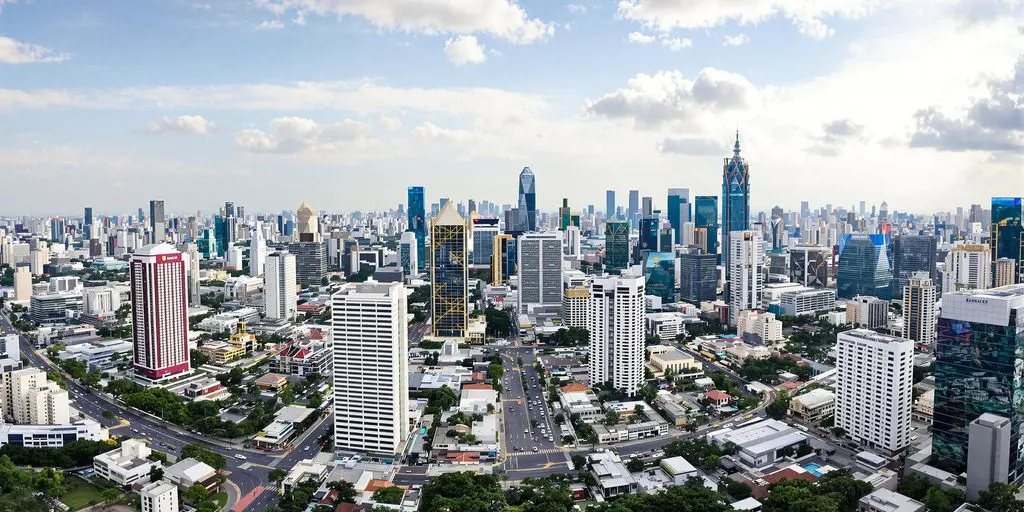
Bangkok’s property market is gearing up for some exciting shifts as 2025 approaches. With new infrastructure projects, a rising focus on sustainability, and evolving buyer trends, there’s a lot to unpack. Whether you’re an investor, a homebuyer, or just curious about the city’s real estate scene, now’s the time to explore the opportunities ahead.
Key Takeaways
- Infrastructure upgrades like new transport links are set to boost property values in key areas.
- Sustainable and smart homes are in high demand as buyers prioritise eco-friendly living.
- Luxury real estate remains strong, with top-notch amenities and green features becoming standard.
- Emerging suburbs near transport hubs are becoming hotspots for investment.
- Tech tools like virtual tours and blockchain are changing how properties are bought and sold.
Infrastructure Developments Shaping Bangkok Real Estate Trends 2025
Expansion of Public Transport Networks
Bangkok’s public transport system is going through a massive transformation. The ongoing expansion of the BTS Skytrain, MRT, and the Airport Rail Link is making it easier than ever to navigate the city. This improved connectivity is opening up previously overlooked neighbourhoods, turning them into prime real estate hotspots. For instance:
- New MRT lines are extending into suburban districts, linking them directly to the city centre.
- The BTS Green Line expansion is expected to benefit areas like Bang Na and Samut Prakan.
- The Airport Rail Link’s integration with other transit systems will make commuting smoother for residents and travellers alike.
Impact of New Highways and Bridges
The construction of new highways and bridges is another game-changer. These projects aim to reduce traffic congestion and cut travel times, benefiting both residential and commercial property markets. Key developments include:
- The Bang Pa-In to Nakhon Ratchasima motorway, which enhances connectivity to the Eastern Economic Corridor.
- New bridges over the Chao Phraya River, linking key districts and easing cross-city travel.
- Upgrades to major roads, making suburban areas more accessible and attractive for families seeking affordable housing.
Connectivity Boost in Suburban Areas
Suburban Bangkok is no longer just a place for cheaper homes; it’s becoming a lifestyle choice. Improved transport links, combined with better road networks, are drawing people to districts farther from the city centre. Areas like Lat Phrao, Nonthaburi, and Bang Na are emerging as investment-worthy zones. Here’s why:
- Affordable property prices compared to central Bangkok.
- Enhanced access to schools, shopping centres, and healthcare facilities.
- A quieter, more spacious environment without sacrificing convenience.
With infrastructure upgrades in full swing, Bangkok’s real estate market is poised for substantial growth in 2025. Whether it’s the city’s heart or its expanding suburbs, opportunities are everywhere.
The Rise of Sustainable and Smart Properties in Bangkok
Demand for Eco-Friendly Housing
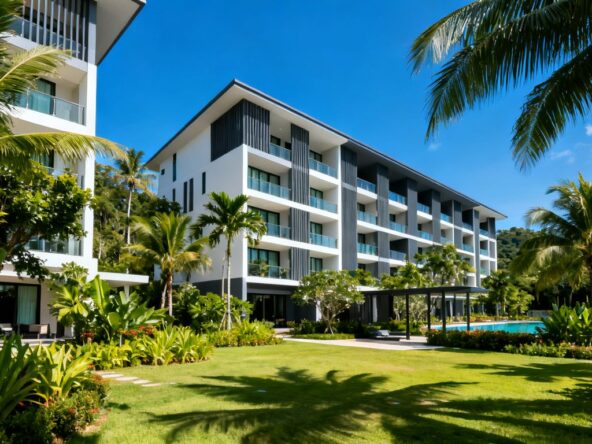
Bangkok’s property market is seeing a shift as eco-conscious buyers push for greener living spaces. Developers are responding with features like solar panels, rainwater harvesting systems, and energy-efficient appliances. Sustainability is no longer a luxury—it’s becoming a standard expectation. These homes often come with lush green spaces, giving residents a connection to nature while promoting biodiversity. Buyers, especially younger ones, are willing to pay a premium for properties that align with their environmental values.
Integration of Smart Home Technologies
Smart homes are no longer futuristic—they’re here, and they’re growing fast in Bangkok. Automated lighting, smart thermostats, and advanced security systems are just some of the tech being built into new properties. Developers are catering to tech-savvy buyers who want homes that simplify their lives while saving energy. For instance, a typical smart condo might include app-controlled lighting and air conditioning, making it easy to manage even when you’re not home. This trend is reshaping buyer expectations across all price ranges.
Energy-Efficient Building Designs
Energy-efficient designs are becoming a hallmark of new developments in Bangkok. From double-glazed windows to better insulation, these features help reduce energy costs while keeping homes comfortable year-round. Some buildings are even incorporating renewable energy sources like solar panels or wind turbines. For property investors, energy-efficient buildings often mean lower operational costs and higher long-term value. In 2025, it’s clear that energy efficiency isn’t just good for the planet—it’s smart business.
Luxury Real Estate: A Growing Segment in 2025
Redefining Luxury with Exclusive Amenities
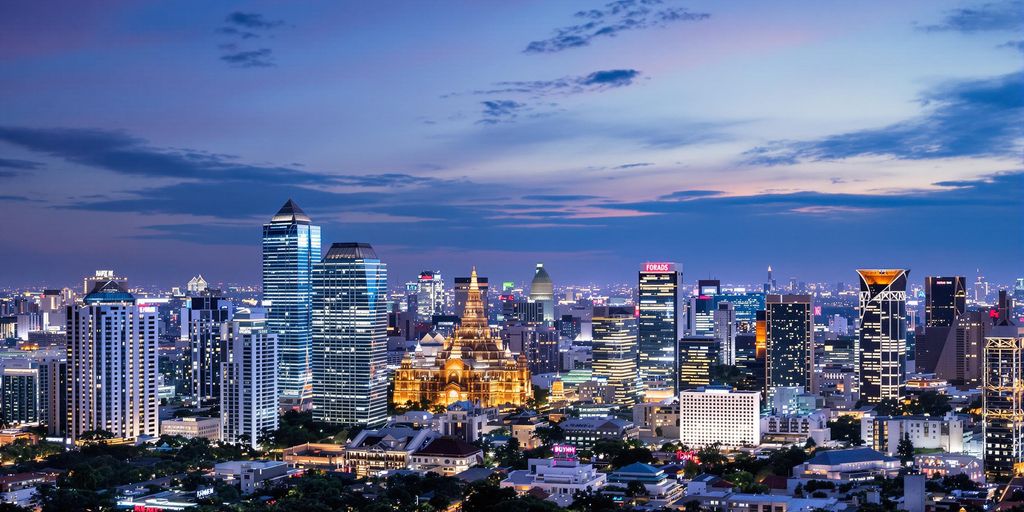
Luxury in Bangkok’s property market is no longer just about high-end finishes or prime locations. It’s about creating an experience. Developers are crafting homes with features like infinity pools, private gyms, and concierge services that cater to every whim. These amenities are designed to offer a resort-like lifestyle, right in the heart of the city. Buyers today are looking for properties that blend opulence with convenience and exclusivity.
High Demand in Prime Locations
Neighbourhoods like Sukhumvit, Silom, and the riverside continue to dominate the luxury market. These areas are not just well-connected; they also boast a vibrant mix of dining, shopping, and entertainment options. High-net-worth individuals, both local and international, are drawn to these locations for their lifestyle appeal and potential for long-term appreciation.
| Area | Key Features | Typical Luxury Property Price (2025) |
|---|---|---|
| Sukhumvit | Dining, nightlife, connectivity | 250,000 – 400,000 THB/sq.m |
| Silom | Business hub, cultural spots | 200,000 – 350,000 THB/sq.m |
| Riverside | Scenic views, exclusive living | 300,000 – 500,000 THB/sq.m |
Sustainability in High-End Properties
The definition of luxury is also evolving to include sustainability and wellness. Many high-end developments now feature green building materials, energy-efficient designs, and air filtration systems. This shift reflects a growing demand for homes that prioritise health and the environment without compromising on style or comfort.
The luxury property market in Bangkok is thriving, but it’s not just about extravagance anymore. Developers are blending sophistication with sustainability, recognising that modern buyers value both indulgence and responsibility.
Emerging Neighbourhoods Offering Investment Potential
Areas Benefiting from New Transport Links
Bangkok’s ever-expanding public transport system is reshaping the city’s property landscape. Neighbourhoods like Kaset Nawamin-Ram Intra and Bang Na-Samut Prakan are now hotspots for property investment, thanks to their improved connectivity. The extension of the BTS Skytrain and new expressways has made these areas more accessible, driving demand for both residential and commercial properties.
Table: Key Neighbourhoods and Transport Developments
| Neighbourhood | Transport Upgrade | Impact on Property Market |
|---|---|---|
| Kaset Nawamin-Ram Intra | BTS Green Line Extension | Increased demand for condos |
| Bang Na-Samut Prakan | Bang Na Expressway Expansion | Growth in residential projects |
| Nonthaburi | MRT Purple Line Connectivity | Rise in mixed-use developments |
Growth in Suburban Property Markets
The rising cost of living in central Bangkok is pushing families and young professionals to explore suburban alternatives. Suburban areas are not only more affordable but also offer larger living spaces, making them attractive for growing families. Locations like Bang Na are seeing a surge in demand, with new housing estates and community-focused developments popping up.
- More space for families
- Affordable pricing compared to the city centre
- Improved quality of life with green spaces and modern amenities
Proximity to Business Hubs
Emerging neighbourhoods near business hubs are another key area of interest. With the growth of decentralised office spaces, areas like Ratchada and Phra Khanong are seeing increased demand. These districts offer a balance of work-life convenience, with easy access to offices, shopping centres, and leisure facilities.
The combination of enhanced connectivity and proximity to workplaces makes these neighbourhoods prime spots for both investors and homebuyers. It’s a win-win for those looking for value and convenience.
Shifting Buyer Preferences in Bangkok Real Estate
Rise of the Rental Market
As property prices in Bangkok continue to rise, many people are turning towards renting instead of buying. This shift is particularly noticeable among millennials and expatriates who value flexibility over long-term commitments. With rental costs in central locations remaining high, developers are now focusing on creating affordable yet high-quality rental options in up-and-coming neighbourhoods.
Millennials and Expatriates Driving Demand
Millennials and expats are shaping the rental market in Bangkok. Their preference for convenience and modern amenities has pushed developers to rethink their offerings. Properties near transit hubs, coworking spaces, and vibrant social areas are becoming hotspots. These groups are not just tenants; they are market influencers driving new trends.
Preference for Flexible Living Options
The demand for flexible living options, like short-term leases and co-living spaces, is growing. Co-living spaces, in particular, appeal to young professionals and digital nomads. They offer affordability, shared amenities, and a sense of community, making them a practical and social choice for many renters.
The Bangkok rental market in 2025 reflects a shift in priorities—flexibility, affordability, and lifestyle alignment now take precedence over traditional property ownership.
| Key Trends in 2025 | Description |
|---|---|
| Rental Popularity | Increasing shift from ownership to renting, especially among younger demographics. |
| Suburban Growth | Rising demand for rentals in suburban areas with good transport links. |
| Co-Living Spaces | More co-living developments targeting expats and young professionals. |
For more context on the challenges in Bangkok’s housing market, especially the recent declines, see Thailand’s overall residential market index.
Technological Innovations Transforming Property Transactions
Virtual and Augmented Reality Tours
Imagine being able to “walk through” a property without leaving your sofa. Virtual reality (VR) and augmented reality (AR) technologies are transforming how properties are marketed and explored in Bangkok. Developers and agents are now using VR to create immersive tours, allowing potential buyers or tenants to experience a property as if they were physically there. AR adds another layer, letting users visualise how furniture or design changes could look in a room. This tech is especially useful for off-plan properties, giving a clear sense of space and layout before construction is even complete.
Online Property Platforms
Gone are the days when people relied solely on visiting real estate offices. Online platforms are making it easier than ever to browse, compare, and even negotiate property deals. These platforms often include detailed philtres for price, location, and amenities, streamlining the search process. Some even integrate chatbots or AI-driven assistants to answer questions in real time. This digital shift not only saves time but also makes property transactions more transparent and accessible.
Blockchain for Secure Transactions
Blockchain technology is stepping in to handle one of the trickiest parts of property transactions: trust. By using blockchain, every step of a deal—from initial interest to final payment—is recorded in an immutable ledger. This ensures transparency and reduces the risk of fraud. Additionally, smart contracts can automate procedures like deposit releases and ownership transfers, speeding up the entire process. While still in its early stages in Bangkok, blockchain is expected to play a bigger role in the coming years.
The integration of technology in property transactions isn’t just a convenience; it’s becoming a necessity in Bangkok’s fast-evolving real estate market.
Government Policies and Incentives Impacting the Market
Tax Benefits for Foreign Investors
The Thai government is making it easier for foreign investors to enter the property market. By introducing tax incentives, such as reduced property transfer and mortgage registration fees, the aim is to attract international buyers. These measures not only make Bangkok properties more appealing but also boost overall market competitiveness. Foreign investors are increasingly drawn to Bangkok due to these favourable tax conditions.
Affordable Housing Initiatives
Addressing the growing demand for budget-friendly housing, the government has allocated a substantial THB 20 billion for affordable housing schemes. This programme focuses on creating a variety of housing options, including condos and detached homes, for low-income earners. Key initiatives include:
- Cutting fees for property transactions to encourage development.
- Collaborating with private firms to expand affordable housing projects.
- Prioritising developments in urban and suburban areas where demand is highest.
Affordable housing isn’t just about providing homes; it’s about creating opportunities for those who need them most.
Streamlined Property Ownership Regulations
Efforts have been made to simplify property ownership laws, particularly for foreigners. Changes in regulations aim to reduce bureaucratic hurdles, making the process quicker and more transparent. This streamlined approach is expected to encourage more international investments and partnerships in Bangkok’s real estate market.
Economic and Tourism Growth Driving Real Estate Demand
Impact of GDP Growth on Property Investments
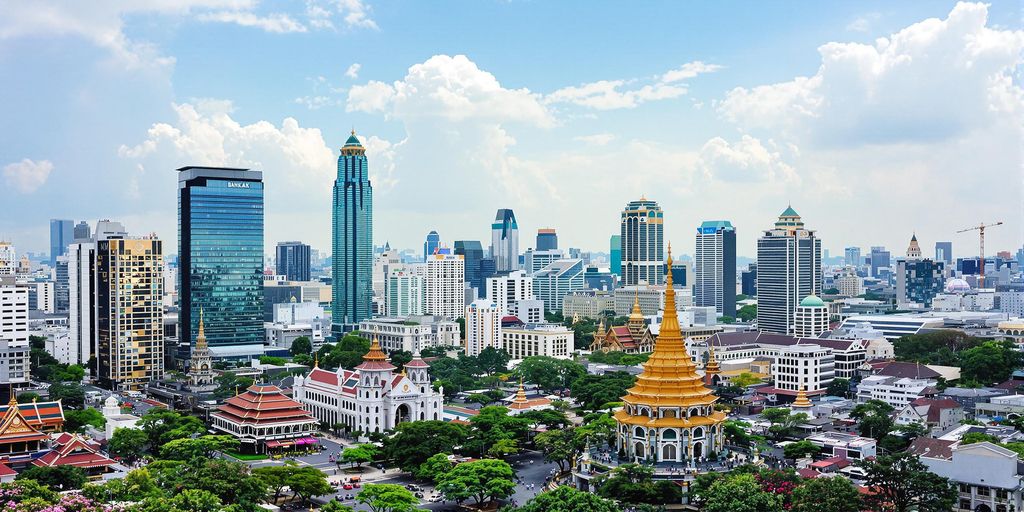
Thailand’s economy is projected to grow steadily, with a forecasted GDP increase of 3.6% in 2025. This economic momentum is creating a ripple effect on Bangkok’s property market. A growing middle class and rising purchasing power are fuelling demand for both residential and commercial real estate. Investors see this as a prime opportunity to diversify portfolios, especially with low-interest rates making financing more accessible.
Key drivers of property investment:
- A surge in domestic demand for housing.
- Increased interest from international buyers, particularly from Asia.
- Government policies encouraging property purchases.
Tourism’s Role in Short-Term Rentals
Bangkok continues to solidify its position as a global tourism hotspot, expecting over 40 million international visitors in 2025. This influx of travellers has significantly boosted the short-term rental market, with serviced apartments and holiday homes seeing high occupancy rates. Property owners are capitalising on this trend by offering flexible, well-located accommodations.
Here’s a quick look at the numbers:
| Metric | 2024 | 2025 (Projected) |
|---|---|---|
| Tourist Arrivals | 35.5M | 40M |
| Hotel Occupancy Rate | 74.8% | 77% |
| Average Daily Rate (Baht) | 4,201 | 4,300 |
The tourism boom isn’t just about numbers; it’s reshaping how investors approach property, with a clear focus on short-term rental yields.
Urbanisation Trends in Bangkok
Bangkok’s urban landscape is evolving rapidly. The city continues to attract people from rural areas, driving demand for housing and infrastructure. This urban migration has led to a spike in suburban developments, as families and businesses seek more affordable yet connected locations. Developers are responding with mixed-use projects that combine residential, retail, and office spaces to meet diverse needs.
Opportunities in Bangkok’s Commercial Real Estate Sector
Demand for Office Spaces in Emerging Districts
Bangkok’s ongoing urban growth is creating new commercial hotspots. Districts like Bang Na and Lat Phrao, already benefiting from enhanced transport links, are seeing a surge in demand for office spaces. Businesses are drawn to these areas due to lower rents compared to central business districts and improved connectivity. This trend is expected to continue as infrastructure projects, such as the expansion of the MRT and BTS lines, make these districts even more accessible.
Growth of Co-Working Spaces
The shift towards flexible working arrangements has driven the popularity of co-working spaces. Entrepreneurs, freelancers, and even established companies are opting for these setups due to their adaptability and cost-efficiency. In 2025, co-working operators are likely to expand their presence, particularly in suburban areas where demand is growing. Key features like high-speed internet, shared facilities, and community networking opportunities make these spaces highly attractive.
Retail Property Trends in 2025
Retail spaces in Bangkok are evolving to meet the changing demands of consumers. Mixed-use developments, which combine shopping, dining, and leisure activities, are becoming the norm. Developers are focusing on creating experiential retail environments to attract foot traffic. For example, integrating green spaces and interactive elements into malls is a growing trend. Additionally, suburban retail centres are gaining traction as urban sprawl continues.
Health and Wellness Features in Modern Properties
Incorporation of Air Filtration Systems
Air quality is now a top priority for homebuyers in Bangkok. With rising concerns about urban pollution, developers are stepping up by integrating advanced air filtration systems into modern properties. These systems don’t just philtre out dust; they tackle allergens, pollutants, and even bacteria. Some high-end developments are offering centralised air purification systems for entire buildings, ensuring clean air in every corner. For families, this feature has become a key selling point, especially in areas with heavy traffic congestion.
Natural Lighting and Green Spaces
Natural light and greenery are no longer just “nice-to-haves”—they’re becoming essentials. Homes are being designed with larger windows, open layouts, and skylights to maximise sunlight. Beyond that, green spaces are being incorporated into urban residential projects, from rooftop gardens to vertical walls covered in plants. These features don’t just look good; they help reduce stress, improve mental health, and even lower energy costs by reducing the need for artificial lighting.
Focus on Well-Being-Oriented Designs
Properties are increasingly being built with well-being in mind. This includes fitness amenities like yoga decks, walking trails, and even meditation rooms within residential complexes. Developers are also focusing on ergonomic interiors—think adjustable workstations and furniture designed to support good posture. Some projects even go a step further by incorporating wellness centres offering health consultations, spa treatments, and nutrition advice on-site.
Modern living in Bangkok is no longer just about location or size—it’s about how a property can improve your quality of life. Wellness features are no longer optional; they’re becoming the new standard for urban homes.
The Role of Foreign Investment in Bangkok Real Estate
Attraction of International Buyers
Foreign investors have long been drawn to Bangkok’s property market, thanks to its mix of affordability, modern infrastructure, and cultural appeal. Chinese investors, for instance, have been key players, contributing billions of baht annually. Their focus often lies in new residential projects and developments near tourist hotspots. Other countries, like Japan and Singapore, also play a significant role, particularly in high-end condominiums and commercial properties.
Impact of Regional Investors
Neighbouring countries in Southeast Asia, such as Malaysia and Vietnam, are increasingly participating in Bangkok’s real estate scene. Regional investors often look for opportunities in suburban areas, where infrastructure projects like the expansion of the MRT and BTS lines are opening up new possibilities. These developments make properties more accessible and attractive for long-term growth.
Foreign Ownership Regulations
Thailand’s property laws allow foreigners to own up to 49% of a condominium building, but land ownership remains restricted. However, recent government discussions suggest potential reforms to make foreign investments easier. Tax incentives and streamlined regulations are already in place to draw more international attention. These measures aim to balance local and foreign interests while boosting overall market activity.
Foreign investment plays a big part in the real estate market in Bangkok. It helps to boost the economy and creates more job opportunities. Many people from different countries are looking to buy property in this vibrant city, which makes it an exciting place for investors. If you’re interested in exploring the Bangkok real estate market, visit our website to find out more about the best investment opportunities available!
Conclusion
Bangkok’s property market in 2025 is shaping up to be an exciting mix of opportunities and challenges. With infrastructure upgrades, a growing interest in sustainable living, and the rise of smart homes, the city is clearly evolving to meet modern demands. Whether you’re eyeing a luxury condo in the heart of Sukhumvit or considering rental properties in emerging suburbs, there’s something for every investor and homebuyer. But, as always, it’s important to do your homework and stay updated on market trends. The city’s dynamic nature means things can change quickly, so keeping an eye on the latest developments is key. All in all, Bangkok remains a promising destination for those looking to make their mark in real estate.