
Watch This Episode: Our Phuket Real Estate Podcast
Our podcast covers all the topics for property investors looking at buying real estate in Thailand.
Phuket, with its stunning beaches and vibrant culture, is a dream destination for many. If you’re thinking about buying a holiday home in Phuket, there’s more to the process than just picking a beautiful property. From legal rules to financial planning, it’s important to consider all aspects before making such an investment. This guide breaks it all down for you.
Key Takeaways
- Foreigners can’t directly own land in Phuket, but there are ways to structure ownership legally.
- Choosing the right location involves balancing proximity to beaches, safety, and seasonal weather patterns.
- Be prepared for additional costs like legal fees, maintenance, and currency exchange impacts.
- Phuket offers a variety of property types, from luxury villas to eco-friendly designs.
- Understanding the real estate market trends can help you make a smarter investment decision.
Understanding the Legalities of Buying Property in Phuket
Foreign Ownership Laws and Restrictions
Buying property in Thailand, particularly in Phuket, comes with its own set of rules. Foreigners cannot directly own land, but there are legal ways to invest in property. For instance:
- You can purchase a condominium, as Thai law allows up to 49% foreign ownership in condominium complexes.
- Leasehold agreements are another option, often lasting up to 30 years with the possibility of renewal.
- Setting up a Thai company to hold the land is a method some choose, but this requires thorough legal guidance to ensure compliance with Thai laws.
It’s essential to understand these restrictions to avoid legal complications later on.
Navigating the Property Purchase Process
The process of buying property in Phuket involves several steps. Here’s a basic roadmap:
- Engage a lawyer: A local legal expert familiar with Thai property laws is crucial.
- Conduct due diligence: This includes title deed verification to ensure the property is free from disputes.
- Sign agreements: You’ll typically need to sign a reservation agreement followed by a sales and purchase agreement.
- Transfer ownership: This is done at the local Land Office, where transfer fees and taxes are settled.
Being thorough during each step can save you from future headaches.
The Role of Legal Advisors in Phuket
Hiring a legal advisor isn’t just a recommendation; it’s often a necessity. A lawyer can:
- Verify property ownership and title deeds.
- Explain zoning laws and restrictions.
- Assist with contracts, ensuring they comply with Thai law.
Having an experienced legal professional by your side can make the difference between a smooth transaction and a costly mistake.
In Phuket, the property market is vibrant, but it can also be complex. Understanding the legalities and involving the right professionals ensures your investment is secure.
Choosing the Perfect Location for Your Holiday Home
Proximity to Beaches and Amenities
When it comes to Phuket, one of the first things to think about is how close you want to be to the beach. Some areas, like Patong, are bustling with tourists and nightlife, while others, such as Mai Khao or Karon, offer a quieter, more relaxed vibe. Being near key amenities like shops, restaurants, and hospitals can make your stay more convenient, especially if you plan on spending extended periods there. Make a list of what matters most to you—whether it’s a short walk to the beach or easy access to local markets.
Evaluating Neighbourhood Safety and Security
Safety is another big factor. Phuket is generally safe, but some areas are more secure than others. Look for neighbourhoods with gated communities or properties with 24/7 security services. It’s also worth asking around about the local vibe—how do residents feel about the area? If you’re planning to rent out your property, safety features like CCTV or private guards could also make it more appealing to potential tenants.
Considering Climate and Seasonal Factors
Phuket’s tropical climate is part of its charm, but it’s not all sunshine and rainbows. The monsoon season, which runs roughly from May to October, can bring heavy rains and occasional flooding. If you’re planning to use your holiday home during certain times of the year, make sure you’re aware of how the weather might affect your plans. Some areas are more prone to flooding than others, so it’s worth doing a bit of research before you buy. For example, higher-elevation properties may offer better protection against seasonal weather challenges.
Take your time when choosing a location. It’s not just about the property itself but also the lifestyle and convenience it offers. A little extra research now can save you from regrets later.
Financial Considerations for Buying a Holiday Home in Phuket
Initial Costs and Hidden Expenses
When buying a holiday home in Phuket, the purchase price is just the beginning. You’ll also need to account for additional costs such as:
- Taxes and Fees: These include transfer fees, stamp duty, and specific taxes associated with property purchases in Thailand.
- Legal Expenses: Hiring a lawyer to ensure the transaction is smooth and compliant with local laws is highly recommended.
- Insurance: Comprehensive property insurance is essential, especially in a region prone to tropical storms. Premiums can vary depending on your property’s location and value.
- Utilities and Maintenance: Monthly costs for services like electricity, water, internet, and general upkeep can add up quickly.
Currency Exchange and Financial Planning
For foreign buyers, dealing with currency exchange is an unavoidable part of the process. Fluctuating exchange rates can significantly affect the overall cost of your investment. It’s wise to:
- Work with a financial advisor to hedge against currency risks.
- Open a Thai bank account to simplify transactions and reduce fees.
- Consider the long-term financial implications, such as mortgage repayments or future renovations.
Pro tip: Planning your finances carefully can save you from unexpected financial stress down the line.
Potential for Rental Income and ROI
Owning a holiday home in Phuket isn’t just about personal use; it can also be a lucrative investment. Here’s what to consider:
- High Tourist Demand: Phuket attracts millions of visitors annually, particularly during peak seasons, offering excellent rental potential.
- Seasonal Variability: While rental income can be substantial in high season, the off-season might bring challenges in finding tenants.
- Management Costs: If you’re not local, hiring a property management service to handle bookings, maintenance, and guest communication is often necessary. This will eat into your profits but can ensure a hassle-free experience.
For more insights into purchasing property in Phuket, understanding these financial aspects is key to making a well-informed decision.
Exploring Property Types and Features in Phuket
Luxury Villas vs. Condominiums
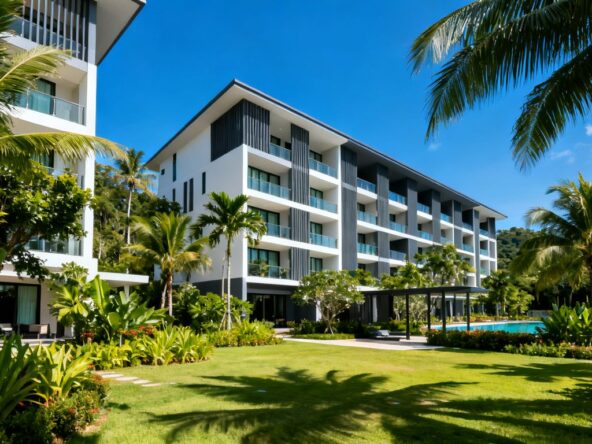
When it comes to property types in Phuket, the choice often boils down to luxury villas or condominiums. Villas are perfect for those seeking privacy and space, often featuring private pools, gardens, and expansive living areas. They’re ideal for families or groups who want a home-away-from-home vibe. Condominiums, on the other hand, are more compact and typically come with shared amenities like gyms, swimming pools, and 24-hour security. Condominiums are also the only property type that allows foreigners to own freehold titles directly, making them a popular choice for international buyers.
Here’s a quick comparison:
| Feature | Luxury Villas | Condominiums |
|---|---|---|
| Ownership | Leasehold or Thai company setup | Freehold (foreign quota) |
| Amenities | Private pools, gardens | Shared facilities |
| Maintenance | Higher upkeep costs | Lower upkeep costs |
| Price Range | Typically higher | More affordable options |
Essential Amenities to Look For
Whether you’re eyeing a villa or a condo, certain amenities can make or break your experience. Look for properties with reliable water and electricity supply, as these are crucial in tropical climates. Gated communities often provide added perks like security, maintenance services, and recreational facilities. For condos, proximity to shops and public transport can be a big plus, while villas might benefit from having ample parking and storage space.
Key amenities to consider:
- High-speed internet and modern utilities
- Security features like CCTV and guards
- Proximity to essential services (hospitals, schools, markets)
Eco-Friendly and Sustainable Options
Sustainability is becoming increasingly important in Phuket’s real estate market. Developers are now integrating eco-friendly features like solar panels, rainwater harvesting systems, and energy-efficient appliances. Opting for a sustainable property not only reduces your carbon footprint but can also lower long-term operating costs. Some properties even offer green spaces or are built using environmentally responsible materials, blending luxury with sustainability.
Choosing a property with eco-friendly features is not just about being kind to the planet—it’s a smart investment in the future of Phuket’s growing eco-tourism market.
For a diverse range of properties, including condominiums, townhouses, and villas, Phuket offers options to suit every lifestyle and budget.
Managing Your Holiday Home Investment
Ongoing Maintenance and Upkeep
Owning a holiday home isn’t just about enjoying the sunshine and ocean views—there’s also the nitty-gritty of keeping the property in good shape. Regular maintenance is a must, especially in a tropical climate like Phuket where humidity can wreak havoc on buildings. From plumbing to pest control, minor issues can quickly become major headaches if not addressed.
- Schedule routine inspections for plumbing, electrical systems, and roofing.
- Keep an eye on air conditioning units—they work overtime in Phuket’s heat.
- Don’t forget the garden! Tropical plants grow fast and can take over if left unchecked.
Insurance and Risk Management
No one likes to think about worst-case scenarios, but having the right insurance can save you from a financial nightmare. Make sure your policy covers natural disasters like floods or storms, which are not uncommon in Phuket. Also, check whether your insurance includes liability coverage in case a guest gets injured on your property.
Here’s a simple breakdown of common insurance types:
| Insurance Type | What It Covers |
|---|---|
| Property Insurance | Damage from natural disasters, fire, theft |
| Liability Insurance | Injuries to guests or visitors |
| Rental Income Coverage | Loss of income if the property becomes unusable |
Leveraging Property Management Services
If the thought of handling all these responsibilities makes you sweat, you’re not alone. Many owners in Phuket turn to property management companies to handle the day-to-day. A good service will take care of maintenance, rent collection, and even marketing your home as a holiday rental. Inter Property Phuket is one such company that offers tailored solutions to make ownership stress-free.
- They can coordinate repairs and maintenance.
- Handle tenant issues if you’re renting the property out.
- Market your property to maximise rental income.
Owning a holiday home can be as rewarding as it is challenging. By planning ahead and getting the right support, you can enjoy your investment without constant stress.
Understanding Phuket’s Real Estate Market Trends
Current Property Price Trends
Phuket’s property market offers something for every budget, from high-end beachfront villas to more affordable condos slightly inland. Prices for prime properties, especially along the coast, tend to be higher, but there’s still value to be found in emerging neighbourhoods. As of 2024, real estate prices in Phuket have shown steady growth, with residential property values increasing by an estimated 10-15% annually. Here’s a quick look at the price range:
| Property Type | Price Range (2024) |
|---|---|
| Beachfront Villas | $1M – $5M+ |
| Condominiums | $100K – $500K |
| Inland Villas | $300K – $1M+ |
Impact of Tourism on Real Estate
Tourism remains a driving force behind Phuket’s real estate market. With millions of visitors annually, the demand for both short-term rentals and long-term accommodations has surged. This has made Phuket an attractive spot for investors looking to capitalise on rental income. The return of Chinese tourists and growing interest from European buyers are expected to push demand even higher. Additionally, the island’s growing reputation as a wellness and retirement destination adds another layer of appeal.
Future Growth and Development Projections
Looking ahead, Phuket is poised for continued growth. Major infrastructure projects, such as airport expansions and new road developments, are set to improve connectivity and accessibility. Additionally, ongoing investments in hospitality and retail sectors signal a bright future for the island’s real estate landscape. Experts predict a sustained rise in property values, making now an opportune time to consider investing in Phuket’s real estate market.
Phuket’s unique blend of natural beauty, cultural richness, and economic activity makes its real estate market a standout choice for both lifestyle and investment purposes.
Wrapping It Up
So, there you have it—buying a holiday home in Phuket is no small feat, but it’s definitely doable with the right preparation. From understanding the legal ins and outs to budgeting for hidden costs, there’s a lot to think about. But if you take your time, do your research, and maybe get some expert advice, you could end up with your own little slice of paradise. Whether it’s for personal use, rental income, or a mix of both, owning a home in Phuket can be a rewarding experience. Just remember, it’s not all sunshine and beaches—there’s work involved too. But hey, isn’t that true for anything worth having?
Frequently Asked Questions
Can foreigners legally own property in Phuket?
Foreigners cannot directly own land in Phuket, but they can own buildings, such as a villa or condominium. Alternatively, they can lease land for up to 30 years or set up a Thai company to hold the land.
What are the main costs involved in buying a holiday home in Phuket?
Besides the purchase price, buyers should budget for legal fees, taxes, registration costs, and ongoing expenses like maintenance, utilities, and insurance.
Which areas in Phuket are best for buying a holiday home?
Popular locations include Patong for nightlife, Kata for family-friendly beaches, and Laguna for luxury living. Choose a location based on your lifestyle and preferences.
Is it possible to rent out my holiday home when I’m not using it?
Yes, many owners rent out their holiday homes to tourists. Phuket’s thriving tourism industry makes it a great option for generating rental income.
Do I need a lawyer to buy property in Phuket?
It’s highly recommended to hire a lawyer to ensure all legal aspects are properly handled, especially with foreign ownership laws and contracts.
What should I look for when choosing a property in Phuket?
Consider factors like proximity to beaches, safety of the neighbourhood, availability of amenities, and the property’s potential for rental income or future resale.