

Notes on the island & its market
Neighbourhood guides, market intelligence and plain-English buyer education from the Ocean Worldwide team — written for the international Phuket property buyer.
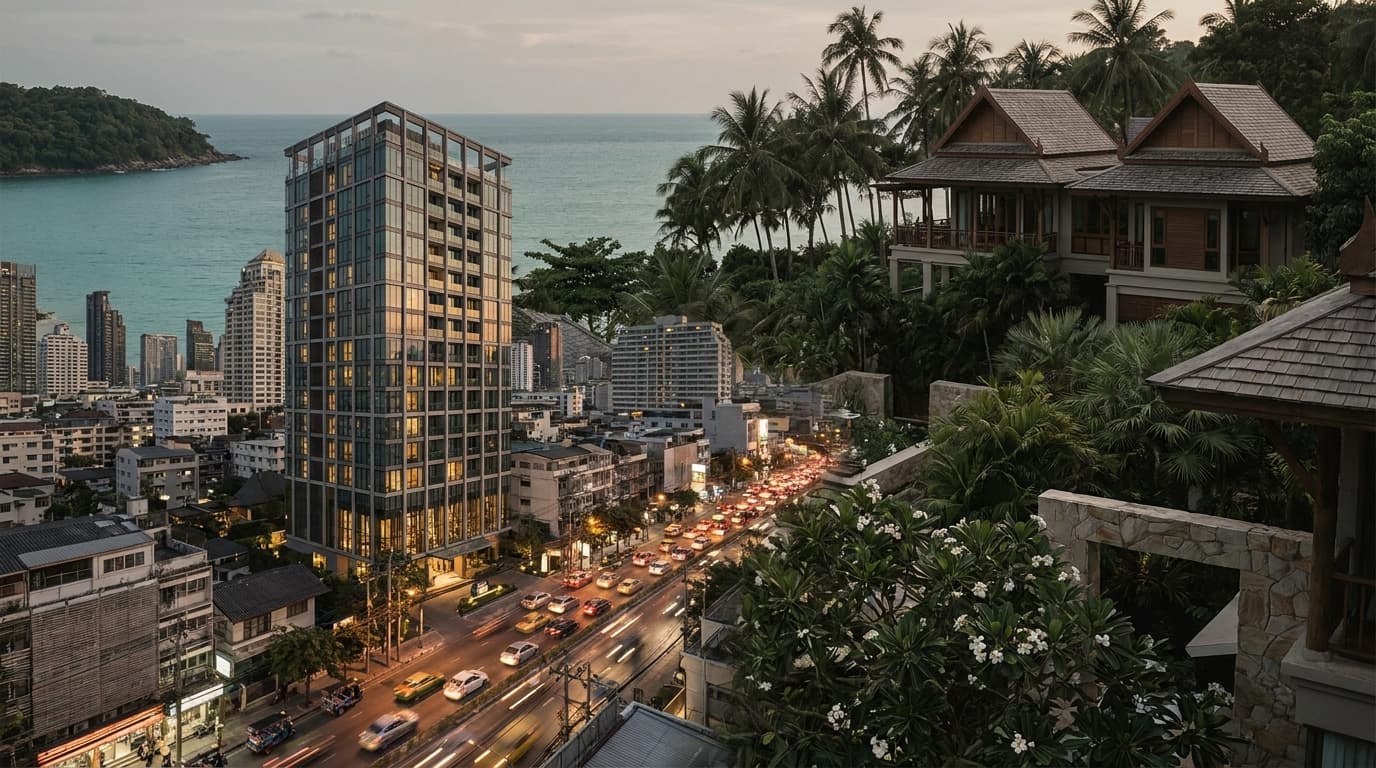
Bangkok Condo Prices Drop Below ฿100k/sqm — Why It Matters
When Bangkok developers cut launch prices, it signals more than weak local demand. For Phuket property buyers, the shift highlights where investor confidence is moving and how pricing may adjust.
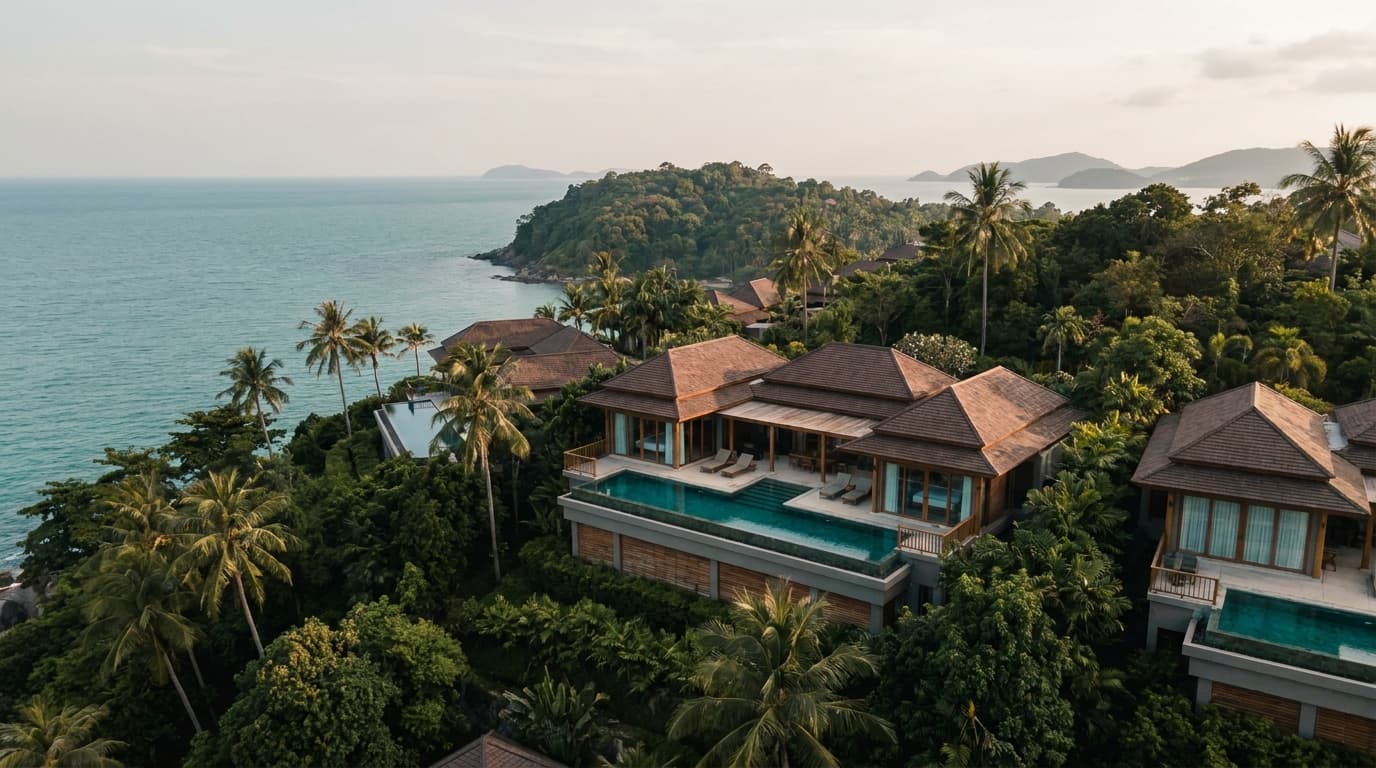
What Knight Frank's Data Shows About Phuket Villas
Knight Frank Thailand has released its latest Phuket villa and condominium market overview, offering fresh data on what happened in 2023 and what buyers are facing now.
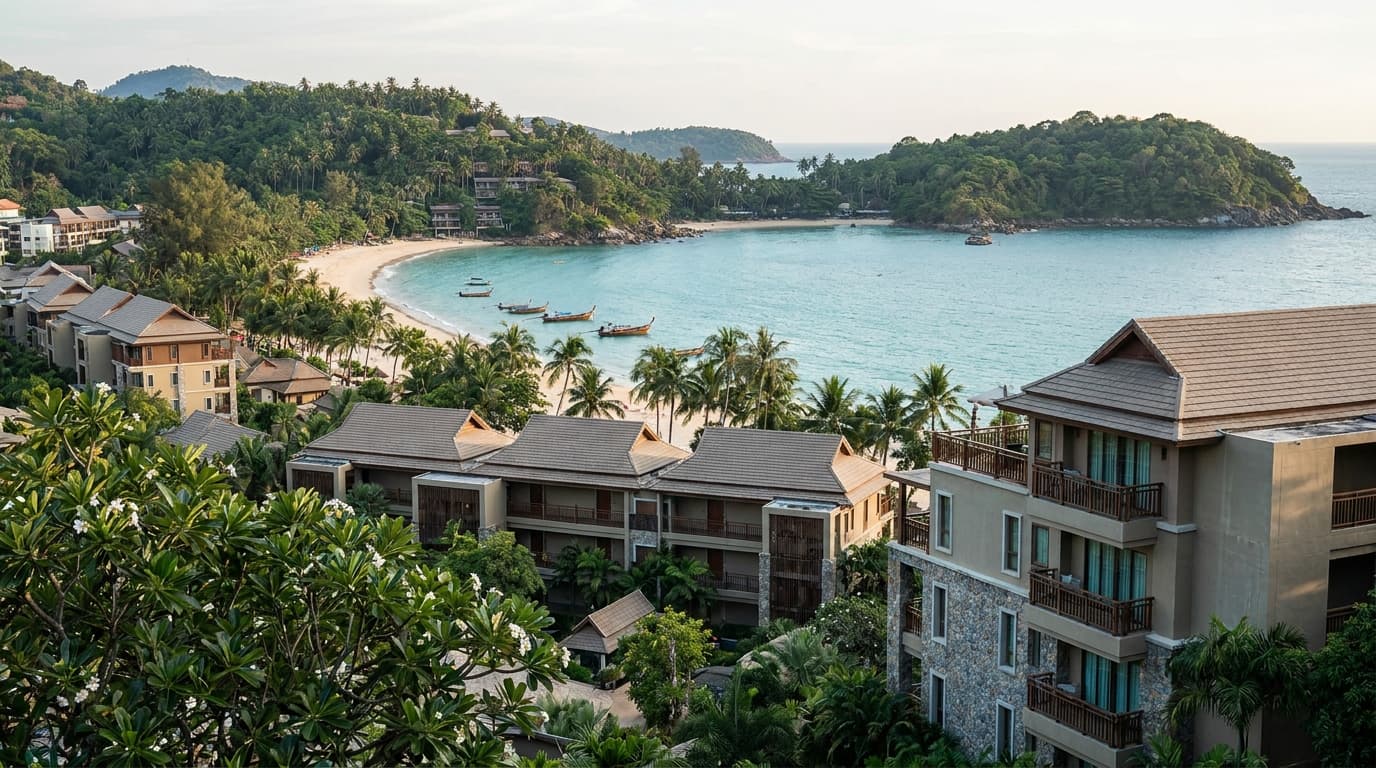
Marriott's 7-Hotel Thailand Push: What It Means for Phuket
When a global hotel group commits 1,200 keys across Bangkok, Pattaya and Phuket, the announcement carries weight beyond hospitality. For property buyers and landlords, the detail worth noting is scale.
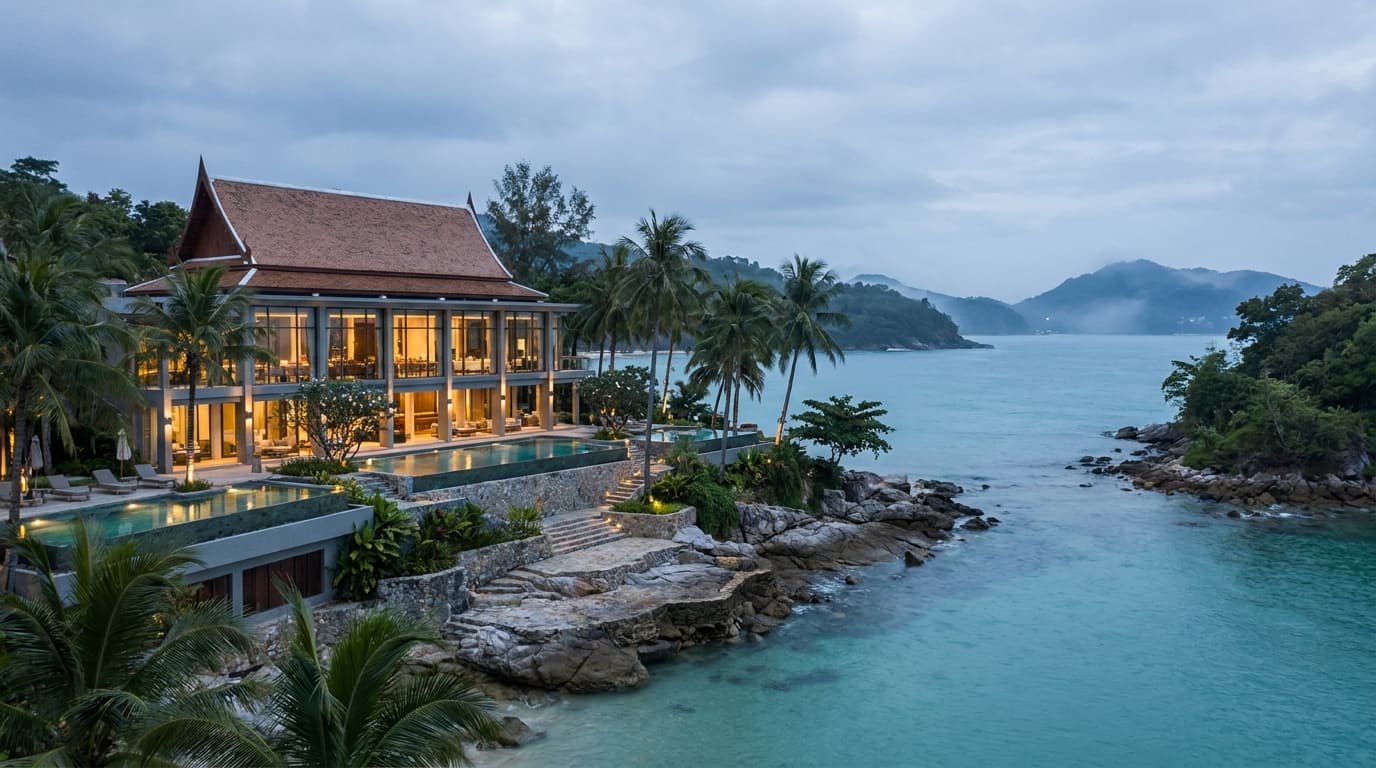
What Phuket Hotel Occupancy Means for Property Returns
Hotel occupancy and room rates tell a clear story about tourism demand—and that demand shapes what investors can expect from Phuket rental property.

How Much Does It Cost to Buy a House in Thailand in 2026?
Buying property in Thailand is genuinely achievable for international buyers, but the cost picture is more nuanced than any single headline figure. Prices vary enormously depending on location, property type, ownership structure, and whether you are buying from a developer or on the secondary market.

Phuket airport rolls out automated passport lanes for foreign buyers
Phuket International introduces automated passport lanes for repeat visitors and Long-Term Residence holders — a small change that meaningfully shortens the trip for international owners.
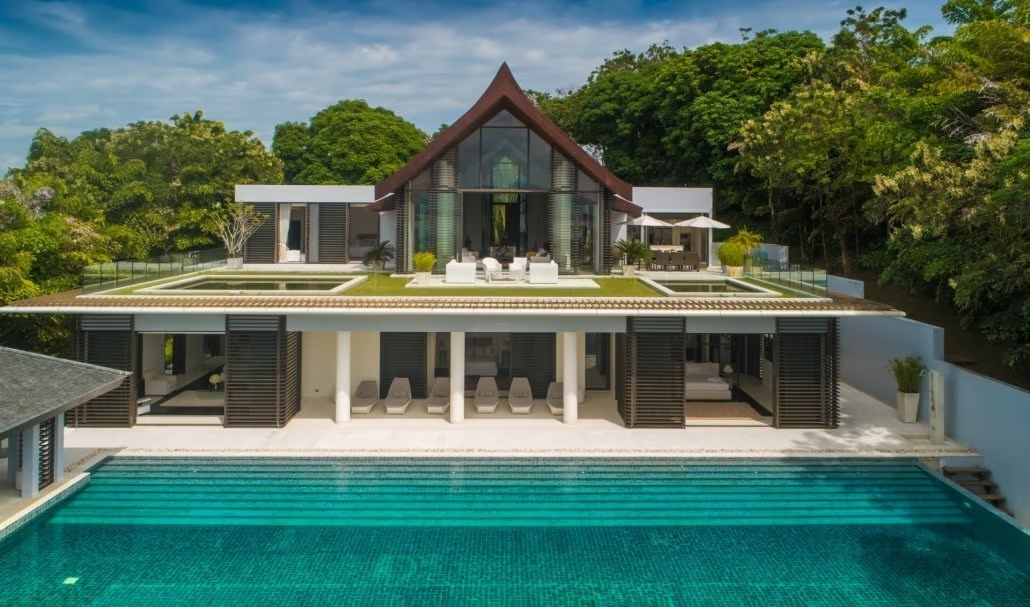
A buyer's due-diligence framework for Phuket
Navigate Phuket's property market with confidence — the checks every international buyer should make before they commit.
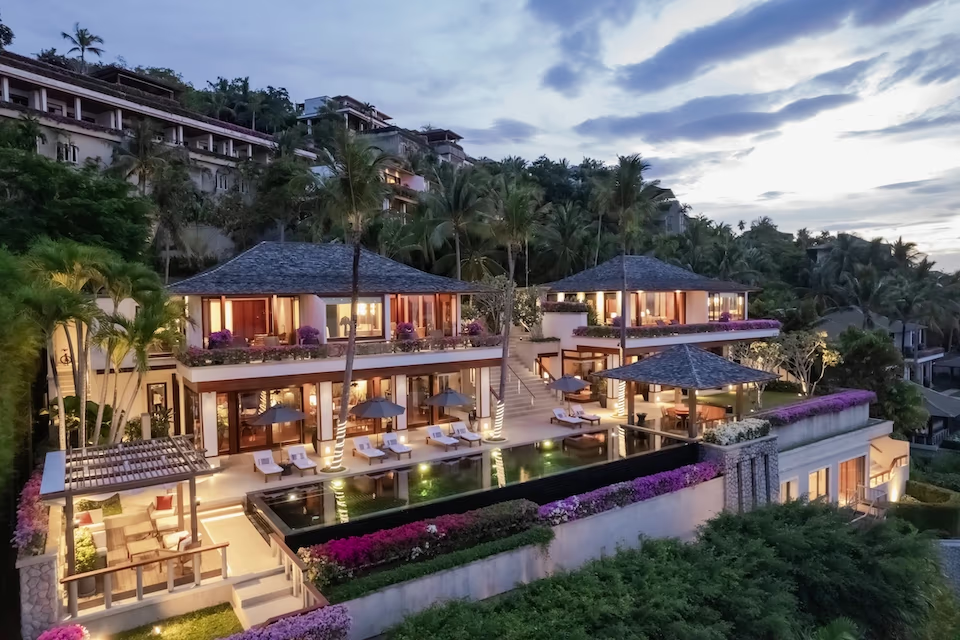
Phuket's luxury market and a wave of record launches
A significant boom in the luxury sector, marked by record-breaking branded residences along the west coast.
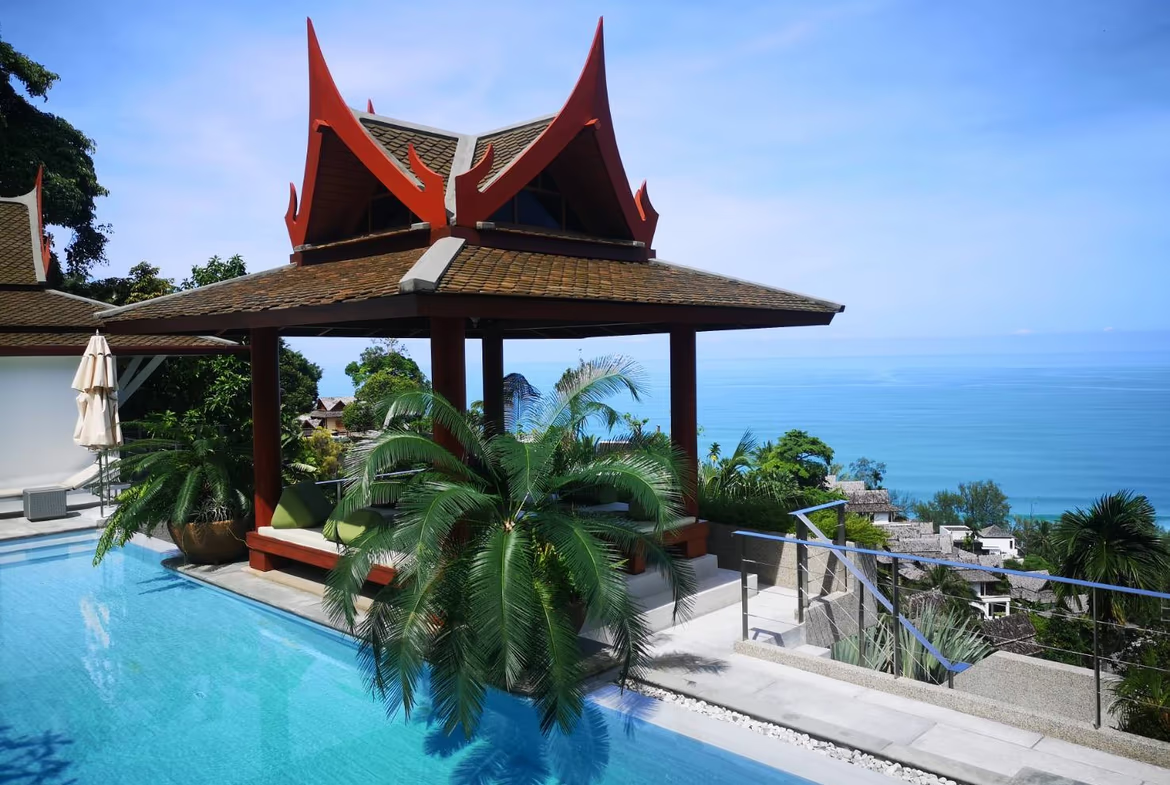
Inside the crackdown on nominee schemes
What renewed scrutiny on foreign ownership structures means for buyers right now — and how to stay on the right side of it.
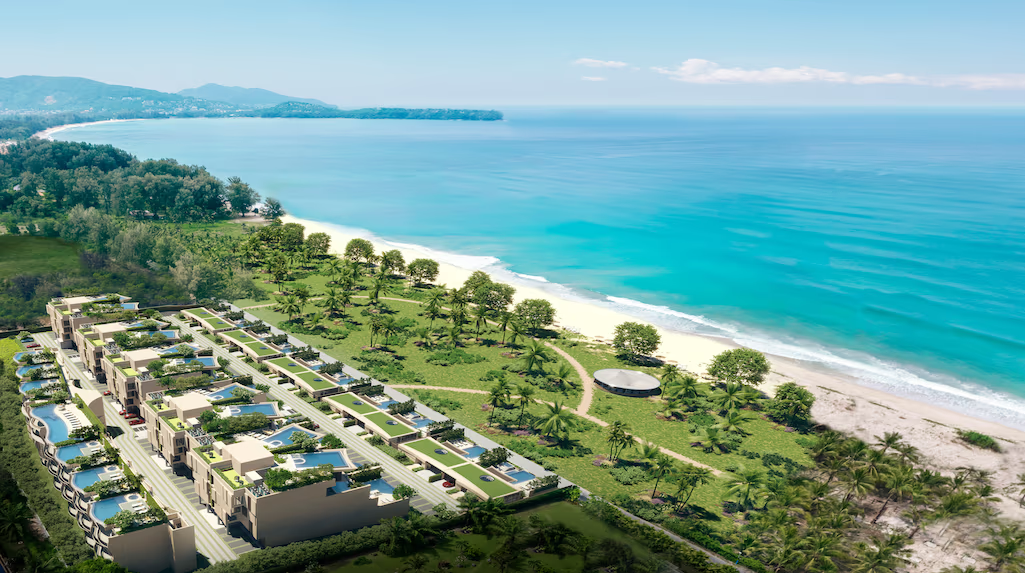
Bang Tao, end to end: an area guide
Phuket's busiest beach is also one of its most liveable corners — international schools, Laguna, Boat Avenue, and a stretch of villas the rest of the island envies.

Phuket property investment in 2026: what's actually working
Rental yields, capital appreciation, and the asset classes we'd choose if we were investing fresh in Phuket today.
Foreign ownership in Thailand, explained without the jargon
The two honest paths — freehold condominiums and registered leasehold villas — set out plainly.

A guide to the buying process for international buyers
From first enquiry to handover — the actual steps of buying property in Phuket from abroad, with the timing and the surprises laid out plainly.

Thai Residency Through Phuket Property: What Works, What Doesn’t
Thinking about buying property in Phuket but worried about the legal stuff? You’re not alone. Foreigners often find the process a bit tricky because of Thailand’s unique property laws. But don’t worry, with some research and the right help, you can own a piece of this paradise without any legal…

Safely Transferring Money to Thailand for Your Property Purchase
Buying property in Thailand is exciting, but getting your money there safely needs some thought. You can’t just send cash; there are rules, especially for foreigners. This guide helps you understand the process for transferring money to Thailand for property, so your purchase goes smoothly and your…

Phuket’s ‘Millionaire’s Mile’: Inside the Most Exclusive Properties
Phuket’s ‘Millionaire’s Mile’ is a stretch of coastline that really grabs your attention. It’s where some of the most impressive homes on the island are found, offering serious luxury and amazing views. If you’re curious about what makes these properties so special, who buys them, and how they’re…
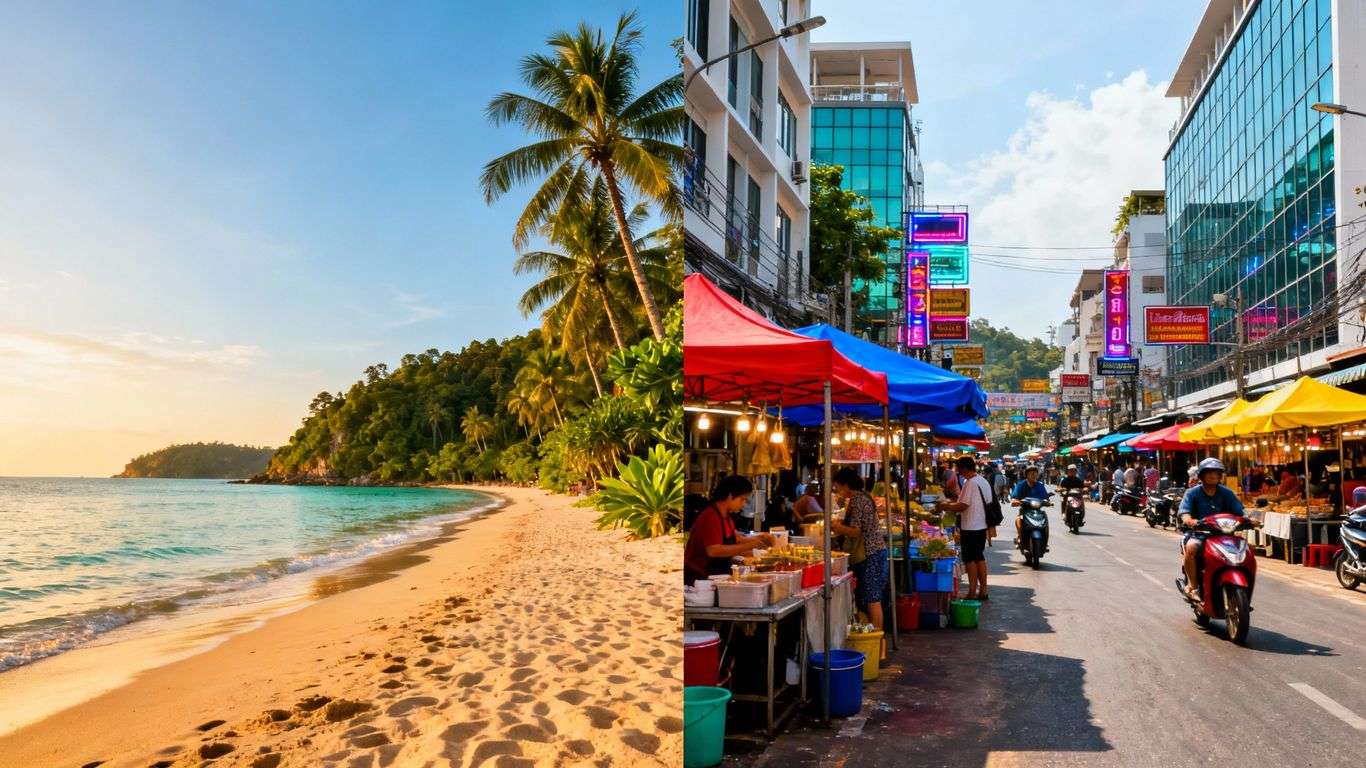
Phuket North vs South: Which Region Offers More Value?
Deciding where to plant your roots or book your next holiday in Phuket can feel like a big choice. It’s not just about picking a beach; it’s about choosing a whole vibe. Phuket is split into two main areas, the North and the South, and they really do offer different experiences. Whether you’re…

Phuket’s Most Expensive Areas: Where Millionaires Buy
Phuket is a place many people dream of visiting, and for some, it’s a place they can afford to call home. When we talk about the most expensive areas in Phuket, we’re really looking at where the super-rich decide to park their money and build their holiday pads. It’s not just about a nice view,
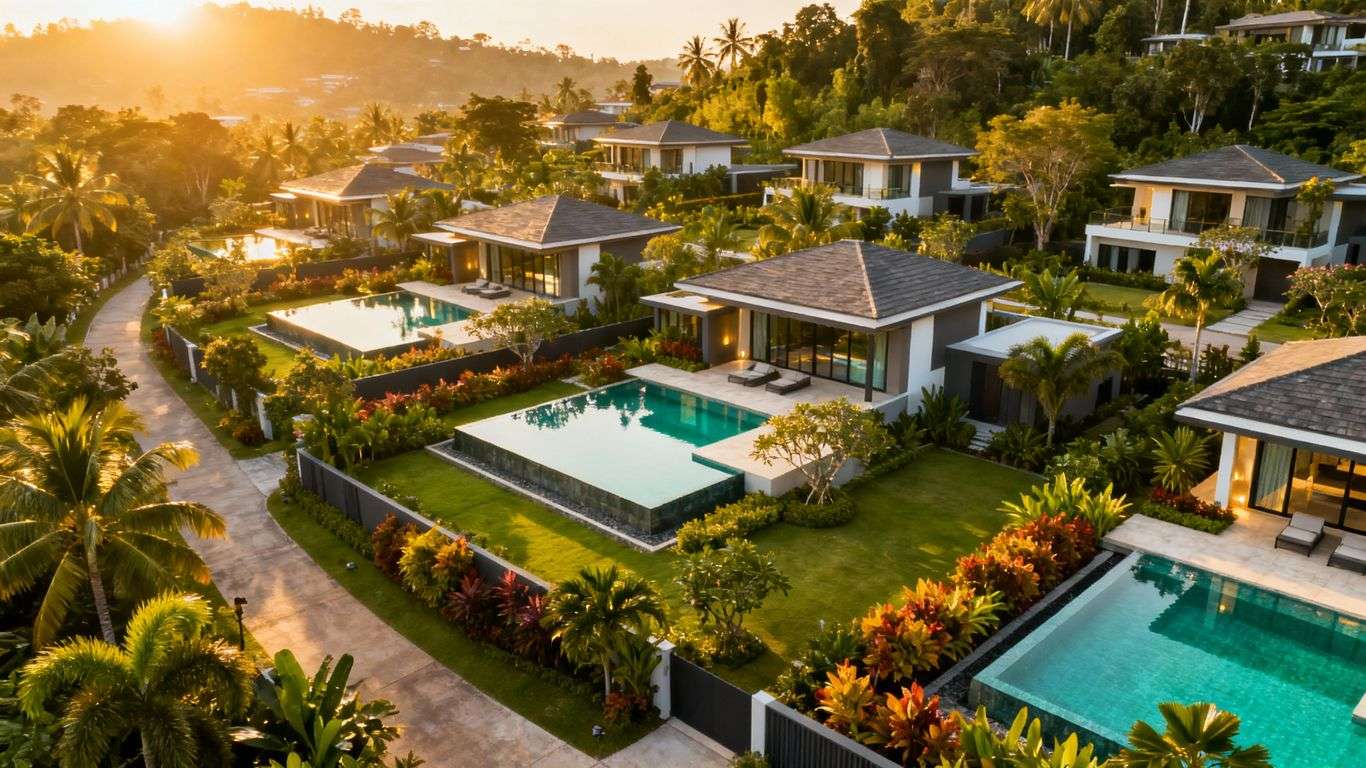
Inside Phuket’s Most Exclusive Gated Communities
Phuket is a real gem, isn’t it? For those looking for a bit more peace and quiet, or perhaps just a more secure spot to call home, the island has some pretty amazing gated communities. These places aren’t just about walls and gates, though. They offer a lifestyle that many expats are really drawn…
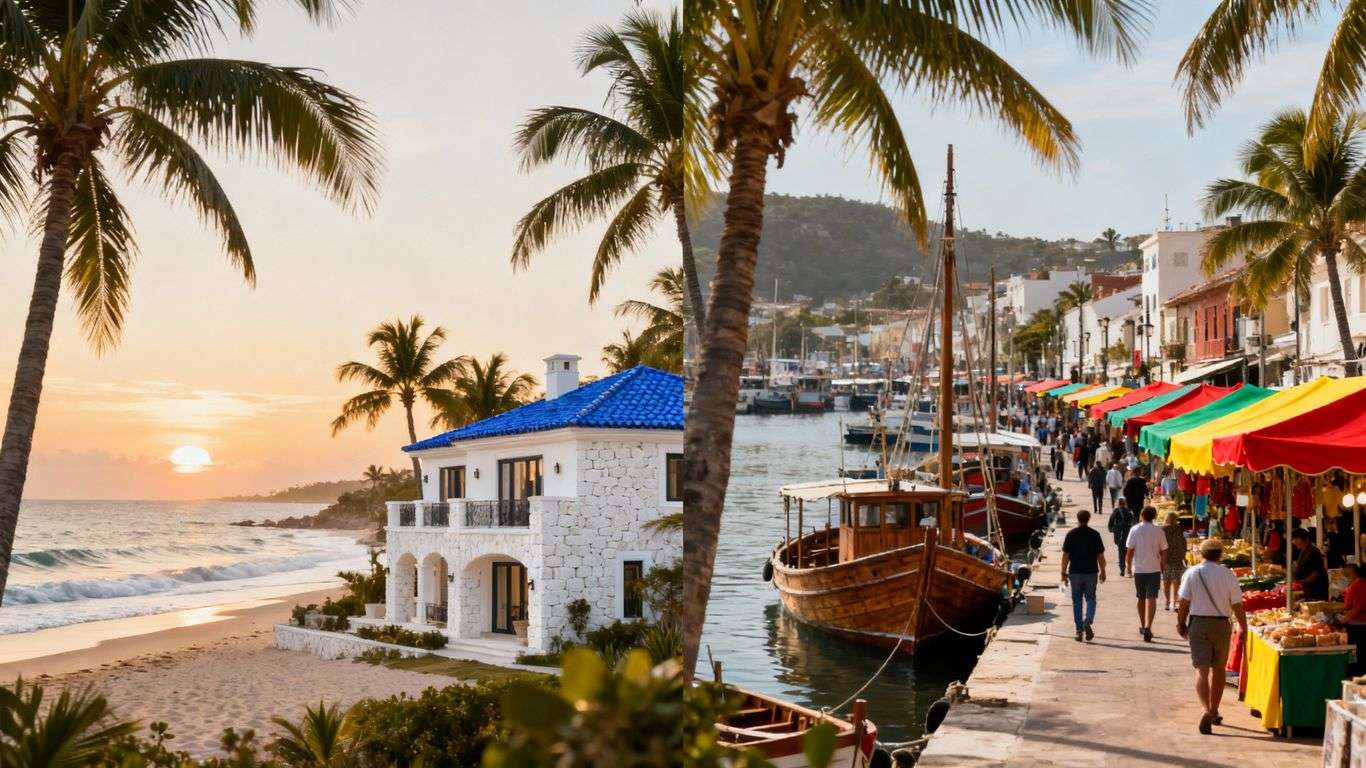
West vs East Phuket: Which Coast Fits Your Dream Home?
Phuket isn’t just Thailand’s largest island, it’s a lifestyle playground where every beach tells a different story. Think luxury villas hidden in Surin’s hills, surf breaks rolling into Kata, fresh seafood feasts in Rawai and Patong’s neon-fuelled nights. It’s where international schools sit…
Phuket vs Chiang Mai: Which Is the Retiree’s Paradise?
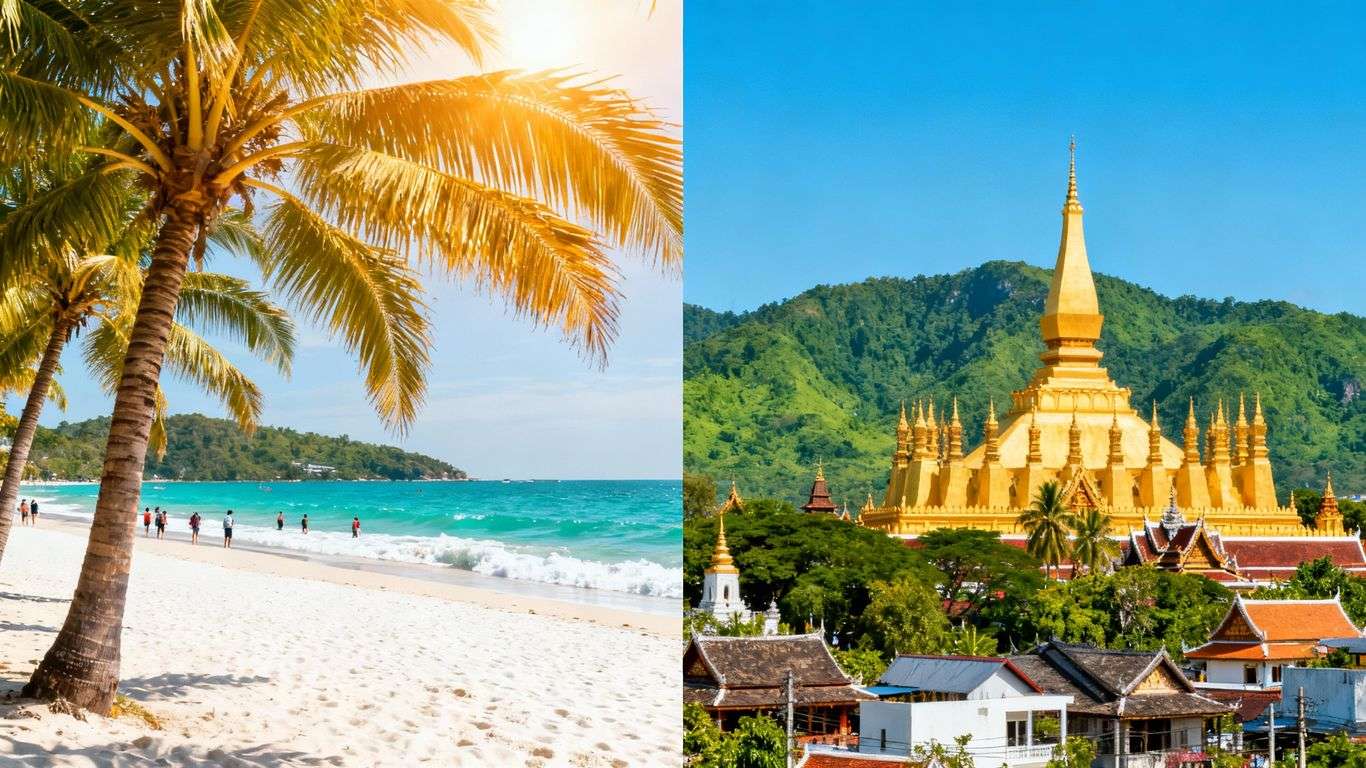
Thinking about where to spend your retirement years? The debate between Phuket vs Chiang Mai for retirement pops up a lot, and it’s not hard to see why. Phuket brings the sea breeze, sandy beaches, and a lively vibe, while Chiang Mai sits up north, surrounded by mountains, temples, and a slightly…
Phuket vs Bali: Which is the Better Expat Paradise?
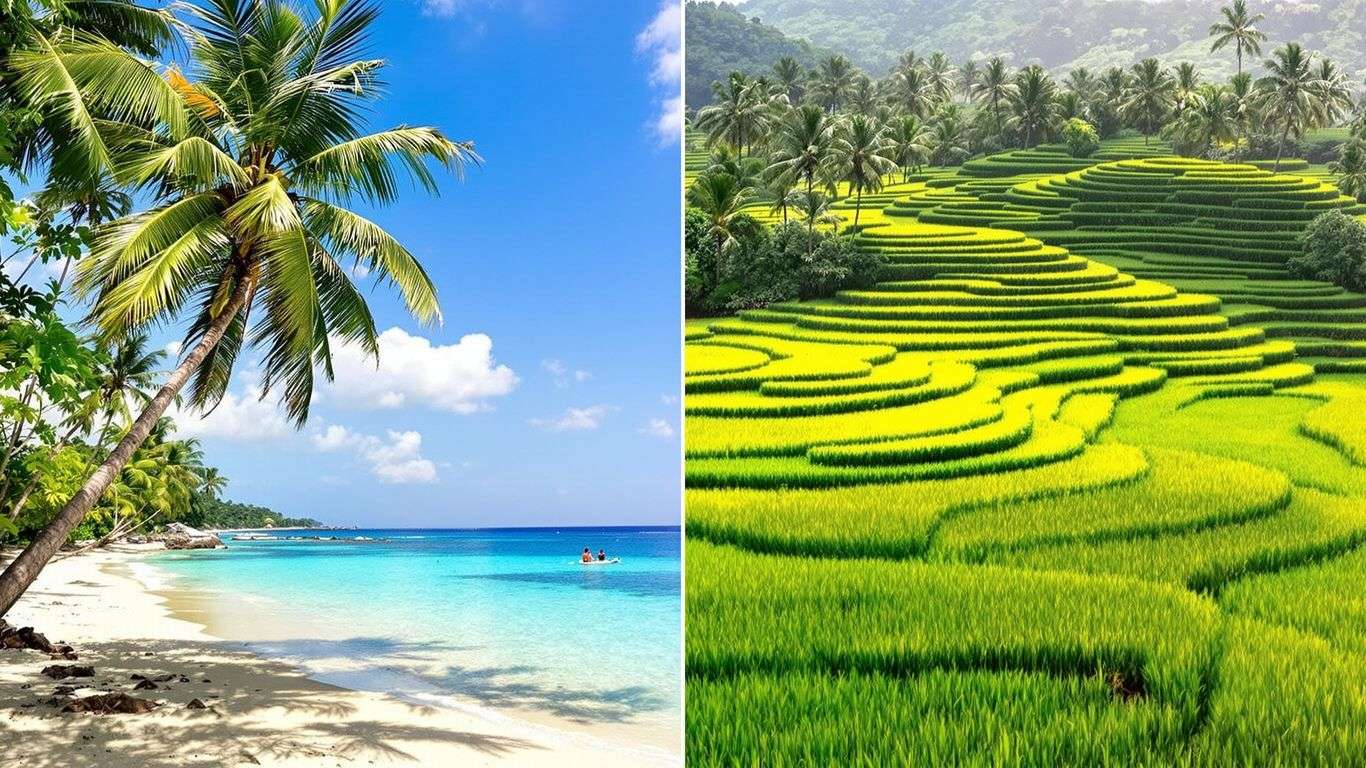
Deciding where to settle down as an expat can be a big choice, especially when you’re looking at two popular spots like Phuket and Bali. Both islands offer that tropical vibe many people dream of, but they’re quite different under the surface. We’re going to break down what it’s like to live in…
Inside Phuket’s High-End Expat Community: How the Elite Live
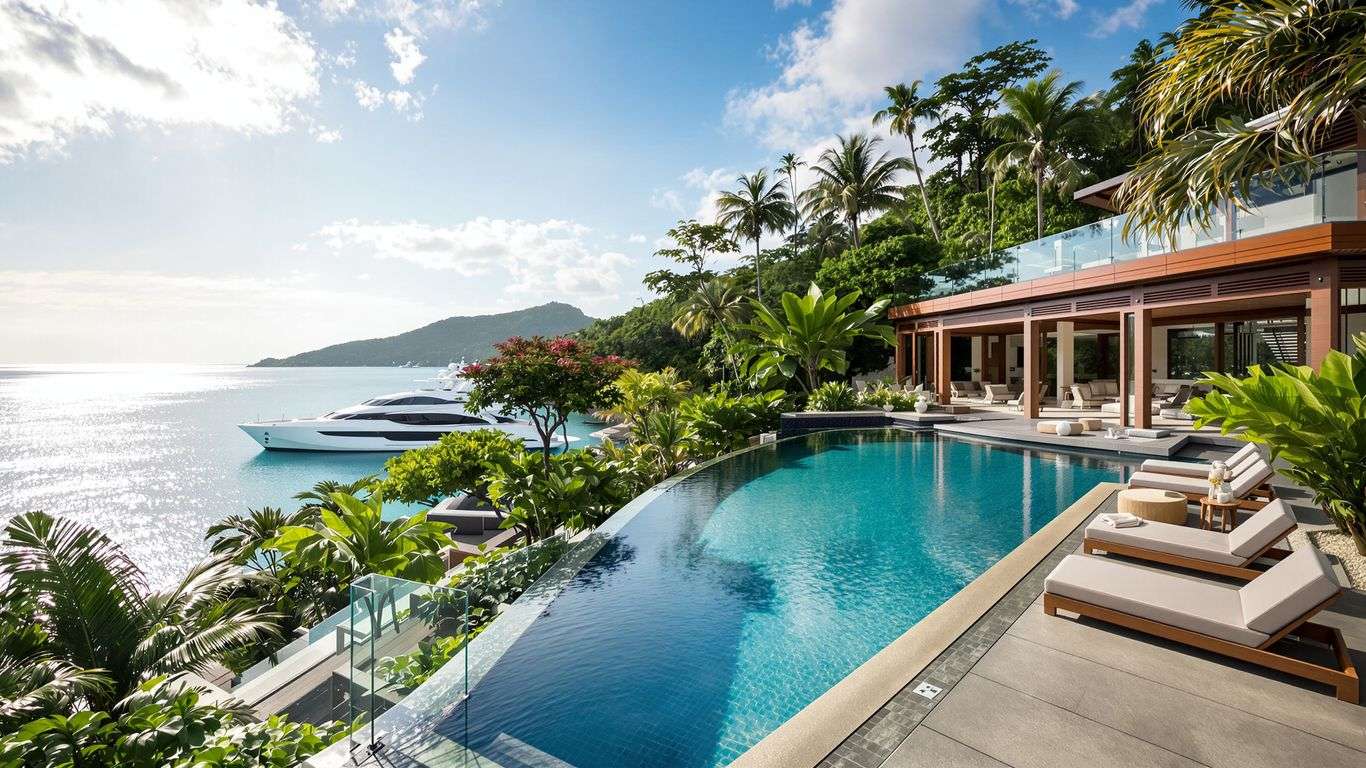
Phuket, long a magnet for sun-seekers, has firmly established itself as a prime spot for the affluent expat community. It’s more than just stunning beaches and turquoise waters; it’s a place where high-end living meets island charm. From exclusive enclaves to world-class amenities, the Phuket…

Retiring in Phuket vs Elsewhere: What Makes Phuket Special?
When you’re thinking about where to spend your retirement years, lots of places probably spring to mind. But have you considered Thailand? Specifically, Phuket? It’s a tropical island that many people are looking at for their golden years. It offers a different vibe to many other retirement spots,…
Inside Phuket’s Expat Lifestyle: Beyond the Tourist Trail
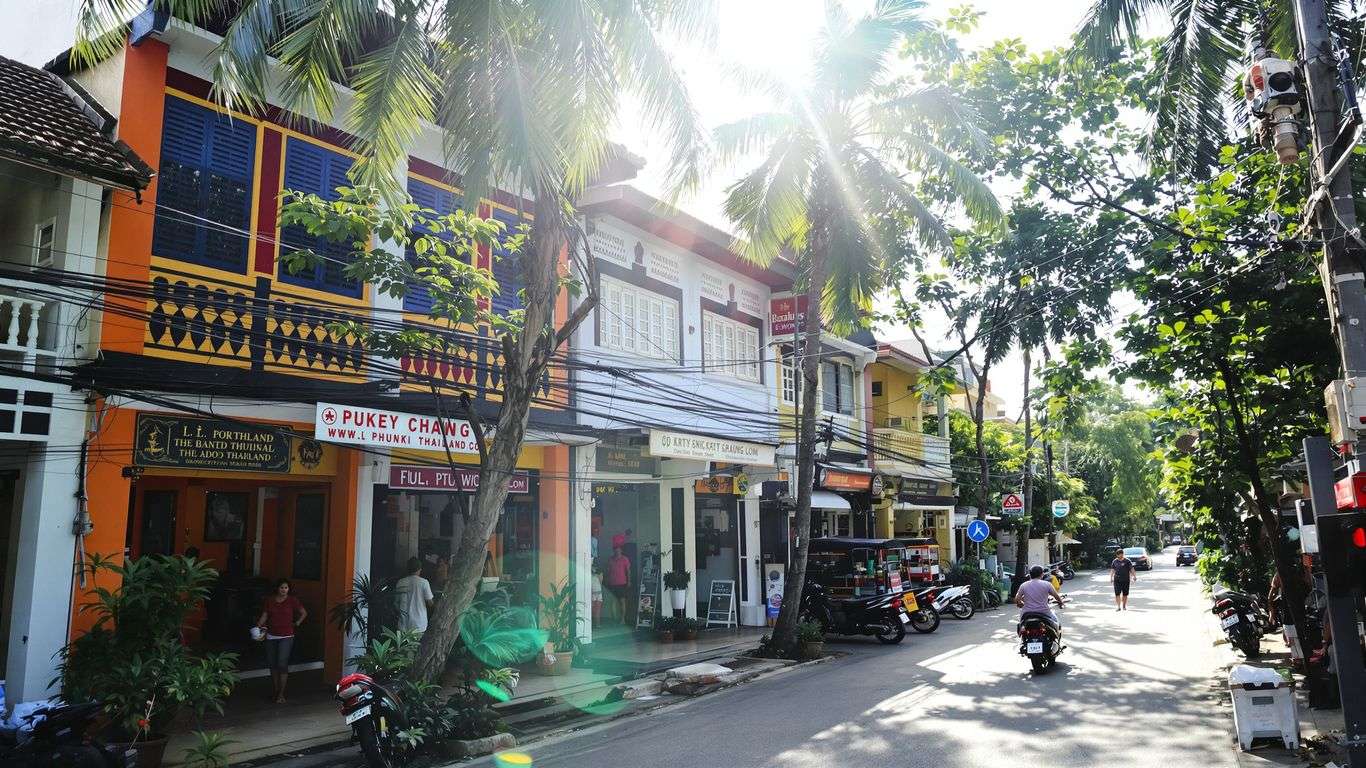
So, you’re thinking about moving to Phuket? It’s more than just a holiday spot, you know. Loads of people have made it their permanent home, finding their own little slice of island life. Forget the tourist traps; this is about figuring out where you’ll actually live, what it’s like day-to-day, and…
Thailand’s Stamp Duty Explained: Don’t Ignore This Fee
Buying property in Thailand is exciting, but the tax side of things can get a bit confusing, especially for folks from abroad. It’s not as complicated as some places, but you do need to know what you’re getting into. This guide cuts through the noise to explain the real facts about stamp duty…
Phuket Rental Income: Tax Tips for Foreign Owners
So, you’ve bought a place in Phuket and are thinking about renting it out. Smart move, it’s a popular spot! But before you start collecting those payments, it’s a good idea to get your head around the Thai property rental income tax. It can seem a bit confusing, especially for us foreigners, but…
Foreign Buyer Taxes in Thailand: Fact vs Fiction
Watch This Episode: Our Phuket Real Estate Podcast Our podcast covers all the topics for property investors looking at buying real estate in Thailand. Buying property in Thailand is exciting, but the tax side of things can get a bit confusing, especially for folks from abroad. It’s not as…

Thai Nominee Ownership: Why It’s Risky for Property Buyers
Watch This Episode: Our Phuket Real Estate Podcast Our podcast covers all the topics for property investors looking at buying real estate in Thailand. Buying property in Thailand can seem appealing, but the way foreigners often go about it, using what’s known as a Thai property nominee structure,…
Thai Property Legal Checklist: Don’t Buy Without This
Watch This Episode: Our Phuket Real Estate Podcast Our podcast covers all the topics for property investors looking at buying real estate in Thailand. Buying property in Thailand can be a fantastic opportunity, but it’s not quite as simple as picking up a house back home. There are specific legal…

Thai Spouse, Your House? Navigating Joint Property Ownership
So, you’re married to a Thai national and thinking about buying property in Thailand. It’s a common situation, and many foreigners want to get a piece of the action. But it’s not as straightforward as just putting your name on the dotted line. Thai spouse property ownership has its own set of…
Know Your Rights: Foreigners and Thai Property Ownership
Watch This Episode: Our Phuket Real Estate Podcast Our podcast covers all the topics for property investors looking at buying real estate in Thailand. Thinking about buying property in Thailand? It’s a fantastic place, but the rules for foreigners owning land can be a bit confusing. Unlike in many…

Thai Property Contracts: Step-by-Step from Deposit to Deed
Watch This Episode: Our Phuket Real Estate Podcast Our podcast covers all the topics for property investors looking at buying real estate in Thailand. Thinking about buying property in Thailand? It can seem a bit daunting, especially with all the paperwork involved. But don’t worry, it’s actually a…
Foreign Quota in Thai Condos: Navigating the 49% Rule
Thinking about buying a condo in Thailand? It’s a great idea, lots of people love it here. But there’s a bit of a rule you need to know about – the Thailand condominium foreign quota. It basically means foreigners can only own a certain percentage of units in any given condo building. It sounds a
Bubble Trouble? Phuket Real Estate Risks Examined
Everyone’s talking about a potential Phuket real estate bubble these days. It’s a popular phrase, but a lot of people asking about it don’t really know what a ‘bubble’ means in this context. We’ve seen bubbles before, like the US housing crisis in 2007, or the dot-com crash in 2000. Basically, a…

What Are the Rental Regulations for Foreign Property Owners in Thailand?
Watch This Episode: Our Phuket Real Estate Podcast Our podcast covers all the topics for property investors looking at buying real estate in Thailand. Watch This Episode: Our Phuket Real Estate Podcast Our podcast covers all the topics for property investors looking at buying real estate in…
Top Luxury Property Developers in Phuket You Should Know
Watch This Episode: Our Phuket Real Estate Podcast Our podcast covers all the topics for property investors looking at buying real estate in Thailand. If you’re thinking about investing in property in Phuket, you’ll want to know who the top players are in the market. The island is known for its…
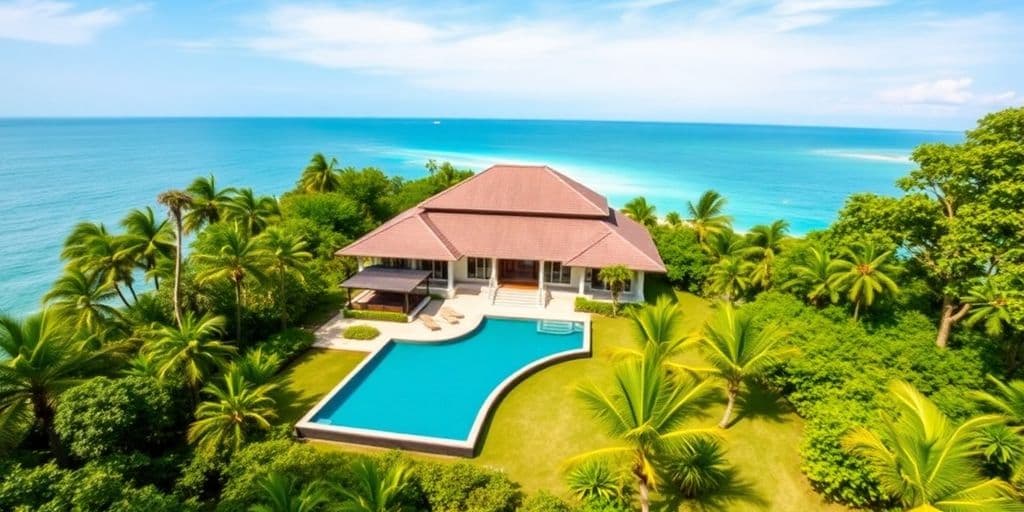
Is Phuket the Best Place to Retire? A Guide to Luxury Villas for Retirement
Watch This Episode: Our Phuket Real Estate Podcast Our podcast covers all the topics for property investors looking at buying real estate in Thailand. Thinking about retiring in a tropical paradise? Phuket, Thailand, might just be the perfect spot for you. With its stunning beaches, vibrant…
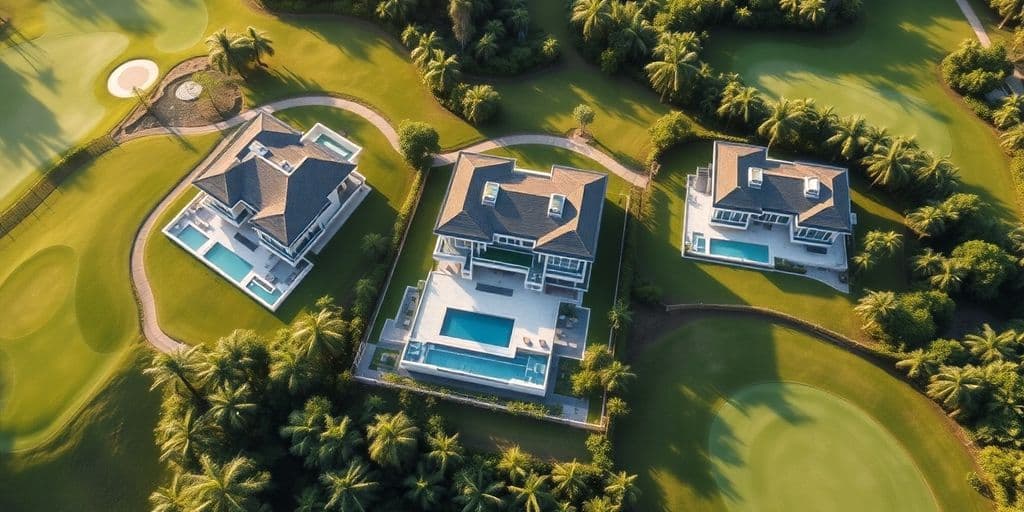
Luxury Golf Villas in Phuket: The Best Golf Course Properties
Watch This Episode: Our Phuket Real Estate Podcast Our podcast covers all the topics for property investors looking at buying real estate in Thailand. Phuket is not just a tropical paradise; it’s also home to some of the finest golf courses and luxury properties in the world. For golf enthusiasts,…
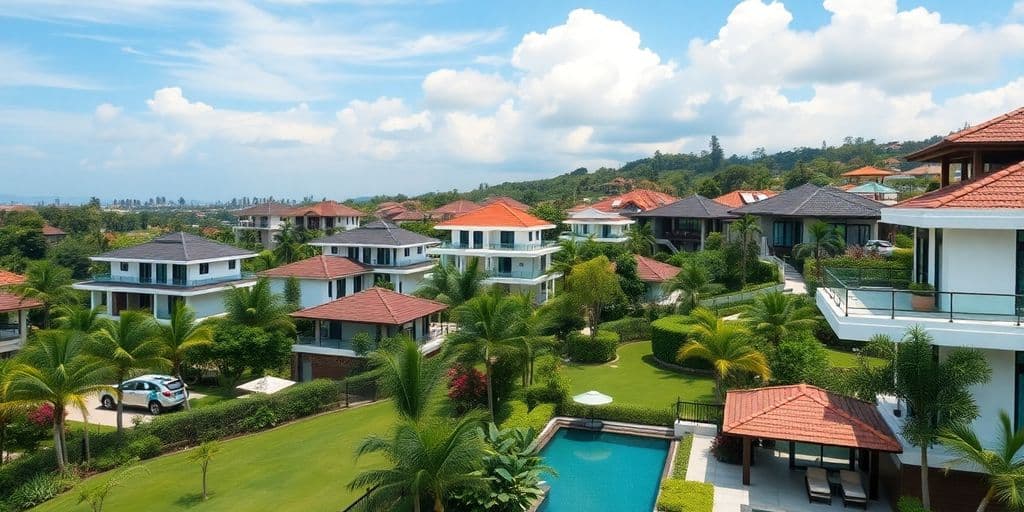
Best Family-Friendly Neighborhoods in Phuket for Luxury Living
Watch This Episode: Our Phuket Real Estate Podcast Our podcast covers all the topics for property investors looking at buying real estate in Thailand. Phuket is not just a holiday destination; it’s a fantastic place to call home. If you’re looking to settle down in a family-friendly area while…
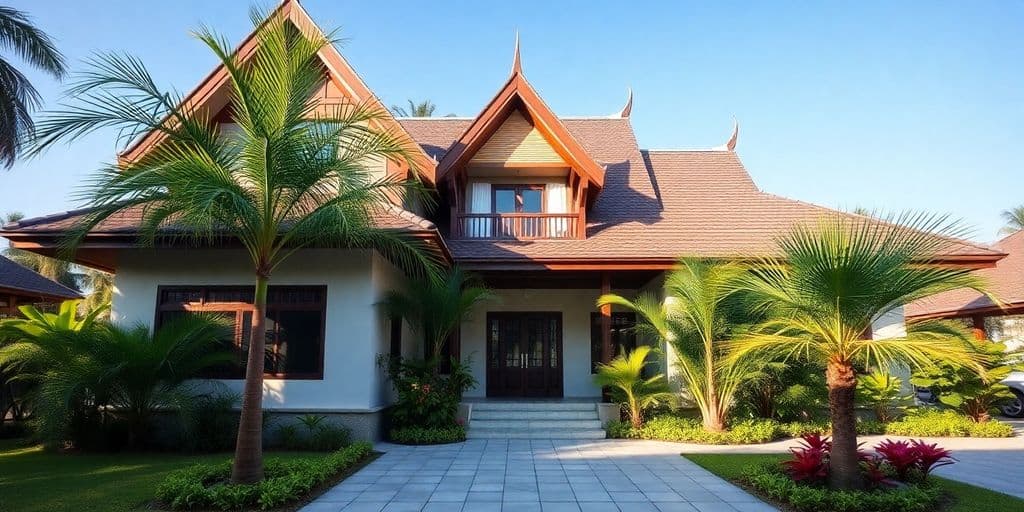
Exploring the Essentials of Building Houses in Thailand: A Comprehensive Guide for Expats
Thinking about building a house in Thailand? It’s a big decision, especially if you’re an expat. From understanding the laws to picking the right spot, there’s a lot to figure out. This guide breaks it all down for you, step by step. Whether you’re dreaming of a modern villa or a traditional…
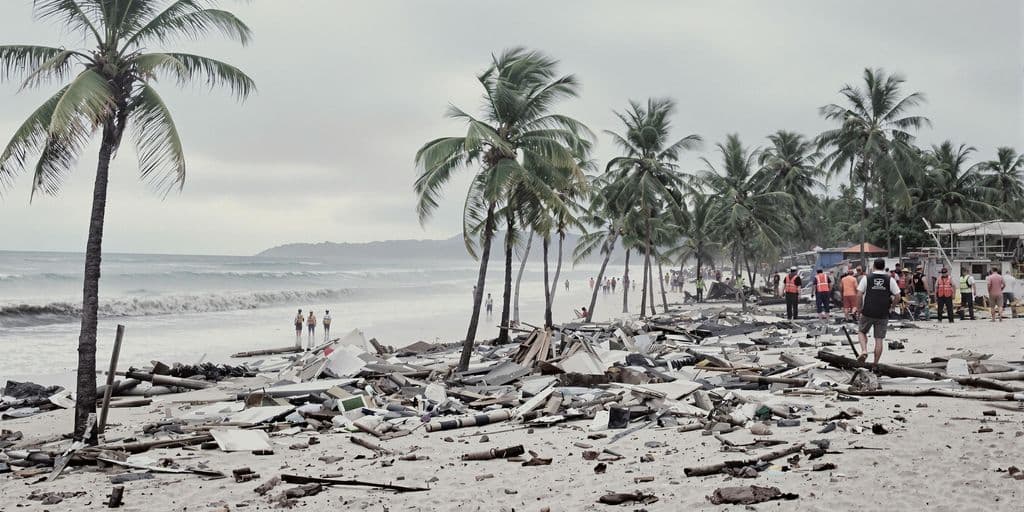
Is Phuket safe from tsunamis? What property buyers should know
What happened in Phuket on 26 December 2004, how the island is warned and evacuated today, which areas sit on the beach and which on higher ground, and what to check before buying a beachfront villa.

What are the differences between leasehold and freehold property in Thailand?
Watch This Episode: Our Phuket Real Estate Podcast Our podcast covers all the topics for property investors looking at buying real estate in Thailand. Thinking about buying property in Thailand? You’re not alone. Thailand’s property market offers two main types of ownership: freehold and leasehold.…
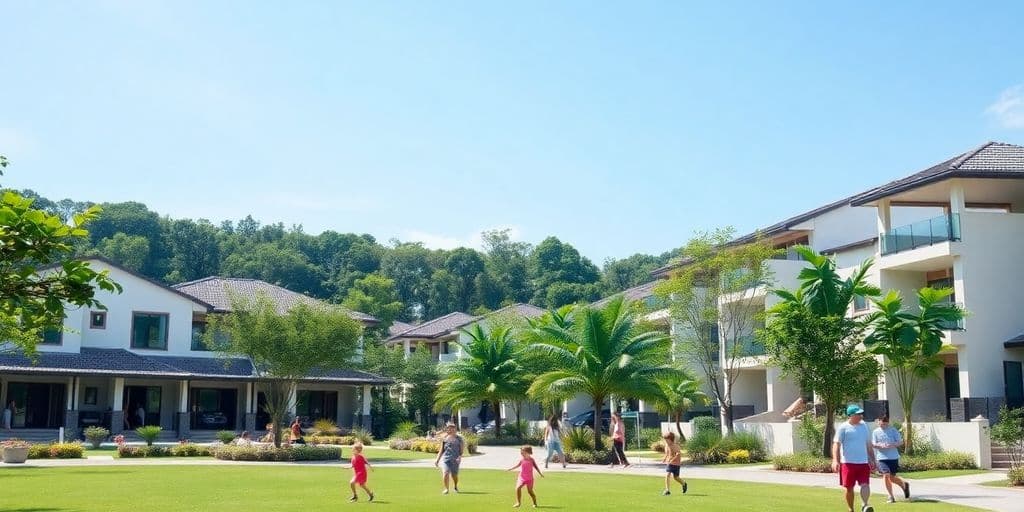
Where to Live in Phuket? The Best Areas for Families and Schools
Watch This Episode: Our Phuket Real Estate Podcast Our podcast covers all the topics for property investors looking at buying real estate in Thailand. Phuket might have a bit of a reputation as a party island, but don’t let that fool you. For families, it’s a gem. A lot of folks come here for a
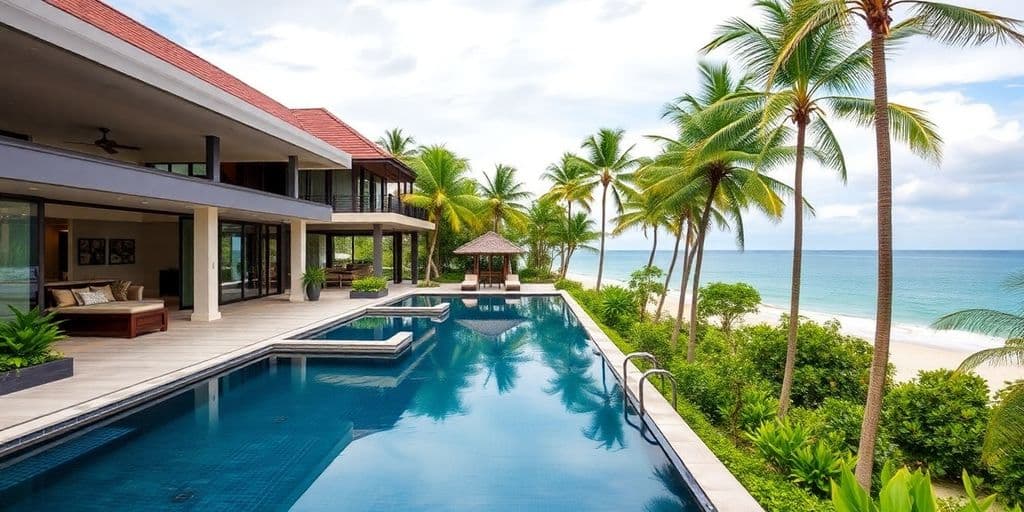
Top Areas in Phuket for High-Yield Luxury Property Investments
Phuket is a top spot for those looking to invest in luxury properties. It’s got everything from stunning beaches to a bustling tourist scene. If you’re thinking about putting your money into real estate here, you’re in good company. The island’s mix of natural beauty and modern conveniences makes…

How to See Quick Returns on Your Investment in Phuket’s Real Estate Market
Phuket, a stunning island in Thailand, is not just a tourist paradise but also a hot spot for real estate investment. With its beautiful beaches, vibrant culture, and growing infrastructure, Phuket’s property market offers significant opportunities for investors. However, to see quick returns, it’s…
Legal requirements for transferring property ownership in Thailand
Watch This Episode: Our Phuket Real Estate Podcast Our podcast covers all the topics for property investors looking at buying real estate in Thailand. Transferring property ownership in Thailand involves several legal steps and requires coordination with the Land Department. Whether you’re buying,…
Property management companies in Thailand for foreigners
Watch This Episode: Our Phuket Real Estate Podcast Our podcast covers all the topics for property investors looking at buying real estate in Thailand. Managing property in Thailand can be complex, especially for foreigners. This article explores the essentials of property management in Thailand,…
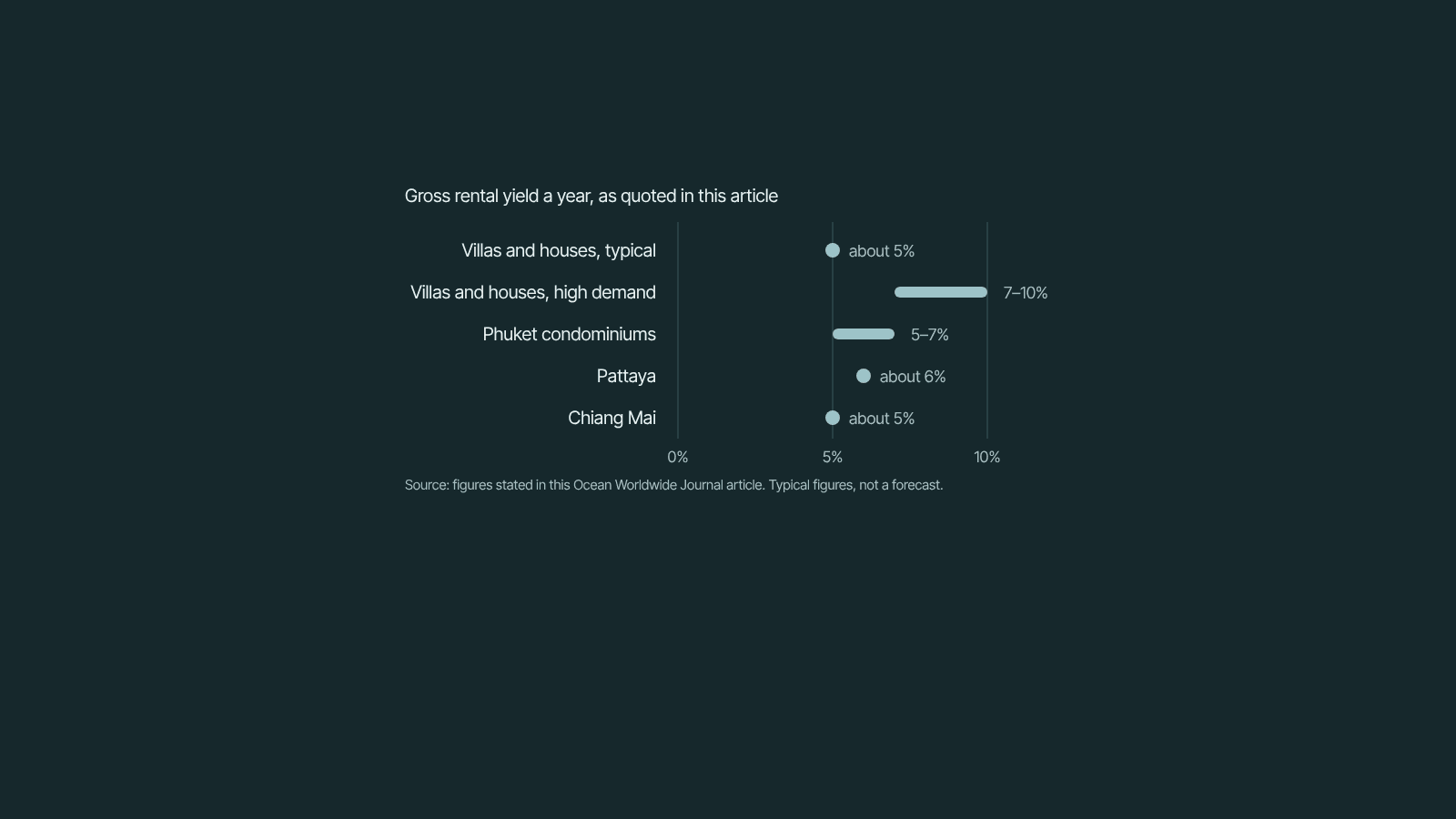
Rental yields in Thailand for different property types
Investing in rental properties in Thailand can be very rewarding. The country offers a mix of high rental yields, beautiful locations, and a growing real estate market. Whether you’re looking at condos, villas, or even undeveloped land, understanding the rental yields can help you make smart…

Financing options for foreign property buyers in Thailand
Buying property in Thailand as a foreigner can be exciting but also a bit tricky. There are many things to think about, like different rules, types of loans, and even working with Thai partners. This guide will help you understand all the ways you can finance your dream home in Thailand. Key…
Condominium Act in Thailand for foreigners
The Thailand Condominium Act sets the rules for foreign ownership of condominiums in Thailand. It can be complicated, especially for non-Thai nationals. This article aims to simplify the Act and explain how foreigners can buy, inherit, and own condos in Thailand. We’ll also discuss the role of…
How to get a mortgage for property in Phuket?
Making your dream of owning property in Phuket come true is possible, even as an expat. This guide will help you understand the best mortgage options, how to meet eligibility requirements, and the steps to apply. You’ll also learn about property prices, legal considerations, and tips for a…