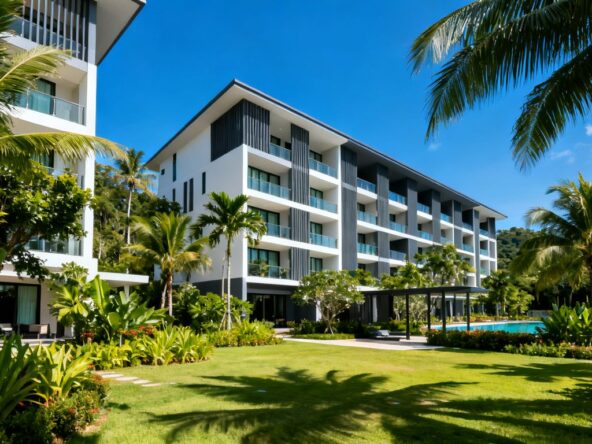

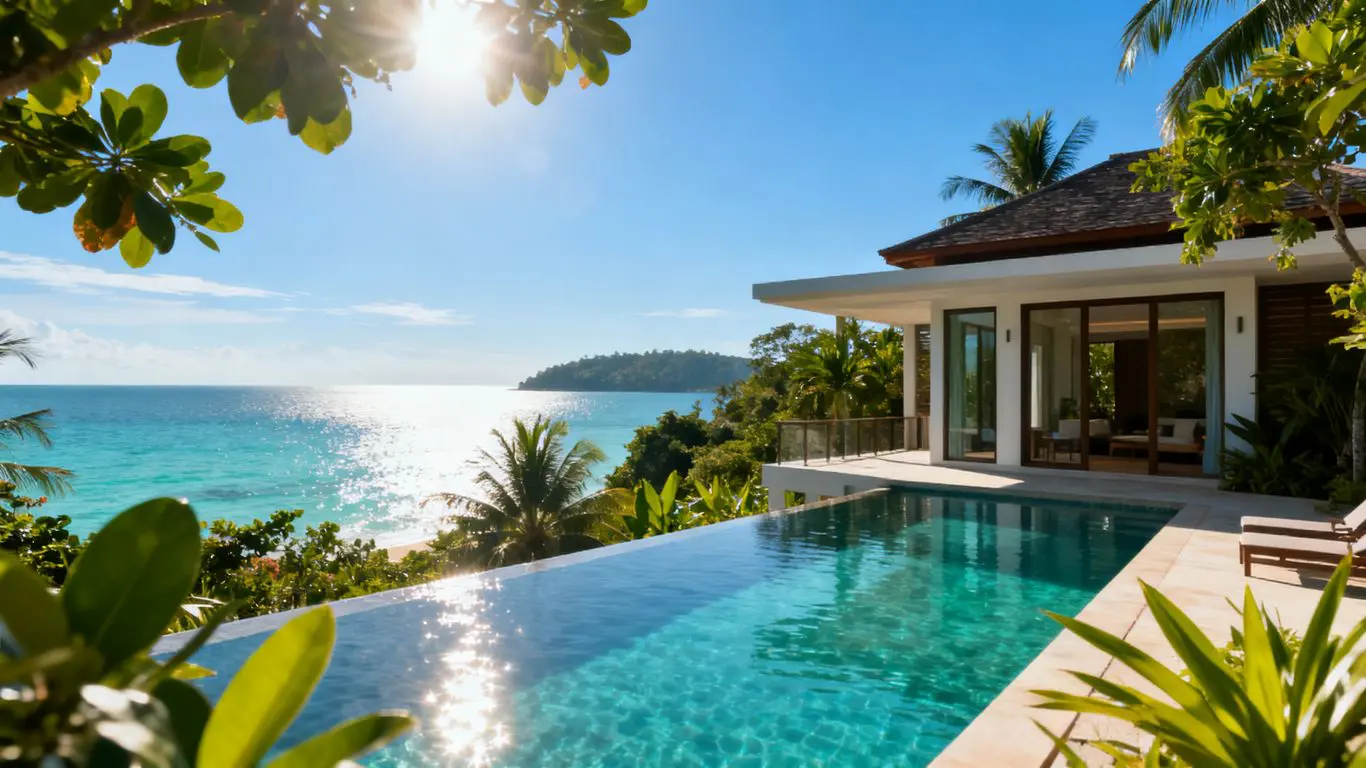
Thinking about buying a place in Phuket? It’s a great idea, but timing can make a big difference. You know, like when you buy a new phone – waiting for a sale can save you a bundle. The same goes for property. There are certain times of the year when you might get a better deal or find more options. Let’s break down when you might want to start looking for your piece of paradise.
Key Takeaways
- The best time to buy Phuket property often aligns with the off-peak tourist season, typically during the summer months (June-August). This period usually sees lower prices and less competition, giving buyers more room to negotiate.
- While the high season (November-April) brings more tourists and higher demand for rentals, buying during the quieter months can be financially advantageous due to potentially lower property prices and a weaker Thai Baht, making it more affordable for foreign buyers.
- Phuket’s property market offers various investment strategies, from generating passive income through rentals to more aggressive approaches like investing in off-plan developments, all of which can be influenced by the timing of your purchase.
- Phuket’s appeal as a destination, with its natural beauty, improving infrastructure, and growing status as a residential hub, contributes to the long-term value and resilience of its real estate market, regardless of short-term seasonal fluctuations.
- Understanding the local market cycles, the impact of weather on tourism, and seeking local real estate advice are important steps. Property in Phuket is seen as a stable long-term investment, with historical trends showing market rebounds after downturns.
Understanding Phuket’s Property Market Cycles
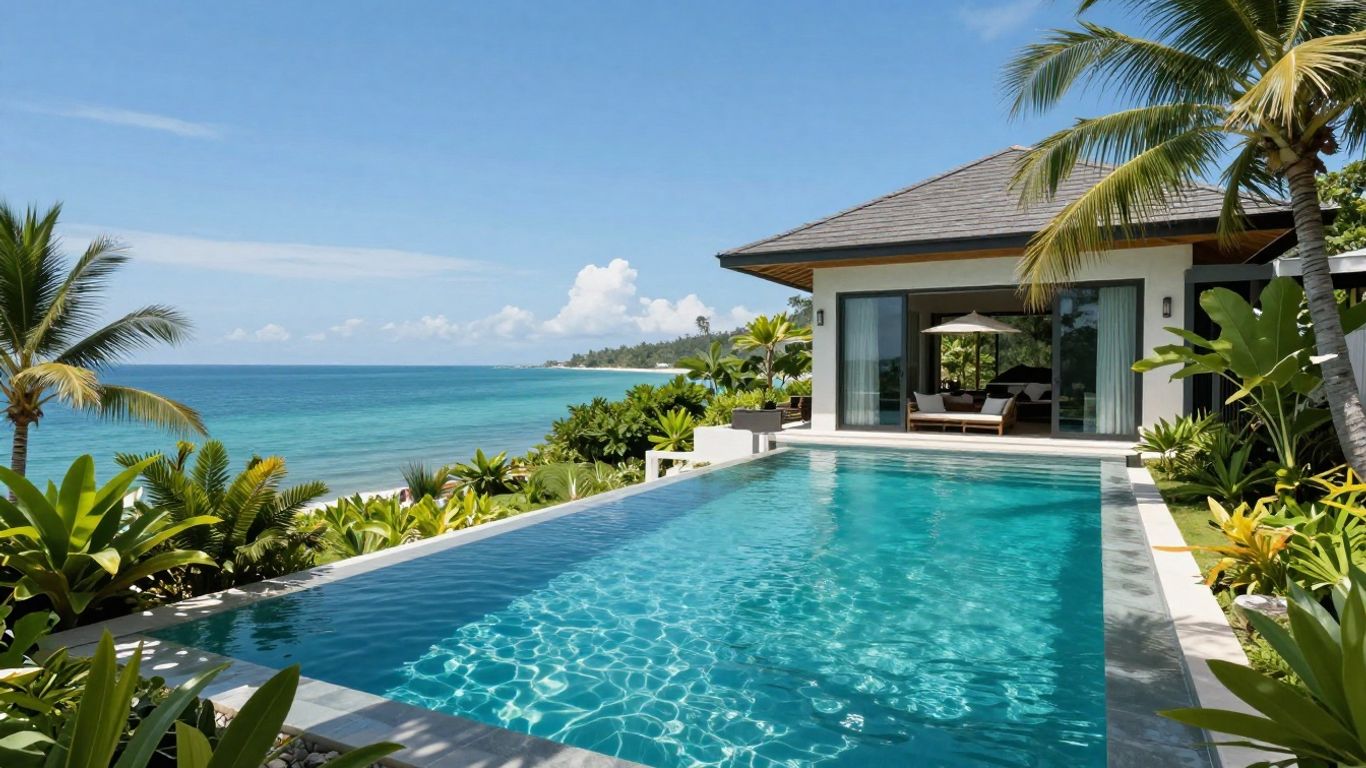
Phuket’s property market isn’t static; it moves with the rhythm of the island’s seasons. Most people think of it in terms of two main periods: the busy high season and the quieter low season, often called the ‘green season’. These shifts are largely driven by the changing monsoon winds and, consequently, the weather.
The Influence of High and Low Seasons on Property Sales
Generally, you’ll see more property transactions happening during the high season. This makes sense, as more tourists are visiting, and naturally, more people fall in love with the island and consider buying. The low season, while quieter for sales, can present different opportunities, which we’ll touch on later.
Seasonal Variations in Tourist Arrivals and Their Impact
Tourist numbers fluctuate quite a bit throughout the year. The peak months, typically from November to April, see a significant influx of visitors. This surge in tourism directly correlates with higher demand for holiday rentals and, subsequently, a busier property sales market. When the island is buzzing with visitors, more people are actively looking to invest.
How Weather Patterns Affect Property Investment Decisions
Phuket enjoys a tropical climate, but the weather does play a role. The high season usually brings sunny skies and pleasant temperatures, making it an attractive time for both holidays and property viewings. The low season, while wetter, is generally mild and doesn’t typically experience the extreme weather found in other parts of the world. This means that even during the ‘rainy’ months, the island remains accessible and appealing to many.
Understanding these seasonal ebbs and flows is key. It helps you gauge demand, potential rental income, and the best times to view properties or negotiate deals. The weather isn’t just about holidays; it shapes the entire property market.
Here’s a general idea of how the seasons can influence things:
| Season | Typical Months | Tourist Activity | Property Sales Activity | Rental Rates |
|---|---|---|---|---|
| High Season | Mid-November – April | Very High | High | High |
| Low Season | May – October | Moderate | Moderate | Moderate |
Capitalising on Off-Season Opportunities
When the crowds thin out and the peak season rush subsides, Phuket transforms into a more relaxed and, importantly, a more affordable place for property hunters. This quieter period often presents the most sensible window for making a significant purchase. It’s not just about snagging a lower price; it’s about having the space and time to make a well-informed decision.
Why Summer Presents an Ideal Buying Window
While many tourists pack up and head home during the summer months and into early autumn, this is precisely when the property market often becomes more accessible. The intense heat and occasional rain showers mean fewer holidaymakers, and consequently, fewer people actively looking to buy. This dip in demand can translate into a more favourable environment for buyers. You get to experience the island at a different pace, away from the usual hustle, allowing for a clearer perspective on potential purchases.
Benefits of Lower Prices During Quieter Periods
It’s a simple matter of supply and demand. When fewer people are looking to buy, sellers may become more flexible on their asking prices. You might find that properties are listed at figures that are significantly lower than during the high season. This isn’t just about a small discount; sometimes, prices can be considerably reduced, making your investment go further. It’s a chance to acquire property at a more attractive entry point, potentially boosting your return on investment down the line.
Here’s a look at what you might expect:
- Reduced Asking Prices: Sellers are often more willing to negotiate.
- Less Competition: Fewer buyers mean less pressure and more choice.
- More Time for Viewings: You can explore properties without feeling rushed.
Negotiating Power in a Buyer’s Market
When the market is less frenzied, buyers tend to have more sway. Sellers are often more motivated to close a deal, which can give you a stronger position when it comes to negotiations. You have the opportunity to conduct more thorough inspections, ask more questions, and generally take your time. This is particularly true if you’re looking at the secondary market, where owners might be eager to offload a property before the next tourist season kicks in.
During these quieter months, property agents and owners often have more time to dedicate to individual buyers. This means you’re more likely to receive attentive service and find them more accommodating to your specific needs and requests, making the whole process feel less like a transaction and more like a partnership.
The Financial Advantages of Buying Now
Affordability of Phuket Property Compared to Other Destinations
Let’s be honest, Phuket has always had a certain allure, right? But when you start looking at property prices, especially compared to other popular island destinations globally, it often comes out as surprisingly good value. Think about places like the Maldives or parts of the Caribbean – Phuket can offer a similar tropical lifestyle, often at a fraction of the cost. This makes it a really attractive proposition for people looking to buy a holiday home or even an investment property without breaking the bank.
The Impact of a Weaker Thai Baht on Foreign Buyers
For anyone buying with foreign currency, the current exchange rate can be a real game-changer. If your home currency is strong against the Thai Baht, your money simply goes further. This means you can potentially afford a better property, or simply save a significant amount on the purchase price. It’s like getting a built-in discount, and it’s definitely something to consider if you’ve been eyeing up property here.
Here’s a rough idea of how currency fluctuations can affect your buying power:
| Currency Exchange Rate (Example) | 100,000 USD Buys (THB) | Property Price (THB) | Savings (USD) |
|---|---|---|---|
| 1 USD = 30 THB | 3,000,000 THB | 3,000,000 THB | $0 |
| 1 USD = 35 THB | 3,500,000 THB | 3,000,000 THB | $16,667 |
| 1 USD = 40 THB | 4,000,000 THB | 3,000,000 THB | $33,333 |
Note: Exchange rates are illustrative and can vary.
Identifying Investment Opportunities Amidst Market Slowdowns
Sometimes, when the market feels a bit quiet, that’s precisely when the best opportunities pop up. Sellers might be more motivated, and you could find properties that aren’t typically available or are priced more attractively. It’s a bit like finding a hidden gem.
When the general buzz around property sales dies down, it often presents a unique chance for shrewd buyers. This quieter period allows for more focused property viewings and less competition, potentially leading to better deals. It’s a time when genuine value can be uncovered if you know where to look and are prepared to act.
Here are a few things to keep in mind when looking for opportunities:
- Off-Season Deals: Properties often see price adjustments during the low tourist season (typically summer to early autumn). This is when demand dips, and owners might be more flexible.
- Motivated Sellers: Sometimes, circumstances mean sellers need to offload a property quickly. These situations can lead to significant savings for buyers.
- New Developments: Developers might offer early-bird discounts or special packages on new projects to secure initial sales, even when the broader market is slow.
- Rental Demand: Even if sales slow, the demand for rentals can remain steady or even increase, providing a good income stream for investors.
Strategic Investment Approaches
When you’re looking at buying property in Phuket, it’s not just about finding a nice place to stay. It’s about making your money work for you. There are a few ways people tend to go about this, depending on how much risk they’re comfortable with and what their goals are.
Passive Income Through Rental Yields
This is probably the most common approach for people who want their property to generate income without them having to be hands-on all the time. You buy a property, and then you rent it out to holidaymakers or long-term tenants. The idea is that the rental income covers your costs and then some, giving you a steady profit. We’re talking about potential returns of around 6-8% here, which is pretty decent when you consider the overall market. It’s a good way to get your foot in the door, especially if you’re looking for something that doesn’t demand constant attention. Many investors aim for properties that are ready to go, meaning they don’t need much work before they can be rented out.
Moderate Strategies: Land Plots and Long-Term Leases
For those who want a bit more control and potentially higher returns, looking at land plots can be a smart move. While foreigners can’t directly own land in Thailand, you can get long-term leases, or set up a company to own it. This approach can be really attractive because land values have been climbing steadily, sometimes by double digits annually in places like Phuket. It’s a bit more involved than just buying a finished villa, but the potential for growth is significant. Think of it as a more hands-on, but potentially more rewarding, way to invest.
Aggressive Investments in Off-Plan Developments
Then there are the more adventurous investors. This usually means buying properties that are still being built, often referred to as ‘off-plan’. The idea here is to get in early, perhaps when the project is just a blueprint, and buy at a lower price. As the development progresses and the property nears completion, its value is expected to increase. Some people aim for returns of up to 15-20% with this strategy, but it does come with higher risks. You’re relying on the developer to deliver on time and to the expected standard, and the market conditions need to hold up. It’s definitely for those who are comfortable with a bit more uncertainty in exchange for potentially bigger rewards.
Phuket’s Enduring Appeal to Buyers
The Island’s Natural Beauty and Lifestyle Attractions
Phuket isn’t just a place to visit; for many, it becomes a place to stay. The island’s natural charm is a massive draw. Think stunning beaches, clear blue waters, and lush green interiors. It’s the kind of scenery that makes you want to pack your bags and never leave. The weather plays a big part too. Unlike some other tropical spots that get battered by severe storms, Phuket generally enjoys pleasant conditions for most of the year. This makes it ideal for anyone who loves the outdoors, whether that’s sunbathing, sailing, or just enjoying a good book by the sea. It’s a lifestyle that’s hard to beat, offering a relaxed pace that many find incredibly appealing.
Improving Infrastructure and Local Development
It’s not all just about the beaches, though. Phuket has seen some serious development over the years, especially in its infrastructure. Roads are better, public transport options are improving, and there’s a growing range of amenities. You’ve got everything from local markets selling fresh produce to large, modern shopping centres like the Central complex, which is huge and has pretty much every brand you could think of, plus international supermarkets. This blend of traditional Thai culture and modern conveniences makes it a practical place to live, not just a holiday destination. The island is becoming more self-sufficient and easier to get around, which is a big plus for residents and investors alike.
Phuket as a Growing Residential Hub
What’s really interesting is how Phuket has transformed from just a tourist hotspot into a genuine residential hub. People who come for a holiday often fall in love with the place and decide to buy property, either for themselves or as an investment. This influx of residents, both foreign and Thai, has spurred further development and created a more vibrant community. You’ll find people from all over the world living here happily, which means you’re likely to find others from your own country. The property market itself has a wide variety of options, from affordable condos to luxurious villas, meaning there’s something for almost every budget. This combination of natural beauty, improving facilities, and a welcoming community is why Phuket continues to attract so many people looking to buy property.
Navigating the Buying Process
Buying property in a foreign country like Thailand can feel a bit daunting, can’t it? It’s not quite like popping down to the local estate agent. There are a few extra steps and considerations to keep in mind to make sure everything goes smoothly. Getting the right advice is key to a successful purchase.
The Importance of Local Real Estate Expertise
Trying to figure out the Phuket property market on your own is like trying to find your way through a jungle without a map. That’s where local agents come in. They know the neighbourhoods, understand current prices, and have access to listings you might not find elsewhere. They can also help with the paperwork and negotiations, which can be a lifeway when you’re not familiar with the local way of doing things. Think of them as your guide through the whole process. Finding a good agent who knows Phuket well can really make a difference, whether you’re looking for a holiday home or an investment property. You can find verified listings and get professional guidance on Thailand-Real.Estate if you’re looking to buy online.
Thorough Due Diligence on Property and Documentation
Before you hand over any money, you absolutely must do your homework. This means checking all the legal documents for the property – things like land titles, building permits, and any existing leases. It’s also wise to get a professional survey done to check the physical condition of the property. You don’t want any nasty surprises down the line, like structural issues or boundary disputes. Checking for things like resistance to weather conditions is also a good idea, especially if you’re buying during the rainy season. This kind of careful checking helps you avoid future headaches.
Understanding Transaction Procedures for Foreigners
Buying property as a foreigner in Thailand has its own set of rules. For instance, there are limits on foreign ownership of land, though owning a condo or a villa in a development where a certain percentage is foreign-owned is usually straightforward. It’s really important to get a good grasp of these regulations. You’ll also need to understand the payment schedules, especially if you’re buying off-plan, and the various taxes and fees involved. Having a clear picture of the financial commitments upfront is vital. It’s often recommended to get a good lawyer who specialises in Thai property law to guide you through this. They can explain the legalities and make sure your interests are protected throughout the transaction.
It’s easy to get caught up in the excitement of finding your dream property in paradise. However, taking a step back to understand the practicalities of the buying process, especially the legal and documentation side, is non-negotiable. This diligence protects your investment and ensures a smoother transition into property ownership in Phuket.
Long-Term Value and Market Resilience
Real Estate as a Stable Long-Term Investment
When you’re thinking about putting your money into property, especially somewhere like Phuket, it’s good to remember that real estate has historically been a pretty solid bet for the long haul. It’s not usually the kind of thing that just disappears overnight. Even when the economy gets a bit wobbly, property tends to hold its value, and often, it grows over time. Think of it like planting a tree; it takes a while, but with a bit of care, it can provide shade and fruit for years to come. Plus, if you’re renting it out, your tenants can help cover your mortgage payments, which really makes the investment work harder for you.
Historical Trends of Market Rebounds Post-Crisis
Looking back at how markets have behaved after tough times, you’ll notice a pattern. When things get a bit shaky, some people get nervous and pull back. But the smart investors? They see it as a chance to pick up good properties at lower prices. History shows us that these markets almost always bounce back. Those who were brave enough to buy when others were hesitant often ended up doing very well in the long run. It’s a bit like buying something when it’s on sale – you know it’s worth more, you just have to wait for the price to reflect that again.
The Role of Tourism in Sustaining Property Value
Phuket’s appeal as a holiday spot is a big reason why its property market stays strong. People love coming here, year after year. This consistent flow of visitors means there’s always a demand for places to stay, whether for holidays or longer visits. This demand directly supports property values, especially for places that are attractive to tourists. It creates a steady stream of potential renters, which is great news if you’re looking to earn some income from your property. The island’s natural beauty and established reputation as a top destination really help keep things ticking over.
The key takeaway is that while short-term fluctuations can happen, the underlying demand for property in a place like Phuket, driven by its enduring appeal and the natural resilience of real estate as an asset class, tends to lead to stable, long-term growth. Patience and a clear view of the bigger picture are your best allies here.
Considering Specific Property Types
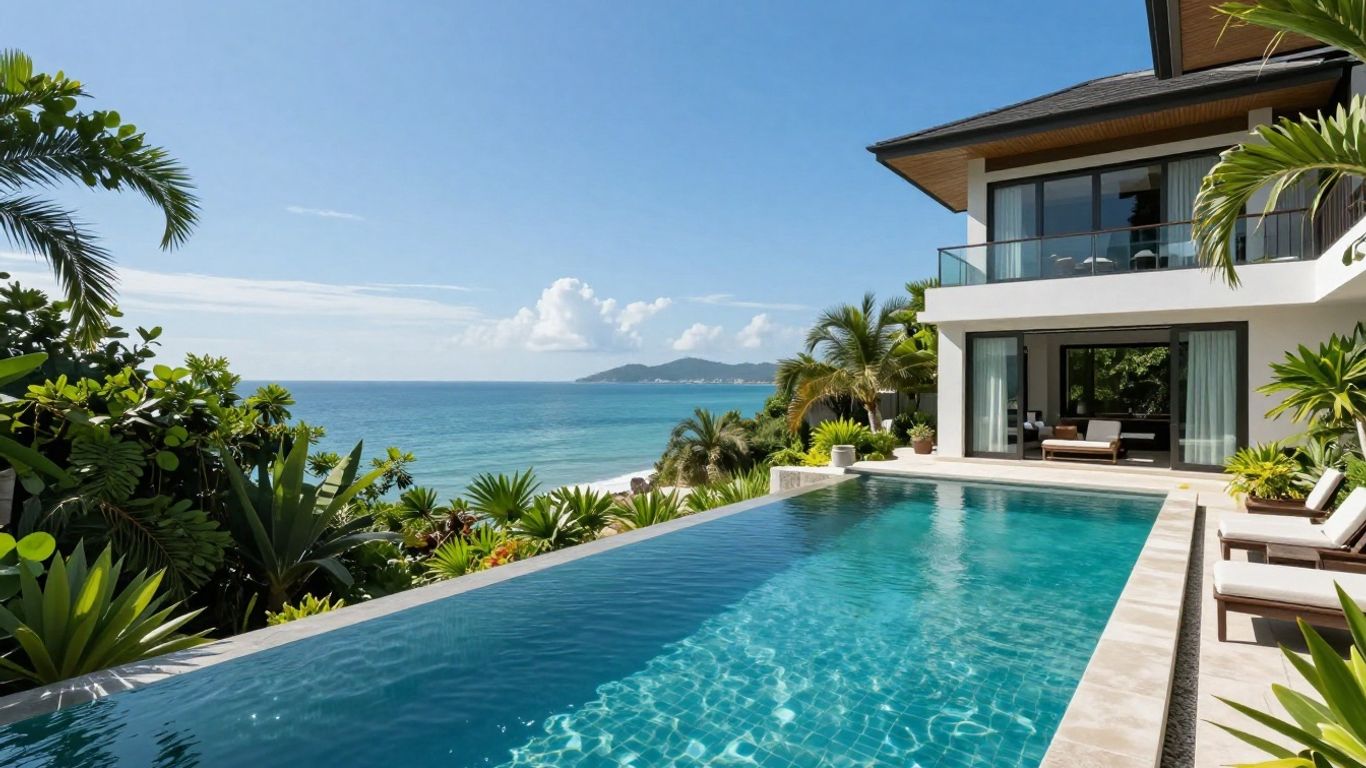
When you’re looking at buying property in Phuket, it’s not just about the location or the price; the type of property itself plays a big role in what you get. Different kinds of homes suit different needs, whether you’re planning to live there, rent it out, or just use it for holidays. It’s worth thinking about what fits your plans best.
The Appeal of Beachfront Villas
These are often the dream properties, right? Imagine waking up to the sound of the waves and having the beach just a few steps away. Beachfront villas in Phuket can be absolutely stunning, offering incredible views and direct access to the sand and sea. They tend to be larger, more private, and come with a higher price tag, naturally. For those looking for a luxury holiday home or a high-end rental investment, these are top of the list. However, their premium location also means they can be more exposed to the elements and may require more upkeep.
Condominiums for Investment and Personal Use
Condos are a really popular choice for a lot of people buying in Phuket. They’re generally more affordable than villas, especially if you look a little way back from the absolute beachfront. Many developments come with shared facilities like swimming pools, gyms, and security, which is a big plus. For investors, condos can be quite straightforward to rent out, either long-term or as holiday lets. They’re often seen as a good entry point into the Phuket property market, offering a balance between cost and lifestyle benefits.
Exploring Luxury Penthouses and Estates
If your budget stretches a bit further, penthouses and larger estates offer a different level of luxury and space. Penthouses, often found in prime condo developments, give you elevated views and a sense of exclusivity, sometimes with private rooftop terraces or plunge pools. Estates, on the other hand, are usually detached properties, often with substantial land, private gardens, and extensive living areas. These are typically for buyers seeking ultimate privacy and space, or for those looking to make a significant investment in a high-value property.
Choosing the right property type is about matching your lifestyle and financial goals. A beachfront villa might be the ultimate holiday escape, while a condo could be a more practical investment. Estates and penthouses cater to those wanting more space and luxury. It’s a good idea to view a few different types to get a feel for what works best for you.
Maximising Rental Income Potential
So, you’ve bought a place in Phuket, brilliant! But owning property here isn’t just about having a nice holiday spot; it’s also about making it work for you financially. And let’s be honest, who wouldn’t want their property to pay for itself, and then some? That’s where thinking about rental income comes in. It’s not just about finding someone to rent it to; it’s about doing it smartly.
Understanding Occupancy Rates Throughout the Year
Phuket has its busy times and its quiet times, and this really affects how often your property will be rented out. The high season, usually from November to April, sees tourists flocking to the island. During these months, you can expect your occupancy rates to be pretty high, maybe even hitting 80-90% if your place is in a good spot and priced right. It’s the prime time to earn.
But then there’s the low season, roughly May to October. This is when the rains come, and visitor numbers drop. Don’t write it off completely, though. Some people still visit for the quieter vibe, lower prices, or specific events. You might see occupancy rates dip to, say, 40-60%, but it’s still income. The trick is to be realistic about these numbers when you’re planning your finances.
Here’s a rough idea:
| Season | Typical Months | Expected Occupancy | Notes |
|---|---|---|---|
| High Season | November – April | 80-90% | Peak tourist season, highest demand |
| Low Season | May – October | 40-60% | Rainy season, fewer tourists, lower prices |
Strategies for Optimising Holiday Rental Returns
To really get the most out of holiday rentals, you need to be a bit proactive. First off, make sure your property is appealing. Think about what holidaymakers want: good Wi-Fi, comfortable beds, a decent kitchen, and maybe a nice view or pool access. Little touches can make a big difference.
Pricing is key. You’ll want to charge more during the peak season and perhaps offer discounts or special packages during the low season to attract bookings. Using online travel agencies (OTAs) like Airbnb or Booking.com is a must, but also consider having your own website or social media presence to attract direct bookings, which often means you keep more of the profit.
- Professional Photos: Good pictures are your first sales pitch.
- Guest Reviews: Encourage happy guests to leave reviews; they’re gold.
- Flexible Booking: Offer some flexibility with check-in/check-out times if possible.
- Local Partnerships: Team up with local tour operators or restaurants for guest perks.
Managing a holiday rental means being available, or having someone reliable who is. This includes handling bookings, greeting guests, arranging cleaning, and dealing with any issues that pop up. It’s a hands-on job, but the rewards can be significant.
The Benefits of Owning Property for Immediate Rental
Buying a property that’s ready to go, or needs only minor work, means you can start earning rental income almost straight away. This is a huge plus, especially if you’re looking for a quicker return on your investment. Properties that are already furnished and in good condition often attract tenants more easily, whether they’re holidaymakers or long-term renters.
This approach also minimises your upfront costs and hassle. Instead of spending time and money on renovations, you can focus on marketing your property and getting it booked. It’s a more straightforward path to generating income, allowing you to benefit from Phuket’s rental market without a lengthy setup period. The sooner you start renting, the sooner your investment begins to generate returns.
Want to get the most money from your rental property? We can help you make smart choices to boost your earnings. Discover how to make your property work harder for you. Visit our website today to learn more!
So, When Should You Buy?
Right then, after all that chat, it seems like there’s no single ‘perfect’ moment to buy property in Phuket that fits everyone. If you’re after a bargain, the low season, especially around summer and early autumn, looks like a good bet. Sellers might be more willing to haggle, and you’ll have more peace to look around. On the flip side, if you’re thinking about rental income, the high season, from November to April, is when things are buzzing with tourists and occupancy rates are through the roof. Ultimately, it boils down to what you want from your Phuket property – a holiday home, an investment, or maybe a bit of both. Do your homework, maybe chat with a local agent, and trust your gut. Happy house hunting!
Frequently Asked Questions
When is the best time to buy property in Phuket?
The best time to buy property in Phuket is often during the ‘low season’, typically from June to September. During these months, fewer tourists visit, leading to lower prices for properties and more room for negotiation with sellers. It’s also a quieter time to explore different areas and view properties without the usual hustle and bustle.
Why are property prices lower in the low season?
When fewer people are visiting Phuket for holidays, demand for rentals and property sales naturally goes down. This means sellers might be more eager to make a deal, and you could find some great bargains. It’s like when shops have sales after a busy period – they want to clear stock.
Does the weather affect property buying in Phuket?
Yes, the weather plays a big role! Phuket has a high season with great weather (around November to April) when most tourists come and property sales are high. The low season (rainy season) has fewer visitors, which is why it’s a good time for buyers looking for better deals. However, the weather in Phuket is generally pleasant year-round, with no extreme storms like in some other parts of the world.
Is it a good idea to buy property in Phuket for rental income?
Absolutely! Phuket is a popular holiday spot, so renting out your property can bring in good money. The rental income can be quite steady, especially during the busy tourist months. It’s a way to earn money while your property is not being used by you.
How does the Thai Baht’s value affect foreign buyers?
If your home currency is stronger than the Thai Baht, it means your money can buy more in Thailand. This can make buying property in Phuket more affordable for foreigners. It’s like getting more for your money when you exchange currency.
What are the different ways to invest in Phuket property?
You can invest in a few ways. You could buy a property to rent out for short holidays (like a villa or condo), which gives you regular income. Or, you could buy land, which might increase in value over time, though foreigners usually lease it long-term. Some people also buy properties that are still being built (off-plan) hoping they will be worth more when finished.
Why is Phuket so popular for buying property?
Phuket is famous for its beautiful beaches, sunny weather, and exciting lifestyle. It’s a top holiday destination that keeps attracting visitors. Plus, the island is getting better with improved roads and facilities, making it a nice place to live or visit, which in turn makes property there more desirable.
What should I be careful about when buying property in Phuket?
It’s important to do your homework. Make sure you understand all the paperwork and legal steps, especially if you’re a foreigner. Getting help from a local real estate expert you trust is a very good idea. They can guide you through the process and make sure everything is done correctly and safely.