


So, you’re thinking about a Phuket property viewing trip? It sounds exciting, maybe a bit overwhelming too. Buying a place in a different country, especially somewhere as popular as Phuket, means you need to be prepared. This guide is here to help you get ready, so your trip to find that perfect spot goes as smoothly as possible. We’ll cover the important bits, from figuring out what you actually want to buy, to understanding the whole buying process, and making sure you don’t miss anything important. Let’s get you set for a successful property hunt.
Key Takeaways
- Define your goals for buying property in Phuket before you start looking.
- Research Phuket’s different areas and property types to find what suits you best.
- Understand your budget and how you’ll finance the purchase.
- Get professional help from agents and lawyers who know the local system.
- Be thorough with inspections and legal checks to avoid future problems.
Planning Your Phuket Property Viewing Trip
So, you’re thinking about buying a place in Phuket? Brilliant! It’s a fantastic island, and getting the planning right for your viewing trip is half the battle. Don’t just hop on a plane and hope for the best; a bit of forethought goes a long way.
Define Your Property Objectives
First things first, what are you actually looking for? It’s easy to get swept up in the beautiful scenery, but you need to be clear about your goals. Are you after a holiday bolt-hole, a permanent residence, or a rental investment? Think about the type of property – a villa with a private pool, a modern condo with sea views, or maybe something a bit more secluded? Consider the size, the number of bedrooms, and any specific features you absolutely must have. It’s also worth thinking about who you’ll be sharing it with, or if it’s just for you. Knowing this will help narrow down your search considerably.
Research Phuket’s Diverse Property Market
Phuket isn’t just one big beach; it’s got distinct areas, each with its own vibe and price point. You’ve got the lively buzz of Patong, the more family-friendly stretches like Bang Tao, and the tranquil shores of Mai Khao. Areas like Rawai and Nai Harn are popular with those who love being near the water and islands. Understanding these differences is key. Online property portals are a good starting point, but nothing beats getting a feel for the place yourself. Visiting different neighbourhoods will give you a much better sense of what’s available and what fits your lifestyle. You might find that the area you initially thought you wanted isn’t quite right once you’re there. For example, a property like this 3-bedroom Eastcoast Seaview Villa in Ao Por [d36e] offers a different experience to something in the busier south.
Understand Your Budget and Financing Options
This is a big one. Be realistic about what you can afford. It’s not just the purchase price; you’ll have ongoing costs like maintenance, management fees, and taxes. If you’re getting a mortgage, look into the options available for foreigners buying property in Thailand. It’s wise to have a clear picture of your finances before you start viewing properties seriously. Don’t forget to factor in the costs of the viewing trip itself – flights, accommodation, and getting around the island. Having a solid budget means you won’t be disappointed by properties that are just out of reach.
Getting your finances sorted early prevents a lot of headaches down the line. It allows you to focus your search on properties that are genuinely within your means, making the entire process much smoother and less stressful.
Navigating the Phuket Property Purchase Process
Buying a property in Phuket might seem a bit complex at first, especially if you’re not familiar with the local way of doing things. But honestly, with a bit of preparation and the right help, it’s quite manageable. Think of it like planning a holiday – you wouldn’t just show up without a plan, right? The same applies here.
Step-by-Step Guide to Property Acquisition
Getting your hands on a piece of Phuket involves a few key stages. It’s not a race, so take your time with each one.
- Figure out your budget and how you’ll pay for it. This is the very first step. Knowing your financial limits stops you from falling in love with places you can’t afford.
- Find a good real estate agent. Someone who knows Phuket well can point you towards suitable properties and understand the local market.
- Do your homework on the property. This means checking all the paperwork, making sure there are no hidden problems, and that the land is what it says it is.
- Talk price and terms with the seller. This is where negotiation comes in. Your agent can help here.
- Sign the sales agreement. This is the official document outlining everything. Make sure you and your lawyer are happy with it.
- Pay the deposit and the rest of the money. This usually happens in stages.
- Transfer the title deed. This is the final step, done at the Land Department, making the property officially yours.
Making an Offer and Negotiating Terms
Once you’ve found a place that ticks your boxes, it’s time to make an offer. This isn’t just about the price; you’ll also be discussing payment schedules and any conditions. Don’t be afraid to negotiate. It’s standard practice, and a good agent will guide you on what’s reasonable. Remember, you don’t have to accept the first offer or counter-offer. It’s perfectly okay to walk away if the deal doesn’t feel right.
Understanding the Sales Agreement
This document is the backbone of your purchase. It’s a legally binding contract that details everything: the agreed price, how and when payments will be made, the closing date, and any specific conditions. It’s really important to have a lawyer look over this with you. They’ll spot anything that might cause trouble down the line.
Don’t rush the signing of the sales agreement. It’s a significant commitment, and ensuring you fully grasp every clause is paramount to a smooth transaction and avoiding future disputes. A clear agreement protects both buyer and seller.
Engaging Professional Guidance
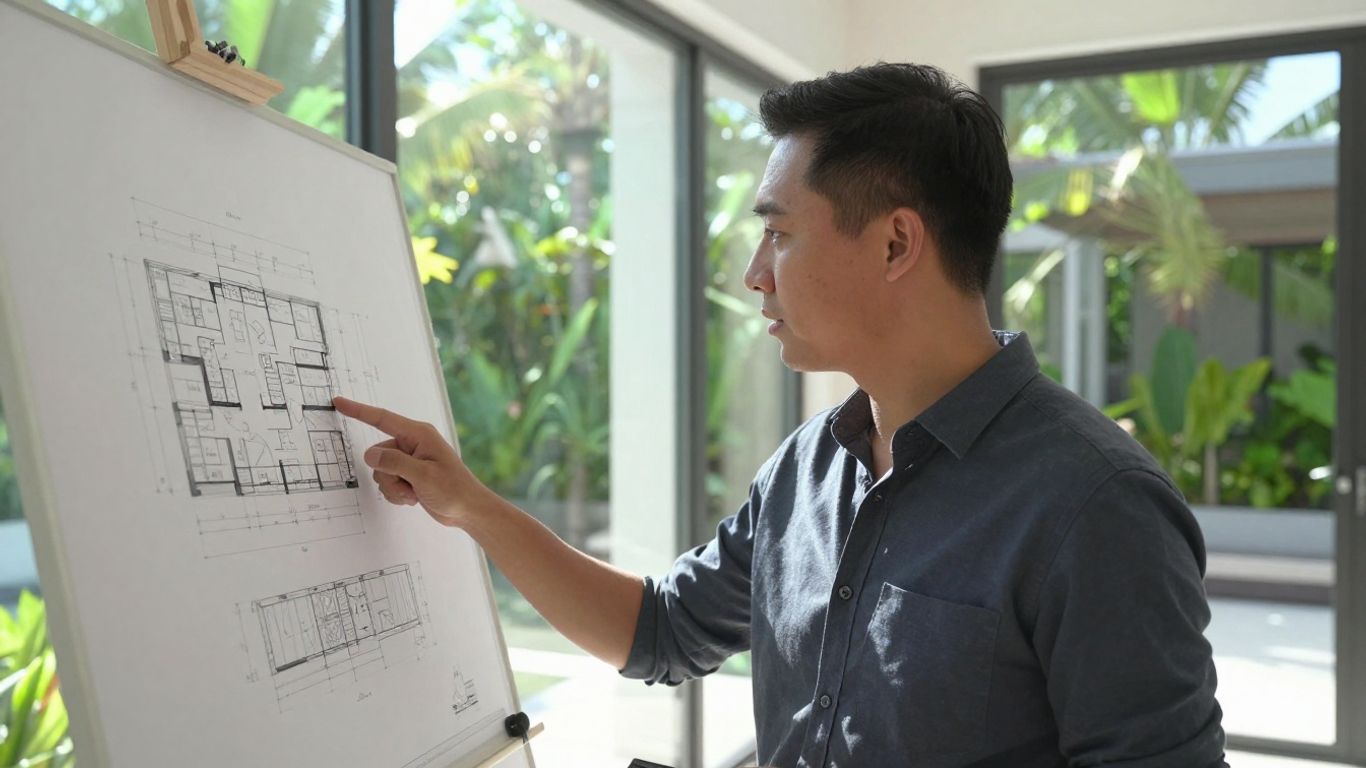
Buying property in a foreign country like Thailand can feel a bit daunting, and that’s perfectly normal. It’s not like popping down to the local estate agent for a chat. To make sure you don’t end up with a headache, or worse, a bad deal, getting the right people on your side is a really smart move. Think of them as your guides through the Phuket property jungle.
Working with Reputable Real Estate Agents
Finding a good real estate agent is probably your first port of call. These folks know the local market inside out. They’ve got their finger on the pulse of what’s available, what’s selling, and for how much. When you’re looking for one, try to find someone who’s been around for a while, has a solid track record, and ideally, some good reviews from past clients. It’s important they actually listen to what you’re after, rather than just trying to push whatever’s on their books. They can arrange viewings, give you the lowdown on different areas, and importantly, help you negotiate with sellers. A good agent can save you a lot of time and potential missteps. For instance, if you’re eyeing up a place like this five-bedroom villa in Surin, an experienced agent can tell you about its history and the local amenities.
The Crucial Role of Lawyers and Surveyors
Once you’ve found a property you like, you’ll absolutely need a lawyer. Don’t even think about skipping this bit. A local lawyer who specialises in property law is your best bet. They’ll do the heavy lifting when it comes to checking all the legal paperwork, making sure the land titles are clear, and that there are no hidden problems or debts attached to the property. They understand the ins and outs of Thai property law, which can be complex for outsiders. Surveyors, on the other hand, will check the physical condition of the property. They’ll look for any structural issues, problems with plumbing or electrics, and generally give you a clear picture of the building’s state. It’s a bit like getting a health check for your potential new home.
Understanding Notaries and Legal Authentication
When it comes to finalising documents, you might come across notaries. In Thailand, a notary public’s role is to officially witness and authenticate documents. This adds an extra layer of legitimacy to contracts and agreements, confirming that everything is above board and in line with Thai legal requirements. Your lawyer will guide you through this process, but it’s good to know what their involvement means. It’s all about making sure your purchase is legally sound and that your ownership is properly registered.
Relying on professionals isn’t just about making the process easier; it’s about protecting your investment and avoiding costly mistakes down the line. They are there to ensure your transaction is as smooth and secure as possible.
Here’s a quick look at who does what:
| Professional | Main Role |
|---|---|
| Real Estate Agent | Property search, viewings, market advice, negotiation support |
| Lawyer | Legal checks, contract review, title verification, legal advice |
| Surveyor | Property inspection, structural assessment, condition report |
| Notary Public | Document authentication and legal witnessing |
Due Diligence for Phuket Properties
Right then, before you get too excited about that villa with the infinity pool, we need to talk about the nitty-gritty. Doing your homework, or ‘due diligence’ as the professionals call it, is probably the most important bit of the whole process. It’s not the most glamorous part, I’ll grant you, but skipping it is like trying to build that infinity pool without checking if the ground will actually hold it up. It’s a recipe for disaster, and trust me, you don’t want that kind of headache.
Thoroughly Inspecting Potential Properties
First off, you absolutely must see the property in person. Photos can be deceiving, and online descriptions? Well, they’re designed to sell. You need to get a feel for the place yourself. Walk around the neighbourhood, check out the actual view from the windows (is it a sea view or a view of the neighbour’s bins?), and see how easy it is to get to. Is the road paved? Is it a dead end? Does it flood when it rains? These are the sorts of things you won’t find out from a glossy brochure. Look for any signs of wear and tear – damp patches, cracks in the walls, dodgy plumbing. If you’re looking at a condo, check the common areas, the pool, and the gym. Ask the neighbours if you can – they often know more than anyone.
Verifying Land Titles and Ownership
This is where things can get a bit technical, but it’s non-negotiable. You need to be absolutely certain that the person selling the property actually owns it and that the title deeds are legitimate. In Thailand, there are different types of land titles, and some are more secure than others. The most common and secure is the ‘Chanote’ (Nor Sor 4 Jor). You’ll want to see the original title deed and have a legal professional check it thoroughly. They’ll be looking for any existing mortgages, liens, or other claims against the property that could cause you problems down the line. It’s vital to have a lawyer you trust verify all the paperwork.
Checking Zoning Regulations and Encumbrances
Even if the title is clear, you need to know what you can actually do with the land or property. Zoning regulations dictate whether you can build a house, a block of apartments, or a commercial property. You don’t want to buy a plot of land only to find out you can’t build your dream villa on it because it’s designated as agricultural land. Also, check for any easements or rights of way that might affect your use of the property. For example, is there a path that crosses your land that locals have a right to use? Your lawyer and a surveyor will be able to help you uncover these details.
Don’t just take the seller’s word for it. Get everything confirmed in writing and through independent checks. It might seem like a lot of hassle, but it’s far better to find out about potential issues now than after you’ve handed over your money.
Legal Considerations for Foreign Buyers
Right then, let’s get down to the nitty-gritty of what foreigners need to know when looking at property in Phuket. Thailand has its own set of rules about who can own what, and it’s pretty important to get your head around these before you get too far down the line.
Understanding Thai Property Law for Foreigners
Generally speaking, direct land ownership by foreigners isn’t really a thing here. It’s not like back home where you just buy a plot and it’s yours outright. But don’t let that put you off; there are established ways to get around this. The main thing is to be aware of the options and make sure you’re doing everything by the book. It’s always best to have a local legal expert guide you through this.
Options for Land Ownership: Leasehold and Company Structures
So, what are your choices? Well, there are two main routes most people take:
- Leasehold: This is where you lease the land for a set period. The most common is a 30-year lease, which can usually be renewed for another 30 years. It gives you long-term control and the right to build on the land, which is often what people want. It’s a popular choice because it’s straightforward and provides a good level of security for your investment.
- Thai Limited Company: Another common method is to set up a Thai company. The company then owns the land. You’d be a shareholder in this company. There are rules about this, like needing a majority of Thai shareholders, so it’s not as simple as just creating a company on a whim. Your lawyer will sort out the details and make sure it’s all above board.
Foreign Ownership Limits in Condominiums
If you’re eyeing up a condominium, the rules are a bit different and often more straightforward for foreigners. You can actually own a condominium unit outright, which is called freehold ownership. However, there’s a limit: foreigners can collectively own no more than 49% of the total saleable area in any given condominium building. The remaining 51% must be owned by Thai nationals. When you’re looking at condos, the developer or agent will be able to tell you if the foreign ownership quota has been met for that particular project. It’s a good idea to double-check this with your lawyer too, just to be absolutely sure.
Navigating these legal waters can seem a bit daunting at first, but with the right advice and a clear understanding of the options, it’s entirely manageable. Don’t hesitate to ask questions and make sure you feel comfortable with the structure you choose before committing.
It’s worth noting that taxes and fees are involved in any property purchase, whether it’s a leasehold, a company structure, or a condo. Your lawyer will break down all the associated costs, like transfer fees and stamp duty, so there are no nasty surprises down the line.
Maximising Your Phuket Property Investment
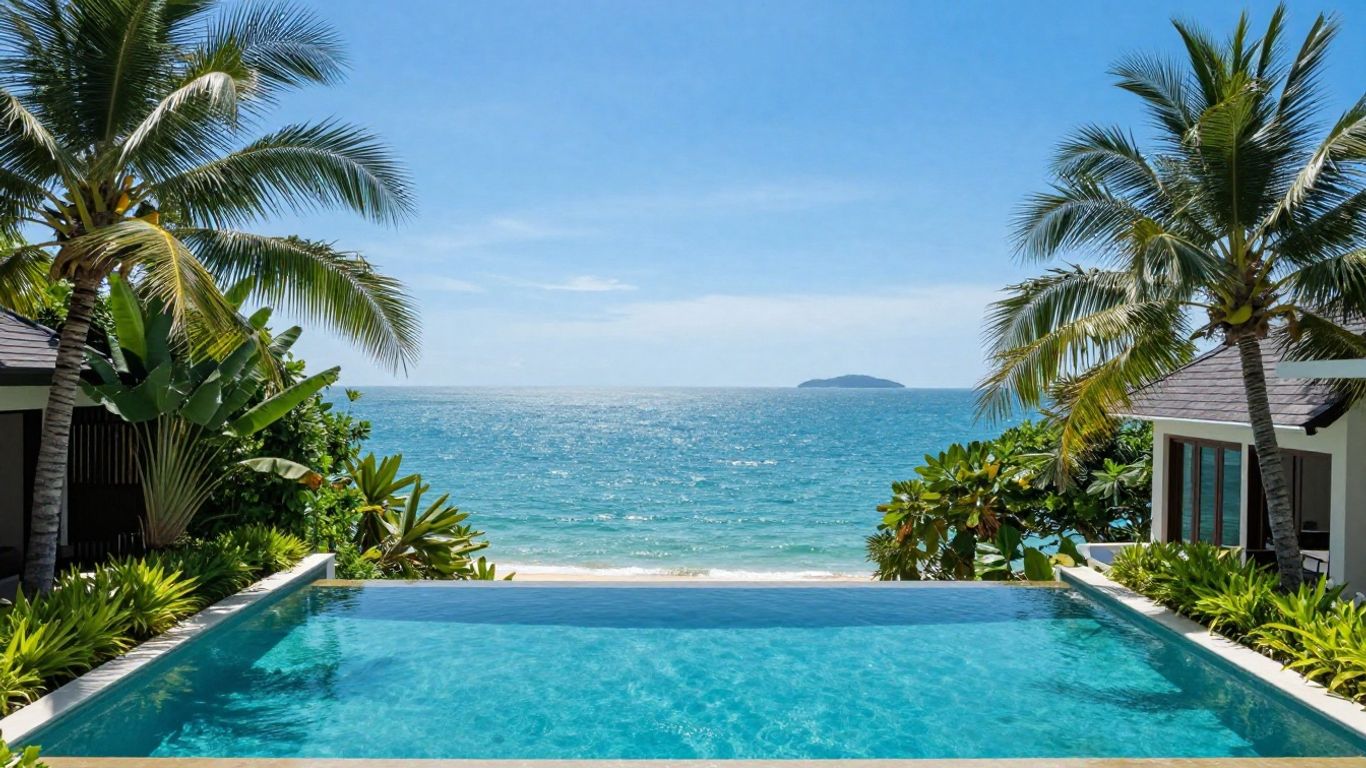
So, you’ve gone through the process and secured your piece of paradise in Phuket. That’s a big step! But owning land is just the start; the real potential for growth often comes from what you do with it next. Whether you’re dreaming of a holiday villa, a rental property to generate income, or even a small business, building on your land can really pay off. It’s about turning that plot into something that works for you.
Building on Your Land: Design and Construction
Once you own the land, the exciting part of building begins. You’ll want to have a clear idea of what you’re aiming for. Think about the style of the building, how big it should be, and any special features you’d like. It’s a good idea to look into the local building rules and regulations early on, just to make sure your plans are on the right track. Finding good architects, engineers, and builders who know Phuket well is key. Don’t just go with the first one you find; get a few quotes and compare what they’re offering. Check out their past work too.
- Develop a clear vision for your project.
- Research local building codes and regulations.
- Engage reputable architects and construction teams.
- Obtain all necessary permits before starting.
- Supervise the construction process closely.
It’s also worth thinking about making your building energy-efficient. Not only is it better for the environment, but it can also save you money on bills down the line and make the property more attractive to potential renters or buyers.
Considering Property Management for Rentals
If your plan is to rent out your property, you’ll need to think about how that’s going to work. Managing a property from afar can be tricky. This is where a good property management company comes in. They can handle everything from finding tenants and collecting rent to dealing with any maintenance issues that pop up. It takes a lot of the stress out of owning a rental property, especially if you’re not living there full-time.
Here’s a quick look at what property managers typically do:
- Marketing and Tenant Sourcing: Advertising your property and screening potential renters.
- Rent Collection: Ensuring timely payments and handling any arrears.
- Property Maintenance: Arranging for repairs and regular upkeep.
- Financial Reporting: Providing you with statements on income and expenses.
Choosing the right manager is important; they’re your eyes and ears on the ground. Look for companies with a good track record and clear communication.
Exploring Investment Opportunities and Market Trends
Phuket’s property market is always changing, so keeping an eye on trends can help you make smart decisions. The island’s popularity as a tourist destination means there’s often a good demand for rental properties, especially villas and condos in desirable locations. Areas near popular beaches or with good transport links tend to do well.
| Property Type | Average Rental Yield (Estimate) |
|—————|———————————||
| Beachfront Villa | 5-7% ||
| Sea View Condo | 4-6% ||
| Inland House | 3-5% ||
Note: Rental yields can vary significantly based on location, property condition, and management effectiveness.
Think about what kind of property is in demand. Are people looking for luxury villas, family-friendly apartments, or something more budget-friendly? Staying informed about these trends can help you decide whether to build, renovate, or perhaps even consider selling if the market conditions are right. Long-term growth often comes from understanding the local demand and aligning your investment with it.
Cultural Nuances in Property Transactions
Buying property in a foreign country like Thailand involves more than just looking at floor plans and budgets. There’s a whole layer of local customs and ways of doing things that can really smooth your path, or trip you up if you’re not aware. It’s not just about the deal; it’s about the people and the place.
Understanding Thai Customs and Etiquette
Respect and politeness are big deals here. When you’re talking to sellers or agents, keeping a calm and friendly demeanour is key. A ‘wai’ – that gentle bow with your hands pressed together – is a common greeting, and it’s always good to use people’s titles and first names. Showing genuine respect can open doors that might otherwise stay shut. It’s about building rapport, not just making a transaction.
Building Relationships with Local Communities
Getting to know the local community can be surprisingly helpful. If you can, attend local events or show a real interest in traditions. It makes your experience richer, and you might even pick up some useful local knowledge about the property market. It’s about becoming part of the place, not just an outsider buying a house. This can also help when you’re looking at properties, perhaps like these villas in Manik, which offer a blend of styles and are set within a community [a321].
Navigating Language Barriers Effectively
Let’s be honest, language can be a hurdle. While English is common in tourist spots, it’s not a given everywhere. Having a bilingual agent is a massive help, but even learning a few basic Thai phrases goes a long way. Locals really appreciate the effort, and it makes communication much easier. It shows you’re making an effort to connect.
Being aware of cultural nuances can significantly enhance your property buying experience in Thailand, making it not just a transaction, but a journey into a new way of life.
Here are a few things to keep in mind:
- Greetings: Always offer a polite greeting, often with a ‘wai’.
- Patience: Things might move at a different pace than you’re used to. Rushing can be counterproductive.
- Saving Face: Avoid causing embarrassment or confrontation. Disagreements are often handled indirectly.
- Bargaining: While negotiation is common, it should always be done respectfully and without excessive pressure.
Understanding these points isn’t just about being polite; it’s about making the whole process of buying property in Phuket a more positive and successful experience.
Finalising Your Phuket Property Purchase
So, you’ve found the perfect place in Phuket, had all your checks done, and agreed on the price. Brilliant! Now comes the part where it all becomes official. It might seem like the end of the road, but there are still a few important steps to get through before you’re holding the keys to your new Thai home.
Completing the Deposit and Payment Process
Once you’ve signed the sales agreement, it’s time to put down a deposit. This is usually a percentage of the total price, and it shows the seller you’re serious. Make sure you know exactly when the rest of the payment is due. It’s best to use a reputable bank for transferring large sums of money, and always keep records of every transaction. This might involve a few different payments depending on what you agreed with the seller, perhaps staged payments during construction if it’s a new build, or one final payment on completion.
The Land Title Transfer at the Land Department
This is the big one. The actual transfer of ownership happens at the local Land Department office. You, or your lawyer representing you, will need to be there. The seller will also be present, or represented. All the paperwork is checked, taxes and fees are paid, and then the title deed is officially changed into your name. It’s a formal process, so having your lawyer there to guide you through it is a real help.
Registration and Post-Purchase Procedures
After the title deed is in your name, there are still a few bits and bobs to sort out. This includes registering the property, paying any remaining government fees or taxes, and getting your name on any utility bills. If you’re planning to rent out your property, this is also the time to get your property management sorted. It’s wise to have a checklist for these final steps to make sure nothing gets missed.
It’s easy to get caught up in the excitement of buying, but don’t rush the final stages. Double-checking all the paperwork and understanding each step of the transfer process will save you a lot of hassle down the line. Patience here pays off.
You’re almost there with your Phuket property purchase! Once all the paperwork is sorted, you’ll be ready to enjoy your new place. For expert help with the final steps and to explore more amazing properties, visit our website today.
Your Phuket Property Hunt: The Journey Continues
So, you’ve spent time exploring Phuket, looking at places, and hopefully, you’ve got a much clearer idea of what you’re after. Buying property here is a big step, no doubt about it. But with a bit of planning, the right people helping you out, and by keeping a cool head, it’s totally doable. Remember, it’s not just about finding a house or a flat; it’s about finding your little piece of paradise. Take your time, do your homework, and don’t be afraid to ask questions. Enjoy the process, and before you know it, you could be settling into your new life on this amazing island. Happy hunting!
Frequently Asked Questions
What’s the first thing I should do before looking for property in Phuket?
Before you even start browsing, get really clear on what you’re looking for. Think about the type of place – a villa, a flat, or a house? How much money do you have to spend? And what will you use it for – holidays, renting it out, or living there full-time? Knowing this helps you focus your search.
Is it hard for foreigners to buy property in Phuket?
It might seem a bit tricky at first because foreigners can’t usually own land directly. But don’t worry! You can buy flats (condos) if they’re part of a building where less than 49% is owned by foreigners. You can also lease land for a long time or set up a Thai company to own it. It’s best to get advice on this.
How do I know if the property I like is a good deal?
It’s super important to do your homework! Look at what similar properties are selling for in the area. Also, check out the neighbourhood, how easy it is to get around, and if it feels safe. Talking to a local estate agent can give you a good idea of fair prices.
Do I really need a lawyer when buying property in Phuket?
Yes, absolutely! A good lawyer who knows Thai property rules is a must. They’ll check all the paperwork, make sure the land title is clear, and help you understand the sales contract. They’re there to protect your interests and make sure everything is legal and safe.
What’s involved in the actual buying process?
After you find a place and agree on a price, you’ll usually sign a sales agreement and pay a deposit. Then, you’ll need to sort out the rest of the money. The final step is transferring the ownership at the local Land Department, which your lawyer will help you with.
Can I build on land I buy in Phuket?
Yes, if you buy land, you can build on it! You’ll need to get plans drawn up by an architect and make sure you follow all the local building rules and get the right permits. It’s a good way to create exactly what you want, but it needs careful planning and budgeting.
What if I don’t speak Thai very well?
Don’t let language be a barrier! In tourist areas, many people speak English. It’s a good idea to work with a real estate agent who can translate for you. Learning a few basic Thai phrases is also appreciated by locals and can make things smoother.
Are there any cultural things I should be aware of?
Thai culture values respect and politeness. When you’re dealing with sellers or agents, try to be calm and friendly. A simple ‘wai’ (pressing your hands together) is a common greeting. Showing respect for local customs will make your experience much more pleasant.