

Watch This Episode: Our Phuket Real Estate Podcast
Our podcast covers all the topics for property investors looking at buying real estate in Thailand.
So, you’re curious about Samui property prices, huh? Well, buckle up, because there’s a lot to unpack. This island is a mixed bag of real estate wonders, from swanky villas with sea views to more budget-friendly condos. Whether you’re thinking of investing or just dreaming of a tropical getaway, understanding the property landscape here is key. Let’s dive into what makes Samui’s property market tick.
Key Takeaways
- Samui’s property market offers a wide range of options, from luxury villas to affordable condos.
- Location is a big factor in property prices, with beachfront properties often commanding higher rates.
- The island’s tourism industry significantly impacts property demand and pricing.
- Legal considerations, especially for foreign buyers, are crucial when purchasing property in Samui.
- Future market trends suggest growth, but potential risks should be considered by investors.
Understanding Samui Property Prices
Factors Influencing Prices
Samui’s property market is shaped by several important factors. First off, location is a big deal. Properties close to the beach or with stunning ocean views tend to fetch higher prices. Then there’s the type of property. Luxury villas are obviously more expensive than a small condo. Also, proximity to amenities like shops, schools, and hospitals can drive up the price. Lastly, the quality of the build and materials used plays a part too. A well-constructed home with top-notch materials will always demand a premium.
Comparison with Other Thai Islands
When you look at Samui compared to other Thai islands like Phuket or Koh Tao, there’s quite a difference in property prices. Samui tends to be more affordable than Phuket, which is known for its high-end market. But it’s pricier than Koh Tao, which is smaller and less developed. Here’s a quick comparison:
| Island | Average Price per Sq Metre (THB) |
|---|---|
| Samui | 80,000 |
| Phuket | 100,000 |
| Koh Tao | 60,000 |
Historical Price Trends
Over the years, Samui’s property prices have seen a steady climb. In the early 2000s, prices were a fraction of what they are now, thanks to increased tourism and investment. The market did slow down a bit during global economic downturns, but it has bounced back each time.
Looking back, the growth in property prices reflects Samui’s rising popularity as a tourist hotspot and a desirable place to live. The island’s charm and lifestyle continue to attract both local and international buyers, keeping the market vibrant.
Popular Areas for Property Investment in Samui
Chaweng and Its Appeal
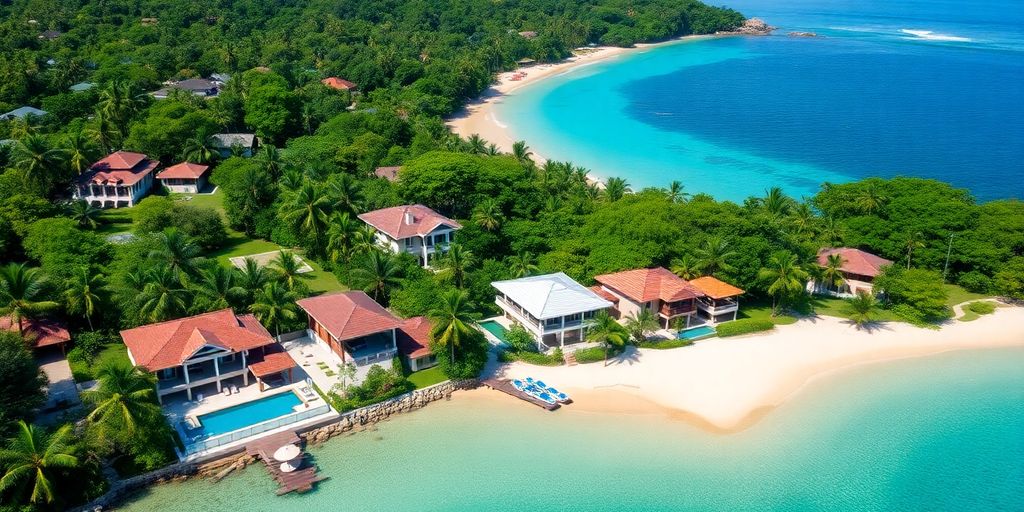
Chaweng is the bustling heart of Koh Samui, attracting tourists and investors alike with its vibrant nightlife, diverse dining options, and shopping experiences. The area is home to the largest shopping complex on the island, Central Festival, which draws visitors from all over. Chaweng’s lively atmosphere makes it a top choice for those seeking both entertainment and investment opportunities. Properties here range from luxury villas to more modest accommodations, offering something for everyone.
Bo Phut: A Rising Star
Bo Phut is gaining traction as a desirable location for property investment. Known for its charming Fisherman’s Village, Bo Phut offers a more relaxed vibe compared to Chaweng. The area is dotted with boutique hotels, quaint cafes, and local markets. Investors are drawn to Bo Phut for its potential growth and the allure of its traditional yet upscale atmosphere. The rising demand for properties here has made it a hotspot for new developments.
Lamai: The Quiet Retreat
Lamai offers a quieter alternative, ideal for families and those seeking a peaceful retreat. With its friendly environment and beautiful beachside bungalows, Lamai is perfect for those who want to enjoy a laid-back lifestyle. The area provides a range of properties, from affordable homes to luxurious beachfront villas, catering to different investment needs. Lamai’s serene setting and community feel make it a compelling choice for long-term investment.
Types of Properties Available in Samui
Luxury Villas with Sea Views
Imagine waking up to the sound of waves crashing and the sight of a breathtaking sunrise over the ocean. That’s what you get with luxury villas in Samui. These villas are the epitome of opulence and comfort, often featuring private infinity pools, expansive living spaces, and state-of-the-art amenities. They are mostly located in prime spots like Chaweng and Bo Phut, offering both privacy and proximity to the island’s vibrant life. Perfect for those who want a slice of paradise with a touch of elegance.
Affordable Condominiums
If you’re looking for something more budget-friendly, Samui’s condominiums might be your go-to. These are usually found in areas like Mae Nam and Bang Rak, where you can enjoy a good mix of local culture and modern conveniences. Condos are popular among expats and long-term tourists, offering communal facilities like gyms and swimming pools. They’re a great choice if you’re after a simple, hassle-free lifestyle without breaking the bank.
Traditional Thai Houses
For those who appreciate cultural richness, traditional Thai houses offer an authentic living experience. These homes are often built with natural materials like teak wood and feature intricate designs that reflect Thailand’s artistic heritage. Living in a traditional Thai house gives you a sense of connection to the local community and a chance to immerse yourself in the island’s history and culture. It’s a unique option for those who value tradition and charm over modernity.
In Samui, there’s a property type for every lifestyle and budget, from opulent villas with ocean views to charming traditional homes. Whether you’re seeking luxury or simplicity, the island offers a diverse range of options to suit your needs.
The Impact of Tourism on Samui Property Prices
Seasonal Price Fluctuations
Tourism is the lifeblood of Koh Samui, and as such, it plays a significant role in shaping property prices. During peak tourist seasons, property prices often see a noticeable spike. This is mainly because the demand for short-term rentals and holiday homes increases, pushing up rental yields. Investors looking to cash in on these periods often adjust their pricing strategies, sometimes leading to inflated property values. However, during the off-peak seasons, prices may stabilise or even drop slightly, offering opportunities for savvy buyers.
Tourism-Driven Demand
Koh Samui’s allure as a tropical paradise attracts a diverse range of tourists, from backpackers to luxury travellers. This influx of visitors has a direct impact on the demand for various types of properties, from budget-friendly condos to high-end villas. The constant flow of tourists ensures a robust rental market, making properties in Samui an attractive investment. With the growing interest from international buyers, especially from regions like China, the demand for properties continues to rise. However, concerns over abduction and trafficking news have led to a decline in interest from some buyers, which could affect future demand dynamics.
Investment Opportunities
The tourism boom has not only driven demand but also opened up numerous investment opportunities. Many investors are eyeing properties that can be converted into vacation rentals, capitalising on the island’s popularity. Additionally, with Thai lawmakers considering decisions that could potentially increase luxury flat prices, there is a buzz in the market about the prospects of significant returns. For those looking to invest, it’s crucial to keep an eye on these developments and assess how they might impact property values in the near future.
Koh Samui’s property market is a dynamic landscape, heavily influenced by the ebb and flow of tourism. Understanding these patterns can provide valuable insights for potential investors and homeowners alike.
Legal Considerations for Buying Property in Samui
Foreign Ownership Laws
Buying property in Samui as a foreigner can be quite the puzzle. Foreign nationals can’t own land outright in Thailand, but there are ways around it. You can snag a piece of paradise through a leasehold agreement, which typically runs for 30 years and can sometimes be extended. Alternatively, setting up a Thai Limited Company allows you to own property indirectly. This method involves having Thai nationals hold the majority of shares, while you maintain control with the remaining shares. When it comes to condos, up to 49% of the units in a building can be foreign-owned, making it a more straightforward option.
Leasehold vs Freehold
Understanding the difference between leasehold and freehold is crucial. A leasehold gives you the right to use the land for a set period, while freehold means permanent ownership. For foreigners, freehold ownership is possible mostly with condos. If you’re going for a leasehold, make sure the contract is clear about renewal terms and any potential costs involved. Remember, leaseholds can be renewed up to two times, potentially giving you up to 90 years of ownership.
Engaging Legal Experts
Navigating the legal landscape in Samui can be tricky, so hiring a local lawyer is a smart move. They’ll guide you through the paperwork, ensuring that everything is above board. A good lawyer will help you understand all the legal fees and taxes involved, and they’ll make sure your investment is secure. It’s also wise to work with a reputable real estate agent who can connect you with trustworthy legal professionals.
Buying property in Samui is a dream for many, but understanding the legalities is key to making it a reality. With the right guidance, you can own a slice of this tropical paradise without any legal hiccups.
When planning your investment, consider the business strategies for 2025 that might impact the property market. With potential changes in project launches due to market oversupply, it’s vital to stay informed and plan accordingly.
Financing Options for Purchasing Property in Samui
Mortgage Loans
When it comes to buying property in Samui, mortgage loans are a popular choice. Banks and financial institutions offer these loans, using the property itself as collateral. To qualify, you need a solid credit score and a reliable income. Interest rates can vary widely, so it’s wise to shop around and compare offers. Remember, if you default, the bank can seize the property, so be sure you can handle the payments.
Cash Purchases
If you have the funds ready, paying in cash is often the simplest way to buy property. Sellers usually prefer cash deals because they eliminate the hassle of waiting for loan approvals. Plus, cash buyers often have more negotiating power, potentially snagging a better price. But don’t forget to keep extra cash on hand for unexpected costs like taxes, maintenance, or legal fees.
Alternative Financing Methods
For those looking for other options, there are alternative financing methods. Some buyers consider forming a limited liability company in Thailand, which can own the property. This method involves more paperwork and legal considerations but can be a viable route for those with the resources. Another option is seller financing, where the seller allows you to pay for the property over time, directly to them, often with interest.
Buying property in Samui isn’t just about price tags and loans. It’s about finding the right fit for your lifestyle and financial situation. Whether you go for a mortgage, cash, or something else, make sure it aligns with your long-term goals.
The Cost of Living in Samui Compared to Property Prices
Daily Living Expenses
Living in Samui can be quite affordable if you play your cards right. A basic daily budget for a tourist might run around ฿2,600, which covers food, transportation, and modest accommodation. For those planning to stay longer, keeping expenses low is key. You can find local meals for about ฿100, while public transport might set you back just ฿50 a trip. Utilities, including internet and phone plans, are reasonably priced, starting from about ฿3,600 monthly.
Long-Term Residency Costs
For folks thinking about settling down, a monthly income of at least ฿13,000 is necessary to cover basic needs. To also afford rent, you should aim for a monthly budget of around ฿26,000. One-bedroom apartments in central areas can cost about ฿16,000 per month. It’s worth noting that Thailand’s property market is thriving, offering various investment opportunities, especially to foreign investors.
Balancing Lifestyle and Budget
Finding the right balance between living comfortably and staying within budget is crucial. While the cost of living is relatively low, property prices can vary widely. A standard two-bedroom condo might cost between THB 6 million to THB 8 million, whereas a luxury villa could easily exceed THB 20 million. The island’s popularity as a tourist destination often influences these prices. Ultimately, it’s about choosing a lifestyle that aligns with your financial situation and long-term goals.
Living in Samui offers a unique blend of affordability and luxury, making it an attractive option for both tourists and long-term residents. However, understanding the nuances of daily expenses and property investments is essential for making informed decisions.
Future Predictions for Samui Property Market
Expected Growth Areas
Koh Samui is on the radar for many property investors, and for good reason. Growth areas are popping up, especially in places like Chaweng and Bo Phut. These areas are seeing a surge in new developments, from chic condos to spacious villas. The demand is driven by both local and foreign buyers who are drawn to the island’s stunning beaches and relaxed lifestyle. As more infrastructure projects get underway, such as improved roads and utilities, these areas are expected to grow even further.
Potential Risks
Investing in Samui’s property market isn’t without its risks. The island’s reliance on tourism means that any dip in tourist numbers can impact property values. Natural events like monsoons or coastal erosion also pose threats, potentially affecting property prices and safety. Additionally, the QH’s 2025 business plan indicates a cautious approach, with fewer new launches, reflecting a subdued market outlook. It’s crucial for investors to stay informed and consider these factors when making decisions.
Expert Opinions
Experts in the real estate sector have mixed views about Samui’s future property market. Some believe that the island will continue to thrive, thanks to its unique charm and appeal to expats and tourists alike. Others caution that the market may face challenges if global economic conditions worsen or if there are significant changes in local regulations. However, the general consensus is that, with careful planning and strategic investments, the Samui property market holds promising opportunities for those willing to take the plunge.
The future of Samui’s property market is a blend of optimism and caution. While growth is anticipated, being aware of the risks and staying adaptable is key for potential investors.
Sustainable and Eco-Friendly Property Options in Samui
Green Building Practises
In Samui, there’s a noticeable shift towards green building practises. The focus is on using materials that are not only sustainable but also energy-efficient. Builders are now opting for locally sourced materials to reduce the carbon footprint of transporting goods. Additionally, designs are being adapted to make the most of natural light and ventilation, reducing the need for artificial lighting and air conditioning. This approach is not just about saving the environment but also about cutting down on energy costs for homeowners.
Energy-Efficient Homes
Energy-efficient homes in Samui are becoming increasingly popular. These homes often feature solar panels, rainwater harvesting systems, and smart home technologies that help monitor and reduce energy usage. The initial investment might seem high, but the long-term savings on utility bills make it worthwhile. Homeowners are also attracted to the idea of living in a place that aligns with their values of sustainability.
Eco-Conscious Developments
Developments that prioritise eco-consciousness are on the rise in Samui. These projects often include community gardens, green spaces, and eco-friendly waste management systems. They aim to create a harmonious balance between modern living and nature. Residents in these developments enjoy a cleaner, healthier environment, which is a significant draw for those looking to invest in property on the island.
Embracing sustainability in property development is not just a trend in Samui; it’s becoming a necessity. As more people become aware of their environmental impact, the demand for eco-friendly homes is expected to rise. This shift not only benefits the planet but also enhances the quality of life for those who choose to live in these sustainable communities.
The Role of Real Estate Agents in Samui
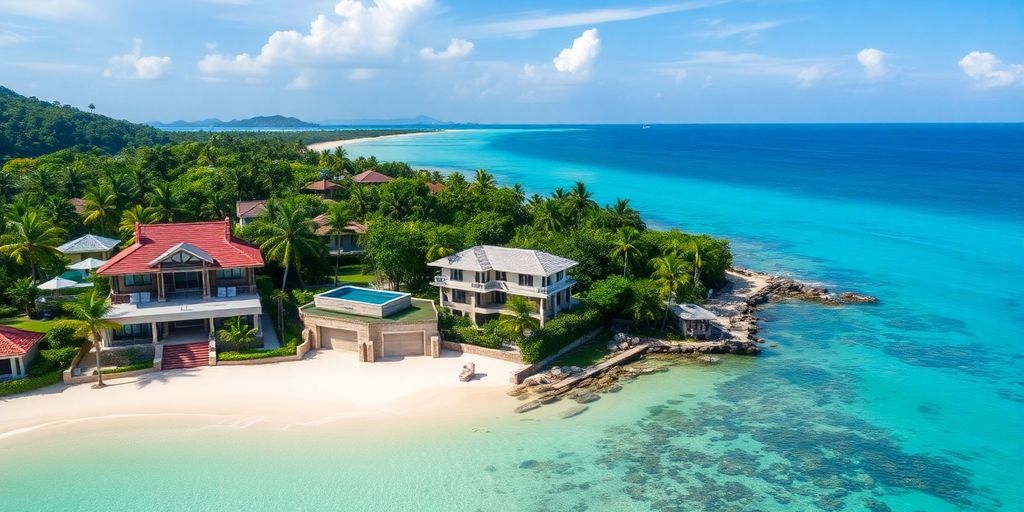
Real estate agents in Samui play a vital role in helping buyers navigate the property market on this beautiful island. Their expertise and local knowledge can be invaluable, especially for those unfamiliar with the area or the intricacies of property transactions in Thailand.
Finding the Right Agent
Choosing the right real estate agent is crucial. Here are some tips to consider:
- Local Knowledge: Make sure your agent knows the Samui market inside and out. They should be familiar with different areas, property types, and price trends.
- Reputation: Look for agents with good reviews or recommendations. A solid reputation often indicates reliability and trustworthiness.
- Communication Skills: Your agent should be easy to communicate with and responsive to your needs.
Negotiating Property Deals
Negotiating in Samui can be tricky, but a skilled agent will know how to get the best deal. They understand the local market dynamics and can advise on when to push for a better price or when to accept an offer. Their negotiation skills can often save you a significant amount of money.
After-Sales Services
The relationship with your real estate agent doesn’t end at the sale. Many agents offer after-sales services to help you settle into your new property. This can include:
- Assistance with legal paperwork and property registration.
- Recommendations for local services like maintenance or renovations.
- Guidance on property management if you plan to rent out your new home.
“Working with a knowledgeable real estate agent in Samui can make the difference between a smooth property purchase and a stressful experience. Their support and guidance are invaluable, especially for foreign buyers navigating unfamiliar waters.”
In Samui, the luxury and branded residence market is a key driver of the property sector, showcasing significant growth potential and dominance in Asia. Real estate agents can help you tap into this thriving market, ensuring you make informed decisions and secure the best investment opportunities.
Understanding the Rental Market in Samui
Short-Term Rentals
Short-term rentals in Samui are a big hit, especially with tourists looking for a slice of tropical paradise without the commitment of buying property. These rentals range from budget-friendly bungalows to high-end villas, catering to a wide spectrum of visitors. The flexibility of short-term leases makes them ideal for vacationers who might stay for a few days to a couple of weeks. This market thrives during peak tourism seasons, with prices often reflecting the ebb and flow of tourist arrivals.
Long-Term Leasing
For those planning to stay longer, Samui offers long-term leasing options that provide a more stable living arrangement. These leases are typically for six months to a year and can offer better value than short-term rentals. Long-term rentals can be found in various forms, from modest apartments to luxurious villas. Renters often benefit from a sense of community and the chance to immerse themselves in local culture. It’s a popular choice for expats and retirees looking to enjoy the island life without the hassle of property ownership.
Rental Yield Potential
Investing in rental properties in Samui can be quite lucrative. The island’s popularity as a tourist destination ensures a steady demand for rental accommodations. Property owners can expect attractive rental yields, especially in prime locations like Chaweng and Bo Phut. However, potential investors should be aware of seasonal fluctuations and the need for effective property management to maximise returns. With the right strategy, rental properties in Samui can offer a significant return on investment, making it a compelling option for those looking to enter the luxury property market.
“The rental market in Samui is as diverse as its visitors, offering opportunities that cater to both short-term tourists and long-term residents alike. With careful planning and management, property owners can tap into a profitable venture amidst the island’s stunning backdrop.”
Comparing Samui Property Prices with Global Markets
Affordability Index
When you look at the affordability of property in Koh Samui, it’s quite the mixed bag. Compared to other global markets, Samui offers a range of options that cater to different budgets. For instance, while a modest two-bedroom condo might set you back anywhere from THB 6 million to THB 8 million, this is still considerably cheaper than similar properties in Western cities. In fact, the cost per square metre for a city-centre apartment in Samui is around THB 100,000, which is a bargain compared to places like New York or London.
Luxury Market Comparison
Now, if you’re eyeing the luxury market, Samui doesn’t disappoint. High-end villas with sea views can start from THB 20 million and soar up to THB 50 million or more. This might sound steep, but when you compare it to luxury markets in Europe or the US, it’s still relatively affordable. Here, you get the perks of stunning views and private pools without the astronomical prices you’d find in Monaco or Malibu.
Investment Returns
Samui’s property market is not just about buying a place to live; it’s also a solid investment. The island’s booming tourism industry means there’s always demand for rental properties. Plus, the property values have shown steady appreciation over the years, promising good returns. If you’re looking to invest, Samui offers a sweet spot with its blend of affordability and potential for growth. It’s a place where your money can work for you, whether you’re renting out or looking to sell in the future.
While Samui’s property prices are climbing, they still offer a competitive edge over many global markets. The combination of affordability, luxury options, and strong investment potential makes it an attractive destination for property buyers.
When looking at property prices in Koh Samui, it’s interesting to see how they stack up against prices in other parts of the world. While Samui offers beautiful homes at various price points, some global markets can be much higher or lower. This comparison helps buyers understand where they can get the best value for their money. If you’re curious about the current property market in Samui and want to explore options, visit our website to find your perfect home today!
Conclusion
So, there you have it. Property prices in Samui are as varied as the island itself. From cosy condos to lavish villas, there’s something for everyone, depending on what you’re after and how much you’re willing to spend. While the numbers might seem steep, the potential for a good return on investment is definitely there, especially with the island’s booming tourism. Just remember, whether you’re buying a holiday home or an investment property, it’s always wise to do your homework and maybe chat with a local expert. After all, a little bit of research can go a long way in making sure you get the best bang for your buck. Happy house hunting!