

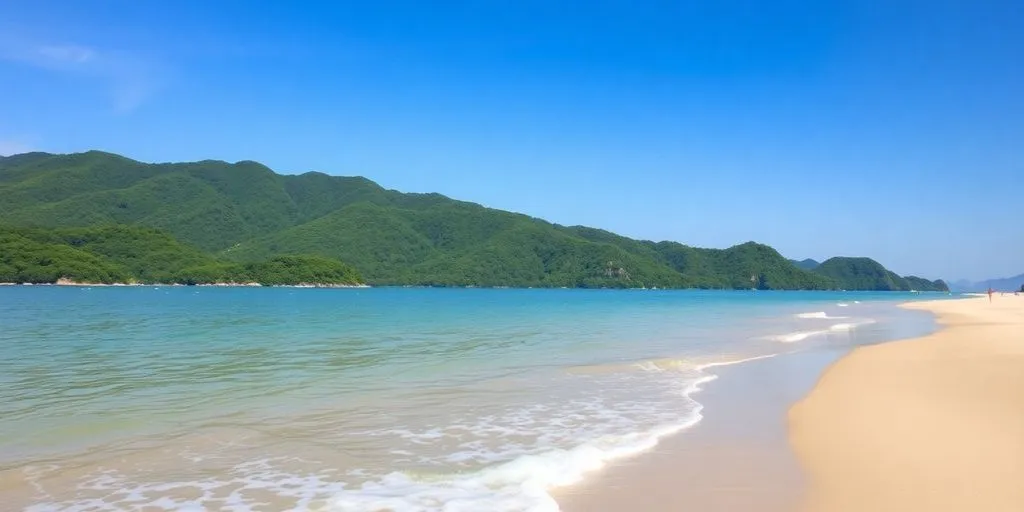
Back in 2004, a massive tsunami hit Phuket, Thailand, and it was a day that no one there will ever forget. It all started with an undersea earthquake, and before anyone knew it, giant waves were crashing onto the shores. Phuket, once a bustling paradise for tourists, was left in chaos. The destruction was unbelievable, and the impact was felt all over the world. People from everywhere came together to help, showing that even in the darkest times, humanity shines through. Now, years later, Phuket has rebuilt, but the memories of that day remain a big part of its story.
Key Takeaways
- The 2004 tsunami was triggered by an undersea earthquake, affecting multiple countries, including Thailand.
- Phuket was a popular tourist destination before the tsunami, with vibrant local communities and natural beauty.
- On December 26, 2004, the tsunami waves hit unexpectedly, causing widespread destruction and loss of life.
- The aftermath in Phuket saw a massive humanitarian response, with stories of both survival and profound loss.
- Today, Phuket continues to remember the tragedy while focusing on rebuilding and improving disaster preparedness.
The 2004 Indian Ocean Tsunami: A Catastrophic Event
The Undersea Earthquake That Triggered the Tsunami
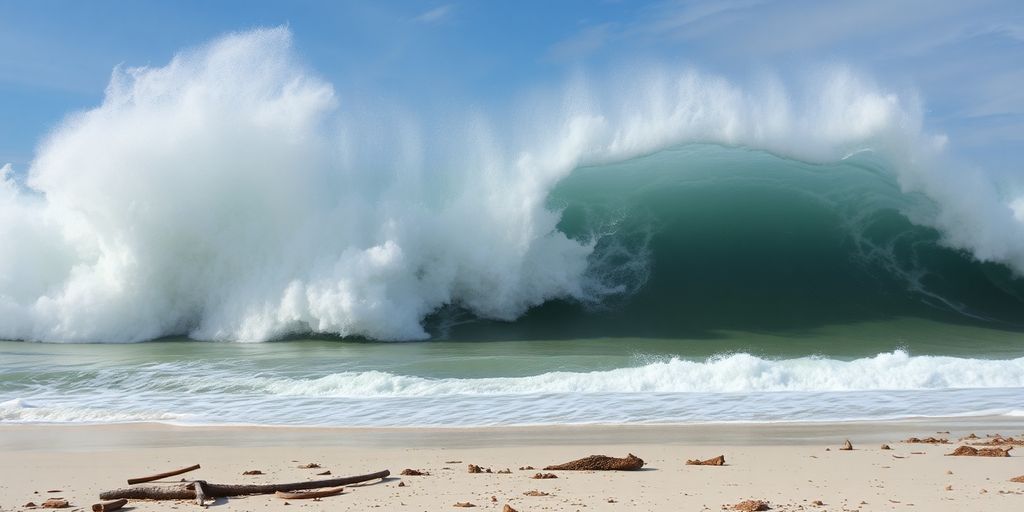
On the morning of December 26, 2004, the earth shook violently beneath the Indian Ocean. At 7:58 AM local time, an undersea earthquake, with a staggering magnitude of 9.1 to 9.3, struck off the coast of northern Sumatra, Indonesia. This earthquake was one of the most powerful ever recorded, releasing energy equivalent to 23,000 Hiroshima atomic bombs. The seismic activity ruptured a fault line stretching approximately 1,600 kilometres beneath the ocean floor, triggering the devastating tsunami waves that followed.
Countries Affected by the Tsunami
The tsunami waves spread rapidly across the Indian Ocean, reaching speeds of up to 800 kilometres per hour. Within hours, the waves had impacted 14 countries, leaving a trail of destruction in their wake. Indonesia was hit hardest, especially the Aceh province, which bore nearly half of the total casualties. Sri Lanka, India, and Thailand also faced significant devastation, with the waves reaching as far as the eastern coast of Africa. The sheer scale of the disaster was overwhelming, with over 230,000 lives lost and millions more displaced.
The Immediate Impact on Phuket, Thailand
Phuket, a popular tourist destination in Thailand, was among the areas severely affected by the tsunami. The island, known for its beautiful beaches and bustling tourism industry, was caught off guard by the sudden onslaught of waves. Many tourists and locals were enjoying a typical day at the beach when the tsunami struck, leaving little time for escape. The impact was catastrophic, with significant loss of life and destruction of property. The disaster highlighted the urgent need for improved disaster resilience and preparedness strategies, which have since become a focus for Thailand and the global community.
Phuket Before the Tsunami: A Tropical Paradise
Tourism in Phuket Prior to 2004
Phuket, before the devastating tsunami of 2004, was a vibrant hub of tourism. Known for its stunning beaches, crystal-clear waters, and lush greenery, it attracted visitors from around the world. The island was bustling with activities, offering a range of water sports, cultural experiences, and vibrant nightlife. Phuket’s tourism industry was a major contributor to Thailand’s economy, with luxury resorts and small family-run hotels dotting the coastline.
Local Communities and Their Livelihoods
The local communities in Phuket thrived on tourism. Many families owned small businesses, such as restaurants and souvenir shops, catering to tourists. Fishing was another important livelihood, with locals relying on the rich marine life surrounding the island. The community was closely-knit, with traditions and celebrations that showcased the rich cultural tapestry of the region.
Natural Beauty and Attractions
Phuket’s natural beauty was unparalleled. The island boasted pristine beaches like Patong and Kata, lush rainforests, and vibrant coral reefs. Visitors could explore the unique architecture of nearby areas, like Takua Pa, which offered a glimpse into the region’s rich history. National parks and wildlife sanctuaries provided opportunities for eco-tourism, allowing visitors to experience the island’s flora and fauna up close.
Before the world knew Phuket as a site of tragedy, it was a paradise where nature and culture existed in harmony, offering a sanctuary for those seeking escape from the hustle and bustle of everyday life.
The Day of the Tsunami: December 26, 2004
Early Morning in Phuket: A Day Like Any Other
On December 26, 2004, the day began just like any other in Phuket. The sun rose over the horizon, casting a warm glow over the island’s sandy beaches. Locals and tourists alike were starting their day, some enjoying breakfast with a view of the ocean, blissfully unaware of the impending disaster.
The Arrival of the Tsunami Waves
At approximately 8:00 AM, the tranquillity was shattered. A series of massive waves, triggered by a colossal undersea earthquake off the coast of Sumatra, raced across the Indian Ocean at terrifying speeds. As the waves approached Phuket’s shores, they grew in height, reaching up to 30 metres. The first wave hit with an unimaginable force, sweeping away everything in its path.
- Buildings crumbled under the relentless pressure.
- Vehicles were tossed like toys.
- People scrambled to higher ground, some barely escaping the rushing waters.
Immediate Response and Rescue Efforts
In the immediate aftermath, chaos reigned. Despite the devastation, the spirit of humanity shone through as locals, tourists, and first responders rallied together. Rescue efforts were hampered by the destruction of infrastructure, but that did not deter the brave souls who risked their lives to save others. Emergency services, military personnel, and volunteers worked tirelessly to locate survivors and provide aid to those in desperate need.
The day was a stark reminder of the power of nature and the fragility of human life. Yet, it also highlighted the resilience and compassion of those who faced the unimaginable.
For those interested in experiencing the serene beauty of Phuket today, Ocean Worldwide offers exclusive sea-view pool villas and suites in Ao Yon, a testament to the island’s recovery and resilience.
The Aftermath in Phuket: Destruction and Chaos
Extent of Damage to Infrastructure and Property
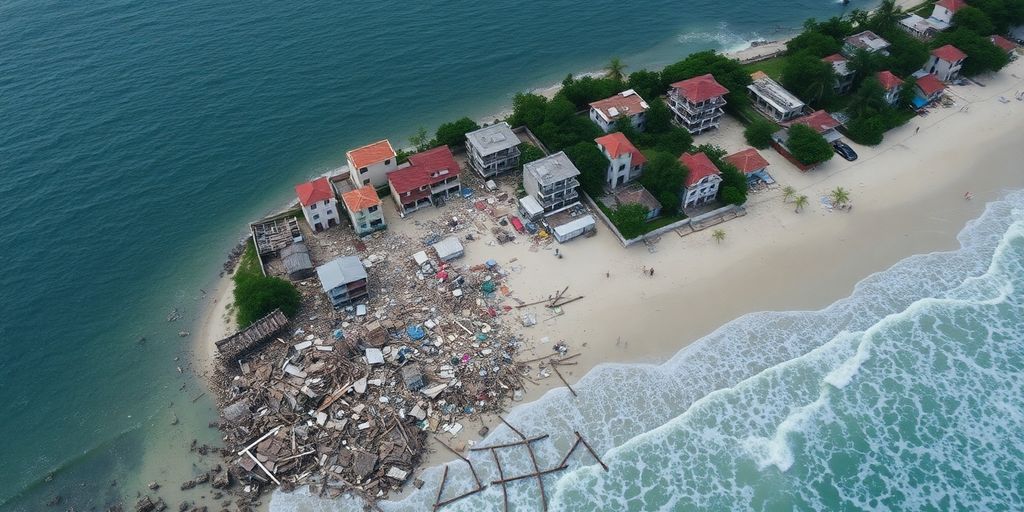
The aftermath of the tsunami in Phuket was nothing short of catastrophic. Buildings along the coast were reduced to rubble, and the infrastructure was severely compromised. Roads were washed away, making it incredibly difficult for rescue teams to reach those in need. Many hotels and resorts, once bustling with tourists, were left in ruins. The sheer force of the waves obliterated everything in their path, leaving a landscape of destruction.
- Coastal areas saw nearly complete devastation.
- Many local businesses were completely destroyed.
- Reconstruction efforts took years, with many areas needing to be rebuilt from scratch.
Humanitarian Crisis and Relief Efforts
In the wake of the tsunami, a humanitarian crisis unfolded. Thousands of people were displaced, and the need for basic necessities like food, water, and shelter was immediate. Relief efforts were hampered by the widespread damage to infrastructure. International aid started pouring in, but the logistical challenges were immense.
- Immediate need for medical assistance and temporary shelters.
- Coordination of relief efforts by various international and local organisations.
- Long-term support required for rebuilding lives and communities.
Stories of Survival and Loss
Amidst the chaos, stories of survival and loss emerged. Families were torn apart, and communities were shattered. Yet, there were also tales of incredible bravery and resilience. People risked their lives to save others, and the spirit of unity and compassion shone through the darkness.
In the face of unimaginable tragedy, the people of Phuket demonstrated an incredible capacity for resilience and recovery. Their stories of survival and loss continue to inspire and remind us of the strength of the human spirit.
Global Response to the Tsunami Disaster
International Aid and Support
When the 9.0-magnitude earthquake and tsunami struck, the world was quick to react. Countries across the globe pledged significant aid to the affected regions. Nations like the United States, Japan, and Australia were at the forefront, sending monetary assistance, relief supplies, and rescue teams. The United Nations played a pivotal role in coordinating these efforts, ensuring that aid reached the areas in dire need. The immediate outpouring of support highlighted the international community’s solidarity in the face of such a massive tragedy.
Role of Non-Governmental Organisations
Non-Governmental Organisations (NGOs) were instrumental in the relief efforts. Organisations such as the Red Cross, Oxfam, and Médecins Sans Frontières launched appeals that raised billions in donations. They were on the ground, providing essential services like medical care, food distribution, and temporary shelter. Their established presence in many affected areas allowed for a rapid and effective response, showcasing the critical role NGOs play in disaster scenarios.
Lessons Learned for Future Disaster Preparedness
The tsunami disaster served as a wake-up call for global disaster preparedness. It underscored the importance of having robust early warning systems and effective communication channels. Countries began investing in technology to better predict and respond to such events. Additionally, it highlighted the need for international cooperation and the sharing of best practises. The lessons learned from this disaster have since informed policies and strategies aimed at mitigating the impact of future natural catastrophes.
The global response to the 2004 tsunami was a testament to humanity’s capacity for compassion and cooperation in times of need. It showed that when the world unites, even the most daunting challenges can be met with resilience and hope.
Rebuilding Phuket: Recovery and Resilience
Efforts to Restore Tourism and Economy
In the wake of the devastating tsunami, Phuket faced the daunting task of rebuilding its economy, heavily reliant on tourism. The Thai government, alongside local and international organisations, launched extensive recovery initiatives to restore the island’s appeal as a premier tourist destination. Efforts included repairing and upgrading infrastructure, such as roads and airports, and revitalising beachfront areas to attract visitors once again. Hotels and resorts were reconstructed, often with improved designs to withstand future natural disasters.
A significant part of the economic recovery strategy was focused on promoting Phuket as a safe and vibrant destination. Marketing campaigns targeted both domestic and international tourists, highlighting the island’s natural beauty and the improvements made to ensure visitor safety. The collaboration between the public and private sectors played a crucial role in rejuvenating Phuket’s tourism industry, which has since rebounded strongly.
Community Initiatives and Support
The resilience of Phuket’s local communities was evident in the aftermath of the tsunami. Numerous grassroots initiatives emerged, aimed at supporting those affected by the disaster. Community groups organised efforts to rebuild homes and provide essential services to displaced families. These initiatives were often supported by non-governmental organisations (NGOs) and international aid.
Local businesses also played a pivotal role in the recovery process. Many small enterprises, such as family-run restaurants and shops, reopened with determination and creativity. These businesses received support through microfinance programmes and community funds, enabling them to re-establish their operations and contribute to the local economy.
Long-term Rehabilitation Projects
Long-term rehabilitation in Phuket focused on sustainable development and disaster preparedness. Projects aimed at enhancing the island’s resilience included the construction of tsunami shelters and the implementation of early warning systems. Environmental restoration efforts, such as mangrove replanting and coral reef conservation, were prioritised to protect the coastal ecosystem and reduce future risks.
The involvement of educational institutions and research organisations was instrumental in these rehabilitation projects. They provided expertise and resources to ensure that rebuilding efforts were not only focused on immediate recovery but also on long-term sustainability. These initiatives have helped Phuket emerge stronger, with a more resilient infrastructure and a community better prepared for potential future challenges.
The journey to recovery in Phuket is a testament to the strength and determination of its people. Through collective efforts and unwavering spirit, the island has transformed itself from a scene of devastation to a symbol of resilience and hope. As Phuket continues to grow and evolve, it remains a beacon of inspiration for communities worldwide facing similar adversities.
Memorials and Commemorations in Thailand
Tsunami Memorial Park in Khao Lak
In the heart of Khao Lak, a region profoundly affected by the 2004 tsunami, stands the Tsunami Memorial Park. This park is a solemn tribute to the many lives lost during the disaster. Featuring sculptures and plaques engraved with the names of victims, the site offers a quiet place for reflexion. The park’s design, with its serene gardens and thoughtful layout, encourages visitors to remember and honour those who perished.
Annual Remembrance Ceremonies
Each year, on December 26, communities across Thailand come together to commemorate the tragic events of 2004. These ceremonies are marked by moments of silence, candlelight vigils, and the laying of wreaths. They serve not only as a remembrance of the lives lost but also as a reminder of the resilience and unity shown in the face of such adversity. In Khao Lak, these gatherings are particularly poignant, drawing people from all over the world who were touched by the disaster.
Honouring the Victims and Survivors
In addition to formal ceremonies, various events are held to honour both the victims and survivors of the tsunami. Charity runs, art exhibitions, and community gatherings are organised to foster a spirit of remembrance and healing. These activities not only pay tribute to those affected but also support ongoing efforts to improve disaster preparedness and community resilience. The collective memory of the tsunami is preserved through these acts of remembrance, ensuring that the lessons learned continue to guide future generations.
The enduring legacy of the 2004 tsunami is a testament to the strength and resilience of those who survived and those who continue to remember. By honouring the past, communities are better prepared for the future.
The Lasting Impact on Phuket’s Environment and Society
Changes in Coastal Ecosystems
The 2004 tsunami left a significant mark on Phuket’s natural environment, particularly along its coastlines. Beaches were reshaped, and many coral reefs suffered extensive damage. The destruction of mangroves, which act as vital coastal buffers, further exposed the region to erosion and future storm surges. Efforts to restore these ecosystems have been ongoing, with initiatives such as mangrove replanting and coral restoration projects aiming to rebuild and protect these natural barriers. These efforts are crucial as they not only help in ecological recovery but also in reducing the risks of future natural disasters.
Social and Economic Transformations
Phuket’s society and economy underwent profound changes post-tsunami. The disaster highlighted the vulnerability of communities reliant on tourism, prompting a shift towards more sustainable and diversified economic practises. The tourism industry, a major economic driver, faced a severe setback but eventually bounced back, showcasing resilience and adaptability. However, the recovery was uneven, with marginalised groups, particularly migrant workers, facing significant challenges in rebuilding their lives. The tragedy also fostered a stronger sense of community, with local initiatives focusing on sustainable development and disaster preparedness.
Ongoing Challenges and Opportunities
Despite the progress made, Phuket continues to face challenges. Infrastructure gaps, especially in remote areas, remain a concern, as do issues related to housing and healthcare. Economic disparities persist, with some communities still struggling to achieve financial stability. Nevertheless, these challenges present opportunities for innovation and growth. The focus on sustainable tourism, community education, and environmental conservation has the potential to transform Phuket into a model of resilience and sustainability for other regions to emulate.
The tsunami’s impact on Phuket is a testament to nature’s power and the resilience of human spirit. While the scars remain, the ongoing efforts to rebuild and adapt have paved the way for a more sustainable and prepared future. The journey is far from over, but the lessons learned continue to guide the path forward.
Tsunami Preparedness Today: Ensuring Safety for the Future
Advancements in Early Warning Systems
After the devastation of the 2004 tsunami, there was a global push to improve early warning systems. Today, these systems are more advanced, with better technology to detect seismic activity and ocean changes. Countries around the Indian Ocean have installed state-of-the-art sensors and communication networks to alert communities faster. This means more time for evacuation and less risk to human life.
Community Education and Awareness
Educating the public about tsunamis is crucial. Many coastal areas now have regular drills and educational programmes to teach people what to do if a tsunami is coming. Schools and local organisations often run workshops and distribute materials to keep tsunami preparedness fresh in people’s minds. It’s about making sure everyone knows the signs of an incoming tsunami and the steps to take to stay safe.
Government Policies and Initiatives
Governments play a big role in keeping people safe from tsunamis. Many have created policies to improve building codes, ensuring structures can withstand waves. There are also initiatives to restore natural barriers like mangroves, which can reduce wave impact. Governments work with international bodies to share information and strategies, making sure everyone is prepared for the worst.
The lessons from past tsunamis have taught us the importance of being ready. As we continue to develop new technologies and strategies, the focus remains on saving lives and reducing damage. The future depends on our ability to learn from the past and act wisely.
In today’s world, being ready for a tsunami is more important than ever. We must learn how to stay safe and protect ourselves and our loved ones. It’s essential to know the warning signs and have a plan in place. Visit our website to find helpful tips and resources that can make a difference in your safety during a tsunami. Don’t wait until it’s too late; take action now!
Conclusion
Reflecting on the 2004 tsunami in Phuket, it’s clear that the disaster left a mark that time hasn’t erased. The waves took lives, homes, and a sense of security, but they also sparked a wave of resilience and unity. Communities came together, rebuilding not just structures, but also hope and determination. The lessons learned have shaped how we prepare for such events today, with better warning systems and awareness. As we remember those lost, we also honour the strength of those who survived and rebuilt. The tragedy taught us about the power of nature, but also about the power of human spirit. It’s a chapter in history that reminds us of both vulnerability and resilience.
Frequently Asked Questions
What caused the 2004 Indian Ocean Tsunami?
The tsunami was caused by a massive undersea earthquake off the coast of Sumatra, Indonesia.
Which countries were affected by the tsunami?
The tsunami affected 14 countries, including Indonesia, Sri Lanka, India, and Thailand.
What was the impact of the tsunami on Phuket, Thailand?
Phuket experienced severe destruction, with many buildings damaged and lives lost.
How did the world respond to the tsunami disaster?
Countries around the world provided aid and support, and many non-governmental organisations helped with relief efforts.
What efforts were made to rebuild Phuket after the tsunami?
Efforts included restoring tourism, supporting local communities, and launching long-term rehabilitation projects.
Are there memorials for the tsunami victims in Thailand?
Yes, there are memorials such as the Tsunami Memorial Park in Khao Lak, which honours the victims.
How has Phuket’s environment changed since the tsunami?
The tsunami altered coastal ecosystems and led to social and economic changes in the region.
What measures are in place today to ensure safety from tsunamis?
Advancements in early warning systems, community education, and government initiatives have been implemented to enhance safety.