


Watch This Episode: Our Phuket Real Estate Podcast
Our podcast covers all the topics for property investors looking at buying real estate in Thailand.
The 2004 tsunami in Phuket was a moment in history that left scars on both the land and its people. Sparked by a massive earthquake in the Indian Ocean, the waves swept through coastal areas, leaving devastation in their wake. While the disaster brought unimaginable loss, it also sparked stories of courage and a global push for better disaster preparedness.
Key Takeaways
- The 2004 tsunami in Phuket highlighted the importance of natural barriers like mangroves and coral reefs in shielding coastal areas.
- Many lives were saved thanks to quick thinking and local knowledge, like the British girl who warned others after recognising the signs of a tsunami.
- Overdevelopment along the coastline worsened the impact, with buildings and resorts occupying areas that once acted as natural defences.
- The disaster underscored the necessity of early warning systems and community education to reduce future risks.
- Global media coverage often misrepresented the extent of damage, focusing more on tourist areas than on local communities.
The Impact of the 2004 Tsunami on Phuket
Immediate Aftermath and Destruction
The 2004 tsunami left a trail of devastation across Phuket, altering its landscape and communities in mere moments. The waves reached up to 300 metres inland in some areas, destroying infrastructure and flooding homes. Patong Beach, a bustling tourist hub, saw significant damage to first-floor structures, while other regions experienced even more catastrophic losses. Entire neighbourhoods were swept away, leaving behind a scene of chaos and ruin.
Human and Economic Losses
The human toll was staggering. Thousands lost their lives, while many survivors were left with injuries and trauma. The economic impact was equally severe, with hotels, shops, and restaurants in popular areas like Patong suffering extensive damage. For a region so reliant on tourism, the loss of livelihoods was a devastating blow. Recovery was further complicated by the destruction of key infrastructure, such as roads and utilities.
Comparison with Other Affected Regions
While Phuket bore significant losses, the scale of destruction was less severe compared to areas like Phang Nga and Indonesia. In Phuket, the tsunami’s height and force were somewhat mitigated in certain areas due to natural barriers and prior restoration efforts, like sand dunes. However, overdevelopment in some regions exacerbated the disaster, leaving little room for people to escape. This contrast highlights the differing vulnerabilities and preparedness levels across affected regions.
Understanding the Causes of the Tsunami in Phuket
The Indian Ocean Earthquake
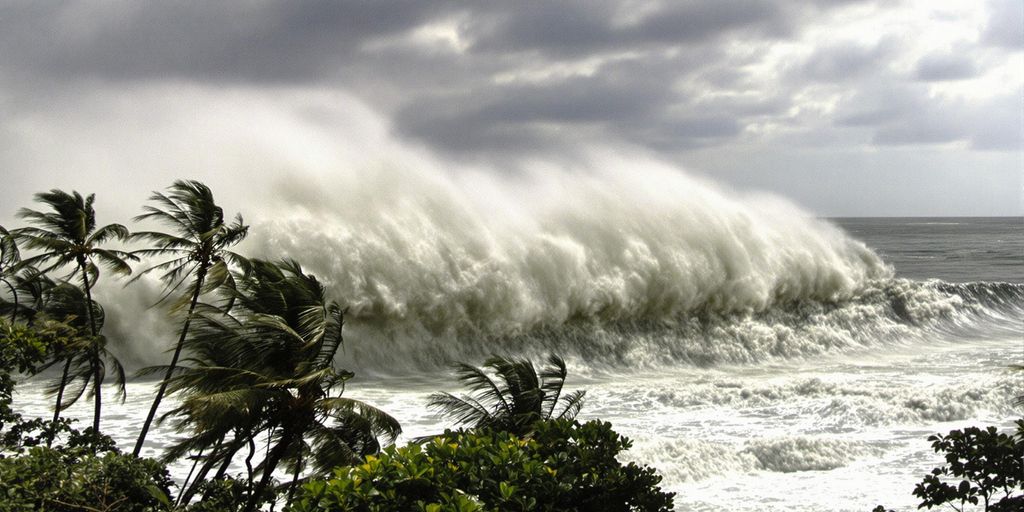
The 2004 tsunami in Phuket was triggered by the Indian Ocean Earthquake, also referred to as the Sumatra–Andaman earthquake. This was a massive undersea megathrust event caused by the rupture along the tectonic boundary between the Indian and Burma plates. The energy released during this earthquake was equivalent to hundreds of atomic bombs, making it one of the most powerful seismic events ever recorded. The earthquake’s magnitude of 9.1–9.3 created a violent displacement of water, sending waves racing across the Indian Ocean at speeds of up to 800 km/h.
Wave Patterns and Coastal Impact
The tsunami’s impact on Phuket varied depending on local geography and coastal features. In areas with natural barriers like sand dunes or mangroves, the damage was less severe. Conversely, locations with extensive coastal development suffered heavily. The waves arrived in three distinct surges, with the first being large but not catastrophic. However, the subsequent waves were increasingly destructive, inundating areas up to 300 metres inland in some parts of Phuket. This pattern of escalating waves caught many off guard, as they underestimated the danger after the initial surge.
Scientific Studies Post-Disaster
In the aftermath, scientists conducted extensive studies to understand the causes and effects of the tsunami. These studies highlighted the importance of tectonic activity in the region and the role of undersea geography in amplifying wave heights. Researchers also examined how natural barriers like coral reefs and mangroves could mitigate tsunami impacts. The findings have since informed global tsunami preparedness efforts, emphasising the need for early warning systems and sustainable coastal management to reduce future risks.
The 2004 tsunami served as a grim reminder of nature’s power and the vulnerabilities of coastal communities. Understanding its causes has been pivotal in shaping strategies to prevent similar tragedies in the future.
Heroic Stories of Survival and Bravery
The British Girl Who Saved Tourists
Amidst the chaos of the 2004 tsunami, a young British girl named Tilly Smith became an unexpected hero. While on holiday in Phuket, Tilly noticed unusual wave patterns and remembered her geography lessons about tsunamis. She urgently warned her family and others on the beach, prompting them to evacuate. Her quick thinking and decisive action are credited with saving dozens of lives.
Local Heroes and Their Actions
Phuket’s local residents displayed remarkable courage during the disaster. Fishermen, shopkeepers, and hotel staff put their own safety aside to rescue stranded tourists and neighbours. Many used boats to navigate the flooded streets, pulling people from rooftops and debris. Some even formed human chains to help others reach safety. Their bravery highlighted the strength of community bonds in the face of unimaginable adversity.
Lessons from Indigenous Knowledge
Indigenous communities in the region, such as the Moken people, survived the tsunami with minimal loss. Their deep connection to nature and understanding of ocean behaviour allowed them to recognise the warning signs. They moved to higher ground well before the waves struck. This traditional knowledge underscores the importance of respecting and preserving cultural wisdom, which can be life-saving in times of crisis.
“In the darkest moments, ordinary people often find extraordinary strength.”
Environmental Factors That Exacerbated the Damage
Destruction of Mangroves and Reefs
Mangroves and coral reefs act as natural barriers, absorbing the energy of incoming waves and reducing their impact on coastal communities. In Phuket, the extensive removal of these ecosystems for tourism and aquaculture projects left the coastline defenceless. Without these vital buffers, the tsunami waves struck with full force, causing widespread destruction. Restoring these ecosystems has since become a priority to mitigate future risks.
Overdevelopment Along the Coast
The rapid development of resorts and other infrastructure near the shoreline significantly amplified the damage. In some areas, buildings were constructed so densely that there were no open spaces for people to escape. For instance, in Ao Luk, the number of tourist accommodations skyrocketed from 2,500 rooms in 2002 to 10,000 by 2004. Such overdevelopment not only increased the human toll but also made rescue and recovery efforts more challenging.
The Role of Sand Dunes in Protection
Sand dunes provide a natural shield against tsunamis by absorbing wave energy and reducing inland flooding. However, in many parts of Phuket, sand dunes were levelled to make way for beachfront properties. Interestingly, beaches where sand dunes were preserved experienced significantly less damage. For example, a beach in Phuket with restored dunes saw minimal destruction, except for a hotel that had removed its protective dune.
The 2004 tsunami highlighted the importance of maintaining natural coastal defences. Neglecting these systems for short-term economic gains had devastating long-term consequences.
Media Coverage and Global Perception
Misrepresentation of Phuket’s Damage
The media’s portrayal of the tsunami’s impact on Phuket often skewed heavily towards the destruction in tourist hotspots. While the devastation in areas like Patong Beach was undeniably severe, the plight of local fishing villages received far less attention. These communities, which relied on their boats and coastal resources for survival, were left struggling with minimal coverage of their losses. This imbalance in reporting led to a disproportionate allocation of aid, favouring resorts and areas frequented by international visitors.
Focus on Tourist Areas Over Local Villages
- International media outlets prioritised stories from luxury resorts, sidelining the struggles of rural Thai communities.
- Reports often highlighted the death toll of foreign tourists, overshadowing the significant loss of local lives and livelihoods.
- Aid distribution mirrored this bias, with resources flowing more readily to well-known tourist destinations.
The Role of International Media
The global media played a double-edged role. On one hand, it brought attention to the disaster, inspiring worldwide donations and support. On the other, its selective focus created a distorted narrative. Stories of heroism and survival from local Thai communities were largely absent, replaced by tales centred around Western tourists. This framing not only shaped public perception but also influenced long-term recovery priorities, leaving many local needs unaddressed.
The 2004 tsunami highlighted the power of media in shaping disaster narratives, but also revealed its limitations in offering a balanced view of human suffering.
Government and Community Response to the Disaster
Emergency Relief Efforts
The immediate aftermath of the 2004 tsunami saw a flurry of activity as governments and local organisations scrambled to provide relief. Emergency shelters were set up in schools, temples, and community centres. Medical teams worked tirelessly to treat injuries and prevent outbreaks of disease. Speed was critical, as delays in delivering aid could mean the difference between life and death for many survivors.
Efforts were also made to provide clean drinking water and food supplies to affected areas. International aid played a significant role, with countries sending relief teams, supplies, and financial assistance. However, coordination between various agencies often proved challenging, leading to inefficiencies in some cases.
Challenges in Aid Distribution
Distributing aid in the chaotic environment following the disaster was no small feat. Many remote villages were difficult to reach due to damaged roads and infrastructure. In some cases, helicopters and boats were used to deliver supplies to isolated areas.
A major concern was ensuring that aid reached those who needed it most, as some areas were overwhelmed with donations while others received little to no support. Corruption and mismanagement also surfaced as issues, sparking debates about the need for better oversight in relief operations.
Rebuilding Lives and Livelihoods
Once the immediate crisis subsided, the focus shifted to rebuilding. Housing reconstruction became a priority, with efforts made to design more resilient structures. Local businesses, including fishing and tourism industries, were given financial support to help them recover.
The government also introduced training programmes to help people develop new skills, recognising that many had lost their primary means of income. Community-driven initiatives, such as cooperative farming and small-scale enterprises, gained traction as people sought to rebuild their lives collectively.
The resilience of the affected communities was remarkable. Despite the scale of the disaster, people came together, offering mutual support and finding innovative ways to recover.
In Phuket, where tourism is a cornerstone of the economy, efforts were made to restore confidence among international visitors. This included rebuilding resorts and improving safety measures, such as installing early warning systems and conducting evacuation drills. For instance, properties like this luxury condominium in Bang Tao were developed in a way that balanced modern amenities with an emphasis on safety and sustainability.
Lessons Learned from the 2004 Tsunami in Phuket
The Importance of Early Warning Systems
One of the most significant takeaways from the 2004 tsunami was the dire need for reliable early warning systems. Before the disaster, there was little to no infrastructure in place to alert coastal communities of incoming tsunamis. Following the tragedy, Thailand and other affected countries prioritised the development of advanced warning systems. Today, these systems include seismic monitoring, ocean buoys, and communication networks to ensure timely alerts. Had such systems been implemented earlier, countless lives might have been saved.
Sustainable Coastal Development
The tsunami highlighted the dangers of overdevelopment along coastlines. In areas where natural barriers like mangroves and sand dunes had been destroyed to make way for resorts and other infrastructure, the damage was far more severe. Sustainable development practises, which preserve natural ecosystems, have since become a key focus. For example, some communities in Phuket are now working to restore mangroves and implement stricter zoning laws to prevent unchecked construction.
Community Preparedness and Education
Education proved to be a lifesaver during the tsunami. Stories emerged of individuals who recognised the warning signs of an impending tsunami—such as receding ocean waters—and took immediate action. One famous account involved a young British girl who had learned about tsunamis in school and helped save lives by warning others. This underscores the importance of educating communities about natural disasters and how to respond effectively. Preparedness drills and community training have since been introduced in many vulnerable areas to reduce future risks.
“The 2004 tsunami taught us that nature’s warnings should never be ignored. By combining early warning systems, sustainable development, and community education, we can better protect lives and livelihoods from future disasters.”
Memorials and Tributes to the Victims
Tsunami Memorials in Phuket
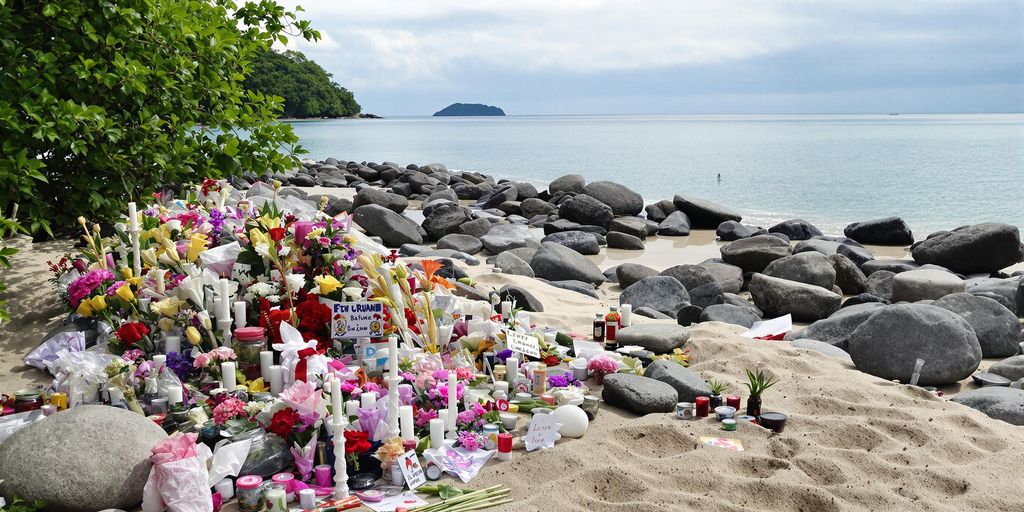
Phuket and its surrounding areas have established several memorials to honour the lives lost during the 2004 tsunami. Among the most notable is the Baan Nam Khem Tsunami Memorial Park, spanning an impressive 8,000 square metres. This site features a 100-metre-long monument crafted from clay, adorned with ceramic tiles that bear the names and faces of approximately 1,400 victims. The wave-shaped design of the monument serves as a poignant reminder of the tragic event.
In addition to Baan Nam Khem, other memorials in the region include smaller monuments and plaques located near affected coastal areas. These sites provide a space for reflexion and remembrance for both locals and visitors.
Preserving Historical Evidence
Efforts to preserve the historical evidence of the tsunami have been vital in keeping the memory of the disaster alive. Items such as photographs, personal belongings, and remnants of buildings have been collected and displayed in local museums. These artefacts not only serve as a tribute to the victims but also educate future generations about the magnitude of the tragedy.
Raising Awareness Through Museums
Museums dedicated to the 2004 tsunami have been established to ensure that the lessons learned from the disaster are not forgotten. These institutions often feature interactive exhibits, survivor testimonials, and scientific explanations of the tsunami’s causes and effects. By visiting these museums, individuals gain a deeper understanding of the disaster and its lasting impact on the region.
The Role of Nature in Mitigating Future Disasters
Restoration of Mangroves and Coral Reefs
Mangroves and coral reefs are often referred to as nature’s first line of defence against disasters like tsunamis. Mangroves, with their dense root systems, act as natural barriers, reducing the energy of incoming waves. Coral reefs, on the other hand, help to dissipate wave energy before it reaches the shore. Restoring these ecosystems not only protects coastal areas but also supports biodiversity and local livelihoods.
Efforts to rehabilitate mangroves and reefs include:
- Planting mangrove saplings in degraded areas.
- Enforcing stricter regulations against destructive fishing practises near reefs.
- Encouraging community-led conservation initiatives.
The Importance of Natural Barriers
Natural barriers such as sand dunes, coastal forests, and wetlands play a critical role in disaster mitigation. Sand dunes, for example, can absorb the impact of waves, preventing flooding in inland areas. Coastal forests provide a buffer zone, reducing wind and wave damage during storms. Wetlands act as sponges, soaking up excess water and reducing the risk of flooding.
Key Benefits of Natural Barriers:
| Natural Feature | Function | Additional Benefits |
|---|---|---|
| Sand Dunes | Absorb wave energy | Prevent soil erosion |
| Coastal Forests | Reduce wind and wave damage | Support wildlife habitats |
| Wetlands | Absorb excess water | Improve water quality |
Integrating Ecology into Urban Planning
Urban planning that incorporates natural elements can significantly reduce disaster risks. For instance, designing cities with green belts, open spaces, and permeable surfaces can mitigate flooding. Coastal developments should prioritise maintaining or restoring natural features rather than replacing them with artificial structures.
Key strategies include:
- Zoning regulations to limit construction in vulnerable coastal areas.
- Creating buffer zones with native vegetation.
- Using eco-friendly materials that complement natural surroundings.
Balancing development with ecological preservation is not just an environmental concern; it’s a necessity for long-term disaster resilience.
By focusing on nature-based solutions, communities can build sustainable and cost-effective defences against future disasters.
Tourism Recovery in Phuket Post-Tsunami
Efforts to Rebuild the Tourism Industry
Phuket’s tourism industry faced a monumental challenge after the 2004 tsunami, with many hotels, shops, and infrastructure severely damaged. The immediate focus was on rebuilding key facilities to welcome visitors back. Government and private sector collaboration played a vital role, with funds directed towards repairing resorts, restoring beaches, and improving transport links. Promotional campaigns were launched to reassure tourists of their safety and highlight the region’s enduring beauty. Local businesses also innovated, offering unique experiences to attract visitors.
Challenges in Restoring Confidence
Rebuilding confidence among tourists was not an easy feat. The devastation had left a lasting impression on international travellers, many of whom were hesitant to return. Negative media coverage and fears of another disaster compounded the problem. Additionally, the loss of over 200,000 local jobs in the hospitality sector meant that many workers had to start over. To address these challenges, authorities implemented stricter safety measures, including early warning systems and evacuation protocols. They also worked to shift the narrative, focusing on Phuket’s resilience and recovery.
Balancing Tourism with Sustainability
The disaster served as a wake-up call about the environmental impact of unchecked tourism. In the aftermath, efforts were made to balance economic recovery with ecological preservation. Initiatives included:
- Restoring coral reefs and mangroves to protect against future tsunamis.
- Limiting construction in vulnerable coastal areas.
- Encouraging eco-tourism and sustainable travel practises.
These steps not only aimed to safeguard Phuket’s natural beauty but also to ensure the long-term viability of its tourism industry.
The 2004 tsunami was a stark reminder of nature’s power, but it also highlighted the strength and resilience of Phuket’s community. Their efforts to rebuild have turned the island into a model for sustainable tourism.
The Global Legacy of the 2004 Tsunami
Advancements in Tsunami Research
The devastation caused by the 2004 Indian Ocean tsunami triggered a wave of scientific inquiry. Researchers began to study tsunami behaviour, including wave patterns and the interaction between seismic activities and oceanic responses. This event became a catalyst for major advancements in understanding tsunami formation and propagation, leading to improved predictive models. Scientists also analysed geological evidence, such as displaced boulders and sediment layers, to reconstruct the event and refine hazard mapping techniques.
International Collaboration on Disaster Management
The disaster underscored the need for global cooperation in disaster response and preparedness. Countries bordering the Indian Ocean established the Indian Ocean Tsunami Warning and Mitigation System (IOTWMS), a network that monitors seismic activity and ocean waves. Beyond technology, nations shared expertise on evacuation strategies, public education programmes, and emergency response protocols. Organisations like the United Nations played a key role in fostering partnerships between governments and NGOs to streamline aid distribution and reconstruction efforts.
The Lasting Impact on Global Policies
The 2004 tsunami reshaped global policies on disaster preparedness. Many countries updated their building codes to include tsunami-resistant designs, especially in coastal areas. Early warning systems were integrated into national disaster management plans, and evacuation drills became mandatory in vulnerable regions. Additionally, the tragedy highlighted the importance of sustainable development—overdevelopment along coastlines was identified as a factor that exacerbated the damage, prompting stricter regulations on land use in high-risk zones.
The lessons learned from this disaster have saved countless lives by improving global readiness for future tsunamis and other natural calamities.
The 2004 tsunami was a huge disaster that affected many countries around the Indian Ocean. It caused a lot of damage and changed lives forever. People came together to help each other, showing kindness and strength. This event taught us the importance of being ready for natural disasters and caring for those in need. To learn more about how we can make a difference today, visit our website and join our community!
Conclusion
The 2004 tsunami in Phuket left an indelible mark on the region, reshaping lives and landscapes alike. While the devastation was immense, it also brought to light critical lessons about preparedness, environmental conservation, and the importance of community resilience. From the bravery of individuals who acted swiftly to save others, to the stark reminders of the consequences of overdevelopment, the disaster underscored the need for sustainable practises and better awareness of natural warning signs. As we reflect on this tragedy, it is vital to carry forward these lessons, ensuring that future generations are better equipped to face such challenges. The memory of that day serves not only as a reminder of nature’s power but also of humanity’s capacity to learn, adapt, and rebuild.
Frequently Asked Questions
What caused the 2004 tsunami in Phuket?
The tsunami was triggered by a massive earthquake in the Indian Ocean, causing powerful waves to hit the coasts, including Phuket.
How did the tsunami affect Phuket’s tourism industry?
Phuket’s tourism industry suffered greatly, with damaged resorts and a drop in visitors. Recovery efforts focused on rebuilding and restoring confidence.
Were there any warning systems in place during the 2004 tsunami?
At the time, there were no effective early warning systems in the Indian Ocean, which contributed to the high loss of life.
What role did mangroves and reefs play during the tsunami?
Areas with intact mangroves and coral reefs experienced less damage, as these natural barriers helped reduce the waves’ impact.
How did the local community respond to the disaster?
Local communities showed resilience, with many people helping in rescue efforts and rebuilding their lives after the tragedy.
What lessons were learned from the 2004 tsunami?
Key lessons included the need for early warning systems, sustainable development, and better community education on disaster preparedness.
Are there memorials in Phuket for the tsunami victims?
Yes, several memorials and museums have been established in Phuket to honour the victims and educate people about the disaster.
How can we reduce the impact of future tsunamis?
Restoring natural barriers like mangroves, implementing early warning systems, and promoting sustainable development can help mitigate future risks.