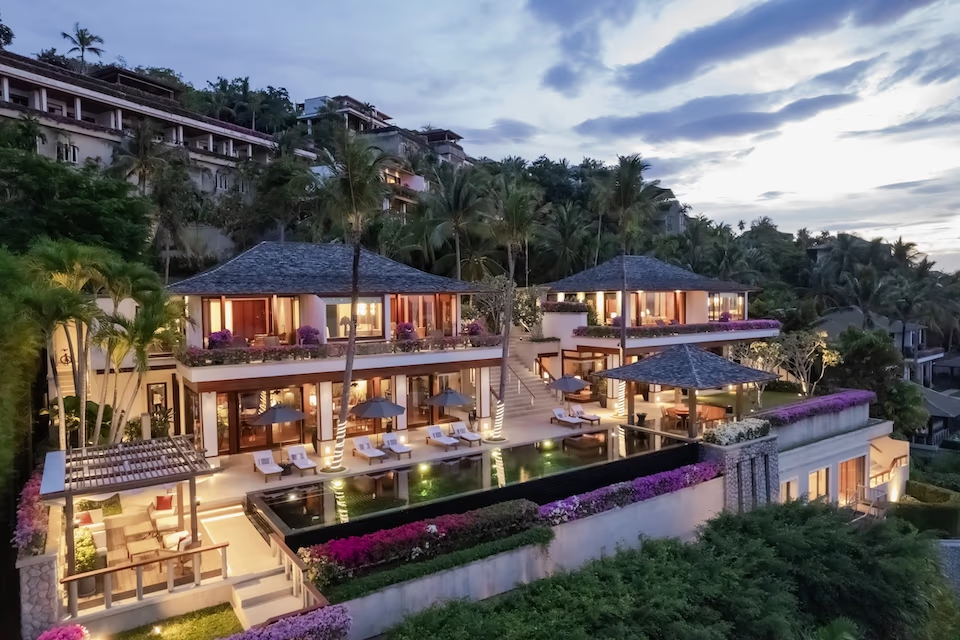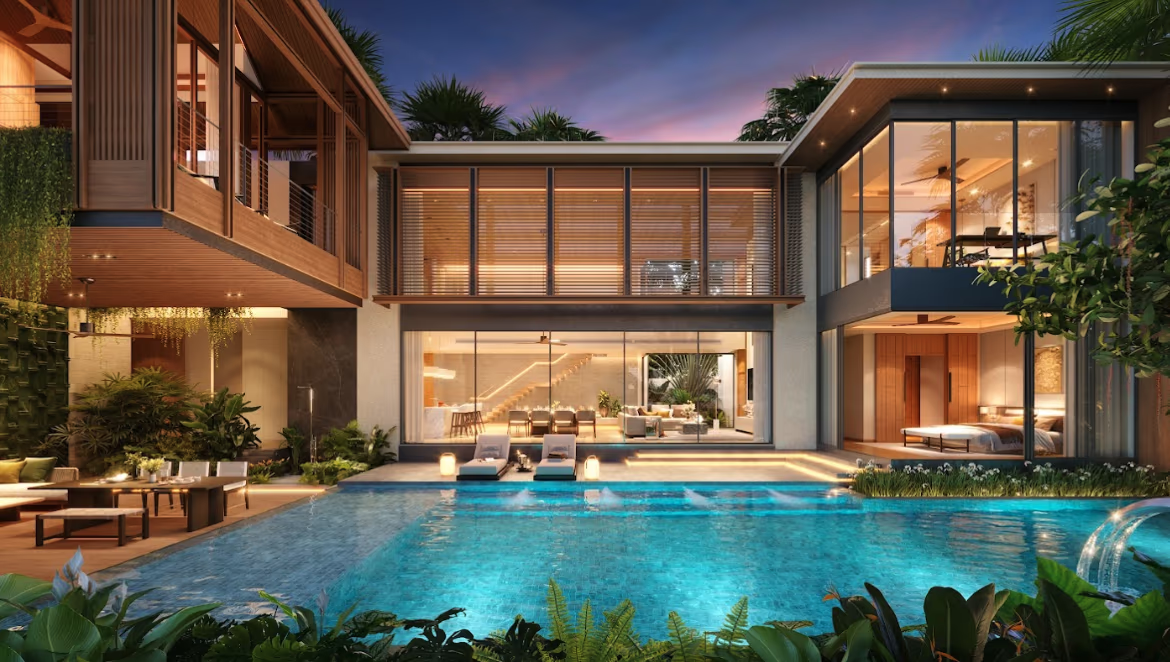

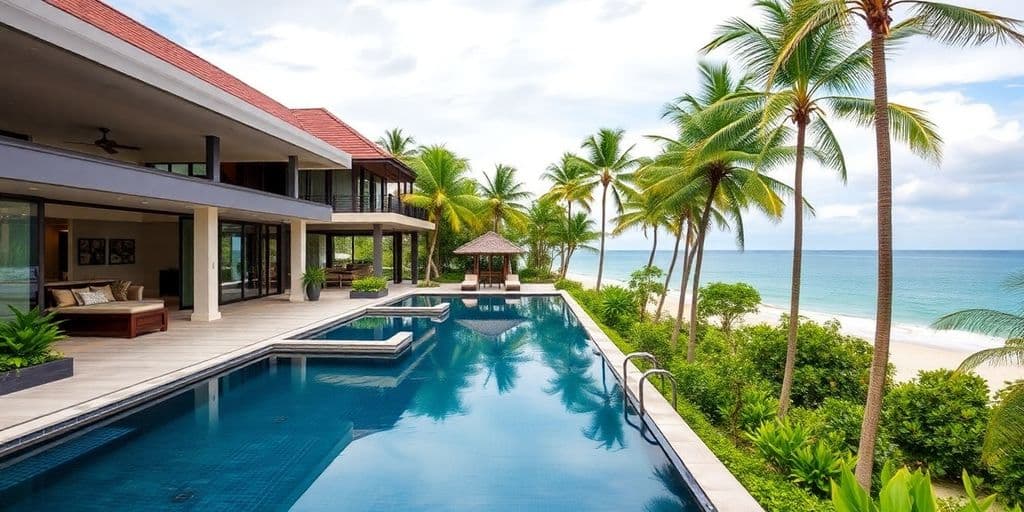
Phuket is a top spot for those looking to invest in luxury properties. It’s got everything from stunning beaches to a bustling tourist scene. If you’re thinking about putting your money into real estate here, you’re in good company. The island’s mix of natural beauty and modern conveniences makes it a magnet for investors. Let’s dive into some of the best areas to invest in Phuket, where you can expect good returns and steady growth.
Key Takeaways
- Phuket is a prime location for luxury property investments, thanks to its scenic beauty and modern infrastructure.
- Bangtao is one of the top areas, known for its high demand for upscale residences and consistent price growth.
- Surin offers exclusive properties with ocean views, attracting high-net-worth clients and providing premium rental yields.
- Patong is a vibrant tourist hub, ideal for short-term rentals with high rental income potential.
- Investing in Phuket’s luxury real estate can lead to substantial returns, especially in well-chosen areas.
1. Bangtao
Bangtao is a standout area for luxury property investments in Phuket. Nestled on the island’s west coast, this region offers a unique blend of natural beauty and modern convenience. Its long, scenic beach and thriving community make it a top choice for investors.
Bangtao is renowned for its high-end resorts and vibrant local culture. The area is home to some of the most luxurious resorts on the island, including the Banyan Tree Resort and Dusit Thani Laguna Phuket. These resorts not only enhance the area’s appeal but also ensure a steady influx of affluent tourists and expats.
Key Attractions:
- Catch Beach Club – A famous spot for relaxation and entertainment.
- Laguna Phuket Golf Club – Perfect for golf enthusiasts looking for a premium experience.
- Phuket Adventure Mini Golf – Offers family-friendly fun and recreation.
Bangtao’s property market is diverse, offering everything from luxury villas to high-end condominiums. Property prices range from THB 3.49 million for a condominium to THB 123 million for a five-bedroom villa in prime locations.
Investing in Bangtao means tapping into a market with year-round demand and steady price growth. It’s a place where your property not only generates income but also appreciates in value.
For those considering an investment, Thailand’s luxury real estate market is booming, with significant growth in the Phuket villa segment. Bangtao, with its premium offerings and strategic location, is undoubtedly a prime area for high-yield investments.
2. Surin
Surin is a standout spot for those eyeing luxury property investments in Phuket. This area is renowned for its breathtaking ocean views and secluded beaches, making it a magnet for high-net-worth individuals. Properties here don’t just offer a place to live; they promise exclusivity and potential high returns.
Why Choose Surin for Investment?
- High Rental Yields: Surin properties attract premium tenants, ensuring a substantial income stream.
- Desirable Lifestyle: The area boasts secluded beaches, upscale restaurants, and stylish boutiques, making it highly sought after by international visitors.
- Limited Supply: The exclusivity of properties in Surin means they retain their value due to scarcity and high demand.
Investing in Surin means acquiring a property that not only appreciates steadily but also generates significant rental income.
The potential for significant returns, particularly in the luxury property market, makes Surin an attractive option for astute investors. If you’re looking for a rare and exclusive property, consider the investment opportunities in Surin to start earning premium rental returns today.
3. Patong
Patong is the beating heart of Phuket’s tourist scene. It’s lively, bustling, and full of energy. This makes it a magnet for those looking to invest in short-term rental properties. Patong sees a constant flow of tourists throughout the year, ensuring high occupancy rates for property owners.
Why Invest in Patong?
- Year-round Tourist Traffic: The area is never quiet, with tourists flocking in every season. This ensures a steady stream of potential renters for your property.
- Diverse Property Options: From cosy studios to lavish villas, Patong offers a wide range of properties. This diversity allows investors to choose what fits their strategy best.
- Predictable Profitability: Despite fierce competition, Patong’s rental market is stable. The continuous demand from tourists keeps the rental income flowing consistently.
Patong is not just about the nightlife and entertainment; it’s a prime spot for real estate investment. The vibrant atmosphere, coupled with the constant influx of visitors, makes it an attractive choice for investors keen on quick returns.
Tips for Maximising Returns
- Opt for Short-Term Rentals: During peak tourist seasons, short-term rentals can yield substantial returns.
- Invest in Well-Managed Properties: This can help mitigate challenges like noise and ensure your property remains attractive to renters.
- Consider Location: Properties closer to the beach or main attractions often have higher rental rates.
For those eager to dive into the vibrant market of Patong, Siam Real Estate is the go-to agency for finding the perfect property that meets your investment goals.
4. Kamala
Kamala is a delightful mix of peace and luxury, making it a top pick for property investors. Nestled along the west coast of Phuket, Kamala offers a serene escape from the more bustling parts of the island. The area is renowned for its stunning beachfront properties and high-end villas, which are in high demand among both tourists and expatriates.
Why Kamala is a Smart Investment
- Steady Rental Demand: Kamala consistently attracts families and expats looking for long-term rentals, thanks to its quiet environment and beautiful beach.
- Property Value Growth: Ongoing infrastructure improvements and a growing interest in the area are pushing property values upwards.
- Diverse Property Options: From luxury villas to modern condos, Kamala offers a wide range of properties to suit different investment strategies.
Kamala Beach is a highlight, offering a tranquil space perfect for sunbathing and relaxation. The beach is lined with restaurants and shops, providing both convenience and leisure. Furthermore, Golden Hillside Villas in Kamala offer an exclusive luxury living experience, complete with premium amenities and proximity to the beach.
Investing in Kamala means not only securing a piece of paradise but also tapping into a market with promising growth and rental potential. Whether for personal enjoyment or as a rental property, Kamala stands out as a location where luxury meets tranquillity.
5. Rawai
Rawai is a charming spot on Phuket’s southern tip, known for its laid-back vibe and rich local culture. It’s a popular choice among expats and those craving a quieter lifestyle. The area offers a variety of real estate options, from cosy apartments to spacious villas, perfect for anyone looking to enjoy a serene environment.
Why consider Rawai for property investment?
- Affordable Entry: Compared to other parts of Phuket, Rawai offers more budget-friendly property prices, making it accessible to a wider range of investors.
- Expats’ Favourite: The area’s popularity among expats ensures a steady demand for long-term rentals.
- Proximity to Beaches: With easy access to Nai Harn and Ya Nui beaches, Rawai attracts tenants looking for a balance of price and quality.
Rawai’s peaceful atmosphere is its biggest draw, but investors should note that demand here may differ from busier areas. Targeting retirees or those seeking a retreat could enhance your investment’s success.
For those interested in developing larger projects, a large land plot near Rawai Beach is available, ideal for building a condominium or resort. This property spans 6 Rai 37 TLW (9,750 m2) and is priced at ฿187,245,000.
6. Kata
Kata is a vibrant beach town that perfectly balances lively energy with a laid-back vibe. It’s no wonder this area is a top choice for luxury property investments. With its stunning beaches and lively nightlife, Kata attracts tourists and long-term residents alike, making it a highly desirable location for property investors.
Why Invest in Kata?
- High Rental Yield: The demand for holiday rentals in Kata is high, offering rental yields of 5-7% annually. This is higher than many other areas in Phuket.
- Prime Location: Proximity to the beach and central Kata ensures properties are always in demand.
- Diverse Market Appeal: Whether targeting vacationers, retirees, or expatriates, Kata’s diverse appeal caters to a broad market.
Kata’s charm lies in its ability to offer both excitement and tranquillity, making it a unique investment opportunity. Investors can tap into a market that values both quality and location.
Key Attractions
- Kata Beach: Known for its clear waters and picturesque views, it’s a hotspot for tourists and locals alike.
- Dino Park Mini Golf: A fun family-friendly attraction that combines a dinosaur-themed park with a jungle setting.
- Local Dining and Nightlife: From beachside cafes to lively bars, there’s something for everyone.
Investing in Kata is not just about property; it’s about embracing a lifestyle that combines relaxation with vibrancy. Consider the luxury property opportunities at Kata Rocks for a blend of ownership and resort lifestyle.
7. Nai Harn
Nai Harn, a gem in Phuket’s southern tip, is a hotspot for those eyeing high-return luxury property investments. Known for its charming beach and laid-back vibe, the area has become a favourite among tourists and expats alike, boosting the demand for holiday rentals.
Why Invest in Nai Harn?
- Rental Yields: The average rental yield here ranges from 5-7%, which is quite attractive for investors. This means for every million Thai Baht you invest, you could see a return of 50,000 to 70,000 Baht annually.
- Property Prices: The cost of a 3-bedroom villa typically falls between 16 to 20 million Thai Baht. Despite the steep prices, the high demand for rentals keeps the investment profitable.
- Location Advantage: Proximity to the beach and other prime spots enhances the appeal and value of properties here.
Investing in Nai Harn isn’t just about owning a piece of paradise; it’s about tapping into a market with robust demand and consistent returns.
For those considering a slice of this serene locale, Capella Villas offers stunning 3-bedroom pool villas close to Nai Harn Beach, combining modern design with spacious layouts perfect for a beachside lifestyle.
Key Considerations
- Property Quality: Ensure the villa or apartment is well-maintained and offers modern amenities to attract premium tenants.
- Market Trends: Keep an eye on the local real estate trends to make informed investment decisions.
- Legal Aspects: Familiarise yourself with Thai property laws, especially if you’re a foreign investor.
8. Karon
Karon is one of Phuket’s most charming areas for luxury property investment. It’s known for its long, stunning beach that stretches over three kilometres of soft, white sand. Unlike other bustling tourist spots, Karon offers a more relaxed vibe, making it a perfect spot for those seeking a tranquil yet vibrant environment.
Key Attractions in Karon
- Karon Beach: This expansive beach is a haven for sunbathers and water sports enthusiasts alike. The beach is lined with a handful of restaurants and bars, offering a laid-back dining experience with a view.
- Dino Park Mini Golf: Situated between Karon and Kata Beach, this fun attraction combines mini-golf with a prehistoric theme, complete with dinosaur statues and a volcanic cave.
- Local Markets: Karon hosts a variety of local markets where you can find everything from fresh produce to handmade crafts.
Investment Potential
Investing in Karon presents unique opportunities due to its balance of serenity and activity. The area is not overly saturated with tourists, which means properties here can offer a more exclusive feel. This makes it an ideal location for those looking to invest in luxury villas or upscale apartments that promise both privacy and potential for rental income.
With its mix of natural beauty and modern amenities, Karon is a compelling choice for investors seeking a property that offers both a peaceful retreat and a vibrant community.
For those eyeing the luxury lifestyle sector, Botanica Luxury Villas offers an impressive portfolio, aiming to elevate the comprehensive service experience for its clients. Exploring investment options here could align well with long-term growth strategies.
9. Phuket Town
Phuket Town, the bustling heart of the island, offers a unique blend of cultural heritage and modern amenities. It’s a vibrant area where traditional Thai culture meets contemporary living.
- Cultural Richness: The town is dotted with colourful Sino-Portuguese architecture, quaint cafes, and art galleries. This blend of cultures makes it a fascinating place to explore.
- Modern Conveniences: Despite its old-world charm, Phuket Town is equipped with all modern facilities, including shopping malls, international schools, and hospitals.
- Investment Opportunities: The real estate market here is on the rise, with properties ranging from charming townhouses to luxurious condos.
Investing in Phuket Town allows you to immerse in a rich cultural experience while enjoying the conveniences of modern living. The area is perfect for those who appreciate a mix of tradition and innovation.
Phuket Town is a key player in Phuket’s luxury property market, which has been booming since 2022. This growth trend is expected to continue, making it an attractive option for investors looking to tap into a thriving market.
10. Thalang
Thalang, an area rich in history and culture, is a standout for investors who appreciate a blend of tradition and modernity. It’s located right in the heart of Phuket, serving as the island’s historical and administrative centre. This makes it a notable spot for both locals and tourists.
Cultural Attractions
- Wat Phra Thong: This temple is famous for its half-buried golden Buddha, drawing visitors and adding cultural value to the area.
- Thalang National Museum: Offers a deep dive into the island’s history and heritage.
Thalang’s strategic location provides easy access to both the eastern and western coasts of Phuket, making it a convenient choice for property investment. The area’s ongoing development projects are carefully balanced with efforts to preserve its cultural identity.
Real Estate Opportunities
- Heritage-Inspired Townhouses: Perfect for those who want a touch of history with modern living.
- Modern Condominiums: These cater to a diverse range of investors, from families to singles.
The real estate market here is diverse, catering to different tastes and budgets. For those interested in purchasing property, villas for sale in Thalang offer a wide range of options, from luxurious villas to more affordable choices.
Thalang is more than just a place to invest; it’s a community where history meets modern-day living. The blend of cultural heritage and new developments makes it an appealing choice for those looking to invest in Phuket.
Investment Insights
- Cultural Richness: The area’s historical sites add a unique dimension to the investment landscape.
- Strategic Location: Easy access to various parts of the island enhances its appeal.
- Diverse Market: From heritage-inspired homes to modern condos, there’s something for every investor.
Overall, Thalang offers a unique opportunity to immerse in Phuket’s rich cultural tapestry while exploring lucrative real estate prospects. It’s a place where the past and present coexist, offering a distinctive blend of history and modern convenience.
11. Chalong
Chalong is a vibrant area in Phuket that’s gaining attention for its luxury real estate projects. Nestled between lush hills and the sparkling sea, it offers a unique blend of tranquillity and excitement. Investors are drawn to Chalong for its promising returns and upscale living options.
Key Attractions in Chalong
- Chalong Bay: Known for its beautiful waterfront, this area is a hub for boating enthusiasts. The pier is a starting point for many island tours.
- Wat Chalong: This is one of the most important Buddhist temples in Phuket, attracting both tourists and locals alike.
- Big Buddha: A short drive from Chalong, this iconic statue offers panoramic views of the island.
Investment Opportunities
- Luxury Villas: The demand for high-end villas is on the rise, offering significant rental income potential.
- Condos and Apartments: These are popular among expats and retirees, providing a steady rental market.
- Commercial Spaces: With the area’s growth, there’s a budding market for retail and dining establishments.
Chalong’s growth is not just about property; it’s about lifestyle. The fusion of modern amenities with natural beauty makes it a coveted spot for those seeking both investment and a place to call home.
12. Kathu
Kathu is often overlooked, but it’s a hidden gem for property investors in Phuket. Nestled between Patong and Phuket Town, this area offers a mix of local charm and modern convenience. Kathu is a prime spot for those looking to invest in residential properties with high potential for rental income.
Why Invest in Kathu?
- Strategic Location: Situated close to major attractions like Patong Beach and Phuket Town, Kathu provides easy access to both bustling nightlife and cultural experiences.
- Affordable Properties: Compared to other areas in Phuket, Kathu offers more affordable real estate options, making it attractive for first-time investors.
- Community Feel: With a mix of locals and expats, Kathu has a friendly, community-oriented vibe that’s appealing to families and retirees alike.
Investment Opportunities
- Residential Homes: Ideal for families or long-term rentals. A charming 3-bedroom house is currently available for THB 6,500,000, offering a great investment opportunity.
- Golf Courses: The area is home to some of Phuket’s best golf courses, attracting golf enthusiasts and boosting rental demand.
- Local Amenities: From shopping centres to schools, Kathu offers all essential amenities, enhancing its appeal for permanent residents.
Kathu’s blend of affordability, location, and community makes it a standout choice for savvy investors. As Phuket continues to grow, properties in Kathu are expected to appreciate, offering both rental income and capital gains.
13. Ko Kaeo
Ko Kaeo is a serene area in Phuket that offers a unique blend of natural beauty and modern living. It’s a place where you can find a mix of traditional Thai culture and contemporary lifestyle amenities.
Why Invest in Ko Kaeo?
- Strategic Location: Situated near the famous Cape Yamu Beach, Ko Kaeo is perfectly positioned for those seeking a tranquil yet accessible area.
- Residential Projects: The area boasts several luxury residential projects, like The Oasis Phuket, which provides an array of modern amenities and stunning views.
- Community Feel: The neighbourhood is known for its friendly community vibe, making it an ideal location for families and retirees.
Amenities and Lifestyle
- Shopping and Dining: Ko Kaeo offers a variety of local and international dining options, along with shopping centres that cater to all needs.
- Outdoor Activities: With its proximity to the coast, residents can enjoy water sports, beach outings, and scenic walks.
- Healthcare and Education: The area is equipped with quality healthcare facilities and international schools, ensuring a comfortable lifestyle.
Ko Kaeo is not just about living; it’s about experiencing a lifestyle that blends relaxation with modern conveniences.
Investment Potential
- Growth Opportunities: As Phuket continues to develop, Ko Kaeo is emerging as a promising area for real estate investments.
- Property Types: Investors can choose from a range of properties, including villas, condos, and townhouses.
- Rental Market: With its attractive location, Ko Kaeo has a thriving rental market, providing steady income opportunities.
In summary, Ko Kaeo offers a balanced mix of peaceful living and investment potential, making it a top choice for luxury property investors.
14. Mai Khao
Mai Khao is one of Phuket’s hidden gems, often overshadowed by its more famous neighbours. This area offers a unique blend of tranquillity and opportunity, making it a prime spot for luxury property investments.
Why Invest in Mai Khao?
- Strategic Location: Situated in the northern part of Phuket, Mai Khao is conveniently close to Phuket International Airport, making it an attractive location for international investors.
- Natural Beauty: The area boasts a stunning 11-kilometre stretch of beach, part of which is protected as a national park, ensuring its pristine condition.
- Growing Infrastructure: With developments like Maviston Mai Khao, the area is seeing a rise in luxury properties, providing excellent potential for long-term returns.
Investment Opportunities
- Luxury Resorts: Mai Khao is home to several high-end resorts, which contribute to the area’s appeal for both tourists and investors.
- Residential Villas: The growing demand for private villas offers a lucrative opportunity for property investors.
- Eco-Friendly Developments: With a focus on sustainability, some new projects are designed to blend seamlessly with the natural environment.
Investing in Mai Khao is not just about acquiring property; it’s about becoming part of a community that values nature and luxury. The serene environment, coupled with strategic growth, makes it an ideal choice for discerning investors.
Amenities and Lifestyle
- Shopping and Dining: While Mai Khao is known for its peaceful vibe, it doesn’t lack in amenities. There are several shopping centres and dining options, including local seafood restaurants.
- Recreational Activities: From water sports to exploring the nearby Sirinat National Park, there’s no shortage of activities for residents and visitors.
- Community and Culture: The area maintains a laid-back atmosphere, with a mix of local culture and international influences, making it a welcoming place for expats and locals alike.
15. Ao Por
Ao Por, nestled on Phuket’s northeastern coast, is a hidden gem for those seeking high-yield luxury property investments. This serene locale is gaining traction among investors and expatriates alike, thanks to its stunning natural beauty and potential for development.
Why Invest in Ao Por?
- Peaceful Living: Ao Por offers a tranquil environment, away from the hustle and bustle of more tourist-heavy areas. This makes it an attractive option for those looking to invest in a peaceful retreat.
- Natural Beauty: The area is surrounded by lush greenery and offers breathtaking views of the Andaman Sea, making it an ideal location for luxury villas and resorts.
- Development Potential: With ongoing infrastructure improvements and new developments, Ao Por is poised for growth, promising substantial returns for early investors.
Investment Opportunities
- Luxury Villas: High-end villas with private pools and sea views are in demand, catering to both short-term holiday rentals and long-term residents.
- Resort Developments: The potential for resort-style properties is significant, appealing to tourists seeking a serene getaway.
- Marina Facilities: As a hub for yachting and sailing, investing in marina facilities and related services can be lucrative.
Ao Por is not just a place to visit; it’s a place to live and invest. With its promising growth and serene environment, it stands out as a top choice for luxury property investments in Phuket.
Consider Ao Por a prime spot for real estate ventures, where Ao Po’s serene locale offers both beauty and opportunity for savvy investors.
16. Nai Yang
Nai Yang is a hidden gem on Phuket’s northwest coast. It’s a spot where you can truly unwind, away from the bustling tourist crowds. This area is part of the Sirinat National Park, which means it’s surrounded by lush greenery and offers a peaceful beach experience.
Why Invest in Nai Yang?
- Proximity to the Airport: Nai Yang is just a short drive from Phuket International Airport, making it convenient for international travellers and potential renters.
- Natural Beauty: The area boasts stunning natural landscapes, including the beach and national park, which are perfect for relaxation and outdoor activities.
- Growing Community: Over the past few years, Nai Yang has seen a steady increase in both residential and commercial developments. This growth is attracting more attention from investors looking for high-yield opportunities.
Investment Opportunities
- Luxury Villas: There are several luxury villa developments in Nai Yang, offering properties with private pools and modern amenities.
- Condominiums: New condo projects are popping up, providing more affordable options for those looking to invest in Phuket’s real estate market.
- Eco-Friendly Projects: With the area’s natural surroundings, there’s a push for eco-friendly developments, appealing to environmentally-conscious buyers.
“Nai Yang offers a unique blend of tranquillity and potential for growth, making it an attractive option for those looking to invest in Phuket’s real estate market.”
Things to Consider
- Regulations: Being part of a national park, some areas have strict building regulations. It’s essential to understand these rules before investing.
- Seasonal Variations: The area can be quieter during the off-peak season, which might affect rental yields.
- Community Development: As the area develops, it’s crucial to consider the impact on the local community and environment.
Nai Yang’s charm lies in its balance of natural beauty and development potential. For investors seeking a serene yet promising location, Nai Yang is definitely worth considering.
17. Bang Tao – Laguna
Bang Tao – Laguna is a gem on Phuket’s west coast, known for its mix of stunning natural beauty and luxurious living options. This area isn’t just about the beach, though the beach is pretty amazing, stretching out with golden sands and clear waters. It’s about the whole package: from top-notch resorts to chic condos and villas.
Why Invest in Bang Tao – Laguna?
- Diverse Property Options: Whether you’re eyeing a sleek condo or a sprawling villa, Bang Tao has it all. The variety ensures there’s something for every investor’s taste.
- Strong Rental Market: With its popularity among tourists and expats, properties here promise a steady rental income.
- World-Class Amenities: From the Laguna Phuket Golf Club to high-end spas and restaurants, the area is packed with leisure and lifestyle options.
Lifestyle and Attractions
Bang Tao – Laguna isn’t just a place to live; it’s a lifestyle. Picture yourself enjoying a round of golf at a course designed by a legend, or unwinding at a luxury spa. The local dining scene is vibrant, with everything from local Thai eateries to fine dining restaurants.
Investment Potential
Investing in Bang Tao – Laguna means tapping into a market that’s consistently growing. The demand for high-quality, luxury accommodations is on the rise, making this area a hotspot for savvy investors.
If you’re considering diving into Phuket’s property market, Bang Tao – Laguna should definitely be on your radar. With new luxury villas set to launch soon, the opportunities here are only getting better.
18. Karon Beach
Karon Beach is a gem on Phuket’s west coast, stretching over three kilometres of pristine white sand. Unlike its bustling neighbour, Patong, Karon offers a more laid-back atmosphere, perfect for those seeking a quieter slice of paradise. The beach is lined with a mix of large hotels and smaller boutique accommodations, providing a variety of options for visitors.
Why Invest in Karon Beach?
- Stunning Natural Beauty: The beach’s long stretch of sand and clear waters make it a prime location for those looking to invest in a picturesque setting.
- Growing Popularity: While still maintaining a tranquil vibe, Karon is seeing an uptick in tourist interest, which can drive property demand.
- Diverse Property Options: From luxury villas to beachfront condos, there’s something for every investor.
Local Attractions
- Dino Park Mini Golf: Situated between Kata and Karon, this fun attraction combines mini-golf with a prehistoric theme, complete with a dinosaur park and a jungle setting.
- Nightlife and Dining: Though quieter than Patong, Karon offers a selection of bars and restaurants that cater to both tourists and locals.
“Investing in Karon Beach is not just about owning a piece of paradise; it’s about becoming part of a community that values both serenity and excitement.”
For those interested in luxury living, Karon offers several villas for sale that capture the essence of coastal elegance. Whether you’re looking for a three-bedroom retreat or a grand oceanfront property, Karon has it all.
19. Laem Singh
Laem Singh is one of those hidden gems that, once discovered, leaves an indelible mark on your mind. Nestled between Kamala and Surin, this area offers breathtaking views and a sense of exclusivity that many seek. The seclusion and natural beauty of Laem Singh make it a prime spot for high-yield luxury property investments.
Laem Singh is not just about the stunning scenery; it also offers a sense of privacy that is hard to find elsewhere on the island. This makes it an attractive location for those looking to invest in luxury villas or boutique resorts. The properties here often boast panoramic ocean views, lush greenery, and easy access to the beach.
Why Invest in Laem Singh?
- Exclusivity: The area is less crowded compared to other parts of Phuket, offering a serene environment for residents and visitors.
- Natural Beauty: With its stunning landscapes and pristine beaches, Laem Singh is a visual delight.
- Proximity to Amenities: While it feels secluded, Laem Singh is still conveniently located near shopping centres, fine dining, and other essential services.
Investing in Laem Singh is like owning a piece of paradise. The blend of natural beauty and modern convenience makes it a unique investment opportunity.
Future Prospects
The demand for luxury properties in Laem Singh is expected to rise, especially with developments like the Banyan Group’s $1 billion investment in expanding luxury residences in nearby areas. This investment indicates a positive trend for property appreciation in and around Laem Singh.
In summary, Laem Singh offers a unique blend of privacy, natural beauty, and investment potential, making it a top choice for those looking to invest in luxury real estate in Phuket.
20. Cape Panwa
Nestled in the southeastern corner of Phuket, Cape Panwa offers a slice of paradise that’s perfect for luxury property investments. Its serene atmosphere and stunning sea views make it a coveted destination for high-end real estate.
Key Features of Cape Panwa
- Tranquil Environment: Unlike the bustling tourist spots, Cape Panwa provides a peaceful retreat, making it an ideal location for those seeking a quieter lifestyle.
- Luxury Accommodations: The area is home to some of the most luxurious hotels and resorts, which contribute to its appeal as a high-yield investment spot.
- Stunning Views: Properties here often boast panoramic views of the Andaman Sea, enhancing their allure.
Investment Potential
Investing in Cape Panwa means tapping into a market with a strong potential for property value appreciation. The demand for luxury villas and condominiums is on the rise, driven by both local and international buyers.
Cape Panwa’s unique blend of tranquillity and luxury makes it a standout choice for investors looking to balance high returns with a serene lifestyle.
Amenities and Attractions
- Aquarium and Marine Biological Centre: A popular attraction for both tourists and locals, offering insights into marine life.
- Fine Dining Options: The area boasts a variety of high-end restaurants offering both local and international cuisine.
- Proximity to Phuket Town: Just a short drive away, providing access to shopping, nightlife, and cultural experiences.
For those considering a move or investment in Phuket, Cape Panwa offers a unique opportunity to enjoy the island’s natural beauty while benefiting from a promising real estate market.
21. Layan
Layan, tucked away in Phuket, is a gem for those seeking tranquillity and luxury. This area is known for its lush surroundings and stunning beaches, making it an attractive spot for property investments. Layan offers a mix of serenity and convenience, with high-end dining, shopping, and entertainment options nearby.
Why Invest in Layan?
- Growing Market: Layan is rapidly developing, with new luxurious pool villas in Layan popping up, making it a hotspot for real estate.
- Scenic Beauty: The area boasts beautiful beaches and green landscapes, perfect for those who appreciate nature.
- Lifestyle Opportunities: From fine dining to local markets, Layan offers a diverse lifestyle experience.
Property Insights
| Property Type | Price Range (THB) |
|---|---|
| Studio Condominium | 2.5 million – 5 million |
| Pool Villas | 27.5 million – 45.3 million |
| Sea-view Villas | Up to 393 million |
Local Attractions
- Boat Avenue Shopping Complex: A shopper’s paradise with fashion boutiques and a large supermarket.
- Elephant Retirement Park: A sanctuary for elephants, offering a unique experience for visitors.
- Sirinat National Park: Known for its diverse wildlife and beautiful coral reefs.
Layan is perfect for those who want a peaceful yet fulfilling lifestyle. The blend of natural beauty and modern amenities makes it a prime choice for investors and expats alike.
22. Bangtao Beach
Bangtao Beach, nestled in Cherngtalay, Phuket, is a gem for those eyeing luxury property investments. This area is buzzing with potential, thanks to its long stretch of sandy coastline and a mix of local charm and modern amenities. It’s not just a place to live; it’s a lifestyle.
Why Invest in Bangtao Beach?
- Diverse Property Options: From chic condos to sprawling villas, Bangtao Beach has it all. Prices start from a modest THB 3.49 million for a condo and can soar up to THB 123 million for a lavish villa.
- Thriving Community: This area is home to a culturally diverse crowd. Expats love it for its laid-back vibe and the convenience of having everything from supermarkets to beach clubs within reach.
- Entertainment and Leisure: Whether you’re into golf or just lounging by the sea, Bangtao has you covered. The famous Catch Beach Club and several luxury resorts like Banyan Tree and Dusit Thani offer top-notch leisure activities.
Investing in Bangtao Beach isn’t just about buying property; it’s about securing a piece of paradise that promises both enjoyment and financial growth.
Key Highlights
- Year-Round Appeal: The beach season here never ends, making it a hot spot for premium rentals all year round.
- Steady Appreciation: Property values in this area are on a consistent upward trend, driven by high demand and limited supply.
- Modern Infrastructure: The area boasts a well-developed infrastructure, ensuring a comfortable living experience for residents and tourists alike.
In summary, Bangtao Beach is not just a beautiful location; it’s a smart investment choice for those looking to tap into Phuket’s luxury real estate market.
23. Patong Beach
Patong Beach is the pulsating heart of Phuket, known for its vibrant nightlife and bustling streets. This area is a magnet for tourists, making it a prime spot for property investments. Investing in Patong Beach offers a unique opportunity to tap into year-round tourist traffic, ensuring high occupancy rates and consistent rental income.
Key Investment Advantages
- Year-round Tourist Traffic: Patong attracts visitors throughout the year, which means properties here have high occupancy rates, ensuring a steady rental income.
- Diverse Property Options: From cosy studios to opulent villas, the variety of properties allows for flexible pricing strategies.
- Predictable Profitability: Despite fierce competition, the rental market in Patong remains stable, thanks to continuous demand.
Why Patong Beach?
- Dynamic Atmosphere: Known as the entertainment hub, Patong offers a lively environment with plenty of activities and nightlife options.
- Proximity to Amenities: Everything you need is within reach, from shopping malls to restaurants and bars.
- High Demand for Rentals: With its popularity among tourists, short-term rentals can yield substantial income, especially during peak seasons.
“Patong Beach is not just a destination; it’s an experience. Investing here means being part of a bustling community that thrives on energy and excitement.”
For those interested in luxury properties, Patong presents a diverse portfolio, including beachfront estates and secluded hillside villas, perfect for upscale living. Explore a diverse portfolio of luxury properties in Phuket to find the perfect investment opportunity.
24. Kata Beach
Kata Beach is a gem on Phuket’s west coast. It’s a favourite for many, thanks to its stunning sandy bay and clear waters. It’s one of the most visited beaches on the island, just after Patong. The area is perfect for those who enjoy both relaxation and a bit of adventure.
Key Attractions
- Surfing: This beach is a hotspot for surfing, especially during the monsoon season when the waves are just right.
- Spa Treatments: Visitors can indulge in a variety of spa treatments. The local spas offer traditional Thai massages, facials, and reflexology.
- Dino Park Mini Golf: Located between Kata and Karon, this is a fun spot for families. It combines a dinosaur-themed park with an 18-hole mini-golf course.
Dining and Nightlife
Kata Beach offers a wide range of dining options. From local Thai eateries to international cuisine, there’s something for every palate. The nightlife here is vibrant but not overwhelming, making it a great spot for those who want to enjoy a night out without the chaos.
Investment Opportunities
Kata Beach is not just a tourist spot; it’s also a prime location for investing in Phuket property. The area offers a mix of condominiums and villas, making it appealing for both short-term visitors and long-term residents. The blend of lively and serene environments makes it a unique investment opportunity.
Kata Beach is where you can enjoy the best of both worlds – a lively atmosphere during the day and a peaceful retreat by night. It’s a place that truly captures the essence of Phuket’s charm.
25. Kamala Beach and more
Kamala Beach is a gem on Phuket’s west coast, offering a tranquil retreat with stunning views of the Andaman Sea. It’s a place where families and tourists alike find solace away from the bustling city life. With its pristine sands and clear waters, Kamala Beach is perfect for sunbathing and relaxation.
Investment Opportunities
Kamala is not just about its beautiful beach; it’s a hotspot for luxury property investments. The area boasts a variety of high-end condos and villas, making it an attractive destination for investors. Property prices in Kamala range from affordable sea-view condos starting at THB 5.2 million to luxurious beachfront villas priced up to THB 249 million.
Attractions and Lifestyle
- Phuket Fantasea Park: A must-visit attraction, this park offers a spectacular stage performance with acrobats and elephants, drawing visitors from around the globe.
- Dining and Shopping: Kamala is home to numerous international restaurants and shopping venues, offering a vibrant lifestyle for residents and tourists.
- Nightlife: While Kamala is known for its serene environment, it also offers a selection of nightlife spots for those seeking entertainment after sunset.
Why Invest in Kamala?
- Stable Rental Demand: Kamala’s appeal to families and expats ensures a consistent demand for long-term rentals.
- Potential for Price Growth: Ongoing development and increasing popularity drive property values upward.
- Quality of Life: The area’s charm and amenities offer a high quality of life, attracting both short-term visitors and long-term residents.
Kamala Beach is not just a place to visit; it’s a lifestyle choice that promises both relaxation and investment potential. Its growing popularity and development make it a wise choice for those looking to invest in Phuket’s luxury property market.
For those interested in Kamala and Bang Tao, these are the most expensive property areas on the island, with unit prices soaring to 296.2 million baht and 270 million baht, respectively. Investing here could be the key to unlocking significant returns in the future.
Conclusion
In wrapping up, Phuket stands out as a prime spot for luxury property investments, offering a mix of vibrant locales and serene retreats. Whether you’re drawn to the lively buzz of Patong or the tranquil vibes of Kamala, there’s something for every investor. The island’s appeal lies not just in its stunning beaches and modern amenities but also in its potential for high returns. As demand for upscale properties continues to grow, investing in Phuket could be a smart move for those looking to tap into the luxury market. So, whether you’re after a beachfront villa or a chic condo, Phuket’s diverse offerings make it a compelling choice for property investment.
Frequently Asked Questions
Why is Phuket a good place for luxury property investments?
Phuket is a great spot for luxury property investments because it has beautiful beaches, modern facilities, and lots of tourists. This means there’s a high demand for rental properties, which can lead to good returns on investment.
Which areas in Phuket are best for high-yield property investments?
Some of the top areas in Phuket for high-yield investments include Bangtao, Surin, and Patong. These places are popular with tourists and have lots of amenities, making them attractive for property investors.
What makes Bangtao a top choice for investors?
Bangtao is popular with investors because it has a long, beautiful beach, fancy villas, and a lively community. This area attracts rich tourists and expats, ensuring good rental income and property value growth.
Is Patong a good place for property investment?
Yes, Patong is a great place for investment due to its vibrant nightlife, bustling streets, and proximity to the beach. It attracts many tourists, which makes it a hotspot for rental properties.
How can I maximise my rental income in Phuket?
To maximise rental income, choose properties in popular tourist areas, ensure they are well-maintained, and offer desirable amenities. Being close to beaches and attractions can also help attract more renters.
Are there any risks to investing in Phuket’s real estate?
Like any investment, there are risks, such as changes in the tourism market or property regulations. It’s important to do thorough research and possibly consult with local experts to understand the market better.