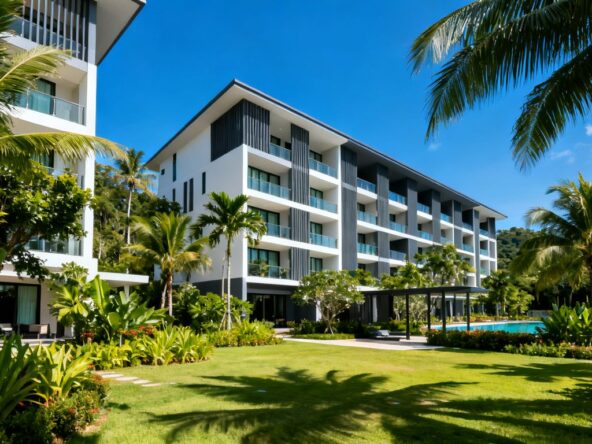


When considering property investment in Thailand, Bangkok and Phuket stand out as two prime locations. Each has its own unique appeal, with Bangkok being a bustling urban centre and Phuket offering a more laid-back, beach-oriented lifestyle. This article aims to compare the real estate markets in both cities, helping you figure out which one might be the best fit for your investment goals. We’ll look at everything from potential returns and living costs to legal issues and market trends. Let’s dive in!
Key Takeaways
- Bangkok offers steady growth and a diverse rental market, making it suitable for long-term investments.
- Phuket thrives on tourism, providing high rental yields, particularly for short-term rentals.
- Consider your investment strategy: Bangkok is ideal for stable returns, while Phuket is better for high seasonal income.
- Living costs are similar, but Bangkok tends to be a bit cheaper for daily expenses.
- Understanding local laws and property management options is essential before investing in either city.
Investment Potential in Bangkok and Phuket
Okay, so you’re thinking about putting some money into property in Thailand? Bangkok and Phuket are usually the first places people look at, but they’re pretty different. Bangkok’s more of a sure thing, growing steadily, while Phuket can give you better returns if you’re renting to tourists. Let’s have a look at the details.
Long-Term Stability in Bangkok
Bangkok’s a big city with a lot going on, and that means the property market is pretty stable. The economy’s doing okay, and there’s always demand for places to live. You’ll find all sorts of properties in different Bangkok neighbourhoods, each with its own vibe and potential. For example, Sukhumvit is popular with expats because it’s got nice condos and it’s close to international schools. Silom and Sathorn are where the money is, with offices and fancy apartments for people who work in the city. Areas like Thonglor and Ekkamai are also worth a look, as they’re trendy and have a growing expat population. These areas have modern condos and townhouses, offering a mix of city living and a bit of peace and quiet. And if you like a bit of history, Old Town Bangkok has some charming, older properties.
High Rental Yields in Phuket
Phuket’s property market is looking good for investors, thanks to the island’s popularity with tourists. Property values are going up, making it a great place to invest. Phuket’s real estate market thrives on tourism, providing high rental yields, especially for short-term rentals.
Here’s a few things to consider:
- Luxury developments: There are more and more high-end projects being built, which are popular with wealthy expats and tourists looking for a fancy experience.
- Villas with sea views: These are always in demand, especially if they come with a pool and are close to the beach.
- Condos near beaches: These are great for tourists who want to be close to the action.
Market Trends and Predictions
Okay, so what’s next for Bangkok and Phuket? Well, Bangkok’s looking pretty solid. The economy’s doing okay, and there’s always demand for places to live, especially with all the new transport links popping up. Phuket’s a bit more reliant on tourists, so things could be a bit more up and down depending on what’s happening with global travel. But, luxury properties are still doing well, so that’s a good sign.
A balanced approach might involve allocating funds to both cities. Phuket can provide short-term rental income, while Bangkok offers stability and long-term growth. This strategy allows you to benefit from the strengths of both markets, reducing overall risk and maximising potential returns.
Cost of Living Comparison
It’s important to consider living costs when you’re thinking about investing in property. Generally, Bangkok and Phuket are quite similar when it comes to day-to-day expenses. Let’s have a look at the details.
Daily Expenses in Bangkok
Eating out won’t be too expensive. You can expect to pay roughly THB 120-140 (about £3-£4) for a meal at a cheap cafe. A restaurant meal might cost around THB 1,000 (roughly £23). Food is slightly cheaper in Bangkok, and public transport is also a bit less. But honestly, the difference isn’t huge – we’re talking THB 10-20 on fares in either city. Overall, your daily spending will depend on your lifestyle, but both cities offer options for budget-conscious living.
Living Costs in Phuket
Phuket, while offering a relaxed island lifestyle, can present some unique cost considerations. Groceries, especially imported items, tend to be pricier than in Bangkok due to transportation costs. While local Thai food remains affordable, dining at international restaurants or beach clubs can quickly add up. Transport can also be more expensive, as you might rely more on taxis or renting a scooter to get around the island. For those looking at condos near Rawai Beach, it’s worth factoring in these slightly higher costs.
Impact on Investment Returns
When assessing potential investment returns, it’s vital to factor in the cost of living. Higher living expenses can eat into your rental income or reduce your overall profitability if you plan to live in the property yourself. Therefore, a thorough understanding of these costs is essential for making informed investment decisions.
Here’s a quick comparison of rental costs:
| Apartment Type | Bangkok (THB) | Phuket (THB) |
|---|---|---|
| 1-Bed, Outside Centre | 10,894 | 17,600 |
| 3-Bed, City Centre | 65,908 | 43,333 |
| 3-Bed, Outside Centre | 33,879 | 42,500 |
And here’s a comparison of other costs:
| Item | Bangkok | Phuket |
|---|---|---|
| Taxi (City Centre) | ~30 | ~25 |
| Average Rental Yield | ~4.45% | 3.7% – 11.4% |
To summarise:
- Bangkok generally offers lower costs for local food and public transport.
- Phuket can be more expensive for imported goods and certain leisure activities.
- Rental costs can vary significantly depending on the location and type of property.
Popular Locations for Investment

When it comes to putting your money into Thai property, Bangkok and Phuket are the two main contenders, each offering something different. Bangkok has a solid market, growing steadily, thanks to new buildings and better transport. Phuket, on the other hand, is a tourist hotspot, so you could see some pretty good rental returns. Let’s explore some specific areas.
Bangkok Real Estate Opportunities
Bangkok’s a busy place with a lot going on, and that means there are plenty of chances to invest in property. You’ll find all sorts of properties in different Bangkok neighbourhoods, each with its own vibe and potential. Sukhumvit is popular with expats because it’s got nice condos and it’s close to international schools. Silom and Sathorn are where the money is, with offices and fancy apartments for people who work in the city. Areas like Thonglor and Ekkamai are also worth a look, as they’re trendy and have a growing expat population. These areas have modern condos and townhouses, offering a mix of city living and a bit of peace and quiet. And if you like a bit of history, Old Town Bangkok has some charming, older properties.
Phuket’s Prime Investment Areas
Phuket’s property market is looking good for investors, thanks to the island’s popularity with tourists. Property values are going up, making it a great place to invest. Luxury developments are becoming more common, which are popular with wealthy expats and tourists looking for a fancy experience.
Here’s a few things to consider:
- Rental demand: Because tourism is doing well, short-term rentals can bring in a lot of money.
- Sustainability: New developments are including green features like solar panels, which is appealing to eco-conscious investors.
- Location is key: Focus on prime locations like Bang Tao or Kamala, as they offer the best chance of making money from both property value increases and rental income.
It’s worth noting that while luxury properties are doing well, mid-range condos can struggle. If you’re investing, focus on prime locations like Bang Tao or Kamala, as they offer the best chance of making money from both property value increases and rental income.
Emerging Hotspots in Both Cities
Keep an eye on areas slightly further from the city centre in Bangkok, where new infrastructure projects are underway. These areas often offer lower entry prices and the potential for significant capital appreciation as they develop. In Phuket, look beyond the established tourist hotspots. Areas with good access to beaches but slightly less developed infrastructure can offer good value for money. Consider also the impact of new developments, such as shopping malls or transport links, on surrounding property values. Digital nomads are also looking to invest in property in these areas.
Rental Yields and Property Appreciation
Comparative Analysis of Yields
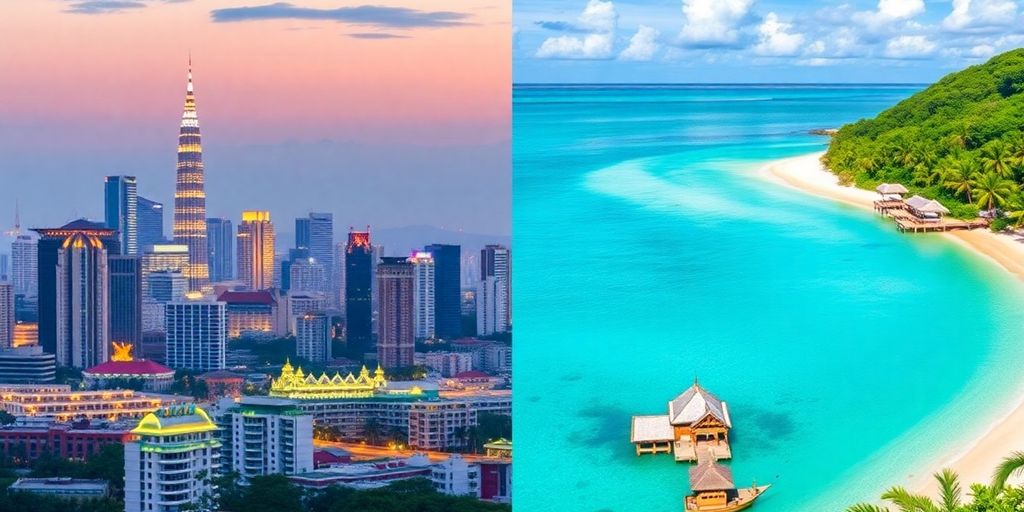
Okay, so let’s get down to brass tacks – how much money can you actually make from renting out a property in Bangkok versus Phuket? Generally, Bangkok offers stable rental yields, usually hovering around 4-5%. You’ll find a mix of short-term and long-term rental options, and properties near public transport and amenities tend to perform best. However, the mid-range condo market is pretty competitive. Phuket, on the other hand, can be a bit more volatile but potentially more rewarding. Rental yields can range from about 3.7% to a whopping 11.4%, depending on the property and its location. Short-term rentals in tourist hotspots can really boost your income, but remember that comes with higher management costs and the risk of vacancies. For example, you might find that a one-bedroom apartment outside the city centre costs around THB 10,894 (USD 316) in Bangkok, but it could be THB 17,600 (USD 511) in Phuket. It’s all about location, location, location!
Factors Influencing Appreciation
Several things can affect how much your property increases in value over time. In Bangkok, keep an eye on infrastructure projects like the Eastern Economic Corridor, as these can really boost property values. Also, demand for property in areas with good transport links tends to stay strong. In Phuket, tourism is a massive driver. Beachfront properties are always in demand, but they also come with a higher price tag. Remember that seasonal demand can affect rental income, so factor that into your calculations. Here’s a quick rundown:
- Location: Prime areas always command higher prices.
- Infrastructure: New transport links can increase property values.
- Tourism: A major factor in Phuket, less so in Bangkok.
It’s worth remembering that property appreciation isn’t guaranteed. Economic conditions, changes in government policy, and even global events can all have an impact. Do your homework and don’t rely solely on past performance.
Long-Term vs Short-Term Rentals
Deciding whether to go for long-term or short-term rentals is a big decision. Short-term rentals, especially in Phuket, can generate higher yields, particularly if you’re targeting tourists. However, they also require more management – think cleaning, dealing with guests, and marketing. You might want to consider a rental guarantee to ensure a steady income. Long-term rentals offer more stability, but the yields might be lower. Here’s a quick comparison:
| Feature | Long-Term Rentals | Short-Term Rentals |
|---|---|---|
| Yields | Lower | Higher |
| Management | Less | More |
| Stability | Higher | Lower |
| Vacancy Risk | Lower | Higher |
Ultimately, the best approach depends on your investment goals and how much time and effort you’re willing to put in.
Legal Considerations for Foreign Buyers
Buying property in a foreign country always comes with its own set of rules and regulations, and Thailand is no different. It’s not as simple as buying a place back home, so it pays to do your homework. Let’s break down some key things to keep in mind if you’re thinking of investing in Bangkok or Phuket.
Property Ownership Laws
Foreigners in Thailand can own buildings, but generally cannot own land directly. This is a pretty important distinction. Condominiums are usually the easiest route for foreign ownership, but even then, there are limitations. Thai law states that only 49% of the units in any condo development can be owned by foreigners. So, before you put down any money, make sure the building hasn’t already hit its foreign ownership quota. It’s also worth remembering that daily condo rentals can potentially breach the Immigration Act, which mandates that the names of foreign guests be reported to the Immigration Bureau within 24 hours.
Here are a few things to double-check:
- Title Deeds: Always verify that the seller actually owns the property. Sounds obvious, but it’s a step you don’t want to skip.
- Zoning Laws: Confirm that you can use the property for your intended purpose. No point buying a place for a shop if it’s zoned residential.
- Foreign Ownership Limits: Ensure the condo building hasn’t reached its 49% foreign ownership limit.
Visa Regulations
If you’re planning to spend a significant amount of time in Thailand, you’ll need to consider visa options. A tourist visa will only get you so far. For longer stays, you might look into options like a retirement visa (if you meet the age and financial requirements) or a business visa (if you’re working or running a business). There’s also the Thailand Elite Visa, which offers a range of benefits, including extended stays. Each visa type has its own set of requirements, so it’s important to research and choose the one that best fits your circumstances. Keep in mind that visa regulations can change, so always check the latest information from the Thai Immigration Department.
Tax Implications
Tax is another area where it pays to be informed. Thailand has various taxes related to property ownership, including transfer fees, stamp duty, and property tax. The specific taxes you’ll need to pay will depend on the type of property, the transaction, and your residency status. It’s also worth considering inheritance tax if you plan to pass the property on to your heirs. Getting professional advice on Thai property law is a smart move to make sure you’re compliant and to avoid any unexpected tax bills.
Navigating the legal landscape can feel a bit like wading through treacle. It’s slow, and you might get stuck. But with the right advice and a bit of patience, you’ll get there.
Investment Strategies for Bangkok and Phuket
Long-Term vs Short-Term Investments
When you’re weighing up Bangkok and Phuket, your investment timeframe is really important. Phuket often works better for quicker gains, mainly because of tourism. Bangkok, on the other hand, tends to give you more stable, long-term growth. What are you hoping to get out of it? Are you after fast profits or something that ticks over nicely over time? That’ll help you decide.
- Phuket: Think about properties that are good for holiday rentals.
- Bangkok: Have a look at flats or apartments that appeal to people wanting to rent for longer.
- Factor in the holding costs and how much the property might go up in value in both places.
Diversification of Property Types
Don’t put all your eggs in one basket, as they say. Diversification is key. Think about acquiring real estate in Thailand in different types of properties in both Bangkok and Phuket. You could have a flat in Bangkok for long-term rental income and a villa in Phuket for holiday lets. Diversification lowers risk and makes you more likely to do well. You could also look at commercial properties or land as part of your plan. Remember to do your homework on each investment.
Risk Management Techniques
Property investment always carries some risk. Market conditions can change, and nothing is guaranteed. It’s always a good idea to have a long-term view. Also, global economic wobbles could affect both markets. Diversifying your investments can help mitigate these risks. Don’t rely too much on one type of visitor.
It’s important to remember that property investment always carries risk. Market conditions can change, and there are no guarantees. Doing your homework and getting good advice is essential before making any decisions.
Market Trends in Bangkok Real Estate
Current Market Dynamics
Bangkok’s property market is constantly evolving. Currently, we’re observing a blend of consistent expansion alongside intriguing shifts in consumer preferences. The ongoing urban expansion and infrastructure developments are key factors in sustaining demand. The market offers a diverse range of options, from condos to houses, catering to various lifestyles and investment strategies. Areas with convenient transport links are particularly sought after.
- Demand is increasing by approximately 5% annually.
- Thonglor and Ekkamai remain popular among expats.
- The Old Town provides a unique historical appeal.
It’s important to monitor interest rates and any new government policies, as these can significantly impact the market. Additionally, consider the long-term effects of new developments in different areas.
Future Growth Predictions
Bangkok’s outlook appears promising. The economy is performing reasonably well, and there’s a consistent demand for housing, especially with the development of new transport infrastructure. The luxury condos in Bangkok are an exclusive part of a buoyant, robust market. The capital appreciation in Thailand has been steadily growing with average appreciation over 2011-2021 of ~4% per annum for landed properties country-wide and ~6% for condos.
Impact of Infrastructure Developments
Infrastructure projects are significantly shaping Bangkok’s real estate landscape. New mass transit lines, roads, and expressways are improving connectivity, making previously less accessible areas more attractive to both residents and investors. This increased accessibility is driving up property values and stimulating development in areas along these new transport corridors. These developments are helping to keep demand up. If you are looking for real estate property as an investment vehicle, Bangkok can be rewarding.
Market Trends in Phuket Real Estate
Tourism’s Influence on Property Values
Phuket’s property market is hugely affected by tourism, especially the luxury kind. This focus really shapes the types of properties that are popular and what you can potentially earn from rentals. The island pulls in all sorts of tourists, from families to couples, all wanting different places to stay. This means there are chances for different investment plans.
- Short-term rentals do well because tourists are always coming and going.
- Fancy villas and condos are aimed at the high-end crowd.
- Being close to beaches and tourist spots makes a big difference to how much a property is worth.
Phuket’s economy relies heavily on tourism, which directly impacts the property market. Any changes in tourist numbers can affect rental income and property values. It’s important to think about this when making investment choices.
Seasonal Demand Fluctuations
Phuket’s property market isn’t steady all year round; it changes with the seasons. High season (November to April) sees a surge in tourists, pushing up rental demand and property prices. Low season (May to October) can see a dip, but it also presents opportunities for bargain hunters. Understanding these seasonal demand changes is key to maximising your investment. Here’s a quick look:
| Season | Tourist Numbers | Rental Demand | Property Prices | Opportunities |
|---|---|---|---|---|
| High Season | High | High | High | Peak rental income |
| Low Season | Low | Lower | Negotiable | Renovation, bargains |
Luxury Market Performance
Luxury houses and villas in Phuket are doing really well. These properties, often with stunning ocean views, are in high demand. The luxury market isn’t just about holiday homes; many are looking for permanent residences. This demand keeps prices high and makes it a good area for investment. The coastal elegance of these properties is a big draw for those looking to escape the hustle and bustle. Bangkok real estate is great, but Phuket offers something different.
- High-end villas are a hot commodity.
- Ocean views and private pools are major selling points.
- The luxury market attracts both holidaymakers and permanent residents.
Property Management Considerations
So, you’ve got yourself a place in Bangkok or Phuket. Ace! But unless you’re planning on living there permanently, you’ll probably want to rent it out. That’s where property management comes into play. It’s not as simple as handing over the keys; there’s a fair bit to think about.
Choosing a Property Manager
Picking the right property manager can make or break your investment. You need someone reliable, trustworthy, and, crucially, someone who knows the local market inside and out. There are a few options to consider:
- Rental guarantee: This is often offered with new developments for a few years after completion. It’s a pretty hands-off approach.
- Rental pool: Your unit gets managed with others, and the income is shared between the management company and the owners. It can be a good way to ensure consistent income, but you might not get the highest possible returns.
- Traditional property management: This is where a company (or you!) manages the property and finds tenants. You get a return based on your unit’s actual rental gains, minus a commission. This can be more work, but potentially more profitable.
Finding a good property manager is like finding a good mechanic. You might have to try a few before you find one you really trust. Don’t be afraid to ask for references and check online reviews. It’s worth the effort to get it right.
Maintenance and Upkeep
Thai properties, especially in the tropical climate of Phuket, can need a bit more upkeep than you might be used to. Regular maintenance is key to keeping your tenants happy and protecting your investment. Make sure your property manager is on top of things like:
- Pest control
- Air conditioning servicing
- Plumbing and electrical repairs
- Garden maintenance (if applicable)
Ignoring maintenance issues can lead to bigger, more expensive problems down the line.
Tenant Screening Processes
Finding the right tenants is crucial. You don’t want any nightmare renters! A good property manager will have a thorough screening process in place. This should include:
- Checking references from previous landlords
- Verifying employment and income
- Conducting background checks (where possible)
Here’s a quick table to illustrate potential costs:
| Expense | Bangkok (Monthly Average) | Phuket (Monthly Average) |
|---|---|---|
| Basic Utilities | £80 | £100 |
| Internet | £20 | £25 |
| Condo Fees | £50 | £70 |
| Minor Repairs | £30 | £40 |
Consider these property maintenance costs when budgeting.
Cultural and Lifestyle Factors
When you choose property, the local vibe matters just as much as the price tag. In Bangkok and Phuket, the way people live and mingle can sway your day-to-day happiness.
Urban Life in Bangkok
Bangkok’s streets throng with tuk-tuks, office workers, and the aroma of street snacks. There’s a temple around almost every corner, yet gleaming malls rise side by side. Skyscrapers kiss the clouds while hawkers sell grilled corn below.
- Chatuchak market mornings packed with local produce.
- Rooftop bars that buzz well past midnight.
- Art fairs and indie galleries hidden in sois.
Bangkok never slows down, and that constant hum can become addictive.
Beach Lifestyle in Phuket
Phuket is all about sun, sea and salt-air morning breezes. Days start with yoga on the sand or a breakfast beside the waves. It’s easy to slip into island mode: hop on a long-tail boat, try snorkelling, or just read under a palm. If you fancy seeing a stunning property right on the coast, check out a beachfront villa.
| Aspect | Daily Pace | Main Draw |
|---|---|---|
| Activity | Slow | Beach outings |
| Sights | Coves, reefs | Island stops |
| Evenings | Chilled | Barbecue on sand |
Community and Expatriate Life
Joining an expat circle can feel like finding a new family. Bangkok and Phuket both boast groups you can drop into, from language exchanges to weekend hiking clubs. There’s always someone to swap recipes with or get tips about schools.
- Meet-ups for new arrivals in coworking spaces.
- Cultural festivals where everyone pitches in.
- Volunteer projects on local green-belt or marine clean-ups.
Making a few local friends might be the toughest part, but it’s easily the most rewarding.
Future Outlook for Bangkok and Phuket Real Estate
Economic Indicators
Okay, so what’s the deal for Bangkok and Phuket? Bangkok’s looking pretty steady. The economy’s doing alright, and there’s always demand for places to live, especially with all the new transport links popping up. Phuket’s a bit more reliant on tourists, so things could be a bit more up and down depending on what’s happening with global travel. But, luxury houses and villas in Phuket are still doing well, so that’s a good sign.
Potential Challenges Ahead
Of course, it’s not all sunshine and roses. Both Bangkok and Phuket face challenges. For Bangkok, it’s about keeping up with infrastructure and managing urban growth. For Phuket, it’s about diversifying the tourism industry and not relying too much on one type of visitor. Also, global economic wobbles could affect both markets. It’s always a good idea to diversify your investments.
It’s worth keeping an eye on interest rates and any new government policies, as these can have a big impact on the property market. Also, be aware of potential political instability, which can affect investor confidence.
Investment Opportunities
There are a few things to keep an eye on. In Bangkok, co-living spaces are becoming more popular, especially with young professionals and digital nomads. Also, mixed-use developments – you know, places with shops, offices and flats all in one – are doing well. In Phuket, eco-friendly developments are getting more attention, particularly in areas like Bang Tao. People are willing to pay a bit extra for sustainable features. Also, branded residences with rental management programmes could be a good bet for steady income.
- Co-living spaces in Bangkok are gaining traction.
- Eco-conscious developments are becoming popular in Phuket.
- Mixed-use properties are attracting diverse demographics.
Final Thoughts on Bangkok vs Phuket Real Estate
Assessing Your Investment Goals
Right, so you’ve weighed up the pros and cons, crunched the numbers, and maybe even visited both Bangkok and Phuket. Now it’s time to be honest with yourself: what are you really hoping to achieve with this investment? Are you after a steady, reliable income stream, or are you chasing higher, but potentially riskier, returns? Do you want a hands-off investment, or are you prepared to get involved in property management? Knowing your goals is half the battle. For example, a decline in housing demand might influence your decision.
Making an Informed Decision
Don’t rush into anything! Property investment is a big deal, and it’s crucial to do your homework. That means researching the market, understanding the legal stuff, and getting advice from people who know what they’re talking about. Talk to local estate agents, property lawyers, and other investors. The more information you have, the better equipped you’ll be to make a smart choice. Remember those Bangkok Real Estate opportunities we talked about? Now’s the time to explore them.
Balancing Risks and Rewards
Every investment comes with risks, and property is no exception. Market conditions can change, tenants can be difficult, and unexpected costs can crop up. It’s important to be aware of these risks and to have a plan for managing them. Diversification is key. Don’t put all your eggs in one basket. Consider investing in different types of properties or in both Bangkok and Phuket to spread your risk. Remember, acquire real estate in Thailand with a long-term view.
Ultimately, the choice between Bangkok and Phuket comes down to your individual circumstances and preferences. There’s no right or wrong answer. Both cities have a lot to offer, and with careful planning and research, you can find an investment that’s right for you.
Here’s a quick recap:
- Bangkok: Stable market, long-term growth potential, diverse economy.
- Phuket: Tourism-driven, high rental yields, seasonal demand.
- Diversification: Spreads risk, maximises potential returns.
In conclusion, both Bangkok and Phuket offer unique opportunities in real estate. Bangkok is vibrant and bustling, perfect for those who enjoy city life, while Phuket is ideal for those seeking a more relaxed, beachside lifestyle. Consider what suits you best and explore your options. For more information and to find your dream property, visit our website today!
Final Thoughts on Your Investment Choice
So, when it comes down to it, choosing between Bangkok and Phuket really hinges on what you want from your investment. If you’re after a steady growth and the buzz of city life, Bangkok might be your best bet. It’s got a solid market and plenty of options for long-term rentals. But if you’re looking for quick returns and a taste of paradise, Phuket’s tourism-driven market could be more appealing. Both places have their pros and cons, so think about your goals and do your research. Whichever you choose, make sure you’re ready for the journey ahead!