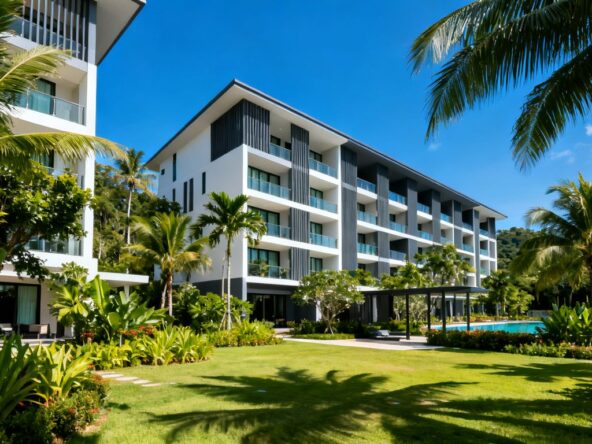


When it comes to investing in property in Koh Samui, potential buyers often find themselves torn between off-plan and resale options. Each choice has its own set of advantages and drawbacks, making it crucial to understand what suits your needs best. In this article, we’ll explore the ins and outs of off-plan vs resale property in Koh Samui, helping you make an informed decision that aligns with your investment goals.
Key Takeaways
- Off-plan properties may offer lower initial prices but come with risks like construction delays.
- Resale properties provide immediate occupancy and are typically less risky than off-plan options.
- Location plays a significant role in property value; prime areas often yield better returns.
- Understanding legal aspects is vital, especially for foreign buyers navigating ownership laws.
- Timing your purchase can affect costs; buying off-plan during low seasons might lead to better deals.
Understanding Off-Plan Properties

Definition of Off-Plan Properties
Okay, so what exactly are off-plan properties? Basically, it means you’re buying a property before it’s actually built. Think of it as buying a promise – a promise of a shiny new villa or condo that exists only on paper (or, more likely, as a fancy computer rendering). The property is still in the planning or construction phase, and you’re putting down money based on the developer’s plans and specifications. It’s a bit like ordering something online before it’s even been manufactured – you’re taking a bit of a leap of faith, but potentially reaping the rewards later on.
Types of Off-Plan Developments
Off-plan developments in Koh Samui come in all shapes and sizes. You’ve got your luxury villas with infinity pools overlooking the ocean, your modern condo complexes with shared facilities, and even smaller-scale townhouse projects. The type of development can really impact the investment potential and the risks involved. For example, a large condo complex might offer more amenities but also face more competition in the rental market. A smaller, more exclusive villa development might command higher rental yields but could also be more susceptible to construction delays. Here’s a quick rundown:
- Villas: Often located in prime areas with sea views, these offer privacy and luxury.
- Condominiums: Usually part of larger developments with shared facilities like pools and gyms.
- Townhouses: A good middle ground, offering more space than a condo but less maintenance than a villa.
Buying off-plan isn’t for everyone. It requires a certain level of risk tolerance and a good understanding of the local market. But if you do your homework and choose the right developer, it can be a very rewarding investment.
Benefits of Buying Off-Plan
So, why would anyone buy something that doesn’t even exist yet? Well, there are several potential advantages. One of the biggest is the price. Developers often offer lower price entry to attract early investors and secure funding for the project. This means you could potentially snag a property for significantly less than its market value once it’s completed. Plus, you often get more flexibility in terms of customisation. You might be able to choose your preferred layout, finishes, and even add extra features to suit your taste. Here are some other benefits:
- Potential for capital appreciation: If the market is on the upswing, your property could increase in value during the construction phase.
- Flexible payment plans: Developers typically offer staged payments, which can ease the financial burden.
- Modern design and features: Off-plan properties are usually built to the latest standards with modern amenities.
Exploring Resale Properties
What Constitutes a Resale Property?
Resale properties are homes that have been previously owned and are now back on the market. Unlike off-plan properties, which are purchased before or during construction, resale properties offer a tangible, ready-to-move-in option. These can range from apartments and condos to villas and houses, each with its own history and unique characteristics. When you consider 3 Bedroom Balinese Style Pool Villa, remember that resale properties offer a different set of advantages and considerations compared to buying new.
Advantages of Resale Properties
There are several compelling reasons to consider a resale property.
- Immediate Occupancy: One of the biggest draws is the ability to move in right away. No waiting for construction to finish!
- Established Features: You can physically inspect the property, assess its condition, and see the actual layout and finishes. What you see is what you get.
- Negotiation Opportunities: There might be more room for negotiation with the seller, especially if the property has been on the market for a while.
Buying a resale property allows you to sidestep the uncertainties associated with new developments. You know exactly what you’re getting, from the size of the rooms to the quality of the fixtures.
Market Trends for Resale Properties
The resale market in Koh Samui is influenced by various factors, including location, property type, and overall economic conditions. Understanding these trends is key to making a sound investment. Generally, properties in prime locations like Chaweng and Bophut tend to hold their value well. Keep an eye on interest rates and local economic indicators, as these can impact demand and pricing. Also, consider the time of year; the high season might see increased activity, while the low season could present better deals. It’s always a good idea to consult with a local real estate agent to get the most up-to-date insights into the local property market.
Comparing Costs: Off-Plan vs Resale
Initial Investment Differences
Okay, let’s talk money. When you’re looking at off-plan versus resale properties, the initial investment can look pretty different. Off-plan properties often seem cheaper upfront. Developers usually offer lower prices early on to attract buyers and get the project rolling. Think of it as an early bird discount. This can be really appealing if you’re on a budget or want to maximise your investment potential. However, don’t forget to factor in potential price increases as the construction progresses. Resale properties, on the other hand, usually require a larger initial outlay. You’re paying for a finished product, and the price reflects that. But, what you see is what you get, which can give you more confidence in your purchase. It’s a trade-off between potential savings and immediate certainty. For example, off-plan seaview villa might seem cheaper initially, but a resale property offers immediate occupancy.
Long-Term Value Considerations
Thinking long-term is key. With off-plan, you’re betting on future appreciation. If the area develops as planned and the property is well-built, you could see a significant return on your investment. The risk, of course, is that the market could change, or the development might not live up to expectations. Resale properties have a track record. You can look at historical data, rental yields, and previous sale prices to get a sense of their long-term value. Established neighbourhoods tend to be more stable, but the potential for rapid growth might be lower compared to a developing area with off-plan properties. It’s about balancing risk and reward. Consider the potential for capital growth versus the stability of an existing investment.
Hidden Costs in Both Options
Now for the not-so-fun part: hidden costs. Both off-plan and resale properties can come with unexpected expenses. With off-plan, you might encounter additional charges for upgrades, variations to the original plan, or even delays in construction. These can quickly add up and eat into your initial savings. Resale properties can have their own surprises, such as necessary repairs, renovations, or unexpected maintenance issues. Always get a thorough inspection before you commit to buying a resale property to avoid any nasty shocks down the line. Don’t forget about legal fees, property taxes, and insurance, which apply to both types of properties. Here’s a quick rundown:
- Off-Plan: Upgrade costs, variation fees, potential delay penalties (or lack thereof).
- Resale: Repair costs, renovation expenses, immediate maintenance needs.
- Both: Legal fees, property taxes, insurance premiums.
It’s easy to get caught up in the excitement of buying property, but it’s important to do your homework and factor in all the potential costs. Don’t be afraid to ask questions and get professional advice to avoid any financial surprises. Understanding ownership laws for foreigners is also crucial to avoid legal issues.
Risks Associated with Off-Plan Purchases
Buying off-plan property in Koh Samui can seem like a great idea, especially with the potential for lower prices and customisation. However, it’s not without its risks. It’s important to be aware of these before you commit.
Construction Delays and Quality Issues
One of the biggest worries with off-plan purchases is the possibility of construction delays. These can be caused by anything from bad weather to material shortages, or even financial problems with the developer. Delays can push back your investment timeline and cause unexpected costs.
Quality is another concern. The finished property might not match the glossy brochures or show units. It’s vital to check the developer’s track record and ensure the contract includes detailed specifications.
Market Fluctuations
The property market can change a lot during the construction period. If prices fall, the property might be worth less than you paid for it by the time it’s finished. This is a risk you need to consider, especially if you’re planning to resell quickly. It’s a good idea to research Koh Samui property market trends before making a decision.
Legal and Financial Risks
There are also legal and financial risks to think about. It’s important to have a solid contract that protects your interests. This should include clauses about what happens if the developer goes bust or if the project is significantly delayed. You should also understand the payment schedule and any penalties for late payments. Getting advice from a real estate lawyer in Thailand is essential.
It’s easy to get caught up in the excitement of a new development, but it’s important to stay grounded and do your homework. Don’t be afraid to ask questions and seek professional advice. Remember, buying off-plan is a long-term investment, so it’s worth taking the time to get it right.
Here’s a quick summary of potential risks:
- Construction delays
- Quality issues
- Market fluctuations
- Developer insolvency
- Legal disputes
Advantages of Resale Properties
Immediate Occupancy
One of the biggest draws of resale properties is the ability to move in right away. No waiting for construction to finish, no hoping the developer sticks to the timeline. You see it, you buy it, you move in. This is especially appealing if you need a place quickly or are tired of temporary living arrangements. Plus, you can start generating rental income immediately if that’s your plan.
Established Neighbourhoods
Resale properties come with the benefit of being in established neighbourhoods. You can see what the area is really like – the traffic, the neighbours, the local shops. This eliminates the uncertainty that comes with off-plan developments, where you’re relying on promises about future amenities and community feel. You know exactly what you’re getting into, which can be a huge relief.
- Established infrastructure
- Existing community
- Known amenities
Potential for Negotiation
There’s often more room for negotiation with resale properties compared to off-plan. Private sellers might be more motivated to strike a deal, especially if they need to sell quickly. You can use things like minor repairs or outdated features as bargaining chips to lower the price. This can lead to significant savings, making resale properties a financially attractive option.
Buying a resale property means you can physically inspect everything before committing. This includes checking for any hidden problems, assessing the quality of the construction, and ensuring that everything is up to your standards. It’s a level of certainty that off-plan purchases simply can’t offer.
Location Considerations in Koh Samui
Location, location, location! It’s the old saying, but it rings especially true when buying property. Koh Samui, while not huge, has vastly different areas, each with its own vibe and appeal. Driving from one side to the other can take a fair while, so choosing wisely is key.
Prime Areas for Off-Plan Investments
When it comes to off-plan investments, certain areas tend to attract more attention. Areas like Chaweng, Bophut (especially Fisherman’s Village), and Choeng Mon are popular due to their proximity to amenities, beaches, and the airport. These locations often command higher prices but also offer strong rental potential and resale value.
- Chaweng: Known for its vibrant nightlife and bustling atmosphere.
- Bophut (Fisherman’s Village): Offers a more relaxed, sophisticated vibe with fine dining options.
- Choeng Mon: A quieter, family-friendly area with beautiful beaches.
Resale Property Hotspots
Resale properties can be found all over the island, but some areas are particularly sought after. These often include areas with established infrastructure and a proven track record of rental income. Maenam and Lamai are popular choices. It’s worth checking out properties in Phuket and Samui to get a feel for the market.
- Maenam: Offers a good balance of affordability and convenience.
- Lamai: A lively area with a good selection of restaurants and shops.
- Bang Rak: Close to the airport and Big Buddha, offering convenience and cultural attractions.
Impact of Location on Value
The location of your property will significantly impact its value, both in terms of rental income and potential resale price. Properties in prime locations, close to beaches and amenities, will generally command higher prices. However, don’t discount less central areas. They might offer better value for money and potential for future growth, especially if there are planned infrastructure developments. It’s all about balancing your budget with your long-term goals. For example, an off-plan seaview villa might be a good investment.
Think about what’s important to you. Do you want to be in the heart of the action, or would you prefer a quieter, more secluded location? Consider factors like noise levels, proximity to shops and restaurants, and ease of access to the airport. These things can all affect your enjoyment of the property and its potential value.
Legal Aspects of Buying Property
Ownership Laws for Foreigners
Understanding the rules around owning property as a foreigner in Koh Samui is really important. Generally, foreigners can’t directly own land freehold. Instead, there are a couple of common routes:
- Leasehold: This involves leasing the land for a long period, typically up to 30 years, with options to renew. It’s a popular choice, but it’s vital to understand the terms of the lease and renewal clauses.
- Thai Limited Company: Foreigners can own property through a Thai company. However, this comes with its own set of regulations and requirements, including accounting and tax obligations. It’s essential to get proper legal advice before going down this route.
- Usufruct: This grants the right to use and enjoy the property for a specified period or the lifetime of the usufructuary. It doesn’t confer ownership but provides long-term usage rights.
It’s always best to seek advice from a qualified lawyer who specialises in Thai property law. They can help you understand the implications of each ownership structure and ensure you comply with all the legal requirements.
Understanding Leasehold vs Freehold
Knowing the difference between leasehold and freehold is key. Freehold means you own the property outright, including the land it sits on. As mentioned, this isn’t usually an option for foreigners directly. Leasehold, on the other hand, grants you the right to use the property for a set period. Here’s a quick comparison:
| Feature | Freehold | Leasehold |
|---|---|---|
| Ownership | Outright ownership of land and property | Right to use the property for a fixed term |
| Duration | Perpetual | Typically 30 years, with renewal options |
| Transferability | Easily transferable | Subject to lease terms and renewal options |
| Foreigner Access | Generally not directly available | Common route for foreign ownership |
When considering leasehold property, pay close attention to the renewal terms. Can you renew the lease? What will the renewal cost? These are important questions to ask.
Navigating Property Taxes
Property taxes in Thailand can be a bit confusing. There are several taxes to be aware of when buying and owning property:
- Transfer Fee: This is paid when the property ownership is transferred. It’s usually split between the buyer and seller.
- Stamp Duty: A small tax levied on the transfer of property.
- Specific Business Tax: This may apply if the property is sold within a certain timeframe of purchase.
- Withholding Tax: This is deducted from the sale price and remitted to the tax authorities.
It’s a good idea to factor these taxes into your budget when buying property in Koh Samui. A real estate agent or lawyer can help you estimate these costs accurately.
Financing Your Property Purchase

Mortgage Options for Off-Plan Properties
Getting a mortgage as a foreigner in Thailand, especially for off-plan properties, can be tricky. Thai banks don’t often lend to foreigners. However, some developers offer their own financing plans, which can be a good option. These usually involve staged payments tied to construction milestones. It’s worth exploring these, but always read the fine print. You might also consider private loans from financial institutions outside of Thailand, or tapping into your personal savings.
Financing Resale Properties
Financing resale properties in Koh Samui presents similar challenges to off-plan purchases for foreign buyers. Securing a traditional mortgage from a Thai bank can be difficult. You’ll likely need to explore alternative routes, such as:
- Using your own savings.
- Obtaining a loan from your home country, secured against assets you own there.
- Looking into private lenders who specialise in expat mortgages, though interest rates may be higher.
It’s important to get your finances in order before you start seriously looking at properties. Knowing how much you can realistically spend will save you time and potential disappointment.
Understanding Payment Structures
Payment structures vary depending on whether you’re buying off-plan or resale. Off-plan payments are typically spread out, linked to construction stages. For example:
| Stage | Percentage |
|---|---|
| Reservation Fee | 5% |
| Foundation Completion | 20% |
| Structural Completion | 20% |
| Roof & Interior Works | 20% |
| Completion & Handover | 10% |
Resale properties usually require a larger upfront payment, with the balance due upon transfer of ownership. Always get legal advice to understand the payment terms and protect your interests. It’s also wise to check the developer’s reputation before committing to an off-plan purchase, looking at their completed projects and property management services.
Timing Your Purchase
Best Times to Buy Off-Plan
When considering off-plan purchases, timing can significantly impact your investment. Generally, the earlier you get in, the better the potential deal. Developers often offer lower prices during the initial launch phase to attract early investors. This allows you to secure a property at a reduced rate before construction commences and prices increase. Also, getting in early means you have a wider choice of units within the development.
- Early launch phase offers lower prices.
- Wider selection of units available.
- Potential for capital appreciation as construction progresses.
Buying off-plan early can be advantageous, but it’s vital to conduct thorough due diligence on the developer’s reputation and financial stability. This minimises the risk of construction delays or project abandonment.
Market Conditions for Resale
The resale market in Koh Samui is influenced by various factors, including tourism trends, economic conditions, and local developments. Keep an eye on these indicators to identify opportune moments to buy. For example, if there’s a slight dip in tourism or a general economic slowdown, you might find motivated sellers willing to negotiate on price. Conversely, during peak tourist seasons, demand increases, potentially driving up prices.
Seasonal Trends in Koh Samui
Koh Samui experiences distinct seasonal variations that affect the property market. The high season (December to February) sees increased tourist arrivals, leading to higher demand and potentially inflated prices. The low season (May to October), characterised by monsoon weather, often presents opportunities for buyers to negotiate better deals. Consider these seasonal trends when planning your purchase.
| Season | Tourist Activity | Property Prices | Negotiation Potential |
|---|---|---|---|
| High (Dec-Feb) | High | Higher | Lower |
| Low (May-Oct) | Lower | Lower | Higher |
It’s worth noting that prime land near popular beaches might hold its value better, regardless of the season. Understanding these nuances can help you make a more informed decision.
Expert Tips for Buyers
Conducting Due Diligence
Okay, so you’re thinking about buying property in Koh Samui? Smart move! But before you get carried away with visions of beachfront sunsets, let’s talk due diligence. This isn’t just a fancy term; it’s your safety net. Thorough due diligence is paramount to a successful property purchase.
- Land Title Check: Is the land properly registered? Are there any existing claims or disputes? Get a lawyer to check this. Seriously.
- Zoning Regulations: What can you actually do with the property? Can you build that dream villa, or are there restrictions?
- Environmental Impact: Is the property in a protected area? Are there any environmental concerns that could affect its value or usability?
Due diligence might seem like a pain, but it’s way less painful than discovering your ‘dream home’ is actually a legal nightmare. Trust me on this one.
Working with Real Estate Agents
Finding a good real estate agent in Koh Samui is like finding a decent cup of coffee – essential, but not always easy. You want someone who knows the local market inside and out, someone who’s not just trying to make a quick buck. A good agent can be your eyes and ears on the ground, helping you find the perfect property and avoid potential pitfalls.
- Check Credentials: Are they licenced? Do they belong to any professional associations?
- Get Recommendations: Talk to other expats or locals. Who do they trust?
- Clear Communication: Can they clearly explain the buying process? Do they listen to your needs?
Evaluating Developer Reputation
If you’re going down the off-plan route, the developer’s reputation is everything. You’re essentially betting on their ability to deliver what they promise. Do your homework! A developer with a solid track record is worth their weight in gold. Here’s what to look for:
- Past Projects: Have they successfully completed other developments in Koh Samui or elsewhere? Go and see them if you can.
- Financial Stability: Are they financially sound? You don’t want them going bust halfway through your project. Verify the developer’s financial stability before committing.
- Guarantees: Check for structural guarantees, defects coverage, and manufacturer warranties. Some developers offer a 10 year structural guarantee.
Here’s a quick table to summarise the key guarantees to look for:
| Guarantee Type | Coverage
Future Market Predictions
Trends in Off-Plan Developments
Off-plan developments in Koh Samui are expected to evolve, with a greater focus on sustainable building practises and smart home technology. Developers are increasingly catering to a younger, more tech-savvy demographic, incorporating features like solar panels, electric vehicle charging stations, and integrated home automation systems. This shift aims to attract environmentally conscious buyers and those seeking modern conveniences. We might also see more mixed-use developments that combine residential units with commercial spaces, offering residents a convenient lifestyle. The key is to keep an eye on which developers are adapting to these trends and offering innovative solutions.
Resale Market Outlook
The resale market in Koh Samui is likely to remain stable, with steady demand from both local and international buyers. Properties in established neighbourhoods with good infrastructure and amenities will continue to hold their value. However, older properties may require renovations to meet modern standards, presenting both a challenge and an opportunity for buyers. The sea-view pool villa market will probably stay strong, especially for well-maintained properties in prime locations. Keep an eye on interest rates, as they can significantly impact buyer affordability and demand.
Investment Potential in Koh Samui
Koh Samui’s investment potential remains strong, driven by its popularity as a tourist destination and its attractive lifestyle. The island’s economy benefits significantly from tourism inflows, which positively impact property prices. The IMF has projected that Thailand’s GDP will grow, but moderate in 2025. This growth, supported by robust private consumption and improved external demand, makes Koh Samui an appealing location for property investment. However, it’s important to consider the potential risks, such as construction delays and market fluctuations, especially when investing in off-plan properties. Careful due diligence and working with reputable real estate agents are essential for making informed investment decisions.
Investing in Koh Samui property requires a balanced approach. While the island offers attractive opportunities, it’s crucial to stay informed about market trends, economic indicators, and potential risks. Partnering with experienced professionals can provide valuable insights and support throughout your investment journey.
Here’s a quick look at potential factors influencing the market:
- Tourism Growth: Continued increase in tourist arrivals.
- Infrastructure Development: Improvements to roads, utilities, and public services.
- Economic Stability: Stable interest rates and low inflation.
As we look ahead, the real estate market is expected to change in exciting ways. With more people wanting to invest in properties, especially in beautiful places like Phuket and Samui, now is a great time to explore your options. Don’t miss out on the chance to find your dream home or investment. Visit our website today to learn more about the future of real estate and how you can be a part of it!
Final Thoughts on Your Property Decision
In the end, whether you go for an off-plan property or a resale one in Koh Samui really comes down to what you want from your investment. Off-plan properties can be a great way to save some cash and get a brand-new place, but they come with their own set of risks, like delays and changes in what you thought you were buying. On the other hand, resale properties give you the chance to move in straight away and know exactly what you’re getting, but they might cost you a bit more. Think about your budget, your timeline, and what you’re comfortable with. Do your homework, check out the area, and maybe even chat with a local expert. At the end of the day, making an informed choice will help you find the right property for your needs.