
When construction costs rise and market conditions shift, the usual developer response is to delay launches or scale back plans. Sansiri is doing the opposite.
The SET-listed developer is maintaining its full 2024 launch schedule—33 residential projects worth a combined 51 billion baht—while introducing support measures for contractors facing higher material and fuel costs. The decision suggests confidence in rental demand, particularly from foreign tenants in Bangkok locations popular with expats.
The key point is not that Sansiri is launching projects. It is that the company has decided the cost of supporting contractors is lower than the risk of pausing momentum in a market where rental yields remain strong and foreign buyer interest appears steady.
What Sansiri is actually doing
According to Wisut Chanwattharangkun, deputy executive vice-president for project development at Sansiri, all construction contracts for the year’s new condo projects have already been awarded. Rather than renegotiate or delay, the company is issuing bank guarantees for contractors facing liquidity constraints and providing advance payments for construction materials.
The support measures, discussed internally in early April, apply to 13 partner contractors responsible for condo projects worth more than 10 billion baht. The support budget is set at around 1-2% of total construction costs.
The rationale is straightforward: enable contractors to lock in material prices now rather than risk further increases driven by oil price volatility linked to Middle East tensions.
Of the 51 billion baht pipeline, 16 condo projects account for 26 billion baht and 17 low-rise housing projects account for 25 billion baht. Sansiri projects presales of 48 billion baht and transfers of 39 billion baht by year-end.
The Ekkamai rental story
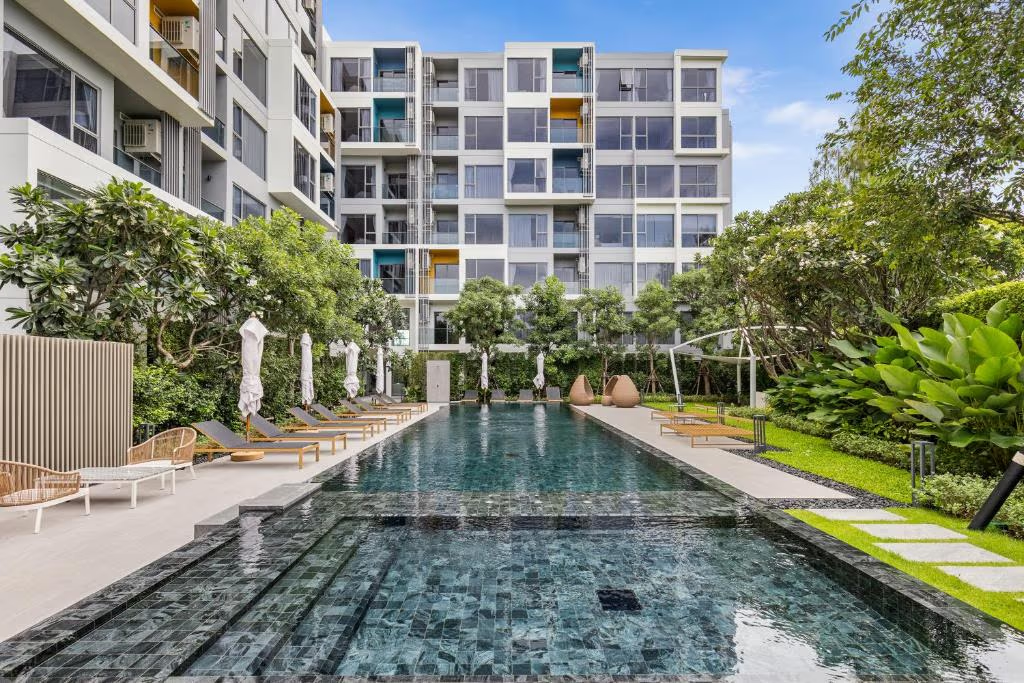
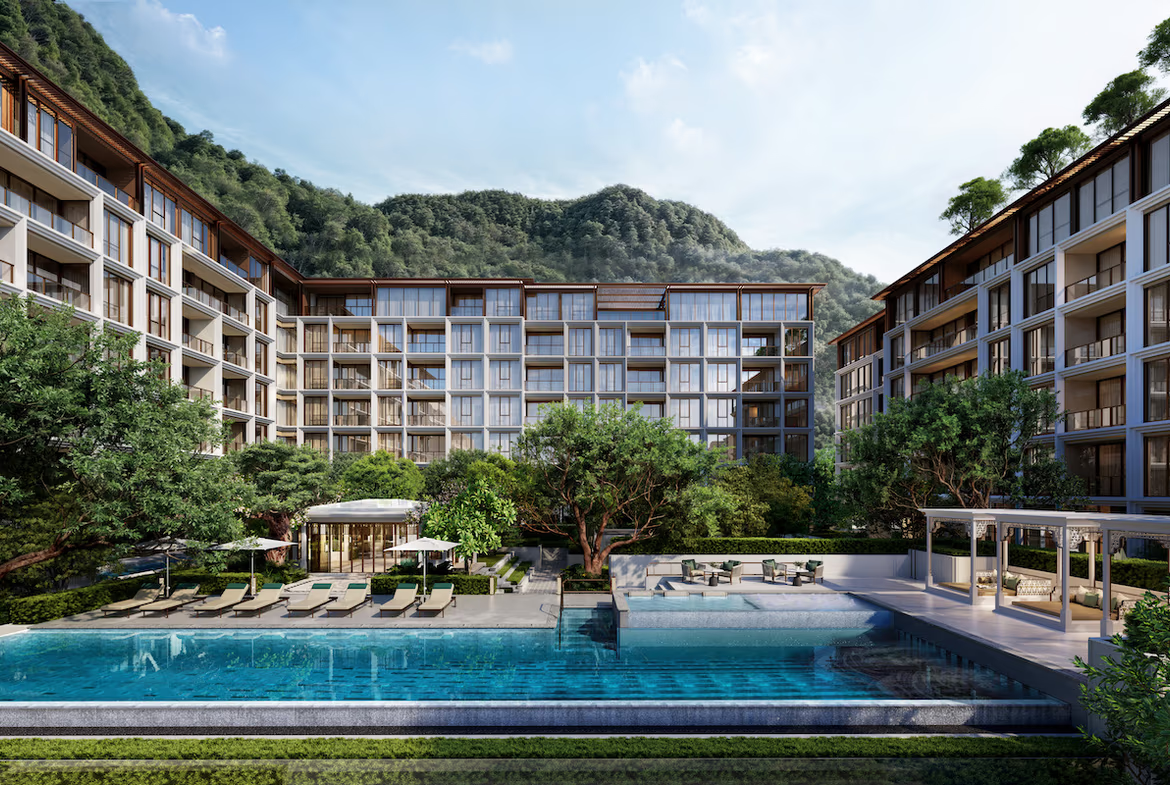
One of the new launches is XT 10 Ekkamai, a 7 billion baht joint venture with Japanese developer Mitsui Fudosan. The project will be launched in mid-May on a five-rai plot between Ekkamai Soi 10 and 12.
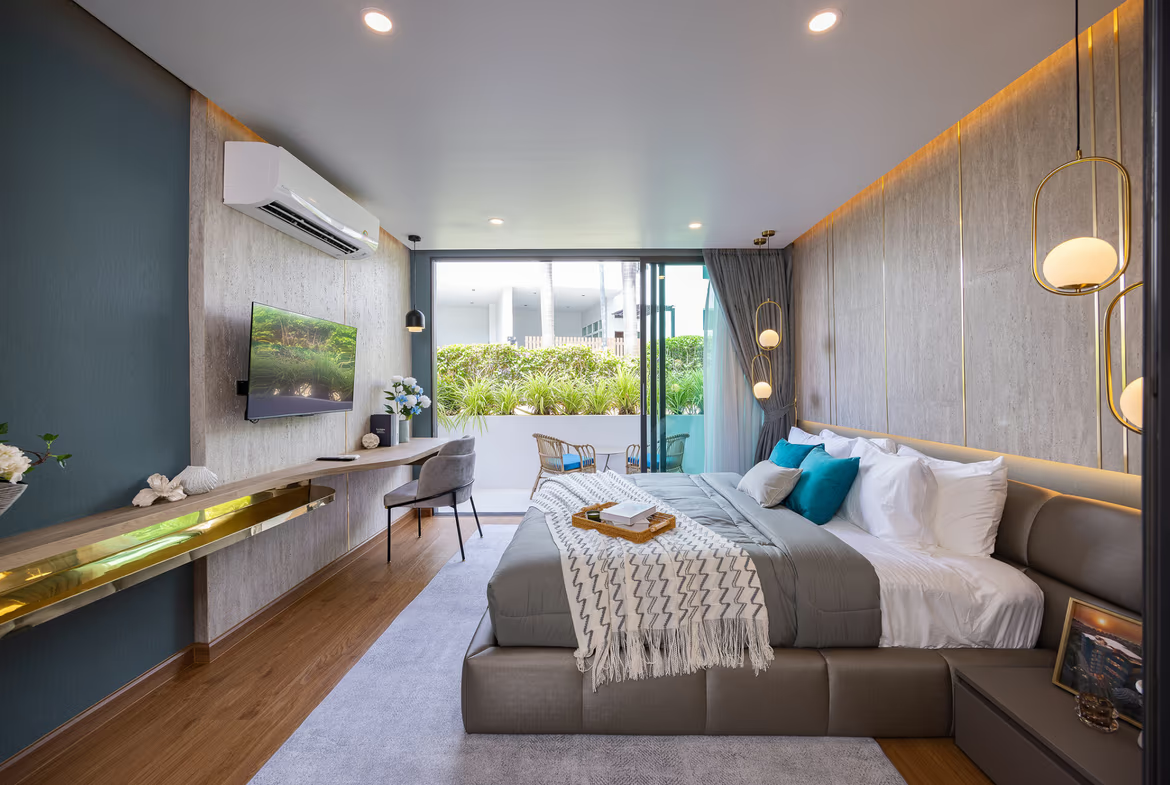
The 933-unit development will offer units ranging from 25 to 107 square metres, with prices starting from 3.89 million baht, or an average of 130,000 baht per square metre. Double-height ceilings will be available for loft units.
Sansiri is targeting foreigners and Thais buying for rental investment. The company cites the area’s popularity among expatriates, particularly Europeans, Chinese, Hong Kong, Taiwanese and Americans.
The XT brand, first launched eight years ago in Ekkamai, Huai Khwang and Phaya Thai, has recorded a foreign buyer quota averaging 47% across three projects. Rental yields are reported at around 8% per year.
At XT Ekkamai, the first XT project in the area, 70% of residents are tenants. Rental rates range between 16,000 and 17,000 baht per month.
What the rental data suggests
The 8% rental yield figure is notable in a market where many Bangkok condo projects struggle to achieve consistent rental returns. The figure is company-reported, not independently verified, but it points to why Sansiri may be willing to absorb contractor support costs rather than delay.
If rental demand from expats remains strong, and if supply in popular areas such as Ekkamai is limited—Sansiri notes that existing projects in the area report 80-90% sold—then the risk of missing the rental window may outweigh the cost of supporting contractors through a period of higher construction expenses.
Sansiri targets sales of 25-30% of units, or around 300 units, at XT 10 Ekkamai by the end of the year. That is a modest first-year target, suggesting the company expects rental income rather than immediate sellout to drive project viability.
Why this matters for Thailand property
For buyers comparing Bangkok condo projects, the Sansiri approach offers a useful data point. The company is betting that rental demand from foreign tenants is strong enough to justify maintaining launch schedules despite cost pressures.
For investors, the reported 8% rental yield at previous XT projects is worth noting, though it should be understood as a company projection based on past performance in specific locations. Rental yields vary significantly by project, location, unit size and tenant profile.
For developers and contractors, the support measures—bank guarantees and advance payments—represent a negotiated cost-sharing model in a volatile input market. The 1-2% support budget suggests Sansiri views the risk as manageable rather than existential.
The detail worth watching is whether other developers follow a similar path or choose to delay launches. If Sansiri’s bet on rental demand proves correct, it may gain market share in expat-focused segments. If demand softens or construction costs rise beyond the support budget, the strategy becomes more expensive.
Frequently Asked Questions
What is Sansiri’s total project pipeline for 2024?
Sansiri plans to launch 33 new residential projects worth a combined 51 billion baht this year. The pipeline includes 16 condo projects valued at 26 billion baht and 17 low-rise housing projects valued at 25 billion baht. The company projects presales of 48 billion baht and transfers of 39 billion baht by year-end.
What support measures is Sansiri providing to contractors?
Sansiri is issuing bank guarantees for contractors facing liquidity constraints and providing advance payments for construction materials to enable price locking amid rising costs. The support budget is set at around 1-2% of total construction costs and applies to 13 partner contractors responsible for projects worth more than 10 billion baht.
What rental yields does Sansiri report for its XT brand projects?
Sansiri reports rental yields of around 8% per year for the XT brand, which includes projects in Ekkamai, Huai Khwang and Phaya Thai launched over the past eight years. At XT Ekkamai, 70% of residents are tenants, with rental rates ranging between 16,000 and 17,000 baht per month. These figures are company-reported and reflect past performance at specific locations.
Who is buying units at XT 10 Ekkamai?
Sansiri is targeting foreigners and Thais purchasing for rental investment. The company cites the Ekkamai area’s popularity among expatriates, particularly Europeans, Chinese, Hong Kong, Taiwanese and Americans. The XT brand has historically recorded a foreign buyer quota averaging 47% across three projects.
Why is Sansiri maintaining its launch schedule despite cost pressures?
All construction contracts for the year’s new condo projects have already been awarded. Sansiri has chosen to introduce support measures for contractors rather than delay launches, suggesting the company believes the cost of support is lower than the risk of missing rental demand windows in areas with limited supply and strong expat tenant interest.
Sources
- Bangkok Post — Sansiri condo launch plan unchanged amid market shifts — link