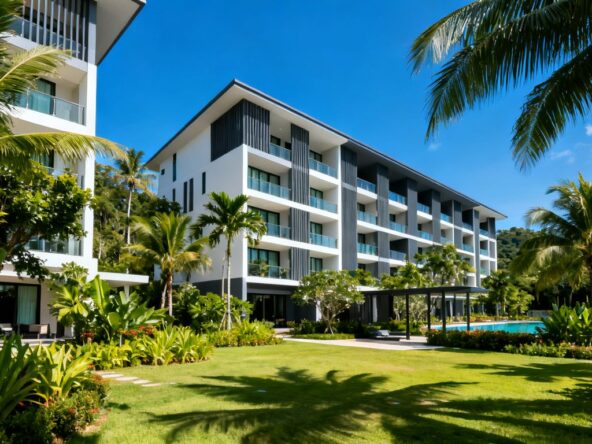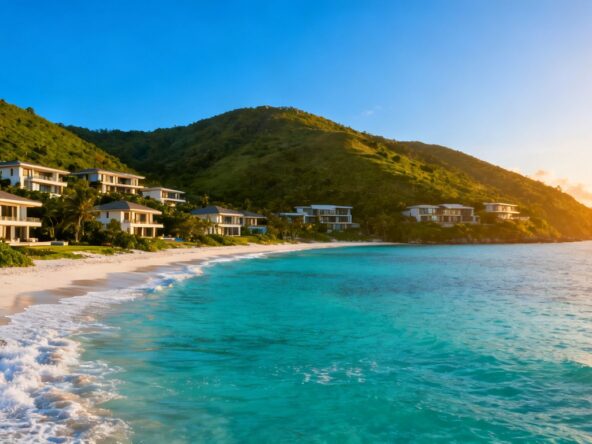


Thinking about where to spend your retirement years? The debate between Phuket vs Chiang Mai for retirement pops up a lot, and it’s not hard to see why. Phuket brings the sea breeze, sandy beaches, and a lively vibe, while Chiang Mai sits up north, surrounded by mountains, temples, and a slightly slower pace. Both cities attract expats from all over the world, but they offer very different lifestyles. If you’re weighing up your options, here’s what you need to know before making the leap.
Key Takeaways
- Phuket is all about beaches, sunshine, and a busy tourist scene, while Chiang Mai offers cooler weather, mountain views, and a calmer atmosphere.
- Living costs can be lower in Chiang Mai, especially for rent and day-to-day expenses, but both cities offer affordable options for retirees.
- Healthcare is top-notch in both places, with international hospitals and English-speaking doctors, but Phuket tends to have more facilities geared toward tourists.
- Getting a retirement visa is possible in both cities, but you’ll need to meet age and financial requirements—make sure you understand the paperwork before you go.
- Your choice between Phuket and Chiang Mai will come down to whether you want island life by the sea or a cultural city surrounded by mountains.
Comparing Climate and Air Quality Year-Round
Phuket’s Tropical Weather and Monsoon Seasons
Phuket is about as close as you’ll get to year-round summer. It sits down in the Andaman Sea, so you can expect hot, humid days most of the time—average highs float between 31–33°C, and it doesn’t often dip below 25°C, even at night. Phuket’s climate is defined by its wet and dry seasons:
- Dry season (December to April): Sunny skies, cooler evenings, and very little rain. Most retirees love this period for outdoor living and beach days.
- Monsoon (May to November): Sudden downpours and high humidity are common. Flooding can happen sometimes, and it feels warmer because of the heavy, sticky air.
But here’s the thing: Air quality in Phuket is generally good. Sea breezes do a pretty good job at keeping pollution away, and you won’t ever deal with thick smog.
Chiang Mai’s Cooler Days and the Burning Season
In contrast, Chiang Mai’s weather is more varied through the year. Winter mornings can be almost chilly, dropping to 15°C or so (sometimes even less in the mountains), while midday highs in summer reach up to 36°C.
Chiang Mai has:
- Cooler, pleasant winters (November to February): Gentle sun, lower humidity, and hardly any rain. People who can’t stand heat often love this stretch.
- Very hot summers (March to May): The sun feels relentless, but there’s little rain—until the monsoon hits in June.
- Burning season (late February to April): This is Chiang Mai’s Achilles’ heel. Farmers burn crop fields, creating thick smoke and haze. Air quality plummets, and it’s not just an inconvenience; it can be a real health risk, especially if you’ve got breathing issues.
| City | Average Temp (°C) | Humidity (%) | Air Quality (PM2.5)* |
|---|---|---|---|
| Phuket | 27–33 | 70–85 | 12–30 |
| Chiang Mai | 15–36 | 50–80 | 18–200+ (burning) |
*PM2.5 is a common measure for fine particulate matter. High values mean hazy, unhealthy air.
Health Risks and Comfort for Retirees
One big draw for Phuket is the consistently good air quality and lower pollen count. If you’re sensitive to allergens or have any lung concerns, that’s worth considering. Mold can be an issue in older buildings, especially during monsoon, but you won’t face weeks of thick, smoky air.
Chiang Mai is a dream much of the year—cooler nights, less sticky heat, and the fun of living close to green hills. But the burning season is serious. For retirees with asthma or respiratory conditions, the smoke haze can mean staying indoors for weeks or planning a getaway during that period. Air purifiers and sealed windows become daily essentials.
- Some retirees plan their calendar around the seasons—splitting time between Chiang Mai in winter and coastal areas like Phuket during the smoky spring.
- Others don’t mind the heat of Phuket, preferring the certainty of clean air over Chiang Mai’s swings.
- If humidity drains your energy, Chiang Mai’s cooler spells can be refreshing, but keep the air issues in mind.
There’s no perfect climate, but choosing between Phuket and Chiang Mai often comes down to whether you’re willing to trade steamy monsoon days for a few months of poor air quality. For those with breathing issues or who love being outside all year, Phuket’s fresh seaside air is a strong plus.
Cost of Living and Affordability in Daily Life
When you’re looking at retiring in Thailand, knowing what you’ll spend on everyday life in Phuket versus Chiang Mai can make a real difference in your plans. The kind of lifestyle you want is closely tied to the city you pick. Here’s how the two stack up, from rent to lunch out to getting around town.
Housing and Rental Prices for Expats
The costs of a place to stay are really different between Phuket and Chiang Mai. Location is everything. Here’s a quick comparison:
| Accommodation | Phuket (Monthly) | Chiang Mai (Monthly) |
|---|---|---|
| 1-bed Condo, City | THB 20,000–30,000 | THB 10,000–17,000 |
| 3-bed House/Villa | THB 40,000–120,000+ | THB 15,000–35,000 |
| Modest Village Home | THB 15,000–25,000 | THB 8,000–15,000 |
- Chiang Mai is clearly cheaper, especially if space matters to you.
- Beachfront or sea-view properties are what really drive up prices in Phuket.
- Long-term leases and local areas (away from tourist hotspots) lead to better deals in both cities.
It’s not unusual to find Chiang Mai retirees in roomy family homes for less than half the cost of a smallish Phuket condo, especially outside of high season.
Eating Out, Groceries and Essentials
Daily food expenses stay pretty reasonable, but your choices matter.
- Street food is commonly under THB 100 per meal both in Phuket and Chiang Mai.
- Western and international restaurants in Phuket will cost much more, sometimes THB 500–1,500 per head.
- Fresh market produce costs a bit less in Chiang Mai, thanks to all the local farms. Imported goods and wines are pricier everywhere.
| Item | Phuket (THB) | Chiang Mai (THB) |
|---|---|---|
| Local meal | 80–120 | 60–100 |
| Supermarket groceries | 2,500/month | 2,000/month |
| Beer at a bar | 60–150 | 50–120 |
Utilities, Transport and Entertainment
These things can add up more slowly than rent, but they matter for your budget:
- Electricity: More expensive in Phuket due to A/C and higher rates, especially in the hot season
- Internet/mobile: Fast and reliable in both places; usually THB 500–900/month
- Local transport: Chiang Mai offers red songthaews and cheap Grab rides, while Phuket relies more on taxis (which cost much more, especially for tourists)
- Entertainment:
- Gym memberships: Cheaper in Chiang Mai by a good margin
- Cinema, bowling, and local festivals cost about the same in both cities
| Expense | Phuket (THB/month) | Chiang Mai (THB/month) |
|---|---|---|
| Electricity | 1,500–5,000 | 900–2,500 |
| Internet | 700–1,000 | 600–900 |
| Local transport | 1,000–3,000 | 500–1,500 |
- People in Chiang Mai often use scooters or walk, while Phuket’s bigger distances and limited public transport just push costs up.
No matter which city you try, budgets can be adjusted up or down depending on how luxuriously you want to live – but Chiang Mai always comes out ahead for cost-conscious retirees.
Quality and Accessibility of Healthcare Services
Living in either Phuket or Chiang Mai as a retiree, the topic of healthcare comes up often—and for good reason. Both cities have built a name for themselves in the expat community, but the details can be quite different when you take a closer look.
Internationally Accredited Hospitals
Phuket and Chiang Mai both have modern hospitals with internationally recognised standards. Expats can find facilities with English-speaking staff, the latest diagnostic machines, and a pretty wide range of specialists in either city.
| City | Major International Hospitals | Specialities |
|---|---|---|
| Phuket | Bangkok Hospital Phuket, Siriroj Hospital | Cardiology, Orthopaedics, Cosmetic |
| Chiang Mai | Bangkok Hospital Chiang Mai, Chiang Mai Ram | Oncology, Orthopaedics, Dental |
Still, Phuket’s hospitals are often newer and more geared towards medical tourism, while Chiang Mai’s are often linked with big universities and might feel a little more local—sometimes even less expensive for common treatments.
Medical Insurance Options and Costs
You’ll have to think about how to pay for healthcare. In Thailand, most retirees either purchase international health insurance or pay for care directly (which costs a fraction of what it would in Western countries). Some facts:
- Annual international insurance for retirees: usually between $1,200 and $3,500 per person, depending on age and coverage
- Typical cost of basic GP visit: $20-$45
- MRI: $350 (no months-long wait)
If you have something more routine, most retirees in Thailand actually just pay out of pocket, as the cost of procedures for things like dental work and even some surgeries is surprisingly affordable.
Medical care in both cities is top-tier for the region, but always double-check what your policy actually covers—especially before making long-term plans.
Dental and Wellness Tourism
Something you won’t want to overlook is how popular both places are for dental and wellness treatments. This is especially true for Phuket, which draws lots of international visitors for cosmetic surgery and dental implants, but Chiang Mai holds its own thanks to affordable clinics and a thriving alternative medicine scene.
Here’s what stands out:
- Price for simple teeth cleaning: $25-$35
- Dental implants in private clinics: $1,300-$2,000 per tooth
- Cosmetic procedures: up to 70% less than in the UK or Australia
- Large number of wellness centres and spas (yoga, massage, anti-ageing)
If you’re planning dental work, it’s a good idea to check that your dentist speaks clear English and is properly licensed. Most do, especially in the main tourist and expat areas.
In the end, both Phuket and Chiang Mai deliver solid healthcare options for retirees—not just in emergencies, but for ongoing comfort, including all those check-ups and extras you might not have bothered with back home.
Visa Options and Residency Requirements
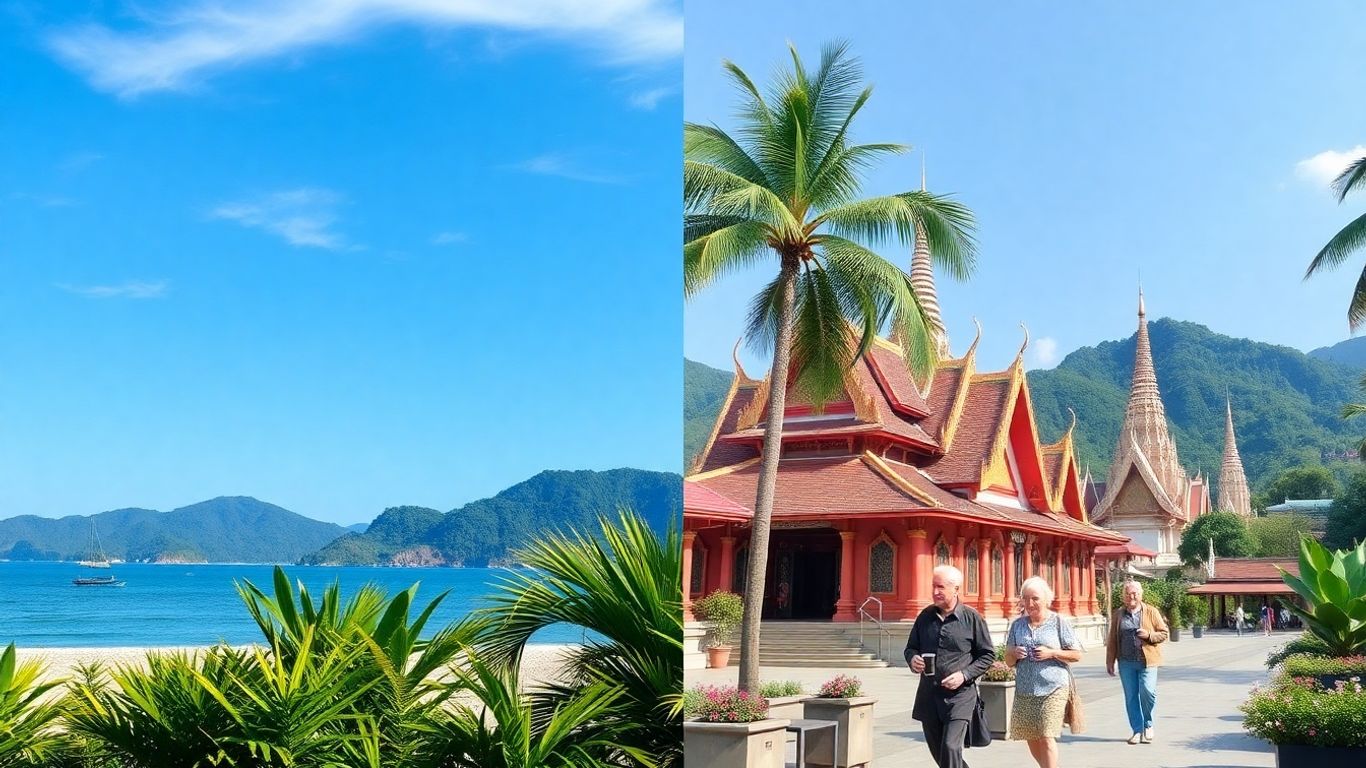
Settling down for retirement in Thailand usually means working through a few hoops when it comes to visas and residency rules. Let’s break down what you actually need to know if you’re planning to make either Phuket or Chiang Mai your long-term home.
Thailand Retirement Visa Criteria
Thailand’s main option for retirees is the Non-Immigrant O-A (Long Stay) visa. To be eligible, you generally need to be at least 50 years old and meet some specific financial requirements:
- Have at least THB 800,000 (around $25,000) in a Thai bank account for a minimum of two months before applying, OR
- Receive a monthly income or pension of at least THB 65,000 (about $2,000), OR
- Show proof of combined annual income and bank deposits totalling THB 800,000
A few key points:
- You’ll need to show a clear criminal record.
- Health insurance with specified minimum coverage is now required.
- This visa is usually valid for one year, with annual extensions possible.
It’s possible to bring immediate family members — like a spouse or dependent children — under your retirement visa, but you’ll need extra paperwork and possibly higher financial qualifications.
Renewal Processes and Legal Implications
Renewing your retirement visa each year isn’t too complicated, but it does take a bit of planning:
- Maintain the minimum balance in your Thai bank account, usually for several months every year.
- Submit updated documents, like proof of income, health insurance, a medical certificate, and police check when asked.
- Attend immigration in person; skipping this step means risking losing your right to stay.
Also important:
- You must report your address every 90 days to immigration — otherwise there can be fines or bigger problems.
If you’re thinking it’s just paperwork, don’t put it off till the last minute. Lines at immigration can get long and requirements may change with little notice.
Elite and Long-Term Residency Choices
Retirees who want a more hassle-free life might look at Thailand’s Elite Visa. It’s an upfront investment, but it’s super flexible — lets you stay 5–20 years without annual renewals. The main catch is the high price tag.
| Elite Visa Option | Validity | Initial Fee (THB) | Key Perks |
|---|---|---|---|
| Easy Access | 5 years | 900,000 | VIP airport, concierge, no 90-day reports |
| Elite Superiority | 20 years | 2,000,000 | Golf, spa, longer stay, less paperwork |
- Substantial upfront costs, but maybe worth it for long-term peace-of-mind.
- Other options include Smart Visas and the Long-Term Resident (LTR) Programme aimed at different groups.
Retiring in Phuket or Chiang Mai means understanding the red tape — but once you’ve settled the visa routine, day-to-day life really does become a lot more relaxed.
Housing Markets: Renting and Buying
Finding a place to call home is a big part of retiring in either Phuket or Chiang Mai. Both cities have their quirks and their price points, so here’s how it shakes out for retirees looking to rent or buy.
Condo and Apartment Options
In Chiang Mai, modern condos and apartments are everywhere. Most expats seem to like these best, probably because it’s simple—you get good security, shared pools or gyms, and you’re close to markets, restaurants, and all the expat popular areas like Nimmanhaemin or the Old City. Expect to pay:
| Type | Chiang Mai (USD/month) | Phuket (USD/month) |
|---|---|---|
| 1-bed Condo (central) | 450–700 | 700–1,200 |
| 2-bed Condo (central) | 700–1,100 | 1,100–1,800 |
| Luxury High-rise | from 850 | from 1,200 |
Phuket has apartments too, but they’re pricier, usually because of the sea views and beach access. If you want modern, expect to pay a bit more than up north.
Villas and Traditional Homes
Renting a single house in Chiang Mai can be surprisingly affordable—sometimes just $350 to $700 gets you a place with a small garden in areas like Hang Dong or Mae Hia.
In Phuket, villas near the beach start at around $1,500 and rocket up from there if you want extra space or a private pool. Expect Western-style amenities in both cities, but again, the premium is for those sea breezes.
Main points to consider for choosing between villas and condos/apartments:
- Condos offer easy maintenance and facilities
- Villas provide privacy and land, good for pets or gardening
- Chiang Mai homes lean traditional; Phuket leans modern and tropical
Securing a villa near the beach in Phuket is a dream for many, but city life in a Chiang Mai condo gives you easy access to everything at a much lower cost.
Legalities of Ownership for Foreigners
Buying property is where things get tricky. As a foreigner, you can legally own a condo as long as less than 49% of the building is foreign-owned. Houses and land are a different matter: you can’t own land directly, but you can take out a long lease (up to 30 years) or set up a Thai company (which is a hassle).
Quick look at average buy-in prices:
| Location | 2-bed Condo (USD) | House/Villa (USD) |
|---|---|---|
| Chiang Mai | 110,000 | 148,000 |
| Phuket | 175,000 | 250,000+ |
When buying, keep in mind:
- Condos are the only straightforward option for foreign ownership
- Land lease contracts can be renewed but need legal review
- Property taxes and fees are quite low compared to most Western countries
It’s always smart to work with a reputable agent or lawyer when signing contracts or looking into any kind of ownership structure in Thailand. Laws around property are complex, so don’t wing it.
In summary, whether you’re looking for a no-fuss condo in the heart of Chiang Mai, or a breezy villa by the sea in Phuket, there’s something for almost every lifestyle and budget. But be sure to check your legal footing if you’re eyeing a long-term purchase as a foreigner in Thailand.
Community, Social Life and Expat Support
Building a social circle as a retiree in a new city can be tough at first, but both Phuket and Chiang Mai have friendly, welcoming communities where it’s pretty easy to find your crowd.
Clubs, Associations and Relocation Networks
Phuket and Chiang Mai each offer a good range of clubs and support networks for expats. In Chiang Mai, retirees find lots of regular meetups – coffee mornings, book clubs, and hobby groups. Phuket leans more toward outdoor and watersport clubs but also has networks for new arrivals. Here’s a quick look at what’s common:
| City | Popular Expat Activities | Main Networks |
|---|---|---|
| Phuket | Sailing, golf, yoga, networking | Phuket Expats Club, Rotary, Toastmasters |
| Chiang Mai | Coffee meetups, language exchanges, hiking | Chiang Mai Expats Club, Internations, Lanna Care |
If you want a smooth start, joining one of these groups early helps fight that sense of isolation.
Finding Friends and Activity Groups
Making connections can feel daunting, especially if you don’t know the language or move alone. In both places, people tend to bond over shared interests. In my experience, these are among the quickest ways to meet others:
- Join a local Facebook or LINE chat group for expats.
- Try a walking or food tour in your area — great for meeting both locals and other newcomers.
- Volunteer at a charity or animal rescue (lots of those in Chiang Mai especially).
Feeling like you belong often starts with one small step — showing up, even if you don’t know anyone yet.
Cultural Integration in Daily Life
Respect for local traditions goes a long way. In Phuket, international influences mean you’ll notice a blend of Thai and Western styles, especially in restaurants and social scenes. Chiang Mai, while tourist-friendly, maintains a slower pace with deeper roots in old Lanna culture. Here, joining in on local festivals or picking up basic Thai phrases makes a difference.
- Most Thais appreciate a smile and a simple greeting – “sawasdee krub/ka”.
- Participate in Songkran (the Thai New Year) or Loy Krathong festivals to feel part of things.
- Being open to trying new foods or customs can speed up settling in.
In summary, no matter which city you pick, your social life will depend on how much you put yourself out there. Both places have strong support networks — it’s just about testing the waters and seeing which scene feels right for you.
Lifestyle, Leisure and Activities for Retirees
The way you spend your days as a retiree in Phuket or Chiang Mai really shapes your quality of life. Each place has its own flavour of daily fun, and it’s worth digging a bit deeper to see which environment might suit you best.
Exploring Local Markets and Temples
There’s something pretty relaxing about starting your morning with a stroll through a local market. In Phuket, you’ll get bursts of colour from tropical fruits and the scent of sea air drifting over the seafood stalls. Meanwhile, Chiang Mai’s famous night bazaars and morning markets show off stacks of fresh produce, handmade crafts, and the easy rhythm of northern Thai life.
Temples are part of the background in both places, but they feel especially peaceful up north. Chiang Mai’s temples, like Wat Phra Singh, are everywhere—some are centuries-old, with monks chanting on cool marble floors. Phuket’s temples might be fewer, but they’ve got their own coastal charm and are still central to certain festivals and traditions.
- Local markets provide an easy way to keep your kitchen stocked with fresh and cheap food.
- Visits to temples offer both a social and spiritual outlet—often with meditation classes available.
- Regular cultural events mean there’s always something new to see or taste.
If you love poking around markets and old temples, Chiang Mai probably wins on atmosphere, while Phuket’s outside stalls have the bonus of being close to the sand and surf.
Outdoor Pursuits: Beaches vs. Mountains
If being outside is your thing, Phuket is all about the water: swimming, snorkelling, boating – easy to find, easy to organise. There’s always a cool breeze and regular beach clean-ups, so even just walking the sands is enjoyable. On the other hand, Chiang Mai is all about the green hills and mountain air. Hiking is popular, and you’ll find dozens of national parks in day-trip range. Cycling clubs are everywhere, and organised walks often end at a café or waterfall.
Here’s a quick breakdown:
| Leisure Activity | Phuket (Beach) | Chiang Mai (Mountain) |
|---|---|---|
| Swimming/Snorkelling | ✔️ Yes | ???? No |
| Hiking/Trail Walking | ???? Limited | ✔️ Excellent |
| Cycling | ???? Some | ✔️ Many Options |
| Water Sports | ✔️ Major options | ???? Rare |
- Phuket suits people who like the sea and water sports.
- Chiang Mai is best for outdoor fans who prefer walking trails, mountain biking, and cooler weather.
- Both places have golf courses, but Chiang Mai’s are set in lush valleys and cool air, while Phuket’s are more tropical.
Wellness, Yoga and Fitness
Retirement brings time to focus on health, and Thailand has a reputation for wellness retreats. Phuket tends to lead with yoga on the beach, day spas, and resorts that offer massage, nutrition workshops, and fitness classes with a view of the water. Chiang Mai counters with quieter mountain wellness retreats, traditional Thai massage schools, and gentle group exercise in green parks.
- Weekly yoga sessions can be found in both locations; Phuket’s on the sand, Chiang Mai’s indoors or in gardens.
- Tai Chi, pilates, and water aerobics are common in expat and local communities.
- Affordable massage therapy is everywhere. Thai massage classes can involve retirees who want to learn something new, too.
Many retirees name the community feel at Chiang Mai’s group fitness activities as one of the highlights, but if you’re drawn to the sea, nothing beats a soak or stretch with the sound of waves in Phuket.
Overall, both Phuket and Chiang Mai serve up loads of ways to fill your free time. The biggest difference is the backdrop: mountains and cool air in Chiang Mai, or endless waves and warm sand in Phuket. Choosing between them might just come down to whether you want mountains or the sea outside your window every morning.
Transport and International Connectivity
Getting around and keeping in touch with the rest of the world is a top priority for anyone considering retirement in Phuket or Chiang Mai. Both places certainly make it easy, but there are some differences worth knowing about.
Local Transportation: Getting Around Town
Phuket’s transport is dominated by taxis, tuk-tuks, and motorbike rentals, while Chiang Mai offers more public options. Taxis in Phuket can quickly chip away at your budget—fares seem higher than in the rest of Thailand, probably thanks to the tourist focus. Songthaews (shared red trucks) and public buses exist, but they don’t cover the whole island consistently, so you often end up needing a private ride. Renting a scooter is popular, with daily rates of around 200-300 THB, but keep in mind that Phuket’s traffic can be a bit wild at times.
Chiang Mai’s city centre and Old Town are fairly walkable, so for those who like strolling, it’s an easy win. Songthaews are everywhere, at roughly 40 THB a trip. Grab (like Uber) is readily available in both cities, but much more affordable in Chiang Mai. For longer distances, renting a car is easy in both cities, but Chiang Mai’s calmer traffic can feel more relaxed for new arrivals.
| Mode | Phuket | Chiang Mai |
|---|---|---|
| Songthaew fare | ~40 THB | ~40 THB |
| Scooter rental | 200–300 THB/day | 200–300 THB/day |
| Grab (short trip) | 120+ THB | 80+ THB |
| City walkability | Limited | Good (Old Town) |
Proximity to Airports and Travel Hubs
Phuket International Airport is about a 45-minute drive from most popular living areas like Patong or Kata. It serves plenty of direct international flights all over Asia, Australia, and sometimes Europe, especially during peak season. Domestic connections to Bangkok are frequent.
Chiang Mai International Airport is practically in the city centre—a quick 10-minute taxi from Old Town. It offers domestic runs to everywhere in Thailand, and a select range of international flights across Asia. For other destinations, a layover in Bangkok is usually the way to go.
At a glance:
- Phuket Airport: Better for direct international flights.
- Chiang Mai Airport: Super close to city but fewer direct long-haul options.
- Both: Regular, reliable connections to Bangkok.
If frequent international trips or visits from family abroad are important to you, Phuket’s airport might make life a bit easier. Chiang Mai, though, wins for sheer convenience getting around town and popping over to the airport for a quick domestic flight.
Accessibility for Visiting Family and Friends
For retirees, accessibility isn’t just about you—it’s about your loved ones being able to reach you without too much hassle. Phuket regularly welcomes tourists from all over, so family and friends shouldn’t struggle to find a flight, though costs can jump during high season. The island’s resort infrastructure makes it easy for relatives to find places to stay.
Chiang Mai, while a little less on the international radar, is a huge favourite among backpackers and digital nomads. Flights from Bangkok are short and cheap, so anyone coming to visit won’t have to put up with much airport stress. Because it’s a university town, visitors can choose from a range of accommodation, from boutique hotels to budget hostels.
- Both cities offer straightforward ways for family to visit—just note Phuket is more direct, Chiang Mai often requires a Bangkok stop.
- Taxis, buses, and hotel transfers from airports are all easy to arrange on arrival.
- Neither place feels isolated—you’ll always have ways to connect with the world (and your grandkids).
Safety, Security and Peace of Mind
Personal Safety and Crime Levels
Let’s be honest, nobody’s going to settle down halfway across the world if it feels sketchy. In both Phuket and Chiang Mai, you’ll probably feel comfortable walking around—day or night. But there are a few things to keep in mind:
- Petty theft like pickpocketing can show up in busy markets, especially in tourist-heavy areas.
- Violent crime is pretty rare in both cities, but scams and motorbike theft aren’t unheard of.
- Chiang Mai tends to have a quieter, more relaxed city vibe, while Phuket, as a resort island, has a transient population and sees seasonal crime spikes.
Here’s a quick breakdown for comparison:
| Issue | Phuket | Chiang Mai |
|---|---|---|
| Pickpocketing | Common | Occasional |
| Violent Crime | Rare | Very Rare |
| Tourist Scams | Higher Risk | Moderate Risk |
| Night Safety | Good (with care) | Very Good |
For most retirees, both destinations feel safe, but the usual common sense and awareness go a long way. For people wanting extra reassurance when setting up a new home, secure developments and expat-friendly buildings—like this fully furnished ground floor apartment in Phuket—bring extra peace of mind.
Dealing with Natural Disasters
Phuket has to worry more about natural hazards. The island faces monsoon storms, flooding, and, every once in a while, tsunamis. Chiang Mai, on the other hand, usually escapes the worst of the weather but gets hit by air pollution during the burning season. What’s the reality?
- Phuket’s wet season can see roads flooded and homes needing repairs, especially near the shoreline.
- Chiang Mai generally experiences a mild climate, but the smoky spring months can push you indoors.
- Earthquakes aren’t really part of daily life in either place, and there’s minimal risk of other big disasters.
Most expats agree it pays to know what you’re getting into, but once you’re familiar, neither place feels particularly dangerous.
Emergency Services and Expat Experiences
In both Phuket and Chiang Mai, emergency services are, honestly, a mixed bag. The bigger hospitals will have English-speaking staff, but local ambulance response times aren’t the fastest.
Here’s a personal take from chatting with a few retirees:
- “I had food poisoning in Chiang Mai, and the hospital was spotless. Not a huge bill either.”
- “Police were helpful with my lost bag in Phuket; just had to show my documents.”
- “Air quality in Chiang Mai during March really bothered me—I headed south for a few weeks.”
If you want backup, it’s smart to:
- Register with your embassy once you arrive.
- Keep emergency numbers saved on your phone.
- Consider joining a local expat network, so there’s always someone nearby to call in a pinch.
Peace of mind comes down to being prepared and aware, wherever you pick. For most retirees, that falls into place quickly after settling in.
Cultural Experiences and Local Cuisine
Living in either Phuket or Chiang Mai, you quickly pick up that every day brings something different for your senses – from unique flavours on your plate to festival sounds echoing down the street. Both cities seem to have their own way of soaking expats and retirees into the local lifestyle, and honestly, food and culture play huge roles in how people settle in.
Street Food and International Dining
Phuket is all about fresh seafood, tangy southern curries and those late-night hawker stalls. You’ll find grilled fish by the water, spicy tom yum soups that wake you right up, and even proper cafés serving Western breakfasts by the beach. Chiang Mai goes for northern Thai classics, like khao soi and pork sausages, mixed with a street food vibe around every corner.
- Phuket highlights:
- Chiang Mai highlights:
| Dish | Where to Try | Typical Cost (THB) |
|---|---|---|
| Khao Soi | Chiang Mai | 40 – 80 |
| Grilled Seafood | Phuket | 120 – 250 |
| Papaya Salad | Both | 30 – 50 |
Sitting on a plastic stool by a food cart in Chiang Mai, bowl of khao soi in hand, there’s this everyday magic you get from a meal cooked right in front of you. No reservations needed – just show up hungry.
Festivals, Traditions and Arts Scene
Chiang Mai pretty much owns the festival calendar, with events like Loy Krathong and Songkran turning the city into a wild sea of light, water and parades. Temples burst into colour, the Old City throbs with music at the Lantern Festival, and you actually feel part of it, even if you’ve only just moved there.
Phuket leans more towards island festivals – traditional boat processions, annual seafood celebrations and a pretty epic vegetarian festival every October where locals walk on fire and pierce themselves as a kind of street theatre-meets-spiritual ritual.
Both places keep retirees on their toes with so much local tradition woven into daily life. In Chiang Mai, art galleries and craft workshops are dotted across the old town for those wanting hands-on cultural immersion.
List of annual highlights:
- Loy Krathong (Chiang Mai): thousands of lanterns float into the night sky
- Phuket Vegetarian Festival: 10 days of rituals, processions, and symbolic acts
- Songkran (Both): Thailand’s famous New Year water festival
Language Barriers and Everyday Communication
Daily chats can be a bit of a challenge in both cities if you’re not fluent in Thai. The thing is, you get by. In tourist-centred areas, basic English is understood, and so much is said with a smile or a gesture. Phuket seems easier for English speakers because of its international tourism; Chiang Mai is more hit-or-miss, but the locals are usually patient when you stumble over a phrase or two.
Some retirees join language groups, which is actually a good way to make friends fast. Here are three useful tips to handle the language barrier:
- Learn a few key Thai phrases – it genuinely goes a long way.
- Use translation apps for essentials like directions or menus.
- Stay patient and light-hearted – everyone appreciates the effort.
Both Phuket and Chiang Mai welcome retirees into their cultural mix, whether that’s in a bustling market or a cooking class with neighbours from around the world. For those looking to blend Thai traditions with a bit of home comfort, these cities make it easier than you might expect.
Natural Environment and Outdoor Appeal
Phuket’s Beaches and Watersports
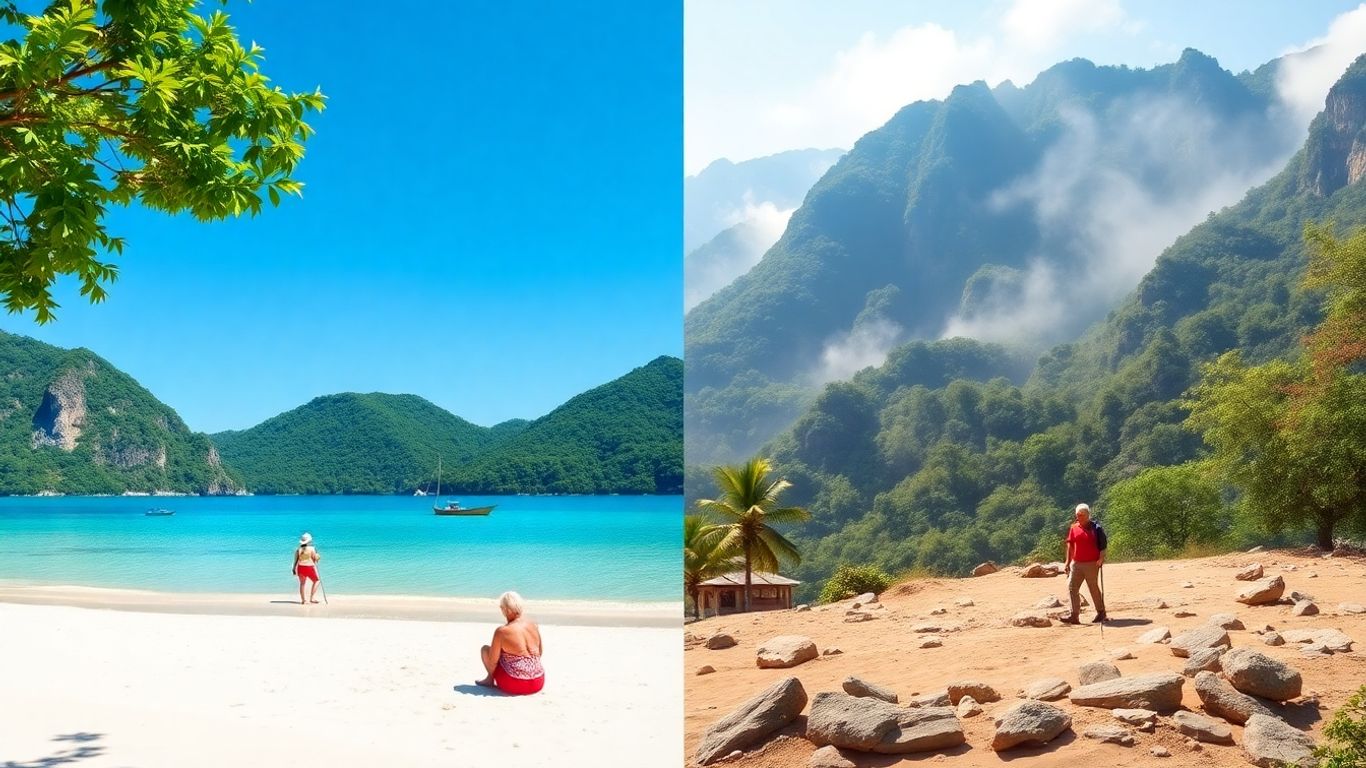
Phuket is famous for its coastlines, which bring in retirees who want sand, sea, and sun pretty much any day of the year. The island’s coastline offers long stretches of white sand, calm turquoise water, and plenty of shady coconut palms. Every beach here has a different vibe, from busy tourist areas to secret, quiet coves. Snorkelling, kayaking, and paddleboarding are on offer all along the coast. If you’re after a lifestyle where daily walks start on the sand and end with toes in the water, Phuket is probably your spot. For the adventurous, it’s easy to try:
- Sailing from one bay to the next
- Scuba diving with local guides
- Early morning swimming or tai chi on the sand
It’s not only the beaches, either—consider spots like expansive gardens and golf course views in Laguna that blend nature with modern comforts.
Chiang Mai’s Mountains and National Parks
Chiang Mai is made for people who enjoy mountain air more than salty breezes. The region is surrounded by green hills, tall mountains, and loads of waterfalls. Many retirees find joy in the many walking trails, which wind through forests dotted with teak and bamboo. Doi Suthep, visible from the city, is just the start—there are national parks like Doi Inthanon and Ob Luang within a short drive:
- Gentle hikes with birdwatching
- Waterfalls and mountain viewpoints
- Forest temples and peaceful picnic spots
The vibe is different from Phuket—more fresh air, more shade, and a little bit of adventure on foot or bike. In the dry season, it’s truly stunning.
Urban Green Spaces and Walking Trails
While both destinations draw you outside, the experience changes depending on where you settle. Phuket has cleverly designed spots combining modern living and nature—think villas with lush gardens, tree-lined lanes, and quiet corners for reading among frangipani. Chiang Mai focuses more on parks and green areas squeezed into the city, like Buak Hard Public Park, perfect for slow walks, tai chi, or simply watching the world go by.
| Feature | Phuket | Chiang Mai |
|---|---|---|
| Nearest nature escape | Beachfront | Mountain park |
| Best activity | Swimming, Sailing | Hiking, Waterfalls |
| Urban relaxation | Coastal walks | City parks & gardens |
If you’re after sun, waves, and the sound of the sea, Phuket delivers. If green hills and crisp mountain mornings are your thing, you’ll feel at home in Chiang Mai. Either way, nature is just outside your door—you just get to pick the scenery.
Phuket is known for its beautiful beaches and green spaces, making it a great place to love the outdoors. There are lots of places to walk, swim, and see nature. Want to find your own spot to enjoy this natural beauty? Come visit our website today and start exploring!
Conclusion
So, Phuket or Chiang Mai? It really comes down to what you want out of your retirement. If you’re all about the beach life, waking up to the sound of waves, and don’t mind a bit of tourist hustle, Phuket could be your spot. There’s always something happening, and you’ll never be far from the sea. On the other hand, if you prefer mountain views, a cooler climate, and a slower pace, Chiang Mai is hard to beat. It’s friendly, affordable, and packed with culture. Both places have great healthcare, active expat communities, and plenty to keep you busy. At the end of the day, you can’t really go wrong with either. Maybe try both for a while and see which one feels more like home. Retirement’s meant to be enjoyed, after all.
Frequently Asked Questions
Is Phuket or Chiang Mai more affordable for retirees?
Chiang Mai is generally cheaper than Phuket for most things. Rent, food, and daily living costs are lower in Chiang Mai. Phuket, being a famous beach spot, can be more expensive, especially in tourist areas.
How is the weather different between Phuket and Chiang Mai?
Phuket has a hot, tropical climate all year, with a rainy monsoon season. Chiang Mai is cooler, especially from November to February, but it has a smoky burning season around March and April, which can make the air unhealthy.
What are the main health risks for retirees in both places?
In Phuket, the main health risks are from sunburn, dehydration, and sometimes food or water issues. In Chiang Mai, the biggest concern is the poor air quality during burning season, which can be tough for people with breathing problems.
Which city has better hospitals and healthcare for expats?
Both cities have good hospitals, but Phuket’s private hospitals are often more modern. Chiang Mai also has excellent hospitals with English-speaking doctors. Both places attract medical tourists and offer quality care at lower prices than in Western countries.
Can foreigners buy property in Phuket or Chiang Mai?
Foreigners cannot own land directly in Thailand, including Phuket and Chiang Mai. However, you can buy a condo in your own name if less than half of the building is owned by foreigners. For houses or villas, long-term leases are common.
How easy is it to get a retirement visa for Thailand?
To get a retirement visa, you must be at least 50 years old and meet financial requirements, like having enough money in a Thai bank or a steady monthly income. The process is clear, and you can renew your visa each year as long as you keep meeting the rules.
What is the expat community like in Phuket and Chiang Mai?
Both cities have large expat communities. Chiang Mai is known for its friendly and active expat groups, clubs, and social events. Phuket also has many expats, especially in beach areas, and offers lots of social opportunities and support networks.
Is it easy for retirees to get around and travel from these cities?
Yes, both cities have good local transport. Phuket has taxis, buses, and boats. Chiang Mai has red songthaews, tuk-tuks, and buses. Both cities have airports with flights to other parts of Thailand and nearby countries, making it easy for family and friends to visit.