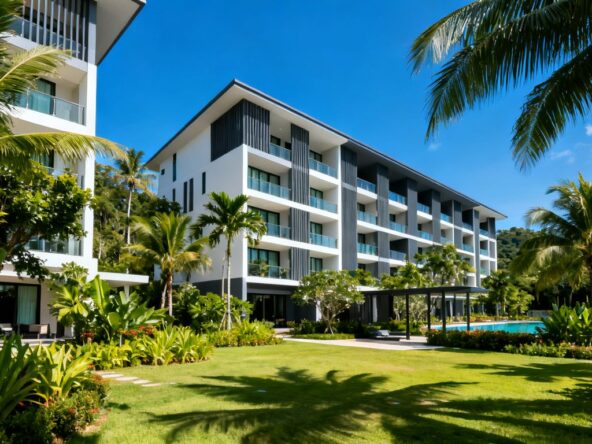

Buying a place in Phuket sounds like a dream, right? Sunshine, beaches, the whole deal. But before you sign on the dotted line, it’s worth taking a proper look around. Sometimes, things that look great on the surface can hide a few issues. These Phuket property inspection tips should help you spot potential problems before they become expensive headaches.
Key Takeaways
- Check the building’s structure for any cracks or signs of wear that could mean big repair bills later on.
- Make sure all the pipes and drains are working properly, and there are no leaks or water damage.
- Inspect the wiring and fuse box to ensure the electrical system is safe and up to code.
- Look out for any signs of termites, especially in older properties or those with lots of wood.
- Consider the risk of flooding, particularly during the rainy season, and check how the area handles heavy rain.
Structural Integrity
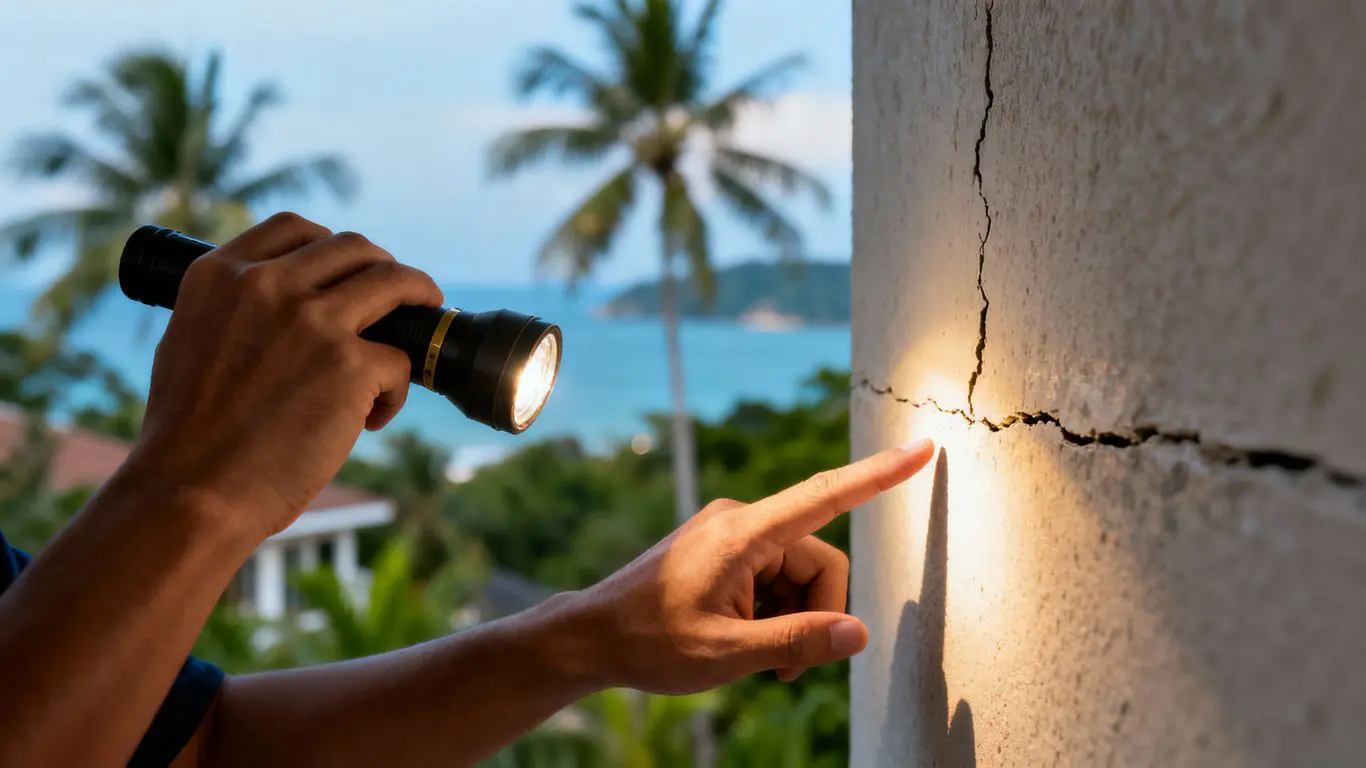
When you’re looking at property in Phuket, the first thing you really need to get your head around is the building’s structure. It’s not just about how it looks on the outside; it’s about what’s holding it all up. Think about the foundations, the walls, the roof – are they solid? You don’t want to be buying a place that’s got cracks running through the walls or a roof that looks like it’s seen better days. These can be signs of bigger problems that are going to cost a fortune to fix.
Here are a few things to keep an eye on:
- Cracks: Look for any cracks in walls, ceilings, or around windows and doors. Small hairline cracks might not be a big deal, but wider or deeper ones could indicate movement in the building.
- Dampness and Water Damage: Check for any signs of damp patches, mould, or peeling paint, especially in bathrooms, kitchens, and basements. This could point to leaks in the plumbing or issues with the building’s waterproofing.
- Sagging or Uneven Floors/Ceilings: If floors feel bouncy or ceilings look like they’re dipping, it’s a definite red flag. This could mean problems with the joists or beams.
- Roof Condition: Get a good look at the roof tiles or sheeting. Are they damaged, missing, or showing signs of wear? A leaky roof is a nightmare.
It’s really worth getting a professional to take a look. They’ll have the tools and the know-how to spot things you might miss. They can check the foundations and the overall stability of the building, giving you a clear picture of its condition. This is especially important for older properties or those in areas prone to heavy rain or seismic activity. You can find details on building or buying custom villas in Phuket, which might give you some insight into construction standards here.
Don’t be tempted to overlook any visible issues, no matter how small they seem. What appears to be a minor defect now could turn into a major structural problem down the line, leading to significant repair costs and potential safety concerns.
Plumbing Systems
When you’re looking at a property in Phuket, don’t just glance at the shiny taps and think everything’s fine. The plumbing system is a big deal, and problems here can be a real headache, not to mention costly to fix. You need to check for leaks, obviously, but also look at the water pressure. Is it decent? A weak trickle from the shower isn’t exactly luxurious, is it?
Here’s what to pay attention to:
- Water Pressure: Test all taps, showers, and even the toilet flush. Low pressure can indicate pipe issues or problems with the main supply.
- Signs of Leaks: Look for water stains on ceilings, walls, or around pipes under sinks and in bathrooms. Check the floor around toilets and showers for any dampness.
- Pipe Condition: Are the pipes visibly old, corroded, or showing signs of wear? Older pipes, especially if they’re galvanised steel, can be prone to blockages and leaks.
- Drainage: Run water in sinks and showers to see how quickly it drains. Slow drains are a clear sign of potential blockages further down the line.
- Hot Water System: Check if the water heater is working correctly and if it’s large enough for the property’s needs. You don’t want to run out of hot water after just one person has showered.
It’s really worth getting a professional to look at the plumbing; they can spot things you might miss. Sometimes, what looks like a minor drip could be a sign of a much bigger problem brewing within the walls. You don’t want to be dealing with major water damage or a burst pipe a few months after you’ve moved in, especially in a tropical climate where humidity can make existing issues worse.
Electrical Systems
When you’re looking at a property in Phuket, don’t just glance at the light switches. The electrical system is a big deal, and it’s easy to overlook if you’re not familiar with it. Faulty wiring is a serious fire hazard, and in a tropical climate like this, it’s something you really need to get checked out properly.
Think about it – all those air conditioning units, ceiling fans, and the general humidity can put a real strain on older systems. You want to make sure everything is up to current safety standards. It’s not just about whether the lights turn on; it’s about the capacity of the circuits, the condition of the fuse box (or breaker panel, as some call it), and whether there are enough outlets for modern living.
Here are a few things to specifically look for:
- Age and Condition of Wiring: Old, brittle wiring can be a disaster waiting to happen. Look for signs of wear and tear, or if the property has had significant renovations, check if the electrical work was updated.
- Fuse Box/Breaker Panel: Is it modern and properly labelled? An old, overloaded fuse box is a red flag. It should be able to handle the property’s power demands without tripping constantly.
- Earthing/Grounding: Proper grounding is vital for safety, especially in a place where water and electricity can be a risky combination. Make sure the system is earthed correctly.
- Visible Damage: Check for any scorch marks around outlets or switches, or any exposed wires. These are immediate signs of trouble.
It’s a good idea to have a qualified electrician take a look. They can spot issues that the average buyer would miss. They’ll check the main supply, the distribution board, and the condition of the wiring throughout the house. It might cost a bit upfront, but it could save you a fortune and a lot of stress down the line.
Don’t assume that because a property looks good on the surface, the electricals are fine. It’s a hidden element that requires professional attention to confirm it’s safe and adequate for your needs.
Termite Infestation
When you’re looking at a property, especially if it’s an older place or has a lot of wooden features, you really need to keep an eye out for termites. These little pests can cause a surprising amount of damage before you even notice they’re there. It’s not just about the wood itself; they can weaken structural elements over time.
Most newer builds in Phuket tend to have some sort of termite prevention system in place, which is good news. However, it’s always worth asking about it and checking if it’s still active or has been maintained. If the property has extensive woodwork, like traditional Thai houses often do, then this becomes even more important.
Here’s what to look for:
- Mud tubes on walls or foundations – these are like highways for termites.
- Small holes in wooden surfaces, sometimes with tiny piles of sawdust-like frass nearby.
- Wood that sounds hollow when tapped, or feels soft and crumbly.
- Evidence of discarded wings, often found near windowsills or light sources.
If you suspect an issue, don’t panic. There are professional pest control companies in Phuket that specialise in termite inspections and treatments. Getting a professional opinion is often the best way to go, especially if you’re buying a place you plan to live in for a while. They can identify the extent of any infestation and recommend the right course of action. It’s a small cost compared to the potential damage these wood-munching insects can inflict on your investment.
Don’t assume that just because a property looks good on the surface, it’s free from hidden problems. Termites are a common issue in tropical climates, and a thorough inspection can save you a lot of heartache and money down the line. It’s better to be safe than sorry when it comes to protecting your new home.
Remember to factor in the possibility of needing pest control when budgeting for your new property. It’s a maintenance cost that’s easy to overlook but vital for long-term peace of mind.
Flooding Risk
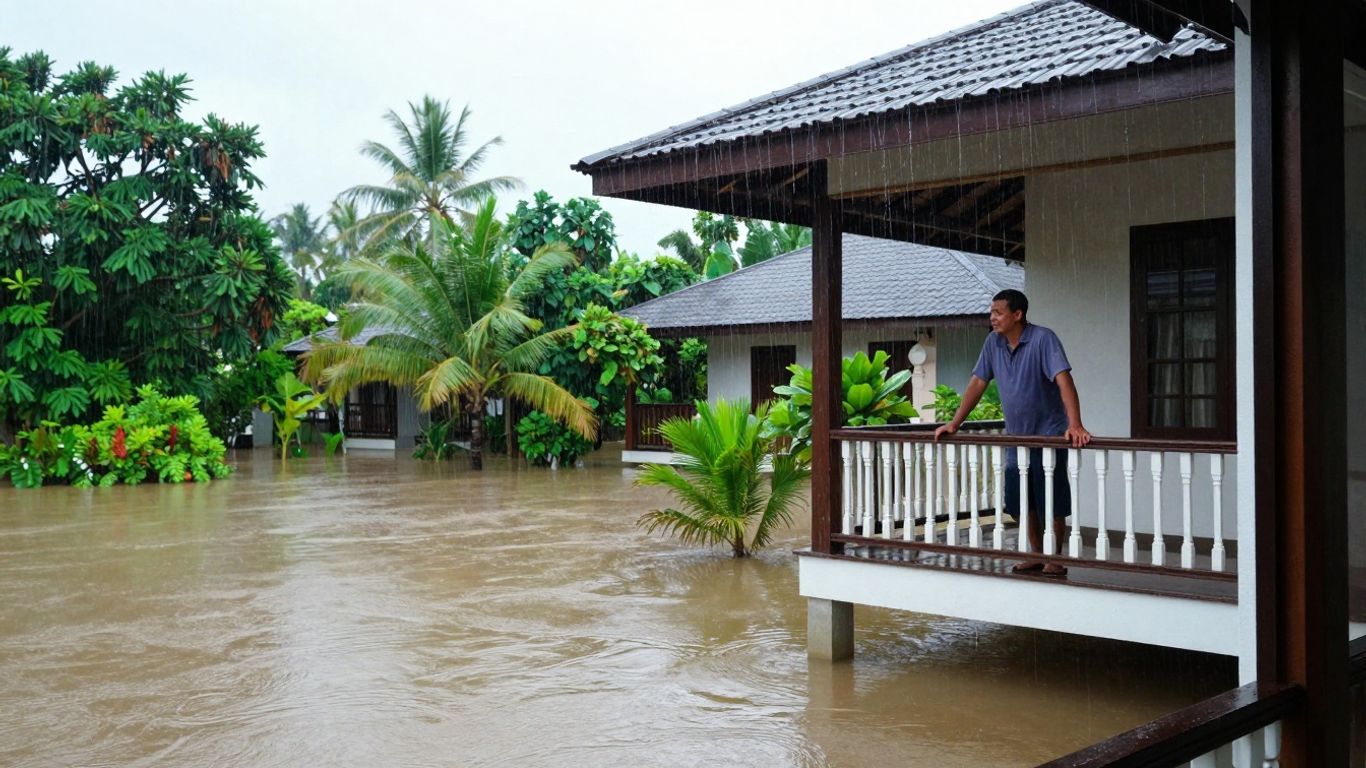
When you’re looking at a place in Phuket, especially if it’s not the rainy season, it’s easy to forget about the weather. But when the heavens open here, they really open. Some areas can get quite swamped, and nobody wants to deal with a soggy home.
It’s really worth asking around or even trying to view the property during or just after a heavy downpour to see how it copes. You don’t want to buy a place only to find out it turns into a paddling pool every time there’s a bit of rain.
Here are a few things to consider:
- Local Drainage: How good is the drainage system in the immediate vicinity? Is it well-maintained, or does it look like it’s seen better days?
- Elevation: Is the property situated on higher ground, or is it in a low-lying area? Even a small difference in elevation can make a big impact.
- Previous Incidents: Have neighbours or previous owners experienced flooding? Don’t be shy about asking – it’s your money on the line.
While Phuket isn’t as prone to widespread flooding as some other parts of Thailand, specific microclimates and localised issues can still cause problems. A bit of foresight now can save you a lot of hassle and expense down the line.
Don’t just assume that because it’s sunny today, it will always be dry. A little bit of investigation into the water situation can prevent a lot of future headaches.
Noise Levels
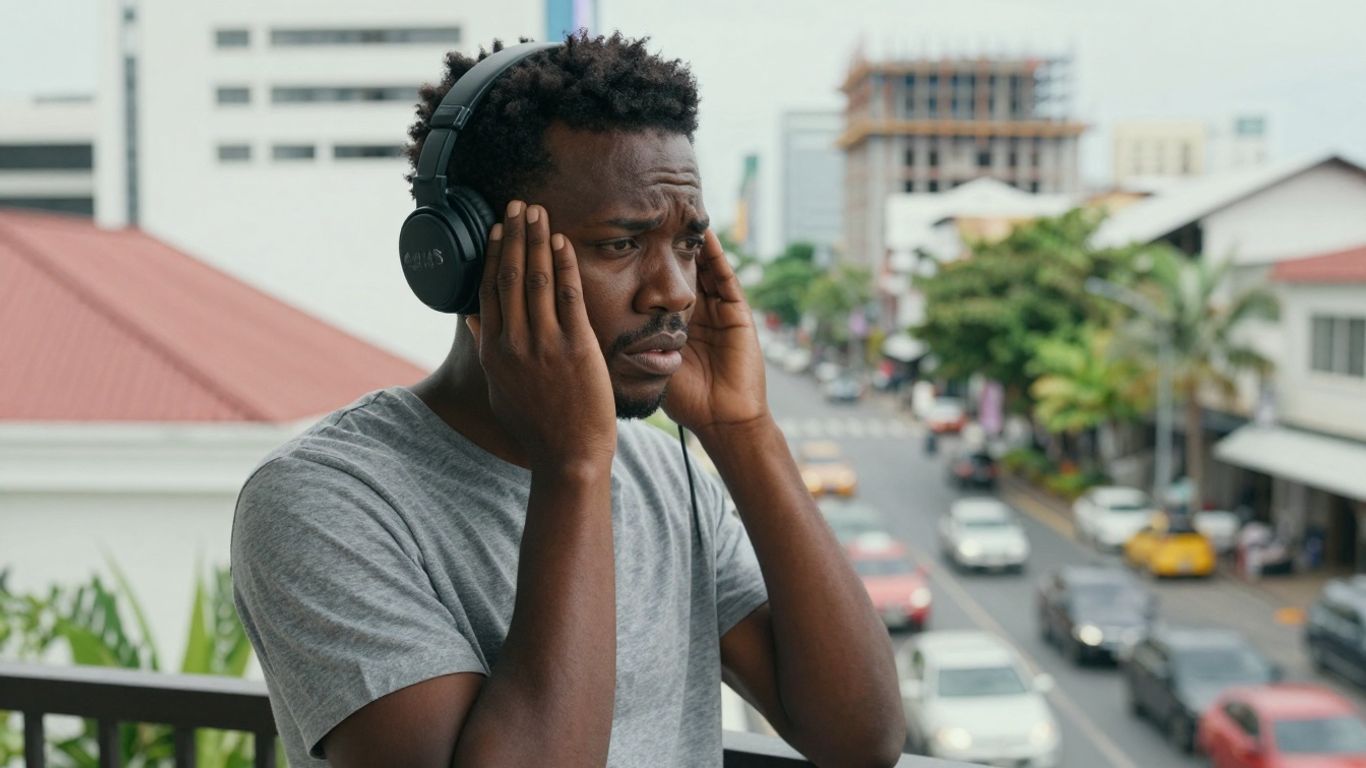
When you’re looking at a property in Phuket, don’t forget to consider the noise factor. It’s easy to get caught up in the views or the potential rental income, but a peaceful environment is really important for anyone living there, whether it’s for a holiday or a longer stay. Think about what’s around the property. Is it right next to a busy road? Are there bars or clubs nearby that might be loud late at night? What about construction work happening in the area?
It’s worth visiting the property at different times of the day and even on different days of the week to get a real feel for the noise levels. You might visit on a quiet Tuesday morning and think it’s perfect, only to find out it’s a hotspot for late-night revelry on weekends.
Here are a few things to listen out for:
- Traffic Noise: How close is the nearest road, and how busy is it?
- Neighbouring Properties: Are there apartments or houses nearby that could generate noise, like loud music or barking dogs?
- Commercial Activity: Is there a risk of noise from nearby shops, restaurants, or entertainment venues?
- Construction: Are there any building sites in the vicinity that could cause disruption?
Sometimes, even seemingly quiet areas can have unexpected noise sources. It’s always best to ask locals or the current residents about their experience with noise pollution. A little bit of investigation now can save you a lot of headaches later.
Zoning Regulations
When you’re looking at property in Phuket, especially if you’re thinking about renting it out, you absolutely must get to grips with the local zoning laws. These aren’t just bureaucratic hurdles; they dictate what you can actually do with your land or building. Different zones have different rules about what kind of activities are allowed. For instance, an area might be strictly for residential use, meaning no commercial ventures like running a small guesthouse or even short-term holiday lets. Other zones might permit commercial activities, which could open up more possibilities, but you still need to know the specifics.
It’s not just about what you want to do; it’s about what the law allows. Ignoring these regulations can land you in hot water, leading to hefty fines or even legal trouble down the line. So, before you get too attached to a place, make sure you understand its zoning classification. It’s worth checking with the local authorities or getting a legal professional to confirm.
Here’s a quick rundown of what zoning can affect:
- Permitted Use: Is it residential, commercial, agricultural, or mixed-use?
- Building Restrictions: Are there limits on building height, density, or setbacks from boundaries?
- Rental Activities: Does the zone allow for short-term holiday rentals, long-term leases, or specific types of businesses?
Understanding zoning is a bit like knowing the rules of a game before you start playing. It prevents unexpected penalties and ensures your property investment aligns with local planning and community needs. It’s a vital step that many people overlook in their haste to buy.
Health And Safety Standards
When you’re looking at a property in Phuket, it’s not just about how it looks or its potential rental income. You’ve got to think about whether it’s actually a safe place for people to live. Landlords have a responsibility to make sure their properties meet certain health and safety rules, and it’s your job as a buyer to check if these are being followed. This isn’t just about avoiding trouble later on; it’s about basic decency, really.
So, what should you be looking out for? Well, a few things come to mind:
- Fire Safety: Does the property have working smoke detectors? Are there fire extinguishers, and are they in date? It might seem obvious, but you’d be surprised how often these are overlooked. Check that escape routes are clear too.
- Electrical Safety: Old wiring can be a real hazard. Make sure the electrical system looks sound and hasn’t been jury-rigged. A qualified electrician should really check this out.
- Ventilation and Air Quality: Especially in a humid place like Phuket, good ventilation is key. Damp and mould can cause serious health problems. Check for signs of mould or musty smells.
- Structural Hazards: Are there any loose tiles, broken steps, or other things that could cause someone to trip or fall? It’s the little things that can cause big problems.
- Water Safety: Is the water supply clean? Are there any leaks that could lead to water damage or mould growth?
It’s vital that the property is free from obvious hazards and meets basic safety requirements. You don’t want to buy a place that could put tenants at risk. If you’re unsure about any of these points, it’s always best to get a professional inspection done. They’ll know what to look for and can give you a clear report.
Insurance Coverage
Right, so you’ve found your dream place in Phuket, maybe something like this lovely garden home near Layan Beach, and you’re all set to go. But hold on a minute, have you thought about insurance? It’s one of those things that’s super easy to forget, but honestly, it’s a biggie. Standard home insurance often won’t cut it when you’re renting out a property, or even just for your own peace of mind. You’ll likely need a specific landlord insurance policy.
This type of policy is designed to cover you for a whole range of potential problems. Think about things like damage from fires or storms, which can happen anywhere, really. But it also covers things that might be more specific to a rental situation, like lost rental income if your property becomes uninhabitable after an incident. Nobody wants to be out of pocket like that.
Here’s a quick rundown of what you should be looking for:
- Building Cover: This is the main one, protecting the physical structure of your property.
- Landlord Liability: This is really important. It protects you if someone gets hurt on your property and decides to take legal action. Imagine a guest slips on a wet floor or a tenant trips over a loose tile – without this, you could be facing some serious bills.
- Loss of Rent: As mentioned, this covers your income if the property can’t be rented out due to damage.
It’s also worth considering specific add-ons depending on your location and property features. For instance, if your place has a swimming pool, you might need extra liability cover for that. And if you’re in an area prone to heavy rain, you’ll definitely want to check your flood coverage. Don’t just grab the first policy you see; compare a few different options to make sure you’re getting the right level of protection for your investment. It might seem like an extra cost now, but it could save you a massive headache and a lot of cash down the line. It’s all about protecting your investment and getting that all-important peace of mind.
Legal Advice
Right then, let’s talk about the legal side of things. Buying property in Phuket, especially if you’re not a local, can feel a bit like trying to solve a Rubik’s cube blindfolded. The rules and regulations here are different, and frankly, they can be a bit of a minefield if you don’t know what you’re doing. It’s not just about signing on the dotted line; it’s about making sure your investment is sound and that you’re fully protected.
Trying to sort out all the paperwork and understand your rights on your own is a recipe for disaster. You really need someone who knows the ins and outs of Thai property law. Look for a solicitor who has a good track record with foreign buyers and sellers. Don’t be shy about asking for recommendations from other expats or people who’ve been through the process. It’s also a good idea to have a chat with a couple of different legal professionals before you commit to one. You want someone who can explain everything clearly, without all the confusing legal jargon.
Here’s a rough idea of what you might expect to pay for some common legal services:
| Service | Estimated Cost (THB) |
|---|---|
| Initial Consultation | 2,000 – 5,000 |
| Lease Agreement Review | 5,000 – 15,000 |
| Property Purchase Due Diligence | 20,000 – 50,000 |
Remember, the cheapest option isn’t always the best. You’re looking for competence and reliability, which might cost a little more upfront but will save you a lot of headaches down the line.
Don’t leave your property purchase to chance. Getting professional legal advice isn’t an optional extra; it’s a fundamental step to safeguard your investment and ensure peace of mind throughout the entire process.
Think of it this way: a good lawyer is your shield against potential problems. They’ll review all the contracts, make sure the paperwork is spot on, and generally watch your back. It’s an investment in your future and your peace of mind.
Need some guidance on property matters? Our legal advice section is here to help you understand the ins and outs. We break down complex rules into easy steps. For more detailed information and to get started with your property journey, visit our website today!
Wrapping Up Your Phuket Property Search
So, you’ve looked at the big stuff, the little stuff, and maybe even the stuff you didn’t think you’d need to look at. Buying a place in Phuket is a pretty big deal, and it’s easy to get caught up in the excitement and forget a few key things. But remember those five points we’ve covered – they’re there to help you avoid any nasty surprises down the line. Taking a bit of extra time now to check everything thoroughly will save you a whole lot of hassle and money later on. Happy house hunting!
Frequently Asked Questions
What’s the most important thing to check for the building’s strength?
You should definitely check the building’s main structure. Look for any cracks in the walls, floors, or ceilings. These could mean there’s a problem with how the building is standing up, which can be costly to fix later on.
Why is checking the pipes and water system so important?
Leaky pipes or a bad water system can cause a lot of damage, like mould or water stains, and can be expensive to repair. It’s wise to see if there are any signs of leaks, low water pressure, or old pipes when you look around.
What should I look out for with the electrics?
Make sure the wiring isn’t old or damaged. Check if there are enough power sockets for your needs and if the fuse box looks safe and up-to-date. Faulty electrics are a serious safety risk.
How can I tell if there are termites?
Termites love to eat wood, so if the house has a lot of wooden features, it’s a good idea to check for signs like small holes in the wood, mud tubes on walls, or droppings. You can also get a professional to check for you.
Is flooding a big problem in Phuket?
While Phuket isn’t usually known for major flooding, heavy rain can cause issues in some spots. It’s smart to ask neighbours or check the area yourself, especially after a big storm, to see if water tends to build up.
What kind of extra costs should I expect besides the price of the house?
Besides the price tag, you’ll have costs like legal fees, taxes when you buy, and moving expenses. Your estate agent can help you understand all these extra bits so you’re not caught out.
How do I know if the neighbourhood will be too noisy?
When you visit, take a moment to just listen. Can you hear a lot of traffic? Are there noisy neighbours or barking dogs? Think about whether the sounds you hear would bother you if you lived there.
What are zoning laws and why do they matter?
Zoning laws decide what you can and can’t do with a property in a certain area. For example, some places are only for homes, while others might allow shops. It’s important to know these rules, especially if you plan to rent out your property.