
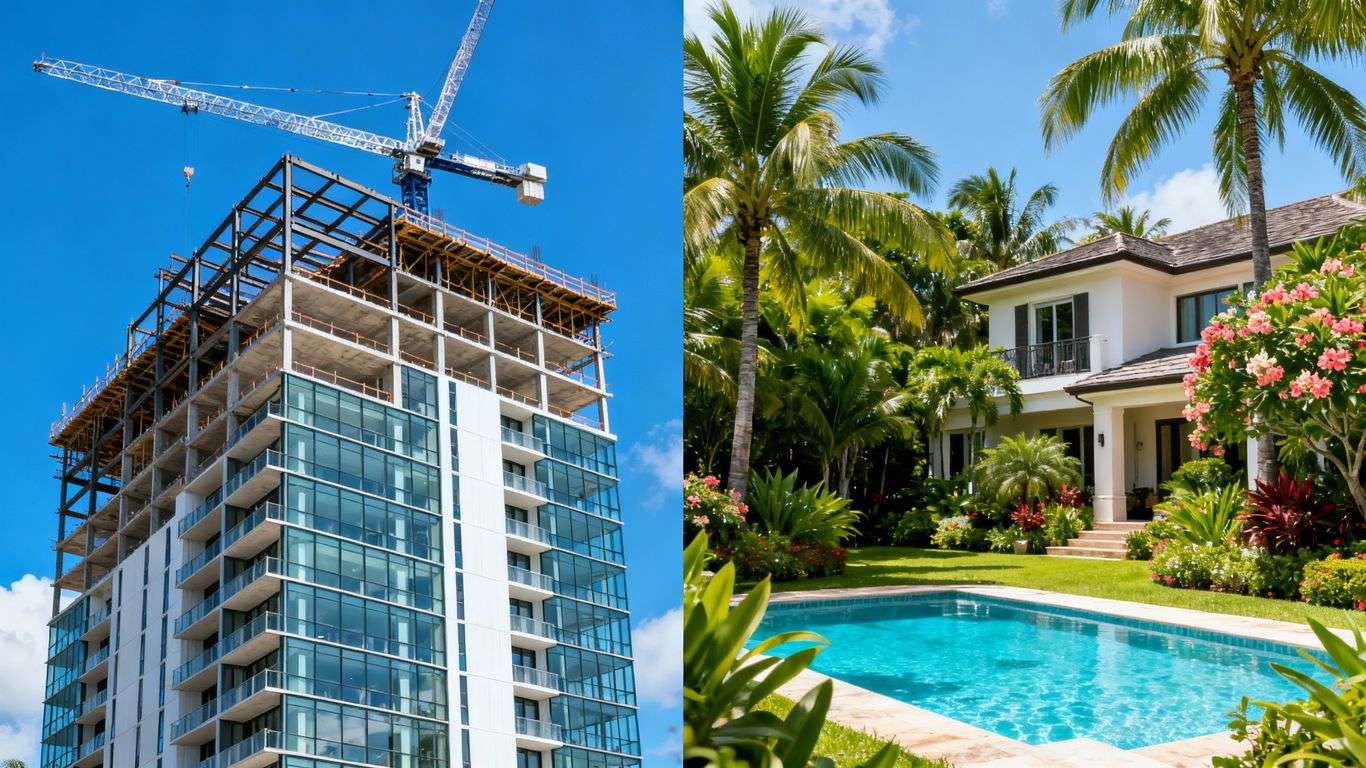
So, you’re thinking about buying property in Phuket? That’s exciting! But you’ve hit that big question: should you go for a brand new place that’s not even built yet, or a place that’s already standing? This whole off-plan vs resale Phuket decision can feel a bit confusing, with each option having its own set of pros and cons. Let’s break it down a bit, so you can figure out what makes the most sense for you.
Key Takeaways
- Off-plan properties in Phuket can offer lower entry prices and the chance to customise, but come with risks like construction delays and developer reliability.
- Resale properties provide immediate availability and the ability to inspect before buying, though they might need renovations and have higher upfront costs.
- Foreign ownership in Phuket condos is limited to a 49% ‘Foreign Freehold’ quota, which is easier to secure with off-plan purchases.
- Villas are typically sold under leasehold agreements for foreigners, so always check the contract details carefully, whether buying new or used.
- Choosing between off-plan and resale should align with your investment goals, budget, and how much risk you’re comfortable with; professional advice is highly recommended.
Understanding Off-Plan vs Resale Phuket Properties
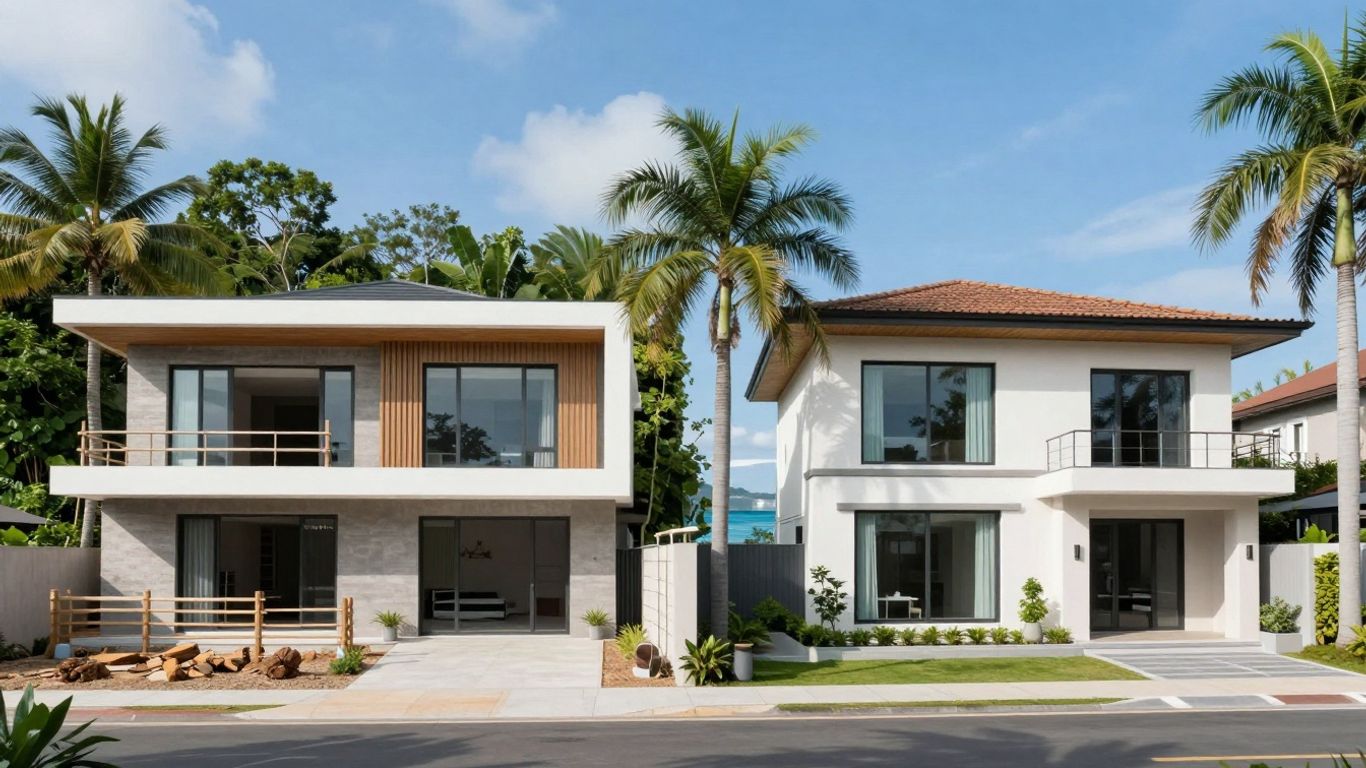
So, you’re thinking about buying a place in Phuket? Brilliant! But before you get too excited, there’s a big decision to make: do you go for a brand-new ‘off-plan’ property or a ‘resale’ one that’s already built? It’s not a simple choice, and honestly, both have their own set of pros and cons. It really depends on what you’re after.
The Evolving Phuket Property Market
Phuket’s property scene isn’t static; it’s always changing. We’ve seen a massive shift over the years, from basic holiday homes to sophisticated developments catering to a global audience. Developers are constantly trying to outdo each other with new designs and amenities, while the resale market offers a different kind of charm, often in established neighbourhoods. It’s a dynamic place, and understanding these shifts is key to making a smart move.
Key Considerations for International Buyers
As an international buyer, there are a few extra things you need to keep in mind. For starters, there are rules about how much property foreigners can own, especially when it comes to villas where land ownership is tricky. Then there’s the whole process of transferring money and understanding the legal side of things. It’s vital to get good legal advice before you commit to anything.
Defining Off-Plan and Resale
Let’s clear up what we mean by these terms.
- Off-plan means you’re buying a property before it’s built, often just from plans and a show unit. You might pay in stages as construction progresses.
- Resale means you’re buying a property that someone else has owned before. You can usually move in straight away, and you know exactly what you’re getting because you can see it.
The choice between off-plan and resale isn’t just about aesthetics; it’s about your financial strategy, your timeline, and how much risk you’re comfortable with. Each path offers a different route to property ownership in this beautiful island paradise.
Advantages of Purchasing Off-Plan In Phuket
Buying a property that hasn’t been built yet might sound a bit like a gamble, but in Phuket, it’s often a smart move for investors. There are some pretty good reasons why people choose this route, and it usually boils down to getting more bang for your buck and having a bit more control.
Securing Prime Locations and Foreign Freehold Quotas
One of the biggest draws for off-plan properties is the chance to get your foot in the door of the best spots on the island. Think beachfront villas or condos with those postcard-perfect sea views. These prime units are snapped up incredibly quickly, often before construction even begins. If you’re a foreign buyer looking at condominiums, there’s also the matter of the foreign freehold quota. Thailand limits foreign ownership in condos to 49% of the total units. By buying off-plan, you significantly increase your chances of securing one of these coveted freehold units before they’re all gone.
Potential for Significant Capital Appreciation
This is where the real excitement lies for many investors. When you buy off-plan, you’re essentially buying at a price that’s often lower than what the property will be worth once it’s completed and ready to move into. Developers price these units attractively to secure early sales and fund the project. As the development progresses and the island’s infrastructure continues to improve, the value of your property can climb. It’s not uncommon for off-plan properties to see a noticeable increase in value by the time construction wraps up, meaning you could be sitting on a profit before you even get the keys.
Flexible Payment Structures During Construction
Let’s be honest, buying property usually means a hefty chunk of cash upfront. Off-plan purchases offer a more manageable approach. Instead of paying the full amount at once, you typically pay in stages, with payments often linked to specific construction milestones. This means you might pay a deposit, then another sum when the foundation is laid, more when the roof is on, and so on. This phased payment plan can make it much easier to manage your finances and cash flow over the construction period, which can take anywhere from 18 to 24 months or even longer.
Customisation Options for Personalisation
Who doesn’t like a bit of choice? When you buy off-plan, especially early in the sales process, you often have the opportunity to put your own stamp on the property. This could mean choosing your preferred finishes, like tile colours or kitchen countertops, or even selecting certain aspects of the layout. For those buying a holiday home, this means you can tailor it to your taste. If you’re buying as an investment, you can choose finishes that are likely to appeal to renters, potentially boosting your rental income.
Risks Associated with Off-Plan Investments
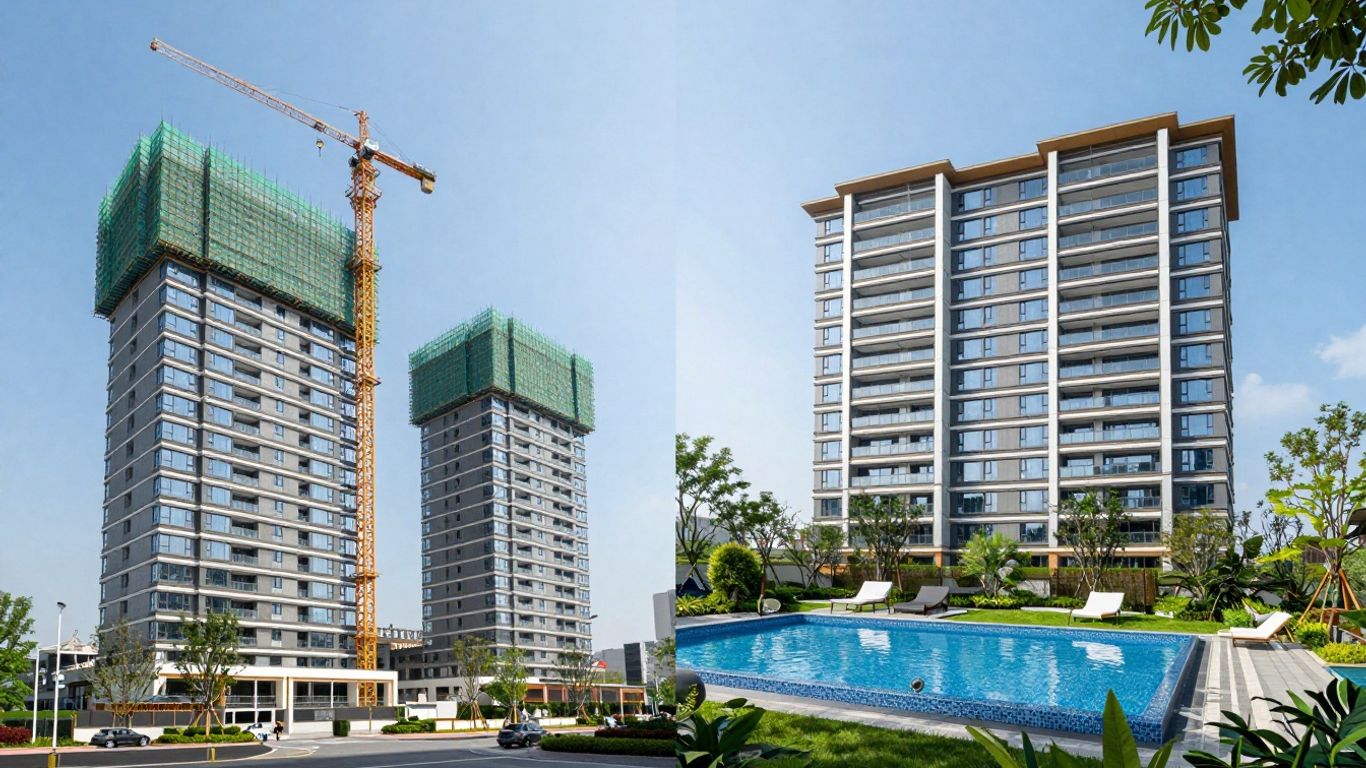
Buying a property that doesn’t exist yet, just from plans and artist’s impressions, can feel a bit like a leap of faith. And honestly, it is. While the potential rewards are attractive, there are definitely some significant downsides to consider before you hand over any money for an off-plan property in Phuket.
Navigating Construction Delays and Timelines
One of the most common headaches with off-plan purchases is that things rarely run exactly to schedule. Life happens, right? Weather can cause hold-ups, getting materials might take longer than expected, or sometimes the developer just doesn’t have enough workers. This means your dream villa or condo might not be ready when they said it would be. It’s not unusual for projects to be delayed by several months, or even a year or two in some cases. This can mess up your own plans, especially if you’ve sold your current home or arranged financing based on the original completion date.
Ensuring Developer Reliability and Quality Control
This is a big one. You’re trusting the developer to build your property to a certain standard, and not all developers are created equal. Some have a fantastic track record, but others might cut corners to save money, especially if they’re struggling financially. The show unit you saw might look amazing, but what actually gets built could be a different story. Poor workmanship, cheaper materials than promised, or even unfinished elements can become a problem. If the developer goes bust mid-project, that’s a whole other level of disaster, and you could lose your deposit.
Understanding Shifting Market Conditions
Property markets can change. Between the time you sign the contract and when your property is actually finished, the value of property in Phuket could go up or down. It could also be that the rental demand you were banking on isn’t as strong as predicted when you finally get the keys. While this can work in your favour, it’s also a risk that the market might not perform as well as you hoped, impacting your potential returns.
Potential for Legal Complications
Buying property in a foreign country, especially off-plan, can sometimes lead to legal tangles. This could involve issues with foreign ownership quotas, unclear leasehold agreements for villas, or problems with how your payments are being handled. It’s vital to have everything checked by a legal professional who knows Thai property law inside out. Without proper legal checks, you might find yourself in a difficult situation down the line that’s hard to sort out.
Benefits of Choosing Resale Properties in Phuket
Buying a resale property in Phuket can be a really sensible move, especially if you’re looking for something a bit more immediate. Unlike the waiting game with off-plan builds, these places are ready and waiting for you.
Immediate Availability and Rental Income Potential
One of the biggest plus points is that you can move in pretty much straight away. This means if you’re planning to rent it out, you can start earning income much sooner. It’s a big deal if you’re looking for a property that pays for itself. Plus, you can often find resale properties in areas that are already popular with tourists or long-term renters, which is great for consistent income.
Established Locations with Developed Infrastructure
Resale properties are typically found in areas that have been around for a while. Think about it: roads are already there, shops are open, and you’ve got all the local amenities you need. You’re not waiting for a new area to be built up around you. These established spots often have a real community feel and are usually in prime locations that are hard to get into with new builds.
Physical Inspection for Certainty of Purchase
This is a massive advantage. You can actually go and see the property yourself before you commit. You can check out the build quality, the water pressure, the views from the balcony – all those little things that matter. It gives you a much clearer picture of what you’re actually buying, reducing those nasty surprises you might get with a property you’ve only seen on a brochure.
Negotiation Opportunities with Sellers
Unlike buying from a developer who usually has set prices, individual sellers in the resale market are often more open to a bit of haggling. If they need to sell quickly, you might be able to get a better deal. It’s worth doing your homework on comparable properties, but there’s definitely room to negotiate on price, which can save you a good chunk of money.
While resale properties might require some immediate attention for updates or repairs, the ability to physically inspect the property, secure it in an established location, and potentially negotiate the price offers a tangible and often quicker path to ownership in Phuket.
Challenges of the Resale Property Market
Buying a resale property in Phuket can feel like a more straightforward path, especially when you can see exactly what you’re getting. However, it’s not without its own set of hurdles that buyers really need to think about before signing on the dotted line. It’s not always as simple as just picking a place and moving in.
Budgeting for Maintenance and Renovation Costs
Properties, especially in a tropical climate like Phuket’s, can show their age. The salty air and humidity are tough on buildings, meaning that a resale property might need some TLC. You could be looking at anything from a fresh coat of paint to more significant work like updating kitchens, bathrooms, or even dealing with pool maintenance. While renovation costs in Thailand can be more reasonable than in some Western countries, it still adds to your overall expense and takes up your time. It’s wise to set aside a good chunk of your budget for these potential upgrades to make the place truly yours.
Higher Upfront Capital Requirements
Unlike off-plan purchases where you can spread payments over the construction period, buying a resale property usually means you need the full amount ready to go, or at least a substantial deposit, much sooner. This can be a significant barrier for some buyers. You’ll likely need to arrange your finances for a lump sum payment, which might involve securing a mortgage from your home country or having substantial savings readily available. This immediate capital outlay is a key difference compared to the staged payments common with new builds.
Potential for Outdated Designs and Wear
Let’s be honest, not every older property has stood the test of time in terms of style. You might find interiors that feel a bit dated, or fixtures and fittings that are past their prime. While this can be a chance to put your own stamp on things, it also means you’re inheriting someone else’s choices. You might not get the sleek, modern finishes that are standard in new developments. It’s important to go into it with your eyes open, understanding that you might be buying a property that needs a significant style overhaul to meet your personal taste and modern living standards.
Limited Choice of Foreign Freehold Units
For foreign buyers, securing a foreign freehold title, particularly in condominiums, can be tricky on the resale market. While the law allows foreigners to own up to 49% of a condo building’s total floor area, these units are often snapped up quickly. When looking at resale condos, you need to be absolutely sure that the unit you’re interested in is already part of the foreign quota and can be legally transferred to you. This can sometimes limit your options compared to buying off-plan, where you can reserve a freehold unit early in the sales process. It’s a detail that requires careful checking with your legal representative.
When considering a resale property, always factor in the potential for unexpected costs. It’s easy to get caught up in the excitement of finding a place you love, but a realistic assessment of the property’s condition and the associated renovation budget is key to a smooth ownership experience. Don’t underestimate the impact of the tropical climate on building materials over time.
For example, if you’re looking for a property that’s ready to generate income straight away, a resale might be appealing. You could potentially find a gem in established areas like Rawai and Nai Harn, which are popular with digital nomads and long-term residents. However, remember that even a seemingly well-maintained property might hide issues that only become apparent after you move in. It’s always a good idea to have a thorough inspection done by a professional before committing. You might even find a great deal on a 2-bedroom garden view penthouse that needs a little updating but is in a prime location.
Key Legal and Ownership Considerations
Right then, let’s talk about the nitty-gritty of actually owning property in Phuket as a foreigner. It’s not quite as straightforward as buying a house back home, so paying attention here is pretty important.
Foreign Freehold Quotas in Condominiums
When you’re looking at condos, there’s a specific rule you need to know about. Thai law allows foreigners to own condos outright, but there’s a limit. Only 49% of the total sellable space in any given condominium building can be owned by non-Thai individuals. This is often called the ‘foreign freehold quota’. If a development has already sold all its foreign quota units, you won’t be able to buy one freehold, even if you have the cash. This is a big reason why getting in early with off-plan condos can be a good idea if you want that full ownership.
Leasehold Structures for Villas
Now, villas are a bit different. Foreigners can’t own land directly in Thailand. So, if you’re buying a villa, especially off-plan, it’s almost always going to be on a leasehold basis. This usually means you get a 30-year lease on the land, and you can own the building itself. These leases often come with options to renew, but it’s not the same as outright ownership. Sometimes, a Thai company might be set up to hold the land, and you’d own shares in that company, but the leasehold structure is more common for individual buyers.
The Importance of Legal Verification
Honestly, this is where you really don’t want to cut corners. Before you sign anything or hand over any money, you absolutely must get an independent lawyer to look over all the paperwork. They’ll check things like:
- The developer’s right to sell the property.
- The ownership structure (freehold vs. leasehold).
- Whether the foreign quota for condos is being respected.
- The terms of the sales and purchase agreement, including any penalty clauses for delays.
- The developer’s licenses and permits.
It’s easy to get caught up in the excitement of a beautiful property, but a good lawyer acts as your safety net. They can spot potential problems that you might miss, saving you a lot of hassle and money down the line. Don’t just rely on the developer’s legal team; you need someone working solely for your interests.
Getting this verification done properly means you’ll have a much clearer picture of what you’re actually buying and what your rights are.
Phuket Location Trends for Property Buyers
Phuket’s property market is really changing, moving beyond just holiday spots to become a proper lifestyle destination. Where you choose to buy can make a big difference, whether you’re looking for a place to live, rent out, or just watch your investment grow. Different areas are attracting different types of buyers and offering unique opportunities.
Bang Tao and Layan: Branded Residences
These areas, often called Phuket’s "Gold Coast," are where you’ll find a lot of high-end, branded residences. Think luxury developments managed by well-known hotel chains. This means you get top-notch facilities and services, which is great for both personal use and attracting premium renters. These projects often come with the promise of strong rental yields and a certain level of quality control, as the brands themselves have a reputation to uphold. It’s a good option if you’re after a hassle-free, resort-style living experience and are looking for properties designed to maximise both resale and rental values. You can find some amazing modern-tropical pool villas here, often on Chanote-titled land plots, with sea views and open layouts perfect for indoor-outdoor living. Some developers can even assist with bespoke villa projects from land selection to completion.
Rawai and Nai Harn: Digital Nomad Hubs
Down in the south, Rawai and Nai Harn are becoming really popular with digital nomads and people looking to stay longer. This means there’s a steady demand for rental properties that are comfortable and well-connected. You’ll find a good mix of resale villas and newer developments here. The infrastructure is pretty well-established, with plenty of cafes, restaurants, and shops. If you’re thinking about buying a property here, especially a resale villa, you might find some good deals. It’s an area that’s really grown into a hub for those working remotely, so rental income potential is definitely something to consider.
Kamala: Emerging Luxury Developments
Kamala is often talked about as the next "Millionaire’s Mile." It’s seeing a lot of new, ultra-luxury developments popping up. These are often large villas or exclusive condo projects aimed at the high-end market. If you’re looking for cutting-edge design and premium amenities, Kamala is definitely worth a look. The focus here is on exclusivity and high-value properties, often with stunning ocean views. It’s an area that’s rapidly developing, attracting significant investment and offering a glimpse into the future of luxury property on the island.
When considering these locations, it’s wise to look at the specific types of properties available and how they align with your goals. For instance, branded residences in Bang Tao and Layan might offer a more managed investment, while the growing digital nomad scene in Rawai and Nai Harn could present different rental opportunities. Kamala, with its luxury focus, appeals to a different segment of the market altogether.
Minimising Risk When Buying Off-Plan
Buying property off-plan in Phuket can feel a bit like a leap of faith. You’re looking at glossy brochures and artist’s impressions, hoping the finished product lives up to the dream. While the potential rewards are certainly attractive, it’s wise to go in with your eyes wide open. There are definitely ways to make this process less nerve-wracking and protect your investment.
Thorough Developer Due Diligence
Before you even think about signing anything, you absolutely must do your homework on the developer. Don’t just take their word for it or be dazzled by fancy marketing. Look into their history: have they actually finished projects before? And if so, were they on time and to a good standard? See if you can find reviews or talk to people who have bought from them previously. A developer with a solid track record and clear financial backing is a much safer bet. It’s worth checking if they’re properly registered in Thailand too.
Utilising Escrow Accounts for Payment Protection
This is a big one. Your hard-earned money shouldn’t just be handed over to the developer directly. Instead, payments should be held in a secure, independent escrow account. This means a third party manages the funds, releasing them to the developer only when certain construction milestones are met. It’s a vital safeguard against potential bankruptcy or the project being abandoned halfway through. It gives you peace of mind knowing your money is protected.
Engaging Experienced Legal Advisors
Don’t try to cut corners on legal advice. You need a lawyer who really knows their stuff, especially when it comes to property law in Thailand and dealing with foreign ownership. They’ll be able to go through all the contracts with a fine-tooth comb, check the developer’s licenses, and make sure everything is above board. Having a bilingual advisor is incredibly helpful, as they can explain all the complex bits in plain English.
Scrutinising Sales and Purchase Agreements
The sales and purchase agreement is the most important document you’ll sign. It needs to be crystal clear. Pay close attention to clauses regarding construction timelines, what happens if there are delays (and what penalties apply), and what the process is if unforeseen circumstances, like natural disasters, occur. A well-drafted contract is your best defence against future disputes.
| Clause Type | Key Details to Verify |
|---|---|
| Construction Timeline | Clear start and end dates, phased completion milestones |
| Delay Penalties | Specific compensation for late handover |
| Force Majeure | Definition and consequences of unavoidable events |
| Payment Schedule | Linked to construction progress, not arbitrary dates |
| Handover Procedure | Inspection process, defect rectification period |
Making Your Informed Decision
Aligning Choices with Investment Goals
So, you’ve looked at the shiny new builds and the established homes, and now it’s time to actually pick one. It sounds simple, but honestly, it’s a big decision. Think about what you actually want from this property. Is it just about making money, or is it a place you might want to stay in yourself sometimes? If you’re aiming for quick returns and don’t mind a bit of a wait, off-plan might tick those boxes, especially with those early bird prices. But if you want to start earning rental income straight away, a resale property is probably more your speed. It’s like choosing between ordering a custom-made suit that will take months to arrive or buying a great suit off the rack that you can wear tonight. Both have their place, but they serve different needs.
Assessing Risk Tolerance and Budget
Let’s be real, buying property, especially abroad, comes with some level of risk. Off-plan properties can feel a bit like a gamble. You’re trusting the developer to finish on time and to the standard they promised. Sometimes, construction gets delayed, or the final product isn’t quite what you imagined. That’s where the potential for higher capital gains comes in, but it’s a trade-off. Resale properties, on the other hand, are more predictable. You can see exactly what you’re getting, but you might need to factor in immediate renovation costs or maintenance. Your budget needs to cover not just the purchase price but also any unexpected expenses. It’s a good idea to have a bit of a buffer, just in case.
Consulting Real Estate Professionals
Trying to figure all this out on your own can be overwhelming. That’s why talking to people who actually know the Phuket property market inside out is a really good idea. They can give you the lowdown on which areas are doing well, what kind of rental yields you can realistically expect, and whether a particular developer has a good reputation. They’ve seen it all, from the best deals to the potential pitfalls. Don’t be shy about asking them to explain things like foreign freehold quotas or leasehold structures again if you’re not quite clear. They’re there to help you make a smart choice, not just to sell you something. It’s worth the investment to get good advice before you commit your hard-earned cash.
Making Your Informed Decision
Choosing the right place to live is a big step. We want to help you make the best choice for you and your family. Think about what’s important, like schools, local shops, and how you’ll get around.
Ready to find your perfect spot? Visit our website to explore all the options and get started on your journey to a new home today!
So, Which Path to Take?
Ultimately, deciding between an off-plan property and a resale in Phuket really boils down to what you’re after. If you’re keen on getting in early, potentially snagging a better price, and having a say in how your place looks, then off-plan might be your ticket. Just be prepared for a bit of a wait and do your homework on the developer. On the other hand, if you want to move in straight away, see exactly what you’re getting, and maybe start earning rental income sooner, a resale property could be the way to go. Remember, both have their upsides and downsides, so weigh them up carefully against your own budget and what you hope to achieve with your investment. Chatting with local property experts is always a good shout, no matter which route you’re leaning towards. Phuket’s property market has something for everyone, you just need to find the right fit for you.
Frequently Asked Questions
What’s the main difference between buying a property that’s still being built (off-plan) and one that’s already finished (resale)?
Buying ‘off-plan’ means you purchase a property before it’s fully built, often just from plans. You might get a better price and can sometimes choose finishes. Buying ‘resale’ means you’re buying a property that someone else has owned before and is already finished. You can see exactly what you’re getting straight away.
Are there any special rules for foreigners buying property in Phuket?
Yes, there are. For apartments or condos, foreigners can only own up to 49% of the total floor space as ‘Foreign Freehold’. For villas, foreigners usually can’t own the land directly, so they typically buy through a long-term lease agreement, which is a bit like renting the land for a very long time.
What are the biggest advantages of buying an off-plan property?
You can often get a lower price than a finished property, and the value might go up by the time it’s built. You also get the chance to pick the best units, like those with the best views, and sometimes you can choose the colours and materials for your home.
What are the main risks when buying off-plan?
The biggest worries are construction delays, meaning you might not get your property when promised. There’s also a risk that the developer might not build it as well as you expected, or they could even go out of business. The market value could also change between when you buy and when it’s finished.
Why might someone choose a resale property instead?
With a resale property, you can move in right away or start renting it out immediately, which is great if you want to earn money quickly. You can also see the actual property, check its condition, and know exactly what you’re buying. Plus, you might be able to negotiate the price with the seller.
What are the downsides of buying a resale property?
Resale properties might need repairs or updates, which can cost extra. You usually have to pay the full price upfront, unlike off-plan where you pay in stages. Also, the design might be a bit old-fashioned compared to newer buildings.
How can I make sure I’m making a safe choice when buying off-plan?
It’s really important to do your homework! Check the developer’s history – have they built good projects before? Use a lawyer who understands property deals in Thailand, and consider using an ‘escrow account’ to hold your payments safely until the property is built.
Which areas in Phuket are popular for property buying right now?
Areas like Bang Tao and Layan are known for high-end homes, often managed by famous hotel brands. Rawai and Nai Harn are popular with people working online, and Kamala is becoming a hotspot for very luxurious new developments.