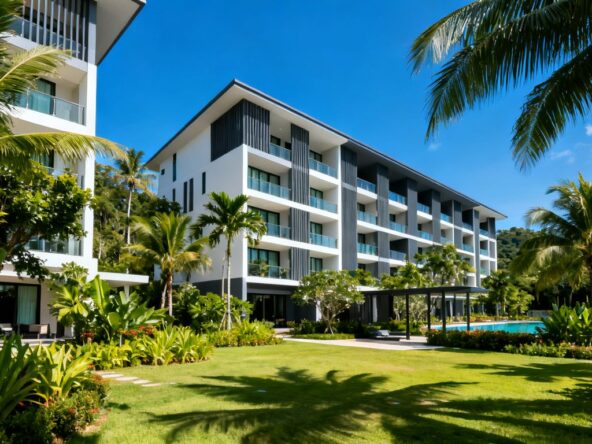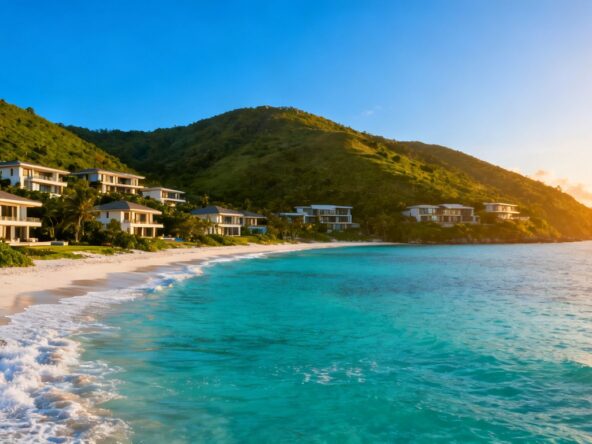


Deciding whether to build your dream property or buy an existing one in Phuket is a big question. Both paths have their own set of advantages and challenges, and what’s right really depends on you. We’ll look at the ins and outs of building versus buying in Phuket to help you figure out the best move for your situation.
Key Takeaways
- Foreigners can own condos outright (up to 49% of a project) but land ownership usually requires leasehold agreements or setting up a Thai company.
- Building allows for complete customisation but involves more time, planning, and potential for unexpected costs.
- Buying an existing property offers quicker occupancy and often a clearer upfront cost, with established infrastructure.
- Phuket’s tropical climate requires specific design considerations for buildings, like ventilation and robust roofing.
- Working with reputable local professionals, including lawyers and construction companies, is vital for a smooth process, whether building or buying.
Understanding Your Options: Building vs Buying in Phuket
Phuket, with its stunning coastlines and vibrant atmosphere, is a magnet for those looking to invest in or relocate to a tropical paradise. When considering property here, you’re faced with a fundamental choice: build your dream home from the ground up or buy an existing property. Both paths have their own unique set of advantages and challenges, and understanding these upfront is key to making the right decision for your circumstances.
The Allure of Phuket Real Estate
Phuket’s property market has seen significant growth, attracting a diverse range of buyers from around the globe. Its appeal lies not just in the beautiful scenery and relaxed lifestyle, but also in its potential as an investment. Whether you’re envisioning a private villa overlooking the Andaman Sea or a commercial space to tap into the thriving tourism industry, the island offers a compelling proposition. However, the specifics of the Thai property market, including legal frameworks and local conditions, mean that a one-size-fits-all approach won’t work.
Key Considerations for Property Decisions
Before you even start looking at plots of land or existing homes, it’s wise to think about what truly matters to you. What’s your budget, and how flexible is it? How quickly do you need to be in your property? Are you looking for a holiday home, a permanent residence, or an investment property with rental income potential? These questions will shape your entire search.
- Budget: Building can sometimes offer more control over costs if managed well, but unexpected expenses can arise. Buying an existing property usually presents a clearer upfront price, though renovations might add to the total.
- Timeline: If you need to move in quickly, buying an established property is generally the faster route. Building projects, from design to completion, can take a considerable amount of time.
- Investment Goals: Are you aiming for capital appreciation, rental yields, or a personal retreat? The type of property and its location will significantly impact your return on investment and overall satisfaction.
Making an informed choice requires a clear understanding of your personal priorities and the realities of the Phuket property market. It’s about finding the option that best fits your lifestyle and financial objectives.
Ultimately, the decision between building and buying is a personal one. It’s about weighing the desire for a bespoke creation against the convenience and predictability of an existing home. Taking the time to explore both avenues thoroughly will set you on the right path to securing your piece of paradise in Phuket.
Navigating Property Ownership Laws
Right then, let’s talk about the nitty-gritty of owning property here in Phuket as a foreigner. It’s not quite as straightforward as buying a pint down the local, but it’s definitely achievable. The main thing to get your head around is that Thai law has some specific rules about who can own what, especially when it comes to land.
Foreign Ownership Restrictions
So, the big one: foreigners generally can’t directly own land in Thailand. It’s a bit of a sticking point for many. However, this doesn’t mean you can’t invest or build. The government has put structures in place to allow for foreign investment, but you need to know what they are. It’s really important to get professional advice before you commit to anything.
Leasehold Agreements Explained
One of the most common ways around the land ownership rule is through a leasehold agreement. Think of it like renting a property long-term, but with more rights. You get the right to use and possess the property for a set period, usually 30 years. This lease is registered at the Land Department, giving you a guaranteed right to occupy the property. You can often arrange for renewals, potentially extending your total occupancy to 90 years, though these later renewals are contractual and need re-registration. It gives you a lot of control over maintenance and the opportunity for a good return on your investment over the lease period. Many people lease the land and then own the building constructed on it.
Company Structures for Land Acquisition
Another route is setting up a Thai company. This allows you to purchase land through the company rather than in your own name. However, this isn’t a simple loophole. The company needs to be a legitimate business, not just formed to buy land. Thai shareholders must hold the majority of the company’s shares, typically over 51%, and you, as a foreigner, can’t own more than 49%. It’s vital that the company is genuinely operating and not just a ‘nominee’ structure, as that’s illegal. This method can be complex, so legal guidance is a must.
Condominium Ownership Opportunities
Condominiums offer a more direct path to freehold ownership for foreigners. You can own a condo unit outright, provided it falls within the foreign ownership quota for the development. This quota is usually set at 49% of the total saleable area in a project. The remaining units must be owned by Thai individuals or companies. Owning a condo means you get a title deed in your name, and they can be a good investment, often with lower initial costs compared to villas and less maintenance responsibility. It’s a popular choice for those looking for a property in Phuket, especially with the number of new developments available.
Understanding these ownership structures is key. Whether you opt for a leasehold, a company structure, or a condominium, each has its own set of rules and implications. Don’t skip the legal checks; they’re there to protect you and your investment in the long run. Consulting with a lawyer who specialises in Thai real estate law is a sensible first step, and they can work alongside your chosen construction company to keep everything above board. For example, if you’re looking at a luxury pool residence, understanding the ownership options for the land it sits on is just as important as the property itself. This exclusive residence is a good example of the kind of property you might consider, but the legalities remain paramount.
The Building Process: From Concept to Completion
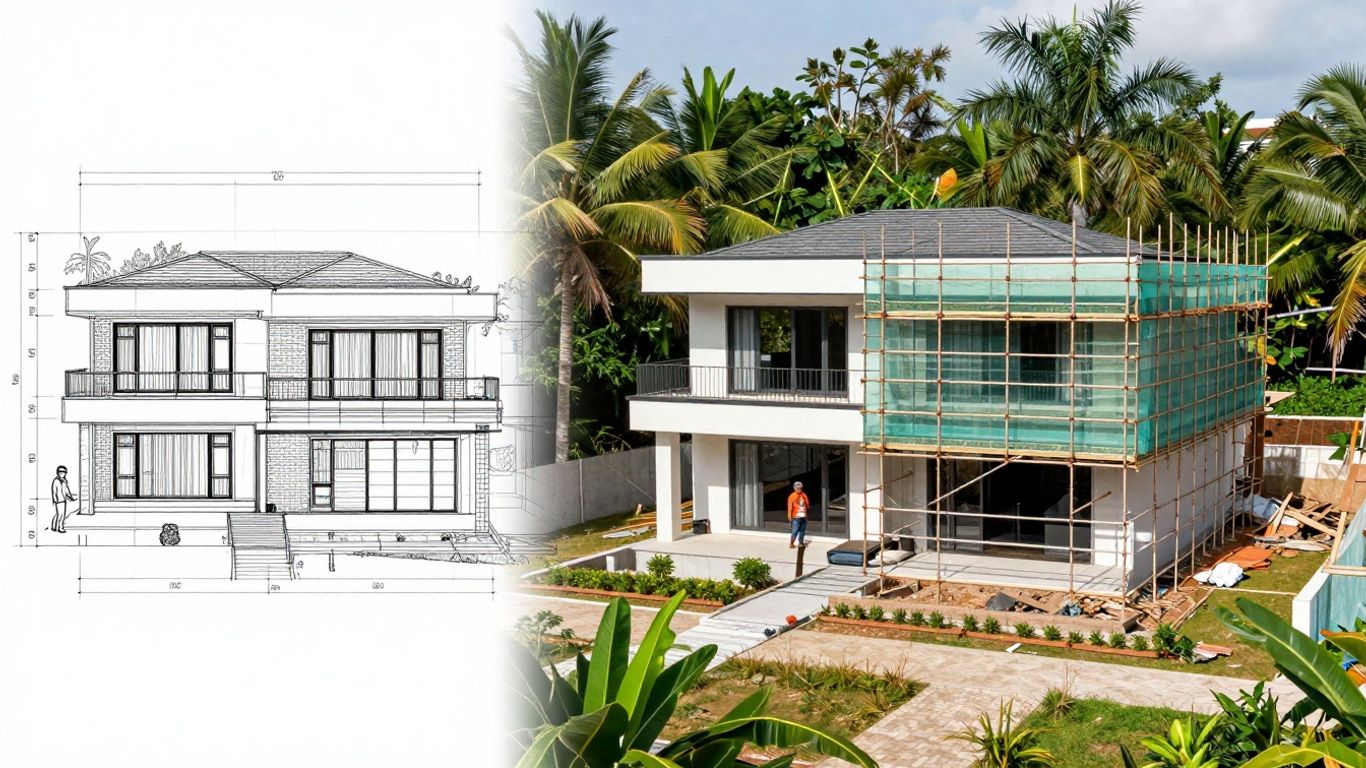
So, you’ve decided building is the way to go for your Phuket property. That’s exciting! But it’s also a big undertaking, and getting it right from the start makes all the difference. It’s not just about picking pretty tiles; there’s a whole sequence of events to get through before you can even think about moving in.
Selecting a Reputable Construction Company
This is probably the most important step. You need a builder who knows Phuket, understands the local rules, and has a solid history of actually finishing projects well. Don’t just go with the cheapest quote you find. Ask for references, look at their past work – ideally, visit a few completed projects if you can. A good company will be upfront about everything, from timelines to potential issues. They should also have experience working with foreigners, meaning clear communication is a priority for them.
Understanding Building Permits and Approvals
Nobody wants to start building and then find out they’ve done something wrong. You’ll need permits from the local authorities before you can even break ground. This process can sometimes take a while, and it’s another reason why having a good local builder is so helpful. They’ll know exactly what paperwork is needed and how to get it processed without too many headaches. It’s all about following the rules to avoid costly delays down the line.
Designing for Phuket’s Tropical Climate
Phuket gets hot and humid, and it has a rainy season. Your house needs to be designed to cope with this. Think about things like good ventilation to keep things cool without relying solely on air conditioning, materials that can handle the humidity, and roofs that can deal with heavy rain. A well-designed home will be more comfortable to live in and cheaper to run in the long term. It’s about working with the climate, not against it.
Budgeting and Ensuring Cost Transparency
Building costs can add up quickly, and surprises are rarely good news when you’re spending this much. You need a detailed breakdown of all the costs involved – materials, labour, permits, everything. Your builder should be able to provide this and explain any variations. It’s also wise to have a contingency fund for unexpected issues that might pop up during construction. A clear budget and open communication about costs are key to avoiding financial stress.
Here’s a rough idea of what to expect for different types of builds:
| Property Type | Estimated Cost Per Sqm (THB) | Notes |
|---|---|---|
| Standard Villa | 30,000 – 45,000 | Good quality, functional design |
| Luxury Villa | 50,000 – 80,000+ | High-end finishes, custom features |
| Small Commercial Unit | 35,000 – 55,000 | Depends on fit-out and purpose |
These figures are estimates and can vary significantly based on specific choices and market conditions.
Project Management and Timelines
Building a property in Phuket, whether it’s a holiday home or a commercial venture, involves a lot of moving parts. You’ve got architects, builders, suppliers, and all sorts of local regulations to think about. Without someone keeping a close eye on everything, projects can easily go off track, costing you more time and money than you planned.
The Crucial Role of Professional Project Management
Think of a project manager as the conductor of an orchestra. They make sure everyone is playing their part at the right time and in harmony. They’re the main point of contact, coordinating between you, the designers, the construction team, and any other specialists involved. This means fewer misunderstandings and a much smoother process for you. A good project manager is worth their weight in gold when building abroad. They handle the day-to-day running of the site, monitor progress, and sort out any issues that pop up before they become big problems.
Realistic Construction Timelines in Phuket
It’s easy to get excited and think your new villa will be ready in a few months, but building in Phuket has its own rhythm. Several things can affect how long a project takes:
- Permit Approvals: Getting the green light from local authorities can sometimes take longer than expected.
- Weather: The rainy season, while beautiful, can slow down exterior work.
- Material & Labour Availability: Sometimes, specific materials might be in short supply, or skilled workers might be in high demand.
Generally, a custom villa might take anywhere from 12 to 18 months from start to finish. Larger commercial projects will naturally take longer. It’s always wise to build some buffer time into your plans.
Managing Potential Delays and Challenges
Even with the best planning, delays can happen. A professional project manager will have contingency plans in place. They’ll keep you informed about any potential hold-ups and explain the solutions they’re putting in place. This transparency is key to managing expectations and avoiding nasty surprises. They’ll also be on the lookout for quality control at every stage, making sure the work done meets the standards you expect and is built to last in Phuket’s tropical climate.
Building in a foreign country presents unique challenges. Having a local partner who understands the nuances of Thai regulations, customs, and the practicalities of construction on the island can make all the difference between a dream project and a stressful ordeal. They act as your eyes and ears, ensuring your investment is protected and the build progresses as it should.
Considering Existing Properties
Sometimes, the most straightforward path is to buy a place that’s already built. It’s a bit like choosing a ready-made meal over cooking from scratch – quicker, and you know what you’re getting. Phuket has a good number of existing properties, from modern apartments to established villas, and there are definite upsides to going this route.
Benefits of Immediate Occupancy
One of the biggest draws of buying an existing property is that you can move in pretty much straight away. If you’re not keen on waiting months, or even years, for a house to be built, this is a massive plus. For investors, this means you can start generating rental income much sooner. No waiting around for construction to finish, no dealing with the inevitable snags that pop up during building. You can literally get the keys and start living or renting it out.
Established Infrastructure and Design
Properties that have been around for a while are often in neighbourhoods that are already set up. Think roads, utilities, and local amenities – they’re usually all in place and working. Plus, many older homes have a certain charm or a design that’s proven to work well in the tropical climate. They’ve stood the test of time, so you’re not usually taking a gamble on a new design concept. It’s also common for these places to have had some updates over the years, so they might already have modern features without you needing to do much.
Potential for Lower Initial Costs
While not always the case, buying an existing property can sometimes be cheaper upfront than building a new one. You’re buying a finished product, and the price is usually pretty clear from the start. There are fewer unknowns compared to a construction project, where costs can creep up unexpectedly. You avoid the initial planning and permit fees associated with new builds, and sometimes you can even negotiate the price down a bit, especially if the market is a bit slow. It’s a more predictable financial outlay, which can be a relief for many buyers.
Here’s a quick look at what to think about:
- Speed: You can move in much faster.
- Predictability: Costs and timelines are generally more certain.
- Location: Often situated in established areas with existing services.
- Character: May offer unique architectural styles that have stood the test of time.
When you buy an existing property, you’re often buying into a community that’s already settled. This means you can get a feel for the neighbourhood and its amenities before you commit, which is harder to do when you’re just looking at a plot of land.
Financial and Investment Perspectives
When you’re looking at property in Phuket, the money side of things is a big deal, right? Whether you’re thinking about building your dream villa or snapping up something already built, you’ve got to get your head around the costs and what kind of return you might see.
Budgeting: Building vs. Buying Costs
Building a place from the ground up can seem like a blank cheque, but it’s often more predictable if you’ve got a good team. You know what you’re paying for materials, labour, and all those permits. However, unexpected issues can pop up, and those can add up fast. Buying an existing property usually has a clearer upfront price tag. You know what you’re paying for the house itself. But then you’ve got to factor in any renovations or updates needed to make it your place. Sometimes, a fixer-upper can be cheaper initially, but the renovation costs can quickly catch up to, or even exceed, building new.
Here’s a rough idea of what to expect:
| Cost Type | Building (Estimate) | Buying (Estimate) | Notes |
|---|---|---|---|
| Land Acquisition | Included | Included | Varies hugely by location. |
| Design & Permits | £10,000 – £30,000 | N/A | Can be higher for complex designs. |
| Construction/Purchase | £1,000 – £2,500/sqm | £1,500 – £3,000/sqm | Depends on finishes and location. |
| Furnishing | £5,000 – £20,000+ | £3,000 – £15,000+ | For a fully furnished property. |
| Renovations/Updates | N/A | £5,000 – £50,000+ | If the property needs work. |
| Legal Fees | £2,000 – £5,000 | £2,000 – £5,000 | For conveyancing and contracts. |
Note: These figures are very general and can change significantly based on specific choices and market conditions.
Financing Options for Foreigners
Getting a mortgage in Thailand as a foreigner can be tricky. Banks are often hesitant, and if they do lend, the terms might not be as favourable as you’d hope. Some developers might offer in-house financing for off-plan properties, which can be an option. Another route is to secure financing in your home country against other assets. It’s worth talking to a local mortgage broker who understands the Thai market and can guide you through the available, albeit limited, options.
Investment Goals: Rental Yields and Appreciation
So, why are you buying property in Phuket? If it’s for rental income, you need to look at rental yields. This is basically the annual rent you get divided by the property’s value. A well-located villa or condo can bring in a decent income, especially during peak tourist seasons. But remember, there are costs involved like property management fees, maintenance, and taxes. If your goal is long-term growth, you’re looking at property appreciation – how much the value of your property increases over time. Phuket’s market has seen growth, but like any investment, it’s not guaranteed. Location, property type, and market trends all play a part.
When considering investment, it’s wise to have a clear picture of your exit strategy. Are you planning to sell in five years, ten years, or hold it as a long-term rental asset? This will influence whether you prioritise immediate rental income or potential capital growth.
Sustainability in Phuket Construction
Phuket’s natural beauty is a huge draw, and it makes sense that more people are thinking about how to build in a way that respects the environment. It’s not just about looking good; it’s about long-term value and reducing your impact. We’re seeing a real shift towards greener building practices here on the island.
Embracing Eco-Friendly Building Trends
When you’re planning a build, especially a villa, there are several ways to go green. Think about how the building interacts with its surroundings. For instance, designing for natural ventilation can cut down on air conditioning use, which is a big energy saver in this climate. Using materials that are sourced locally also cuts down on transport emissions and supports the local economy. Some people are even looking at green roofs, which help insulate the building and manage rainwater runoff. It’s about making smart choices from the start.
Integrating Renewable Energy Solutions
Solar power is becoming increasingly popular, and for good reason. Installing solar panels can significantly reduce your electricity bills over time. It’s a practical way to harness the abundant sunshine Phuket gets. Beyond solar, there are other systems like rainwater harvesting, which can be used for gardens or even non-potable household uses, reducing reliance on mains water. These systems might seem like an extra upfront cost, but they pay dividends in the long run, both financially and environmentally.
Choosing Sustainable Materials
What you build with matters. Instead of just defaulting to standard materials, consider options that are better for the planet. This could mean using reclaimed wood, bamboo, or other rapidly renewable resources. It’s also about durability; materials that last longer mean less need for replacement down the line. When you’re looking at construction companies, ask about their approach to material sourcing and what sustainable options they recommend. Making conscious material choices is a key part of building responsibly. It’s a good idea to discuss these options with your builder early on, perhaps even before you finalise your villa design.
Building sustainably isn’t just a trend; it’s becoming a necessity. It means thinking about the entire lifecycle of your property, from the resources used in construction to its ongoing energy consumption and eventual impact on the local ecosystem. It’s about creating a home that is not only beautiful and functional but also kind to the environment it inhabits.
Post-Construction and Long-Term Value
So, you’ve built your dream place in Phuket, or maybe you bought an existing gem. What happens next? It’s not just about the keys in your hand; it’s about keeping that property looking good and holding its value for years to come. Think of it like owning a classic car – you wouldn’t just park it and forget it, right? The same applies here.
Aftercare Services from Your Builder
Your relationship with the construction company shouldn’t just vanish once the final payment is made. A good builder will offer some form of aftercare. This could be anything from a snagging list follow-up, where they come back to fix any minor issues that pop up after you’ve moved in, to offering a warranty on specific parts of the build, like the roof or plumbing. It’s worth asking about this before you sign any contracts. Some companies might even offer maintenance packages, which can be a lifesaver if you’re not living in Phuket full-time.
Here’s what you might expect:
- Initial Defect Rectification: Addressing minor issues identified shortly after handover.
- Warranty Periods: Guarantees on specific building components (e.g., structural, waterproofing).
- Optional Maintenance Plans: Regular checks and upkeep services.
Don’t underestimate the value of a builder who stands by their work. It shows professionalism and a commitment to your long-term satisfaction, not just the completion of the project.
Maintaining Property Value Over Time
Keeping your property in good shape is key to its value. This means regular upkeep, but also thinking about how you can add to it. For instance, incorporating sustainable features during the build, like good insulation or solar panels, can not only save you money on bills but also make the property more attractive to future buyers. If you bought an older place, consider modernising key areas like the kitchen or bathrooms – these often give a good return on investment. It’s also about keeping the place looking fresh; a lick of paint, well-maintained gardens, and ensuring any structural elements are sound all contribute to a property that holds its own in the market.
Consider these points for long-term value:
- Regular Maintenance: Address wear and tear promptly.
- Upgrades: Modernise kitchens, bathrooms, and fixtures.
- Sustainability: Integrate energy-efficient solutions where possible.
- Landscaping: Keep gardens tidy and appealing.
| Feature | Impact on Value | Notes |
|---|---|---|
| Modern Kitchen | High | Often a key selling point |
| Solar Panels | Medium | Reduces running costs, appeals to eco-buyers |
| Well-maintained Pool | Medium | Essential for villa appeal in Phuket |
| Structural Integrity | Very High | Non-negotiable for buyer confidence |
Making the Right Choice for You
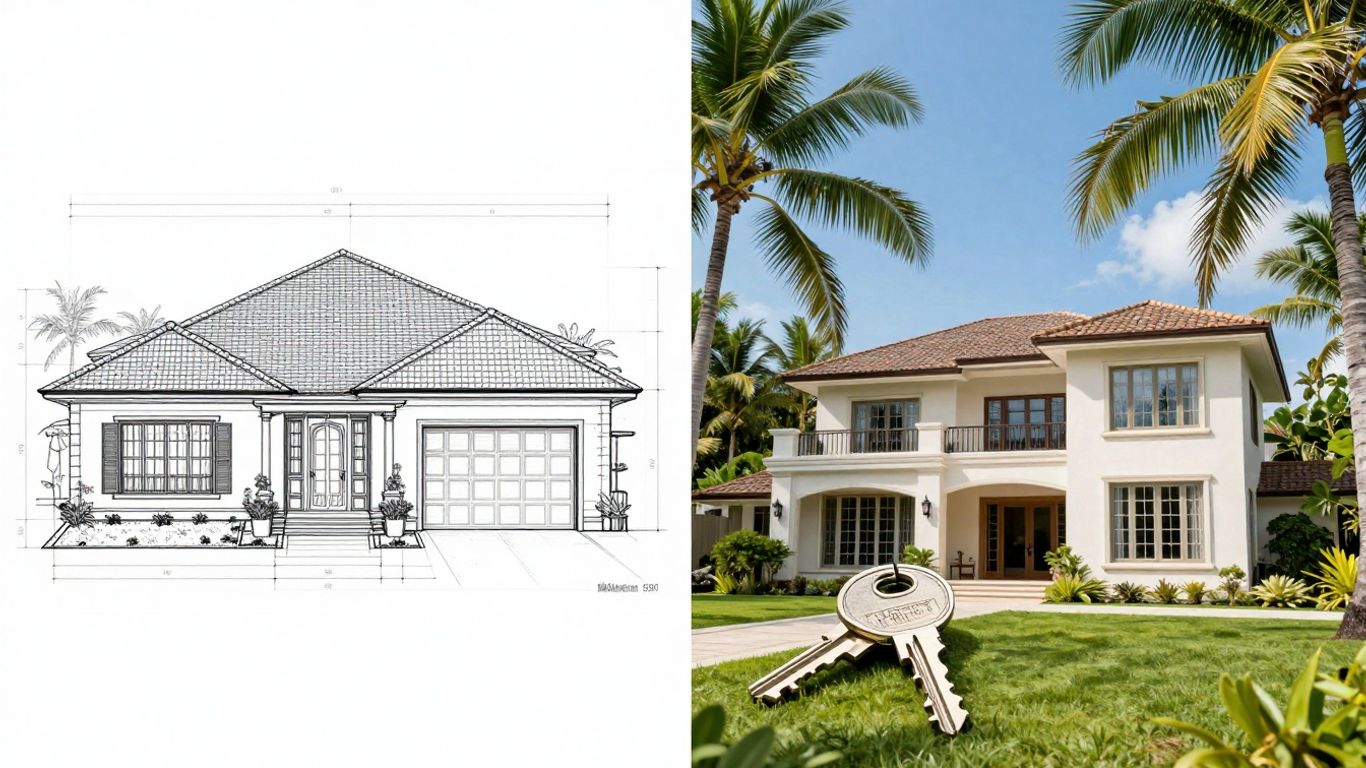
Aligning Decisions with Lifestyle Preferences
So, you’ve been looking at property in Phuket, and now you’re at that big crossroads: build your dream home from the ground up, or buy something that’s already standing? It’s a classic dilemma, and honestly, there’s no single ‘right’ answer. It really boils down to what you want from your life here. If you’re someone who loves the idea of having every single detail exactly as you picture it – the specific shade of tile, the exact placement of a window to catch the sunset, the layout that perfectly suits your family – then building might be calling your name. It’s about creating a space that’s uniquely yours, a true reflection of your personality and how you live. Think of it as designing your own little slice of paradise, tailored precisely to your needs and desires.
Evaluating Your Personal Timeline
Let’s talk time. Building a property, even in a place as efficient as Phuket, takes a significant chunk of your life. You’ve got planning, permits, construction itself, and then all the finishing touches. It can easily stretch into a year or more. If you’re looking to settle in quickly, perhaps for a job or just to start enjoying the island lifestyle sooner rather than later, buying an existing property makes a lot more sense. You can often move in within weeks or a couple of months, especially if you find a place that doesn’t need much work. It’s about weighing your patience against your desire for immediate gratification.
The Importance of Local Expertise
Whichever path you choose, don’t try to go it alone. Phuket has its own way of doing things, from building regulations to the best local suppliers. Having someone on the ground who knows the ins and outs is absolutely vital. They can help you avoid costly mistakes, understand the local market, and generally make the whole process smoother. Think of them as your guide, helping you navigate the complexities.
Here’s a quick look at how the two options stack up:
| Feature | Building Your Own Property | Buying an Existing Property |
|---|---|---|
| Customisation | Complete control over design, layout, and finishes. | Limited by existing structure; renovations possible. |
| Timeline | Longer process, from planning to completion (12+ months). | Quicker move-in (weeks to a few months). |
| Initial Costs | Can be higher due to unforeseen expenses during construction. | Often more predictable, though renovations add to cost. |
| Predictability | More unknowns during the build phase. | What you see is largely what you get; fewer surprises. |
| Local Knowledge | Requires significant research or a good project manager. | Benefits from established neighbourhood and infrastructure. |
Ultimately, the decision between building and buying is deeply personal. It’s about matching the process to your priorities. If you value bespoke design and have the time and patience, building offers unparalleled freedom. If speed, predictability, and a more straightforward transaction are key, then an existing property is likely the better route. Don’t underestimate the value of local advice, no matter which way you lean.
Choosing the right place is a big decision. We’re here to help you find a home that fits your life perfectly. Whether you’re looking for a quiet spot or a lively area, we’ve got options. Take a look at our listings and see what catches your eye. Ready to find your dream home? Visit our website today to explore all the possibilities and start your journey!
So, Build or Buy in Phuket?
Right then, we’ve gone through all the ins and outs of building versus buying a place here in Phuket. It’s not a simple ‘yes’ or ‘no’ answer, is it? Building gives you that blank canvas to create exactly what you want, from the ground up, perfect for the tropical weather and your own style. But, let’s be honest, it takes time, patience, and a good bit of planning. Buying something already built means you can get settled in much quicker, and often, it’s a bit less stressful to start with. You know what you’re getting, and there are usually fewer headaches involved. Think about your budget, how soon you need to be in, and what you actually want the place for. Whether you’re after a holiday pad or an investment, weighing up these points will help you make the right call for your own bit of paradise in Phuket.
Frequently Asked Questions
Can foreigners actually own property in Phuket?
Yes, but with some rules! Foreigners can buy condos outright, owning up to 49% of a project. For other types of property like houses or land, you usually need to set up a Thai company or use a long-term lease (like 30 years, with options to extend). It’s always best to chat with a lawyer who knows Thai property law.
What’s the main difference between building and buying an existing place?
Building lets you create your dream home exactly how you want it, with all the latest features. Buying an existing place means you can move in much faster and often the initial costs are lower. It’s like choosing between a custom-made suit and buying one off the rack – both work, but serve different needs and timelines.
Is building a house in Phuket expensive?
It can be, and costs can change. The price depends a lot on where you build, the size, and the materials you pick. Fancy finishes and a prime location will naturally cost more. It’s super important to get a detailed price breakdown from your builder and keep an eye on costs throughout the project to avoid nasty surprises.
How long does it usually take to build a house in Phuket?
Building a nice villa typically takes between 12 to 18 months. This can be longer if it’s a bigger project. Things like getting building permits, the weather (especially during the rainy season), and how easy it is to get materials and workers can all affect how long it takes.
Do I need special permission to build in Phuket?
Absolutely. Phuket has rules about where you can build and what you can build, especially near the beach or on hillsides. You’ll need to get various permits and approvals from local authorities before you can even start digging. A good builder will handle this for you.
What are the benefits of buying an older property?
Buying an existing home means you can move in right away, which is great if you’re in a hurry. Plus, these properties often have established neighbourhoods and infrastructure already in place. Sometimes, they also have a more classic design that fits well with the tropical setting.
Should I think about eco-friendly building in Phuket?
Definitely! Phuket is all about its natural beauty, so building green makes a lot of sense. Think about using solar panels, collecting rainwater, and choosing local, sustainable materials. Not only is it better for the environment, but it can also save you money on bills in the long run.
What’s the most important thing to look for in a builder in Phuket?
Finding a builder with local know-how is key. They need to understand Thai building rules and how to get permits. Good communication is vital, especially if you’re not living there full-time. Look for a company with a good history of finished projects and one that offers clear project management to keep everything on track.