

The Conversation That Happens in Every Villa Viewing
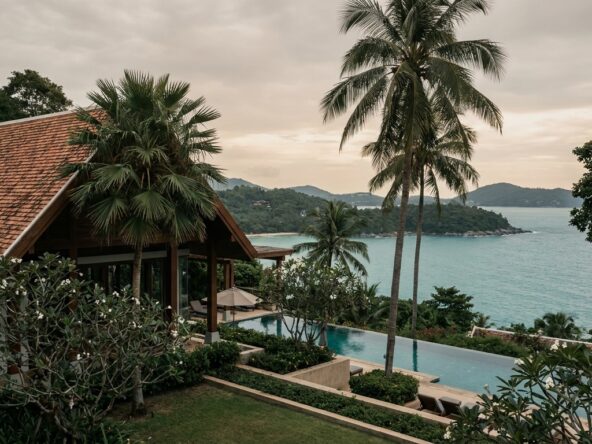
There’s a moment that happens in almost every serious property viewing in Phuket. The potential buyer stands on a terrace overlooking the Andaman Sea, watches the sun drop toward the horizon, and asks the question that’s really on their mind: “But is this actually a smart investment, or am I just buying a beautiful postcard?”
It’s the right question. And the answer separates confident ownership from expensive regret.
Why Most Market Research Fails Foreign Buyers
The challenge isn’t finding information about Phuket’s property market. A fifteen-minute search produces dozens of articles promising “insider insights” and “hot investment zones.” The problem is that most of this content was written by people who’ve never walked a buyer through the actual purchase process.
Generic market commentary misses what matters. Knowing that “Phuket attracts 10 million tourists annually” doesn’t tell you whether the two-bedroom condo in Kamala will actually generate the rental yield the developer promised. Understanding that “foreign freehold ownership is limited to 49% of a building” doesn’t prepare you for the conversation you’ll have with your lawyer about nominee structures.
Real market intelligence answers the questions you’ll face on a Tuesday morning three months into ownership, not the questions that sound impressive in a marketing brochure.
The Five Market Realities No Developer Mentions
Effective due diligence starts with understanding what the glossy presentations deliberately omit. These aren’t hidden secrets—they’re just inconvenient truths that most sellers would rather not discuss until contracts are signed.
Reality One: Location Desirability Changes Faster Than Buildings Age
Patong was Phuket’s undisputed centre fifteen years ago. Today, discerning buyers look elsewhere. Layan and Natai—once considered remote—now command premium prices. The lesson isn’t about predicting the next hot zone. It’s about buying in locations with infrastructure that will remain relevant regardless of trend cycles.
Before committing to any property, we walk buyers through a location stability assessment. Does the area have permanent infrastructure—quality roads, reliable utilities, established international schools? Or is its appeal dependent on a single development or a temporary tourism pattern?
Reality Two: Rental Yield Projections Are Usually Fiction
A developer’s rental projection shows 6-8% annual yield. The reality, once management fees, maintenance, vacancy periods, and seasonal fluctuations are factored in, often lands closer to 3-4%. That’s not necessarily bad—if you knew it going in.
We’ve seen too many buyers discover, eighteen months after purchase, that the guaranteed rental programme they signed up for comes with clauses that make it nearly impossible to achieve the advertised returns. The best protection is simple: demand to see actual rental histories from comparable properties, not projections from a spreadsheet.
Reality Three: The Ownership Structure Matters More Than the Property
Thailand’s foreign ownership framework is navigable, but it requires precision. Freehold condos are straightforward if the building’s foreign quota isn’t exhausted. Villas typically require a Thai company structure or a long-term lease. Each path has legal, financial, and practical implications that won’t be obvious until you try to sell or refinance.
This is where The Foreign Buyer’s Due Diligence Framework becomes essential. It walks through 23 critical verification points—from title deed authenticity to company structure compliance—that protect you from the structural mistakes that are expensive to unwind later.
Reality Four: Post-Purchase Support Is Where Most Agencies Disappear
The transaction closes. The champagne toast happens. Then you’re alone with a property in a foreign jurisdiction, managing maintenance contractors who don’t speak your language, navigating tax filings you don’t understand, and fielding tenant issues from eight time zones away.
The agencies that treat sales as the finish line leave buyers stranded. The ones that understand this business provide ongoing property management, help coordinate legal and tax compliance, and remain available when something breaks at 2am on a Sunday. It’s not a service you appreciate until the day you need it—and then it’s the only thing that matters.
Reality Five: Your Network Determines Your Outcome
Phuket property ownership isn’t a solo endeavour. You’ll need a competent lawyer, an honest contractor, a reliable property manager, and a network of service providers who show up when they say they will. Building that network from scratch, as a foreigner with limited local knowledge, is the hidden cost no one mentions.
What we provide—what any agency worth working with should provide—isn’t just access to listings. It’s access to the infrastructure that makes ownership sustainable. The lawyer who actually answers the phone. The contractor whose quote matches the final invoice. The property manager who doesn’t ghost you when occupancy drops.
The Due Diligence Most Buyers Skip
Here’s the pattern we see repeatedly: a buyer falls in love with a property, negotiates a price, signs a reservation agreement, and only then starts asking the hard questions about ownership structure, building permits, and management contracts. By that point, walking away means losing a deposit, so they proceed despite mounting concerns.
The sequence should be reversed. Due diligence isn’t something you do after deciding to buy. It’s how you decide whether to buy in the first place.
A proper due diligence process examines three layers:
- Legal structure: Is the ownership path legally sound and practically defensible? Are there nominee shareholder arrangements that create future risk? Does the title deed match the physical property boundaries?
- Financial reality: Do the claimed rental yields hold up against comparable properties? Are there hidden fees in the management contract? What are the realistic exit timelines if you need to sell?
- Operational infrastructure: Who actually maintains the property? How responsive is management to owner concerns? What happens when something breaks and you’re not in-country?
Most buyers check the first layer superficially and ignore the other two entirely. Then they spend years managing the consequences.
What Confident Ownership Actually Looks Like
The buyers who sleep well at night aren’t the ones who found the cheapest price per square metre. They’re the ones who asked uncomfortable questions before signing, verified every claim independently, and built relationships with service providers who’ll still be around in five years.
They’re also the ones who used a structured framework to evaluate their purchase. The Foreign Buyer’s Due Diligence Framework we provide isn’t a sales tool—it’s the checklist we wish every buyer would work through before committing. It covers everything from verifying building permits to stress-testing rental yield claims to confirming that the foreign quota is actually available.
It exists because we’ve seen what happens when buyers skip steps. The condo with a technically invalid foreign ownership registration. The villa built six metres beyond its permitted boundary. The management company that promised world-class service and delivered radio silence. None of these problems announce themselves during the glossy presentation. They surface later, when fixing them is exponentially more expensive.
The Market Intelligence That Actually Matters
So what should serious buyers focus on? Not tourism growth statistics or luxury market trend reports. Those have their place, but they won’t help you evaluate a specific property.
Focus instead on:
- Comparable transaction data: What did similar properties actually sell for in the past six months? Not listing prices—closed transactions.
- Rental performance history: For investment properties, demand actual occupancy rates and net yields from comparable units over at least two years.
- Developer track record: How many projects has this developer completed? Are previous buyers satisfied? Have there been construction delays or quality issues?
- Location infrastructure: Beyond the beach view, what’s the road access like during monsoon season? How far to international-standard medical care? What’s the realistic drive time to the airport?
- Exit strategy: If you needed to sell in two years, what’s the realistic timeline and cost? Who are the likely buyers for this property, and are they growing or shrinking as a market segment?
This isn’t glamorous research. But it’s the research that separates purchases you’ll be proud of from purchases you’ll need to rationalize.
Why This Matters More Now
Phuket’s property market is maturing. The era of buying anything with a sea view and watching it appreciate 15% annually is over. The opportunities now require more sophistication—not because the market has become unfriendly to foreign buyers, but because it’s become more competitive.
The buyers winning today are the ones who treat property acquisition as a strategic process, not an emotional impulse. They verify independently. They demand transparency. They work with advisors who have track records and reputations they can check.
And they understand that the goal isn’t just to own property in paradise. It’s to own it in a way that remains sustainable, legally sound, and financially rational five years from now.
Where Most Buyers Start
If you’re early in your research, the single most valuable thing you can do is understand what due diligence actually looks like. Not the theory—the specific checks that separate confident ownership from expensive mistakes.
The Foreign Buyer’s Due Diligence Framework maps out the 23 critical verification points we walk every buyer through. It covers legal structure, financial reality, and operational infrastructure. It’s not comprehensive—no checklist replaces experienced local guidance—but it gives you the questions to ask before you’re emotionally committed to a property.
It’s also free, because we’d rather answer your hard questions early than help you manage the consequences of skipping them.
Ocean Worldwide Real Estate. We guide foreign buyers through Phuket property acquisition with transparent expertise and post-purchase support that doesn’t disappear after closing. If you’d prefer buying with someone who’ll still answer your calls two years from now, that’s what we’re here for.