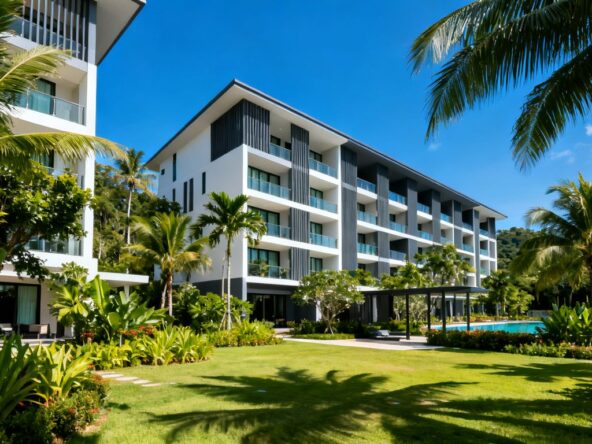


Thinking about buying a place in Phuket? It’s exciting, but there’s more to it than just the sticker price. You’ve got these things called maintenance fees, and understanding them is pretty important. They’re not just random charges; they actually cover a lot of the day-to-day running and upkeep of the place you’ll be living in. So, let’s break down what understanding maintenance fees Phuket really means for you as a property owner.
Key Takeaways
- Common area fees cover the regular costs of keeping shared spaces like pools, gardens, and lobbies clean and functional.
- Maintenance fees are for routine repairs and minor fixes to ensure everything runs smoothly day-to-day.
- Sinking funds are separate savings for big future expenses, like major structural repairs or replacing large equipment.
- Fees are usually calculated per square metre, but the actual cost can vary a lot depending on the development’s size, facilities, and management.
- Always clarify exactly what your fees include before buying to avoid surprises and understand the total cost of ownership.
Understanding Maintenance Fees Phuket: An Overview
Defining Common Area Fees
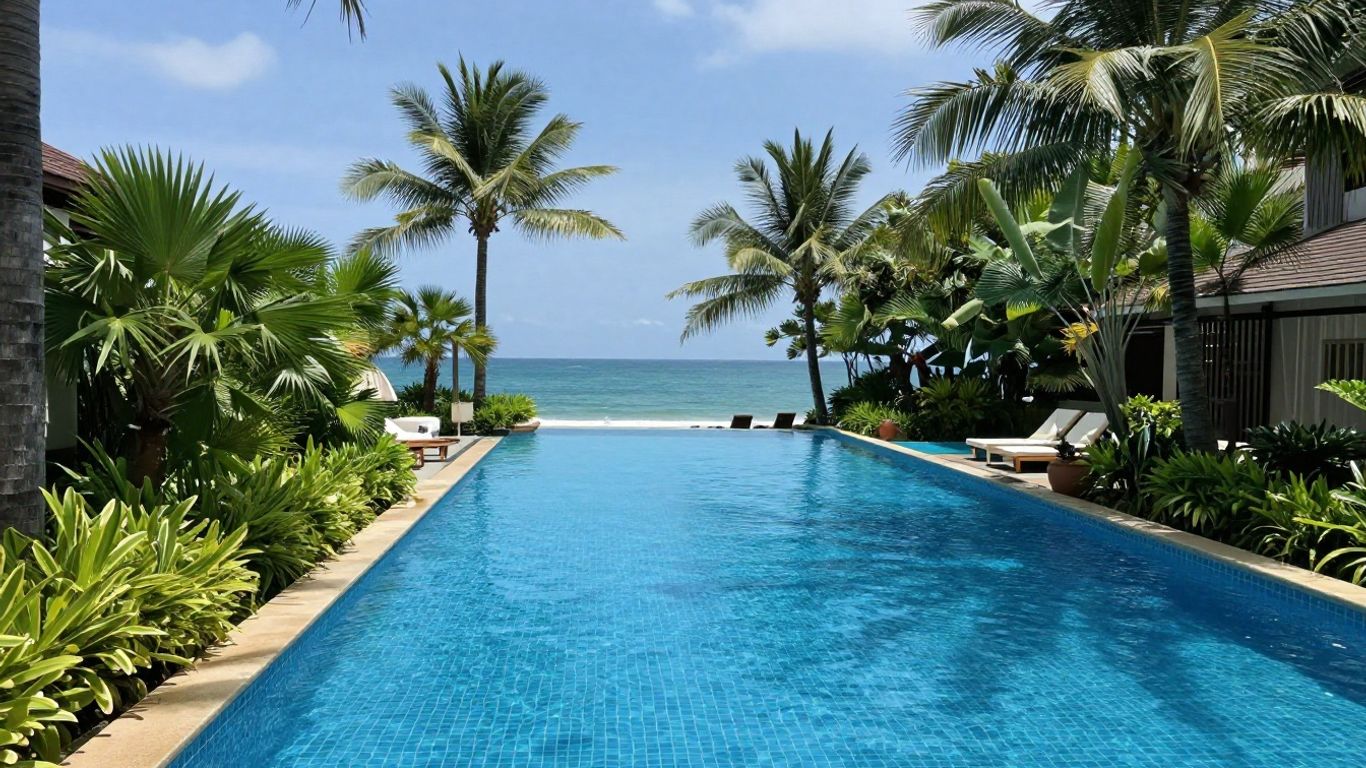
When you buy a property in Phuket, especially in a condominium or a managed estate, there’s more to the cost than just the purchase price. You’ll also have ongoing financial commitments. One of the main ones is what’s often called ‘common area fees’ or sometimes ‘maintenance fees’. These are regular payments made by all property owners to cover the costs of looking after the shared parts of the development. Think of it like a shared household budget for the entire complex. It’s not just about keeping things tidy; it’s about making sure the place stays safe, functional, and pleasant for everyone living there. These fees are a standard part of property ownership in many managed communities worldwide, and Phuket is no different.
The Purpose of Maintenance Fees
So, what’s the point of these fees? Well, they’re pretty vital for the smooth running of any managed property. They essentially fund the day-to-day operations and upkeep of all the facilities and areas that aren’t privately owned by individual unit holders. This includes things like the swimming pool, the gym, the gardens, the lobby, corridors, and any security services. Without these fees, these communal assets would quickly fall into disrepair, making the property less desirable and potentially unsafe. It’s all about preserving the value and quality of life for residents.
Sinking Funds Explained
Beyond the regular running costs, there’s another important financial aspect to consider: the sinking fund. This is a separate pot of money that developments set aside for larger, less frequent expenses. Unlike the monthly fees that cover routine cleaning and minor fixes, the sinking fund is specifically for those big-ticket items that are bound to come up over time. We’re talking about major structural repairs, replacing significant pieces of equipment like lifts or air conditioning systems for communal areas, or even substantial landscaping overhauls. It’s a way for the development to prepare financially for the future, avoiding sudden, large special assessments that could hit owners unexpectedly. It’s a proactive measure to keep the property in top condition for years to come.
What Common Area Fees Typically Cover
So, you’re looking at buying a place in Phuket and you keep seeing these ‘common area fees’. What exactly are you paying for? Well, these fees are basically the pot of money that keeps the shared parts of your development looking good and running smoothly. Think of it as pooling your resources to maintain everything you all share.
These fees are pretty standard across most condos and housing estates here. They’re not just for show; they cover the day-to-day running costs of the communal spaces. It’s all about making sure the place stays pleasant and functional for everyone.
Here’s a breakdown of what you can generally expect these fees to cover:
Security and Access Control
This is a big one for peace of mind. Your fees contribute to keeping the development secure. This usually means:
- Security Guards: Employing staff to patrol the grounds and monitor entrances.
- CCTV Systems: Maintaining and monitoring surveillance cameras around the property.
- Access Control: Managing gates, key card systems, and ensuring only residents and authorised visitors can enter.
Cleaning and Waste Management
Nobody wants to live in a messy place, right? These fees ensure the communal areas are kept tidy.
- Regular Cleaning: This includes sweeping and mopping lobbies, corridors, stairwells, and any common restrooms.
- Pool Maintenance: Keeping the swimming pool clean, balanced, and safe for use.
- Waste Collection: Organising the regular removal of rubbish from designated collection points.
Landscaping and Garden Upkeep
Phuket is known for its tropical beauty, and these fees help maintain it within your development.
- Gardening: Mowing lawns, trimming hedges, watering plants, and general garden tidiness.
- Tree Care: Ensuring trees are healthy and not posing a risk.
- Communal Area Aesthetics: Keeping pathways, courtyards, and other green spaces looking their best.
It’s important to remember that these fees are calculated based on the size of your property, usually on a per-square-metre basis. So, a larger unit will typically contribute more than a smaller one. This system helps to distribute the costs fairly across all owners according to their property’s footprint.
These are the core services that make up the bulk of common area fees. While the specifics can vary slightly from one development to another, these categories give you a solid idea of where your money is going to keep the shared aspects of your Phuket home in good order.
Services Included in Your Fees
So, you’ve bought a place in Phuket, and now there’s this monthly or annual fee to think about. What exactly is that money going towards? Well, it’s not just disappearing into thin air. These fees are designed to keep the wheels turning smoothly on the communal aspects of your development. They cover a range of services that benefit everyone living there, making your life a bit easier and the property more pleasant to live in.
Utilities for Communal Spaces
Think about all the lights in the hallways, the power for the lifts, and the pumps for the swimming pool. Someone’s got to pay for that electricity and water, right? Your fees contribute directly to keeping these shared utilities running. This means the common areas are lit, the lifts are operational, and the pool is ready for a dip without you having to worry about individual bills for these shared resources. It’s about maintaining the basic infrastructure that makes the development functional and comfortable for all residents.
Recreational Facility Maintenance
Phuket is known for its lifestyle, and many developments offer fantastic amenities like swimming pools, gyms, or even tennis courts. These aren’t just for show; they need regular care. Your fees go towards the upkeep of these recreational facilities. This includes everything from cleaning the pool and checking the water quality to servicing the gym equipment and ensuring the courts are in good condition. It’s all about making sure these leisure spots are safe, clean, and ready for you to enjoy whenever you fancy a bit of downtime. If you’re looking at luxury pool villas in Phuket, this upkeep is particularly important for maintaining that high-end feel Discover luxury pool villas in Phuket, Thailand.
Building Management and Administration
Behind the scenes, there’s a whole operation keeping things running. This is where building management and administration come in. Your fees help pay for the staff who handle the day-to-day running of the development. This could include receptionists, on-site managers, and administrative staff who deal with finances, organise maintenance schedules, and act as a point of contact for residents. They are the ones making sure everything is organised, compliant with regulations, and generally keeping the place ticking over smoothly. It’s a vital, though often unseen, part of maintaining a well-run property.
The Role of Maintenance Fees in Property Upkeep
So, you’ve bought a place in Phuket, and you’re wondering what these regular fees are actually for, beyond just keeping the place looking nice. Well, a big part of it is about keeping everything ticking over smoothly day-to-day. Think of it as the ongoing care package for your property.
Routine Repairs and Minor Fixes
This is where the bulk of the day-to-day upkeep happens. It covers all those little things that crop up and need sorting out to prevent them from becoming bigger headaches. We’re talking about fixing a leaky tap in a communal bathroom, replacing a broken lightbulb in a hallway, or patching up minor scuffs on walls in shared spaces. It’s the kind of work that stops small issues from escalating and keeps the property from looking neglected. Without this, you’d quickly see wear and tear become quite obvious.
Equipment Servicing and Checks
Properties, especially larger developments, have a lot of equipment that needs regular attention. This section of the fees covers the scheduled maintenance for things like lifts, communal air conditioning systems, water pumps, and any other machinery that keeps the place running. It’s not just about fixing things when they break, but about proactive servicing to make sure they’re working efficiently and safely. Regular checks can catch potential problems early, saving you from costly emergency repairs down the line.
Pest Control Measures
Living in a tropical climate like Phuket means dealing with insects and other pests is a reality. Maintenance fees often include regular pest control treatments for common areas. This isn’t just about keeping things tidy; it’s about maintaining a healthy and comfortable living environment for everyone. Regular treatments help prevent infestations in shared spaces like lobbies, gardens, and refuse areas, which is important for hygiene and general well-being.
These ongoing maintenance activities are vital for preserving the property’s condition and functionality. They address immediate needs and prevent future, more significant problems, ultimately protecting your investment and ensuring a pleasant living experience for all residents.
Sinking Funds: Preparing for Future Expenses
Right, so we’ve talked about the day-to-day costs, but what about the big stuff? That’s where sinking funds come in. Think of it as a savings pot for the future, specifically for those major, unavoidable expenses that pop up every so often. It’s not about fixing a leaky tap; it’s about saving for when the whole roof needs replacing or the lift finally gives up the ghost.
Major Structural Repairs
This is for the really big jobs. We’re talking about things like repainting the entire building exterior, fixing significant issues with the foundations, or replacing a worn-out roof. These aren’t cheap, and they certainly can’t be covered by your regular monthly fees. A sinking fund means the money is there when these jobs need doing, so the building doesn’t start to look a bit sad and neglected.
Significant Equipment Replacements
Buildings have lots of machinery, don’t they? Lifts, big air conditioning systems for communal areas, maybe even water pumps. These things don’t last forever. When they reach the end of their lifespan, they need replacing, and that’s a hefty cost. The sinking fund is there to make sure these essential pieces of equipment can be swapped out without causing a financial crisis for the residents.
Emergency Fund Allocations
Sometimes, things go wrong unexpectedly. A storm could cause damage, or a major pipe might burst. While some minor emergencies might be covered by the regular maintenance budget, larger, unforeseen events need a bigger pot of money. The sinking fund acts as a safety net, providing funds for these unplanned but necessary repairs, so the property remains safe and functional.
It’s really important to know that sinking funds are often a one-off payment when you first buy your property. It’s usually calculated based on the size of your unit or a percentage of its value. This initial contribution helps build up the fund for future needs, meaning you’re not hit with massive bills later on.
Here’s a quick look at what sinking funds are typically used for:
- Major structural work (e.g., roof, facade)
- Replacement of large communal equipment (e.g., lifts, HVAC)
- Unexpected, significant repair costs
It’s a bit like putting money aside for a rainy day, but for your building. This proactive approach helps maintain the property’s value and ensures a better living experience for everyone.
Calculating Your Phuket Maintenance Fees
So, you’re looking at buying a place in Phuket and wondering how these maintenance fees actually work? It’s not just a random number plucked out of the air, thankfully. Most of the time, these fees are calculated based on the size of your property.
The Per-Square-Metre Calculation Method
This is the most common way things are done here. Basically, the management company figures out the total cost of running the development for a year – think security, cleaning, pool maintenance, gardening, all that jazz. Then, they divide that total cost by the total square meterage of all the units combined. This gives them a rate per square metre. Your personal fee is then simply your unit’s square meterage multiplied by this rate.
For example, if the development’s annual running costs are 10,000,000 THB and the total area of all units is 1,000,000 square metres, the rate is 10 THB per square metre. If you own a 70 square metre apartment, your monthly fee would be 70 m² * 10 THB/m² = 700 THB. It’s pretty straightforward once you break it down.
Factors Influencing Fee Rates
While the per-square-metre method is standard, the actual rate can swing quite a bit. What makes it go up or down?
- Facilities: A development with a gym, multiple pools, a spa, and a restaurant will naturally cost more to maintain than one with just basic security and a small garden.
- Services: The level of security (24/7 guards, CCTV, access control), cleaning frequency, and landscaping quality all play a part.
- Age of the Building: Older buildings might need more frequent repairs, which can push up maintenance costs.
- Management Company: Some management companies are more efficient or offer a higher level of service, which can be reflected in their fees.
Typical Cost Ranges in Thailand
It’s tough to give exact figures because every development is different, but as a general guide, you’re often looking at somewhere between 30 to 80 THB per square metre per month for condominiums. Villa projects might have slightly different structures, sometimes lower per square metre but potentially with other charges. It’s always best to ask for a detailed breakdown for the specific property you’re interested in.
Always clarify what’s included in the fee before you sign anything. Sometimes, what seems like a low fee might mean fewer services, or that certain things are covered by a separate sinking fund, which is a different beast altogether.
Distinguishing Between Fee Types
When you’re looking at property in Phuket, you’ll hear a few terms thrown around that sound similar but actually mean different things. It’s easy to get them mixed up, but understanding the difference between common area fees, maintenance fees, and sinking funds is pretty important for knowing what you’re actually paying for and what to expect down the line.
Common Area Fees vs. Maintenance Fees
Honestly, in many places, these two terms are used pretty much interchangeably. Think of them as two sides of the same coin. Common area fees are the regular payments, usually monthly or annually, that cover the day-to-day running costs of the shared parts of your development. This includes things like keeping the pool clean, the gardens tidy, paying for electricity in the hallways, and employing security staff. Essentially, common area fees are what keep the place looking good and functioning smoothly on a daily basis.
Maintenance fees, in a stricter sense, might focus more on the actual upkeep and minor repairs needed to keep those common areas in good nick. So, if a lightbulb needs replacing in the lobby or a tile comes loose by the pool, that’s often covered under the maintenance aspect, which is usually bundled within the broader common area fee.
Maintenance Fees vs. Sinking Funds
This is where the distinction gets a bit more significant. While common area or maintenance fees cover the ongoing operational costs and minor fixes, sinking funds are all about the future. A sinking fund is a pot of money that the development collects over time specifically for those big, unexpected, or long-term expenses that aren’t part of the regular budget.
Think of it like this:
- Maintenance Fees: Paying for the regular servicing of your car – oil changes, tyre rotations.
- Sinking Funds: Saving up for a new engine or a major body repair when the car gets older.
These major expenses could include things like:
- Repainting the entire building exterior.
- Replacing the roof.
- Major upgrades to the swimming pool filtration system.
- Structural repairs after a storm.
Often, a contribution to the sinking fund is a one-off payment when you first buy a property, or it might be a smaller, periodic charge added to your regular fees. It’s a way for the development to prepare financially so that when a big job needs doing, there’s money available without hitting owners with a massive, unexpected bill.
It’s really worth asking for a breakdown of where your money is going. Some developments are very transparent about their fee structures, while others can be a bit vague. Knowing if your fees include contributions to a sinking fund, and how much that contribution is, can save you a lot of financial surprises later on.
Why Fees Vary Across Developments
It’s not uncommon to find that two apartment blocks, even if they look similar and are priced similarly, can have quite different monthly fees. This isn’t just random; there are solid reasons behind these differences.
Scale and Unit Density
Think about it: a massive complex with hundreds of apartments means the costs for things like security, cleaning the common areas, and maintaining the pool are spread across a lot more people. This usually leads to lower individual fees. On the flip side, a smaller, more exclusive development with only a handful of units will likely have higher fees because each owner has to cover a larger portion of the overall expenses. It’s simple maths, really.
Quality and Range of Facilities
The more amenities a development offers, the more it costs to keep them all in tip-top shape. A place with just a basic garden and a small lobby will naturally have lower fees than one boasting multiple swimming pools, a fully equipped gym, a spa, a co-working space, and perhaps even a shuttle bus service. The upkeep for all these extras adds up, and that cost gets passed on to the residents.
Management Approach and Age of Building
How the development is managed also plays a big part. Some use in-house teams, while others hire external property management companies, which can have different cost structures. Plus, older buildings might require more frequent or extensive repairs and maintenance, especially in a climate like Phuket’s with its humidity and rain. This can lead to higher fees over time as the building ages and needs more attention to keep it looking good and functioning well.
The Value of Well-Maintained Properties
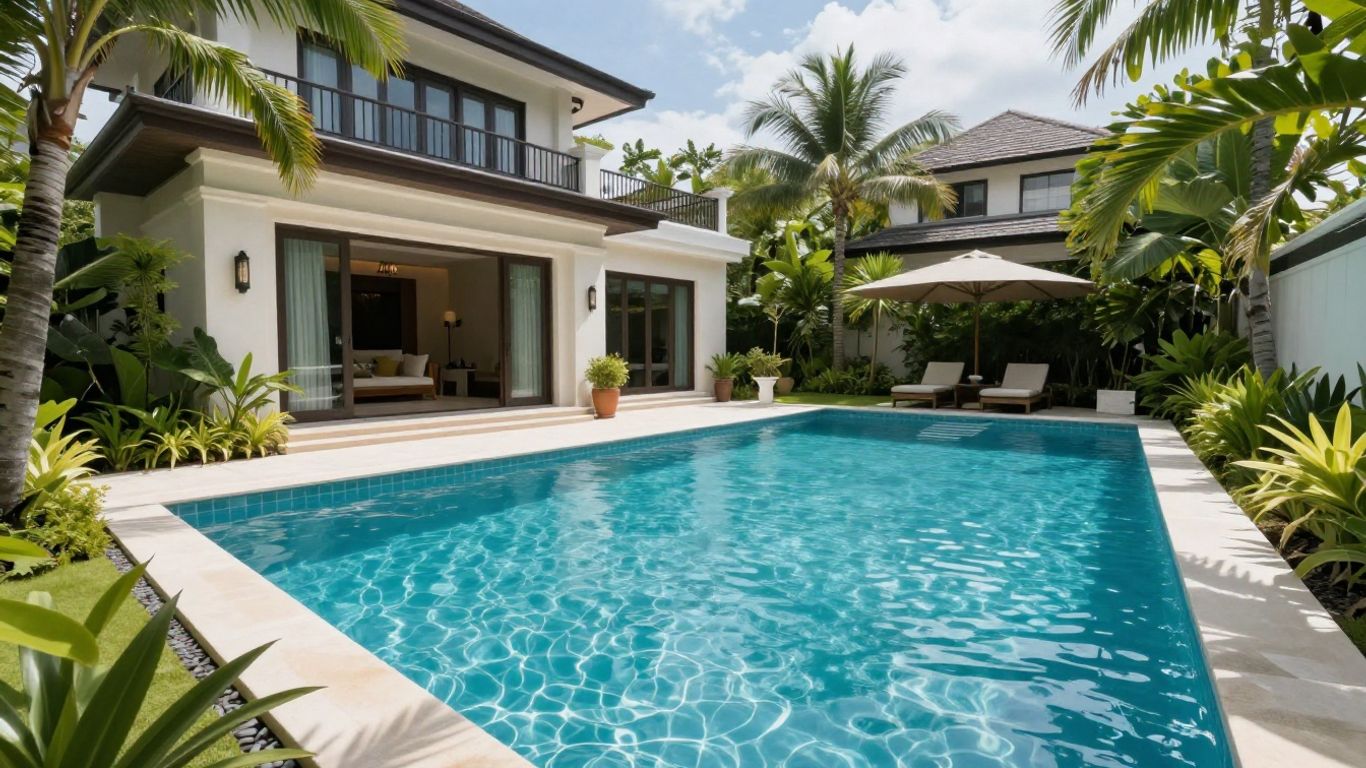
It might seem like just another expense, but paying your maintenance fees regularly really does make a difference to your property, and not just in the short term. Think of it like looking after a car; a bit of regular upkeep stops small issues from turning into big, expensive problems down the line. Properties in Phuket, with its tropical climate, can face unique challenges, from humidity affecting paintwork to heavy rains testing drainage systems. When a development is well-managed and fees are used effectively, these issues are tackled before they become major headaches.
Impact on Property Value
A well-kept property is almost always worth more. It’s that simple. When potential buyers are looking around, they see a place that’s been cared for, and that translates directly into confidence. A development that looks tired or neglected, even if the individual units are fine, can really put people off. It suggests a lack of investment from the management and potentially future problems. In contrast, a place that’s clean, with tidy gardens and functioning facilities, signals quality and stability. This can make a significant difference when it comes time to sell, potentially fetching a higher price than a comparable but less maintained property.
Long-Term Appeal to Buyers
Properties that are part of a well-managed community tend to hold their appeal for much longer. Buyers aren’t just purchasing a flat or a villa; they’re buying into a lifestyle and a community. If the communal areas – the pool, the gym, the gardens, the lobby – are always in good condition, it makes the development attractive to a wider range of people, from holidaymakers to long-term residents. This consistent appeal means your property is more likely to be in demand, even years after it was first built. It’s about maintaining that ‘wow’ factor that attracted people in the first place.
Ensuring a Pleasant Living Environment
Ultimately, the fees contribute to making your home a nice place to live. This covers everything from ensuring the swimming pool is clean and safe to keeping the common hallways well-lit and free of clutter. It also includes things like regular pest control, which is pretty important in a tropical setting, and making sure the lifts are always working. When these day-to-day aspects are handled smoothly, it just makes life easier and more enjoyable for everyone living there. It means you can relax and enjoy your property without worrying about minor annoyances or potential hazards.
Here’s a quick look at what contributes to that pleasant environment:
- Cleanliness: Regular cleaning of all common areas, including lobbies, corridors, and pool decks.
- Safety: Functional security systems, well-maintained lighting, and clear pathways.
- Comfort: Properly functioning amenities like swimming pools and gyms, and effective pest management.
- Aesthetics: Tidy landscaping, well-kept building exteriors, and general upkeep of shared spaces.
Paying maintenance fees isn’t just about covering costs; it’s an investment in the longevity and desirability of your property. It ensures that the development remains a pleasant and valuable place to live, protecting your asset over the years.
Key Considerations Before Purchasing
So, you’re thinking about buying a place in Phuket? That’s exciting! But before you sign on the dotted line, there are a few things about those ongoing fees that you really need to get sorted. It’s not just about the sticker price, you know. These fees can add up, and understanding exactly what you’re paying for is super important for your budget and for keeping your new home looking its best.
Clarifying Fee Inclusions
First off, you’ve got to be crystal clear on what’s actually covered by your maintenance fees. Don’t just assume. Ask for a detailed breakdown. Does it cover the pool cleaning, the garden staff, security patrols, and the electricity for the common areas? Sometimes, things like pest control or even minor repairs might be extra. It’s vital to get this in writing. You don’t want any nasty surprises down the line when you realise that the beautiful communal gardens you fell in love with aren’t included in the monthly bill.
Here’s a quick checklist of things to ask about:
- Security services (guards, CCTV, access control)
- Cleaning of common areas (lobbies, corridors, pool decks)
- Landscaping and garden maintenance
- Utilities for shared spaces (pool pumps, lighting)
- Waste collection
- Management office running costs
Understanding Management Responsibilities
Who’s actually in charge of managing the property and collecting these fees? Is it the developer, a dedicated management company, or a resident’s committee? Knowing this helps you understand who to contact if something goes wrong or if you have questions about the finances. A well-run development usually has a clear management structure. For example, if you’re looking at a property like this 3-bedroom pool villa in Layan, you’d want to know who is overseeing its upkeep.
Assessing Fee Stability Over Time
Have the fees been pretty consistent, or have they jumped up significantly year after year? A steady, predictable fee structure is generally a good sign. Big, sudden increases might suggest poor financial planning or unexpected major issues. It’s worth asking about the history of fee changes. This can give you a good idea of how well the property is managed and whether they’re anticipating any large, unbudgeted expenses in the near future. Remember, these fees are a big part of the long-term cost of owning property here.
Thinking about buying a property? It’s a big step, and there are a few things you should consider first. Making sure you have all the facts will help you find the perfect place. For expert advice and to explore your options, visit our website today!
Wrapping Up: What to Remember About Phuket Maintenance Fees
So, when you’re looking at property in Phuket, remember these fees aren’t just an extra cost; they’re what keep the place looking good and running smoothly. Whether it’s the everyday cleaning and security covered by common area fees, the regular fixes from maintenance fees, or saving up for big jobs with sinking funds, it all adds up to protecting your investment. It might seem like a lot to think about, but understanding these costs upfront means you won’t get any nasty surprises down the line. Plus, a well-maintained building usually holds its value better, which is always a good thing.
Frequently Asked Questions
What exactly are maintenance fees in Phuket properties?
Think of maintenance fees as your contribution to keeping the shared parts of your property looking good and working properly. These fees cover things like cleaning the hallways, looking after the swimming pool, and making sure the gardens are tidy. It’s basically paying for the upkeep of all the bits you share with other owners, like the lobby, gym, and lifts.
Are ‘common area fees’ and ‘maintenance fees’ the same thing?
Yes, generally they are. People often use these terms interchangeably. They both refer to the regular payments you make to cover the costs of maintaining and operating the communal spaces and facilities within a condo or housing development.
What kind of services do these fees usually pay for?
These fees typically cover a range of services to keep things running smoothly. This includes security patrols or systems, regular cleaning of shared areas, gardening and landscaping, and sometimes even the electricity and water used in communal spaces like the pool area or gym. They also often cover minor repairs to these shared facilities.
What is a ‘sinking fund’ and how is it different from maintenance fees?
A sinking fund is a separate pot of money saved up for bigger, more expensive jobs that aren’t part of the regular upkeep. Imagine needing to replace the entire roof or upgrade the main air conditioning system – that’s what a sinking fund is for. Maintenance fees are for day-to-day running costs, while sinking funds are for major future expenses.
How are these fees calculated for a property in Phuket?
Most of the time, the fees are worked out based on the size of your property. You’ll usually pay a certain amount per square metre. So, a larger apartment or house will have higher fees than a smaller one, as the costs are shared according to how much space you own.
Why do fees vary so much between different developments?
The cost can differ a lot depending on the development. If a place has lots of fancy facilities like multiple pools, a spa, or a high-end gym, the fees will likely be higher to pay for their upkeep. Also, bigger developments with many owners might have lower fees because the costs are spread out more widely.
Is paying these fees worth it for property owners?
Absolutely. Paying these fees helps ensure your property is well-maintained, which keeps it looking attractive and can significantly boost its value over time. A well-kept building is also more pleasant to live in and generally easier to sell later on, especially in a competitive market like Phuket.
What should I check before buying a property regarding these fees?
It’s really important to ask exactly what the fees include. Get a clear breakdown of the services covered and understand who is responsible for managing the property. Also, try to find out if the fees have been stable over the years or if they’ve gone up a lot, as this can tell you something about how well the management is doing its job.