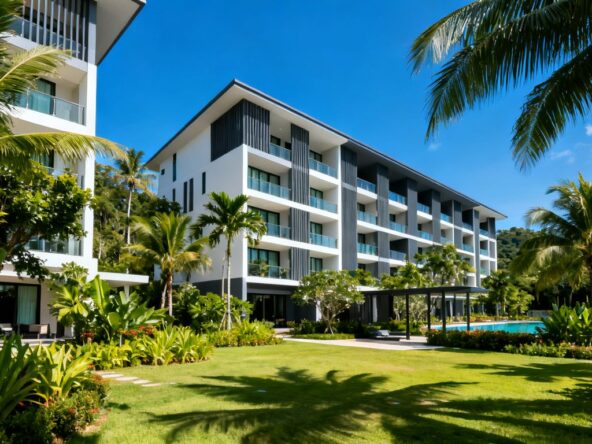


Thinking about getting a villa in Phuket? It’s a dream for many, but like anything big, there’s more to it than just the pretty pictures. We’re talking about actually living there, or even just owning it from afar. So, what does maintaining a villa in Phuket really involve? It’s not just about the initial purchase; there are ongoing costs, legal bits, and practical stuff to sort out. Let’s break down what you need to know to keep your slice of paradise in good shape.
Key Takeaways
- Budgeting for ongoing costs like utilities, services, and insurance is vital for maintaining a villa in Phuket.
- Understand foreign ownership rules and get legal advice to avoid issues with title deeds and land.
- Property management services can handle upkeep, cleaning, and repairs, especially if you’re not there full-time.
- Factor in extra costs beyond the purchase price, such as taxes, legal fees, and furnishing.
- Regular maintenance and security measures are important for protecting your investment and keeping the villa in good condition.
Understanding Ongoing Villa Expenses
So, you’ve found your dream villa in Phuket. That’s fantastic! But before you start picturing yourself by the pool, let’s talk about what happens after you sign on the dotted line. Owning a property, especially a luxury one, means there are always ongoing costs to keep in mind. It’s not just about the purchase price; these regular expenses are what keep your slice of paradise looking its best and functioning smoothly.
Annual Property Value Percentage
While Thailand doesn’t have a direct annual property tax based on market value like some countries, it’s wise to budget for potential future changes or local impositions. Some developments might also have a small annual fee tied to the property’s value for upkeep of common areas. It’s a good idea to ask your agent or developer for specifics on any such charges. Think of it as a small percentage set aside for the overall good of the community or development.
Budgeting for Utilities and Services
This is where the day-to-day costs really add up. You’ll have your usual suspects: electricity, water, and internet. Phuket can get hot, so air conditioning is a must, and that does use a fair bit of power. Water bills are generally reasonable, but it’s worth checking if your villa has its own well or is connected to the municipal supply. Then there’s waste collection and potentially gardening services if you’ve got a lush plot. For a villa with a private pool, you’ll also need to factor in regular pool maintenance chemicals and cleaning.
Here’s a rough idea of what you might expect monthly:
| Service | Estimated Cost (THB) | Notes |
|---|---|---|
| Electricity | 5,000 – 15,000+ | Varies greatly with AC usage |
| Water | 500 – 1,500 | Depends on usage and supply source |
| Internet/Wi-Fi | 1,000 – 2,000 | Packages vary by speed and provider |
| Pool Maintenance | 2,000 – 4,000 | Includes chemicals and cleaning |
| Waste Collection | 300 – 800 | Often included in development fees |
Insurance Premiums and Coverage
Protecting your investment is key. You’ll want to look into building insurance to cover the structure itself against fire, storms, and other potential damage. Contents insurance is also a good idea for your furniture and personal belongings. If you plan to rent out your villa, you’ll definitely need specific landlord insurance, which often includes cover for accidental damage by tenants and loss of rental income. Getting quotes from a few different providers is always recommended to find the best coverage for your needs and budget. Don’t skimp here; it’s peace of mind you’re buying.
It’s easy to get caught up in the excitement of buying a villa, but overlooking these ongoing expenses can lead to financial surprises down the line. A good rule of thumb is to add about 1-2% of the property’s purchase price annually to your budget for all these running costs. This buffer helps manage unexpected repairs and keeps your villa in top condition, which is especially important if you’re considering it as an investment property, like this 4-bedroom villa for rent.
Remember, these figures are estimates. Actual costs can vary based on the size of your villa, your usage habits, the specific development you’re in, and the providers you choose. Always ask for detailed breakdowns from your agent or the developer before making a final decision.
Essential Legal and Financial Due Diligence
Buying a villa in Phuket, especially as a foreigner, involves more than just picking a nice spot. You’ve got to get the paperwork sorted, and that’s where the legal and financial checks come in. It’s not the most exciting part, but it’s really important to avoid any nasty surprises down the line.
Navigating Foreign Ownership Regulations
Thailand has specific rules about who can own property and how. For foreigners, the most common ways to own a villa are through a leasehold agreement or by setting up a Thai company to hold the title. Each has its own set of rules and implications, so it’s vital to understand these before you commit. Getting this wrong can lead to serious complications, so don’t skip this step.
Understanding Title Deeds and Encumbrances
When you’re looking at a property, you’ll want to see the title deed, often called a ‘Chanote’. This is the official document proving ownership. Your lawyer will check that it’s genuine and that there are no hidden issues, like outstanding debts or legal claims against the property – these are known as encumbrances. It’s a bit like checking someone’s credit history before lending them money, but for property.
Here’s a quick look at what your lawyer will be checking:
- Title Deed Authenticity: Is the document real and does it match the land registry records?
- Ownership Verification: Does the seller actually have the right to sell the property?
- Encumbrances: Are there any mortgages, liens, or other legal claims on the property?
- Boundary Checks: Does the property match the official survey maps?
Consulting with Real Estate Lawyers
Honestly, trying to sort out all the legal bits yourself is a bad idea. You really need a good local lawyer who knows Thai property law inside out. They’ll go through all the contracts with a fine-tooth comb, explain what everything means in plain English, and make sure your interests are protected. Think of them as your guide through the legal maze. They’ll also help with the actual transfer of ownership at the Land Office, which can be a bit of a bureaucratic process.
The costs associated with legal advice and due diligence are an investment, not just an expense. They are designed to protect your significant financial outlay and prevent future disputes or loss of property.
Property Management and Maintenance Services
So, you’ve got your dream villa in Phuket, fantastic! But now comes the part that often gets overlooked: keeping it in tip-top shape. Whether you’re living there full-time or just visiting occasionally, looking after your property is a big deal. Regular upkeep isn’t just about aesthetics; it’s about protecting your investment.
Hiring a Full-Time Management Company
If you’re not going to be around much, or if you just prefer to have things handled by professionals, a management company is probably your best bet. These companies can take care of pretty much everything. Think of them as your villa’s personal assistant. They’ll handle everything from finding tenants if you plan to rent it out, to arranging repairs, paying bills, and generally keeping an eye on things. It’s a weight off your shoulders, for sure. They often have a good network of local tradespeople too, so you know you’re getting reliable service.
- Tenant Sourcing & Management: Finding reliable renters and handling contracts.
- Financial Administration: Collecting rent, paying bills, and providing statements.
- Property Inspections: Regular checks to spot any issues before they become major problems.
- Maintenance Coordination: Arranging for cleaning, gardening, pool care, and repairs.
Choosing the right management company is key. Do your homework, ask for references, and make sure their services align with your needs and budget. A good company can make owning a villa abroad a real pleasure.
On-Site Development Maintenance Options
Some newer developments, especially those with a collection of villas, might offer their own on-site maintenance services. This can be a convenient option, as the team is already familiar with the development’s infrastructure and common areas. They might handle things like landscaping for shared spaces, security, and sometimes even individual villa upkeep for an extra fee. It’s worth checking what’s included when you buy, as it can simplify things considerably. For example, some places offer exclusive 3-4 bedroom private pool villas near Blue Tree, Phuket, with these kinds of integrated services near Blue Tree.
Ensuring Regular Cleaning and Repairs
No matter who is managing your villa, consistent cleaning and prompt repairs are non-negotiable. Dust, humidity, and the general tropical climate can take their toll. Regular cleaning prevents mould and keeps the villa fresh, while addressing small issues like a leaky tap or a flickering light immediately stops them from turning into costly problems. It’s about preventative care, really. You don’t want to come back to find a small problem has become a big, expensive headache.
- Deep Cleaning: Scheduled deep cleans to tackle hidden grime.
- Pest Control: Regular treatments to keep unwelcome critters at bay.
- Appliance Servicing: Checking and maintaining air conditioning units, refrigerators, etc.
- Structural Checks: Looking for any signs of wear and tear on the building itself.
Factors Influencing Property Value
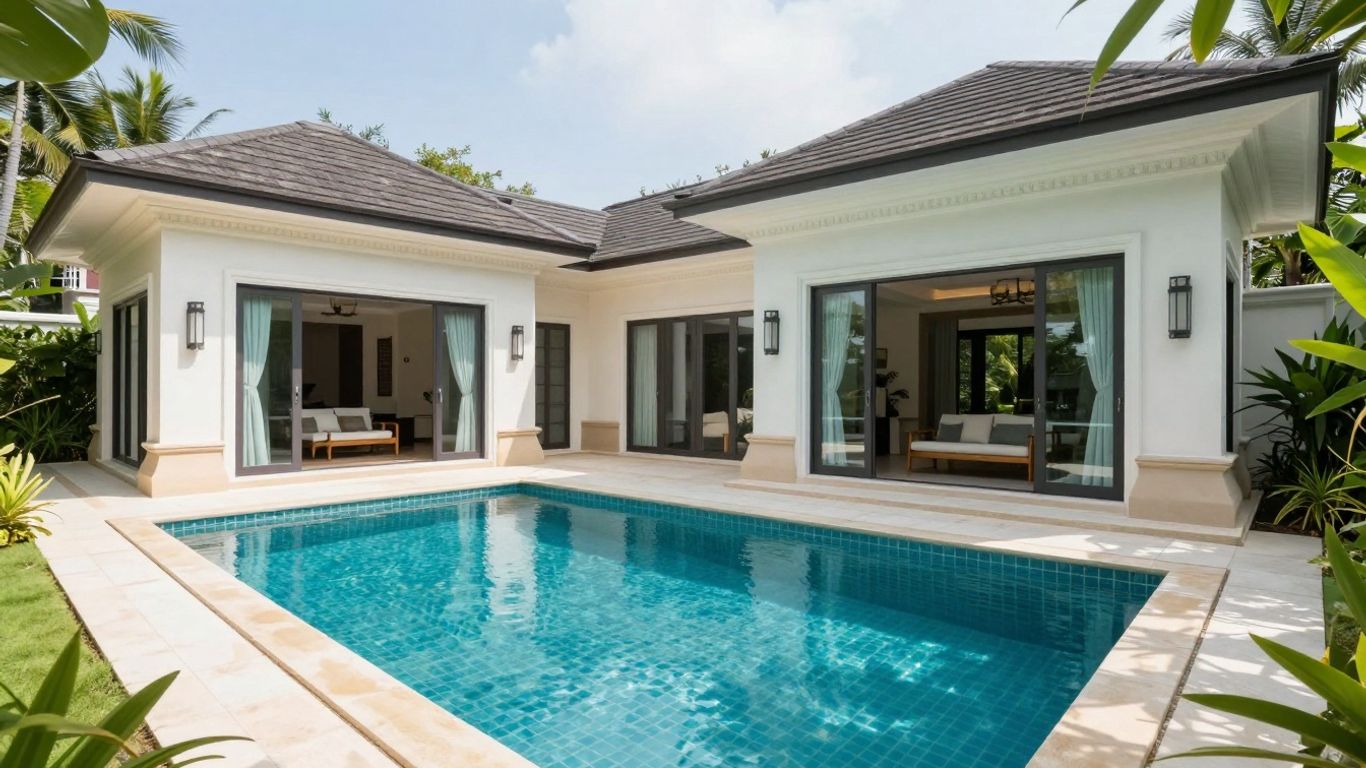
So, you’re thinking about buying a villa in Phuket, eh? It’s a big step, and naturally, you’ll want to know what makes one place worth more than another. It’s not just about the bricks and mortar, is it? Several things really bump up the price tag, and understanding these can help you make a smarter choice.
Proximity to Beaches and Amenities
Location, location, location – you hear it all the time, and it’s absolutely true here. Villas that are just a short stroll from the sandy shores or close to buzzing town centres with shops, restaurants, and nightlife tend to fetch a higher price. People come to Phuket for the lifestyle, and being right in the thick of it, or just a stone’s throw away, is a big draw. Think about it: waking up and being able to grab a coffee or head to the beach without a long taxi ride? That convenience is gold.
- Beachfront properties often command the highest premiums due to their direct access and stunning views.
- Villas near popular areas like Bang Tao, Surin, or Kata benefit from existing infrastructure and tourist appeal.
- Easy access to international schools, hospitals, and quality shopping centres also adds significant value, especially for those planning longer stays.
Vistas and Exclusivity Considerations
Beyond just being near the beach, what you can see from your villa makes a massive difference. A sweeping sea view from your balcony or infinity pool? That’s a serious selling point. Similarly, properties tucked away in quiet, private spots, perhaps on a hillside with panoramic views, can be very desirable. It’s about that feeling of escape and having something special that not everyone else has. Gated communities with security and a sense of privacy also fall into this category – people pay for peace of mind and exclusivity.
- Panoramic sea views are a major value driver.
- Hillside locations offering expansive vistas can be highly sought after.
- Properties within secure, private estates often appeal to buyers seeking tranquillity and safety.
Overall Condition and Unique Features
Of course, the actual state of the villa matters a lot. A property that’s been meticulously maintained, perhaps recently renovated with modern fittings and a stylish design, will naturally be worth more than one that needs a bit of TLC. Think about the quality of the build, the materials used, and any special touches. Does it have a fantastic outdoor entertaining area? A private pool that’s in great shape? Maybe some interesting architectural details? These unique features can really set a property apart and justify a higher price point. A well-maintained villa with modern amenities and a distinctive character is always a strong contender in the market.
The condition of a property is a direct reflection of its upkeep. Regular maintenance not only preserves the aesthetic appeal but also safeguards the structural integrity, preventing costly repairs down the line. Buyers are often willing to pay more for a property that looks and feels move-in ready, minimising their immediate post-purchase expenses and hassle.
| Feature Category | High Value Indicators | Moderate Value Indicators | Lower Value Indicators |
|---|---|---|---|
| Views | Unobstructed Sea View, Panoramic Island Vista | Partial Sea View, Garden View | Internal Courtyard, Street View |
| Condition | Recently Renovated, High-Quality Finishes | Good General Condition, Standard Finishes | Needs Renovation, Outdated Fixtures |
| Amenities | Private Infinity Pool, Smart Home Tech, High-End Appliances | Private Pool, Air Conditioning, Modern Kitchen | Shared Pool Access, Basic Appliances, Older Fixtures |
Budgeting Beyond the Purchase Price
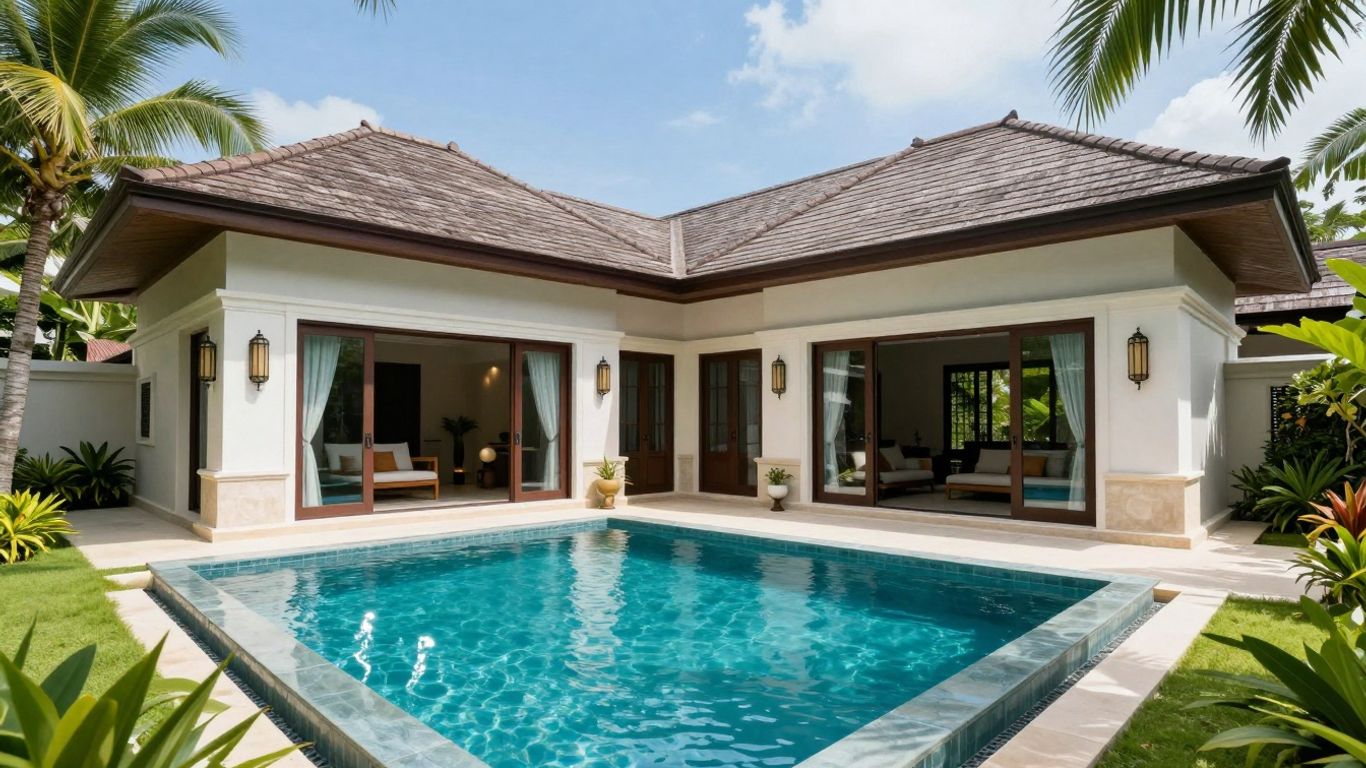
So, you’ve found your dream villa in Phuket, and the purchase price is agreed upon. That’s fantastic! But hold on a minute, because the sticker price isn’t the whole story. There are quite a few other costs that pop up before you even get the keys, and then there are the ongoing ones too. It’s easy to get caught out if you haven’t factored these in.
Transfer Taxes and Registration Fees
When you officially take ownership, there are government fees to pay. Think of these as the official stamp that says ‘this villa is now yours’. The main ones are transfer fees, which are usually a percentage of the property’s registered value. It’s often split between buyer and seller, but it’s worth clarifying this early on. Then there’s stamp duty, another small percentage. These might seem minor individually, but they add up, especially on higher-value properties.
Here’s a rough idea of what to expect:
| Fee Type | Typical Percentage | Notes |
|---|---|---|
| Transfer Fee | 2% | Often split between buyer and seller |
| Stamp Duty | 0.5% | Based on registered property value |
| Withholding Tax (Non-Residents) | 1% | May apply to non-Thai residents |
Legal Expenses and Contract Drafting
You’ll definitely want a good lawyer on your side. They’re the ones who’ll pore over all the paperwork, make sure the title deeds are clean, and draft the purchase agreement. This isn’t cheap, but it’s money well spent to avoid future headaches. The cost can vary a lot depending on how complex the deal is, but budget for a few thousand pounds, maybe more if there are tricky ownership structures involved.
Your lawyer will typically handle:
- Due Diligence: Checking all the legal documents and property history.
- Contract Drafting: Creating the purchase agreement that protects your interests.
- Registration: Finalising the ownership transfer at the Land Department.
- Advice: Guiding you through any foreign ownership rules.
It’s really important to get a clear quote from your lawyer upfront. Ask them exactly what’s included in their fee and if there are any potential extras you should be aware of. Don’t be shy about asking questions; it’s your money and your investment!
Furnishing and Potential Renovation Costs
Unless you’re buying a fully furnished villa that’s exactly to your taste, you’ll need to factor in the cost of furniture, appliances, and decor. Even if it comes furnished, you might want to upgrade certain items or add your own personal touches. And what about those little extras? Maybe you want to add a built-in barbecue, upgrade the kitchen, or even just get some new curtains. It’s wise to set aside a separate budget for this, as it can easily run into tens of thousands of pounds, depending on the size of the villa and the quality of the furnishings you choose. Don’t forget things like air conditioning servicing, pool maintenance equipment, and garden landscaping too – these are often overlooked but add to the initial setup costs.
Securing Your Investment in Phuket
So, you’ve found your dream villa in Phuket. That’s fantastic! But owning a slice of paradise isn’t just about enjoying the sunshine; it’s also about making sure your investment stays safe and sound for years to come. It’s a bit like looking after a prized possession – you wouldn’t just leave it out in the elements, would you?
Implementing Robust Security Measures
First things first, let’s talk security. Phuket is generally a safe place, but it’s always wise to be proactive. Many of the more upscale villa developments come with built-in security, like gated entrances and 24-hour guards. If yours doesn’t, or if you’re in a more secluded spot, consider adding your own layers of protection. This could mean anything from good quality locks and window grilles to a modern alarm system or even CCTV cameras. Keeping your villa secure not only protects your belongings but also gives you peace of mind, whether you’re there or miles away. It’s also a big plus if you plan to rent the property out, as guests will feel much more comfortable knowing there are solid security measures in place. For those looking at properties, checking out the security features is a good idea when you’re researching local market trends.
Establishing Consistent Maintenance Routines
Regular upkeep is absolutely key to preserving your villa’s value and preventing small issues from becoming big headaches. Think of it as preventative care for your property. This means:
- Regular Inspections: Schedule routine checks of the roof, plumbing, electrical systems, and the pool. Catching a small leak early can save you a fortune in repairs.
- Pest Control: Tropical climates can attract unwanted critters. A regular pest control service is a sensible precaution.
- Gardening and Landscaping: Keeping the garden tidy not only looks good but also stops plants from overgrowing and potentially damaging structures.
- Cleaning: Consistent cleaning, especially if the villa is unoccupied for periods, prevents dust build-up and keeps everything fresh.
If you’re not living there full-time, a good property management company can handle all of this for you. They’ll have reliable teams for cleaning, repairs, and general upkeep, taking the worry off your shoulders.
Protecting Against Natural Disasters and Theft
While major natural disasters are infrequent, it’s worth being aware of the local climate. Heavy rains can occur, and ensuring your villa has good drainage is important. Your insurance policy should also cover potential damage from storms or flooding. When it comes to theft, as mentioned, good security is your first line of defence. Beyond that, keeping valuables secure and perhaps not advertising extended absences can also help. It’s also wise to have a good relationship with your neighbours or a local contact who can keep an eye on things. Having a solid insurance policy is a must; it’s your safety net against the unexpected, covering everything from minor damage to more significant issues. This is something you’ll want to discuss with your insurance provider to make sure you have adequate coverage for your specific property and location.
Choosing the Right Location
So, you’re thinking about buying a villa in Phuket. That’s exciting! But before you get swept up in infinity pools and ocean views, let’s talk about where you actually want to put down roots, or at least, where your investment will be.
Beachfront vs. Hillside Villa Advantages
This is a big one, and honestly, it comes down to what you’re after. Beachfront properties? They’re the dream for many, offering direct access to the sand and the sound of waves. Think morning strolls and sunset cocktails with the sea right there. However, they often come with a heftier price tag and can be more exposed to the elements. Hillside villas, on the other hand, usually provide stunning panoramic views of the ocean and the island. You get more privacy, often a bit more space, and potentially a more tranquil environment. Plus, the views from a hillside spot can be absolutely breathtaking, especially at sunrise and sunset. It’s a trade-off between immediate beach access and elevated vistas.
Proximity to Essential Services
Location, location, location, right? It’s not just about the beach. Think about what you’ll need day-to-day. Are you planning to live there full-time, or rent it out? If it’s for personal use, how far are you willing to travel for groceries, a good restaurant, or a decent hospital? For investors, proximity to popular tourist spots, transport links, and amenities like international schools or shopping centres can significantly impact rental demand and occupancy rates. A villa that’s a 30-minute drive from anything useful might be peaceful, but it could also be a tough sell for renters. It’s worth checking out areas like the West Coast, which is popular with tourists and has lots of amenities, or the South Coast for a slightly more expat-friendly vibe with good access to marine activities. The East Coast is generally quieter and more rural, which might appeal if you’re after a different pace of life.
Neighbourhood Lifestyle Appeal
Phuket isn’t just one big resort town; it’s got distinct areas, each with its own feel. Are you looking for the buzz of a lively beach town with plenty of nightlife and restaurants, like Patong or Kata? Or perhaps a more laid-back, family-friendly atmosphere in places like Kamala or Bang Tao? Maybe you prefer the quieter, more exclusive feel of areas further north or south. Consider what kind of lifestyle you envision for yourself or your potential renters. Some areas are known for luxury living, while others offer a more down-to-earth community feel. It’s a good idea to spend some time exploring different neighbourhoods before you commit. You might find that the place you thought you wanted isn’t quite the right fit once you experience it firsthand. For those looking at luxury options, places like Laguna Phuket offer a refined tropical living experience with access to golf courses and beaches, and Ocean Worldwide can help with bespoke villa projects in exclusive areas.
When choosing a location, think about the long game. What will make the property desirable in five, ten, or even twenty years? Consider not just current trends but also potential future developments and how they might impact the area. A well-chosen location is often the strongest factor in maintaining and increasing your property’s value over time.
Navigating the Purchase Process
So, you’ve found your dream villa in Phuket. Brilliant! But before you start picking out paint colours, there are a few important steps to get through. It’s not quite as simple as just handing over the cash, you know. There’s paperwork, legal bits, and making sure everything is above board. Let’s break down what you can expect.
Reservation Agreements and Deposits
Once you’ve settled on a property, the first official step is usually signing a reservation agreement. This is a short document that essentially takes the villa off the market for you while the main contract is being drawn up. You’ll typically need to pay a deposit at this stage to secure your interest. This deposit is often non-refundable, so make sure you’re absolutely certain about the property before signing on the dotted line. It’s usually around 10% of the purchase price, but this can vary. The money is often held in a special client account by the agent until the sale is finalised.
Purchase Agreements and Payment Schedules
This is the big one. The purchase agreement is a more detailed contract that outlines all the terms and conditions of the sale. It’s really important to have a solicitor look over this with a fine-tooth comb. They’ll check everything from the title deeds to any potential issues with the property. This agreement will also lay out the payment schedule. While a deposit is paid upfront, the rest of the money is usually paid in stages, often linked to construction milestones if it’s a new build, or as a final payment upon title transfer for resale properties.
Here’s a rough idea of what a payment schedule might look like:
| Stage | Percentage of Price | Notes |
|---|---|---|
| Reservation Deposit | 10% | Paid upon signing reservation agreement |
| Contract Signing | 20-30% | Paid upon signing purchase agreement |
| Construction Milestones | Varies | For off-plan properties |
| Final Payment | Remaining Balance | Paid upon title transfer at Land Office |
Title Transfer Procedures
This is the final hurdle where the property officially becomes yours. The title transfer usually takes place at the local Land Office. Your lawyer will handle most of the heavy lifting here, ensuring all the necessary documents are in order and that all taxes and fees are paid. You’ll need to be present, or have your lawyer act on your behalf with a power of attorney. They’ll verify the title deed, which is the most important document proving ownership, and make sure there are no hidden charges or claims against the property. It’s a big moment, and getting it right means your investment is properly secured.
It’s really worth taking your time with the purchase process. Rushing things can lead to overlooking important details, and in property, those details can cost you a lot of money and stress down the line. Always get professional advice, especially from a local lawyer who understands the intricacies of Thai property law.
Considering Long-Term Residency
So, you’ve found your dream villa in Phuket, but what if you’re thinking of sticking around for more than just a holiday? Making a long-term move to the island involves a few extra bits and pieces to sort out, beyond just the property itself. It’s not quite as simple as buying a house back home and just moving in.
Visa and Immigration Requirements
First things first, you’ll need to figure out your visa situation. Owning property in Thailand doesn’t automatically grant you the right to live there long-term. There are several visa routes available, depending on your circumstances. For those retired, a retirement visa might be an option if you meet the age and income requirements. Investors could look into an investment visa, which usually requires a significant financial commitment, often in property or Thai bonds. Then there’s the Elite Visa, which offers a longer stay, typically 20 years, in exchange for a membership fee and comes with some handy perks like airport assistance. It’s worth looking into the specifics of each to see what fits best for you. Staying informed about the latest immigration rules is key. You can find more details on official Thai government websites or by speaking with an immigration specialist.
Access to International Schools and Hospitals
If you’re planning a longer stay, especially with family, you’ll want to know about the local facilities. Phuket has a growing number of international schools offering various curricula, which can be a big draw for expat families. These schools often have good reputations and provide a familiar educational environment. Similarly, the island has several private hospitals and clinics that cater to international standards, offering a range of medical services. While these facilities are generally excellent, it’s wise to check their specific services and perhaps even visit them if possible. Having access to good healthcare and education can make a huge difference to your peace of mind when living abroad.
Integrating into the Local Community
Beyond the practicalities, settling into life in Phuket means getting to know the local scene. While many areas are geared towards tourists and expats, there’s a rich local culture to explore. Learning a few basic Thai phrases can go a long way in daily interactions. Engaging with local markets, festivals, and community events is a great way to feel more connected. Many villa developments also have their own communities, offering social events and a chance to meet neighbours. For those looking to rent out their property, understanding the local rental market is also important; expatriates often look for well-maintained properties for longer leases, which can provide a steady income stream. It’s about finding that balance between enjoying your villa and becoming part of the island’s fabric. You might find that areas like Bangjo offer a good mix of tranquility and accessibility to amenities, making them attractive for both residents and renters.
Understanding Market Dynamics
Researching Local Market Trends
Before you even think about putting an offer on a villa, it’s a really good idea to get a feel for what’s happening in the Phuket property market. It’s not just about looking at pretty pictures online; you need to understand the actual numbers. Are prices generally going up, down, or staying pretty steady? What areas are seeing the most interest? This kind of research helps you figure out if you’re getting a fair deal and if your investment is likely to grow over time. Think of it like checking the weather before a big trip – you want to be prepared.
Identifying Reputable Developers
If you’re looking at new builds or off-plan properties, who you buy from matters a lot. You don’t want to end up with a developer who cuts corners or disappears halfway through construction. Look for companies with a solid track record. Check out their past projects, see if they have good reviews, and maybe even talk to people who have bought from them before. A reputable developer usually means a better quality build and fewer headaches down the line. It’s worth spending a bit of extra time here to save yourself a lot of potential trouble.
Evaluating Rental Demand and Occupancy Rates
Many people buy villas in Phuket with the idea of renting them out when they’re not using them. If that’s part of your plan, you absolutely need to look into how much demand there is for rentals in the area you’re interested in. Are villas like yours being snapped up quickly? What are the typical rental rates? High occupancy rates mean more income for you. It’s also good to know if the demand is seasonal or steady throughout the year. This information is key to working out the potential return on your investment.
Here’s a quick look at what influences rental demand:
- Proximity to attractions: How close is the villa to popular beaches, restaurants, and activities?
- Property type and size: Are there many families looking for larger villas, or is it more couples seeking smaller spaces?
- Seasonality: Phuket has peak and off-peak tourist seasons, which significantly impacts rental demand and rates.
- Marketing and management: How well is the property marketed, and is there a reliable management company in place?
Understanding the ebb and flow of the local property market isn’t just about spotting a bargain; it’s about making a smart, informed decision that aligns with your financial goals and lifestyle aspirations. A little homework now can save a lot of worry later.
Understanding how the property market shifts is key. Prices can go up and down based on many things, like how many homes are available and what people want to buy. Keeping an eye on these changes helps you make smart choices. Want to know more about what’s happening in the property world? Visit our website for the latest updates and expert advice.
Wrapping Up
So, owning a villa in Phuket is definitely a dream for many, and it’s totally achievable. But, as we’ve seen, it’s not just about the initial purchase price. You’ve got to think about the ongoing upkeep, the little things that pop up, and how you’ll manage it all, especially if you’re not around all the time. Doing your homework, getting good advice from local pros, and having a clear budget for both the buying part and the keeping-it-nice part is key. Get that right, and your slice of paradise can be a real joy, not a headache.
Frequently Asked Questions
What are the main costs to think about when buying a villa in Phuket?
When you buy a villa in Phuket, you’ll have the main price of the villa itself. But don’t forget about other costs like fees for transferring the property, taxes, what your lawyer charges, and money set aside for upkeep. It’s wise to add up all these bits to get a clear picture of your budget.
How much are the transfer fees for property in Phuket?
The fees for transferring ownership usually work out to be about 2% of the property’s official value. This covers the change of ownership from the seller to you. Often, both the buyer and seller share this cost.
What taxes do I need to pay when buying a villa in Phuket?
You’ll likely pay a transfer tax, which is about 1% of the property’s registered value. There’s also a stamp duty of around 0.5%. If you’re not a resident of Thailand, you might also have to pay a withholding tax, which can be about 1% of the property’s estimated value.
Are there extra legal costs when buying property in Phuket?
Yes, there can be. Your lawyer might charge for checking all the property documents, writing up the contracts, and registering the sale at the official land office. These costs can change depending on how complicated the deal is.
What are the regular costs of owning a villa in Phuket?
Even after you buy, there are ongoing costs. You’ll need to pay for things like electricity, water, internet, and possibly security services. If your villa is part of a larger development, there might also be fees for shared areas like pools or gardens.
How much does it typically cost to maintain a villa each year?
Yearly maintenance costs can vary, but they often fall somewhere between 1% and 3% of the villa’s total value. This covers regular checks, cleaning, and any small repairs needed to keep your property in good shape.
What’s the difference between buying a beachfront and a hillside villa?
Beachfront villas offer amazing sea views and direct access to the sand, but they usually cost more. Hillside villas might offer more privacy and sometimes better value for money, and they can still have lovely views of the sea or the surrounding landscape.
Do I need a property manager for my villa in Phuket?
If you don’t plan to live in your villa all the time, hiring a property manager is a good idea. They can look after cleaning, repairs, gardening, and even help with renting out your villa when you’re not there, making ownership much easier.